

Produce personalized presentation boards that distill complex concepts into simple visual representations with a few helpful tools and effects.
Architecture News
How to Create Architectural Presentation Boards
| Sponsored Content
https://www.archdaily.comhttps://www.archdaily.com/catalog/us/products/37234/how-to-create-architectural-presentation-boards-lumion
Barangaroo South Masterplan by RSHP and Lendlease Completes a 15-Year Transformation of Sydney’s Western Waterfront
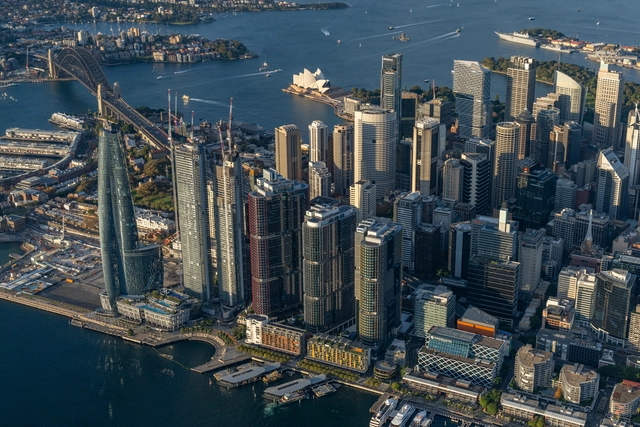
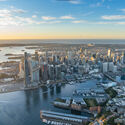
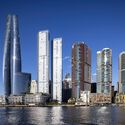
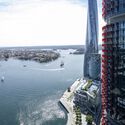
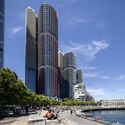
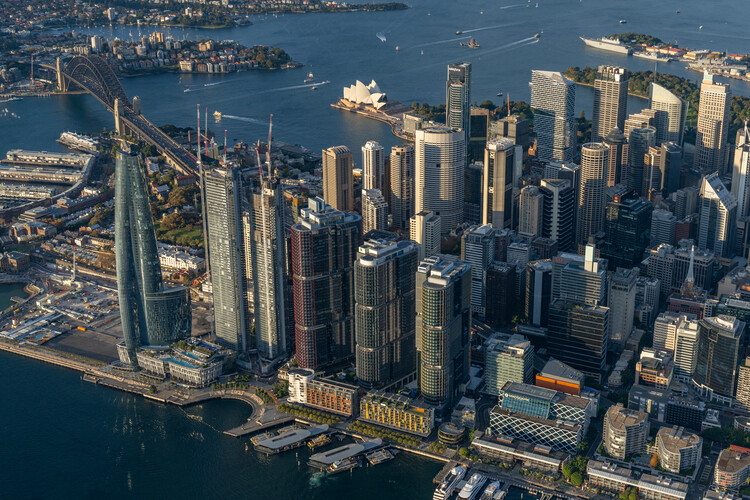
RSHP has announced the completion of the Barangaroo South Masterplan in Sydney, marking the realization of a 15-year redevelopment that has reconnected the city's north-western harbour edge to its urban core. Once a disused container port, the 22-hectare site has been transformed into a mixed-use, carbon-neutral precinct, integrating commercial, residential, and public spaces along the waterfront. Developed in collaboration with Lendlease following an international design competition, the masterplan is organized into three zones: Barangaroo South, a high-density extension of the Central Business District; Barangaroo Reserve, a reconstructed natural headland that reintroduces native landscapes to the harbour; and Barangaroo Central, a low-density residential area linking the northern and southern ends of the development.
https://www.archdaily.com/1035645/barangaroo-south-masterplan-by-rshp-and-lendlease-completes-a-15-year-transformation-of-sydneys-western-waterfrontReyyan Dogan
Small-Scale Solutions to Climate Challenges: 13 Highlighted Projects from the 19th Venice Architecture Biennale
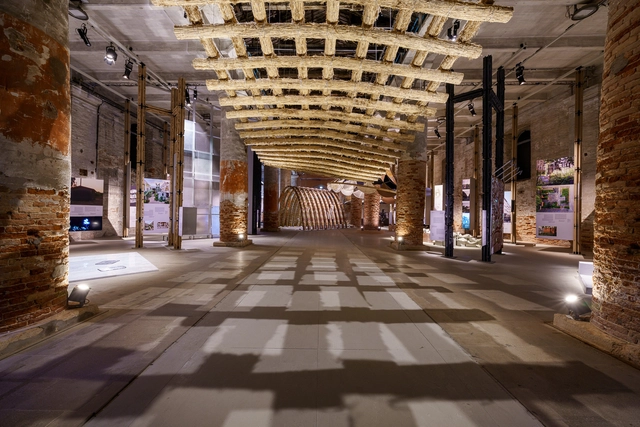
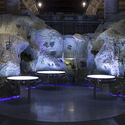
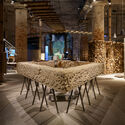
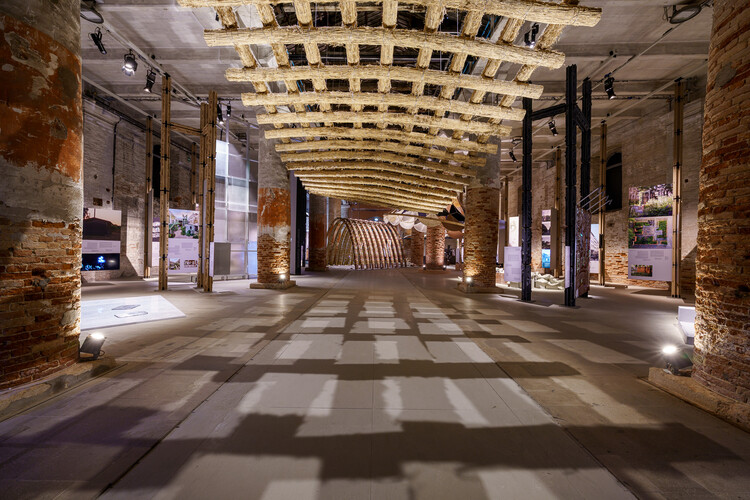
With just a few days left before the six-and-a-half-month 19th Venice Architecture Biennale comes to an end, it is possible to look back on some of the most notable contributions within its thematic framework. Marked by the largest call for participants to date, the Biennale's diversity of topics and the range of installations on display go beyond easy recapitulation. As part of that reflection, several initiatives can be highlighted as illustrative of the principles reflected in the curatorial theme, "Intelligens. Natural. Artificial. Collective." The concepts interwoven in Carlo Ratti's title form a call to address the urgent need for substantial solutions amid the accelerating climate crisis, positioning the Biennale as a platform for diverse design proposals and experiments organized around three forms of intelligence: natural, artificial, and collective. Beyond the national pavilions and numerous collateral events held throughout Venice over the past six months, among the more than 700 participants are projects that, through practice, embody four shared intentions: opening conversations about the future, proposing systemic responses to local realities, placing technology at the center of design innovation, and pursuing material research rooted in local sensitivity.

https://www.archdaily.com/1035641/small-scale-solutions-to-climate-challenges-13-highlighted-projects-from-the-19th-venice-architecture-biennaleAntonia Piñeiro
The Grand Egyptian Museum Fully Opens, Completing Giza’s New Cultural Landmark
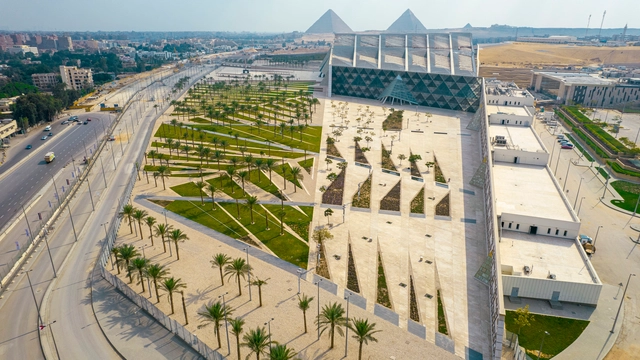
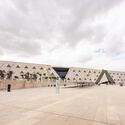
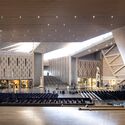
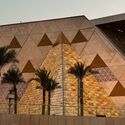
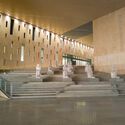
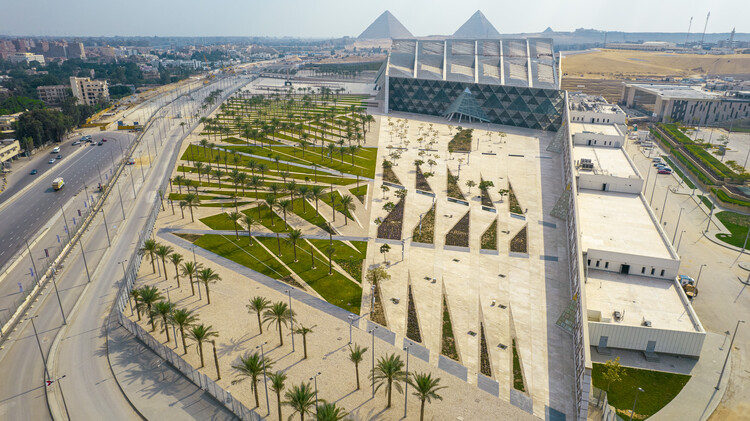
The Grand Egyptian Museum (GEM) in Cairo will open to the public on November 1, 2025, completing a project that has been in development for more than two decades. Designed by Heneghan Peng Architects, the museum is located on the Giza Plateau, approximately two kilometers from the Pyramids of Giza, and occupies a 500,000-square-meter site positioned between the edge of Cairo and the desert. Conceived as a new cultural and research center, the museum aims to present the legacy of ancient Egyptian civilization within a contemporary architectural framework.
https://www.archdaily.com/1035595/the-grand-egyptian-museum-fully-opens-completing-gizas-new-cultural-landmarkReyyan Dogan
MVRDV Advances Urban Densification with The Sax Residential Towers in Rotterdam
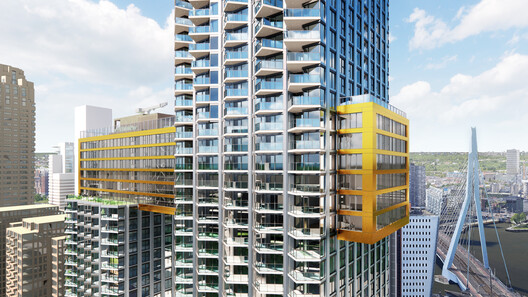
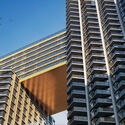
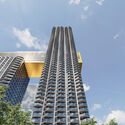
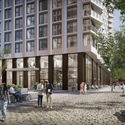
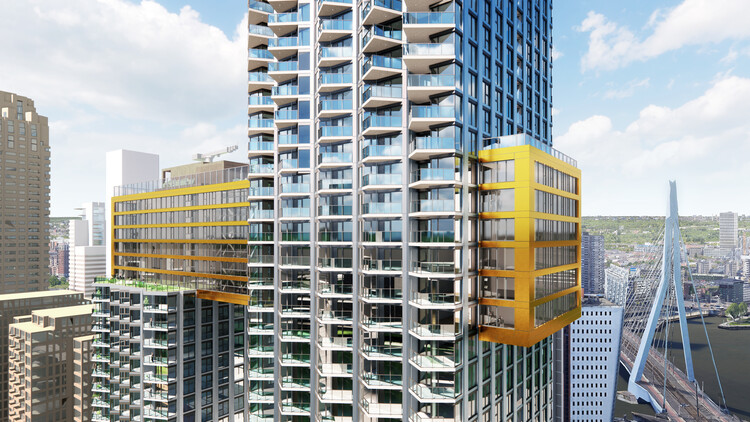
The City of Rotterdam, developers BPD and Synchroon, and architecture firm MVRDV have officially begun construction on The Sax, a major residential project located on Rotterdam's Wilhelminapier. Designed to contribute to the city's ongoing densification efforts, the development will deliver 916 apartments within two interconnected towers. Once completed, The Sax will make Wilhelminapier the most densely populated area in the Netherlands, making the project an example of compact urban growth. The design comprises two towers, combining a wide mix of housing types and shared amenities with strong connections to public transport and sustainable mobility solutions, including parking for 1,800 bicycles and a fully automated car garage. With its silver façade and undulating balconies, the building's form echoes the shape of a saxophone, reflecting the character of Rotterdam.
https://www.archdaily.com/1035581/mvrdv-advances-urban-densification-with-the-sax-residential-towers-in-rotterdamAntonia Piñeiro
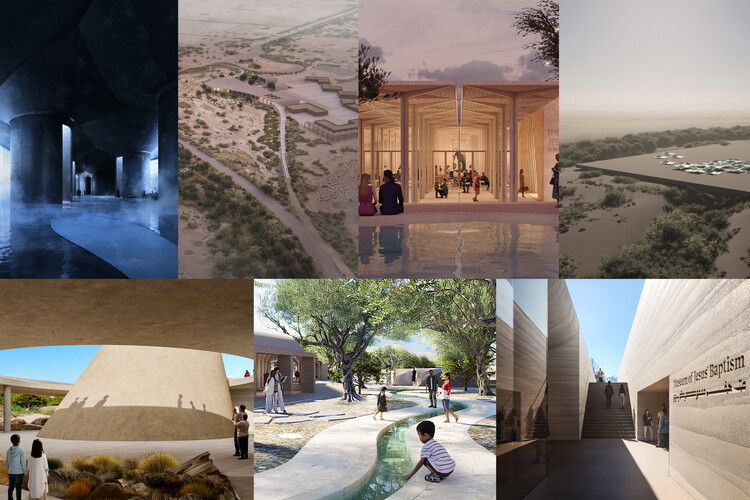
Seven Finalist Designs Revealed for the Museum of Jesus’ Baptism in Jordan
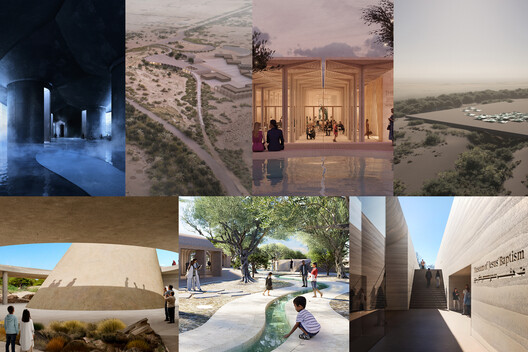
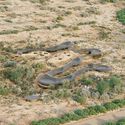
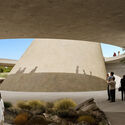
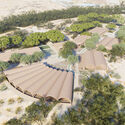
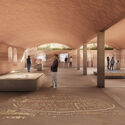
The Foundation for the Development of the Lands Adjacent to the Baptism Site has unveiled seven shortlisted concept designs for the new Museum of Jesus' Baptism at Bethany, Jordan. The proposals, now available in an online gallery, were developed by internationally recognized multidisciplinary teams led by AAU Anastas, heneghan peng architects, Níall McLaughlin Architects, Studio Anne Holtrop, Tatiana Bilbao ESTUDIO, Toshiko Mori Architect, and Trahan Architects. Managed by Malcolm Reading Consultants, the invited competition seeks an architect-led multidisciplinary team to design a museum and garden that responds to the sacred character of the site. The project is planned to open in 2030, marking the bimillennial of Christ's baptism, and aims to create a space of reflection, learning, and cultural exchange.
https://www.archdaily.com/1035558/seven-finalist-designs-revealed-for-the-museum-of-jesus-baptism-in-jordanReyyan Dogan
The Latvian Pavilion at the 2025 Venice Architecture Biennale Invites Critical Dialogue on the Spatial Impact of Conflict
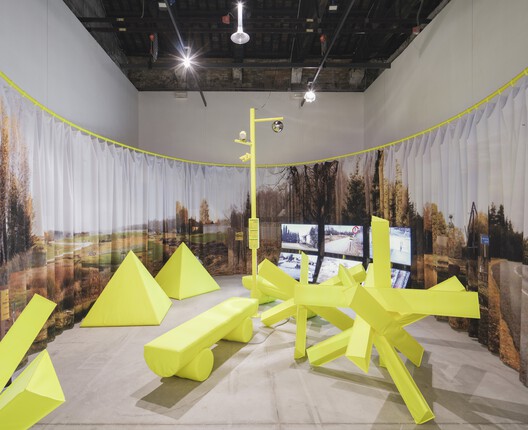
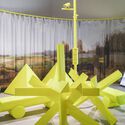
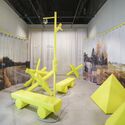
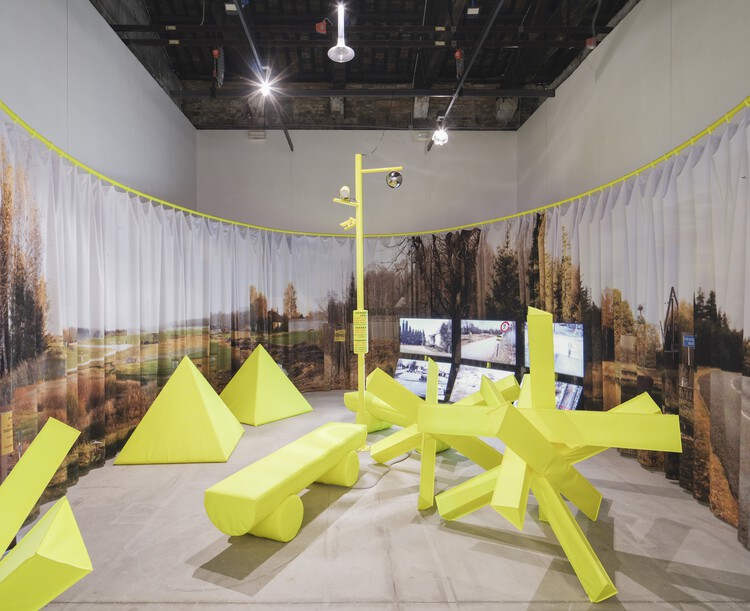
The Latvian Pavilion at the 19th International Architecture Exhibition – La Biennale di Venezia, commissioned by Jānis Dripe and curated by Liene Jākobsone and Ilka Ruby, explores the impact of military defense on the country's border landscape. The exhibition was designed by SAMPLING and Nomad Architects to highlight how geopolitical tensions shape both territory and daily life. In times of escalating international warfare, the curatorial team poses the question of what it means to live on NATO's external border in times of geopolitical conflict.
https://www.archdaily.com/1028964/the-latvian-pavilion-at-the-2025-venice-architecture-biennale-invites-critical-dialogue-on-the-spatial-impact-of-conflictAntonia Piñeiro
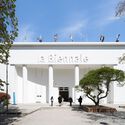
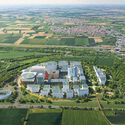
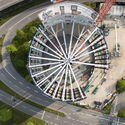
The Final Weeks of the Venice Architecture Biennale and New Projects Breaking Ground: This Week’s Review
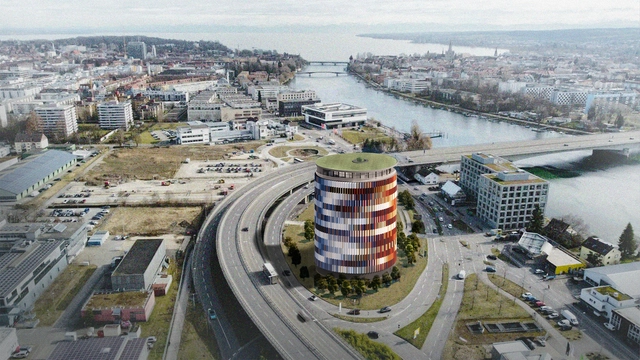
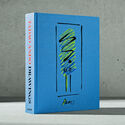
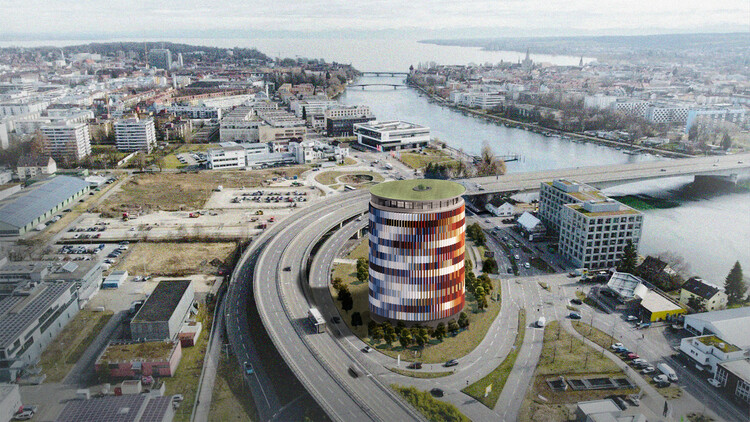
As the 19th Venice Architecture Biennale enters its concluding weeks, the global architecture scene continues to unveil significant projects and recognitions. This week's highlights include Studio Libeskind's residential complex in Prague; sauerbruch hutton's Panorama Constance exhibition building in Germany, and CRA–Carlo Ratti Associati's digitally fabricated bivouac for the upcoming Milano Cortina 2026 Winter Olympics. In New York, Venezuelan artist Miguel Braceli designed a major public artwork for the city's waterfront, addressing themes of migration, diversity, and the complexities of geopolitical identity. The week also brought recognition to sustainable and creative achievements, from the Holcim Foundation's regional awards for sustainable construction to the publication of Tadao Ando. Sketches, Drawings, and Architecture by Taschen, celebrating nearly five decades of the architect's design process.
https://www.archdaily.com/1035541/the-final-weeks-of-the-venice-architecture-biennale-and-new-projects-breaking-ground-this-weeks-reviewAntonia Piñeiro
Meet the Category Winners of the 2025 Architecture Drawing Prize
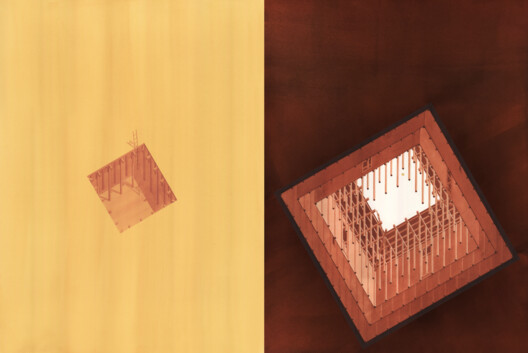
The eighth edition of The Architecture Drawing Prize has revealed its 15 winners, following a radical restructuring of its judging criteria to reflect the evolving landscape of architectural representation. For the first time, the competition assessed all entries together, rather than by category, embracing the growing influence of digital and AI-assisted tools in the creative process.
Launched in 2017 and co-curated by Make Architects, Sir John Soane's Museum, and the World Architecture Festival (WAF), the Prize celebrates the art and skill of architectural drawing across multiple modes of creation. Sponsored by Iris Ceramica Group and supported by ArchDaily as media partner, this year's edition attracted a record number of more than 200 submissions from around the world. Drawings were evaluated for their technical skill, originality, and capacity to convey architectural ideas through diverse techniques, ranging from traditional hand drawings to complex hybrid compositions.


https://www.archdaily.com/1035513/meet-the-category-winners-of-the-2025-architecture-drawing-prizeRomullo Baratto
Tracing Five Decades of Thought and Form: “Tadao Ando. Sketches, Drawings, and Architecture”
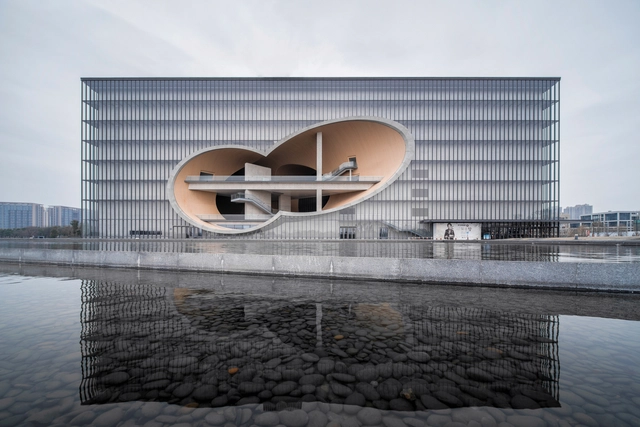
Taschen's new book, published in October 2025, Tadao Ando. Sketches, Drawings, and Architecture presents an in-depth exploration of the Japanese architect Tadao Ando's creative process, bringing together over 750 sketches, drawings, models, and technical plans developed over nearly five decades. Created in close collaboration with Ando himself, the book provides a rare view into how his ideas take shape, from the immediacy of the first pencil lines to the precision of architectural drawings that define his built works. Through these materials, the publication highlights Ando's enduring focus on the relationship between hand, thought, and space.



https://www.archdaily.com/1035508/tracing-five-decades-of-thought-and-form-tadao-ando-sketches-drawings-and-architectureReyyan Dogan
CRA–Carlo Ratti Associati Designs Self-Sufficient Bivouac Pavilion for the 2026 Milano Cortina Winter Olympics
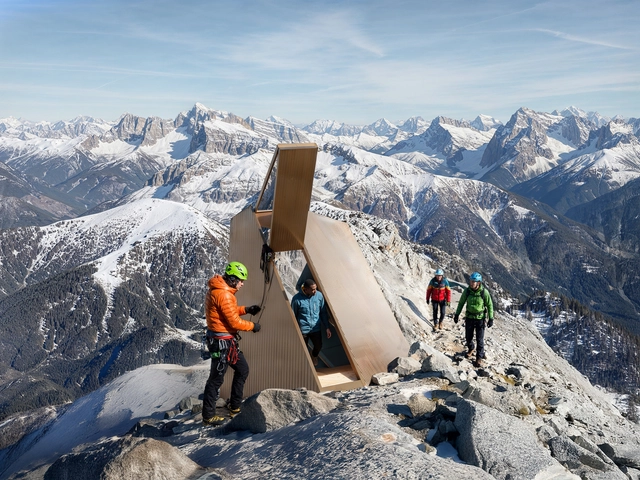
CRA–Carlo Ratti Associati, in collaboration with Salone del Mobile.Milano, recently unveiled the design of a digitally fabricated bivouac set to debut as an urban pavilion during the 2026 Winter Olympics in Milan. The digitally fabricated wooden structure is designed to be self-sufficient, incorporating systems for energy production and storage, as well as water harvesting through air condensation. After its debut at Milano Cortina 2026, the structure is planned to be airlifted by helicopter to its permanent high-altitude location in the Italian Alps, where it will serve as a refuge for mountaineers.




https://www.archdaily.com/1035490/cra-carlo-ratti-associati-designs-self-sufficient-bivouac-pavilion-for-the-2026-milano-cortina-winter-olympicsAntonia Piñeiro
Holcim Foundation for Sustainable Construction Reveals 20 Winning Projects of the 2025 Holcim Awards

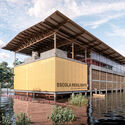
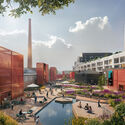
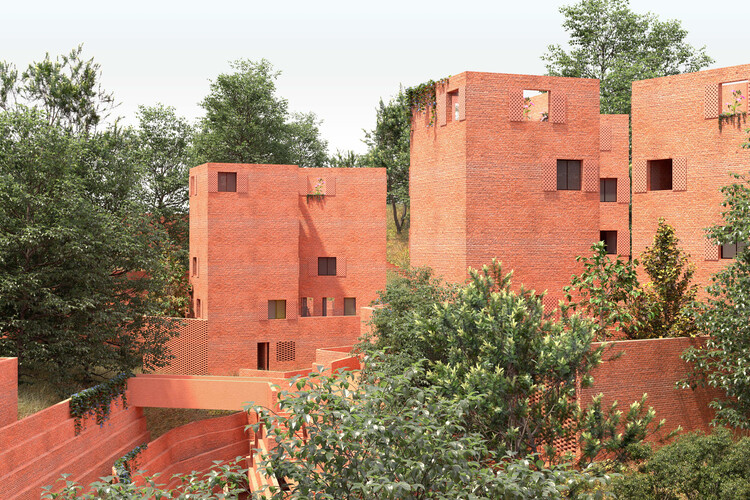
The Holcim Foundation for Sustainable Construction has announced the 20 winning projects of the 2025 Holcim Foundation Awards, recognizing contributions to sustainable design and construction across five regions: Asia Pacific, Europe, Latin America, the Middle East and Africa, and North America. This year's selection spans a broad range of scales, from a 200-square-meter semi-permanent school in a Kenyan forest to major urban regeneration initiatives in Madrid, Dhaka, and Shenzhen, reflecting the diversity and reach of sustainable architecture today. This year introduces a new Grand Prize format, replacing the traditional Gold, Silver, and Bronze rankings. Each region will now honor one Grand Prize winner, emphasizing excellence without comparison and acknowledging the diverse approaches to sustainability.
https://www.archdaily.com/1035453/holcim-foundation-for-sustainable-construction-reveals-20-winning-projects-of-the-2025-holcim-awardsReyyan Dogan
Oman’s First-Ever Pavilion at the Venice Architecture Biennale 2025 Explores the Communal Sablah as a Model for the Future

The Sultanate of Oman has made its first appearance at the 19th International Architecture Exhibition - La Biennale di Venezia, presenting its debut national pavilion titled Traces. Curated by Omani architect Majeda Alhinai and commissioned by Sayyid Saeed bin Sultan bin Yarub Al Busaidi, Undersecretary of the Ministry of Culture, Sports and Youth for Culture, the pavilion is part of the exhibition's central theme, "Intelligens. Natural. Artificial. Collective." It will be on view until 23 November 2025 at the Arsenale in Venice, Italy.


https://www.archdaily.com/1029877/omans-first-ever-pavilion-at-the-venice-architecture-biennale-2025-explores-the-communal-sablah-as-a-model-for-the-futureNour Fakharany
Kéré Architecture Breaks Ground on Museum Ehrhardt in Plüschow, Germany
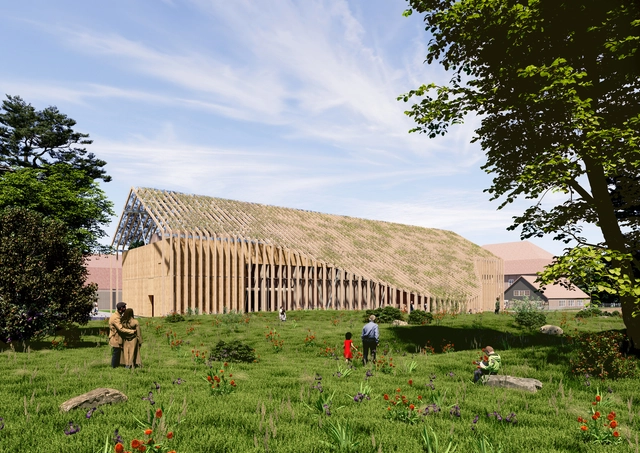
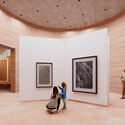
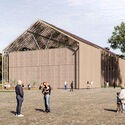
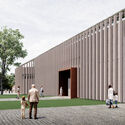
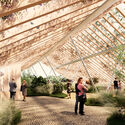
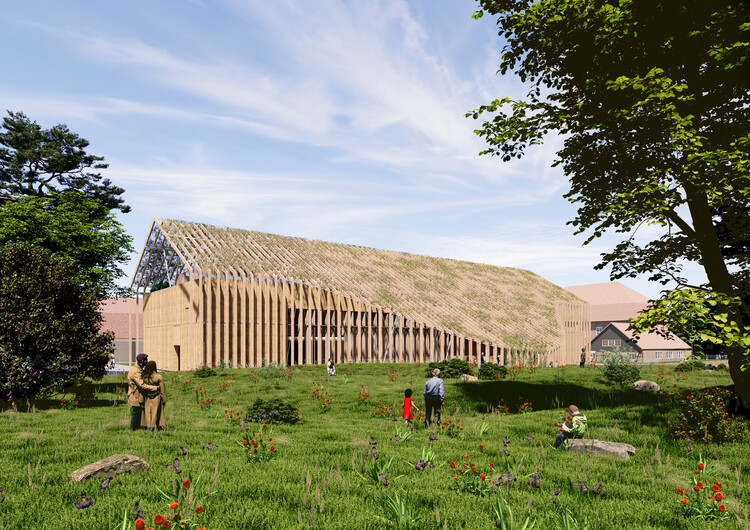
Construction has officially begun on the Museum Ehrhardt in Plüschow, northeast Germany, marking the first cultural project in Germany by Francis Kéré and his firm Kéré Architecture, as well as their first museum building in Europe. Developed in cooperation with HK Architekten and Hermann Kaufmann + Partner ZT GmbH, the 1,400-square-meter museum will be dedicated to photography and contemporary art. The initiative was launched by Dr. Jens Ehrhardt, son of the artist Alfred Ehrhardt (1901–1984), together with his wife Elke Weicht-Ehrhardt, to honor the painter, photographer, and filmmaker who was a leading figure of Germany's New Objectivity movement. The museum will stand near the Baltic Sea, adjacent to Schloss Plüschow, an artist residency and gallery.
https://www.archdaily.com/1035447/kere-architecture-breaks-ground-on-museum-ehrhardt-museum-in-pluschow-germanyAntonia Piñeiro
MVRDV Breaks Ground on the Innovation Park Artificial Intelligence Campus in Heilbronn, Germany
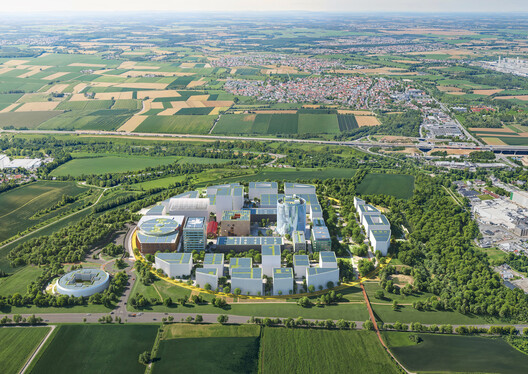
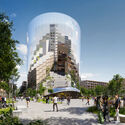
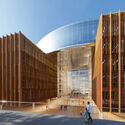
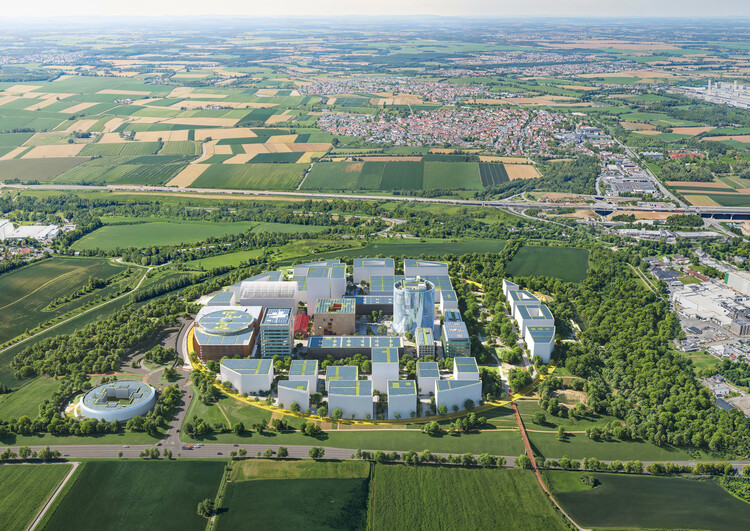
Construction began on the Innovation Park Artificial Intelligence (IPAI) Campus in Heilbronn, Germany, designed by the Dutch architectural firm MVRDV. Developed by the IPAI Konsortium, which includes the State of Baden-Württemberg, the Dieter Schwarz Foundation, Schwarz Gruppe, and the City of Heilbronn, the 30-hectare campus is envisioned as an international hub for over 5,000 professionals advancing innovative and responsible AI solutions. Centered on principles of openness, collaboration, and sustainability, the project aims to integrate workplaces, public spaces, and research facilities, establishing a setting where technology and human interaction coexist.
https://www.archdaily.com/1035412/mvrdv-breaks-ground-on-the-innovation-park-artificial-intelligence-campus-in-heilbronn-germanyReyyan Dogan
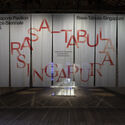
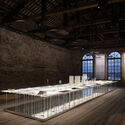
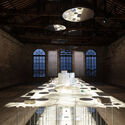
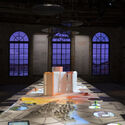
The Singapore Pavilion at the Venice Architecture Biennale Reimagines the City-State as a Dining Table
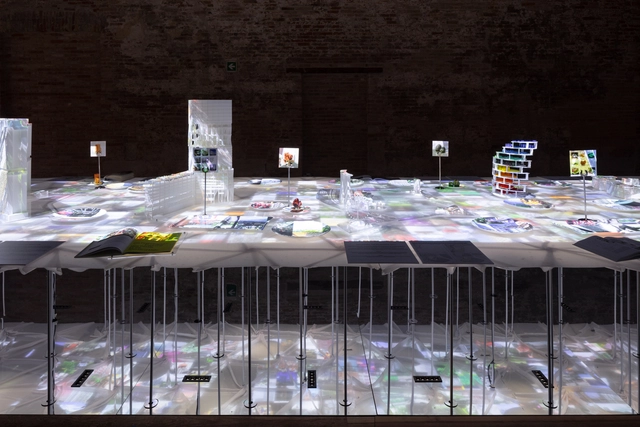
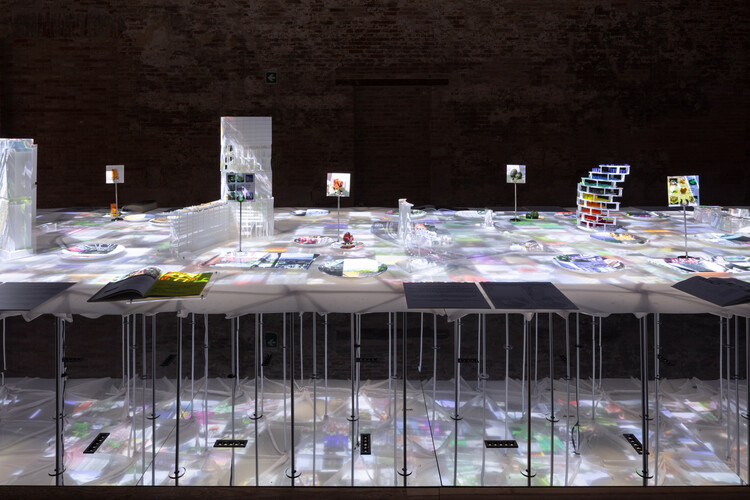
2025 marks the 60th anniversary of Singapore's independence, commemorating its separation from Malaysia on August 9, 1965. The occasion is celebrated in the country's national pavilion at the 19th Venice Architecture Biennale with a multisensory installation that honors Singapore's diversity and reimagines city-making through food, culture, and collective design. Titled RASA–TABULA–SINGAPURA, the installation invites visitors to take a seat at the Table of Superdiversity: an enticing reimagining of city-making and nation-building through the universal act of dining. According to the curatorial team from the Singapore University of Technology and Design (SUTD), the purpose of the installation is to showcase how the convergence of multicultural differences, collective histories, design, and new technology creates opportunities for more inclusive and adaptive urban futures.
https://www.archdaily.com/1035399/the-singapore-pavilion-at-the-venice-architecture-biennale-reimagines-the-city-state-as-a-dining-tableAntonia Piñeiro
One Month Until Closing: 10 Must-See National Pavilions at the 2025 Venice Architecture Biennale
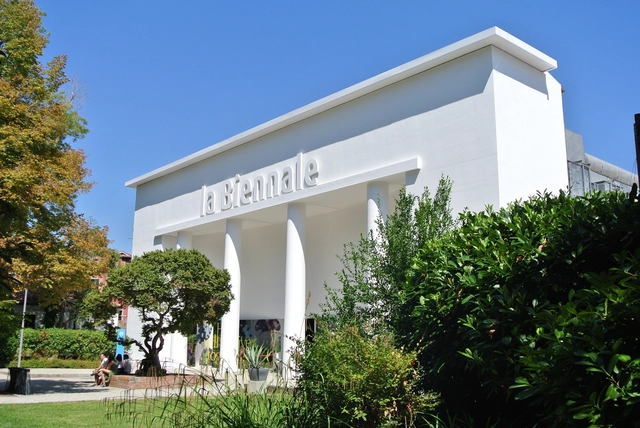
As the 19th International Architecture Exhibition enters its final month before closing on November 23, the 2025 Venice Architecture Biennale continues to reaffirm its position as one of the most influential global platforms for contemporary architectural discourse. Opened to the public on May 10 under the curatorship of Italian architect Carlo Ratti, this edition, titled "Intelligens. Natural. Artificial. Collective." brings together over 750 participants across 65 national pavilions, 11 collateral events, and numerous parallel initiatives throughout the city. Structured around the themes of Natural, Artificial, and Collective Intelligence, the Biennale examines how architecture can respond to the intertwined challenges of climate adaptation, technological transformation, and social collaboration.


https://www.archdaily.com/1035374/one-month-until-closing-10-must-see-national-pavilions-at-the-2025-venice-architecture-biennaleReyyan Dogan
Stuudio TÄNA and Mark Aleksander Fischer to Curate the 2026 Tallinn Architecture Biennale on Affordability in Architecture
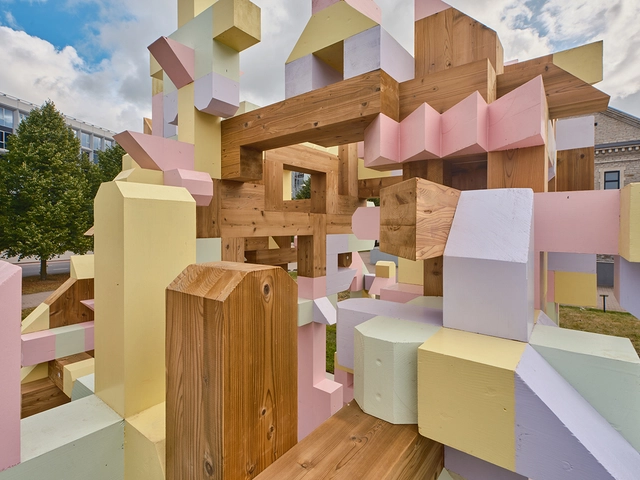
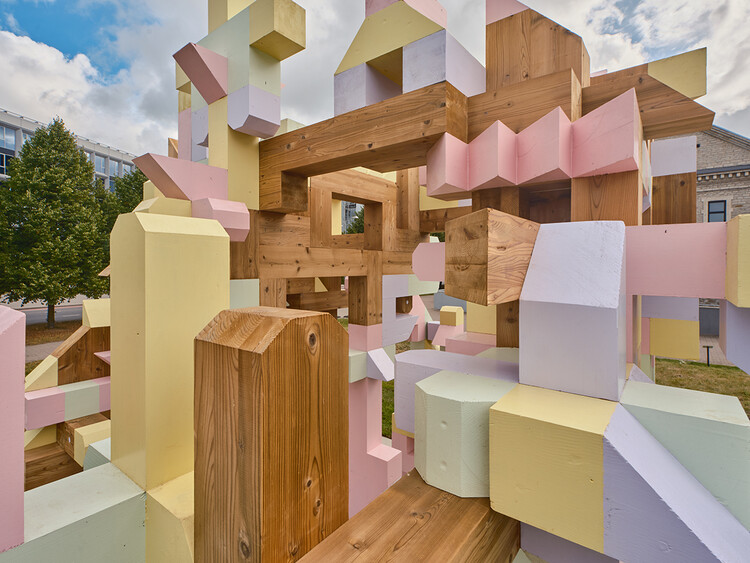
The Tallinn Architecture Biennale (TAB) has been organized by the Estonian Centre for Architecture (ECA) since 2011. Since its founding, it has become Estonia's leading international festival dedicated to architecture and the built environment. The ECA recently announced that the upcoming edition will be curated by Stuudio TÄNA and Mark Aleksander Fischer, winners of the Curatorial Competition for the 8th International Tallinn Architecture Biennale (TAB 2026). Their winning proposal, titled "How Much?", poses the question of what affordability truly means in architecture today. The event, which in previous editions has included exhibitions, lectures, seminars, tours, satellite events, and installations across Tallinn, seeks to open a space for reflection on how architecture and design can be genuinely cost-effective, addressing the broader implications of cost and consumption. TAB 2026 will take place in the Estonian capital from 9 September to 30 November 2026.
https://www.archdaily.com/1035352/stuudio-tana-and-mark-aleksander-fischer-to-curate-the-2026-tallinn-architecture-biennale-on-affordability-in-architectureAntonia Piñeiro
RIBA Stirling Prize Winner and Faith Park in Albania: This Week’s Review

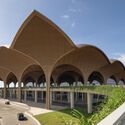
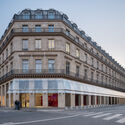
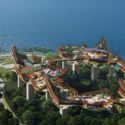
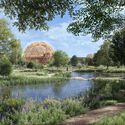
This week's architectural developments highlighted how design operates as a form of social and cultural infrastructure, linking care, community, and context across scales. From London's reinterpretation of the almshouse model to the transformation of urban gateways in Phnom Penh and Tirana, architecture reflected a shared interest in spaces that foster connection and adaptability. Parallel to these urban and infrastructural works, new cultural projects in Paris and Hanoi explored how museums and performance spaces can renew public institutions through material experimentation and spatial flexibility.
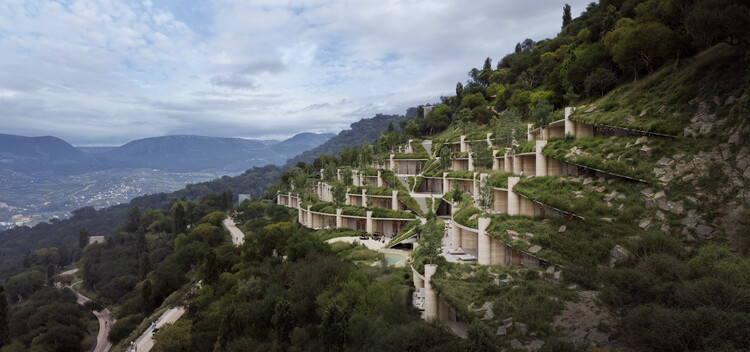
https://www.archdaily.com/1035345/riba-stirling-prize-winner-and-faith-park-in-albania-this-weeks-reviewReyyan Dogan
Zaha Hadid Architects’ Danjiang Bridge Nears Completion Ahead of 2026 Opening in Taipei, Taiwan
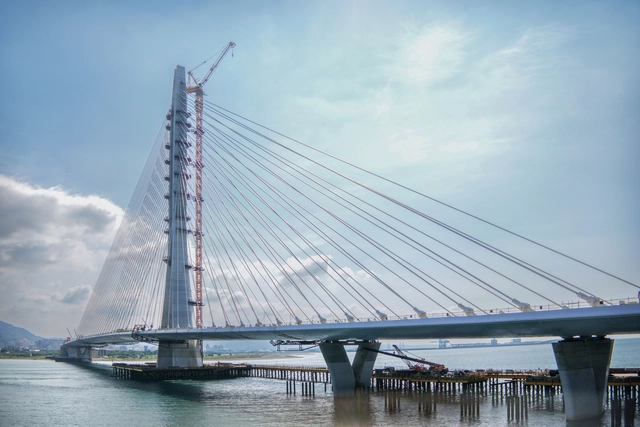
Zaha Hadid Architects was announced as the winner of the Danjiang Bridge International Competition in 2015. At the time, the design proposal sought to minimize the bridge's visual impact by employing a single concrete structural mast to support a 920-meter-long cable-stayed span. Construction began in 2019 on what would become the world's longest single-mast, asymmetric cable-stayed bridge. In October 2025, the final segment of the bridge's steel decking was installed, connecting the east and west banks of the Tamsui River estuary in Taiwan for the first time and confirming its opening date for May 12, 2026.



https://www.archdaily.com/1035330/zaha-hadid-architects-danjiang-bridge-nears-completion-ahead-of-2026-opening-in-taipei-taiwanAntonia Piñeiro
OMA Unveils Hillside Redevelopment Project in Busan, South Korea
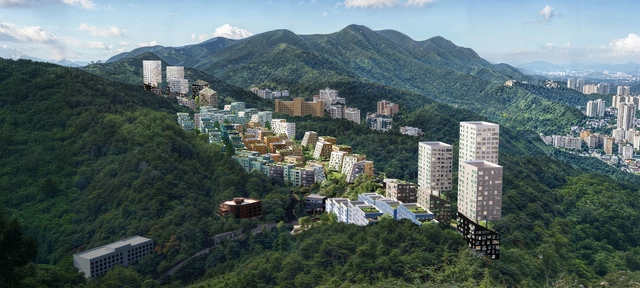
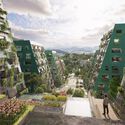
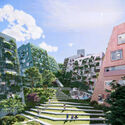
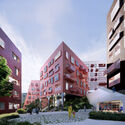
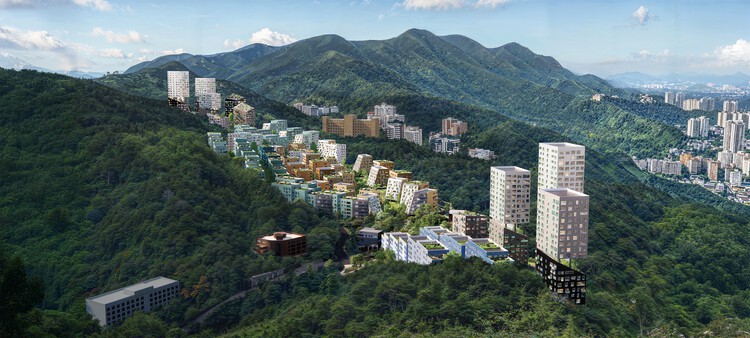
The Busan Slope Housing project by OMA addresses urban redevelopment on the steep hillsides of Busan, South Korea, drawing on the city's topographical complexity and historical settlement patterns. Developed in collaboration with the Busan Architecture Festival and the Department of Housing and Architecture, the project explores strategies to rethink hillside neighborhoods while responding to both contemporary housing needs and the social and spatial legacies of these areas. Rather than replacing these areas with conventional high-rise estates, OMA envisions a flexible, context-responsive framework that integrates contemporary housing typologies with the site's inherited structure.
https://www.archdaily.com/1035303/oma-unveils-hillside-redevelopment-project-in-busan-south-koreaReyyan Dogan
Eduardo Souto de Moura and OODA Reveal Design for a New High-Rise Tower in Tirana, Albania
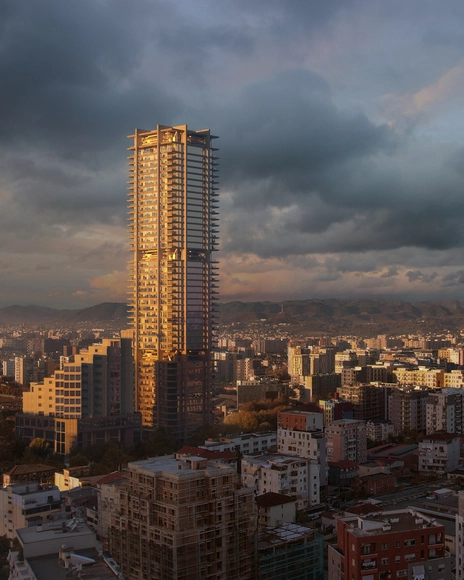
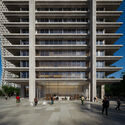
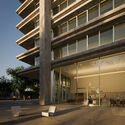
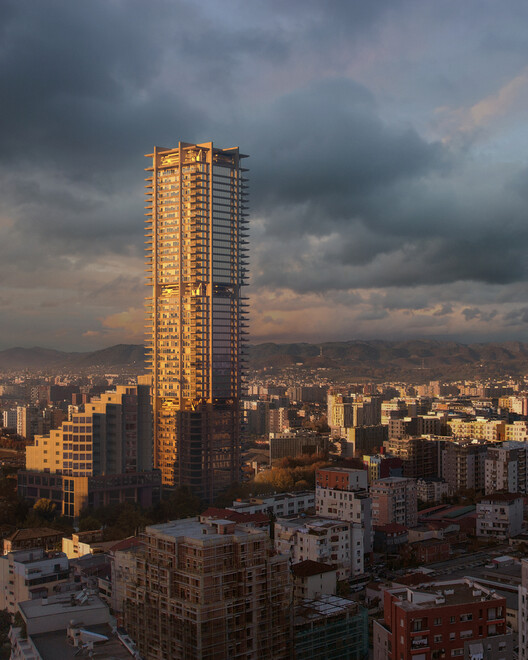
Eduardo Souto de Moura and OODA have unveiled the design of the Oricon Tower, a 180-meter mixed-use skyscraper planned for Tirana, Albania. Located near OODA's recently completed Bond Tower, the project is part of the city's ongoing transformation under the Tirana 2030 Masterplan, which envisions a denser and more connected urban core. The tower will house offices, residences, retail areas, and a hotel, contributing to the city's evolving skyline and serving as a new urban gateway between Tirana's historic center and its expanding western districts.


https://www.archdaily.com/1035281/eduardo-souto-de-moura-and-ooda-reveal-design-for-a-new-high-rise-tower-in-tirana-albaniaAntonia Piñeiro
Techo International Airport by Foster + Partners Opens in Phnom Penh, Cambodia
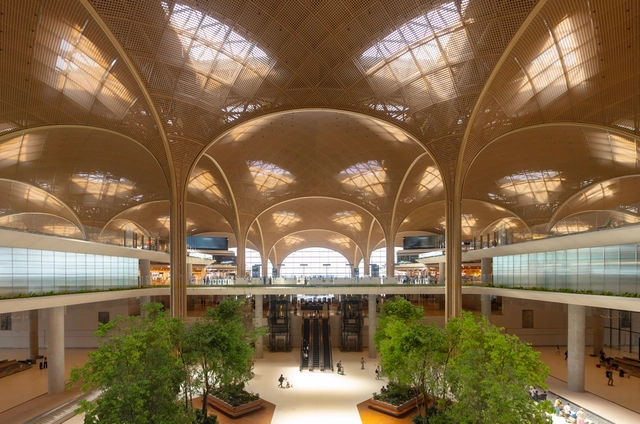
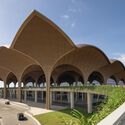
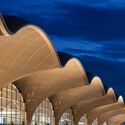
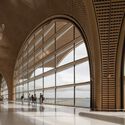
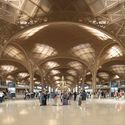
Foster + Partners has completed the Techo International Airport in Phnom Penh, Cambodia, marking a new chapter in the nation's vision for sustainable growth and improved regional connectivity. Situated 20 kilometers south of the city center, the airport's terminal building spans 235,500 square meters and forms the centerpiece of a 24-square-kilometer master plan. Drawing inspiration from Cambodia's vernacular architecture and tropical landscape, the design integrates cultural references and environmental responsiveness to create a contemporary yet contextually rooted gateway for international travel. The first phase, including the head house and northern pier, opened to the public in 2025, while the southern pier is scheduled for completion by 2030.

https://www.archdaily.com/1035263/techo-international-airport-by-foster-plus-partners-opens-in-phnom-penh-cambodiaReyyan Dogan
The Chilean Architecture Biennial Revives a Church Ruin as a Temporary Pavilion
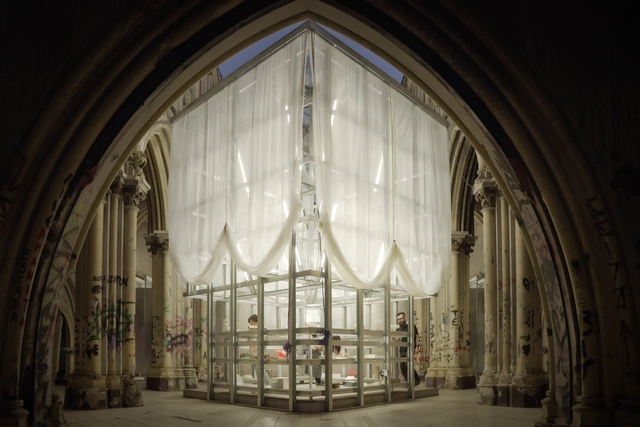
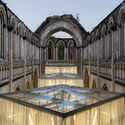
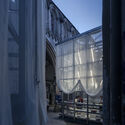
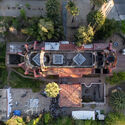
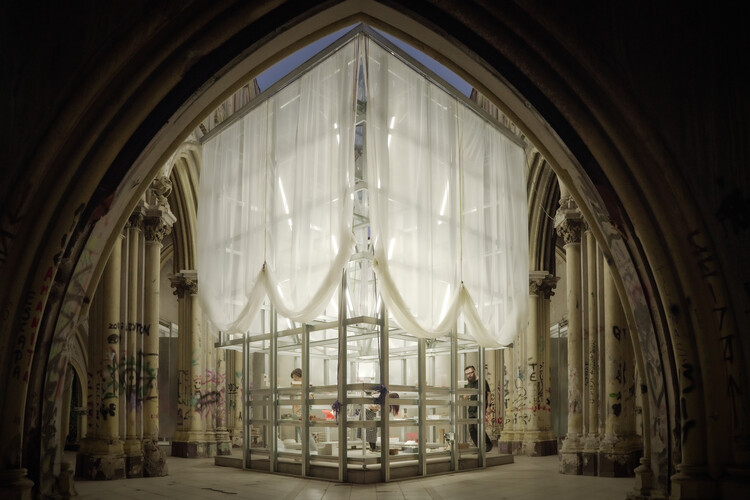
Between September 25 and October 5, 2025, the XXIII Chilean Architecture and Urbanism Biennial took place in Santiago. Under the title "DOUBLE EXPOSURE: (re)program · (re)adapt · (re)construct," the event was organized around the idea of "understanding architecture not as the production of the new, but as the ability to reactivate what already exists." Based on this premise, the curatorial team, composed of Ángela Carvajal and Sebastián López (Anagramma Arquitectes) together with Óscar Aceves, conceived a circuit of eight venues located in downtown Santiago. Their goal was to revive and reclaim urban spaces through a series of free public activities that drew around 70,000 visitors. Among the reactivated sites, the ruins of the San Francisco de Borja Church stood out. Burned during the social outburst of October 2019, the site hosted a temporary pavilion that served as a venue for talks, readings, art installations, discussions, and community events.
https://www.archdaily.com/1035201/the-chilean-architecture-biennial-revives-a-church-ruin-as-a-temporary-pavilionAntonia Piñeiro
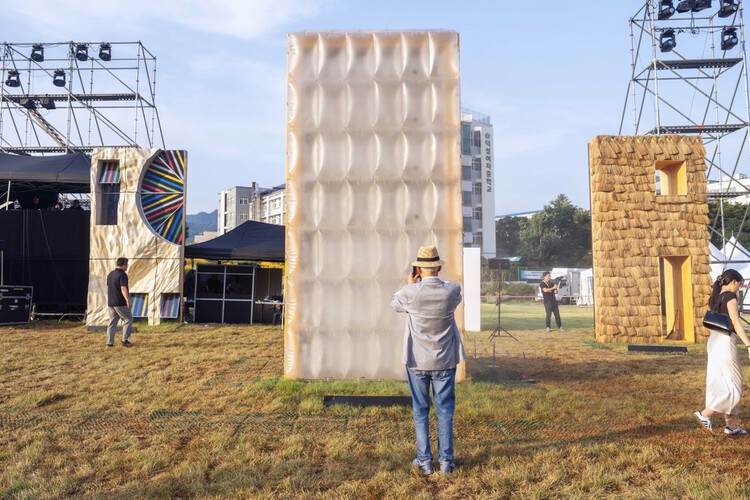
MAD Architects Presents “Breathing Cells” at the 2025 Seoul Biennale
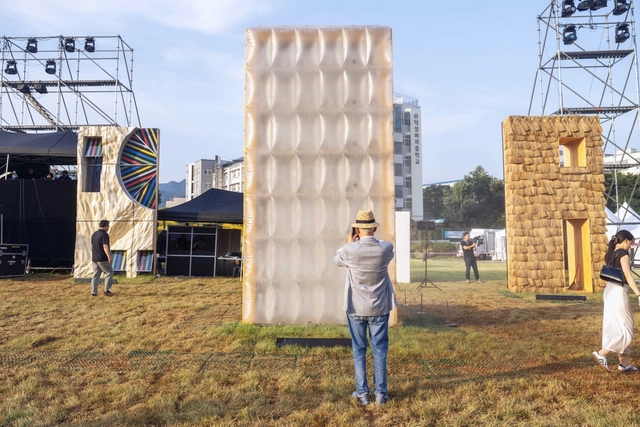
"Breathing Cells," an installation by MAD Architects, is currently on view at Songhyeon Green Plaza in Seoul as part of the 5th Seoul Biennale of Architecture and Urbanism. Invited by Biennale Director Thomas Heatherwick, the installation opened on September 26, 2025, and will remain on display until November 18. Responding to the curatorial theme "Radically More Human," the work presents an alternative vision for future urban environments, one where architecture behaves more like a living organism than a static object.


https://www.archdaily.com/1035211/mad-architects-presents-breathing-cells-at-the-2025-seoul-biennaleReyyan Dogan


