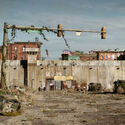
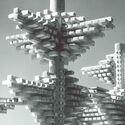
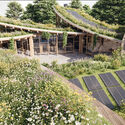
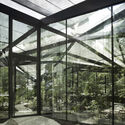
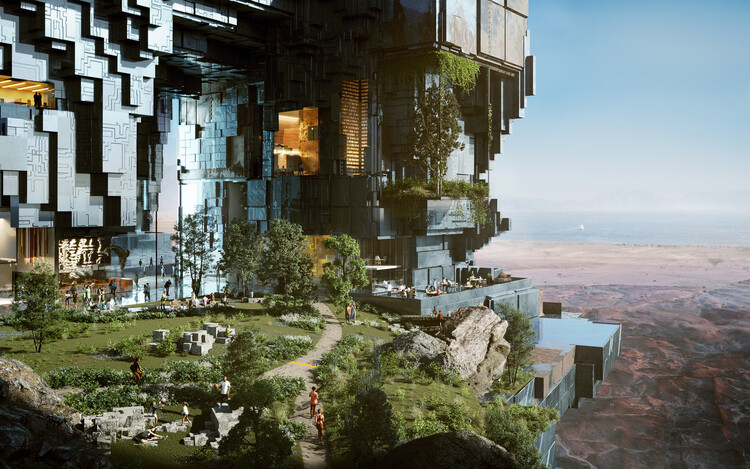
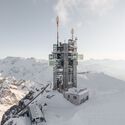
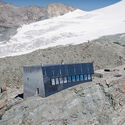
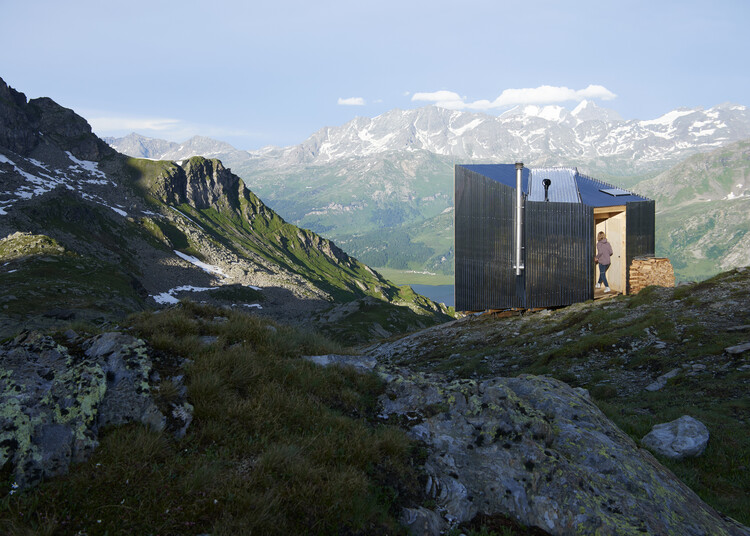
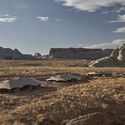
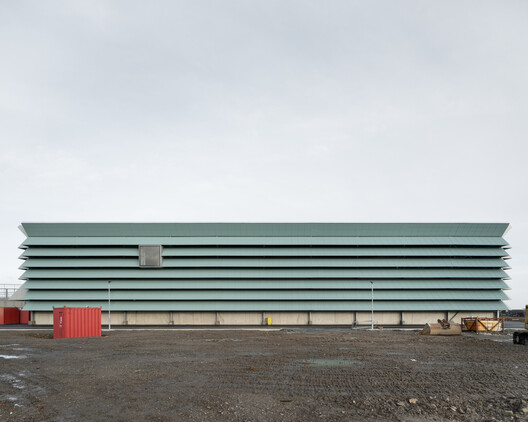
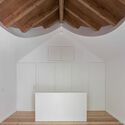
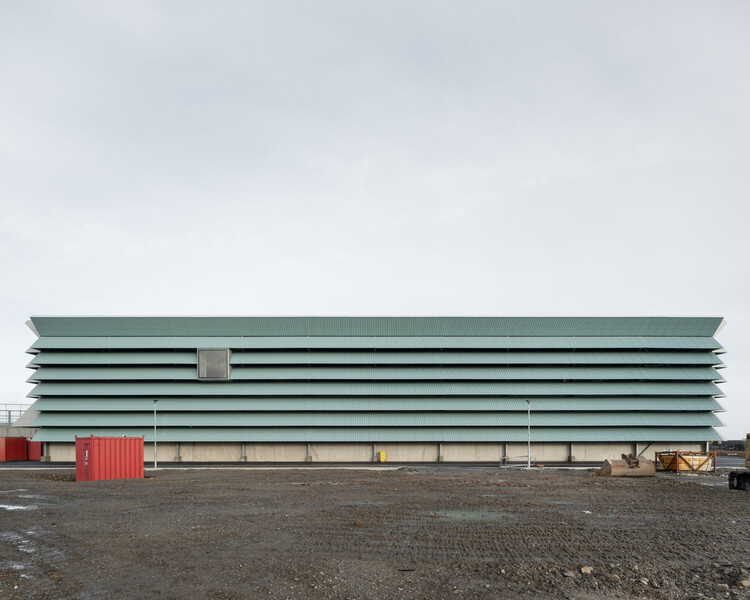
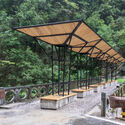
There is no harder place to build than a high mountain, and none where a building feels more provisional. From the Andes to the Himalaya to the Alps, high-altitude construction strips architecture back to its most elementary transactions. The rock reads as permanence itself, yet a structure set near the limit of habitation exists in negotiation with almost everything around it: with wind that arrives without obstruction, with a ground too steep and too frozen to excavate, and with everything it needs arriving from far below. What can be carried up, what can be assembled by few hands, and what can sustain itself are some of the terms of the problem.
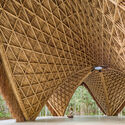
Those constraints have produced a remarkably consistent building culture across otherwise unrelated ranges. The refuge, the hut, the bivouac, and the observatory belong to a shared typology in which shelter is inseparable from logistics, and where lightness, prefabrication, and self-sufficiency were structural necessities long before they became virtues.
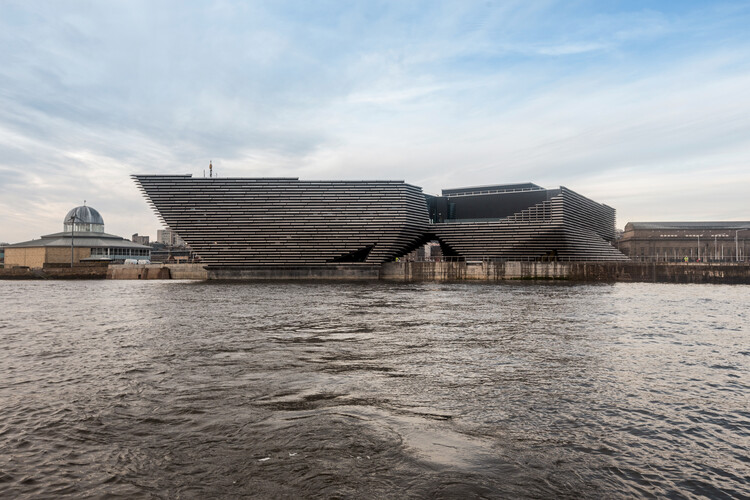
Japanese architect Kengo Kuma has been selected to receive the Andrée Putman Lifetime Achievement Award at the 2027 Créateurs Design Awards (CDA). The award, one of two Legacy Awards presented by the organization, recognizes a career that has influenced architecture and the built environment across generations and geographic contexts. Kuma will receive the honor during the CDA Awards Ceremony, which will take place at the Shangri-La Paris on January 16, 2027.
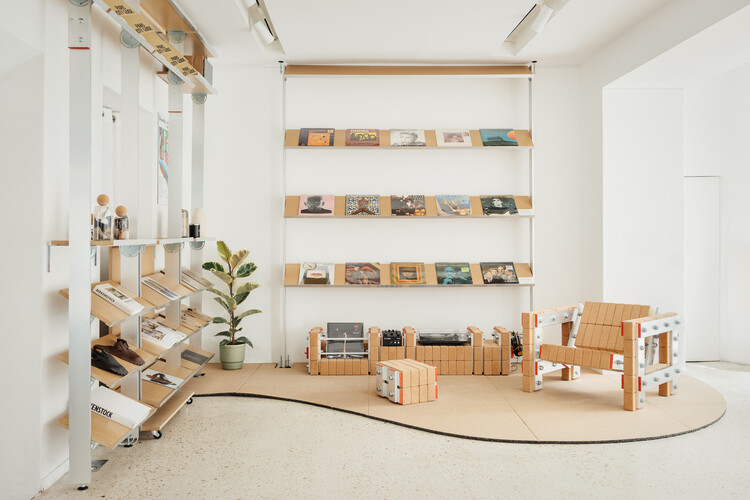
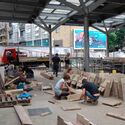
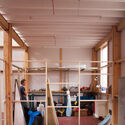
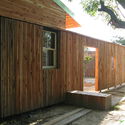
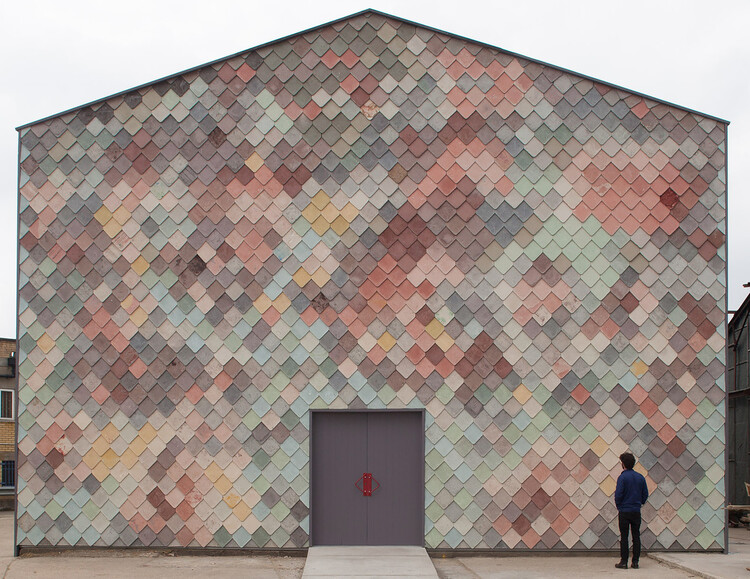
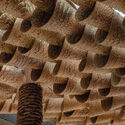
What narratives do materials carry, and how can the visible "traces" of artisans engage in a dialogue with manufacturing processes and industrialization?Between design and construction, the act of thinking through making can become a guiding principle for a design philosophy. Combining wood, industrial materials, and reused objects, Atelier CRAFT's approach is rooted in reversible architecture, guided by its manifesto: "Transform design through making." Based in Saint-Ouen, Paris, the practice explores the relationships between humans and materials, the act of making, and manufacturing processes.
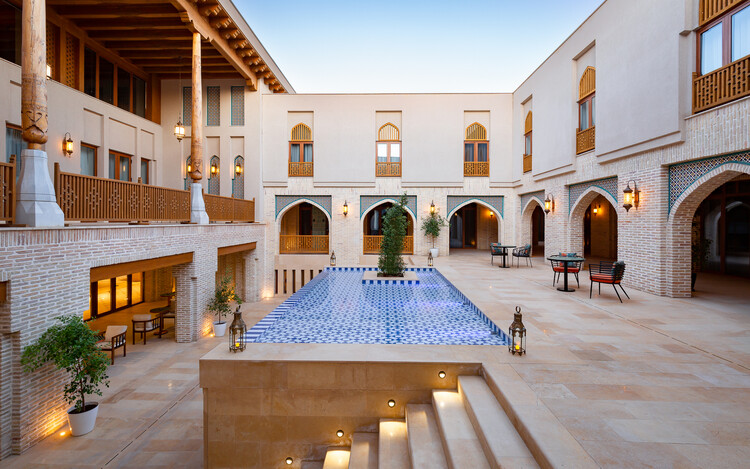
Amid the transformation of Uzbekistan's cities, ARC Architects develops an architecture that seeks to connect past and present. Founded in 2017 by Bobir Klichev, the studio emerged from Bukhara's architectural community and remains closely connected to the country's cultural and climatic particularities. With offices in Tashkent and Bukhara, ARC combines minimalism and ethnic references to develop a contemporary language rooted in its context.
Rather than reproducing a traditional image of Uzbek architecture, the studio seeks to understand how this heritage can be reinterpreted today, an exercise that necessarily engages with the overlapping historical layers across the country. For centuries, cities such as Samarkand and Bukhara were important commercial and cultural centers of Central Asia. Their architecture developed around inner courtyards and narrow streets, forming urban fabrics in which buildings and collective spaces are inseparable.
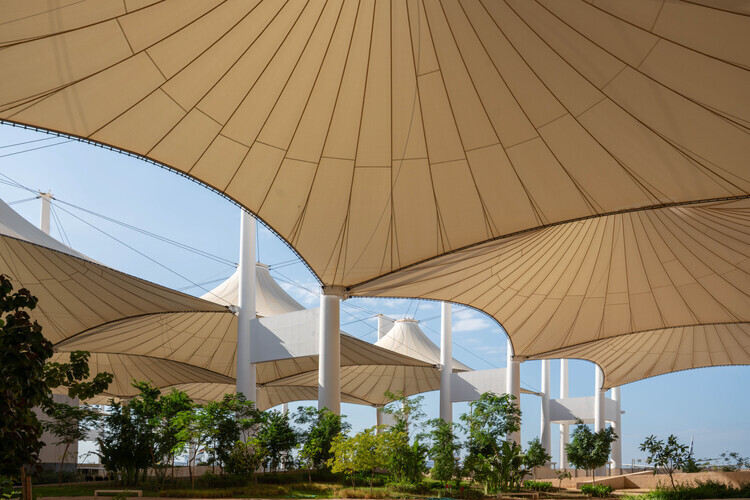
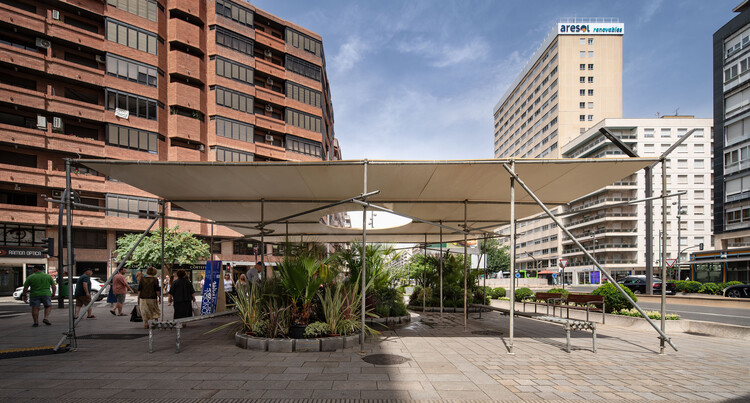
Across the Gulf, Bedouin heritage often enters architecture first as an image. Airport terminals recall tent silhouettes, visitor centres incorporate woven screens, and pavilions reinterpret traditional textiles as decorative façades. These references have become a familiar visual language for expressing regional identity. They also risk reducing one of the world's most sophisticated vernacular building traditions to an architectural motif. Long before the Bedouin tent became a cultural symbol, it was an environmental technology: a lightweight, adaptable structure capable of creating comfort in one of the planet's most demanding climates. What contemporary infrastructure may inherit is not the tent's silhouette, but the construction intelligence woven into it.
When Francis Kéré set out to build a school in his home village of Gando, Burkina Faso, he chose clay, a material his own community associated with scarcity, not architecture. To prove it could hold, he built test bricks and submerged one in water for five days before showing his neighbors it hadn't failed. Then he trained the villagers themselves to raise the walls, rather than bringing in a construction crew from the city. More than 200 people from Gando have since worked as builders because of that choice. The school carries something a materials list alone cannot: the trace of the hands that will go on living in the village long after the scaffolding came down.
In a slim volume with a yellow-edged cover, recently published by the Porto-based imprint Circo de Ideias, the architect Paulo Martins Barata (a founding partner of Promontório) makes a deceptively bold claim that the architecture produced in Europe since the Great Recession belongs to neither of the two camps that structured the twentieth century's fiercest disciplinary debate.
The Language of Metamodern Architecture borrows its title, with evident irony, from Charles Jencks' 1977 The Language of Post-Modern Architecture, the book that famously declared modern architecture dead at 3:32 pm on July 15, 1972, with the demolition of Pruitt-Igoe. His wager is that another death, never officially certified, occurred somewhere around 2008, and that architecture has been living, mostly unaware, in what grew up around the grave.
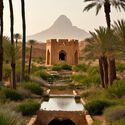
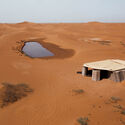
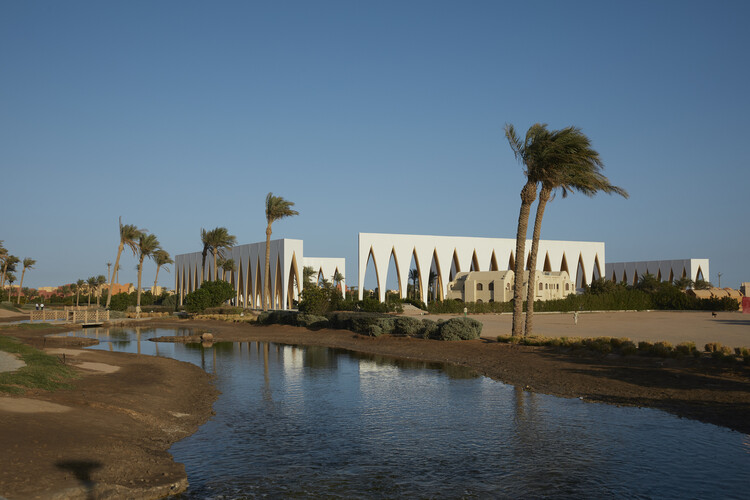
Architecture has long been defined by permanence. Buildings are celebrated because they endure, cities because they establish permanence against uncertainty, and monuments because they resist the passage of time. Some of humanity's oldest urban traditions emerged in landscapes where permanence alone could never guarantee survival. Across the deserts of North Africa and the Arabian Peninsula, oasis settlements developed not as isolated refuges from an empty wilderness, but as carefully maintained pauses within landscapes already shaped by movement. Long before highways and airports connected continents, caravans, pilgrims, pastoralists, and merchants traversed these territories through networks of wells, irrigation systems, cultivated groves, and market towns. The oasis was never the end of a journey. Wells, shaded palm groves, irrigated fields, and caravan markets allowed the next stage of the journey to begin.
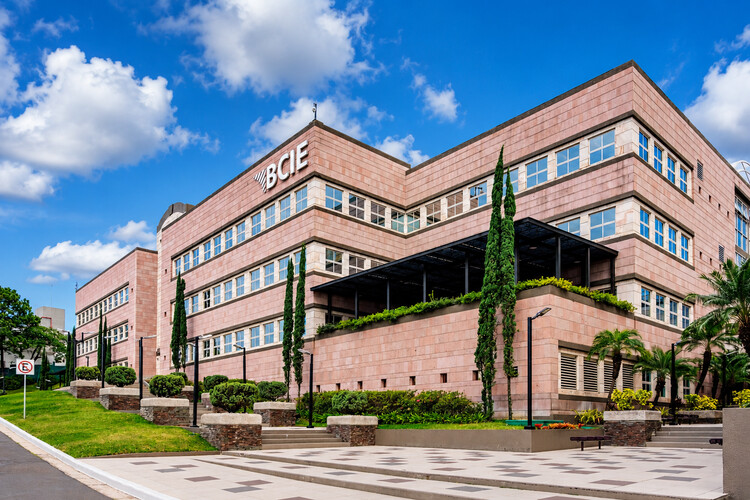
Pedestrian view of BCIE headquarters in Tegucigalpa. Image Courtesy of Banco Centroamericano de Integración Económica (BCIE)
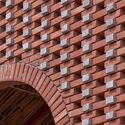
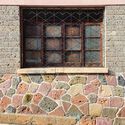
Central America's nations occupy a narrow land bridge between Mexico and Colombia, but they were not born as separate countries. They emerged from a single entity: the Federal Republic of Central America in 1823. That federation collapsed, yet the ideal of a unified region never fully died. In 1951, the governments signed the Charter of San Salvador, creating ODECA, the Organization of Central American States. Four decades later, the 1991 Protocol of Tegucigalpa replaced it with SICA, the Central American Integration System, the framework guiding regional cooperation today. Within this integration process, the Central American Bank for Economic Integration (BCIE) was founded in 1960 by Guatemala, El Salvador, Honduras, and Nicaragua, establishing its headquarters in Tegucigalpa. On the surface, it is a conventional late-20th-century office complex, but look closer at its façade, and the building becomes an argument about identity. One written in pink quarry stone from the very hills that surround the Honduran capital.
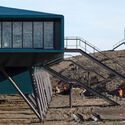
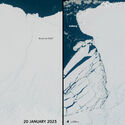
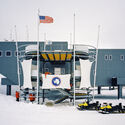
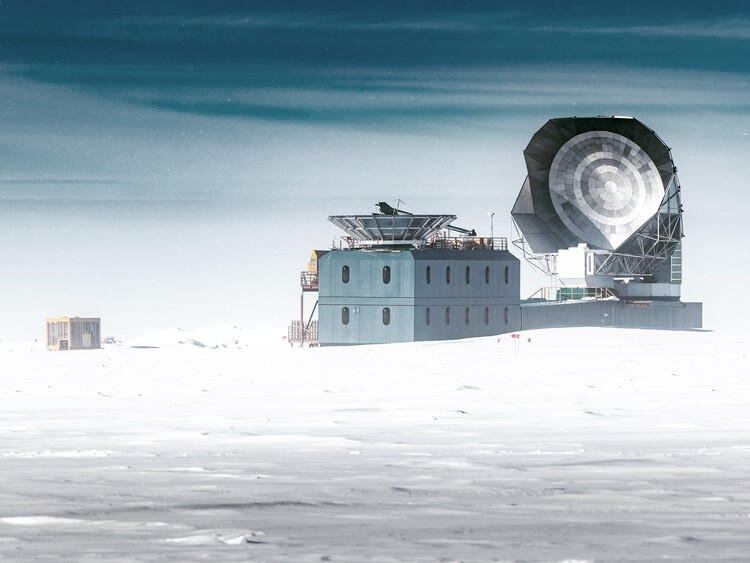
Antarctica has no government, no permanent population, and no economy. It also, since 1959, has had no legally recognized owner as the Antarctic Treaty freezes every territorial claim on the continent. On paper, this makes Antarctica the closest thing on Earth to a true commons. In practice, close to thirty countries currently operate more than seventy research stations there, several of them within a short flight of one another, and one of those stations has a school, a chapel, a cemetery, and a civil registry office that has recorded eleven births since 1978.
None of that architecture is accidental, and very little of it is explained by science alone. A research station costs millions of dollars to build and supply in one of the most logistically hostile places on the planet; a country does not commit to that expense purely to measure atmospheric ozone it could, in several cases, measure somewhere closer. What a station does, reliably, is stake a claim to a territory that legally forbids exactly that.
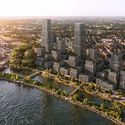
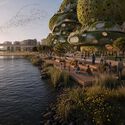
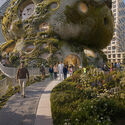
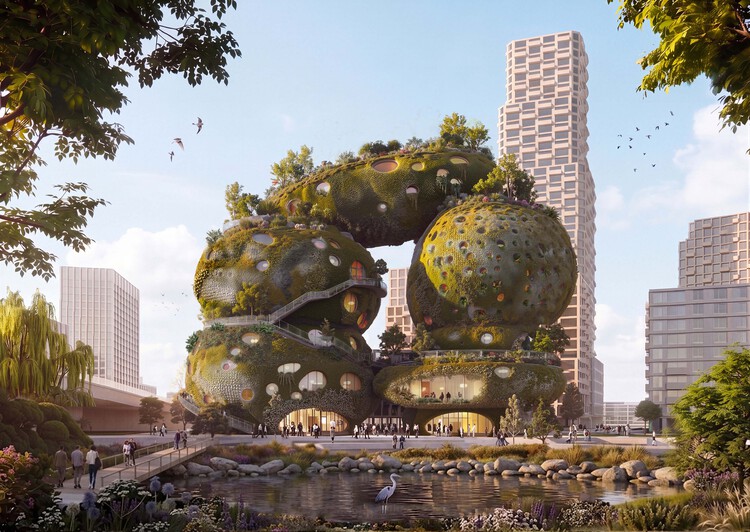
MVRDV has won the international design competition organized by the social enterprise Shift to design the Shift Embassy, a new cultural destination planned for Rotterdam's developing Waterkant district. Conceived as a hybrid of architecture and landscape, the proposal, titled Rotterdam ROCKS! combines exhibition spaces, hospitality, education, public amenities, and ecological infrastructure within a publicly accessible building intended to support Shift's mission of engaging visitors with environmental and societal challenges. The project will form part of Waterkant, a large-scale urban development on the south bank of the Maas, planned to include 3,750 homes alongside schools, workplaces, cultural venues, and public spaces.
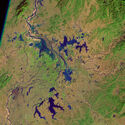
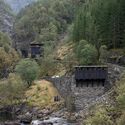
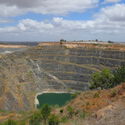
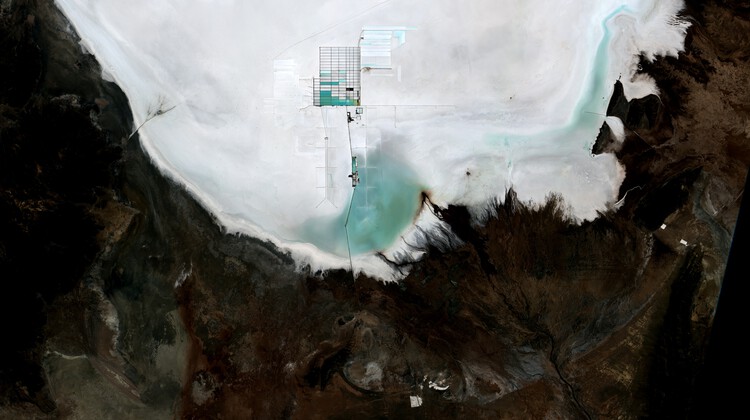
Every building begins somewhere else. The sand in its concrete, the stone on its façade, the lithium that may one day power its systems. It arrives, already stripped from a mountain, a riverbed, or a salt flat thousands of kilometers away, having passed through a chain of trucks, ships, and customs declarations that erase almost everything about where it came from. Architecture tends to treat material as a starting condition, something simply available, but extraction is where construction actually begins.
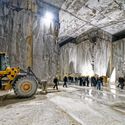
The global trade in construction sand alone now moves on a scale that rivals the illegal markets in timber, gold, and fish combined, run through networks violent enough to have cost reporters and activists their lives. A single mountain in Tuscany has yielded more marble in the past few decades than in the two thousand years before them, hollowed out by a workforce whose own history of revolt has been almost entirely forgotten. Beneath the salt flats of three South American countries and the copper belt of Central Africa, the minerals that will supposedly power a cleaner future are pulled from ground that Indigenous communities have inhabited for generations and that children, in some cases, mine by hand. Each of these is sold as ordinary commerce; each is also a territorial transaction whose terms were set somewhere far from where the material was taken.
Marina Opatija and the Kvarner Bay shoreline from above. Image Courtesy of Smart & Sustainable Marina Rendezvous
M3 Monaco's Smart & Sustainable Marina Rendezvouscompetition returns for its sixth edition with an open-architecture Call for Ideas centered on Marina Opatija, on Croatia's Kvarner Bay. This article sets out what the competition asks of designers: a focused, high-impact intervention built around three required buildings, the pillars and sustainability criteria behind the brief, the key dates leading to the August 2026 deadline, and how to enter, free of charge, for professionals and students alike, with the top finalists pitching their work at the Yacht Club de Monaco.