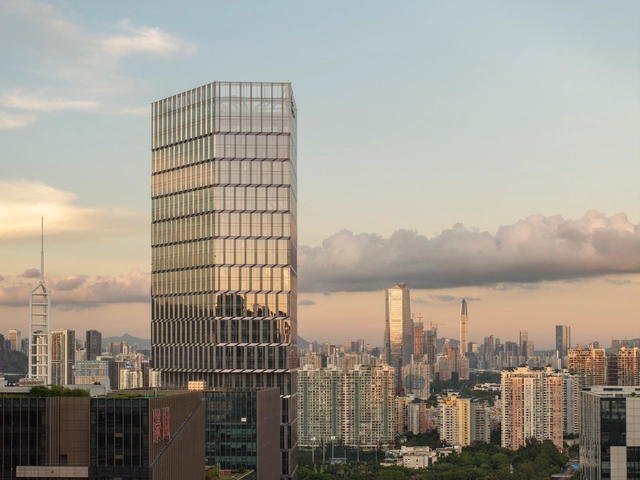
Shenzhen: The Latest Architecture and News
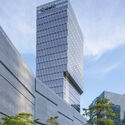
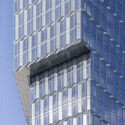
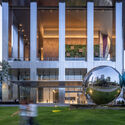
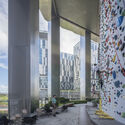
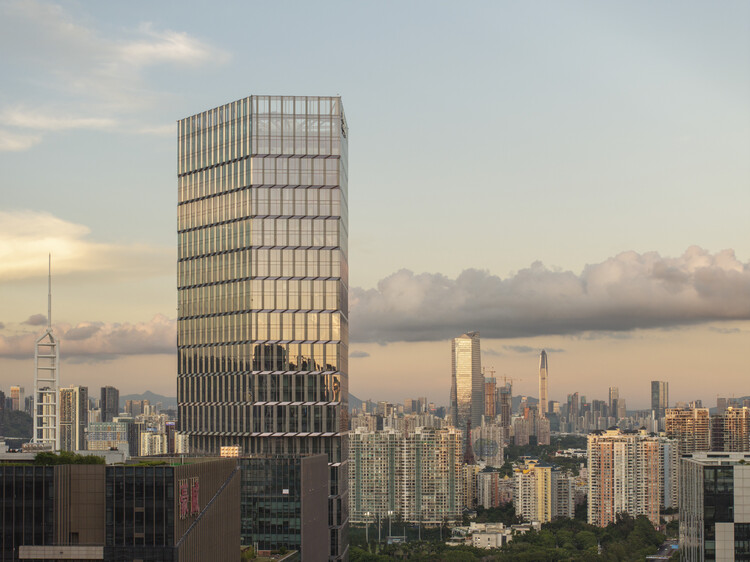
Shenzhen Futian Lvzhou Primary School / CCDI Dongxiying Studio

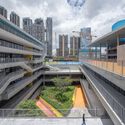
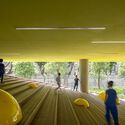
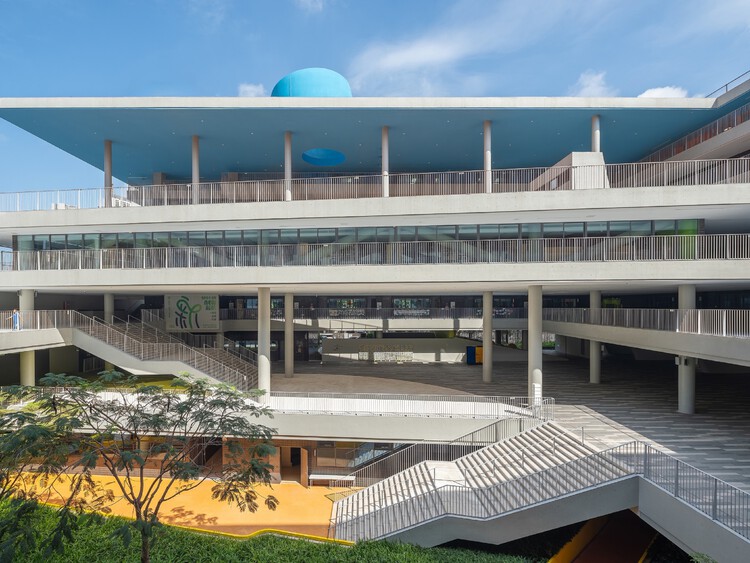
-
Architects: CCDI Dongxiying Studio
- Area: 35985 m²
- Year: 2024
https://www.archdaily.com/1038149/shenzhen-futian-lvzhou-primary-school-ccdi-dongxiying-studioAndreas Luco
Ultra-small Infrastructure Buildings / NODE Achitecture & Urbanism

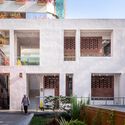
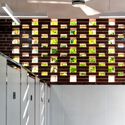
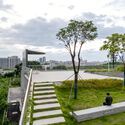

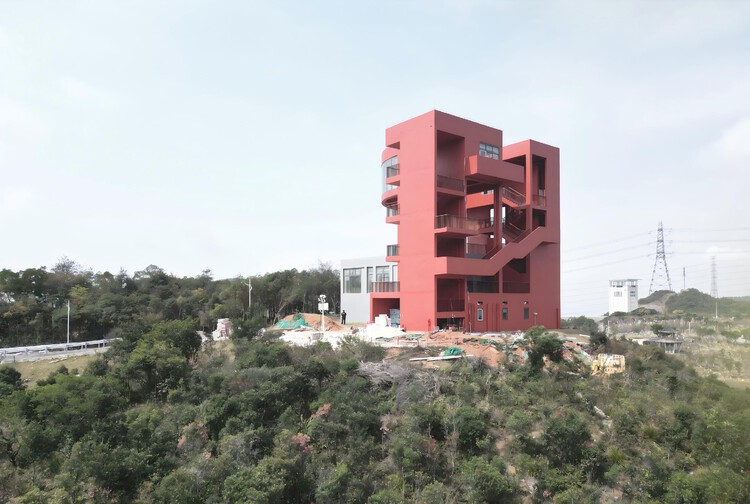
-
Architects: NODE Achitecture & Urbanism
https://www.archdaily.com/1183901/ultra-small-infrastructure-buildings-node-achitecture-and-urbanism韩爽 - HAN Shuang
A Leaf Canopy by the Sea / Studio 10

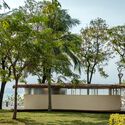
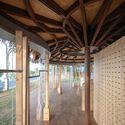

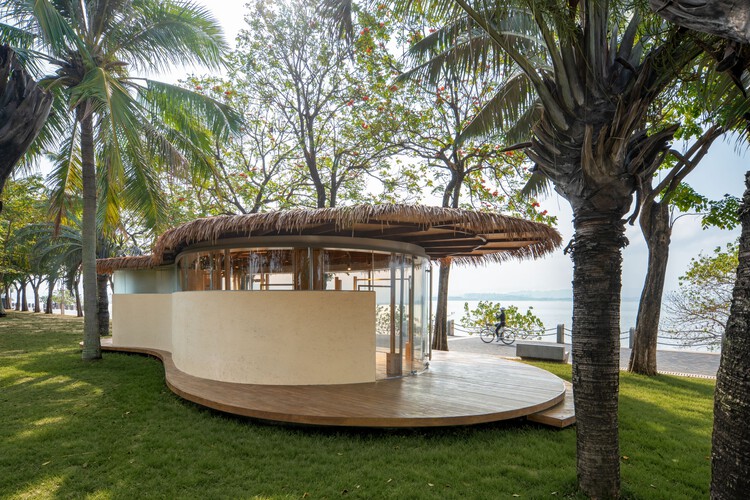
https://www.archdaily.com/1183655/a-leaf-canopy-by-the-sea-studio-10韩爽 - HAN Shuang
Canopy Design at Starfire Discovery Camp / CM Design

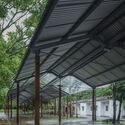
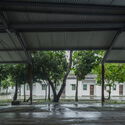
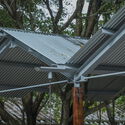
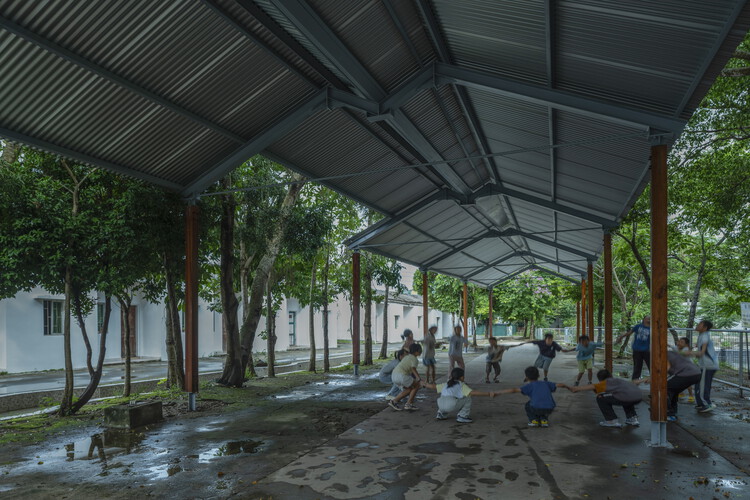
https://www.archdaily.com/1183494/canopy-design-at-starfire-discovery-camp-cm-design韩爽 - HAN Shuang
TP-LINK LXD Building / KPF

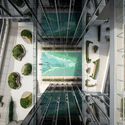
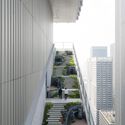

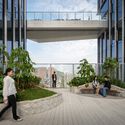
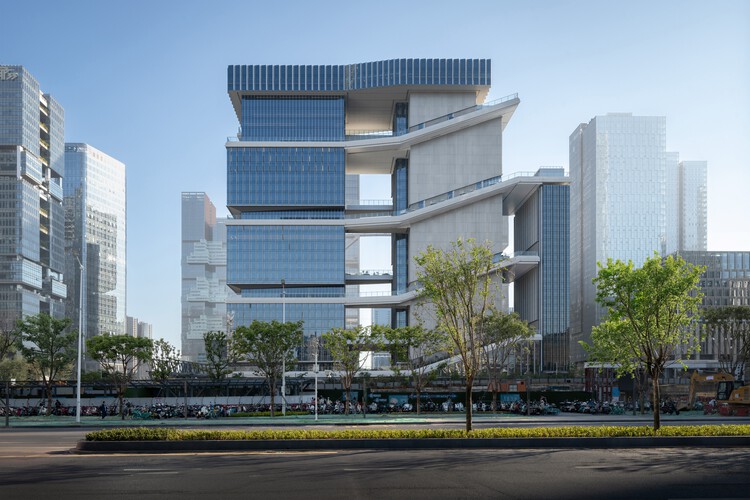
https://www.archdaily.com/1183106/tp-link-lxd-kpfNana Dokua
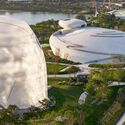
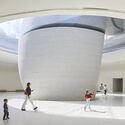
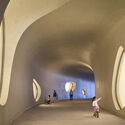
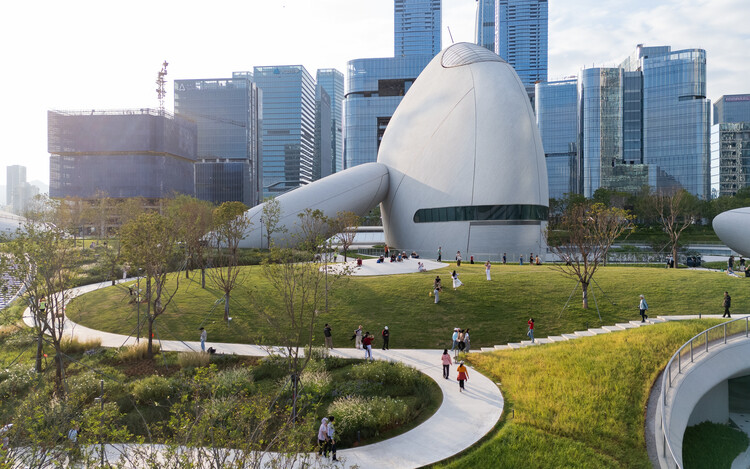
Shenzhen Bay Culture Square / MAD Architects


-
Architects: MAD Architects
- Area: 188000 m²
- Year: 2026
https://www.archdaily.com/1182220/shenzhen-bay-culture-square-mad-architects韩爽 - HAN Shuang
MAD’s Shenzhen Bay Culture Square and Dorte Mandrup’s PLACE Exhibition: This Week’s Review

This week, architecture's relationship with culture took center stage through exhibitions, public projects, and new cultural infrastructure that extend architectural discourse beyond the building itself. While major exhibitions from Australia, Shanghai, Barcelona, and Copenhagen examined themes of housing, landscape, and place through research and design, newly unveiled projects in China and Italy demonstrate how museums, performance venues, and mixed-use projects are increasingly conceived as open public landscapes rather than isolated institutions, while new exhibitions and construction milestones reflect ongoing experimentation in adaptive reuse, context-responsive design, and flexible urban environments.


https://www.archdaily.com/1182303/mads-shenzhen-bay-culture-square-and-dorte-mandrups-place-exhibition-this-weeks-reviewReyyan Dogan
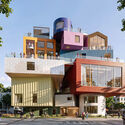
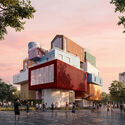
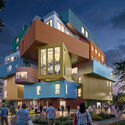
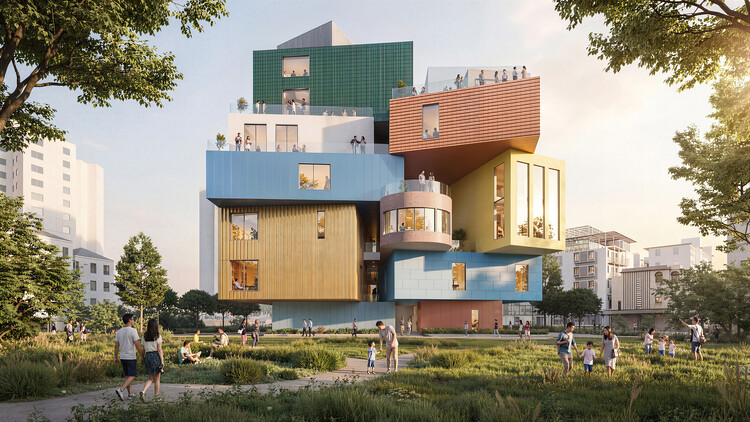
MVRDV Reveals Bihailou Art Village in Shenzhen as a Vertical Village Interpretation

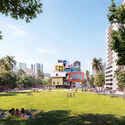
Designed by MVRDV, Bihailou Art Village is a mixed-use cultural and commercial centre currently under construction in Shenzhen, China. Located in the Shatoujiao neighborhood near the Hong Kong border, the mixed-use project combines cultural, commercial, and public programs within a vertically stacked composition derived from the firm's "Vertical Village" concept. Designed to accommodate independently operating venues while maintaining publicly accessible circulation, the development reinterprets the scale and spatial character of the surrounding urban fabric through a series of distinct volumes.
https://www.archdaily.com/1182237/mvrdv-reveals-bihailou-art-village-in-shenzhen-as-a-vertical-village-interpretationReyyan Dogan
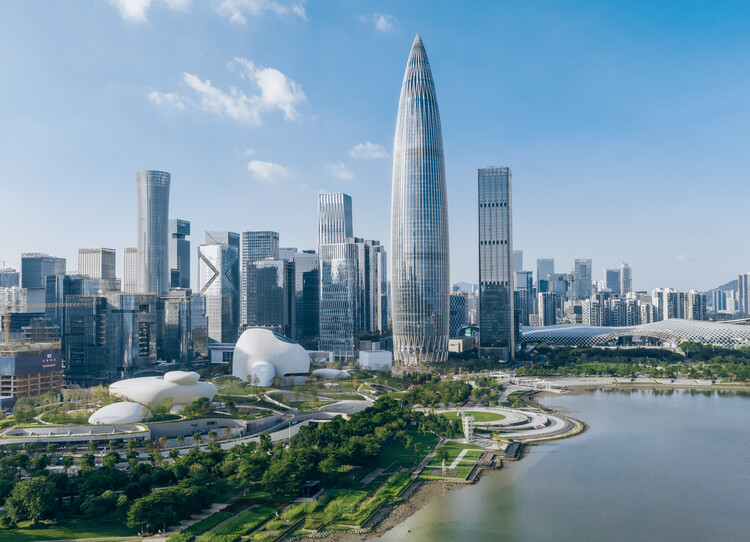
MAD Completes Shenzhen Bay Culture Square, a Coastal Design Museum and Public Park in China

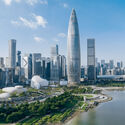
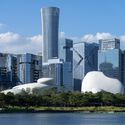
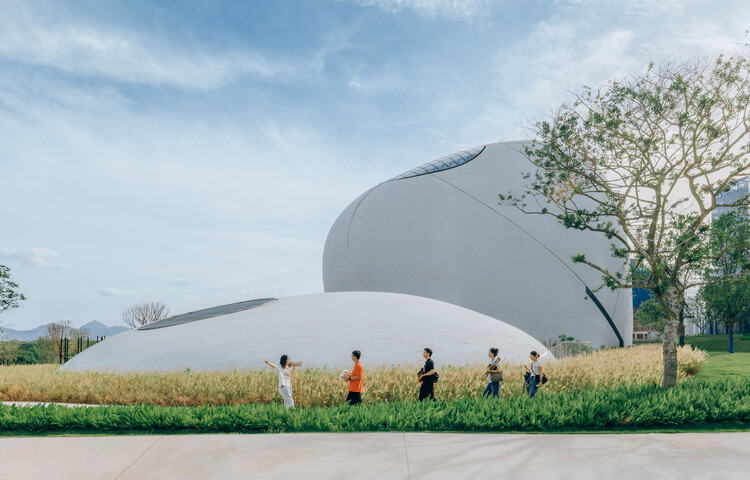
MAD / Ma Yansong's Shenzhen Bay Culture Square exhibition hall and park project began in 2018, with the project completed in 2020. The 188,000 m² building sits on a site area of approximately 51,000 m² along the city's waterfront, at the heart of Houhai, Nanshan District, the headquarters hub of Shenzhen's Greater Bay Area. The masterplan for the site, which includes the Creative Design Hall, the Shenzhen Science and Technology Museum, and a vast public green space, was announced by MAD in 2020 and was expected to be completed in 2023. After eight years, the project, led by Ma Yansong, Dang Qun, and Yosuke Hayano, is now complete and is intended to serve as a cultural facility for design and cultural exchange.


https://www.archdaily.com/1182207/mad-completes-shenzhen-bay-culture-square-a-coastal-design-museum-and-public-park-in-chinaAntonia Piñeiro
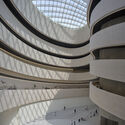
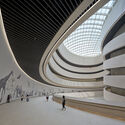
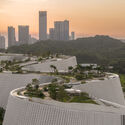
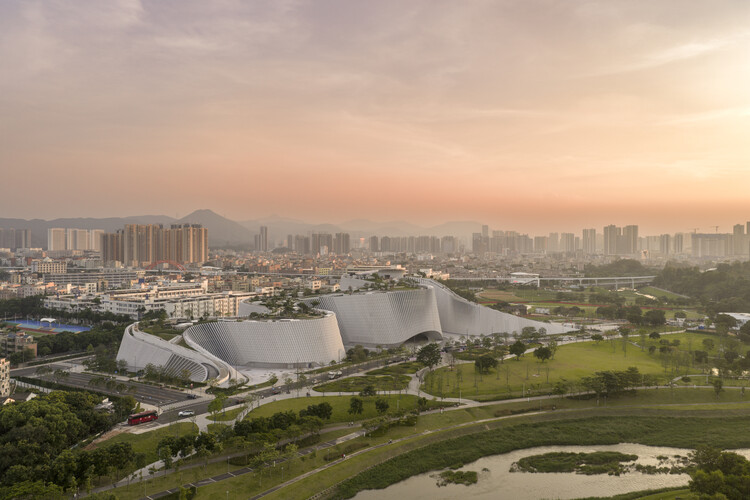
Shenzhen Natural History Museum / 3XN + B+H Architects + ZHUBO Design

-
Architects: 3XN, B+H Architects, ZHUBO DESIGN
- Area: 105300 m²
- Year: 2022
-
Professionals: Zhubo Design
https://www.archdaily.com/1181841/shenzhen-natural-history-museum-3xn-plus-b-plus-h-architects-plus-zhubo-designAndreas Luco
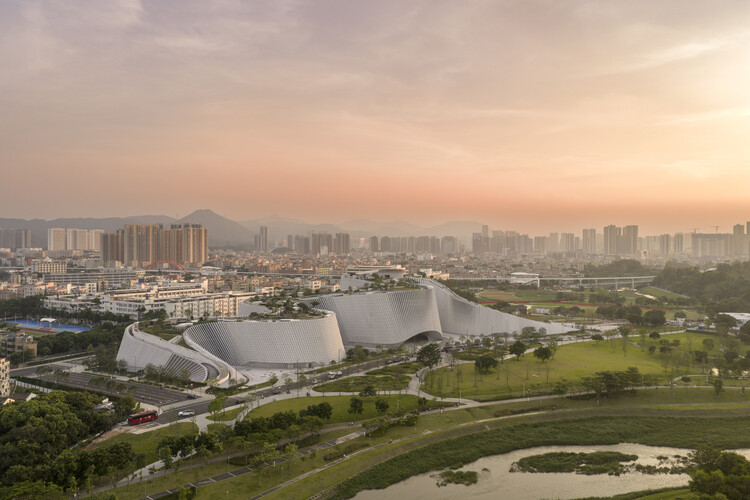
Shenzhen Natural History Museum Designed by 3XN, B+H Architects, and Zhubo Opens in China

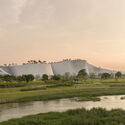
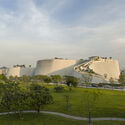
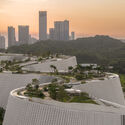
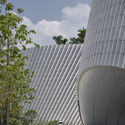
Designed by the 3XN, B+H Architects, and Zhubo Design consortium, the Shenzhen Natural History Museum has opened to the public in Shenzhen, China. Covering more than 100,000 square meters, the institution is the largest natural history museum in South China and among the largest recently completed museums of its kind worldwide. Developed as part of Shenzhen's expanding cultural infrastructure, the project brings together exhibition, research, education, and public space within a single civic destination. 3XN led the architectural design, B+H Architects served as lead consultant, executive architect, and landscape architect, and Zhubo Design provided local technical expertise and regulatory coordination throughout the project's development.
https://www.archdaily.com/1181785/shenzhen-natural-history-museum-designed-by-3xn-b-plus-h-architects-and-zhubo-opens-in-chinaReyyan Dogan
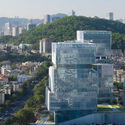
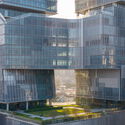
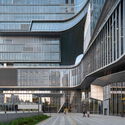
Luohu Library and Youth Activity Center / Shenzhen Huahui Design + iDEA

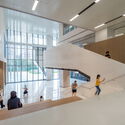
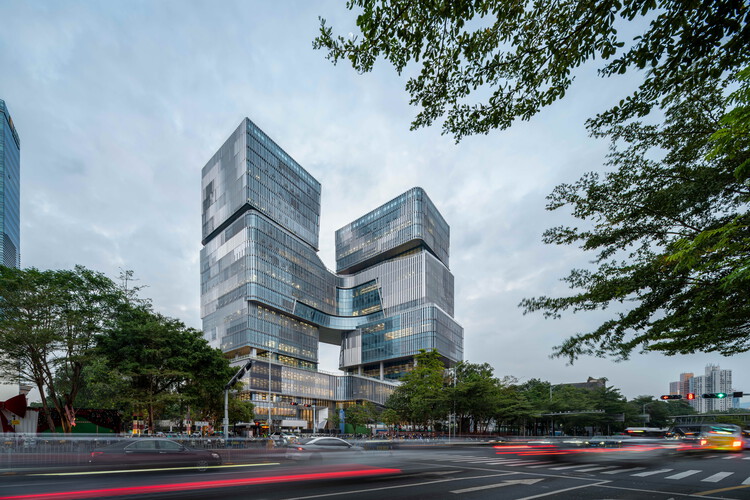
-
Architects: Shenzhen Huahui Design, iDEA
- Area: 77077 m²
- Year: 2025
-
Professionals: City group, AUBE, Inhabit, Benzhi Design, Shenzhen Zhongyi Construction Group Co., Ltd., +1
https://www.archdaily.com/1181518/luohu-library-and-youth-activity-center-shenzhen-huahui-design-plus-ideaPilar Caballero
The Nanshan Affiliated School of Beijing Normal University / Z&Z STUDIO

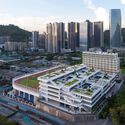
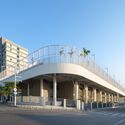
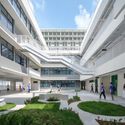
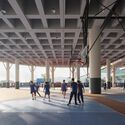
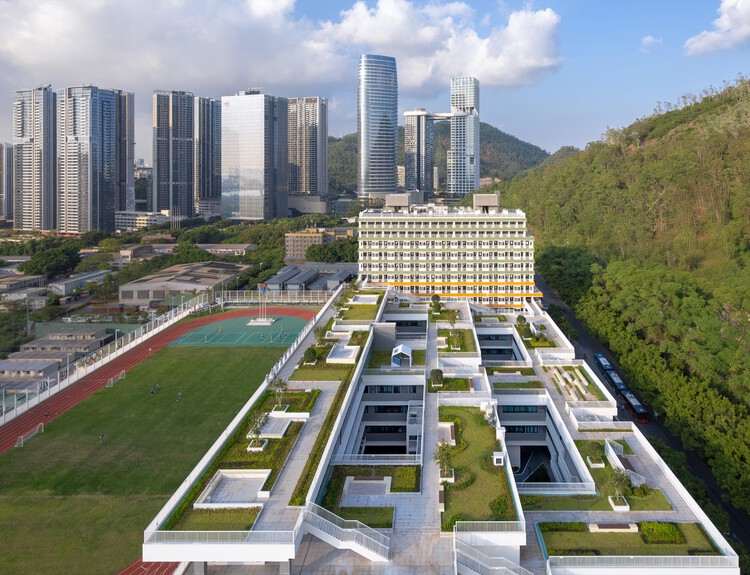
https://www.archdaily.com/1181339/the-nanshan-affiliated-school-of-beijing-normal-university-z-and-z-studio韩爽 - HAN Shuang
PANE Shenzhen Bay New Concept Store / say architects

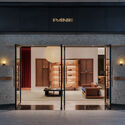
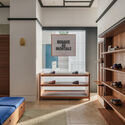

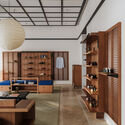
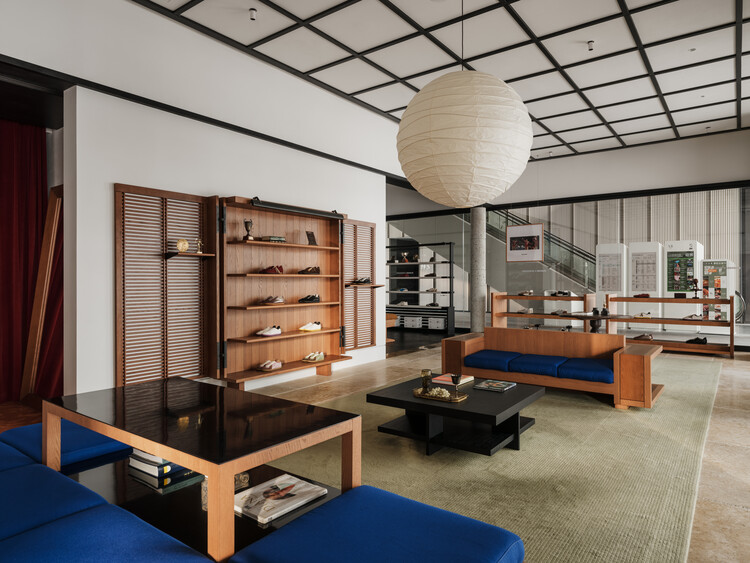
-
Interior Designers: say architects
- Area: 140 m²
- Year: 2026
-
Manufacturers: Nanjing Kuangda Decoration Engineering Co., Ltd.
https://www.archdaily.com/1092343/pane-shenzhen-bay-new-concept-store-say-architects韩爽 - HAN Shuang
Between Home and School, a Border

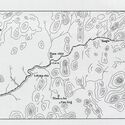
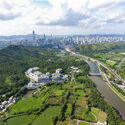
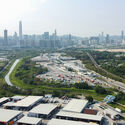
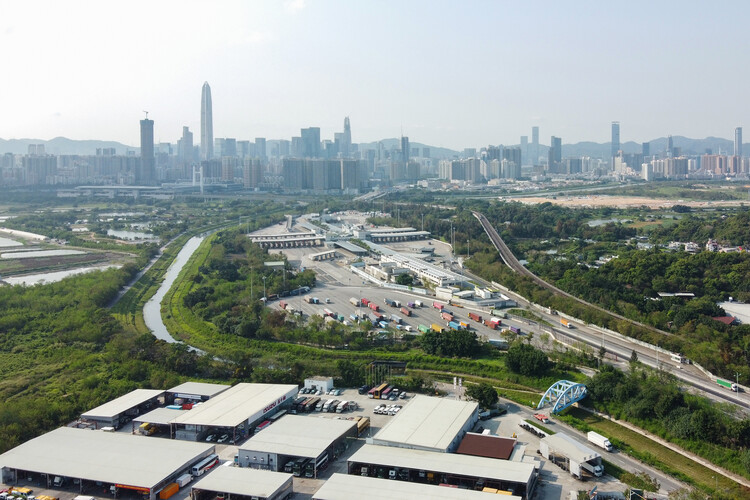
For most children, the journey to school is an everyday geography of street life and traffic, repeated so often that it becomes almost invisible, folded into the background of childhood and growing up. Yet for cross-boundary students who live in Shenzhen and attend school in Hong Kong, the school day begins much earlier, and much farther from the classroom. It begins at the border.
Their commute is not simply a matter of distance. It is shaped by two legal systems, two administrative cultures, and a set of infrastructures designed to make daily crossing a little bit more feasible for individuals under 18. On a typical morning, the route to school may pass through a boundary control point before it reaches a classroom. It may involve a government-approved school coach, a restricted access road, an immigration hall, a fingerprint scanner, or a clearance procedure that takes place while the child remains seated on the bus. What appears from a distance as a school commute is, in spatial terms, a carefully managed architectural corridor between two cities.

https://www.archdaily.com/1054000/between-home-and-school-a-borderJonathan Yeung
The World's Largest Cities in 2026 by Population

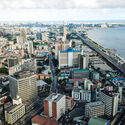
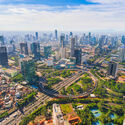
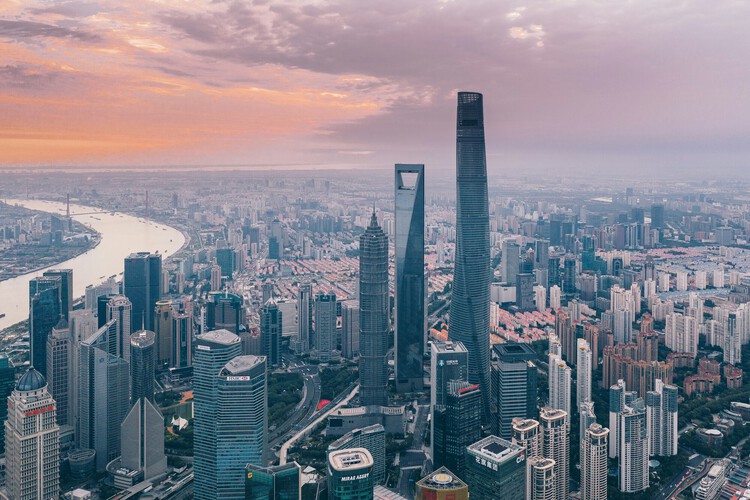
Every year on July 11, World Population Day draws attention to the demographic trends reshaping societies around the globe. In 2026, the United Nations marks the occasion under the theme, "Realizing the Hopes and Aspirations of Young People – Today and for the Future," highlighting how young people's decisions about education, employment, housing, relationships, and family life are increasingly influenced by the cities they inhabit. Drawing on Lives, Choices and Futures, a global survey of more than 108,000 young adults across 73 countries, this year's campaign underscores the close relationship between demographic change and the social, economic, and spatial conditions of cities.


https://www.archdaily.com/1092474/the-worlds-largest-cities-in-2026-by-populationReyyan Dogan
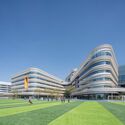
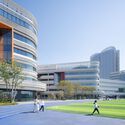
Shenzhen Mingwan School / Perkins&Will

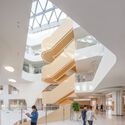
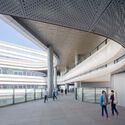
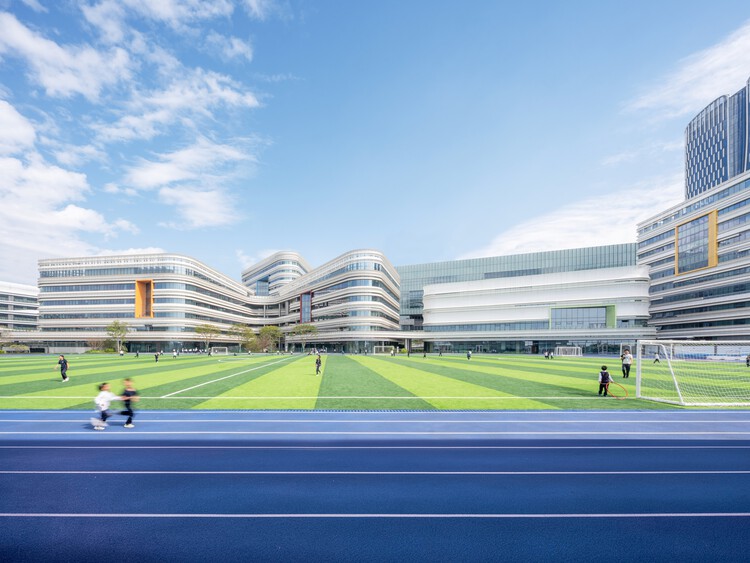
https://www.archdaily.com/1042060/shenzhen-mingwan-school-perkins-and-willAndreas Luco