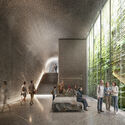
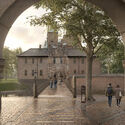
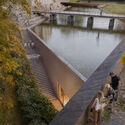
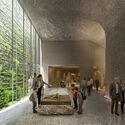
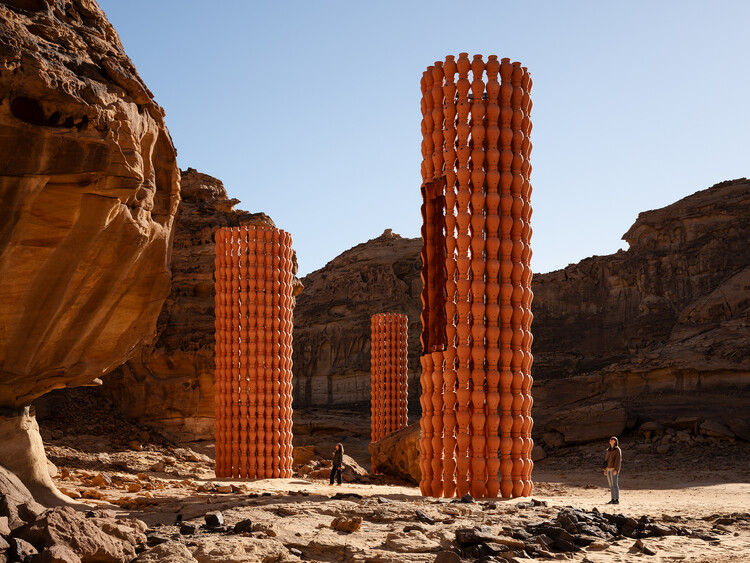
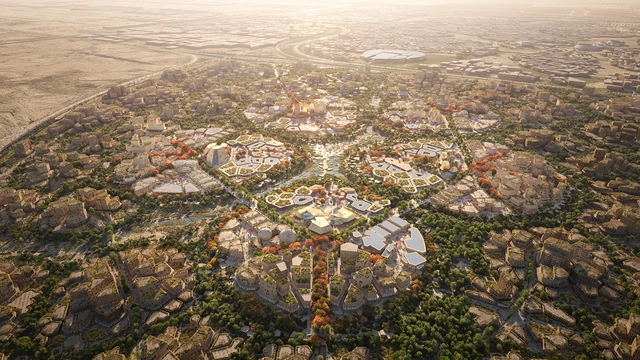
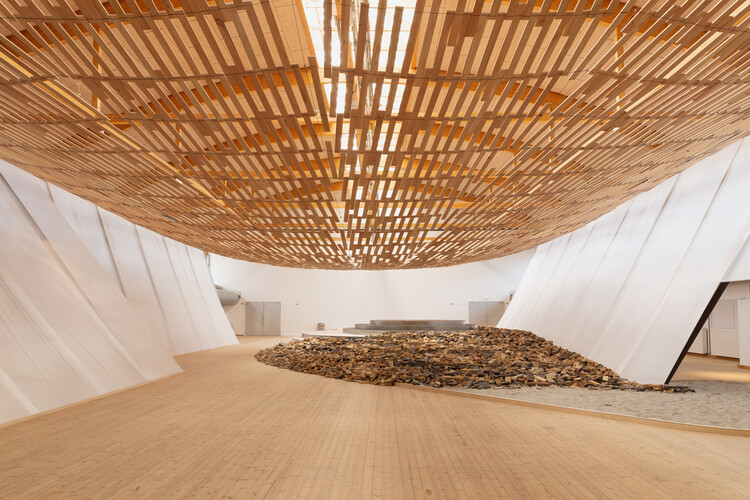
Courtesy of The Royal Commission for AlUla | Rana Haddad + Pascal Hachem Reveries, Desert X AlUla 2024
Architecture and design enter 2026 in a moment of renewed experimentation, urgent environmental reflection, and an expanded global dialogue on the built environment. As cities confront the pressures of climate adaptation, demographic shifts, and technological transformation, this year's international calendar offers a lens into how the discipline is responding, creatively, critically, and collectively. From long-standing biennials to newly established platforms, the events of 2026 spotlight architecture's evolving role as both a record of our changing world and a driver of more equitable, sustainable futures.
September marks a shift in seasonality worldwide, bringing with it a renewed focus on cultural and architectural events that encourage reflection on contemporary global challenges. This week's major news highlighted international exhibitions and design initiatives addressing questions of resilience, urban transformation, and collective futures, alongside new projects dedicated to preserving both cultural and natural heritage. Across continents, biennales, urban developments, and restoration efforts are shaping a broader conversation on how architecture and design can foster adaptation, memory, and coexistence in rapidly changing environments.
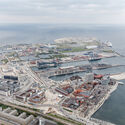
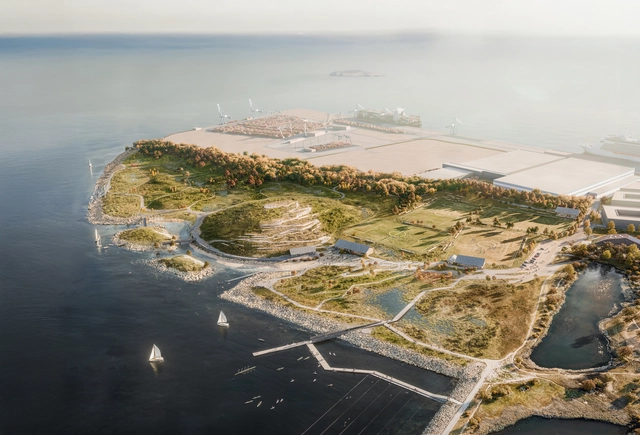
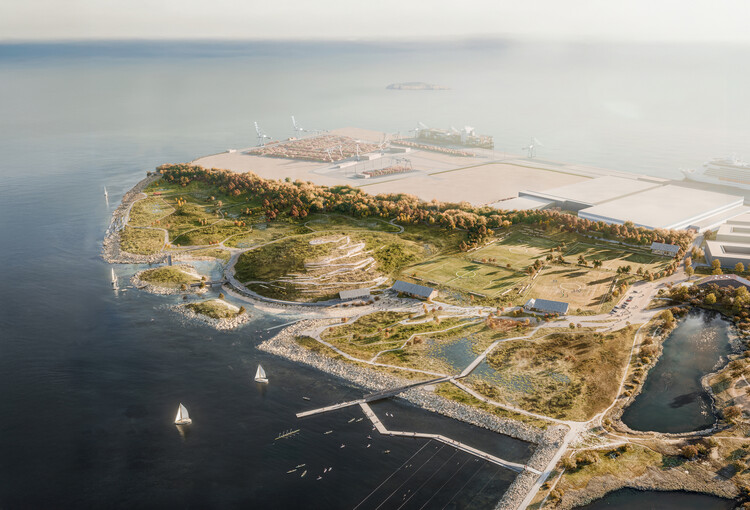
The City of Copenhagen has announced Team SLA as the winner of a design competition to create a new, large-scale urban park in Nordhavn. The project, titled "Nordør – New Park", was designed by Team SLA and By & Havn, and envisions a 30-hectare (75-acre) coastal nature park. Led by the design studio SLA, Team SLA includes VITA Engineers, Urban Agency, Aaen Engineering, Pihlmann Architects, Buro Happold, Kerstin Bergendal, Holdbart, and Aiming Spaces.
A "nature park" is a protected area where conservation is balanced with sustainable development and human use. It often encompasses human-shaped cultural landscapes and integrates strategies for regional development, supporting local communities and promoting the conscious use of the land. This framework allows the proposal to be understood as a platform for recreation, eco-tourism, environmental education, research, and regional growth.
This year marks 20 years since the first VELUX Daylight Symposium—two decades of shared insights, ideas, and exploration into the role of daylight in our built environment. Since its humble beginnings in 2005, the symposium has grown into a leading international forum for cross-disciplinary dialogue on daylight.
The 10th edition, taking place in the heart of Copenhagen, will once again bring together researchers, architects, engineers, and policymakers to examine the evolving role of daylight in architecture and design. It's a space where science and practice meet to reflect on past learnings and look ahead to the future of daylight in our cities and spaces. Join the livestream on September 18th, 2025, from 09:00 to 17:30 (CEST).
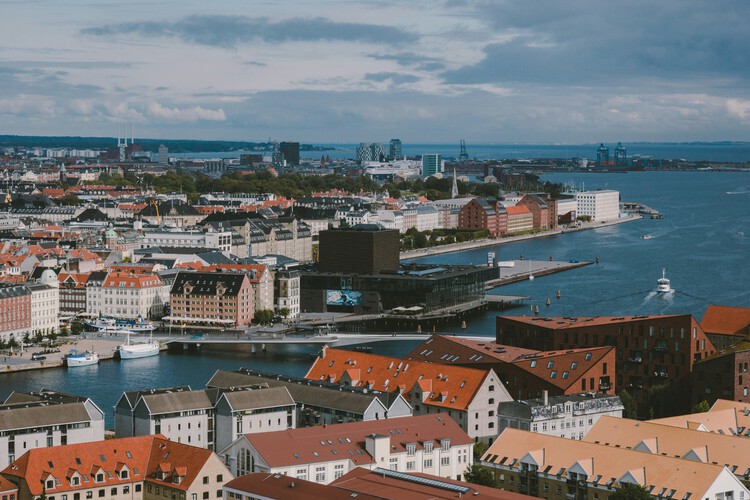
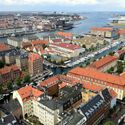
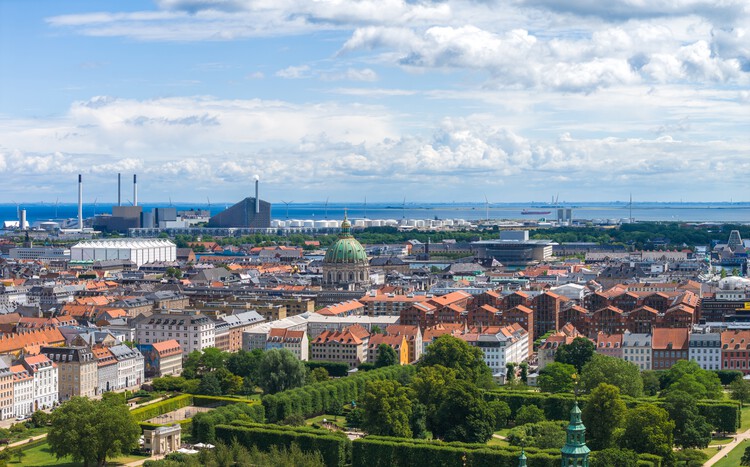
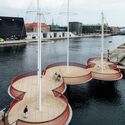
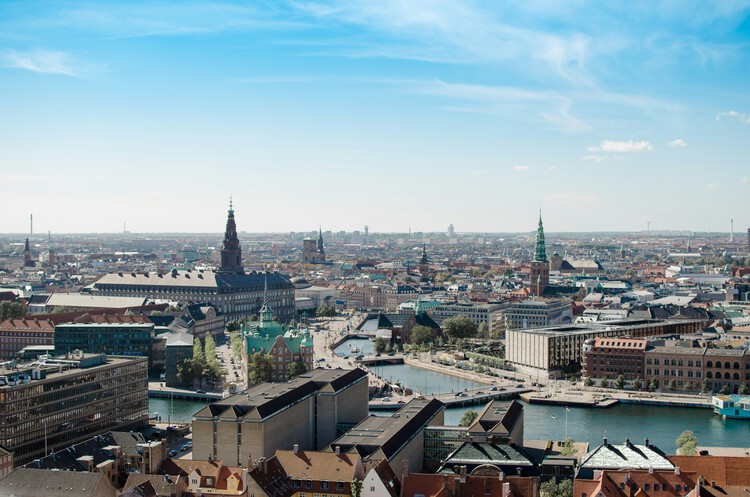
For most architecture enthusiasts, mentions of the city of Copenhagen will prompt images of pedestrian-friendly streets, suspended bike lanes, quaint water canals, and overall happy residents. The capital of Denmark has many accomplishments to boast: over 60 percent of its residents commute to work by bike, it was among the first cities to set up a strategic plan to achieve carbon neutrality, resulting in an 80% decrease since 2009, and it has become one of the most cited study cases for its urban planning and infrastructure. This reputation was officially cemented when UNESCO named Copenhagen the 2023 World Capital of Architecture, recognizing the city's enduring role as a laboratory for innovative contemporary design and people-centered urbanism. This September,the inaugural Copenhagen Architecture Biennial transforms the city into a global platform for dialogue under the theme "Slow Down," exploring how architecture can respond to global pressures by rethinking the pace of change. The occasion is also marked by the launch of ArchDaily's 5th edition of Next Practices Awards, solidifying the city's status as a nexus for contemporary architectural thought.
21st Europe, a Copenhagen-based think tank founded by former SPACE10 creative director Kaave Pour, has introduced its second major blueprint, Continent of Play. Developed in collaboration with design and architecture studioSpacon, the proposal reimagines playgrounds as vital civic infrastructure, positioning them alongside museums, transport hubs, and energy grids as defining spaces for Europe's future.
What if the best kind of play isn't the safest? For decades, cities have built playgrounds to be clean, colorful, and easy to supervise. Yet these spaces—designed more for adult peace of mind than for children's curiosity—often strip away what makes play truly transformative: risk, unpredictability, and self-direction. Rising safety standards, shrinking public space, and the commercialization of play equipment have only further narrowed the possibilities for children's independent exploration. From a junkyard in 1940s Copenhagen to the concrete landscapes of postwar Amsterdam, a handful of architects, planners, and activists have challenged the idea that play must be neat and controlled. Their unconventional playgrounds—made of loose parts, raw materials, and abstract forms—gave children the freedom to build, demolish, explore, and get dirty.
This curated selection of projects from the 2025 Venice Architecture Biennale explores regeneration as a deliberate, intelligent process rooted in the specific conditions of a place. For decades, the Biennale has been a testing ground for architecture's most urgent ideas, allowing designers, researchers, and institutions to present visions that address evolving environmental, cultural, and social challenges. This year's projects reveal how regeneration, whether of an entire coastal city, a disused industrial site, or a neglected public space, requires more than replacing the old with the new. It calls for a precise reading of existing contexts, the preservation of embedded knowledge, and the careful integration of contemporary needs.
The eight selected works show that regeneration can emerge from multiple starting points: reactivating heritage through adaptive reuse, restoring ecological systems as part of urban planning, developing open and modular strategies for social housing renewal, or layering technological innovation onto historically rooted practices. While the scale of intervention varies, each project demonstrates a sensitivity to what is already there and existing, be it material resources, urban patterns, or cultural memory, and a willingness to work with these assets as catalysts for transformation. Together, they suggest that regeneration must start somewhere, and that its success lies in balancing innovation with the intelligence of what already exists.
In 2020, in the midst of the first wave of lockdowns due to the pandemic, the municipality of Amsterdam announced its strategy for recovering from this crisis by embracing the concept of the “Doughnut Economy.” The model is developed by British economist Kate Raworth and popularized through her book, “Doughnut Economics: Seven Ways to Think Like a 21st-Century Economist”, released in 2017. Here, she argues that the true purpose of economics does not have to equal growth. Instead, the aim is to find a sweet spot, a way to balance the need to provide everyone with what they need to live a good life, a “social foundation” while limiting our impact on the environment, “the environmental ceiling.” With the help of Raworth, Amsterdam has downscaled this approach to the size of a city. The model is now used to inform city-wide strategies and developments in support of this overarching idea: providing a good quality of life for all without putting additional pressure on the planet. Other cities are following this example.
BIG, artist Doug Aitken Workshop, NIRAS, Volcano, and RWDI have won a competition to redesign three public spaces surrounding major music venues in Ørestad, Copenhagen. The initiative, titled Byens Scene ("The City's Stage"), aims to revitalize the areas around DR Koncerthuset, Bella Arena, and Royal Arena, transforming them into an interconnected landscape for everyday use and public performances.