Architecture—one of the few cultural artifacts made to be publicly lived with, preserved, and often capable of standing for centuries—contributes significantly to the cultural identity of places and people. Historically, buildings have expressed institutional attitudes, influence, and power; they are clear demonstrations of culture. Yet longevity complicates preservation: when a structure is rebuilt, repaired, or entirely reassembled, in what sense is it still the same building?
There's the classic Ship of Theseus puzzle from Plutarch. if a ship's planks are replaced one by one over time, is it still the same ship? Thomas Hobbes adds a twist—if the original planks are reassembled elsewhere, which ship is "the original"? The paradox tests what grounds identity: material fabric, continuous use and history, or shared recognition. In architecture and conservation, it reframes preservation as a choice among keeping matter, maintaining form and function, or sustaining the stories and practices that give a place meaning.
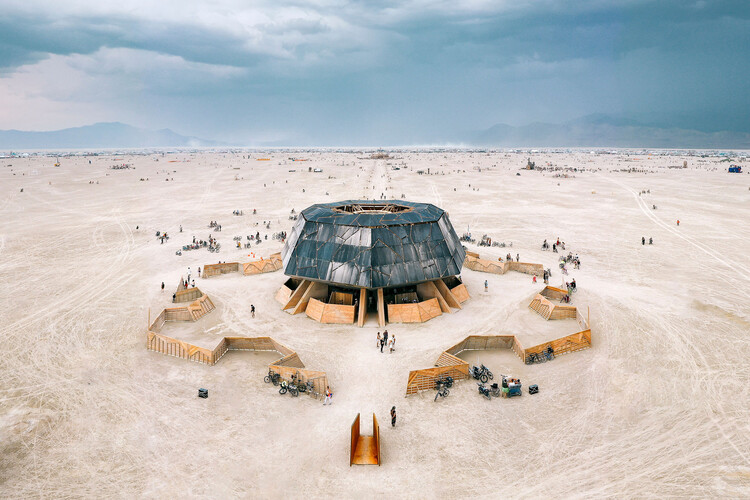
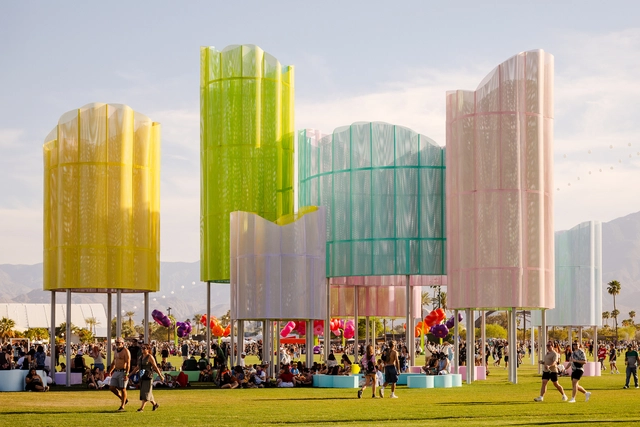
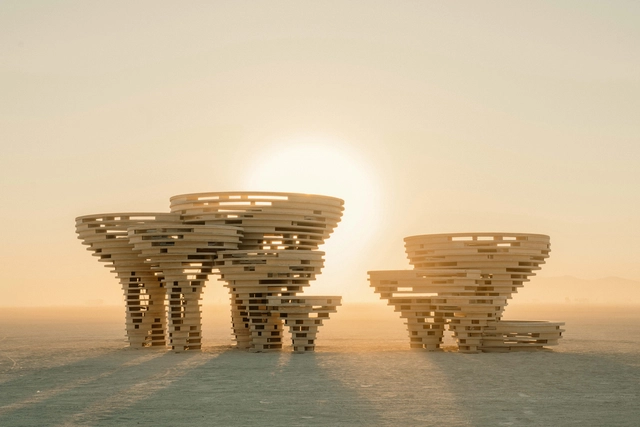
The 2025 edition introduced projects that examined themes of ecology, memory, and connectivity while responding to the challenges of building in the desert. Ranging from intimate interactive pieces to monumental landmarks, the installations encouraged reflection, participation, and community engagement before disappearing at the close of the event.
As cities continue to develop, we are seeing ever more well-planned, thoroughly executed, and tightly regulated approaches to shaping urban centres and their surrounding spaces—for better and for worse. As codes, restrictions, and guidelines improve and tighten, urban environments become safer, more balanced, and less prone to surprise. Yet the flip side is that highly managed districts can drift toward over-order and sanitisation, shedding the messy, accretive character that once produced alleyways, residual spaces, and unexpected sequences of movement—conditions often born from ongoing community improvisation in the grey zones of regulation.
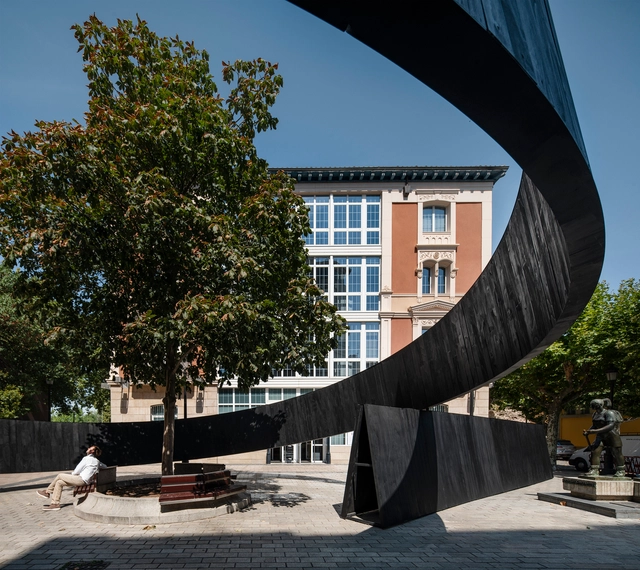
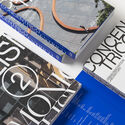
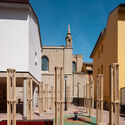
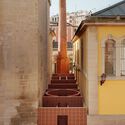
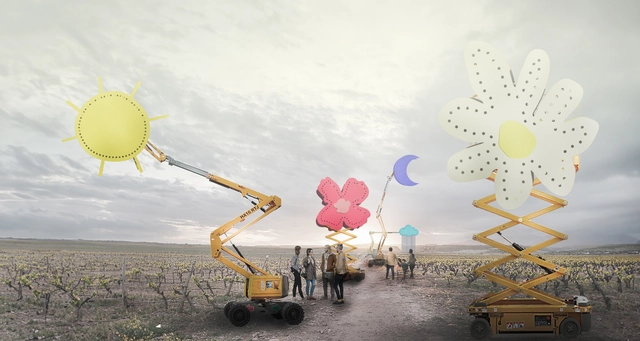
In response, a growing number of initiatives around the world are proposing short-term urban installations that test alternate futures for the city. These works aim to provoke dialogue between what the city is and what it could offer its communities through thoughtful, context-specific spatial practices. One notable example is Concéntrico, the international festival in Logroño, Spain, conceived as an urban innovation laboratory. Marking its tenth edition, the festival is about to publish Concéntrico: Urban Innovation Laboratory, a book that surveys a decade of urban design and collective transformation shaped through successive editions of the festival. Its launch is paired with an international tour designed to share a decade of insights on collective transformation and design.
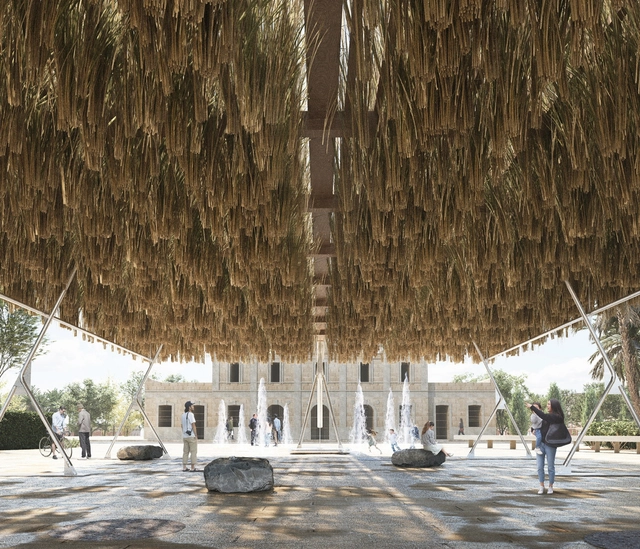
ESPARTAL Pavilion / ELE Arkitektura, GA Estudio, Florencia Galecio, and Juan Gubbins. Image Courtesy of TAC! Festival de Arquitectura Urbana
The TAC! Urban Architecture Festival is held annually in Spain with the aim of bringing contemporary architecture closer to the public through installations in various cities, including Granada, San Sebastián, Valencia, Vigo, and San Fernando. Organized by the Ministry of Housing and Urban Agenda in collaboration with Fundación Arquia, the festival seeks to promote experimentation in architecture by constructing temporary pavilions for cultural events and gatherings. The 2025 edition of the festival will take place in two locations: Casa Mediterráneo in Alicante and Plaza Stagno in Las Palmas de Gran Canaria. The pavilions are selected each year through an open call for young architects up to 45 years old. This year's winners have already been announced: the ESPARTAL project by ELE Arkitektura, GA Estudio, Florencia Galecio, and Juan Gubbins; and DE ROCA MADRE by Alejandro Carrasco Hidalgo, Eduardo Cilleruelo Terán, Alberto Martínez García, and Andrea Molina Cuadro.
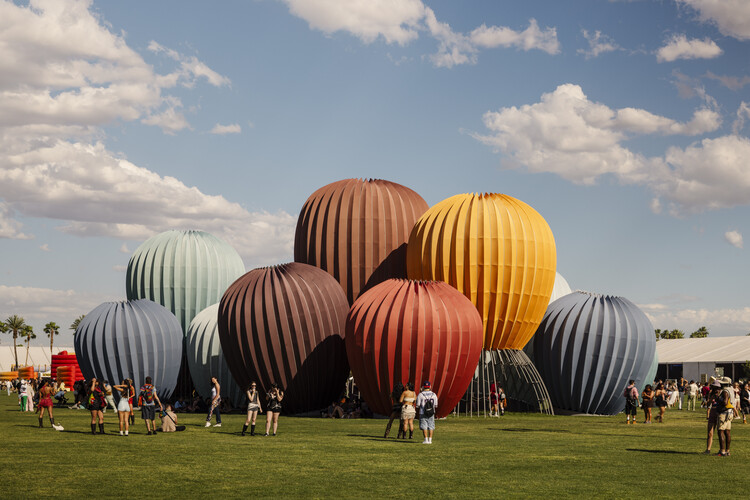
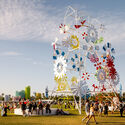
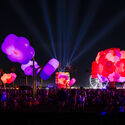
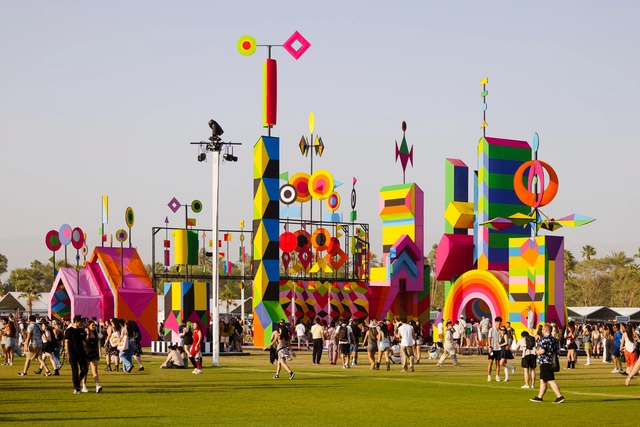
The 2025 edition of the Coachella Valley Music & Arts Festival continues its tradition of merging large-scale contemporary art with music, transforming the Empire Polo Field into a dynamic landscape of immersive installations. Curated by Raffi Lehrer of Public Art Company (PAC) in collaboration with Goldenvoice Art Director Paul Clemente, this year's program explores themes of movement, illusion, and impermanence through newly commissioned works and returning artists. Since 2016, Coachella's art program has evolved into a multidisciplinary platform, with most of its production managed in-house and on-site. The 2025 festival runs across two weekends, April 11-13 and April 18-20. This year's edition includes three newly commissioned art installations in addition to the permanent and returning exhibits.
As we move past Thanksgiving and step into December, the festive season is fast approaching. This time of year brings celebrations, holidays, and travel plans into full swing. Particularly in the Northern Hemisphere, there is a strong association between end-of-year festivities and cold, snowy weather.
Among the many traditions that celebrate the season, one of the most logistically and architecturally challenging is arranging for the giant Christmas tree for Rockefeller Center in New York City. This spectacle of moving a 70+ foot, 10+ ton tree into one of the busiest city centers in the world continues to capture the holiday spirit annually.
As the architectural landscape continues to evolve in response to pressing global challenges, events such as biennales, design weeks, and fairs play an instrumental role in shaping the profession's future. These gatherings facilitate the exchange of innovative ideas, the exploration of sustainable practices, and the fostering of collaboration among architects, designers, and urban planners. They serve not only as platforms for showcasing cutting-edge designs but also as forums for critical dialogue about the built environment's impact on society and the planet.
Happening worldwide from September to December 2024, a variety of significant events hope to engage the architectural community. The World Urban Forum in Cairo focuses on local sustainable actions, while Dubai Design Week showcases innovative design in the Middle East. The World Architecture Festival in Singapore features live project presentations, and the Architecture & Design Film Festival in New York offers compelling narratives critical to contemporary discourse.
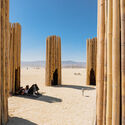
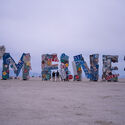
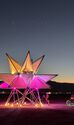
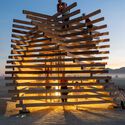
Known for its unconventional art installations and striking desert setting, the Burning Man festival has concluded this year with an array of temporary installations spread across the Black RockDesert in Nevada. The festival's 2024 theme, "Curiouser & Curiouser," inspired by Lewis Carroll's Alice in Wonderland, encouraged participants to embrace wonder and whimsy.
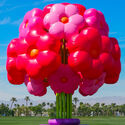
At Burning Man, a tapestry of themes emerges through diverse installations, from reflections on connectivity and isolation to explorations of time and space. Installations like Nebula Shroom Grove and the Temple of Together emphasize community and unity, inviting interaction and participation. Pieces like "I'm Fine" and Tree Circle delve into universal emotions and humanity's connection to the infinite, while works like Matter Out of Time and The End of Time play with perceptions of time and reality.
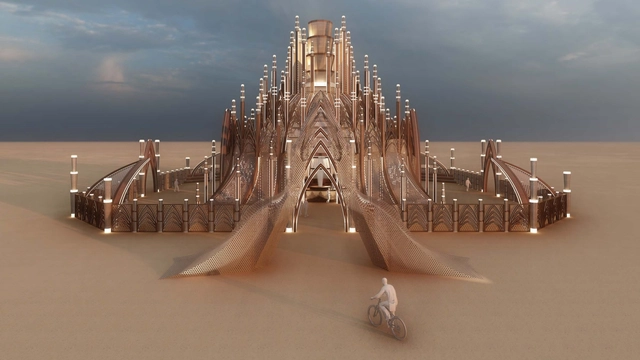
Every August, the Black Rock Desert in Nevada transforms into a vibrant city for Burning Man, a week-long festival that culminates in the ceremonial burning of a large wooden effigy. Established in 1986, the festival is renowned for its unconventional art installations and striking desert setting. While varied in their expression, the installations follow a central theme of the year. For this edition, the title “Curiouser & Curiouser” takes inspiration from the Mad Hatter from Lewis Carroll’s Alice in Wonderland, prompting participants to engage with wonder and embrace the whimsical and mysterious. This year’s central temple installation is designed by Caroline Ghosn to represent togetherness and mutual respect. Following a Burning Man Tradition, the temple design is selected following an international competition.
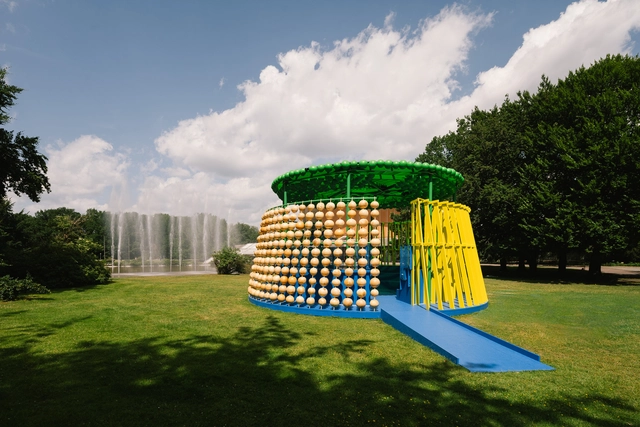
British-Nigerian multi-disciplinary artist and designer Yinka Ilori MBE has designed a pavilion as part of Haus der Kulturen der Welt’s (HKW) festival in Berlin. The festival, titled Ballet of the Masses - On Football and Catharsis, initiated an annual pavilion in 2023, and this year’s pavilion dresses intricate questions of coexistence through its materiality and form. Part of the Shaped to the Measure of the People’s Songs architectural series, Yinka Illori’s pavilion crafts a spatial proposition that explores complex themes of racism in sports and personal accountability.
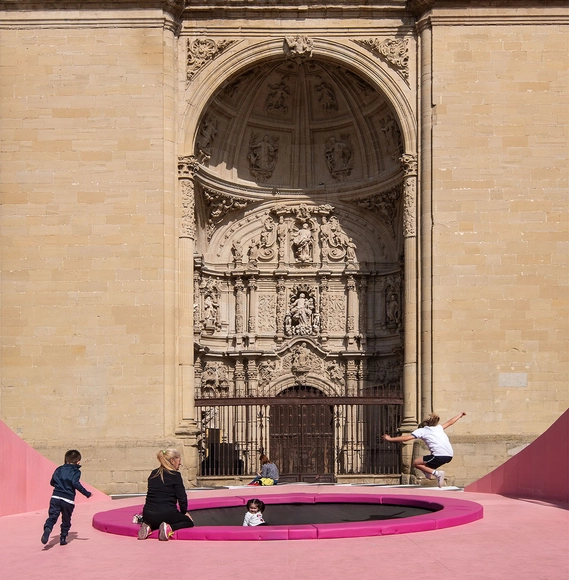
Architecture and Design Festival Concéntrico celebrates its 10th anniversary from 25 April to 1 May 2024 with an edition that aims to reflect on the impact of the annual festival upon the city of Logroño, Spain, as well as to consider how the city continues to evolve. Through installations, exhibitions, lectures, performances, workshops, and activities, Concéntrico proposes a reflection of the urban environment, welcoming architects and designers to intervene and challenge it while opening conversations about pressing matters.
While the official theme of the festival focused on the future of cities, the invited architects and designers took this suggestion further. Several overarching themes and subjects emerged during this year’s event, from the incorporation of concepts of time, an unusual element to be tacked through temporary installations, to the desire to engage more honestly with a wider public, to listen to their needs and create platforms where diverse perspectives can take center stage.
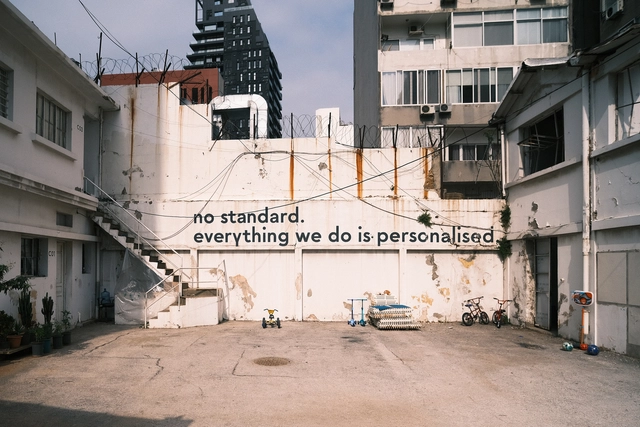
We Design Beirut, Lebanon’s four-day design experience will take place from May 23-26, 2024. This multidisciplinary event aims to showcase and celebrate design and creativity through a varied program, including showcases, installations, talks, and workshops. Founded by Mariana Wehbe in collaboration with industrial designer Samer Alameen, the event seeks to foster a global conversation on design and sustainability through programs in the fields of interior design, architecture, furniture, product design, functional art, ceramics, and home accessories.
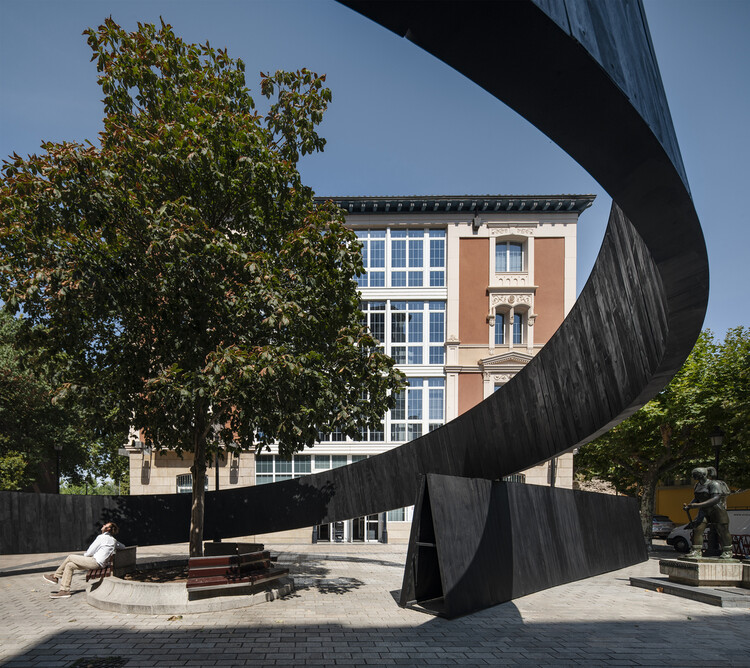
Cuaderno de surcos / ji arquitectos + Blas Antón. Image Courtesy of Concéntrico
From April 25th to May 1st, 2024, in the Spanish city of Logroño, Concéntrico prepares for its 10th anniversary edition. Envisioned as a contemplation of changing urban environments and an opportunity to share insights about these processes, this year’s International Festival of Architecture and Design incorporates new formats to engage a wider audience and explore time as a catalyst for change in urban and social design. The festival expands its program, featuring 21 installations by designers of 20 different nationalities, in addition to several other initiatives and explorations.
According to Raffi Lehrer, the founder of Public Art Company and Curatorial Advisor for Coachella's art program, the aim of these installations is not to simply adorn the festival but “to create environments that provoke thought, evoke emotion, and encourage a shared experience among all attendees.” By collaborating with artists from different fields, the music festival gains a new perspective, opening up its grounds for experimentation and play.
emple of Together by Caroline Ghosn, 2024. Design rendering by Maissa Sader. Image Courtesy of Burning Man
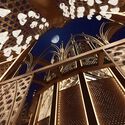
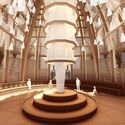
The annual festivalBurning Man has revealed the design of the 2024 Temple at Black Rock City, which will become the central installation during the festival happening between August 25th and September 2nd, 2024, in Black Rock Desert, Nevada. Titled “The Temple of Together,” the proposal is designed by Caroline Ghosn, the first BIPOC, female Temple lead artist. The proposal takes cues from neo-gothic religious architecture, combined with Art Deco styles and Lebanese Khaizaran weaving techniques to create a symbol of unity and respect. The design was selected following an international competition that seeks to find novel interventions that fit within the Burning Man tradition.
Spanning continents and cultures, architecture-focused events serve as platforms for the gathering of diverse groups of professionals to share innovations and embark on dialogues regarding some of the most pressing matters faced by our profession. Embodying the spirit of collaboration, highlighting local cultures and practices, and fostering open debates, this year’s list of events covers a diverse range of biennales, forums, city-wide celebrations, international fairs, and awards.
Poplar Assembly / Francisco Javier García García . Image Courtesy of Concéntrico
Now in its 10th edition, Concéntrico, the international festival of architecture and design in Logroño, has announced the winners of the open calls for urban interventions. Responding to the call to ‘Celebrate the City,’ the winning proposals will be temporarily built in Plaza Escuelas Trevijano, in Viña Lanciano of Bodegas LAN, and in Paseo del Espolón in the Spanish town of Logroño. The Festival welcomes visitors between April 25 and May 1, 2024, to explore the city through installations, exhibitions meetings, and performances.
Of Palm / Abdalla Almula. Image Courtesy of Abdalla Almula
Happening between November 7 and 12, Dubai Design Week 2023 brought together over 500 designers, architects, and creative practitioners to explore the relationship between traditional practices and emerging technologies in an effort to create more environmental sustainability and design-led social impact solutions. As one of the most important cultural events in the Middle East, the festival brings forward a wide offering of installations, artworks, and immersive experiences, all exploring important topics of eco-friendly design.
This year’s interventions and installations drew inspiration from the region’s natural ecosystems as well as local traditions and craftsmanship while merging these practices with innovative technologies, biomaterial explorations, and reimagined ways of practicing. Across the interventions, a recurring motif emerges, that of celebrating Middle Eastern heritage and engaging productively with vernacular practices.