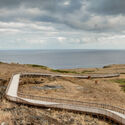
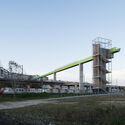
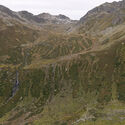
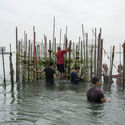
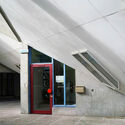
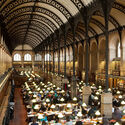
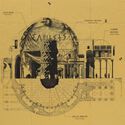
Quarries can be seen as indelible abandoned scars of human resource extraction. Man-made spaces, perceived as voids, and material gain, have fundamentally shaped our accelerating built environment. All the while, the earth stands still as a silent witness. For decades, these open-pit mines have been viewed as a necessary consequence of consumerism and urban growth, their raw, imposing forms a testament to the large-scale extraction of materials essential for building our cities. However, a global architectural movement is now emerging to engage with these existing forms, transforming these subtractive spaces into sites of innovation, collaboration, and renewed purpose.
An architecture degree may provide a vast curriculum, but many of the skills needed for a project lie outside the discipline. This is especially true for urban-scale projects. They demand expertise in areas like traffic studies, structural calculations, landscape design, and technical installation forecasting. These are often seen as "complementary" but are, in fact, fundamental to the overall design.
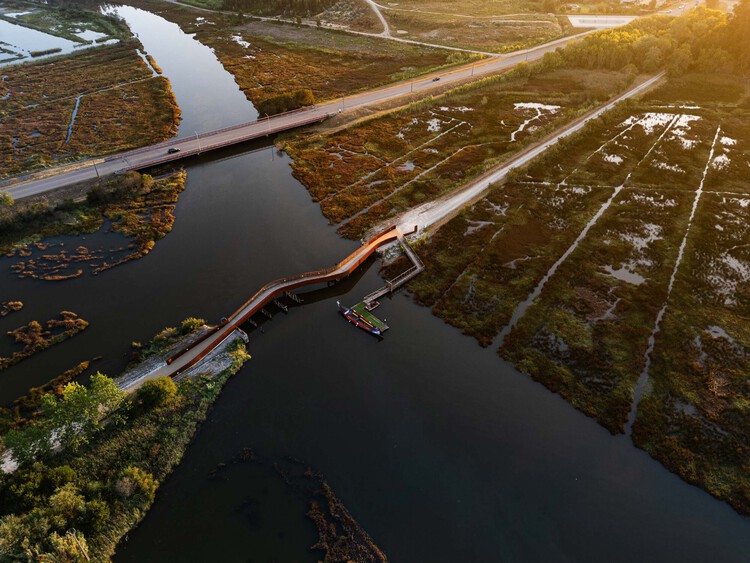
In a country like Portugal, with a relatively small but geographically diverse territory, the challenge of connecting different parts of the territory – whether to cross a river or link one level of a city to another – is a constant one. Its largest metropolitan areas, such as Lisbon and Porto, share a rugged geography of steep valleys and hills. These features led to the development of elevators and funiculars, like the Santa Justa Lift and the Bica Funicular in Lisbon, and the Guindais Funicular in Porto. Today, besides improving urban mobility, they have become tourist landmarks.
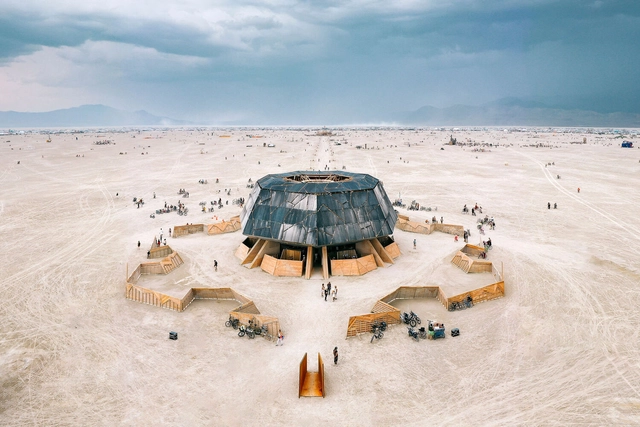
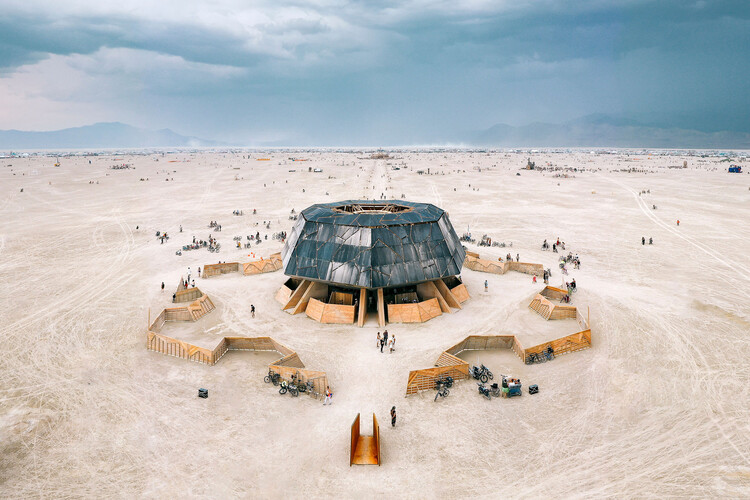
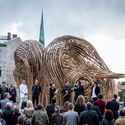
The 2025 edition introduced projects that examined themes of ecology, memory, and connectivity while responding to the challenges of building in the desert. Ranging from intimate interactive pieces to monumental landmarks, the installations encouraged reflection, participation, and community engagement before disappearing at the close of the event.
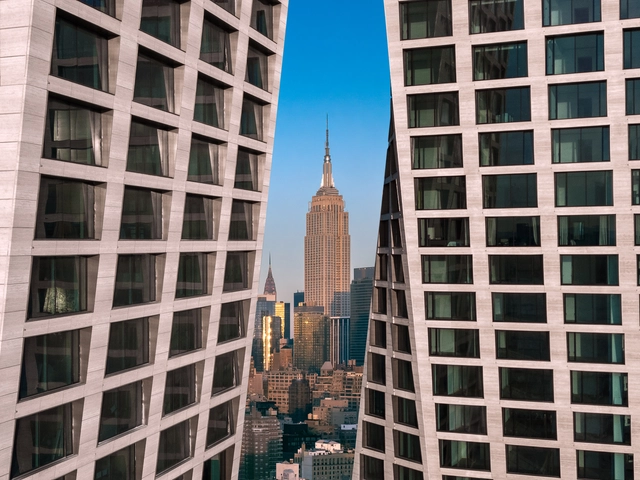
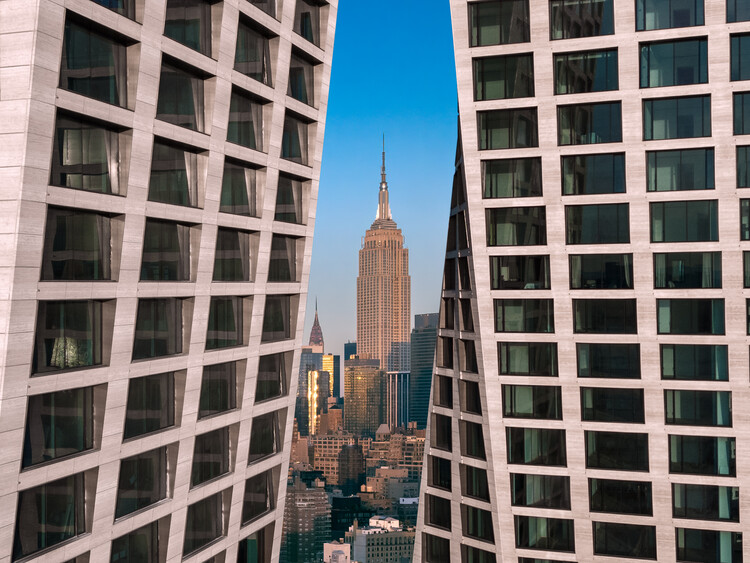
In the complex ecosystem of architectural development, where innovative concepts meet market realities, a distinct role exists to bridge diverse professional interests and realize impactful spaces. Elisa Orlanski Ours exemplifies this function. This is the domain of Elisa Orlanski Ours, a designer, educator, and industry leader. As Chief Planning & Design Officer at Corcoran Sunshine Marketing Group, Elisa founded her department two decades ago. Now, her extensive portfolio spans condominium skyscraper master plans and individual branded villas across continents, including significant New York City developments like Hudson Yards and 220 Central Park South, as well as international developments in collaboration with prominent architectural firms like SHoP Architects, BIG, Herzog & de Meuron, Adjaye Associates, and SO-IL. Her strategic perspective on bringing projects from schematic phase to final sale provides valuable insights into the industry's intricate workings. ArchDaily's Managing Editor, Maria-Cristina Florian, had the opportunity to discuss these critical topics with Elisa in the following interview.
David Lynch - Ph. Dean Hurley. Image Courtesy of Salone del Mobile.Milano
Filmmaker David Lynch, renowned for his surreal and influential works like Blue Velvet and Twin Peaks, passed away at age 78. Lynch's nearly 50-year career was marked by distinctive, stylized films often featuring surreal elements and fragmented narratives. He received numerous accolades, including a Golden Lion for lifetime achievement and an honorary Oscar. His career began with painting and experimental animation before transitioning to filmmaking, culminating in iconic films and the groundbreaking television series Twin Peaks. His impact extended beyond the silver screen; his unique manipulation of space and atmosphere profoundly influenced architectural discourse.
Office ParkScheerbarth, selected as one of ArchDaily's 2024 Best New Practices, was founded in Berlin in 2019 by principals Moojin Park and Benjamin Scheerbarth. Together, they create a synthesis between architecture, urban planning, and social science, drawings on cultural and educational contexts from Korea, the US, and Germany. Their work creates spaces that welcome versatility, challenges, and growth. The duo embodies a fusion of cultures, nationalities, and diverse disciplines, approaching each project from multiple perspectives and emphasizing adaptability, respect for ownership, and the continuous pursuit of knowledge and innovation. Challenging norms and regulations of the built environment, Moojin Park and Benjamin Scheerbarth share a commitment to pushing and exploring design boundaries. They met during their Master's studies in the US, where their shared vision took shape and marked the beginning of their journey together.
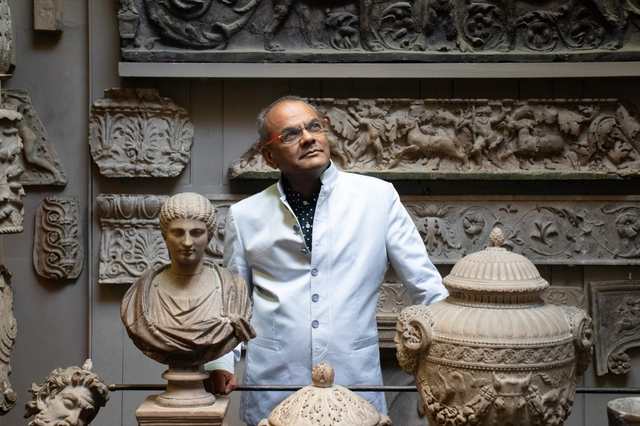
Sir John Soane's Museum has announced Hanif Kara, a celebrated structural engineer and co-founder of AKT II, as the recipient of the prestigious 2024 Soane Medal. This marks a historic moment as Kara becomes the first engineer to receive the accolade, traditionally awarded to architects and theorists. The recognition highlights his profound impact on the built environment, particularly through his pioneering approach to interdisciplinary collaboration. Kara will deliver the Soane Medal Lecture at the Royal Academy on November 26.
The 7th Tallinn Architecture Biennale (TAB 2024) will commence on October 9th, 2024, at various venues around the city. Organized by the Estonian Centre for Architecture, this edition of the global architecture exhibition explores “Resources For a Future,” hoping to encourage dialogue, interdisciplinary work, and innovation within architecture. The event targets both architects and the general public and includes a comprehensive program featuring workshops, panels, seminars, and Open House Tallinn.
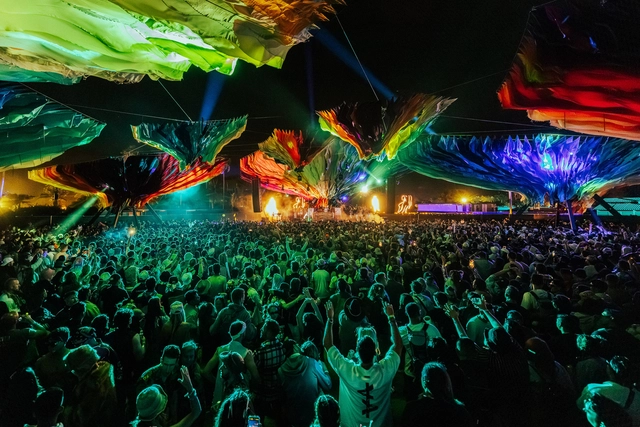
Do Lab Stage at Coachella Valley Music and Arts Festival / Do Lab. Image Courtesy of Do Lab
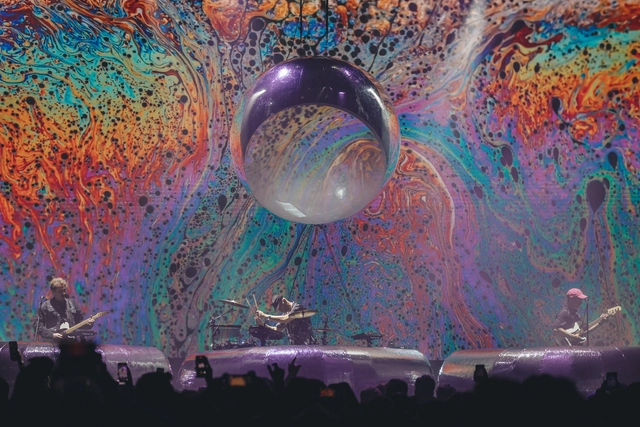
Music consumption has historically been closely connected to the environments in which it is enjoyed. Before the advent of music recordings, listening to music was a social activity tied to collective rituals in physical spaces, such as concerts or smaller communal gatherings. With the development of music records and now with the current availability of virtually any kind of music at our fingertips, experiencing music has become a more solitary and routine endeavor. However, returning to the roots of communal musical experiences may unlock numerous benefits much needed in our isolating digital age. These collective musical events have the potential to significantly enhance a community's social cohesion and improve their mental health through memorable shared experiences.
The physical aspect of these is not to be underestimated. It's where innovative design and architecture step in, transforming mere spaces into catalysts for curiosity, transcendence, and collective joy. By harnessing emerging technology and fostering interdisciplinary collaboration, designers and architects can create environments that elevate concerts and music rituals into transformative and grounding moments.
The Graham Foundation has announced 56 new grants to individuals, selected from nearly 600 submissions. Centered on publications, research, exhibitions, films, site-specific installations, and digital initiatives, the funded projects "expand contemporary architecture ideas through innovative rigorous interdisciplinary work on the design and the built environment." The projects are led by 84 individuals, including established and emerging architects, artists, curators, designers, filmmakers, historians, and writers.
Simone Farresin is the co-founder of Formafantasma, a research-driven design studio exploring the ecological, historical, political, and social influences that shape the design industry. Most recently, the studio participated in Milan Design Week 2024 and Salone del Mobile.Milano with various products and exhibitions. Onsite in Milan, ArchDaily had the chance to speak to Simon Farresin about the studio’s installation for Cosentino at the historic Teatro Gerolamo, and the broader Formafantasma design practice.
In Copenhagen, during the 2024 UNESCO International Day of Light, The Daylight Award has announced Spanish architect and professor Alberto Campo Baeza as the laureate for the architecture category and German professor of chronobiology Till Roenneberg for his scientific research regarding the impact of daylight. The two categories create an interdisciplinary bridge between fields, grounding architectural thinking with high-level research. The two winners have been commended for scientific investigations into issues like circadian rhythms and dependencies in the case of Professor Roenneberg, and the poetic qualities obtained through the use of daylight in Alberto Campo Baeza’s architectural works.
Immersive spaces are heavily sensorial environments meant to create impactful experiences crafted through intentionally curated architecture, light, imagery, sound, and sometimes even smell. To "immerse" oneself is to be wholly enveloped in a world shaped solely by immediate sensory input. Using digital tools to craft these environments to showcase art, create compelling exhibitions, and feature performance events has become increasingly popular. Evocative experiences like these can offer a respite from the inundation of personalized digital content and foster shared, grounding encounters. The design of these can exist at the intersection of architecture, graphic design, visual art, lighting design, music, and performance. They underscore the power of interdisciplinary collaboration to craft memorable moments. So, what role does architecture play in shaping these?
A vital aspect of a circular economy lies in shifting our view of waste. Labeling an item "waste" implies voiding its value and ending its useful role in a traditionally linear economy. While the item might be out of sight and out of mind, its life continues in the landfill. This shift in perspective regarding waste means opening our minds to the opportunity that the abundance of junk presents. These designers and architects have managed to not only effectively reclaim discarded objects but also to make them look precious, imbuing them with new meaning and value through their careful curation.
In July, Las Vegas unveiled an extravagant spectacle - a colossal LED-wrapped spherical structure, standing 366 feet tall and 516 feet wide. This entertainment event venue instantly captured the public's gaze, becoming a local landmark and attracting global attention through extensive news coverage. Similar spherical concepts have been proposed in London and at a smaller scale in Los Angeles. These massive display structures open up questions about facades as digital canvases. What role can architecture take as an urban canvas other than as a billboard? And what are different ways for architecture to engage the public through digital art besides gigantic LED spheres?
The Graham Foundation has announced the award of 64 new grants to individuals exploring innovative and interdisciplinary ideas that contribute critical perspectives on architecture and design in 2023.
Minimaforms Presents The Order of Time at the Architectural Association School of Architecture Gallery. It is an immersive installation aimed to connect the preoccupations of physics, art, and architecture by revealing the ordering of spaces and constructed relationships through direct experience.
Three Sculptural installations are the highlight of the exhibition. Spherical organizations deployed through mathematical logic and designed to extend space within reflective light boxes, gifting its viewer a new immersive moment at every turn. ArchDaily had the chance to engage in a conversation with Theodore Spyropoulos; Artist & Architect at Minimaforms and Director of the Architectural Association’s Design Research Lab, on issues that tackled the interdisciplinary nature of architecture, the creative process of the installation, and how it influences the creation of spaces, buildings & cities.