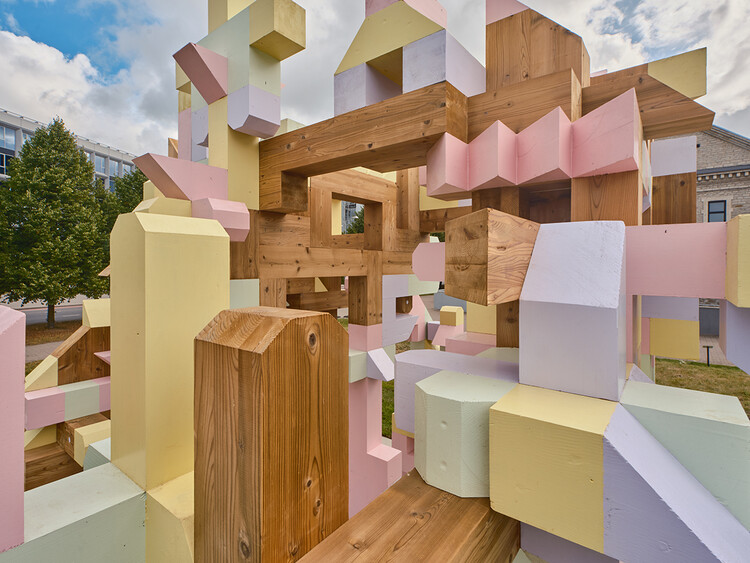
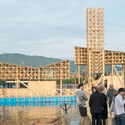
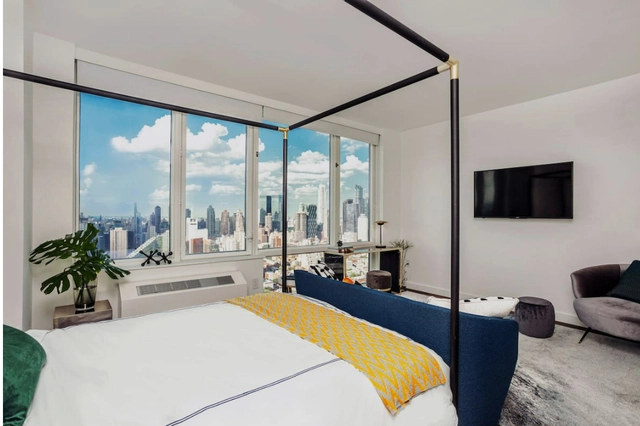
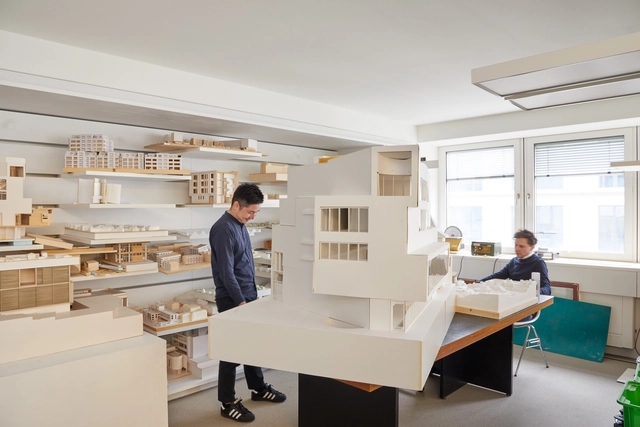
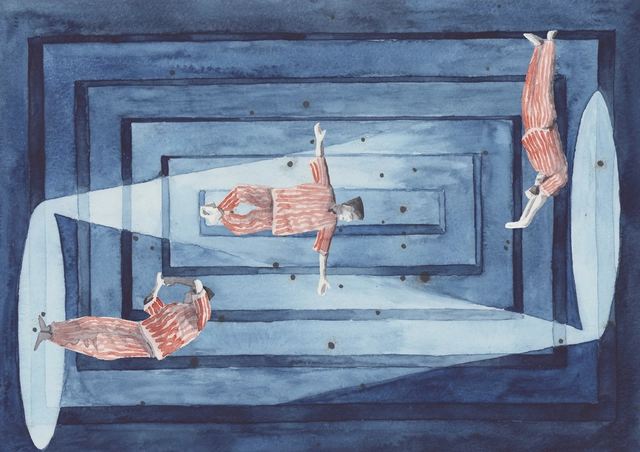
The Tallinn Architecture Biennale (TAB) has been organized by the Estonian Centre for Architecture (ECA) since 2011. Since its founding, it has become Estonia's leading international festival dedicated to architecture and the built environment. The ECA recently announced that the upcoming edition will be curated by Stuudio TÄNA and Mark Aleksander Fischer, winners of the Curatorial Competition for the 8th International Tallinn Architecture Biennale (TAB 2026). Their winning proposal, titled "How Much?", poses the question of what affordability truly means in architecture today. The event, which in previous editions has included exhibitions, lectures, seminars, tours, satellite events, and installations across Tallinn, seeks to open a space for reflection on how architecture and design can be genuinely cost-effective, addressing the broader implications of cost and consumption. TAB 2026 will take place in the Estonian capital from 9 September to 30 November 2026.
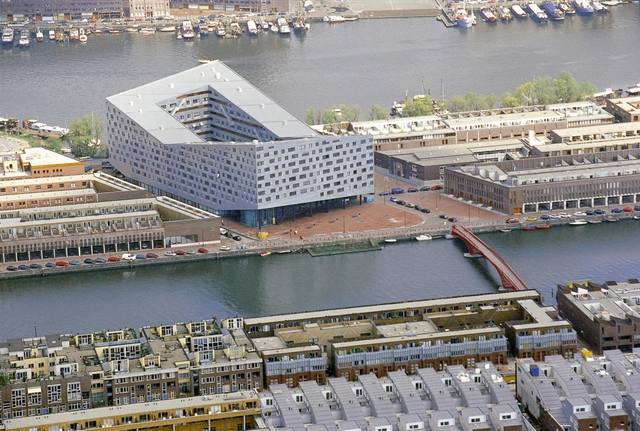
In 2020, in the midst of the first wave of lockdowns due to the pandemic, the municipality of Amsterdam announced its strategy for recovering from this crisis by embracing the concept of the “Doughnut Economy.” The model is developed by British economist Kate Raworth and popularized through her book, “Doughnut Economics: Seven Ways to Think Like a 21st-Century Economist”, released in 2017. Here, she argues that the true purpose of economics does not have to equal growth. Instead, the aim is to find a sweet spot, a way to balance the need to provide everyone with what they need to live a good life, a “social foundation” while limiting our impact on the environment, “the environmental ceiling.” With the help of Raworth, Amsterdam has downscaled this approach to the size of a city. The model is now used to inform city-wide strategies and developments in support of this overarching idea: providing a good quality of life for all without putting additional pressure on the planet. Other cities are following this example.
The Second Studio (formerly The Midnight Charette) is an explicit podcast about design, architecture, and the everyday. Hosted by Architects David Lee and Marina Bourderonnet, it features different creative professionals in unscripted conversations that allow for thoughtful takes and personal discussions.
A variety of subjects are covered with honesty and humor: some episodes are interviews, while others are tips for fellow designers, reviews of buildings and other projects, or casual explorations of everyday life and design. The Second Studio is also available on iTunes, Spotify, and YouTube.
This week David and Marina of FAME Architecture & Design discuss the Design-Build model of home construction. They cover the definition of the Design-Build model; lack of licensed architects in Design-Build companies; efficiency and economy; quality of construction; how costs are lowered; lack of transparency; who should / shouldn't engage with Design-Build companies; and more.
https://www.archdaily.com/1022287/the-second-studio-podcast-the-problem-s-with-design-buildThe Second Studio Podcast
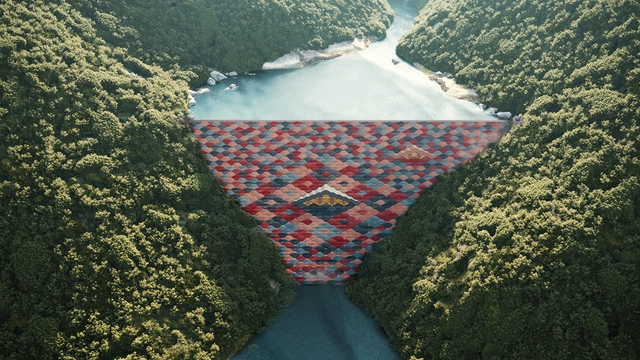
“The Mindfulness City will be a sustainable city. To be mindful is to be aware — to perform best,” said Giulia Frittoli, partner and head of landscape at BIG. The Kingdom of Bhutan is a landlocked Buddhist country in the eastern Himalayas, nestled between China and India. It covers 14,000 square miles and has a population of nearly 800,000.
The Royal Office of Bhutan asked BIG, Arup, and Cistri to develop a plan for a new Mindfulness City in Gelephu in southern Bhutan, near the border with India. The city will span 386 square miles and include a new international airport, railway connections, hydroelectric dam, university, spiritual center, and public spaces.
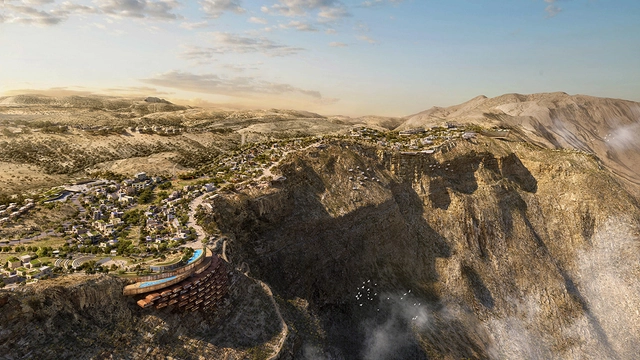
Oman has just announced plans for a $2.4 billion mixed-use project, the new Omani Mountain Destination on Jabal al Akhdar. Masterplanned by AtkinsRéalis, the scheme aims to attract sustainable development opportunities, hoping to "operate as Net Zero Carbon and striving to use 100% renewable energy." The project is in alignment with Oman Vision 2040, seeking a developed, diversified, and sustainable economy;, featuring residences, hotels, and a health village.
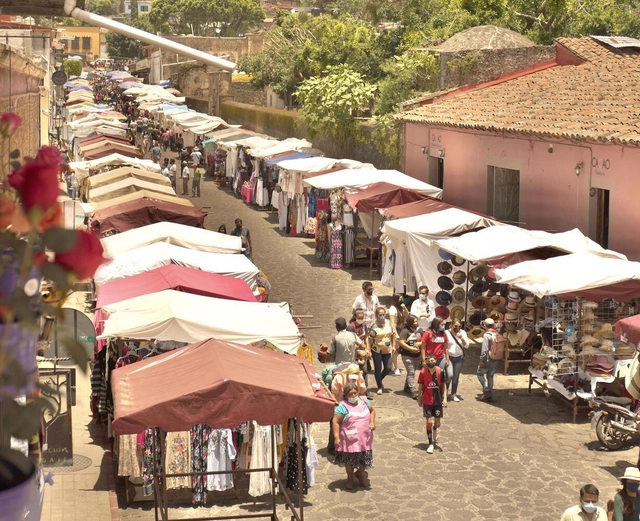
via Unsplash | Street fair in Tepoztlán, Mexico. Photo by Karo Kujanpaa
Usually defined by their open-air settings, diverse offerings, local and independent sellers, temporary nature, and acting as social hubs, street markets have been around for thousands of years. From the days of the Roman Forum to the Silk Road and the markets of ancient Greece, they are undoubtedly essential parts of urban life, or “the center of all that is unofficial.” Mostly categorized under the informal economy due to lack of regulations and authorization, street markets in the global south have often been seen as a threat to urban development. However, these erratic and adaptive urban spaces serve core functions in any developing city, acting as pillars of community in many different facets of society.
Policymakers and city officials have long struggled with informality, considering it the “antithesis of modernity.” Conventionally, the informal economy consists of activities with market value but are not formally registered, often unregulated, undocumented, and operating outside the incentive system offered by the state. Street vendors, specifically in the global south, constitute a substantial portion of the informal economy. Moreover, as cities grow and approach development, public spaces become more contested and privatized, leading to an overall mission to remove street markets or push them into formalization.
Smart homes leverage technology to provide residents with increased convenience, savings, comfort, and security. With automated environments, household routines are streamlined. What once seemed like a distant future is now within reach as smart devices have become more accessible. They enable a new level of interaction between the home and its inhabitants through Wi-Fi and Bluetooth connections.
https://www.archdaily.com/1010597/how-to-create-a-smart-home-a-complete-guide-for-beginners-in-home-automationArchDaily Team
Subscriptions are quickly becoming an integral part of everyday life. For example, streaming platforms have completely replaced the need to own video cassettes, while ride-sharing services partially cover the need to own a private car. Subscriptions have been largely understood as digital services, but a new trend suggests that the same concept could be transferred to physical objects in the near future. Instead of owning a fridge, a washing machine, or even light bulbs, one could acquire a subscription to ensure the freshness of produce, clean clothes, and a well-lit home.

The concept is known as the “subscription-based economy,” a variant of the “circular economy” notion. It postulates that instead of owning some of the objects used every day, one could subscribe to a service to gain access to the same benefits, but without the need to own, maintain or dispose of the object in question. Consumers no longer buy products; they buy access to services. Sometimes, it would mean simply leasing the object instead of purchasing it, but the model goes one step further. It inscribes a shift of responsibility and mentality. Because consumers no longer own the objects, the responsibility to reuse and recycle falls to the producers, who are now in charge of the entire life cycle of the objects they create.
When Airbnb began nearly 15 years ago, it offered a new and innovative solution to book short-term stays without any hassle. By renting out a spare room or an entire apartment, it provided an alternative to traditional hotel models which were often overpriced and overbooked. Airbnb now faces many critics as the company quickly grew, offering hundreds of thousands of stays around the globe, but not without a handful of negative experiences. Now, planners and policymakers are beginning to see the effects of the abundance of Airbnb listings and how it impacts a growing housing crisis.
Most architects can relate to the feeling of being plunged into a deep devotion toward architecture. What starts out as a dream career becomes a nightmare for many. After a rigorous education, the experience of a tumultuous career journey can dishearten professionals. Twitter threads and LinkedIn posts have widely debated topics of long work hours and disparate pay, with not many solutions. Architects are constantly at war between profession and passion, a juxtaposition of love and despair. Perhaps, at the root of these problems is the colloquial definition of the noun ‘architect’.
As the world slowly adjusts to the "new normal," so too does the architecture industry. Data related to market size and workloads shows that the profession continued to grow even after the pandemic struck. Other statistics show how architects are starting to be hit by the present crisis – such as the fall in full-time work and rising unemployment. While these statistics could take one down a road of despair (or enthusiasm), there is more to the numbers: Mobility, digital and managerial competencies are framing the profession in the 2020's. Not only as data for the sector to approach the market and retain talent but also as strategies in the face of crises and technologies to come.
Every “Year In Review” assessment of anything is both myopic and timely. That being said, 2022 was a "Boom" time for architects (and the building industry in general). This snapshot will change in 2023 when this year’s manufactured interest rate jumps will crib death this short and intense boom.
But some things have more meaning than can be found in the moment. 2022 proved that the “Mad Men” model in the profession as a white male clubhouse is over. Gender and race inequalities remain in architecture, but they are acknowledged flaws in urgent need of correction. Beyond these evolutions and revolutions, a new generation of architects is changing the profession.
The world’s most primitive construction materials are being used to create the most advanced buildings. In light of environmental crises, architects are focusing their efforts in designing better built environments for people and the planet. The results may often seem ‘greenwashed’, failing to address the root of ecological distress. Environmentally responsible architecture must aim not to reverse the effects of the ecological crisis, but instigate a revolution in buildings and how we inhabit them. Essays from the book The Art of Earth Architecture: Past, Present, Future envision a shift that will be a philosophical, moral, technological and political leap into a future of environmental resilience.
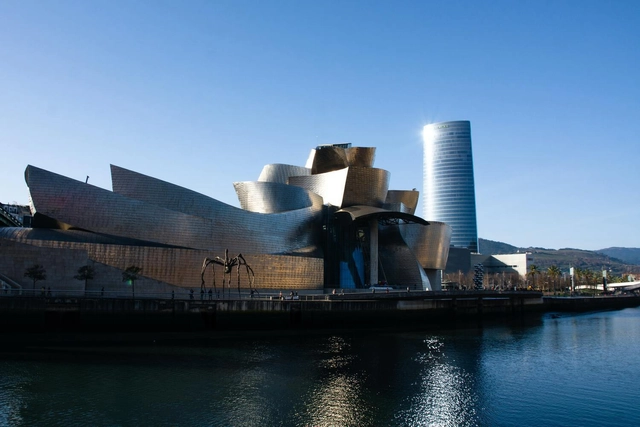
The Guggenheim Museum in Bilbao is celebrating its 25th anniversary this October 2022. Set on the edge of the Nervión River in the Basque Country, Spain, Frank Gehry's Guggenheim boosted the city's economy with its astounding success and changed the museum's role in city development. Twenty-five years on, the Bilbao Effect continues to challenge assumptions about urban transformations and inspires the construction of iconic pieces of architecture that uplift cities' status, calling investors and visitors.
Was there ever a time when architects felt properly valued? Probably not. Certainly not since the profession became dependent on the business of America, which is business. With economic growth as the country’s prime directive through the 20th century, architects—as members of the construction industry—played their part. How? By designing buildings of all kinds that were lighter, cheaper, and quicker to erect. Architects’ values might have been social, artistic, even cosmic, but their value to society has been primarily economic.
Architecture, as a profession, is highly cyclical in nature. It ebbs and flows with the tides of economic conditions, and is especially hard hit during times of downturn. We’ve all heard stories or experienced it ourselves, or layoffs during the Great Financial Crisis in 2008, or even more recently the significant cutbacks architecture firms went through during the uncertainty of the COVID-19 pandemic. Projects went on hold and new business opportunities declined almost overnight. Now, two years later, firms are keeping a close watch on global supply chain issues and rising inflation rates, especially with increased pressure to meet the needs of a growing urban population. Will architecture be recession-proof as we enter a bear market?

The digitisation of architecture and design projects has been going on for some time now and has increased even more, largely due to the global pandemic. To hear talk of the metaverse, the NFT or the digital twins seems to be commonplace at this time, when the digital economy is booming and where architects and designers who seek to move from the physical world to the virtual world are beginning to proliferate. But will virtuality be the future of architectural visualisation?
Global Finance's ranking of the world's best cities to live in, during 2022 has just been released. Centered on 8 different parameters that calculate and compare the quality of life of people living in urban areas such as economy, culture, population, environment, etc., this year’s edition also took into consideration Covid-19 deaths per thousand for each country, to reflect the new reality we live in. With data from the Global City Power index, Johns Hopkins University, Statista, and Macrotrends, the list seeks to have a complete vision, putting together traditional metrics with new factors.
Claiming the first position is London, U.K, a city that although didn’t get high rankings in its Covid-19 metrics, still topped the list, mainly due to its scores in culture, accessibility, and population growth. Tokyo was selected for the second position, showing weakness in one parameter, population, as its numbers have been declining for the past 10 years. Shanghai followed next, in the third position, because of relatively low Covid-19 death figures and strong population growth. Singapore and Melbourne came in 4th and 5th positions.