1. ArchDaily
  2. population

population: The Latest Architecture and News

Jakarta Becomes the World’s Most Populous City, According to New UN Data

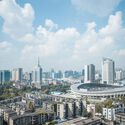
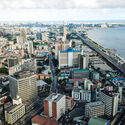
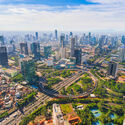
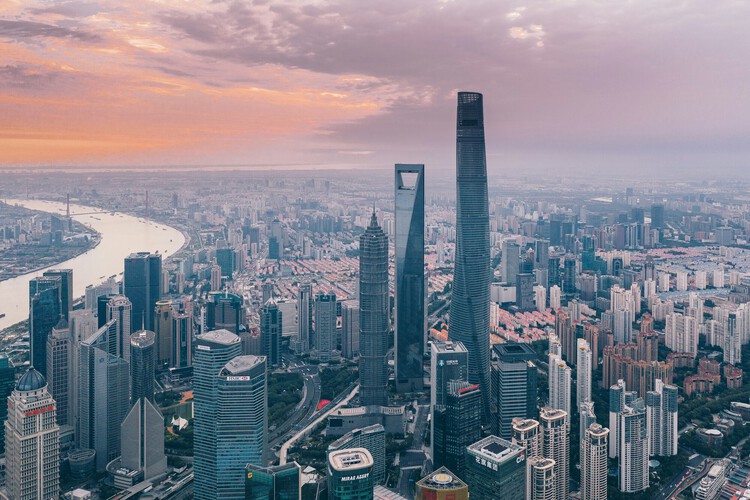
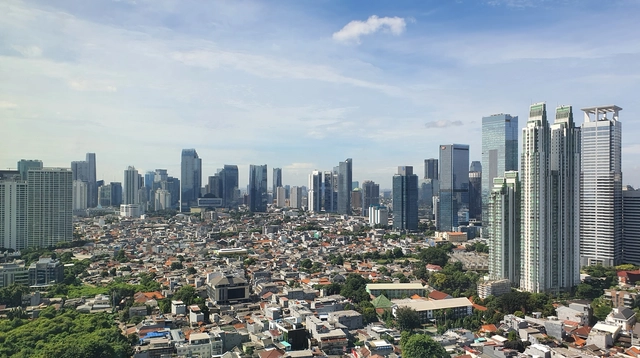
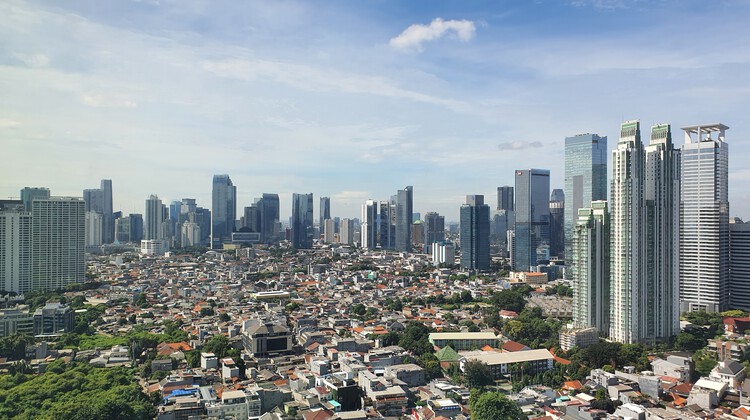
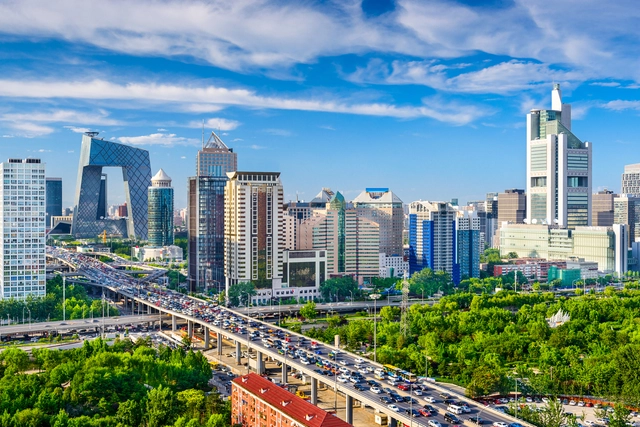
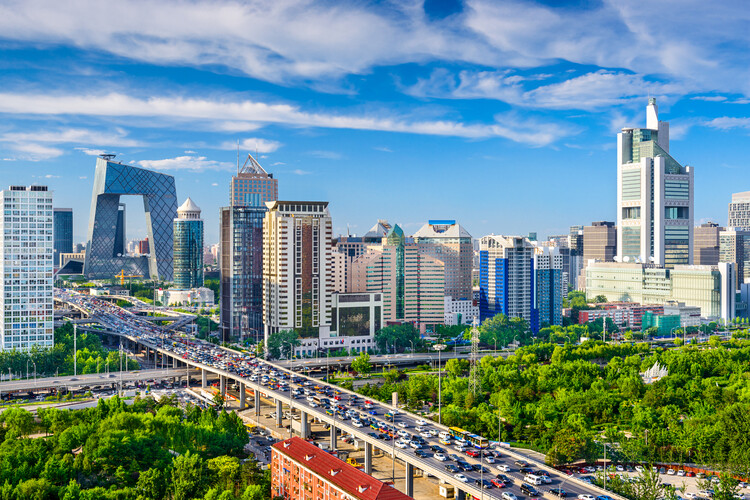
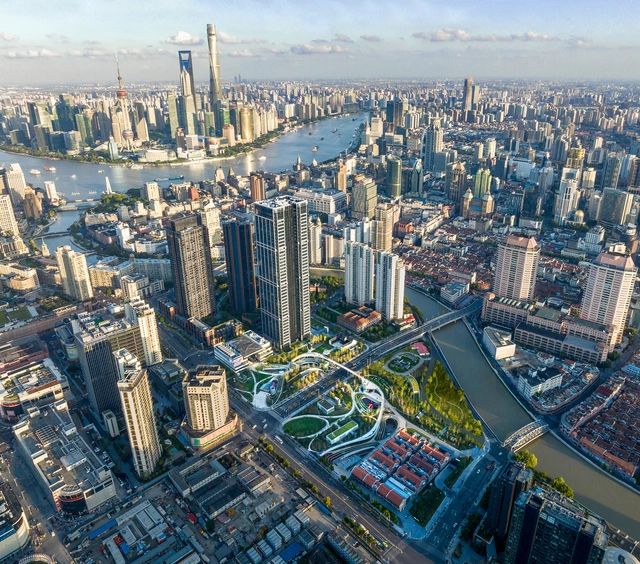
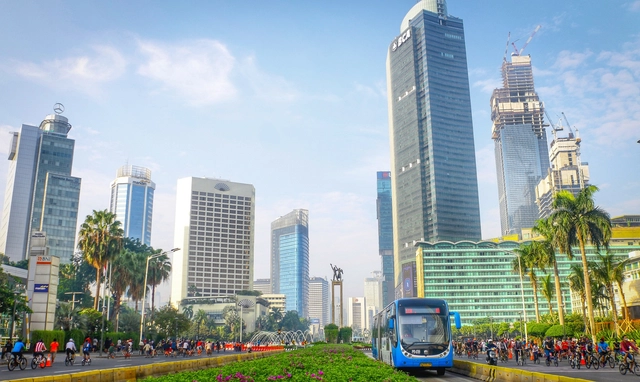
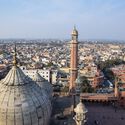
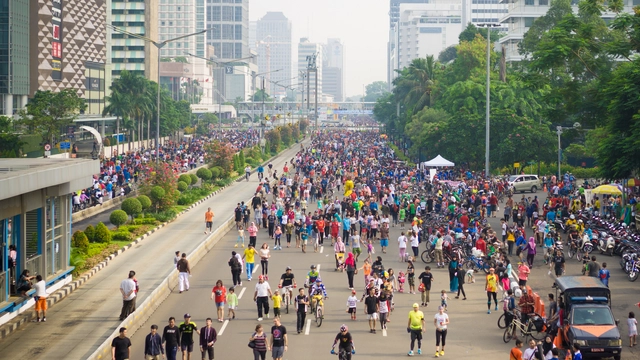
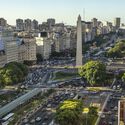
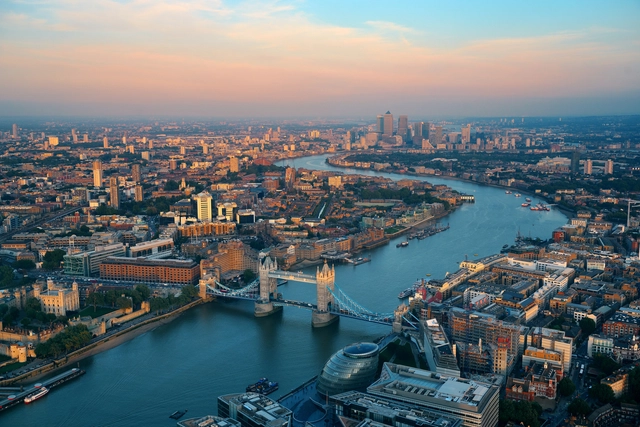
Jakarta has become the world's most populous city, according to the World Urbanization Prospects 2025 released by the United Nations Department of Economic and Social Affairs (UN DESA). Using an updated and harmonized method for defining urban areas, the report estimates Jakarta's population at nearly 42 million, placing it ahead of Dhaka, which is about 40 million, and Tokyo, 33 million. The revised ranking illustrates how updated measurement criteria and continued demographic growth are reshaping understandings of urban scale in Asia and globally.

Jakarta Becomes the World’s Most Populous City, According to New UN Data - Image 1 of 4Jakarta Becomes the World’s Most Populous City, According to New UN Data - Image 2 of 4Jakarta Becomes the World’s Most Populous City, According to New UN Data - Image 3 of 4Jakarta Becomes the World’s Most Populous City, According to New UN Data - Image 4 of 4Jakarta Becomes the World’s Most Populous City, According to New UN Data - More Images

The World's Largest Cities in 2025 by Population

Every year, World Population Day is observed on July 11th, aiming to increase people's awareness of various population issues, such as the importance of urbanization, gender equality, poverty, health, and human rights. In 2025, under the theme "Empowering Youth to Build the Families They Want," the United Nations draws attention to the largest generation of young people in history, many of whom are coming of age in rapidly urbanizing contexts. Urban centers remain key to understanding these demographic patterns, as cities continue to attract populations seeking opportunity, stability, and access to essential services. Today, more than half of the global population resides in urban areas, a share projected to increase to 66% by 2050.

The World's Largest Cities in 2025 by Population - Image 1 of 4The World's Largest Cities in 2025 by Population - Image 2 of 4The World's Largest Cities in 2025 by Population - Image 3 of 4The World's Largest Cities in 2025 by Population - Image 4 of 4The World's Largest Cities in 2025 by Population - More Images+ 16

Building for a Growing Population: Shifting the Focus to Rural India

Subscriber Access | 

India recently overtook its sub-continental neighbor, China, to become the most populous country in the world with a demography of over 1.4286 billion people. As data from the United Nations also estimates an annual population growth rate of 0.7%, the country’s built environment is set to interact with a new discourse of demography and present its own perspective on how to build for billions. It is set to engage with new challenges of infrastructure, transportation, and adequate housing, which on the surface will force cities to constantly expand as a response to these dynamic needs. However, a critical look at the population distribution within the country reveals that the majority of Indians still live in rural areas as it caters to 65% of the population despite increasing rural-urban migration. This suggests a nudge in a different direction. One where the design and development of the rural areas take precedence over the cities. One that explores architecture in rural areas, its relationship with the cities, and its future as a primary framework to house the exploding population.
Building for a Growing Population: Shifting the Focus to Rural India - Image 1 of 4Building for a Growing Population: Shifting the Focus to Rural India - Image 2 of 4Building for a Growing Population: Shifting the Focus to Rural India - Image 4 of 4Building for a Growing Population: Shifting the Focus to Rural India - Image 5 of 4Building for a Growing Population: Shifting the Focus to Rural India - More Images+ 6

DeCoding Asian Urbanism Grapples with Asia’s Unprecedented Growth

Subscriber Access | 

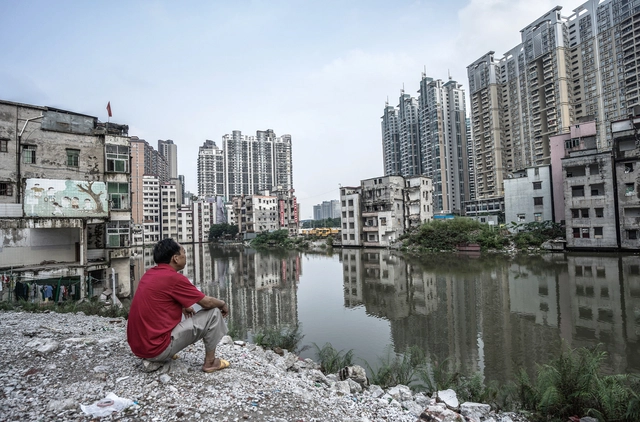
As is obvious to anyone with even a passing interest in demographics, cities are becoming denser—much denser. Rural life continues its steady emptying-out as urban life accelerates its explosive filling-in. The tilt has been apparent at least since the middle of the last century when the French geographer Jean Gottmann invented the word “megalopolis” to describe the continuous urbanization from Boston to Washington, D.C., then containing one-fifth of the United States’ population. But nowhere has the shift from countryside to city been more dramatic than in present-day Asia. 

My City, My Home: Short Story Contest - Call for Submissions

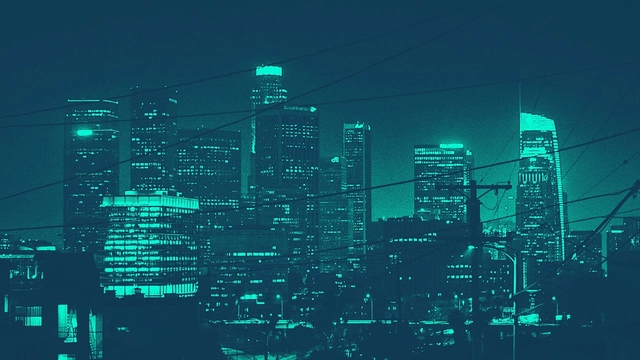
Where we live plays a role in who we are. It influences where we go to school, where we work, who we hang out with, everything. According to the United Nations, almost 75% of everyone on earth will live in a city by 2050. This move to a high-density living will push architecture and the urban experience to its max.

World Population Concentrated

Subscriber Access | 
World Population Concentrated - Featured Image
© www.persquaremile.com

What would the world’s landscape look like if it were concentrated into one megalopolis?  This graphic analysis illustrates the amount of land required to accommodate all 6.9 billion people based on the densities of cities across the globe.  The differences illuminate the adverse affects of suburban sprawl.