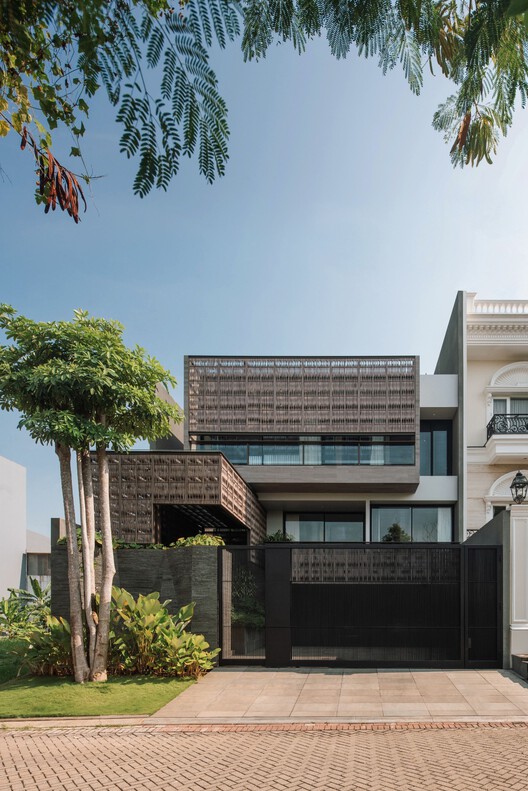

-
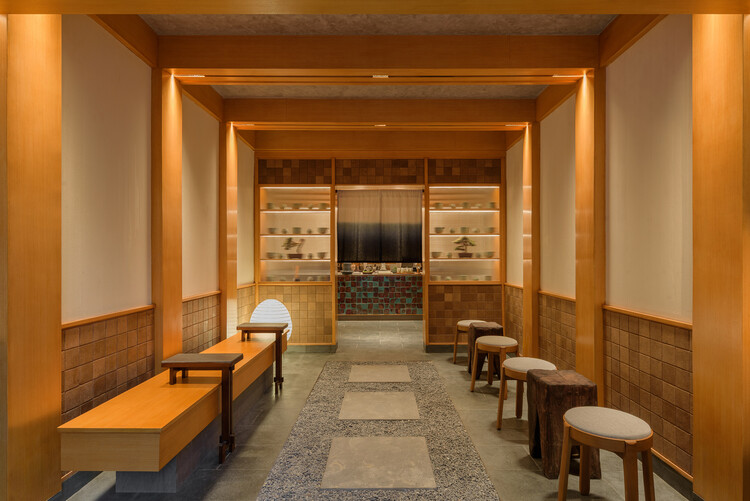
Architects: Matter of Something
- Area: 33 m²
- Year: 2026
-
Manufacturers: Anjati, Banana Paper, Bell Living Lab, Enigma Art Textile, Greenman Banana Paper Studio, +5

Every year on July 11, World Population Day draws attention to the demographic trends reshaping societies around the globe. In 2026, the United Nations marks the occasion under the theme, "Realizing the Hopes and Aspirations of Young People – Today and for the Future," highlighting how young people's decisions about education, employment, housing, relationships, and family life are increasingly influenced by the cities they inhabit. Drawing on Lives, Choices and Futures, a global survey of more than 108,000 young adults across 73 countries, this year's campaign underscores the close relationship between demographic change and the social, economic, and spatial conditions of cities.


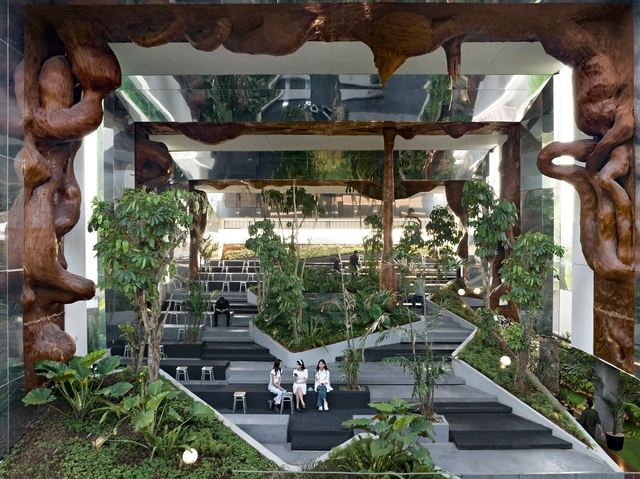
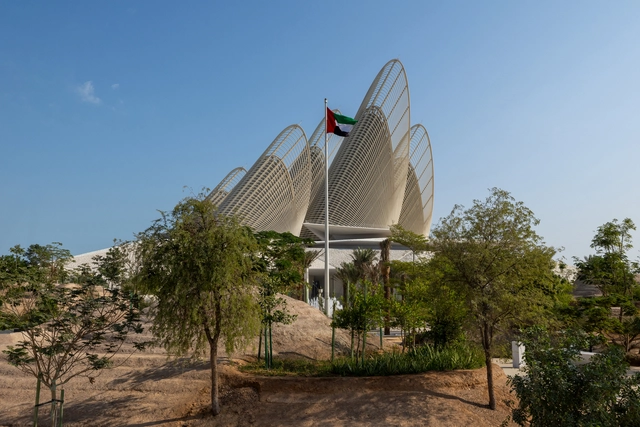
As cultural institutions advanced major preservation projects and new demographic data reframed understandings of urban growth, this week's architectural discussions centred on how cities and museums adapt to evolving social, environmental, and infrastructural conditions. Efforts to safeguard modern heritage, developments in long-term urban planning, and reflections on architectural legacy intersect with global observances such as the International Day of Persons with Disabilities, highlighting the ongoing need for more inclusive and accessible environments within the built landscape.

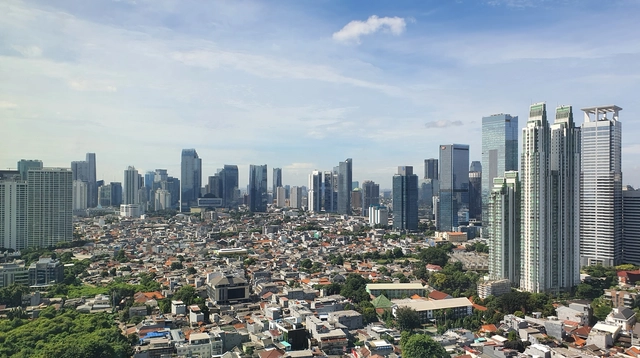
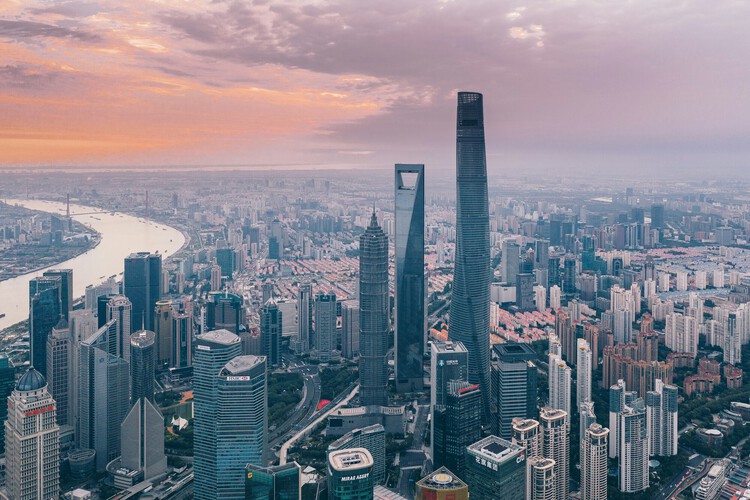
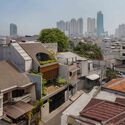
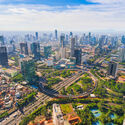
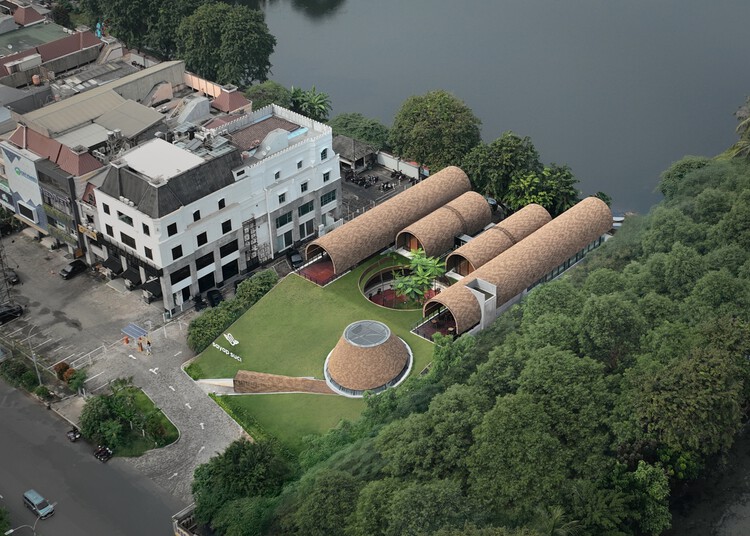
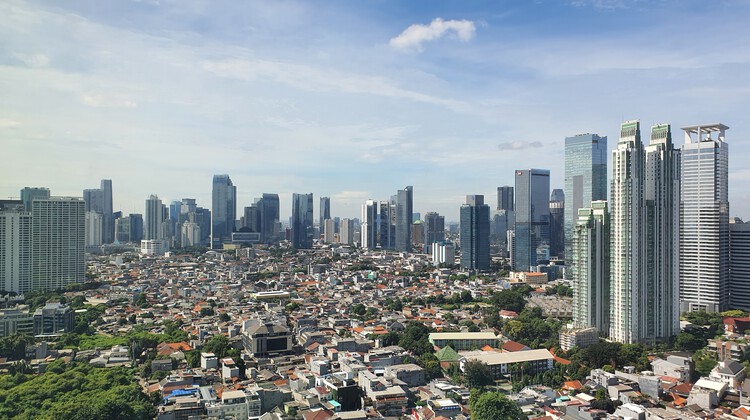
Jakarta has become the world's most populous city, according to the World Urbanization Prospects 2025 released by the United Nations Department of Economic and Social Affairs (UN DESA). Using an updated and harmonized method for defining urban areas, the report estimates Jakarta's population at nearly 42 million, placing it ahead of Dhaka, which is about 40 million, and Tokyo, 33 million. The revised ranking illustrates how updated measurement criteria and continued demographic growth are reshaping understandings of urban scale in Asia and globally.




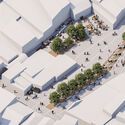
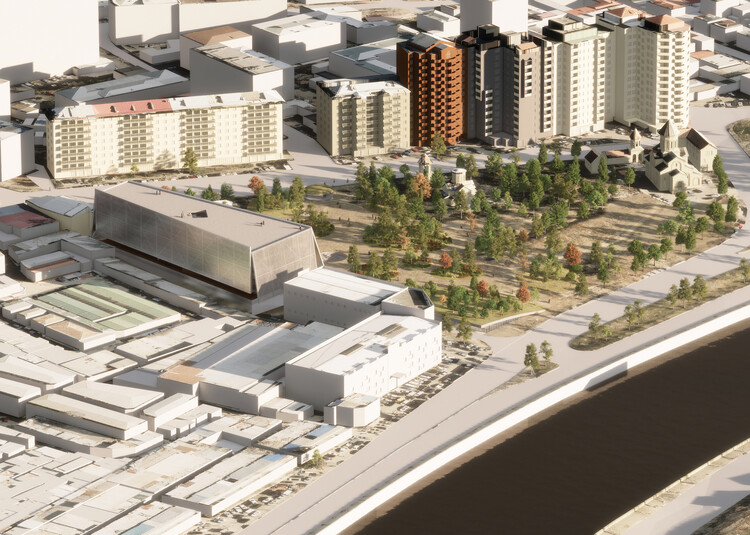
Public spaces remain some of the most dynamic sites for unbuilt architectural experimentation, revealing how cities and architects can imagine accessibility, gathering, and civic identity. In this curated Unbuilt edition, submitted by the ArchDaily community, the selected proposals examine parks, pedestrian corridors, cultural landscapes, and open-access urban environments that invite people to meet, move, rest, and participate in collective life. Rather than treating public space as leftover terrain, these projects position it as essential infrastructure—shaping urban health, memory, and social interaction.