1. ArchDaily

  2. Environment

Environment: The Latest Architecture and News

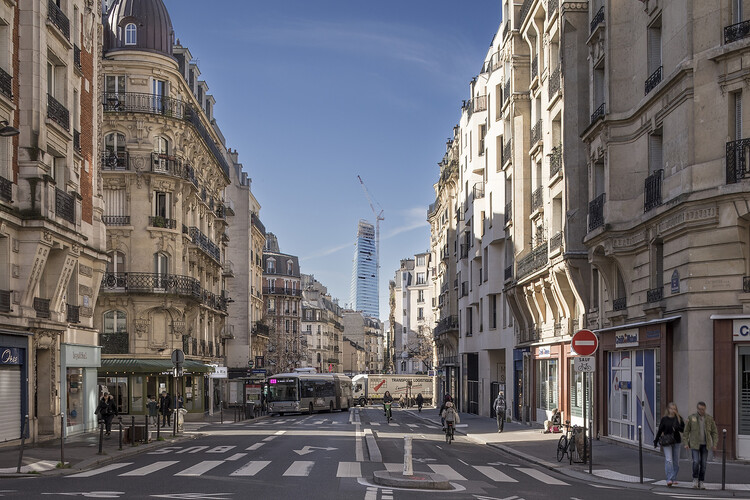
Moving Capitals Across Global Contexts: From Strategic Planning to Environmental Necessity

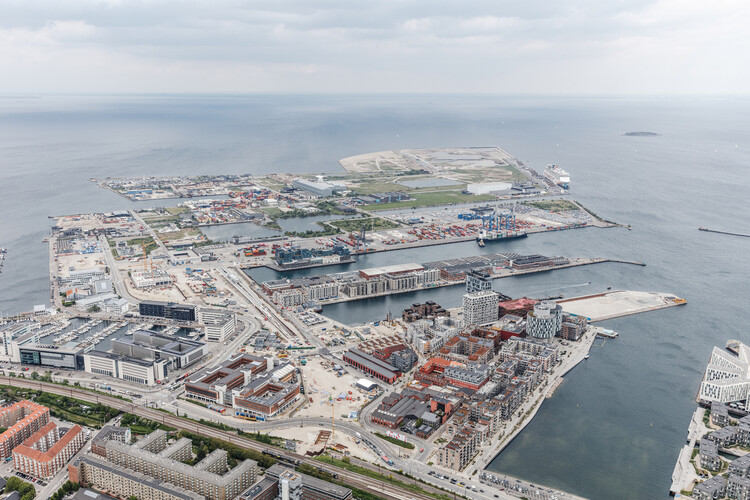
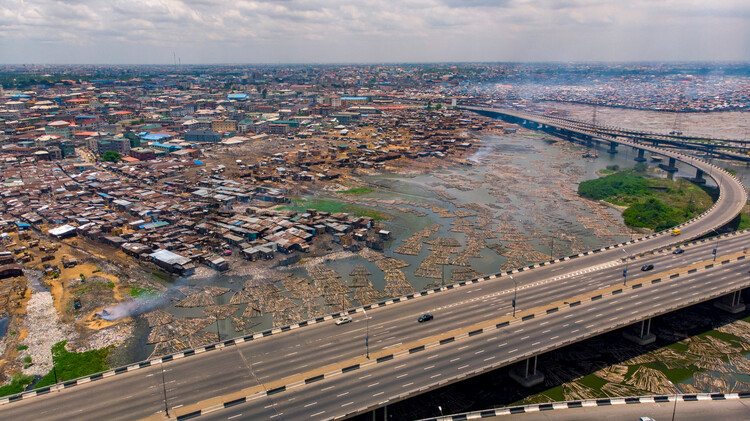
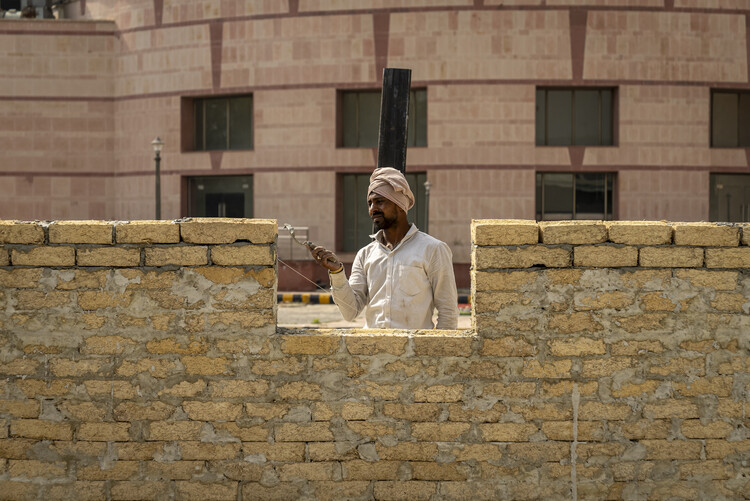
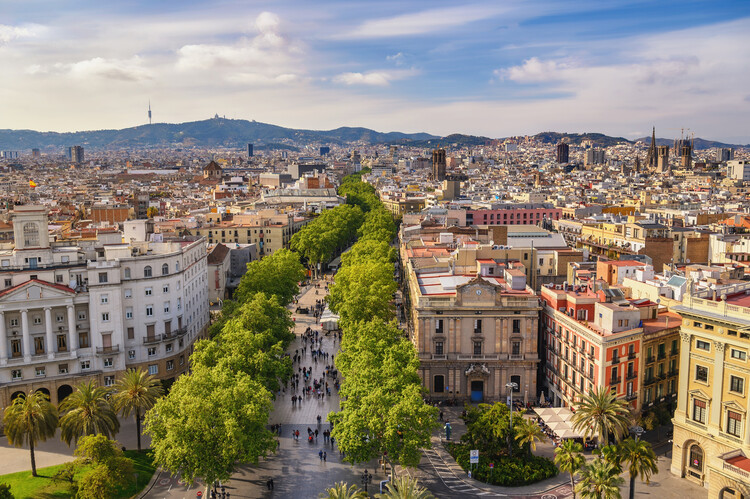
Across history, the relocation of capital cities has often been associated with moments of political rupture, regime change, or symbolic nation-building. From Brasília to Islamabad, new capitals were frequently conceived as instruments of centralized power, territorial control, or ideological projection. In recent decades, however, a different set of drivers has begun to shape these decisions. Rather than security or representation alone, contemporary capital relocations are increasingly tied to structural pressures such as demographic concentration, infrastructural saturation, environmental risk, and long-term resource management. As metropolitan regions expand beyond their capacity to sustain population growth and administrative functions, governments are turning to spatial reconfiguration as a means of addressing systemic urban imbalance.

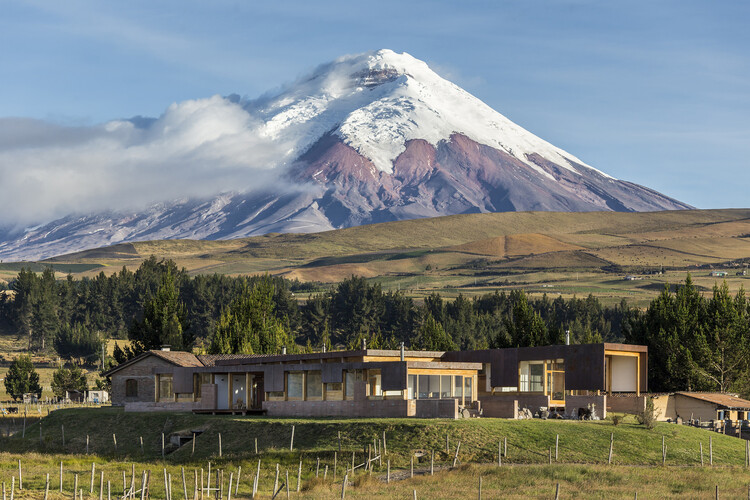
Moving Capitals Across Global Contexts: From Strategic Planning to Environmental Necessity - Image 1 of 4Moving Capitals Across Global Contexts: From Strategic Planning to Environmental Necessity - Image 2 of 4Moving Capitals Across Global Contexts: From Strategic Planning to Environmental Necessity - Image 3 of 4Moving Capitals Across Global Contexts: From Strategic Planning to Environmental Necessity - Image 4 of 4Moving Capitals Across Global Contexts: From Strategic Planning to Environmental Necessity - More Images+ 3

World Wetlands Day 2026: Integrating Traditional Knowledge for Climate Resilience

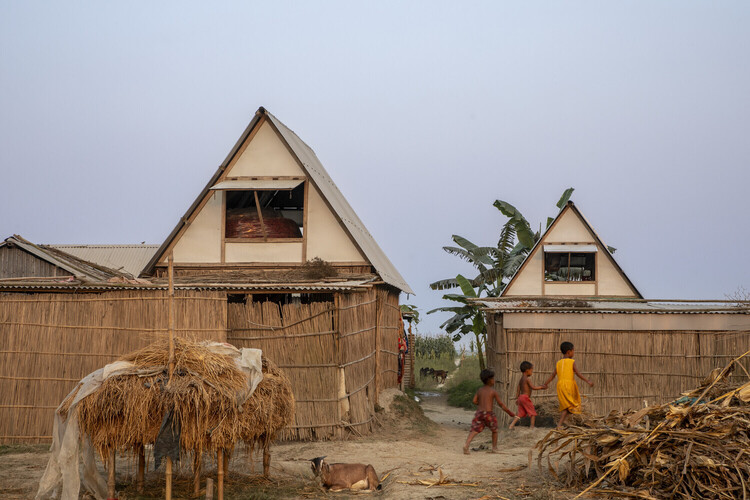
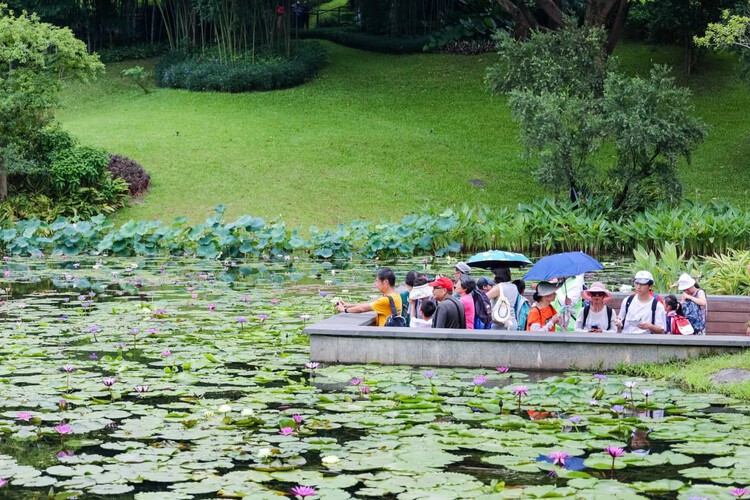
Observed annually on February 2, World Wetlands Day marks the adoption of the Ramsar Convention in 1971 and provides an international framework for recognizing the role of wetlands in environmental protection and sustainable development. The 2026 edition is held under the theme "Wetlands and traditional knowledge: Celebrating cultural heritage," drawing attention to the long-standing relationships between wetland ecosystems and the cultural practices, knowledge systems, and governance structures developed by communities over centuries. The theme highlights how inherited ecological knowledge, often embedded in rituals, seasonal calendars, land-use practices, and spatial organization, has shaped resilient interactions between human settlements and water-based landscapes.

World Wetlands Day 2026: Integrating Traditional Knowledge for Climate Resilience - Image 1 of 4World Wetlands Day 2026: Integrating Traditional Knowledge for Climate Resilience - Image 2 of 4World Wetlands Day 2026: Integrating Traditional Knowledge for Climate Resilience - Image 3 of 4World Wetlands Day 2026: Integrating Traditional Knowledge for Climate Resilience - Image 4 of 4World Wetlands Day 2026: Integrating Traditional Knowledge for Climate Resilience - More Images+ 5

Commonwealth Association of Architects 2026 Awards: Environmental Impact, Social Impact & Lifetime Achievement Award

The Commonwealth Association of Architects (CAA) is pleased to launch its 2026 Awards Programme, inviting architects from across the Commonwealth to submit work that demonstrates significant contributions to addressing contemporary global challenges including climate change, rapid urbanisation, biodiversity loss, and social inequality. Aligned with the CAA's charter objectives to maximise the contribution by architects to the well-being of society, the awards programme recognises projects and individuals whose work advances the United Nations Sustainable Development Goals (SDGs) while demonstrating exceptional design quality and measurable impact.

Age of Nature: New DAC Exhibition Explores the Future Relationship Between Architecture and Nature

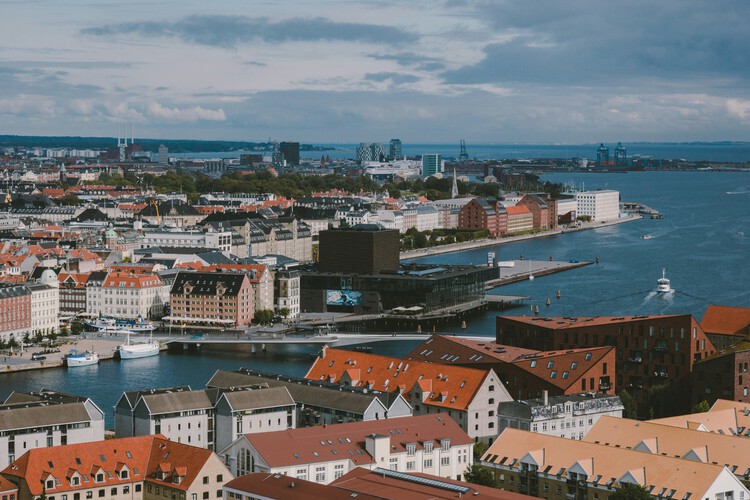
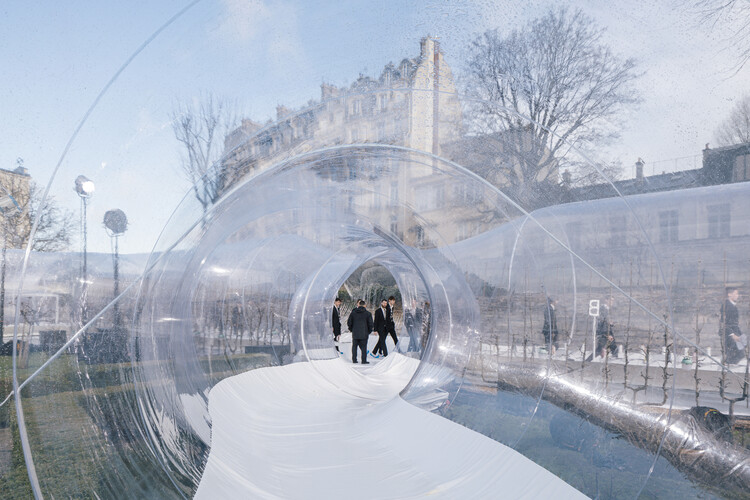
Opening on World Architecture Day, October 6, 2025, "Age of Nature" is a new exhibition at the Danish Architecture Center (DAC), on view until May 17, 2026. Presented in DAC's largest exhibition space, the show examines how architecture can evolve to support both human life and biodiversity, addressing one of the most pressing challenges of the time: redefining the relationship between the built environment and the natural world.

Age of Nature: New DAC Exhibition Explores the Future Relationship Between Architecture and Nature - Image 1 of 4Age of Nature: New DAC Exhibition Explores the Future Relationship Between Architecture and Nature - Image 2 of 4Age of Nature: New DAC Exhibition Explores the Future Relationship Between Architecture and Nature - Image 3 of 4Age of Nature: New DAC Exhibition Explores the Future Relationship Between Architecture and Nature - Image 4 of 4Age of Nature: New DAC Exhibition Explores the Future Relationship Between Architecture and Nature - More Images+ 7