1. ArchDaily
  2. Amazon

Amazon: The Latest Architecture and News

COP30 Outcomes for the Built Environment: From Sustainable Cooling to Climate Adaptation Commitments

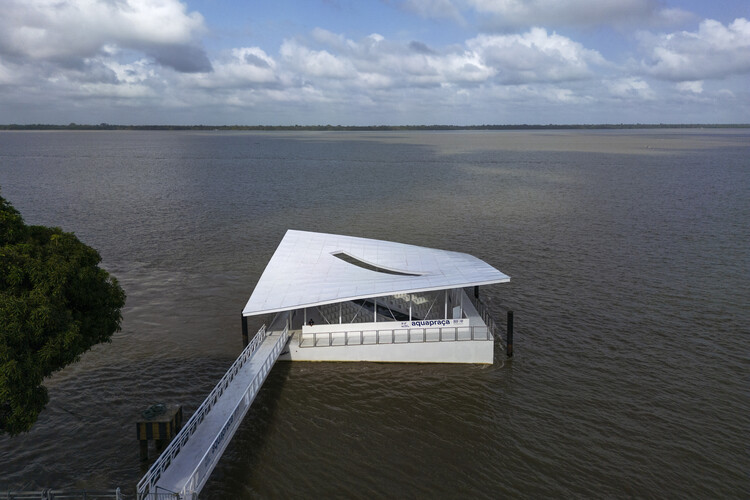
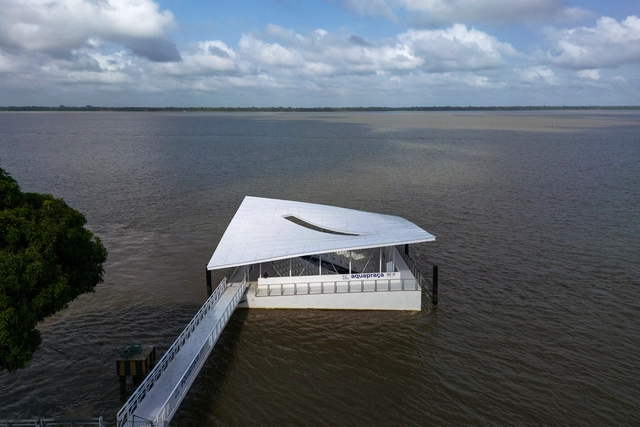
On November 21, 2025, the closing day of the 30th edition of the Conference of the Parties (COP) took place, the yearly gathering of United Nations member states to negotiate international climate agreements and assess global progress toward emissions reduction. This year, the event was held in Belém, Brazil, a port city of fewer than 1.5 million people, widely known as a gateway to Brazil's lower Amazon region. First convened in 1992, UN Climate Change Conferences (or COPs) are an international multilateral decision-making forum on climate change involving 198 "Parties" (197 countries, nearly all of them, depending on definitions of country, and the European Union). Their purpose is to assess global efforts toward the central Paris Agreement aim of limiting global warming to as close as possible to 1.5 °C above pre-industrial levels. The event brings together leaders and negotiators from member states, business figures, young people, climate scientists, Indigenous Peoples, and civil society around issues considered essential to that climate goal. This year, COP30 was marked by strong criticism of its ties to the fossil fuel industry, descriptions of agreements as fragile and insubstantial, and the struggle to move climate finance "from pledge to lifeline."

COP30 Outcomes for the Built Environment: From Sustainable Cooling to Climate Adaptation Commitments - Imagen 1 de 4COP30 Outcomes for the Built Environment: From Sustainable Cooling to Climate Adaptation Commitments - Imagen 2 de 4COP30 Outcomes for the Built Environment: From Sustainable Cooling to Climate Adaptation Commitments - Imagen 3 de 4COP30 Outcomes for the Built Environment: From Sustainable Cooling to Climate Adaptation Commitments - Imagen 4 de 4COP30 Outcomes for the Built Environment: From Sustainable Cooling to Climate Adaptation Commitments - More Images+ 12

Architecture Now: Urban Updates from Madrid to L.A. on Climate, Policy, and Recovery

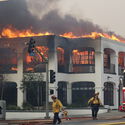
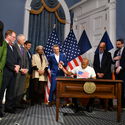
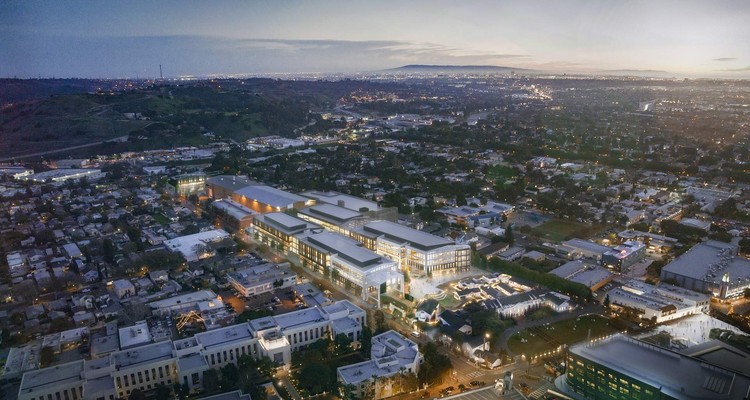
In recent weeks, cities around the world have introduced new policies, recovery efforts, and infrastructure projects that reflect growing pressure to adapt to climate realities. From Southern Europe to South America and the United States, these urban updates address both immediate challenges and long-term shifts in how the built environment is governed, designed, and inhabited. Some initiatives focus on regulation, tightening building codes in fire-prone areas or reforming aging safety systems, while others spotlight large-scale investments tied to global events such as COP30 and the Venice Architecture Biennale. This edition of Architecture Now gathers a selection of city-led actions and collaborative efforts that point toward a more resilient, responsive future for architecture and urban life.

Architecture Now: Urban Updates from Madrid to L.A. on Climate, Policy, and Recovery - Image 1 of 4Architecture Now: Urban Updates from Madrid to L.A. on Climate, Policy, and Recovery - Image 2 of 4Architecture Now: Urban Updates from Madrid to L.A. on Climate, Policy, and Recovery - Image 3 of 4Architecture Now: Urban Updates from Madrid to L.A. on Climate, Policy, and Recovery - Image 4 of 4Architecture Now: Urban Updates from Madrid to L.A. on Climate, Policy, and Recovery - More Images+ 2

Gentrification, Alienation, and Homelessness: What Really Happens When Amazon Moves to Town?

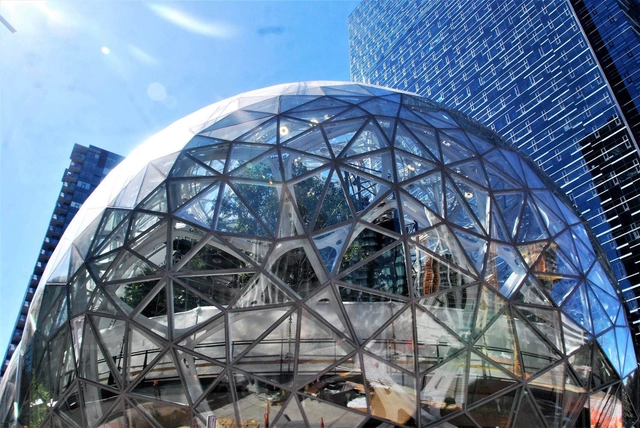
Gentrification, Alienation, and Homelessness: What Really Happens When Amazon Moves to Town? - Image 2 of 4
© Flickr user sounderbruce licensed under CC BY-SA 2.0

This article was originally published by Common Edge as "A Seattleite Reflects on the City in the Age of Amazon."

At first, it was just a crane or two, a little urban renewal down on Westlake, a rumor that Paul Allen was cleaning things up, wanted a huge park with bike trails. I thought that might be nice and didn’t think about it again for a while.

No park happened, but one day I went down to the new Whole Foods below where I work and noticed that a whole habitat had sprung up on Westlake, an expensive Mexican chain restaurant and an expensive Italian place and an expensive Thai place, and some expensive after-work bars. I also noticed small groups of men, all white or Indian and all wearing lanyards. These groups moved around the streets, talking animatedly, freshly out of their cubicles and going to lunch, oblivious to whomever else was on the street.