SEED 2026 is a gathering for specialists, professionals, students, and those interested in exploring new relationships between territory, architecture, biomaterials, and regenerative systems.
SEED 2026 is a gathering for specialists, professionals, students, and those interested in exploring new relationships between territory, architecture, biomaterials, and regenerative systems.

The future of urban planning and architecture is promising if the world, collectively, looks beyond the concept of mere sustainability and instead embraces a nature-positive approach. As global population growth drives rapid urbanization—requiring humanity to build the equivalent of a city the size of Madrid every week for decades to come—the construction sector faces a defining challenge: how to build durable, energy-efficient, and resilient urban environments in harmony with natural ecosystems.

Architecture at Zero is a design competition for decarbonization, equity, and resilience, open to students and professionals worldwide. It serves to engage the fields of architecture, design, engineering and planning in the pursuit of sustainable design.
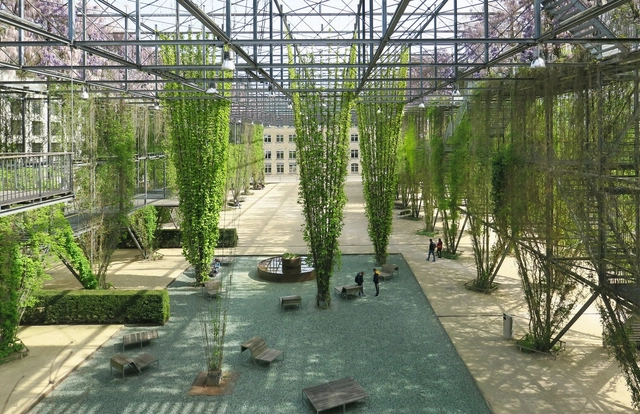
Sustainability in architecture is often framed as a universal challenge, leading to standardized solutions that prioritize efficiency over context. However, architecture is inherently tied to its environment — buildings interact with climate, topography, and cultural history in ways that demand specificity. Instead of relying on standardized sustainability checklists, how can architecture embrace site-specific solutions? This conversation is deeply connected to the concept of Genius Loci, or the spirit of a place, introduced by Christian Norberg-Schulz and embraced by architects advocating for designs that resonate with their surroundings. It suggests that architecture should not be imposed upon a site but rather emerge from it, informed by its materials, climate, and cultural significance. This philosophy challenges the widespread application of generic sustainable technologies, instead proposing that sustainability must be inherently tied to the location in which it operates.
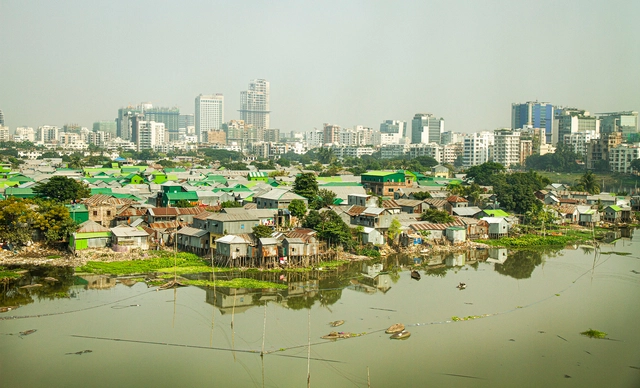
Across the globe, ever since 2014, every year on the 31st of October, World Cities Day is celebrated. To mark this event, UN-Habitat has released its World Cities Report 2020 on the value of sustainable urbanization, focusing on the most up-to-date and pressing topics. Analyzing the intrinsic value of cities in generating economic prosperity, mitigating environmental degradation, reducing social inequality, and building stronger institutions, the report highlights how together these can drive transformative change.
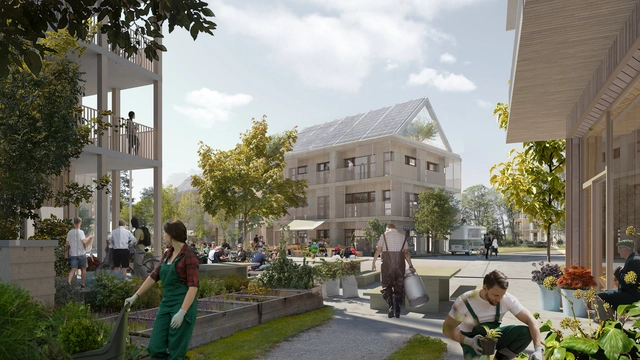
White Arkitekter, in collaboration with Silicon Valley-based ReGen Villages, have joined forces to create fully circular, self-sufficient and resilient communities in Sweden. Inspired by computer games, the project puts in place organic food production, locally produced and stored energy, comprehensive recycling, and climate positive buildings.
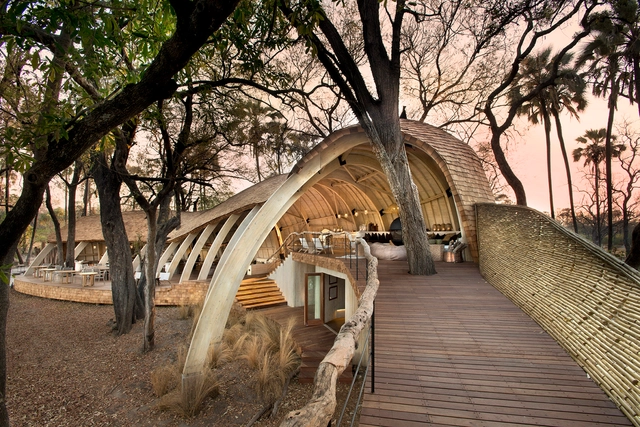
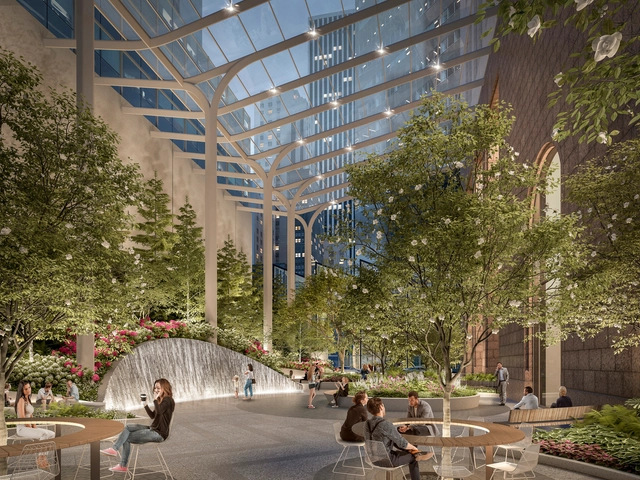
The New York City Planning Commission approved unanimously the design for 550 Madison Garden created by Snøhetta. The project that re-imagines the privately-owned public space will move forward, after also having received, earlier on, the approval from Manhattan Community Board.
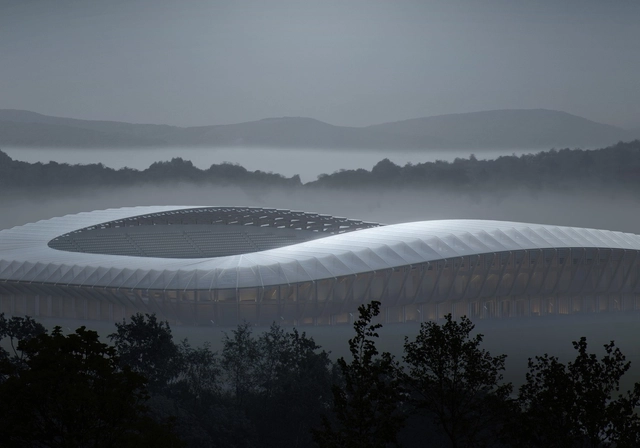
The world’s greenest football stadium, designed by Zaha Hadid Architects will be built in Gloucestershire, England after planning permissions were finally granted by the local council.
.jpg?1576051979&format=webp&width=640&height=580)
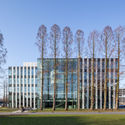
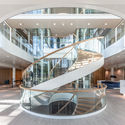
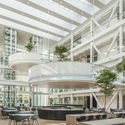
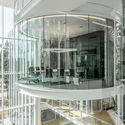
Sky Green, WOHA’s first project in Taichung, Taiwan has just been completed. Commissioned by the developer Golden Jade, with Feng Chia University as an advisor, the project is the first green and sustainable mixed-use development in the city.
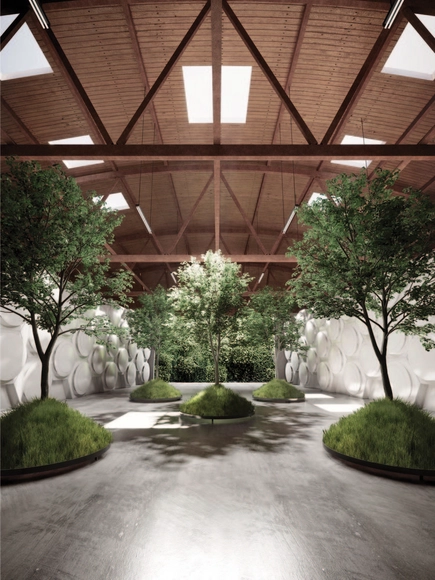
The international design firm Olson Kundig has designed a new sustainable option for after-death care. In fact, the architects created the world’s first facility for converting human remains into soil, a flagship building for Recompose in Seattle.


Design + Build Workshop, Lombok 2018
.jpg?1534967755&format=webp&width=640&height=580)
As the demand of a sustainable lifestyle increases, cities are trying to find strategies to create environmentally friendly communities. From passive designs to recycled materials, architects are turning their attention to climate change and trying to find solutions through architecture and design.
The Zero Emission Neighborhood is an eco-village concept proposed by Architecture for Humans in the city of Pristina, Kosovo. The concept ensures optimum sustainability for the entire community through “zero emission” buildings, passive design strategies, active solar systems, and energy efficient appliances.

Bee Breeders have announced the winners of the Iceland Northern Lights Rooms competition, where entrants were tasked with designing a series of guest houses that framed the beauty of the surrounding context. In response to the delicate landscape, Mývatn Lake in Iceland, the brief outlined a number of restrictions. These included no permanent construction within 200m from the lake, and that all guest houses were to be movable. Shared themes throughout all the successful proposals were specific material experimentation, “distinct interaction with the site and sky,” scalable design, irand cost-conscious solutions.
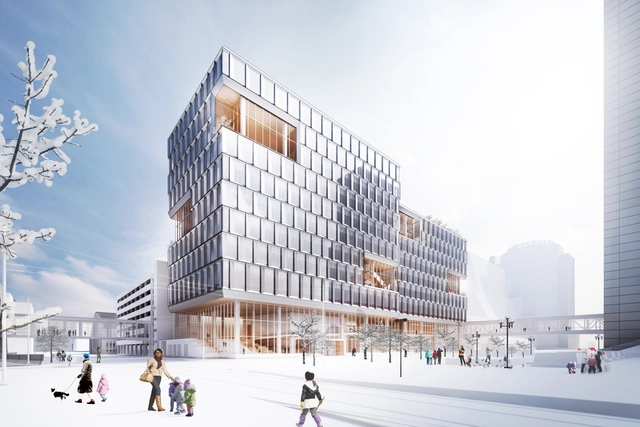
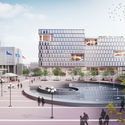
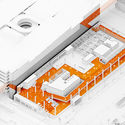
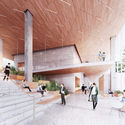
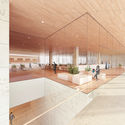
Designed by Henning Larsen and MSR Design, the New Public Service Building for the city of Minneapolis aims to consolidate several departments, currently found across multiple different sites, into one unified building. The scheme promotes the health and well-being of its 1,300 employees through maximizing daylight and green space throughout, integrating a significantly sustainable remit within the 385,000 square foot, 11 story proposal. Located diagonally across from the existing city hall, Henning Larsen brings a “knowledge-based Scandinavian design approach” to the high-performance office space, hoping to set a “new architectural agenda in North America."





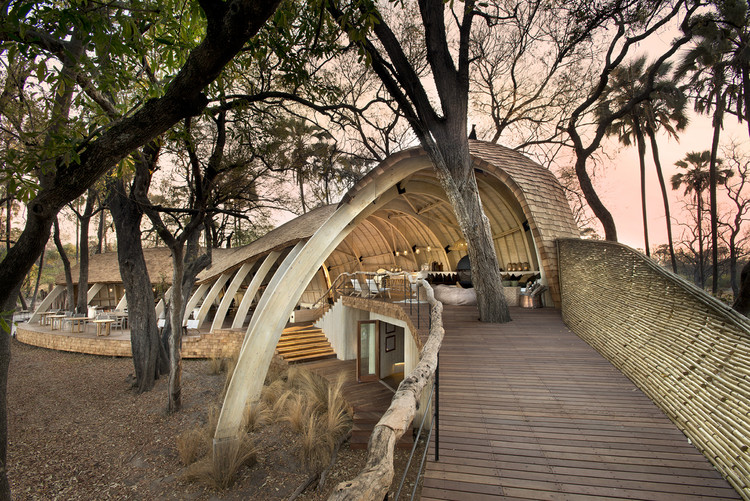
.jpg?1576051840 "© Kuomin Lee")
.jpg?1576051957 "© Kuomin Lee")
.jpg?1576052609 "© Kuomin Lee")
.jpg?1576052676 "© Kuomin Lee")
.jpg?1576051979)





.jpg?1534967855 "Courtesy of Architecture for Humans")
.jpg?1534967980 "Courtesy of Architecture for Humans")
.jpg?1534967837 "Courtesy of Architecture for Humans")
.jpg?1534967825 "Courtesy of Architecture for Humans")
.jpg?1534967755)