

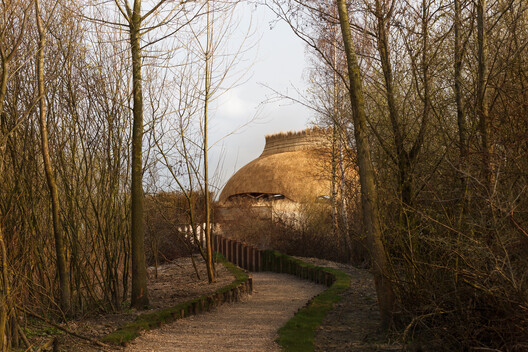
Around the world, a passionate community of bird watchers, from novice observers to seasoned ornithologists, is drawn to the subtle movements, distinct calls, and remarkable migrations of birds. This global fascination has led to the creation of thoughtfully designed spaces by architects and designers, enhancing the bird-watching experience while respecting the ecological landscapes in which they are placed.
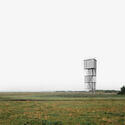
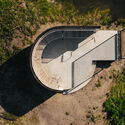
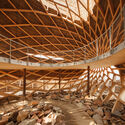
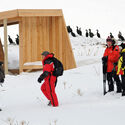
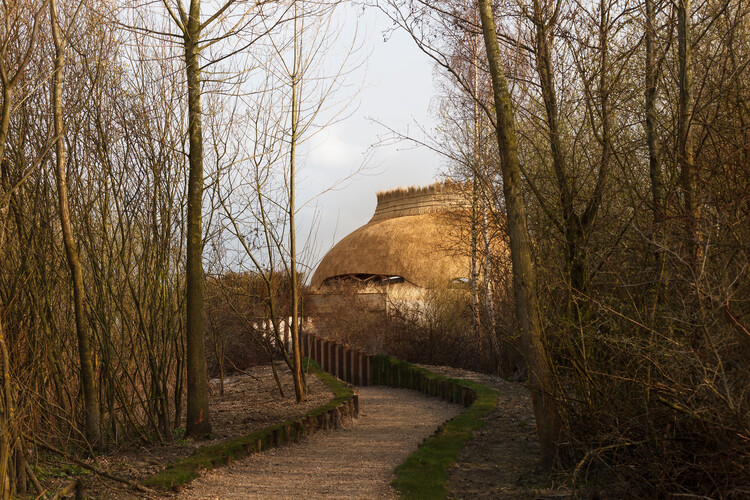
Bird watching stations, platforms, and observatories serve a dual purpose: they provide shelter and comfort for human observers, and they minimize disruption to the environments and species being observed. In many parts of the northern hemisphere, migratory birds appear during the brisk seasons of spring and autumn, when weather conditions can be cold, wet, or windy. In response, birding shelters are often designed with protective canopies, enclosed viewing spaces, and materials that withstand seasonal elements while maintaining a discreet presence in the landscape.
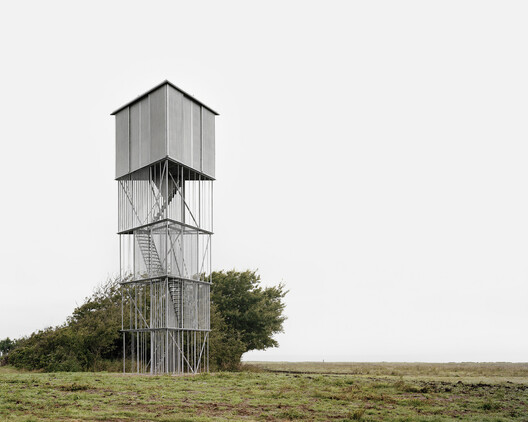
Environmental context plays a central role in shaping the design of bird-watching architecture. Structures in coastal zones, wetlands, forests, grasslands, and urban settings each demand unique strategies for integration, visibility, and ecological sensitivity. This article explores a range of architectural examples to highlight the diverse and innovative ways designers are creating spaces that support bird watchers and the habitats they seek to observe.
Related Article
Architecture Above: 25 Observation Towers Around the WorldWetlands & Marshes: Designing Elevated Platforms for Water-Logged Habitats
Wetlands and marshes are among the most biologically rich and ecologically sensitive environments on Earth. These landscapes host an incredible diversity of bird species, particularly waterfowl, shorebirds, and waders, many of which rely on wetlands for breeding, feeding, or rest during migration. Architectural interventions in these settings must balance the desire for close observation with a commitment to ecological preservation. The most effective designs prioritize light footprints, subtle visibility, and the ability to withstand the dynamic, often waterlogged terrain of these habitats.
To address the challenges of unstable or flood-prone ground, many bird-watching platforms in wetlands are elevated on pilings or stilts. This approach prevents soil compaction, allows for seasonal water fluctuations, and minimizes interference with sensitive vegetation. Materials such as weathered steel, bamboo, or recycled composites are chosen not only for their durability in moist environments but also for their visual integration with the natural palette. Boardwalks often serve as connective tissue, leading visitors through reed beds and shallow waters to strategically placed observation shelters.
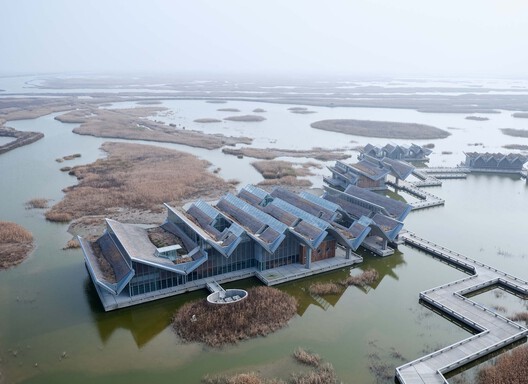
These structures are typically open-sided to maximize visibility and airflow while providing essential shelter from wind and rain. Their forms are often pared down and quiet, allowing the surrounding landscape and wildlife to remain the focus. Camouflaged exteriors of natural materials, subdued tones, or vegetated facades help the architecture recede into its setting, reducing the risk of disturbing bird activity.
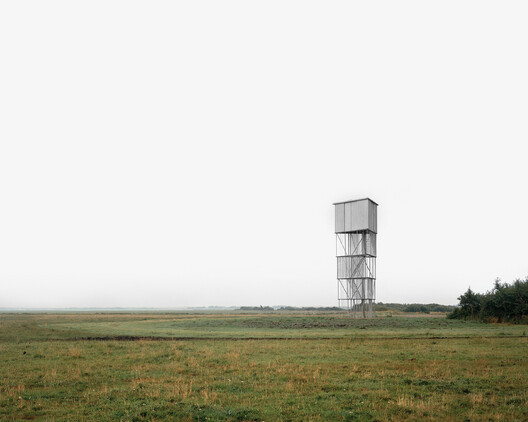
Tipperne Bird Sanctuary / Johansen Skovsted Arkitekter
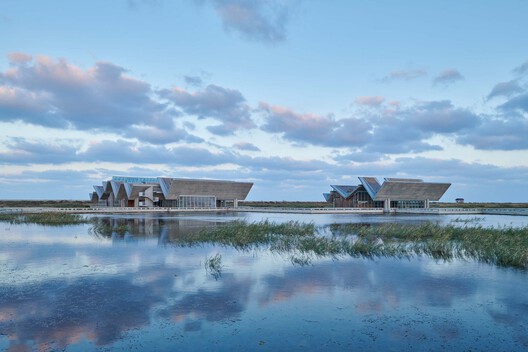
Wetland Research and Education Center / Atelier Z+
Forest & Woodland Environments: Integrating Elevated Structures in Dense Forests
Forests and wooded landscapes offer some of the most immersive environments for bird watching. The dense canopies and layered understories conceal a rich diversity of avian life, creating a tranquil and immersive experience. These habitats call for architectural strategies that prioritize sensitivity to vegetation, wildlife patterns, and ground conditions.
Treehouse-style hides and elevated blinds allow for closer proximity to canopy-dwelling species while preserving delicate root systems below. Pathways and access routes are typically narrow, raised, or built with permeable materials to avoid compacting forest soils. Locally sourced timber, bark cladding, and green roofs help structures blend into the surrounding environment, reducing their visual impact and maintaining the sense of quiet immersion that forest settings naturally provide.
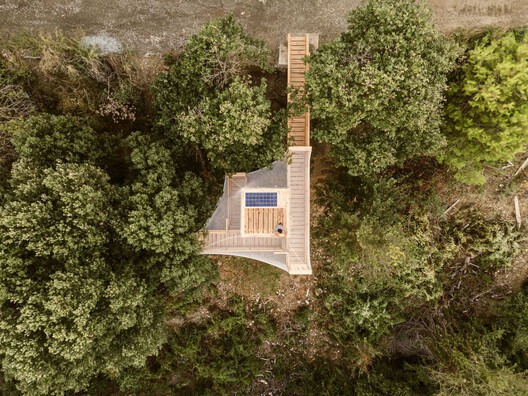
What distinguishes many forest observatories is their vertical integration of multi-level structures that provide different perspectives and acoustic experiences. In these quiet, enclosed landscapes, the soundscape is often as valuable as the visual one. Thoughtful acoustical design, such as open slats or resonance chambers, allows visitors to tune into bird calls, rustling leaves, and distant wingbeats.
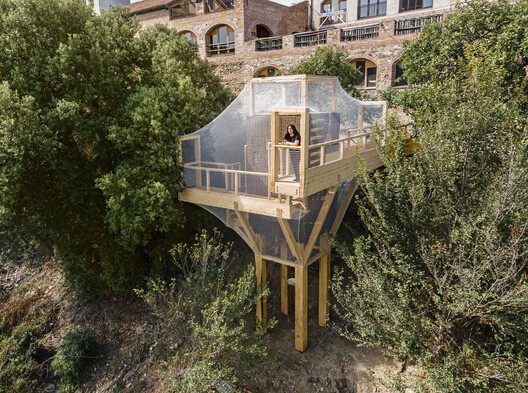
FLORA Observatory / IAAC
BIG Reveals Design of Treetop Hotel Room Wrapped in Bird Nests
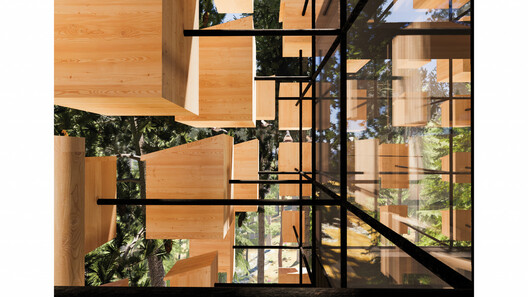
Grasslands & Open Plains: Creating Low-Profile Viewing Stations in Open Landscapes
Open grasslands and plains present a dramatically different set of spatial and ecological conditions for bird observation. In these vast, unobstructed landscapes, visibility extends to the horizon, and birds—often ground-nesting or low-flying—are especially sensitive to human presence. Architectural interventions in this context must remain low-profile, blending into the terrain while offering protection from sun, wind, and sudden weather shifts.
Observation points in grasslands often take the form of sunken or earth-sheltered hides that provide 360-degree views without disrupting sightlines. Modular or movable shelters are advantageous in these regions, allowing observers to relocate structures seasonally or in response to shifting wildlife patterns. Materials are typically robust and subdued in color, helping structures merge with grasses, soil, and sky. Windbreaks and canopies are designed to offer relief from the elements without appearing dominant in the landscape.
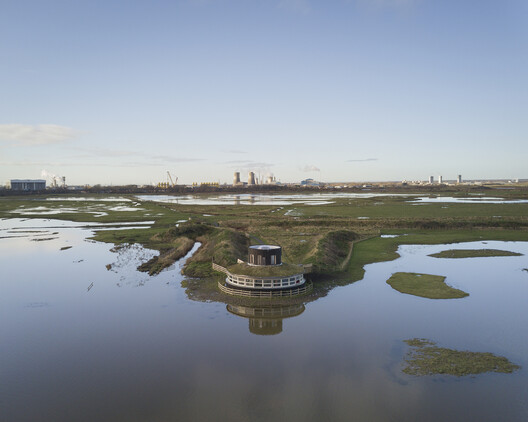
In these environments, discretion is paramount. Bunkers with narrow slits or small apertures allow viewers to observe birds without startling them, while internal acoustics are often muted to maintain a sense of silence. Grassland observatories prioritize unobtrusive presence and respect for distance, reinforcing the idea that in open spaces, less is usually more. They invite visitors to slow down, observe patiently, and appreciate the rhythms of the land without imposing upon it.
Saltholme Pools Bird Hide / Child Graddon Lewis
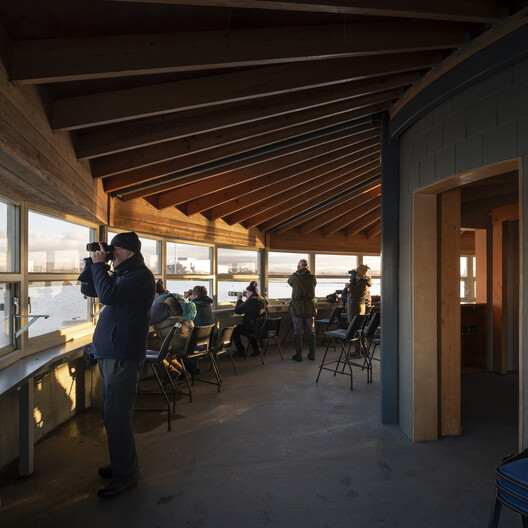
A Restorative Rural Retreat for Sartfell / Foster Lomas
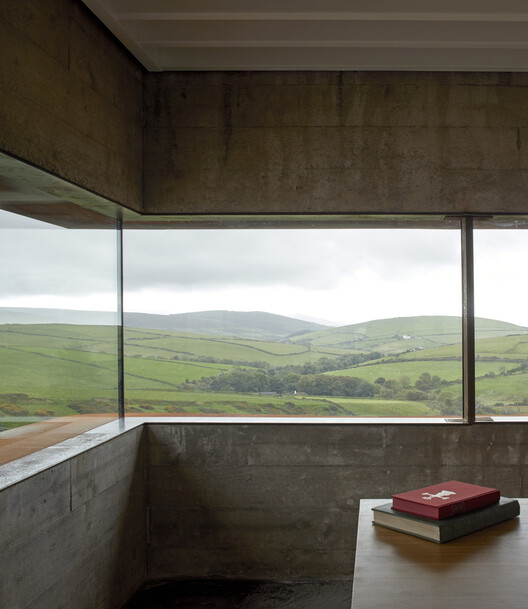
Vårbergstoppen Viewing Platforms / AndrénFogelström
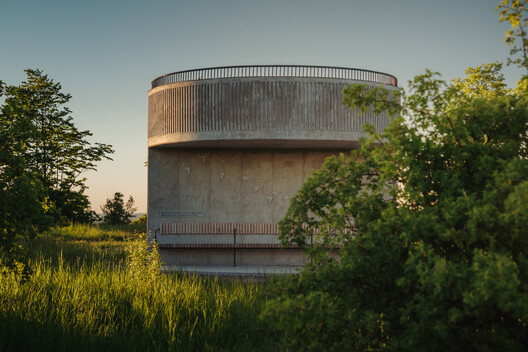
Mountain, Remote & Highland Regions: Designing Observatories for Extreme High-Altitude Terrain
Bird watching in mountainous and remote highland regions demands structures that can withstand extreme environmental conditions while remaining sensitive to isolated and often fragile ecosystems. These elevated environments are home to raptors, alpine songbirds, and migratory species that pass through dramatic vertical landscapes. Architecture here must be resilient, compact, and strategically located to align with natural flyways and vantage points.
Due to the challenges of terrain, structures are often built with highly durable materials such as metal, stone, or reinforced timber that can resist snow, ice, and wind. Footprints are kept deliberately small, with some observatories accessed only via cable systems, mountain trails, or suspended pathways. Designs are frequently self-sufficient, incorporating passive heating, off-grid energy, and weatherproofing to accommodate remote use without constant maintenance.
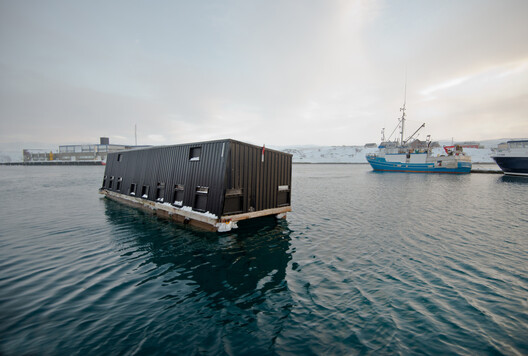
Enclosed observatories in these settings often include telescopic viewing apertures and panoramic glazing that frame dramatic vistas while providing warmth and protection. Strategic placement is essential, as some are perched along known migration corridors, and others are nestled into rocky outcrops to provide natural camouflage. These mountain structures become part refuge, part instrument: a way to study birds that thrive where few people venture.
Steilnes Bird Hide / Biotope
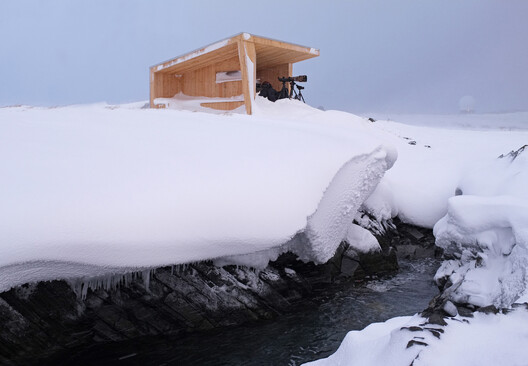
Hornoya Wind Shelter / Biotope
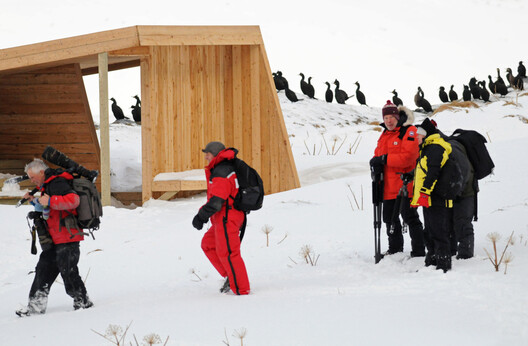
Herdla Birdwatching Tower / LJB AS
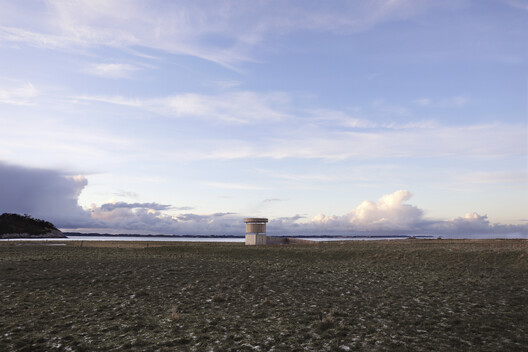
Urban & Suburban Environments: Integrating Bird Watching into Multi-Use Urban Spaces
Urban and suburban bird-watching structures play a unique role in reconnecting city dwellers with local biodiversity. Birds have long adapted to human-dominated environments, finding nesting sites in buildings, parks, and waterways. As cities grow more conscious of ecological integration, bird observatories in these settings are evolving from niche installations into vital pieces of green infrastructure and public education.
In dense urban areas, bird-watching architecture often integrates with existing structures or repurposes underutilized spaces such as rooftops, rail corridors, or greenways. These projects frequently serve multiple functions, combining observation with learning, gathering, and even scientific research. Materials like bird-safe glass, recycled composites, and noise-buffering cladding support avian well-being and human comfort. Accessibility is a core priority, ensuring that the experience is open to a wide demographic of users.
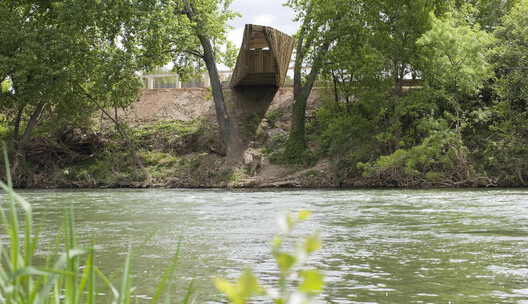
Features such as vertical gardens, rooftop hides, and interactive digital tools encourage public participation and foster awareness of urban ecology. Signage, live feeds, and acoustic sensors invite users to engage more deeply with bird life in their cities. These observatories demonstrate that bird watching is not limited to wilderness areas when designed with care; even the busiest city can become a sanctuary for birds and bird watchers alike.
Bird Watching Spot / Pedro Barrail + Marcelo Barrail + Lourdes Mendez
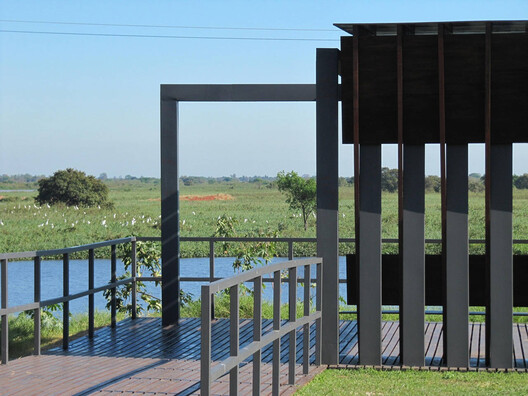
Ornithological Observatory / Manuel Fonseca Gallego
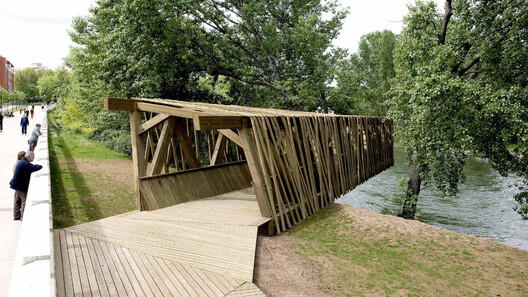
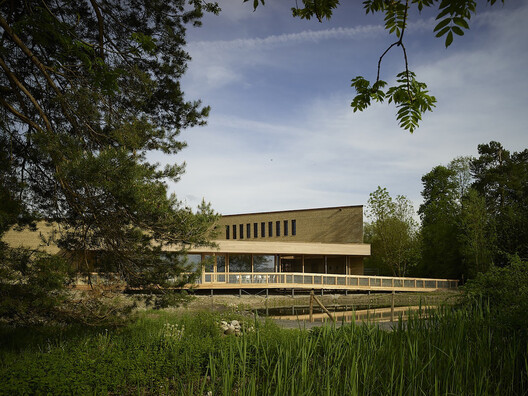
Visitor Centre at the Swiss Ornithological Institute / :mlzd
Coastal & Island Settings: Building Salt-Resistant Observation Structures by the Sea
Coastal and island environments are dynamic, windswept spaces where birds often gather in large numbers for nesting, feeding, or resting during long migrations. These sites are particularly vulnerable to climate change, erosion, and human disturbance. Architectural and landscape design responses in these contexts must balance visibility with discretion, and durability with ecological restraint.
Structures designed for coastal bird watching rely on salt- and wind-resistant materials such as stainless steel, fiber cement, or weathered timber. Because many coastal areas are remote or off-grid, buildings often incorporate sustainable technologies like solar panels, rainwater harvesting, and composting toilets. Foundations are typically minimal to avoid disrupting dunes, nesting sites, or delicate intertidal zones, and in some cases, structures are designed to be entirely demountable.
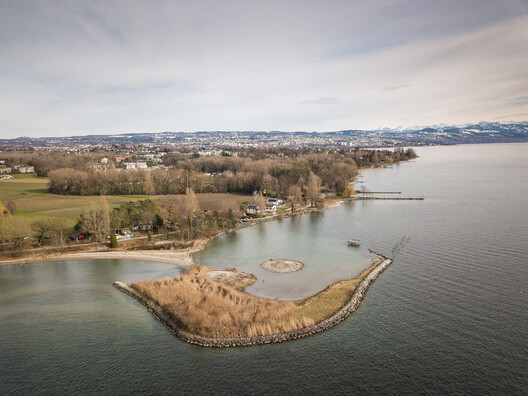
Designs are often guided by navigation and visibility, from land and sea. Repurposed lighthouses, watchtowers, or minimal shelters positioned along migration routes serve as quiet monuments to ecological stewardship. These observatories invite visitors to witness the rawness of wind and tide while maintaining a respectful distance from sensitive bird colonies.
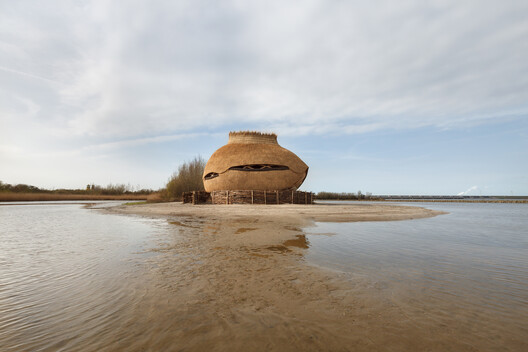
Tij Observatory / RAU + RO&AD Architecten
Observation Hut Île aux Oiseaux / LOCALARCHITECTURE
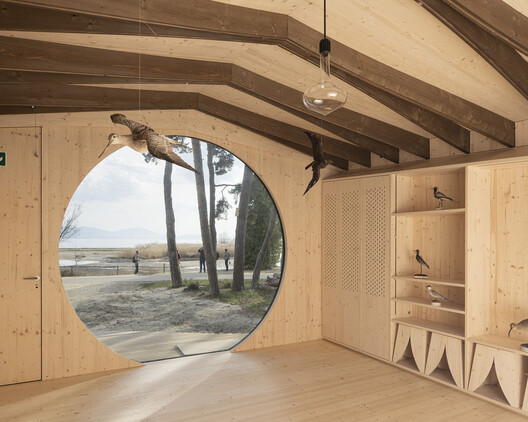
The Responsibility of Architecture in Connecting People and Nature
Bird watching architecture reveals a compelling intersection between design and ecology where form, function, and environmental responsibility converge. These structures embody a mode of quiet observation and restraint, offering an architectural response to the need for coexistence with the natural world. Across wetlands, forests, grasslands, cities, and coasts, designers are creating spaces that protect species and sightlines, elevating the experience of watching birds into an act of empathy and environmental literacy.
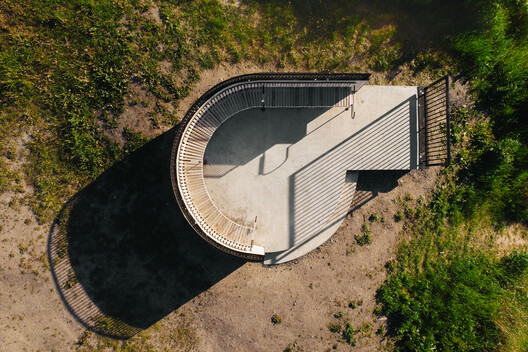
As the disciplines of architecture and landscape architecture continue to respond to climate change and biodiversity loss, projects like these demonstrate how small, context-specific interventions can foster meaningful relationships between people and place. They show that architecture can reinforce rather than dominate, support without interfering, and inspire through peripheral simplicity. In doing so, bird watching structures remind us that some of the most potent design work happens not at the scale of cities or monuments, but in the moments when humans pause to listen, observe, and learn from the living world around them.


