1. ArchDaily
  2. BIG

BIG: The Latest Architecture and News

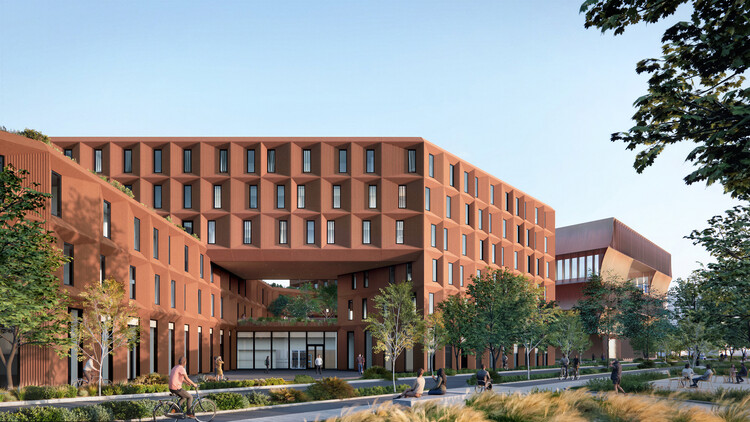
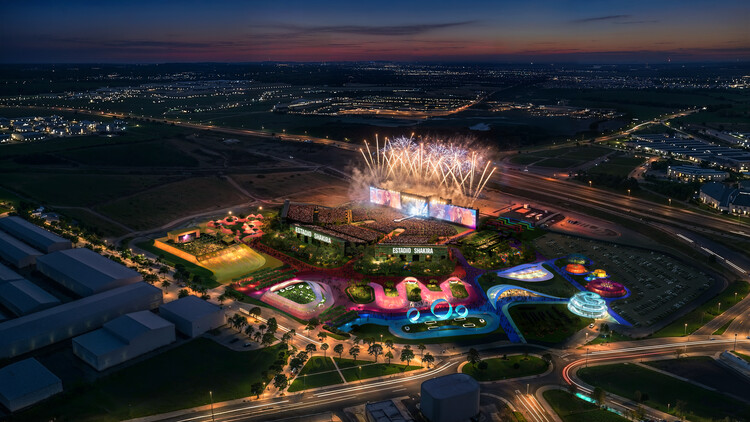
Urban Regeneration in Greece: The Ellinikon Master Plan and Beyond

Greece's built environment is shaped by the coexistence of multiple architectural layers, where historic structures, modern interventions, and evolving urban systems intersect. Classical landmarks and their surrounding urban fabrics continue to inform the spatial character of cities, while postwar developments, infrastructural upgrades, and contemporary projects add new dimensions to the country's architectural landscape. This continuity between past and present provides the foundation for current design approaches, which increasingly focus on balancing heritage, environmental considerations, and contemporary urban needs.

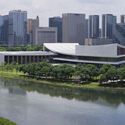
Urban Regeneration in Greece: The Ellinikon Master Plan and Beyond - Imagem 1 de 4Urban Regeneration in Greece: The Ellinikon Master Plan and Beyond - Imagem 2 de 4Urban Regeneration in Greece: The Ellinikon Master Plan and Beyond - Imagem 3 de 4Urban Regeneration in Greece: The Ellinikon Master Plan and Beyond - Imagem 4 de 4Urban Regeneration in Greece: The Ellinikon Master Plan and Beyond - More Images+ 6

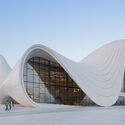
Dallas City Hall Debate and ZHA’s Symphony Tower in Dubai: This Week’s Review

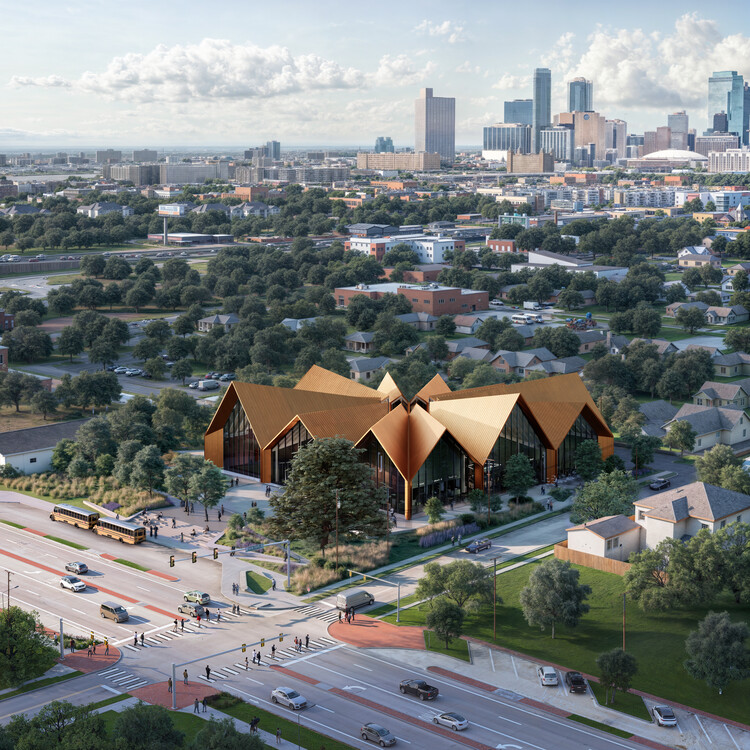
Across cultural districts and civic centers, this week's architectural developments highlight how institutions and city governments are reshaping their futures amid shifting environmental, social, and economic pressures. New museum and opera projects signal ongoing commitments to expanding public cultural infrastructure, while the debate surrounding Dallas' modernist City Hall illustrates the tensions that arise when questions of heritage meet rising maintenance demands and redevelopment pressures. At the same time, municipalities are advancing new regulatory tools to confront climate challenges, from electrification standards in Sydney and Boston to mobility restrictions and emerging forms of urban diplomacy. These developments reflect an increasingly complex landscape in which architectural environments evolve through a combination of cultural ambition, environmental targets, and shifting models of public decision-making.

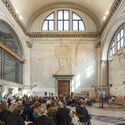
Dallas City Hall Debate and ZHA’s Symphony Tower in Dubai: This Week’s Review - Image 1 of 4Dallas City Hall Debate and ZHA’s Symphony Tower in Dubai: This Week’s Review - Image 2 of 4Dallas City Hall Debate and ZHA’s Symphony Tower in Dubai: This Week’s Review - Image 3 of 4Dallas City Hall Debate and ZHA’s Symphony Tower in Dubai: This Week’s Review - Image 4 of 4Dallas City Hall Debate and ZHA’s Symphony Tower in Dubai: This Week’s Review - More Images+ 3

World Building of The Year and Interior of The Year revealed at World Architecture Festival 2025

Subscriber Access | 

The Holy Redeemer Church and Community Centre of Las Chumberas by Fernando Menis in La Laguna, Spain has been declared the World Building of the Year at the 2025 World Architecture Festival (WAF).

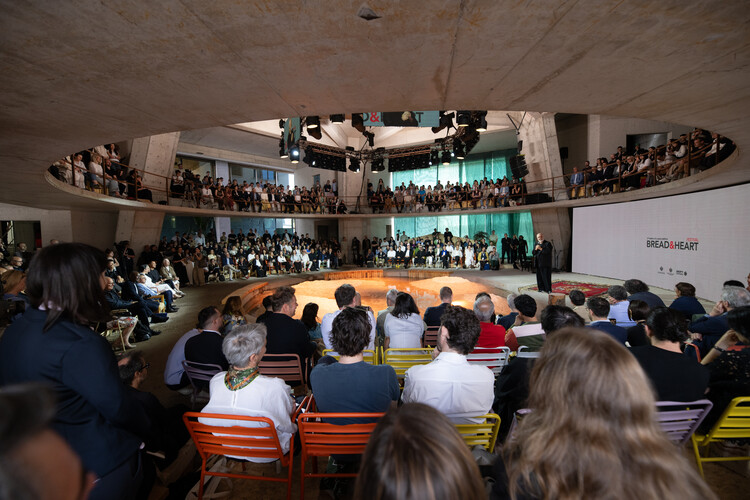
The ultimate accolades of World Building of the Year supported by GROHE, World Interior of the Year, Future Project of the Year and Landscape of the Year were announced today as hundreds of architects from across the world convened at a grand finale Gala Dinner at Miami Beach Convention Center in Florida. A host of Special Prizes, including the American Beauty Prize supported by the Royal Fine Art Commission Trust, were also announced at the closing event to celebrate the eighteenth edition of the festival. The announcement follows the final day of WAF, in which prize winners across all 43 categories have been competing for the winning titles.

BIG Wins International Competition to Design the New Hamburg State Opera on HafenCity’s Waterfront

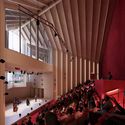
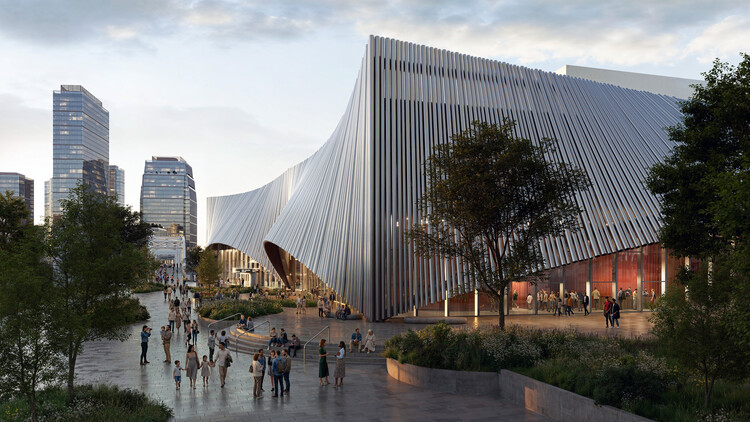
BIG – Bjarke Ingels Group has been selected as the winner of the international competition to design the new Hamburg State Opera, a major cultural project planned for the Baakenhöft peninsula in HafenCity, Hamburg, Germany. The building will consolidate the city's opera and ballet companies under one roof, introducing new performance spaces, production facilities, and public amenities along the Elbe. The project replaces the mid-20th-century opera house on Dammtorstraße, responding to the city's call for a venue that reflects contemporary standards in acoustics, stagecraft, and audience experience.

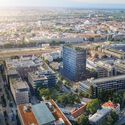
BIG Wins International Competition to Design the New Hamburg State Opera on HafenCity’s Waterfront - Image 1 of 4BIG Wins International Competition to Design the New Hamburg State Opera on HafenCity’s Waterfront - Image 2 of 4BIG Wins International Competition to Design the New Hamburg State Opera on HafenCity’s Waterfront - Image 3 of 4BIG Wins International Competition to Design the New Hamburg State Opera on HafenCity’s Waterfront - Image 4 of 4BIG Wins International Competition to Design the New Hamburg State Opera on HafenCity’s Waterfront - More Images+ 2

BIG’s Suzhou Museum of Contemporary Art in China Nears Completion with "Materialism" Exhibition

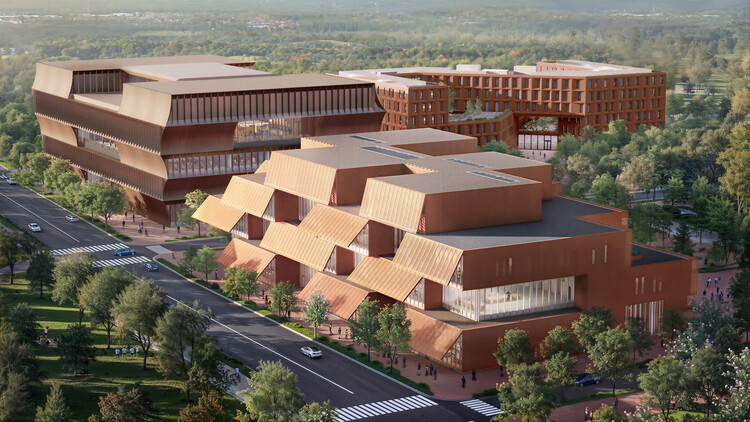
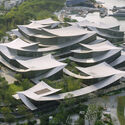
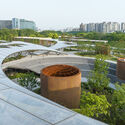
The Suzhou Museum of Contemporary Art (Suzhou MoCA), designed by BIG – Bjarke Ingels Group, is nearing completion along the Jinji Lake waterfront in Suzhou, China. Conceived as a cluster of twelve pavilions beneath a continuous, ribbon-like roof, the 60,000-square-meter complex reinterprets the traditional garden architecture that has long defined Suzhou's urban and cultural identity. Commissioned by the Suzhou Harmony Development Group and developed in collaboration with ARTS Group and Front Inc., the project is expected to open officially in 2026. The museum will debut with "Materialism," an exhibition curated by BIG that traces a material journey from stone to recyclate.

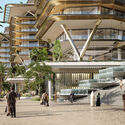
BIG’s Suzhou Museum of Contemporary Art in China Nears Completion with "Materialism" Exhibition - Image 1 of 4BIG’s Suzhou Museum of Contemporary Art in China Nears Completion with "Materialism" Exhibition - Image 2 of 4BIG’s Suzhou Museum of Contemporary Art in China Nears Completion with "Materialism" Exhibition - Image 3 of 4BIG’s Suzhou Museum of Contemporary Art in China Nears Completion with "Materialism" Exhibition - Image 4 of 4BIG’s Suzhou Museum of Contemporary Art in China Nears Completion with Materialism Exhibition - More Images+ 13

Grand Egyptian Museum Opens and Torre dei Conti Collapses in Rome: This Week’s Review

This week's architectural highlights traced the intersections between heritage, climate awareness, and contemporary design practice. As the 19th Venice Architecture Biennale approaches its closing, projects exploring collective intelligence and material experimentation offer reflections on small-scale responses to global challenges. In Egypt, the completion of the Grand Egyptian Museum marks a long-anticipated moment in cultural preservation, while new competition initiatives in Jordan extend this dialogue toward sacred and archaeological contexts. Complementing these developments, the recognition of Abdelwahed El-Wakil with the Tamayouz Lifetime Achievement Award highlights the continued influence of tradition-informed design across contemporary practice.

Grand Egyptian Museum Opens and Torre dei Conti Collapses in Rome: This Week’s Review - Image 1 of 4Grand Egyptian Museum Opens and Torre dei Conti Collapses in Rome: This Week’s Review - Image 2 of 4Grand Egyptian Museum Opens and Torre dei Conti Collapses in Rome: This Week’s Review - Image 3 of 4Grand Egyptian Museum Opens and Torre dei Conti Collapses in Rome: This Week’s Review - Image 4 of 4Grand Egyptian Museum Opens and Torre dei Conti Collapses in Rome: This Week’s Review - More Images+ 3

Rethinking the Flat Datum: Designing Space with Incline and Intent

Subscriber Access | 

Historically, architecture and the built environment have insisted on creating flat, hard surfaces. In earlier eras, walking without paved ground meant mud-caked shoes, uneven footing, tripping hazards, standing water after rain, and high maintenance. Hence, as we shaped cities, we prioritized a smooth, continuous, solid horizontal datum. The benefits are real: easier walking, simpler cleaning, and straightforward programming—furniture, equipment, and partitions all prefer a level base. This universal preference for building on flat ground remains the norm and, for many practical reasons, will likely continue to be.

What's less recognized is that making a truly flat surface is surprisingly difficult—and many well-executed "flat" floors aren't perfectly flat at all. They are often gently sloped, calibrated to precise gradients for drainage. While interior spaces do not always require this, many ground floors and wet areas do incorporate subtle inclines as a safeguard—whether for minor flooding or to manage water that overflows from the street or plumbing when one of the discharge systems is malfunctioning.

Rethinking the Flat Datum: Designing Space with Incline and Intent - Imagen 1 de 4Rethinking the Flat Datum: Designing Space with Incline and Intent - Imagen 2 de 4Rethinking the Flat Datum: Designing Space with Incline and Intent - Imagen 3 de 4Rethinking the Flat Datum: Designing Space with Incline and Intent - Imagen 4 de 4Rethinking the Flat Datum: Designing Space with Incline and Intent - More Images+ 49

RIBA Stirling Prize Winner and Faith Park in Albania: This Week’s Review

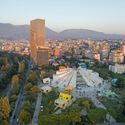
This week's architectural developments highlighted how design operates as a form of social and cultural infrastructure, linking care, community, and context across scales. From London's reinterpretation of the almshouse model to the transformation of urban gateways in Phnom Penh and Tirana, architecture reflected a shared interest in spaces that foster connection and adaptability. Parallel to these urban and infrastructural works, new cultural projects in Paris and Hanoi explored how museums and performance spaces can renew public institutions through material experimentation and spatial flexibility.

RIBA Stirling Prize Winner and Faith Park in Albania: This Week’s Review - Imagen 1 de 4RIBA Stirling Prize Winner and Faith Park in Albania: This Week’s Review - Imagen 2 de 4RIBA Stirling Prize Winner and Faith Park in Albania: This Week’s Review - Imagen 3 de 4RIBA Stirling Prize Winner and Faith Park in Albania: This Week’s Review - Imagen 4 de 4RIBA Stirling Prize Winner and Faith Park in Albania: This Week’s Review - More Images+ 3

Expo Gold for Bahrain and Dubai's Gateway Metro: This Week's Review

This week in architecture, global recognitions and new unveilings underscored the field's growing commitment to climate awareness, cultural continuity, and adaptive reuse. From Expo 2025 Osaka's closing ceremonies to international award announcements, the focus turned to architects and designers redefining the relationship between place, material, and community. Alongside these recognitions, major new projects, from Dubai to California, illustrated how design continues to evolve across scales: shaping cities, preserving heritage, and addressing urgent global challenges through context-driven architecture.
Expo Gold for Bahrain and Dubai's Gateway Metro: This Week's Review - Imagen 1 de 4Expo Gold for Bahrain and Dubai's Gateway Metro: This Week's Review - Imagen 2 de 4Expo Gold for Bahrain and Dubai's Gateway Metro: This Week's Review - Imagen 3 de 4Expo Gold for Bahrain and Dubai's Gateway Metro: This Week's Review - Imagen 4 de 4Expo Gold for Bahrain and Dubai's Gateway Metro: This Week's Review - More Images+ 15

BIG Reveals “The Sail” Congress Center on the Seine Riverfront in France

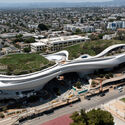
Bjarke Ingels Group (BIG) has unveiled the design for a new congress center in Rouen, France, featuring a distinctive sweeping timber roof that reflects the city's long-standing relationship with the water. Located along the Seine riverfront, the building, nicknamed "The Sail," is envisioned as a public gathering place that reconnects the city with its waterfront while offering new cultural and civic amenities. Designed for the Rouen Normandy Metropolis, the project combines contemporary architectural expression with references to Rouen's maritime and urban heritage.
BIG Reveals “The Sail” Congress Center on the Seine Riverfront in France - Imagen 1 de 4BIG Reveals “The Sail” Congress Center on the Seine Riverfront in France - Featured ImageBIG Reveals “The Sail” Congress Center on the Seine Riverfront in France - Imagen 2 de 4BIG Reveals “The Sail” Congress Center on the Seine Riverfront in France - Imagen 3 de 4BIG Reveals “The Sail” Congress Center on the Seine Riverfront in France - More Images+ 12

Milano Cortina 2026: How the City Is Preparing for the Winter Olympics

Italy is preparing to host its third Olympic Winter Games as Milan and Cortina d'Ampezzo welcome Milano Cortina 2026, seventy years after Cortina staged the 1956 edition and two decades after Torino 2006. The Games will take place from February 6 to 22, 2026, marking the first time the Winter Olympics are organized across two cities, two regions, Lombardy and Veneto, and two autonomous provinces, Trento and Bolzano. Covering a territory of 22,000 square kilometers, Milano Cortina 2026 will become the most geographically extensive Winter Games to date, with over 90% of venues already existing or designed as temporary facilities.
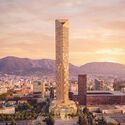

Milano Cortina 2026: How the City Is Preparing for the Winter Olympics - Imagen 1 de 4Milano Cortina 2026: How the City Is Preparing for the Winter Olympics - Imagen 2 de 4Milano Cortina 2026: How the City Is Preparing for the Winter Olympics - Imagen 3 de 4Milano Cortina 2026: How the City Is Preparing for the Winter Olympics - Imagen 4 de 4Milano Cortina 2026: How the City Is Preparing for the Winter Olympics - More Images+ 9