
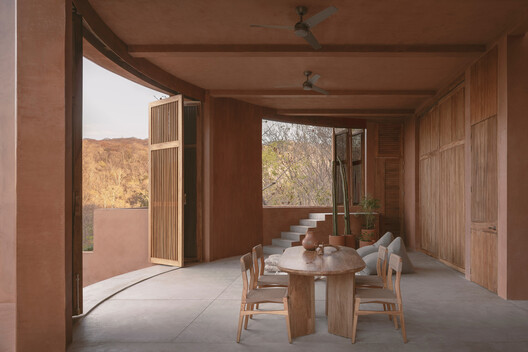
As 2025 approaches its end, we look back at an eventful year in the world of interior design. Last year, designers favored reserved, modest approaches, a trend that continued from previous years. The emergence of artificial intelligence generated intense discussions on digital equity and misinformation, which continued into 2025, especially with the topic of the Venice Architecture Biennale, Intelligens. This opened the conversation to the opportunities of digital technologies, attempting a more hopeful outlook. On the other hand, completed interior design projects over the year focused more on the tangible and the pragmatic, with expressed raw materials and an appreciation of history.
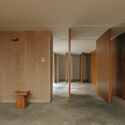
Alongside completed projects, designers continued to raise discussion topics related to the internal environment. As cities continue to grow, the role of design in maximizing space in constrained sites or creating peaceful sanctuaries in otherwise bustling environments has come to the fore. This approach recognizes the importance of health and well-being, including the acoustic environment. The creative reuse of objects and materials sits firmly in the context of sustainability as well as nostalgia and historic revival.
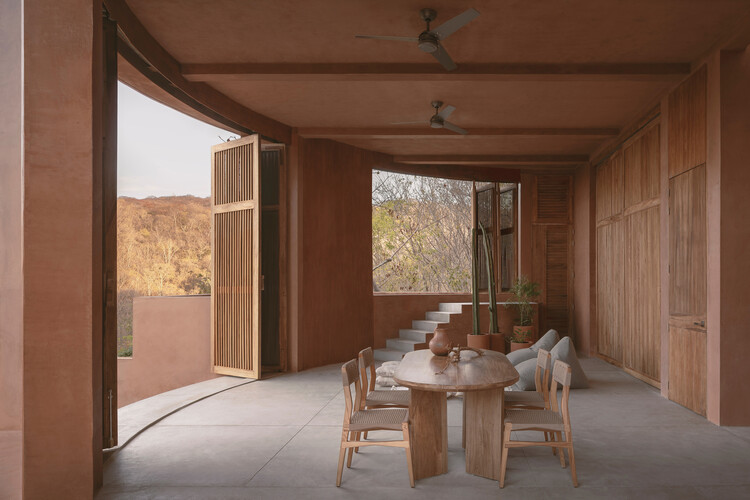
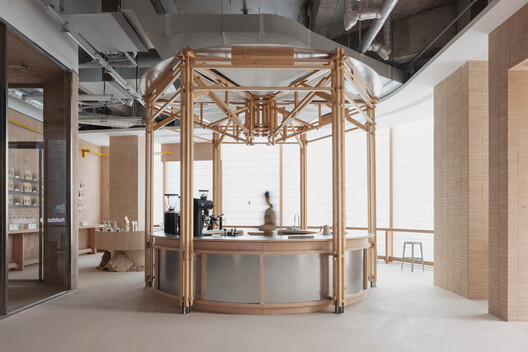
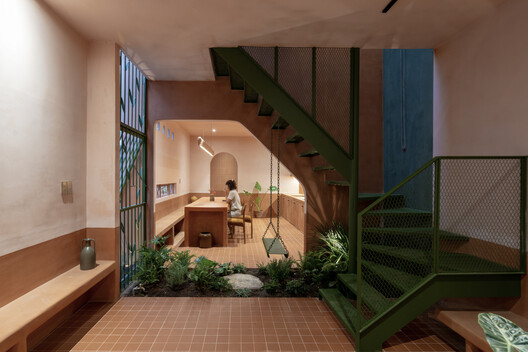
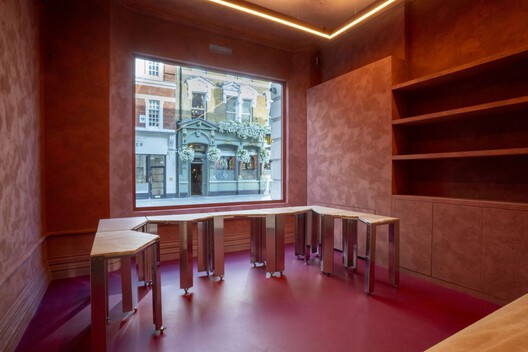
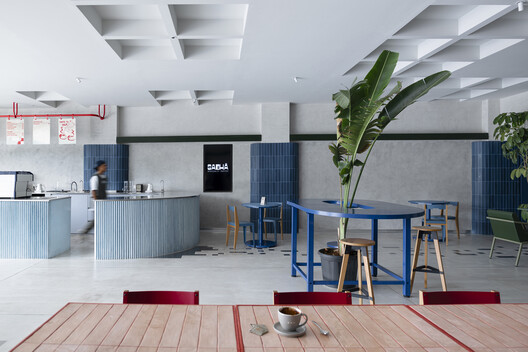
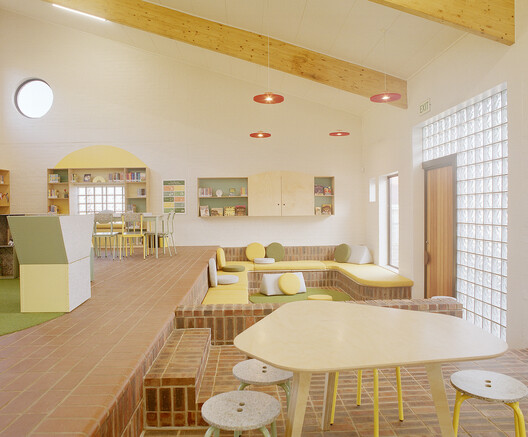
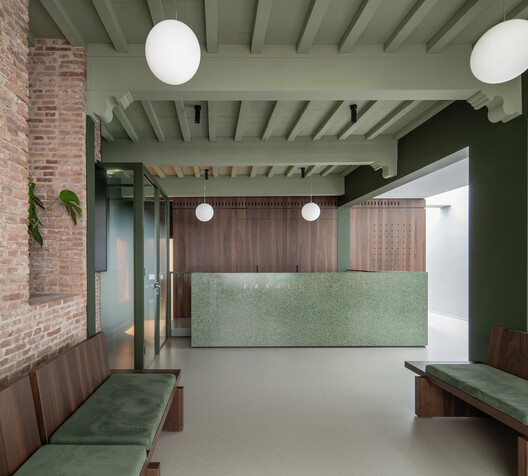
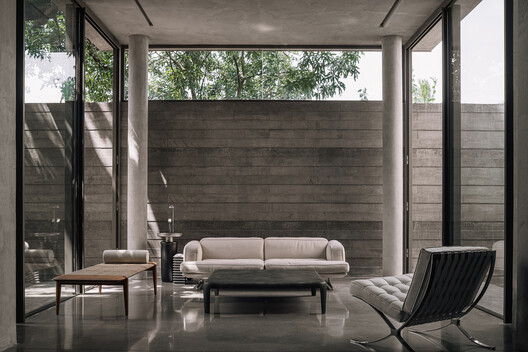
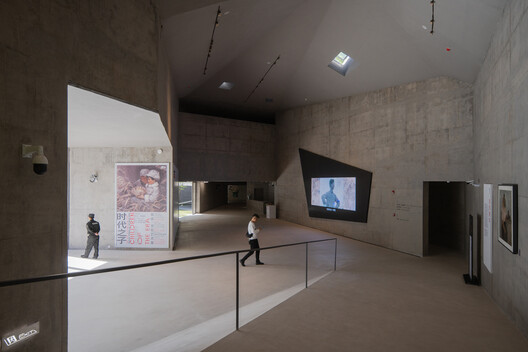
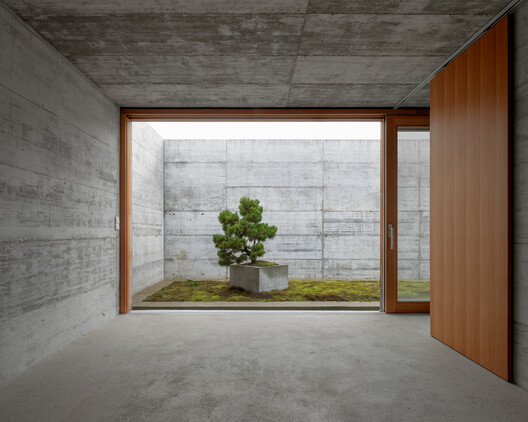
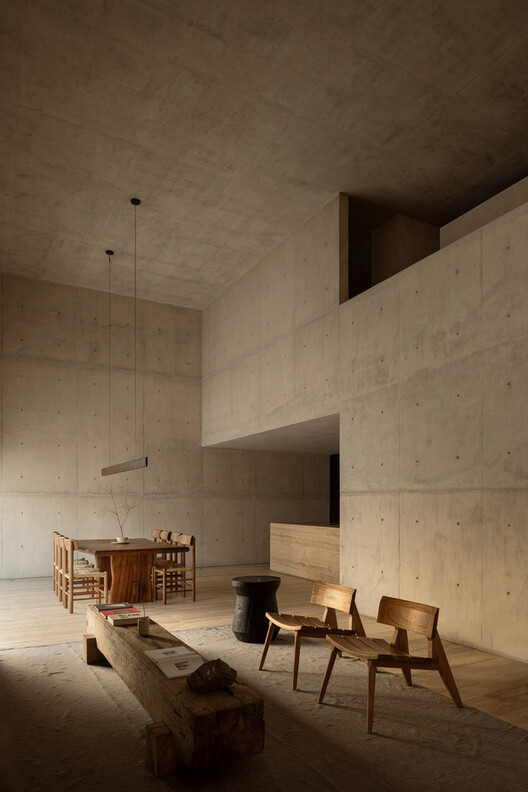
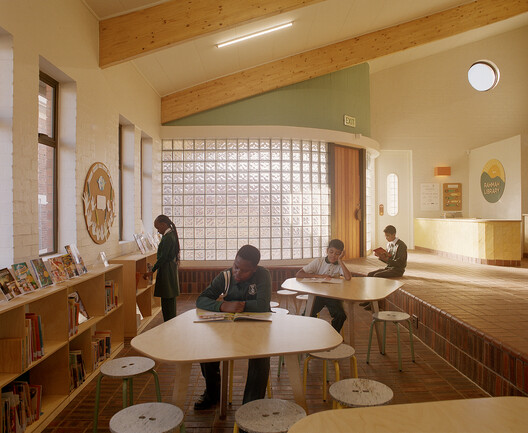
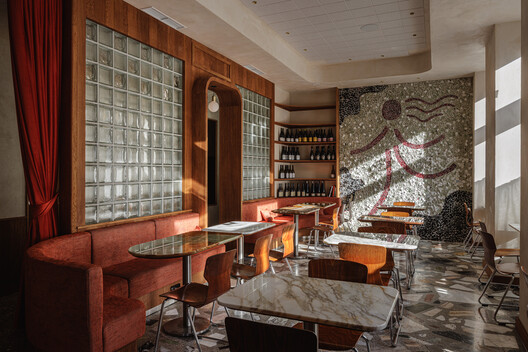
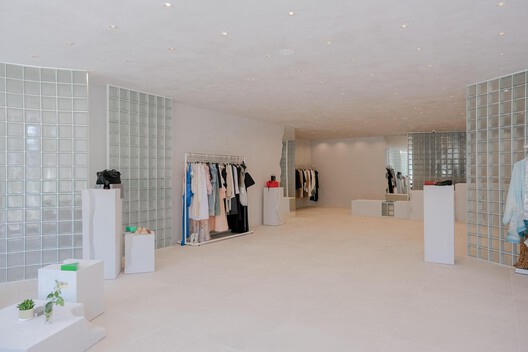
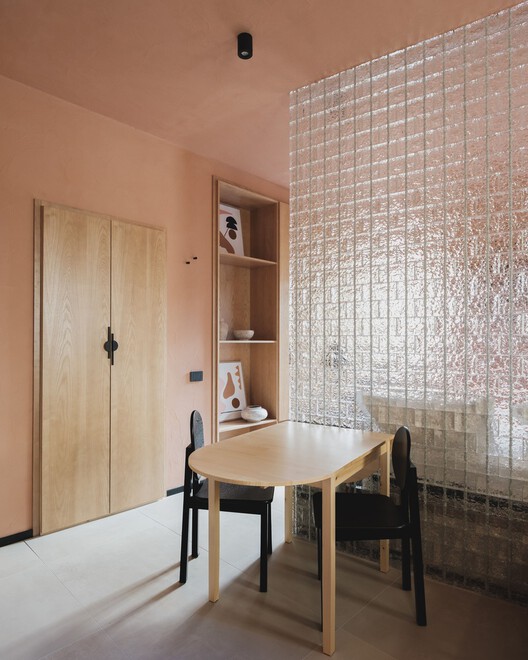
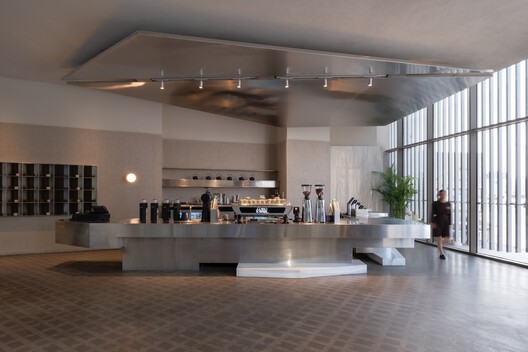
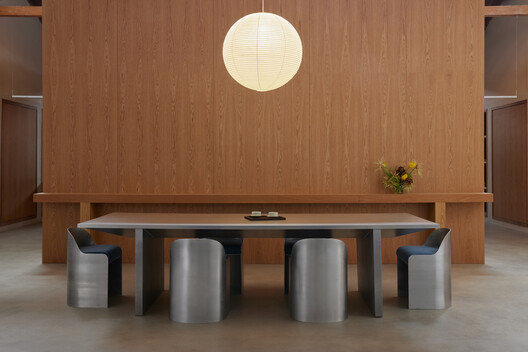
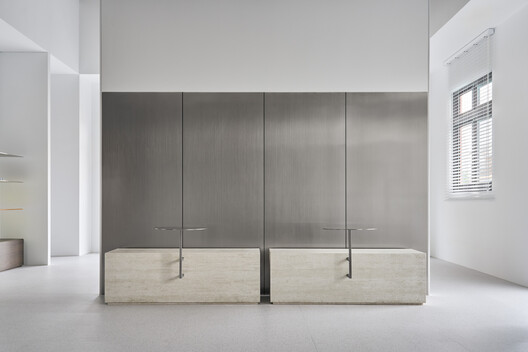
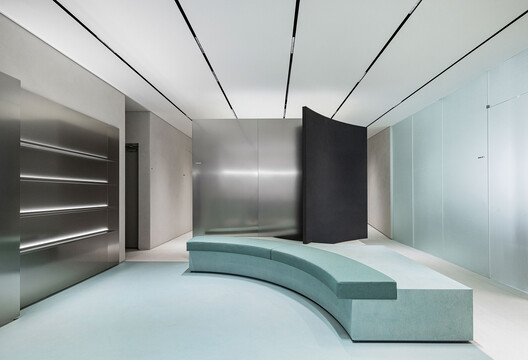
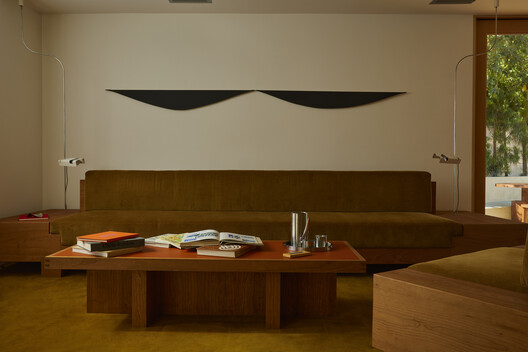
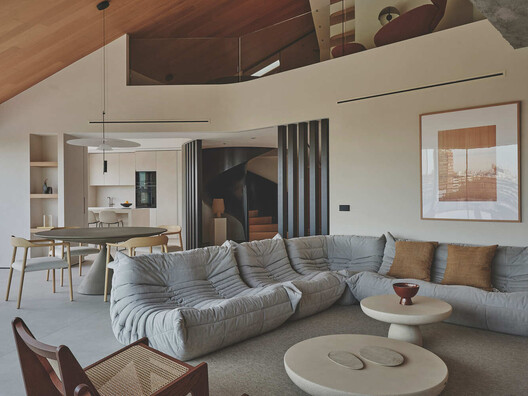
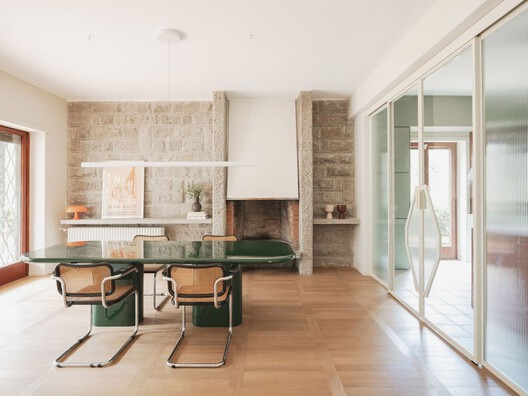
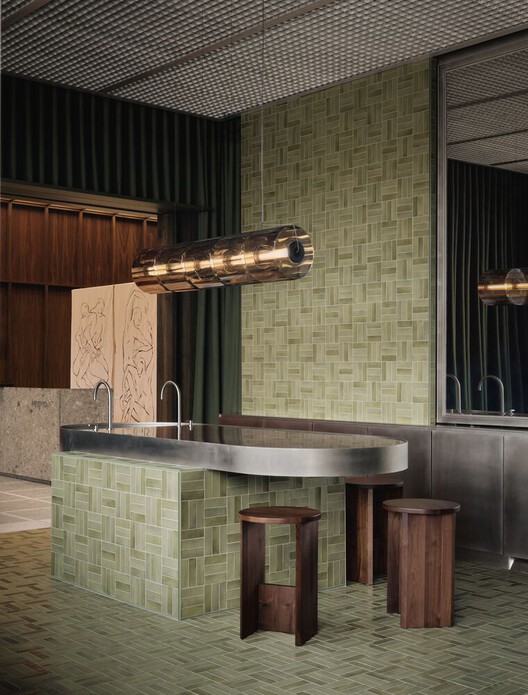
Trends in completed projects saw an appreciation of materials. Earth tones were in vogue, achieved not only through paint and pigmentation but also through the use of warm materials like wood and terracotta. Hard construction materials were left to speak for themselves — shiny stainless steel used in panels, screens, or furniture, and raw concrete left exposed. Glass bricks remained a popular choice for the third year running. There were also nostalgic trends towards mid-century modernism, with items of retro furniture mixed with more contemporary styles, and a formal play of floor levels to create divisions within larger spaces, akin to the Raumplan.
Related Article
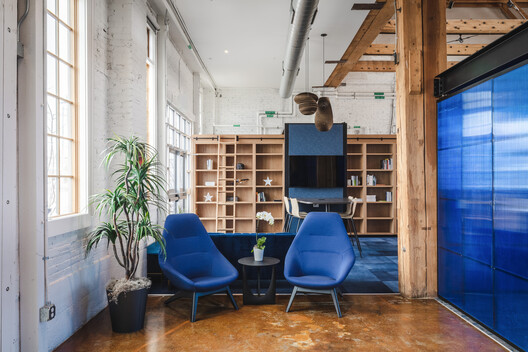
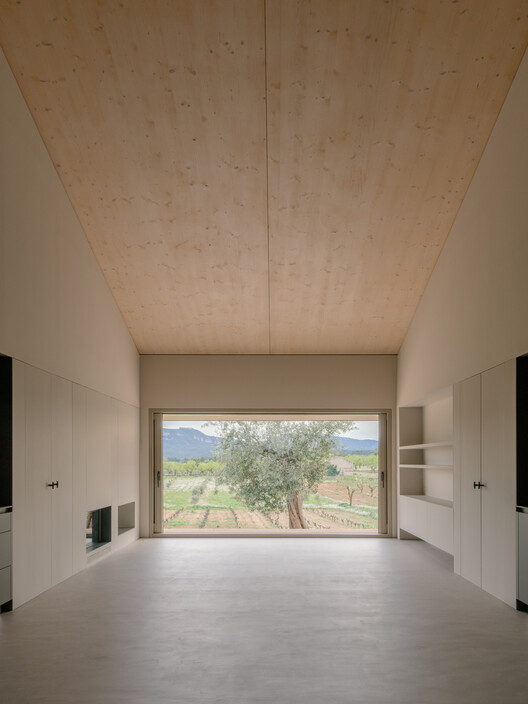
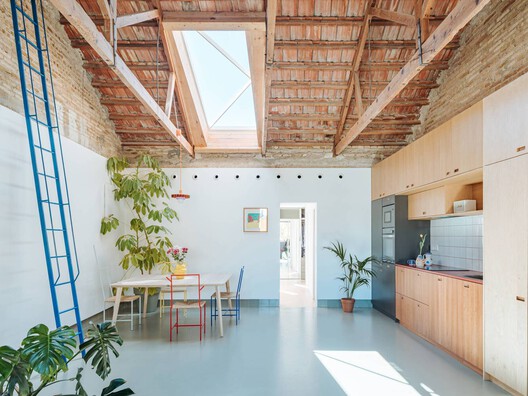
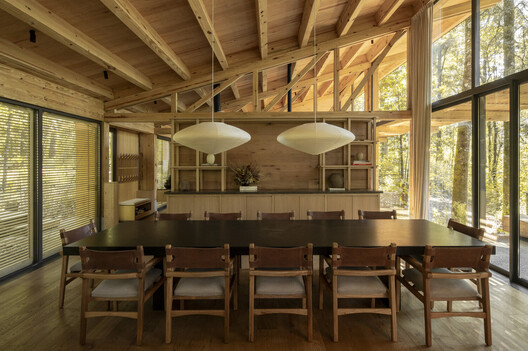
Revisiting 12 Key Project Reviews of 2025A few trends saw a symbiotic relationship with the structure. Raw concrete walls and ceilings are as much a part of the building's infrastructure as the aesthetic interior finish. So are exposed wooden beams and the flat ceilings of a cross-laminated timber structure. Where the buildings are historic, this exposure of the original structure is part of a further trend of nostalgia and history. Once again, in a global atmosphere of precarity, 2025 seems to be a year that acknowledged the basics, returning to an appreciation of materials and history.
Based on over 3,000 projects built this year and added to our database, here are 10 design trends that shaped the interior spaces of 2025.
Earthy Tones and Terracotta
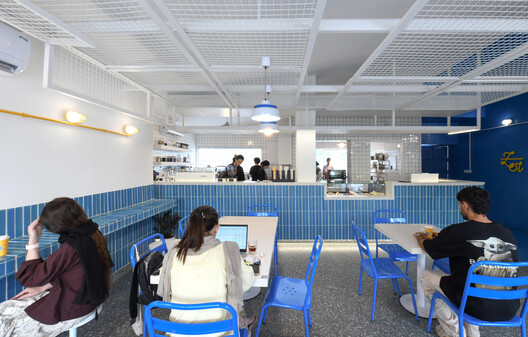
Blue Accents
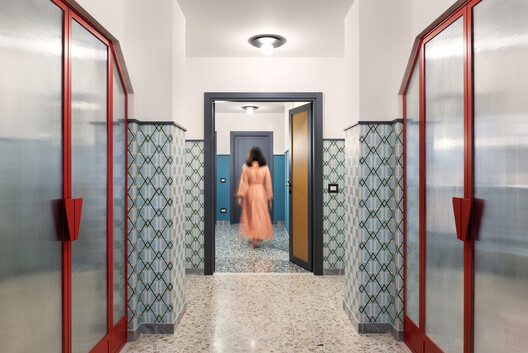
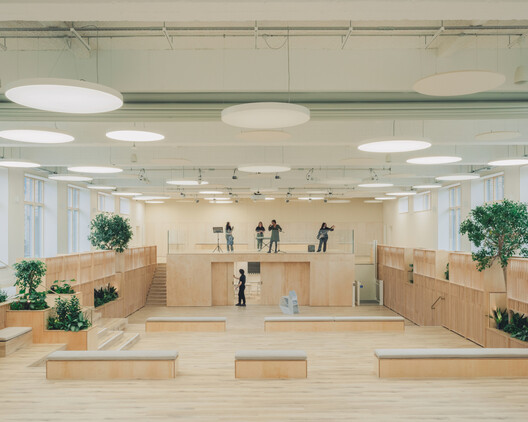
Use of Levels to Define Space
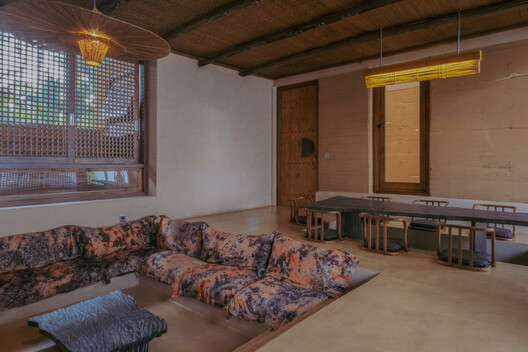
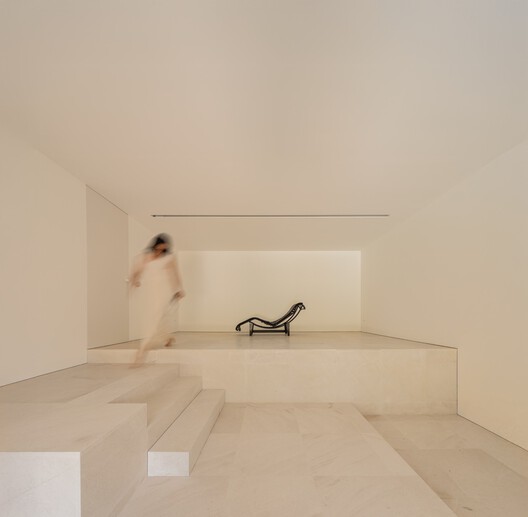
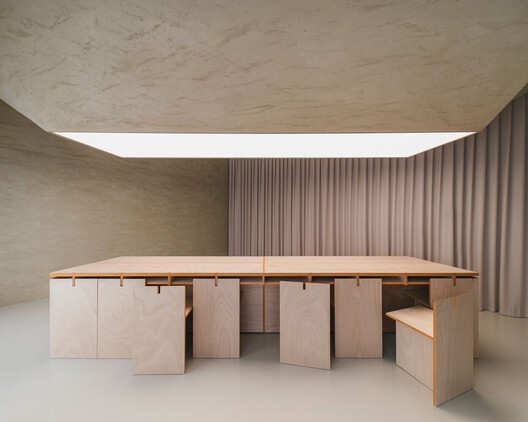
Flexible Divisions Using Curtains and Screens
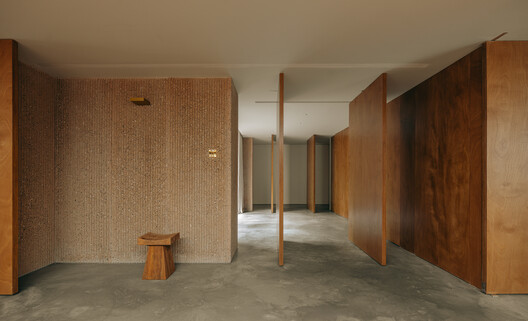
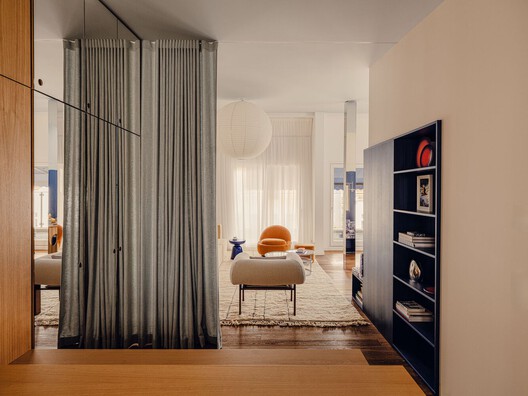
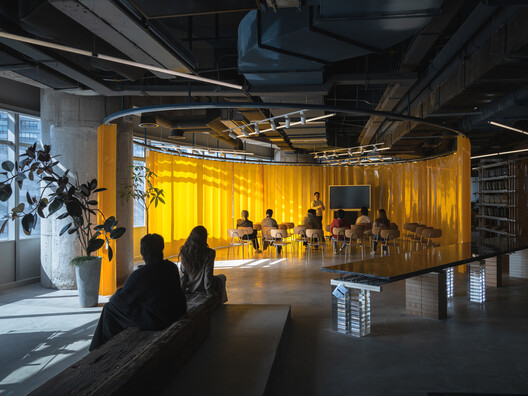
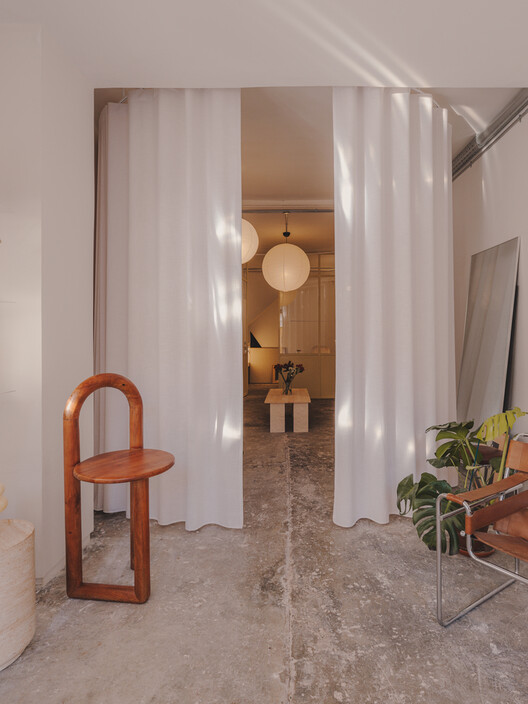
Wooden Beams and Ceilings
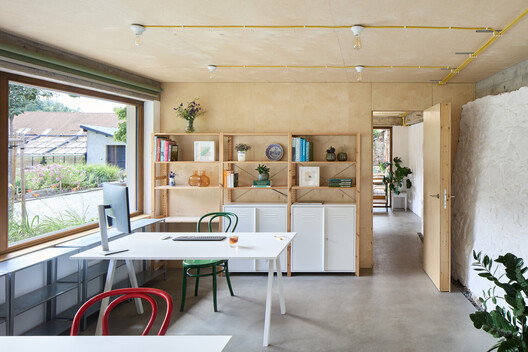
Raw Concrete
Glass Brick
Shiny Steel
Modernist Revival Furniture
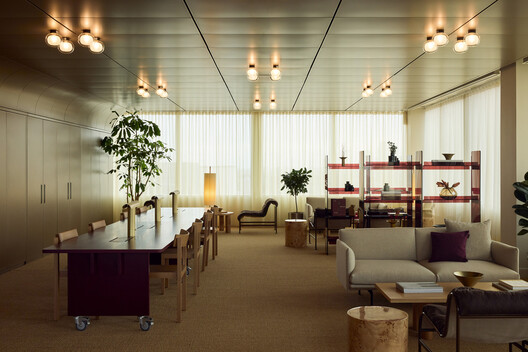
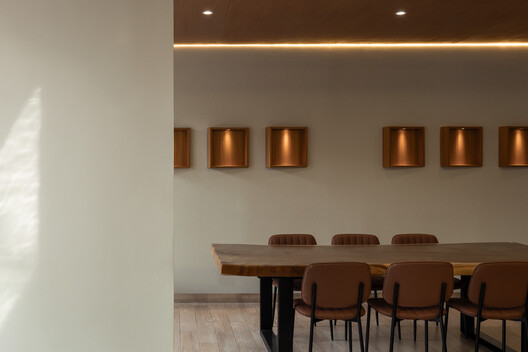
Accent Lighting
This article is part of the ArchDaily Topic: Year in Review, proudly presented by GIRA.
GIRA sets the standard where architectural design meets intelligence. From the defining moments of 2025 to the innovations shaping 2026, we create smart solutions that elevate living and working environments with timeless aesthetics. Join us in shaping the future of architecture and interior design — where vision becomes reality.
Every month we explore a topic in-depth through articles, interviews, news, and architecture projects. We invite you to learn more about our ArchDaily Topics. And, as always, at ArchDaily we welcome the contributions of our readers; if you want to submit an article or project, contact us.


