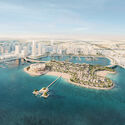
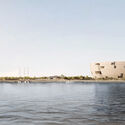
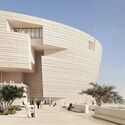
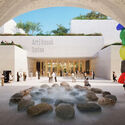
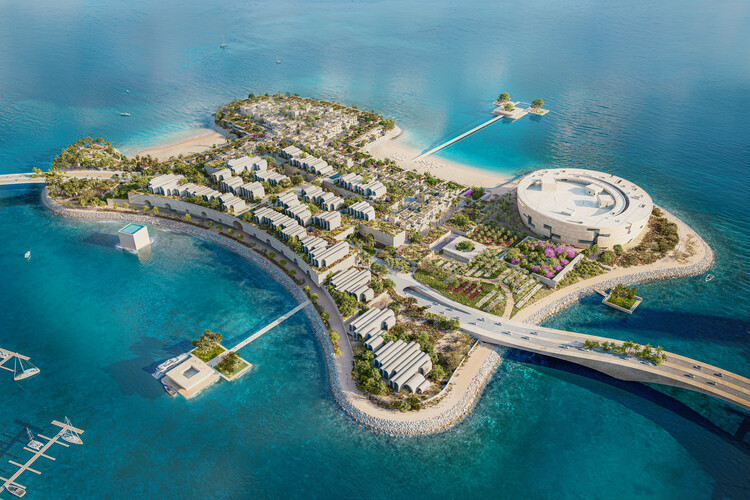
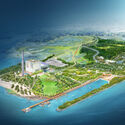
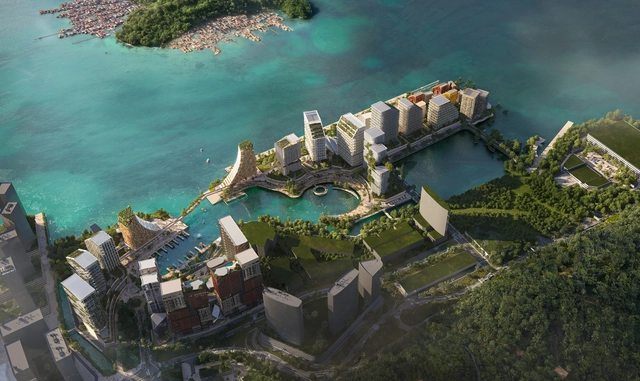
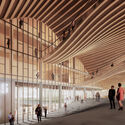
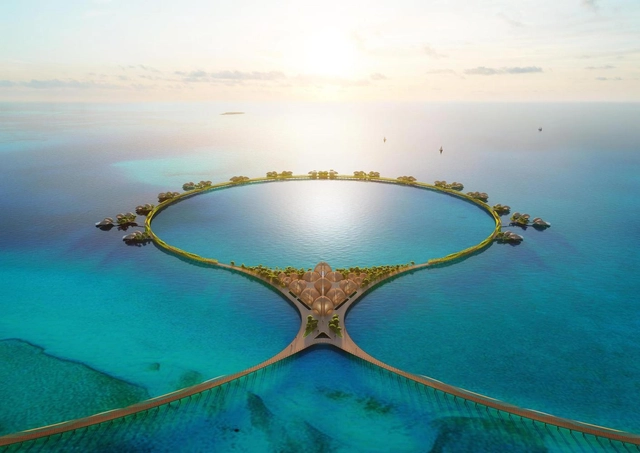
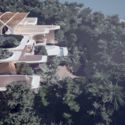
Snøhetta has unveiled plans for Jesselton Docklands, a tropical waterfrontmaster plan in Kota Kinabalu, Malaysia, on the island of Borneo. The development reimagines the city's former port as a civic and cultural hub, strengthening its connection to the waterfront and positioning it as a new gateway to Sabah and the wider Southeast Asian region. Situated near Kota Kinabalu International Airport, the development includes a new ferry and cruise terminal, integrating infrastructure with the island's ecological and cultural context to position the city as a key point of connection within the region.
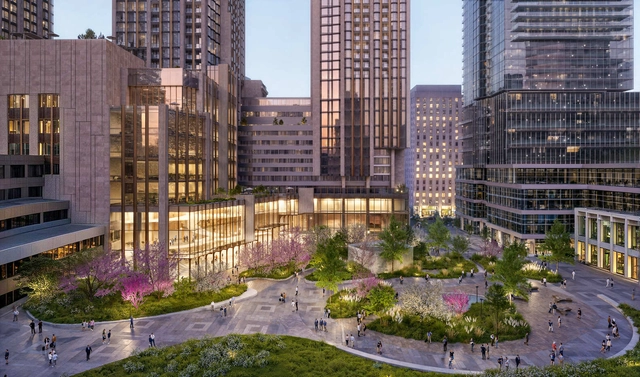
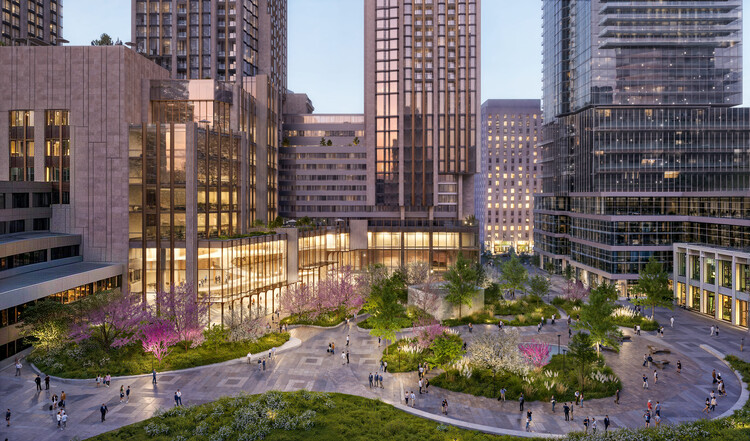
College Park. Image Courtesy of Hariri Pontarini Architects
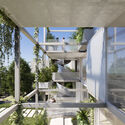
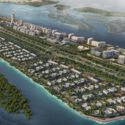
As cities around the world respond to shifting environmental, cultural, and social dynamics, new architectural proposals are reshaping how we think about public life, community engagement, and the built environment. From Aldar's coastal wellness destination on Fahid Island in Abu Dhabi, to a flexible scaffolding-based office concept in Athens by Georges Batzios Architects, this edition of Architecture Now features diverse projects that reinterpret architecture as both infrastructure and interface. In Seoul, Heatherwick Studio is leading a resident-initiated redevelopment model for a housing complex near the Han River, while Toronto's College Park is set for a major transformation balancing heritage restoration with vertical intensification. In Oklahoma City, MANICA and TVS are designing a new sports arena that anchors an emerging entertainment district through material, landscape, and civic gestures. Together, these diverse yet interconnected efforts signal a broader shift toward integrated, future-oriented urban design.
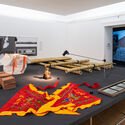
With the heightening of ecological and social crises all around the world, architects have had to re-evaluate their role, impact, and design approach. As the "new needs" of people arise, new architectural processes must be explored to answer them. However, this still comes with much resistance from the standing practices and push for financial gain that often makes it difficult to implement more comprehensive solutions. These notions led the CCA (Canadian Center for Architecture) to launch their new 3-part film and exhibit series called " Groundwork", curated by the associate director, Francesco Garutti. Through this project, the CCA selected and followed three renowned contemporary architects/practices as they developed their concepts and field research, which allowed them to engage respectfully with their site and residing communities. It's an up close and personal look into what motivates the selected architects to examine alternative ways of designing and the challenges they go through as the three parallel stories unfold.
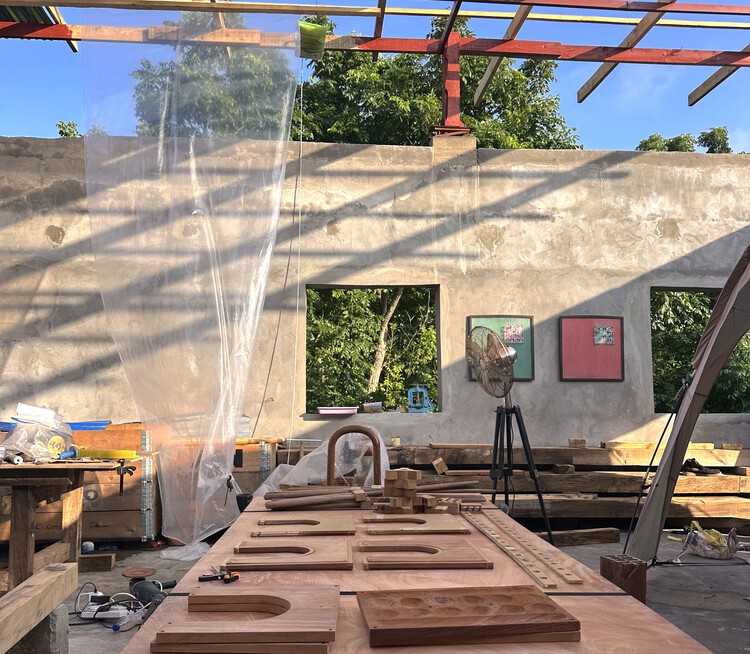
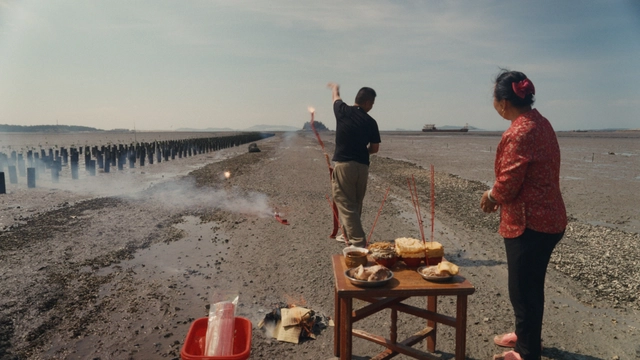
The first exhibit opening and movie screening was held in May 2024, followed by an in-conversation event with the program curator and architect, where the question of "What is architecture today" was discussed. The exhibit and its many showcased elements, channels visitors along to the first site exploration with DnA's Xu Tiantian as she ventures "Into the Island" of Meizhou, China, in the summer of 2022.
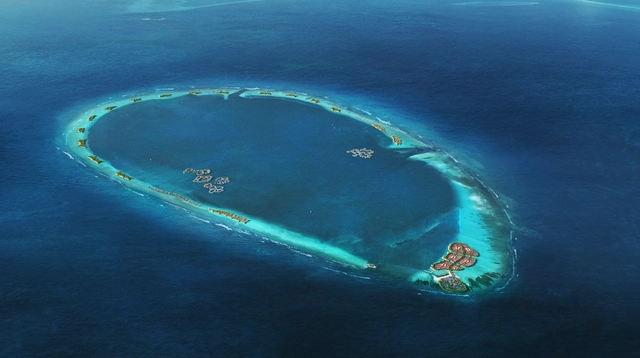
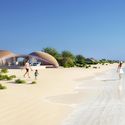
Foster + Partners, in collaboration with the Maldives Fund Management Corporation (MFMC), has unveiled the masterplan for Gaafaru, an inhabited island in the Kaafu Atoll of the Maldives. This project is designed to ensure a sustainable and resilient future for the island by addressing the critical challenges posed by climate change, rising sea levels, and social inequalities. At the heart of this plan are six guiding principles that aim to balance environmental protection with community prosperity, creating a model of future-proof island development.
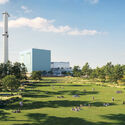
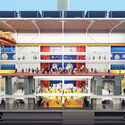
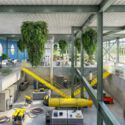
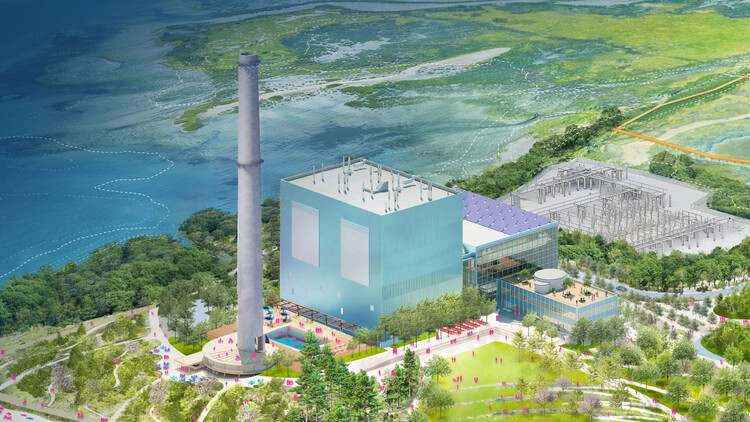
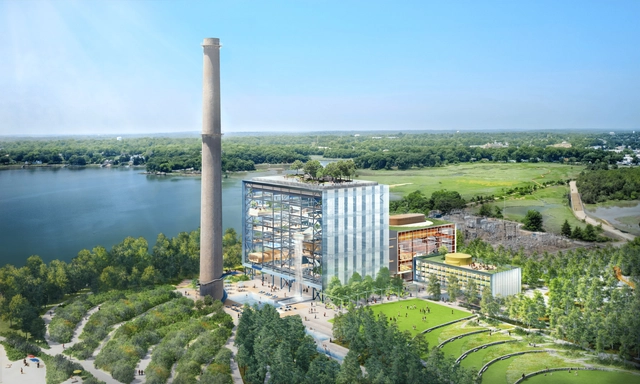
Landscape architecture firm SCAPE together with Bjarke Ingels Group have announced plans to transform Connecticut's ManresaIsland into a public-oriented development as a hub for learning, exploration, and community engagement. Originally slanted for private waterfront housing, the new scheme aims to open up the area as a public park with ample waterfront access, a project led by SCAPE. Additionally, the decommissioned coal-fired power plant is set to be converted by BIG into a community hub for multiple activities including swimming, small and large-scale events, research, and educational rooms. Supported by a private philanthropic investment from Austin McChord, the project is set to open in 2030 through a phased development.
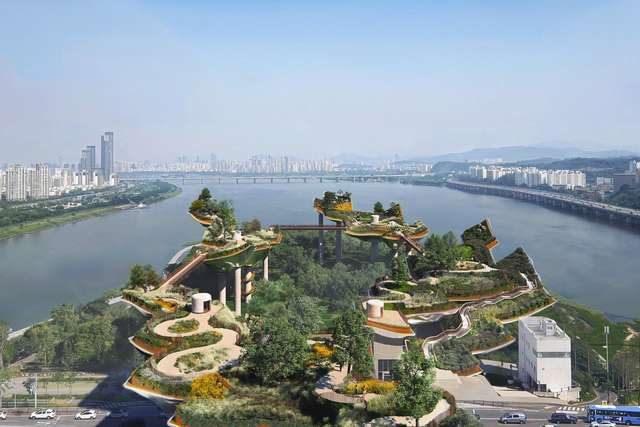
Heatherwick Studio has just won the global competition to transform Seoul’s uninhabited Nodeul Island on the Han River into a lively public park. Titled “Soundscape,” the winning project “creates a trail of dramatic spaces on different levels that can host musical performances and artistic interventions.” Situated within a green and biodiverse landscape, the design echoes Seoul's mountainous terrain and the patterns of sound waves.
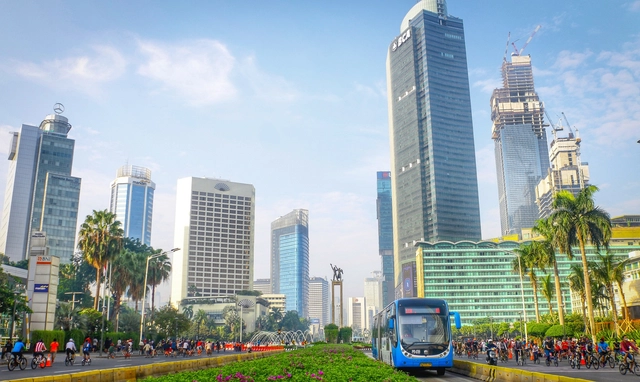
The Indonesian parliament has approved a bill to relocate the capital from the city of Jakarta to a completely new city to be built on the island of Borneo, 1,300 kilometers from the current capital. The decision, first announced in 2019, comes as a reaction to the myriad of challenges faced by Jakarta, including pollution, traffic congestion, and, perhaps the most threatening, rising sea waters. As a consequence of excessive groundwater extraction, rapid urbanization, and rising sea levels, 40% of the city is currently below sea level, making it increasingly difficult for the infrastructure to protect the residents. President Joko Widodo proposes an alternative: relocating the administrative center of the country to a new green metropolis, to be named Nunsantara, meaning ‘archipelago’ in ancient Javanese.
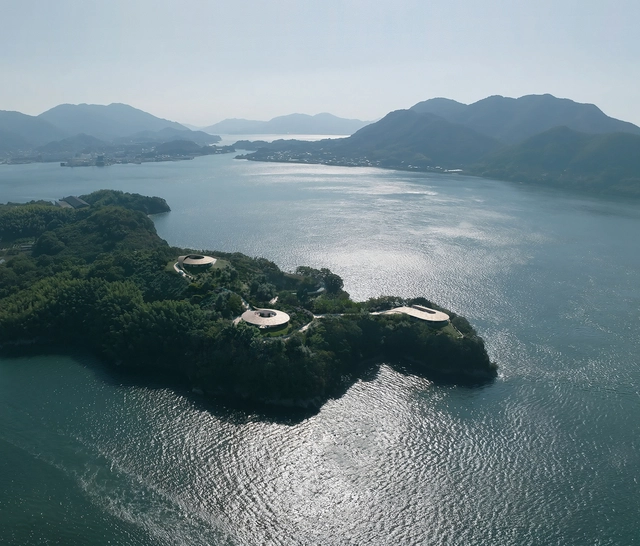
BIG has released sneak peek images into their “Not A Hotel Setouchi” project in Japan. The scheme draws inspiration from the surrounding beauty and Japanese landscape artworks, situated in the southwest cape of Sagi Island, overlooking the Seto Inland Sea. Consisting of three distinct holiday villas, Not A Hotel aims to blend Japanese and Danish architectural influences.
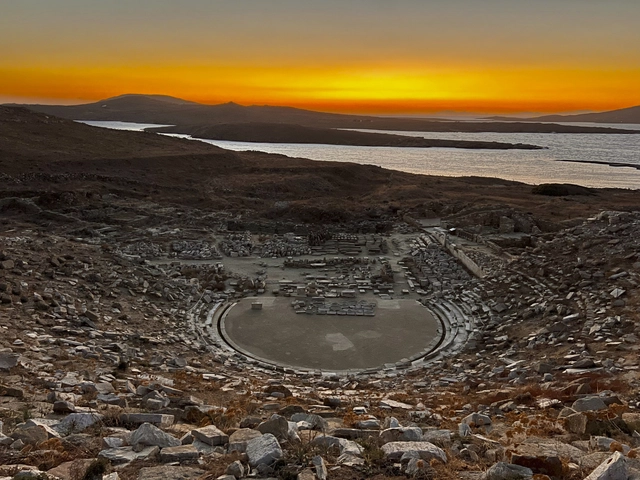
Nestled amidst the Aegean Sea, the ancient island of Delos emerges as a timeless testament to human ingenuity and the harmonious interplay between architecture and nature, in this captivating series of photographs shared with ArchDaily for the International Day of Photography by artist Erieta Attali, along with the insightful voice of Brazilian architect Angelo Bucci. Inspired by Attali's work, Bucci crafts a narrative that explores the profound connection between architecture and the environment, echoing the ethos of Delos itself.
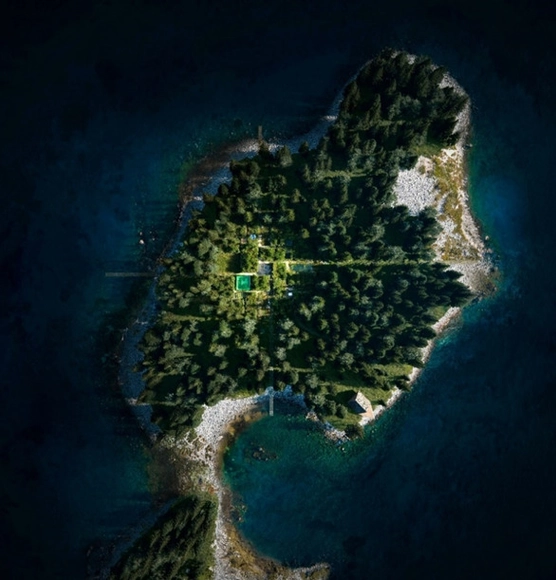
BIG has partnered with experimental clothing brand Vollebak to create the vision for a self-sufficient off-grid island in Nova Scotia, Canada. The 11-acre Vollebak Island will receive several pavilions built of natural and innovative materials such as seaweed, hempcrete, and 3D-printed concrete, all powered by carbon-neutral energy. The island, located in Jeddore Harbor, one quarter off the Nova Scotia mainland, will be auctioned via Sotheby’s Concierge Auctions beginning June 8. Bidders will vie for the chance to own the island and to be granted exclusive rights to the design vision, including the planning permission for those designs.
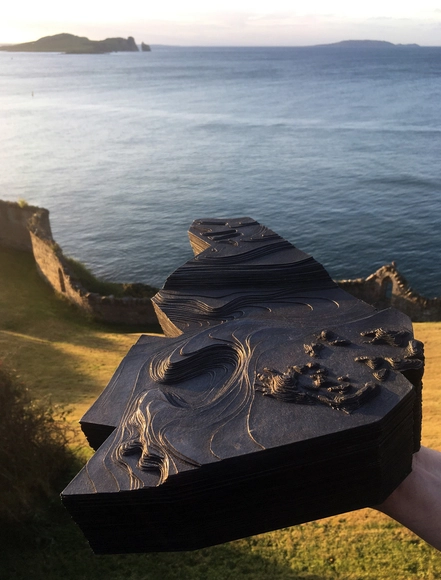
The National Pavilion of Ireland will present an exhibition titled “In Search of Hy-Brasil” at the 18th International Architecture Exhibition of La Biennale di Venezia. The pavilion set out to explore diverse cultures, communities, and experiences of Ireland’s remote islands in the search for new ways of inhabiting the world. A team of five architects has been selected as the curators of the exhibition: Peter Carroll, Peter Cody, Elizabeth Hatz, Mary Laheen, and Joseph Mackey. The pavilion will be open to the public from May 20th to November 26th, 2023; afterward, the installation will tour Ireland in 2024, bringing voices from peripheral locations into mainstream conversations around our global future.
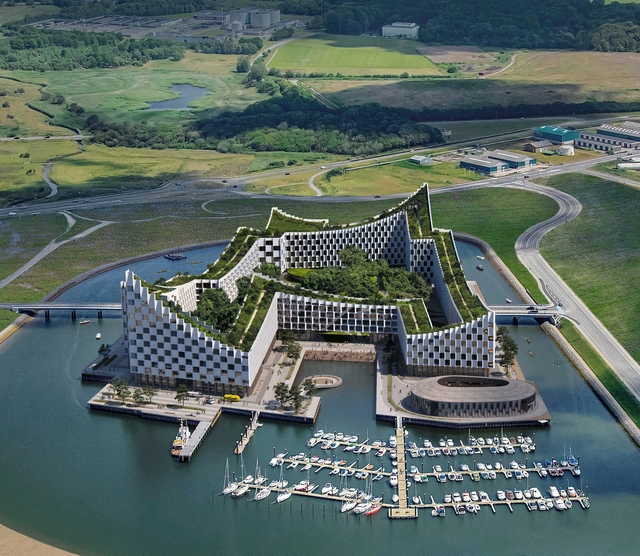
Bjarke Ingels Group has unveiled the vision for the Masterplan Esbjerg Strand, which will form the framework for a campus environment that aims to bring a new approach to education. The Education Esbjerg project will accommodate an innovative educational platform that rethinks the traditional education system in the country. BIG’s concept is to recreate an entire city in one building. Education and development will create a frame of life for the new communities, while the island will welcome a varied array of functions to create a sustainable, human-centered ecosystem.
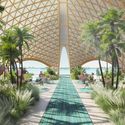
Foster + Partners is designing Hotel 12, on the Ummahat AlShaykh Island in Saudi Arabia. Developed by the Red Sea Development Company (TRSDC), the project is one of two hotels on the island, the first being planned by Kengo Kuma.
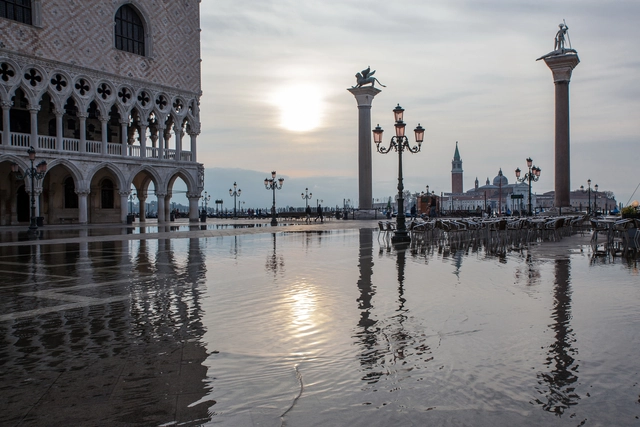
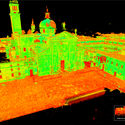
Factum Foundation, a nonprofit dedicated to the use of digital technology for cultural heritage conservation, in collaboration with the Fondazione Giorgio Cini, Ecole Polytechnique Fédérale de Lausanne (EPFL) and Iconem have recorded the Island of San Giorgio Maggiore, in Venice, Italy, in its entirety. For more than 10 days, the team using photogrammetry and LiDAR technologies scanned the 10-hectare island. The project entitled ARCHiVe, linked with EPFL's Venice Time Machine aims to "efficiently and effectively aid in the preservation of Venice's fragile cultural heritage".
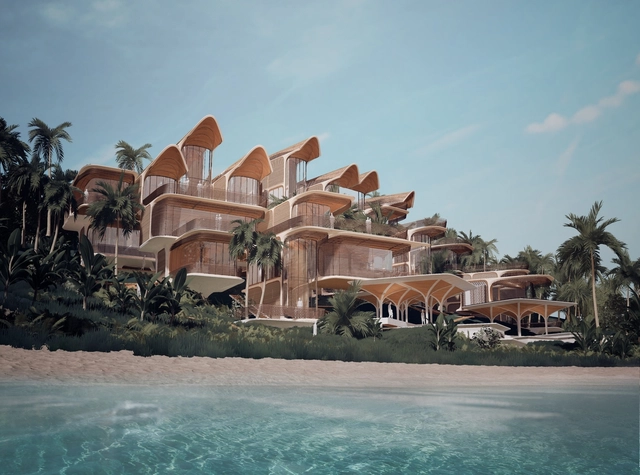
Zaha Hadid Architects has just unveiled Roatán Próspera Residences, its latest project with AKT II and Hilson Moran. Located on the island of Roatán in the Caribbean, the largest of the Bay Islands of Honduras, the project takes on specific ecological and social criteria, to develop homes for the island.
UNStudio has recently designed the masterplan for Gyeongdo Island, a new sustainable leisure destination in South Korea. Driven by nature, the 470,000 m2 buildings and public spaces are centered on the qualities of a green environment.
Marshall Blecher & Studio Fokstrot have introduced “wilderness and whimsy”, to the Danish capital by creating a series of floating islands in the city’s harbor. Adding a new archetype to the urban space, the project can be used by boaters, fishermen, kayakers, stargazers, and swimmers.
Vincent Callebaut Architectures has imagined The Rainbow Tree, a modular mass timber condominium tower in Cebu City, Philippines. Revealing the cultural and natural Filipino heritage, the project, named after an iconic and colorful tree from the Philippines the Rainbow Eucalyptus, was entirely conceived in a way to reduce the carbon footprint of the building.