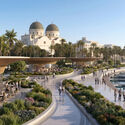
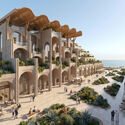
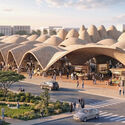
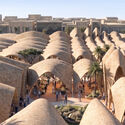
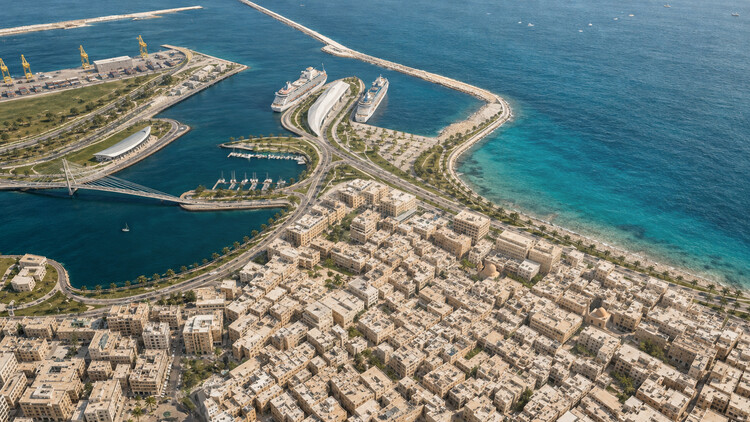
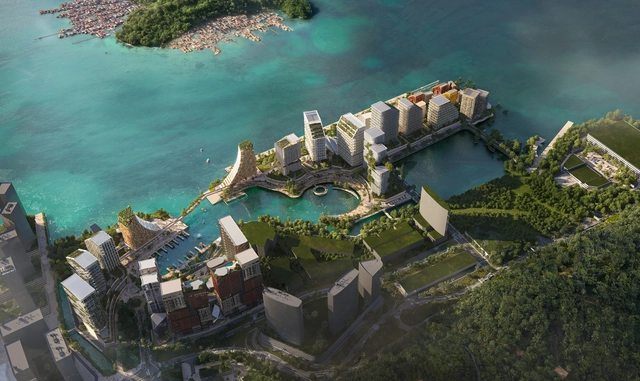
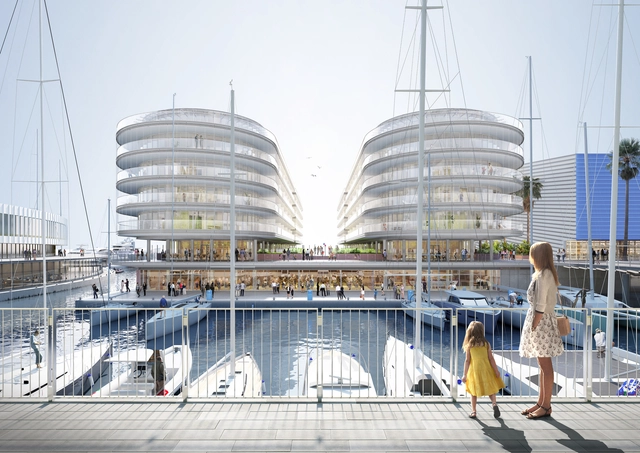
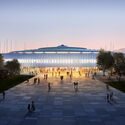
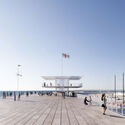
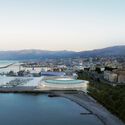
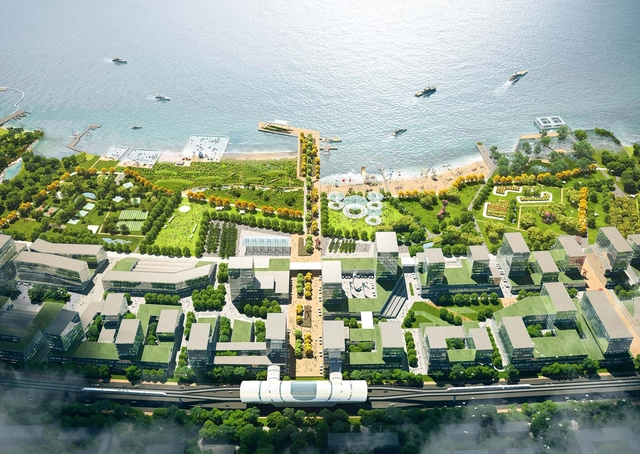
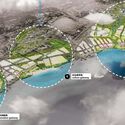
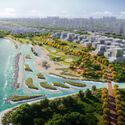
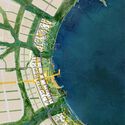
Snøhetta has unveiled plans for Jesselton Docklands, a tropical waterfrontmaster plan in Kota Kinabalu, Malaysia, on the island of Borneo. The development reimagines the city's former port as a civic and cultural hub, strengthening its connection to the waterfront and positioning it as a new gateway to Sabah and the wider Southeast Asian region. Situated near Kota Kinabalu International Airport, the development includes a new ferry and cruise terminal, integrating infrastructure with the island's ecological and cultural context to position the city as a key point of connection within the region.
Architectural competitions are valuable learning tools, offering architects a unique opportunity to experiment and expand their creative boundaries. By engaging with real-world challenges and receiving critical feedback, participants gain practical experience and a deeper understanding of the profession. Whether conceptual or not, competitions foster innovation, encouraging design professionals to think outside the. This week's curated selection showcases winning competition entriessubmitted by the ArchDaily community, providing architects and architecture students with new perspectives and inspiration for their own practice, be it diploma projects, professional licensing, or commissions.
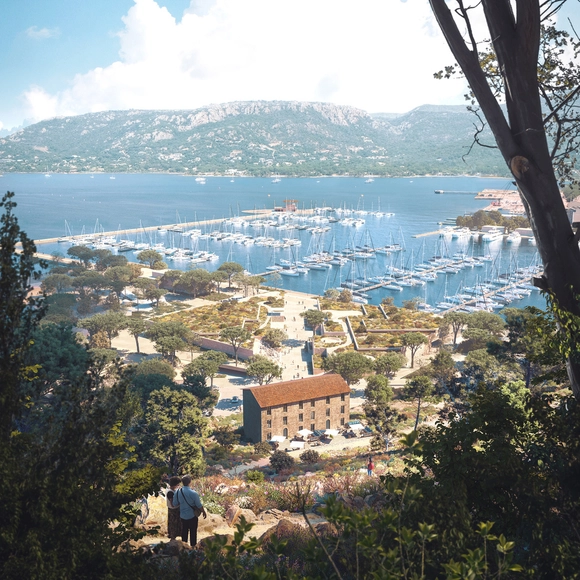
From an immersive urban park in Seoul, South Korea, to a rural education campus in the Amazon, or a reimagined port in Corsica, this selection highlights projects that have stood out in competitions from around the world. While some of the proposals have been developed by established firms, including KAAN Architecten, ArchiWorkshop, Studio Akkerhuis, or Richez Associés, these competitions have also proven to be an opportunity for emerging designers to showcase their creativity and problem-solving abilities
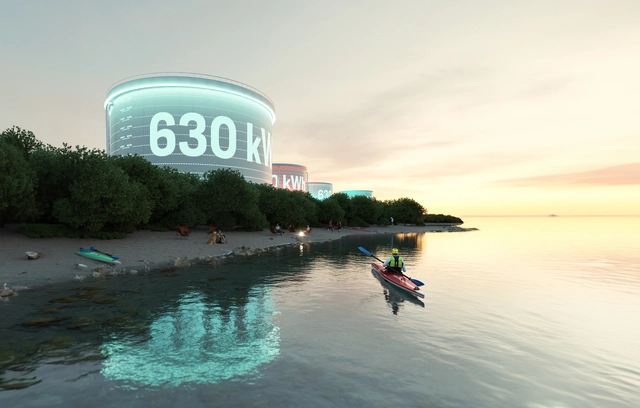
Courtesy of Carlo Ratti Associati | Water Battery Park
Carlo Ratti Associati has just revealed its designs for a waterfront green energy park in Trieste, Italy. Initially a disused petroleum refinery, the initiative seeks to bridge the gap between the city’s industrial past and a sustainable future by repurposing oil storage tanks into renewable energy solutions. Dubbed “water batteries,” the repurposed oil storage tanks are linked to the Adriatic Sea.
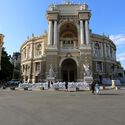
The World Heritage Committee decided to inscribe the Historic Center of the Port City Odesa, Ukraine, on the World Heritage List. The decision symbolizes the recognition of the outstanding value of the site and the commitment of the 194 States Party of the Convention not to undertake any deliberate step that may damage it and to help protect it. The site has also been inscribed on the List of World Heritage in Danger, which gives it access to international financial or technical assistance to ensure its protection and, if necessary, assist in its rehabilitation, according to UNESCO.
Videos
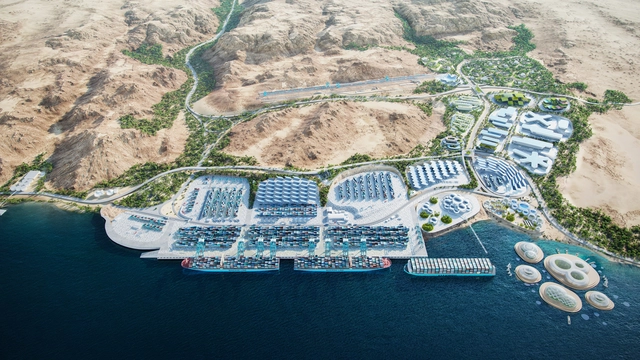
Courtesy of BIG – Image by Ping-Pong Visualization
BIG – Bjarke Ingels Group supports APM Terminals and Maersk in reimagining the shipping industry's future with a master plan for the AqabaPort Terminal in Jordan, expected by 2040. Considered one of the most strategic ports in the country and an important gateway to the Levant region, the 3 square kilometers plan will merge different strategic approaches at the regional scale, starting from the terminal refurbishment, expansion of the logistics functions, and connecting to the broader port's community and natural environment.
First drafted by Renzo Piano and developed by RPBW and OBR, the Waterfront di Levante is a project that aims to transform what was previously the back of a port into a new urban front on the sea. The development is planned to become a new landmark on the seafront of Genoa, Italy, by bringing new urban and port functions, both public and private, to an underutilized area. By controlling the built-to-open area ratio, it also seeks to enhance the connection between the city and the sea. The project introduces functions such as the new Urban Park, a new dock, residences, offices, student housing, retail facilities, apart-hotels, and a new sports hall.
KCAP won the design competition for the Coastline of Yantai, Shandong Province, south of Beijing. As one of China's top 10 ports and a gateway city for communication between Japan and South Korea, Yantai Seafront Garden will transform the underused coastal area into an influential economic and technological development zone in Northeast China. The conceptual proposal was selected by its vision of 4 stages along the 95km of waterfront, including water conservation zones, a "sponge city" community, and a resident tidal shoreline.
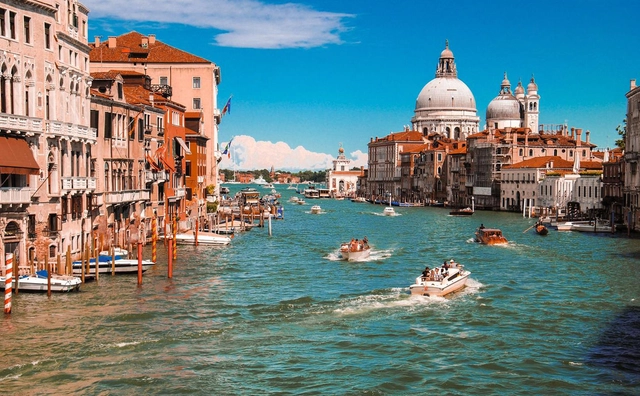
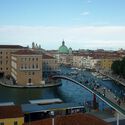
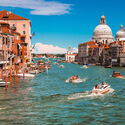
Following several initiatives to tackle the tourism and architectural heritage crisis, Venice authorities have announced that as of January 16th, 2023, visitors will have to book a visiting slot and an entrance fee to see the historic canal city. The newly proposed ticketing system, which is claimed to be the first of its kind in the world, hopes to control its "over-tourism" crisis, a challenge that has been affecting the lagoon's ecosystem, urban development, and local population.
Led by Ma Yansong, MAD Architects and the China Academy of Building Research (CASR) have won an international competition to design the Cuntan International Cruise Center in Chongqing, China. Currently a cargo terminal, Gantry Crane will become a 65,000 sqm international cruise terminal and city complex, featuring a 15,000 sqm cruise port and over 50,000 sqm of commercial spaces.
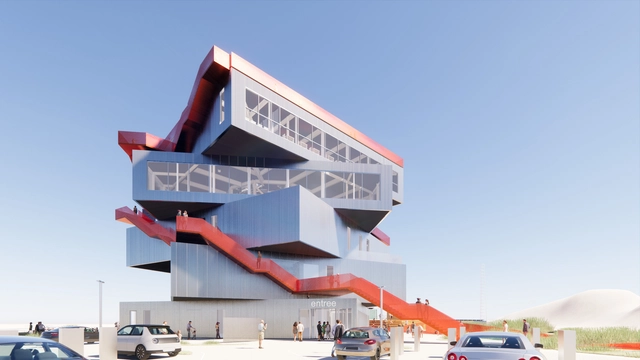
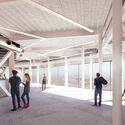
MVRDV has revealed the design of an exhibition and visitor centre for the Port of Rotterdam, which would tell the story of Europe’s largest port. Scheduled to open in 2024, The Harbour Experience Centre features a stack of five rotated exhibition spaces framing views of the surroundings, and outdoor staircases wrapped around the structure provide visitors with a route up the various terraces and to the rooftop. The project is the successor of FutureLand, a temporary information centre from 2009, whose success prompted the creation of a permanent exhibition.
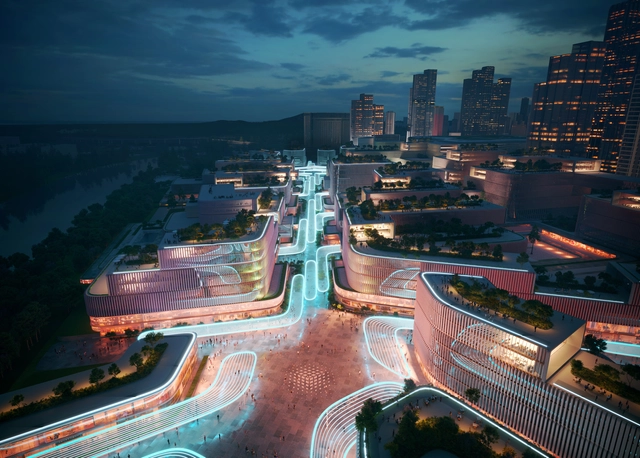
Zaha Hadid Architects has designed the future of Huanggang Port Area, creating a hub of scientific research and collaboration in industries in Shenzhen, China. The new proposed master plan puts in place “an important node of the Guangzhou-Shenzhen Science and Technology Corridor”, through the reconstruction of the port building as well as the transformation of its empty lots into the national center for technology innovation.