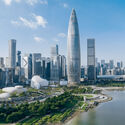
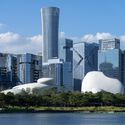
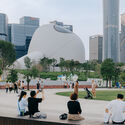
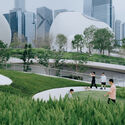
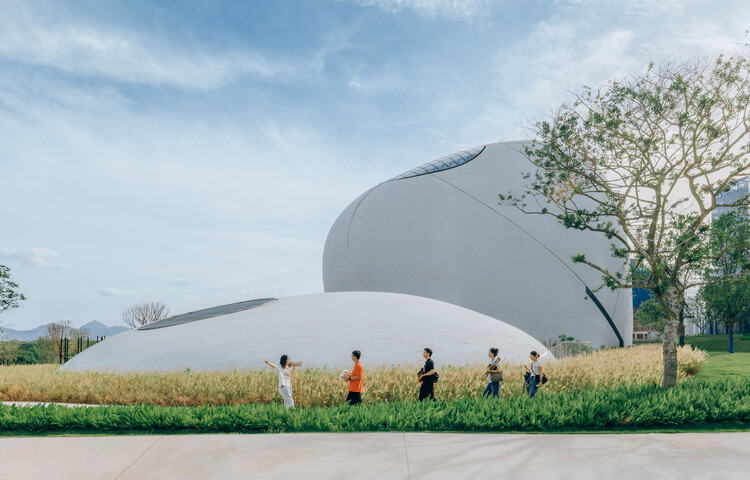
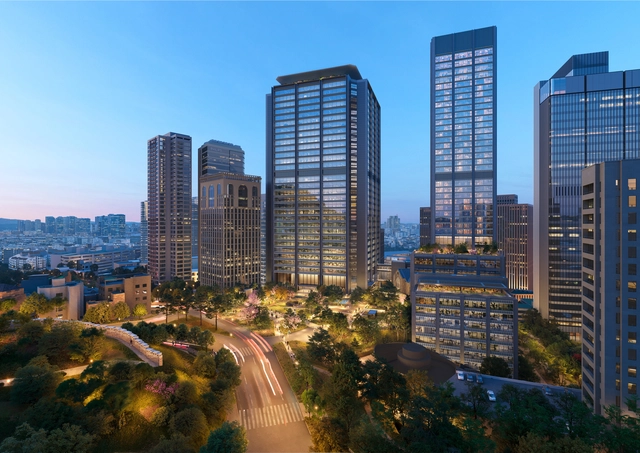
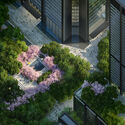
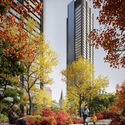
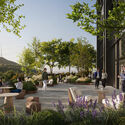
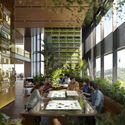
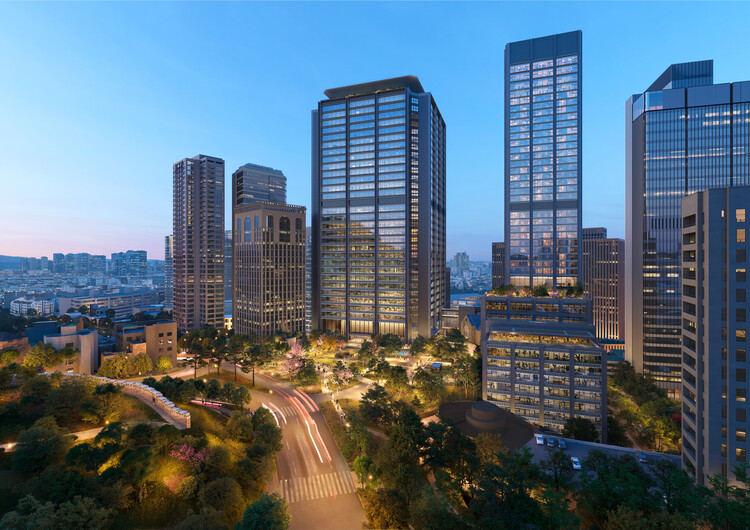
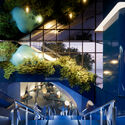
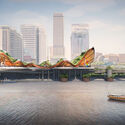
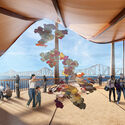
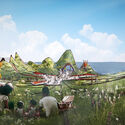
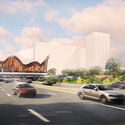
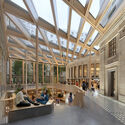
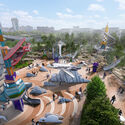
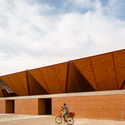
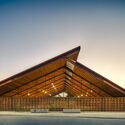
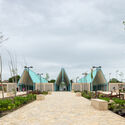
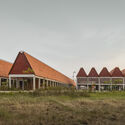
MAD / Ma Yansong's Shenzhen Bay Culture Square exhibition hall and park project began in 2018, with the project completed in 2020. The 188,000 m² building sits on a site area of approximately 51,000 m² along the city's waterfront, at the heart of Houhai, Nanshan District, the headquarters hub of Shenzhen's Greater Bay Area. The masterplan for the site, which includes the Creative Design Hall, the Shenzhen Science and Technology Museum, and a vast public green space, was announced by MAD in 2020 and was expected to be completed in 2023. After eight years, the project, led by Ma Yansong, Dang Qun, and Yosuke Hayano, is now complete and is intended to serve as a cultural facility for design and cultural exchange.
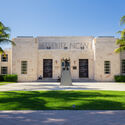
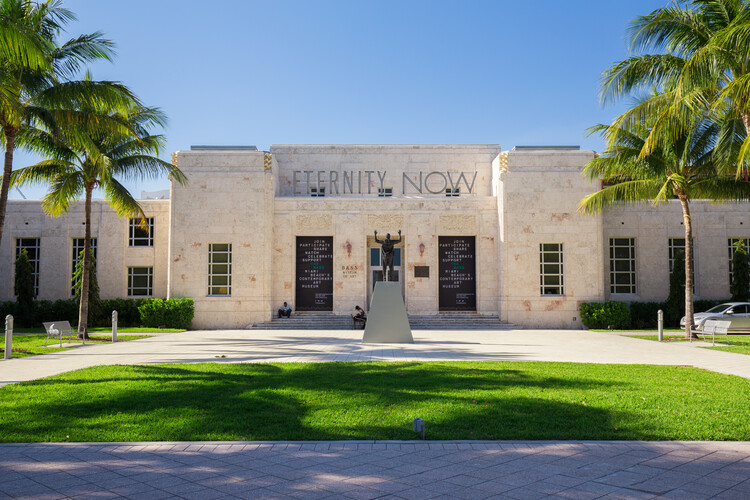
The Bass Museum of Art has appointed the Los Angeles-based architecture practice Johnston Marklee to lead the expansion of its campus in Collins Park, Miami Beach, advancing a long-term vision that integrates architecture, landscape, and contemporary art. Founded in 1964 following the donation of the John and Johanna Bass collection, the museum is housed within a 1930s Art Deco building originally designed by Russell Pancoast as the Miami Beach Public Library and Art Center. Over time, the institution has evolved through architectural interventions, most notably the campus framework introduced by Arata Isozaki, which establishes a dialogue between the historic fabric and contemporary additions.
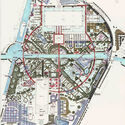
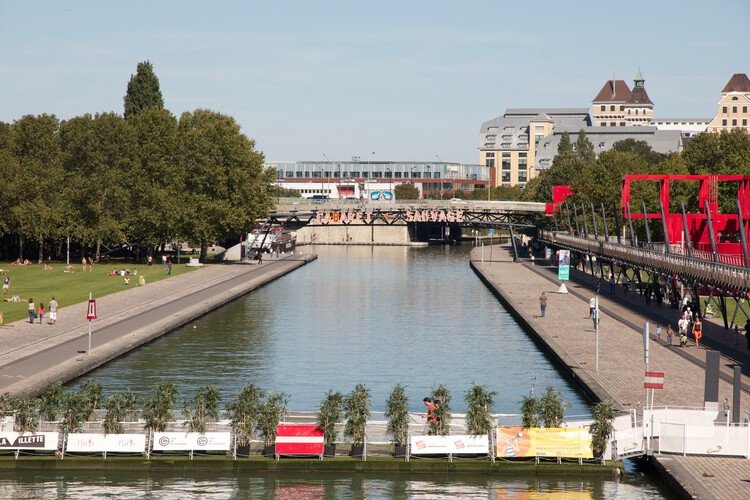
Paris's 19th arrondissement Parc de la Villette is undergoing a major transformation, combining a newly opened urban farm with restored biodiversity as part of a strategy to adapt the 55.5-hectare park to climate change. Masterplanned by Bernard Tschumi in 1982 and opened to the public in 1987, the park stands as a landmark of European modernism in public space design, breaking from the traditional concept of the metropolitan park. With a 15,000-square-meter extension, this major green lung in northeast Paris is reimagining its lawns as a living laboratory for environmental education, where animals, plants, and humans coexist. The extensive renovation follows the addition of Tschumi's HyperTent in 2022, a hyperbolic paraboloid structure functioning as a new ticket booth on the podium of Folie L4, and marks the park's most significant transformation since its inauguration.
Videos
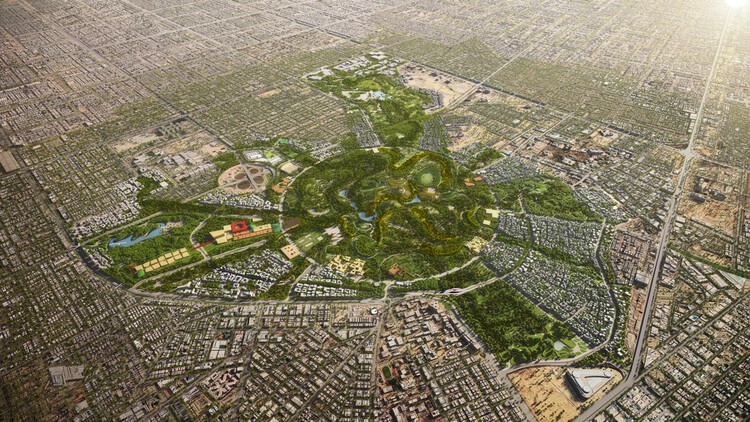
King Salman Park, Riyadh, Saudi Arabia. Image Courtesy of King Salman Park Foundation & Omrania
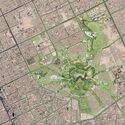
Construction continues on King Salman Park in Riyadh, a 16.9-square-kilometre public landscape taking shape on the grounds of the city's former airport. Led by Omrania as lead design consultant, in collaboration with Henning Larsen for master planning and urban design, the project reimagines the centrally located site as a large-scale green and cultural district. Conceived as a new civic core for the capital, the park combines ecological restoration, public programming, and mixed-use development. Initial phases are expected to open in late 2026, with substantial completion targeted for 2027, following a phased construction schedule currently underway.
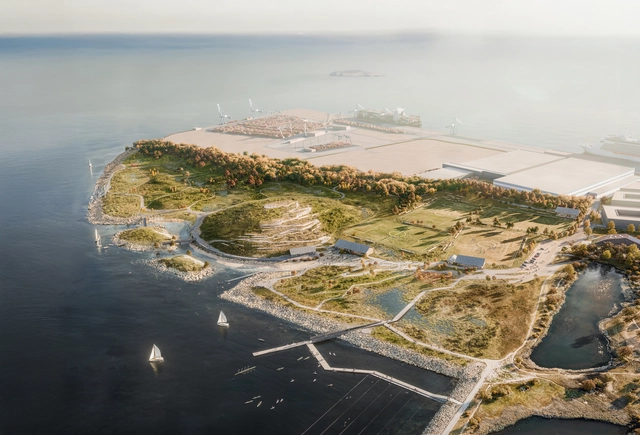
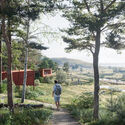
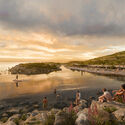
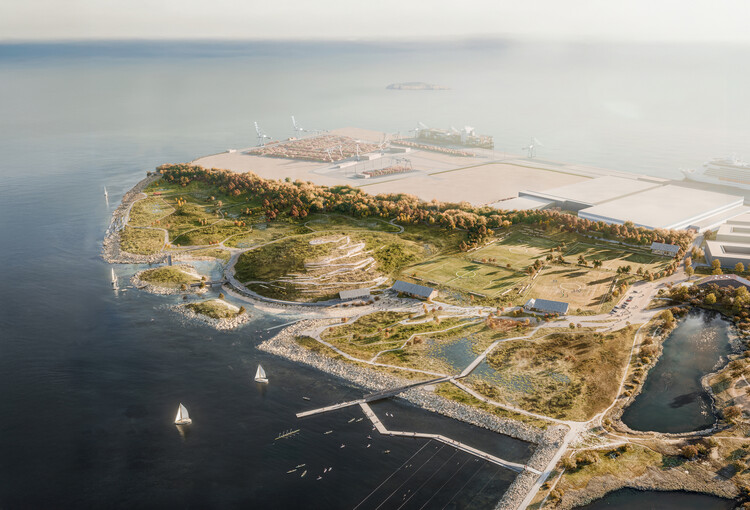
The City of Copenhagen has announced Team SLA as the winner of a design competition to create a new, large-scale urban park in Nordhavn. The project, titled "Nordør – New Park", was designed by Team SLA and By & Havn, and envisions a 30-hectare (75-acre) coastal nature park. Led by the design studio SLA, Team SLA includes VITA Engineers, Urban Agency, Aaen Engineering, Pihlmann Architects, Buro Happold, Kerstin Bergendal, Holdbart, and Aiming Spaces.
A "nature park" is a protected area where conservation is balanced with sustainable development and human use. It often encompasses human-shaped cultural landscapes and integrates strategies for regional development, supporting local communities and promoting the conscious use of the land. This framework allows the proposal to be understood as a platform for recreation, eco-tourism, environmental education, research, and regional growth.
As cities and landscapes evolve, architecture is increasingly asked to support well-being,performance, and collective experience. From stadiums that honor deep cultural memory to intimate wellness spaces that foster restoration and connection, sports and wellness typologies are expanding beyond mere functionality. They create environments where movement and health intersect with design quality, sustainability, and social meaning. Today, these spaces range from elite training grounds and recreational clubs to contemplative retreats and inclusive public amenities, shaping how communities gather, heal, and celebrate shared identity.
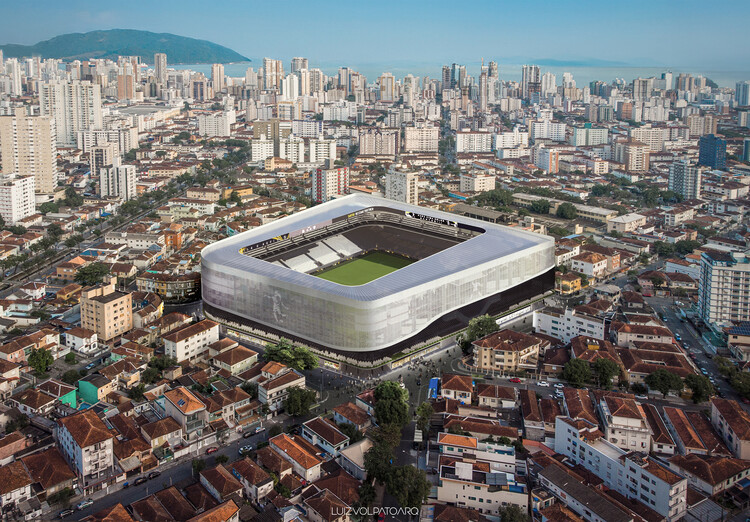
This selection of unbuilt proposals submitted by the ArchDaily community illustrates that diversity. In São Paulo, Luiz Volpato Arquitetura reinvents the historic Santos Futebol Clube stadium with a geometry that preserves fans' memory while introducing new commercial and social uses. In Hanoi, Van Aelst I Nguyen and Partners bring filtered light and fresh air to a dense urban sports complex. In Dubai, RSP proposes Haven, a residential development anchored in holistic wellness and nature-driven experiences, while India's Tropic Responses imagines Aira Club as a climate-conscious leisure hub. High in the Himalayas, Gadasu + Partners carve a meditative spa into mountain stone, and in Isfahan, Arsh4d Studio rethinks segregated women's parks to create inclusive, future-oriented civic space.
IOTA Seoul I mixed-use development. Render. Image Courtesy of Foster + Partners
Foster + Partners has released images of the proposed design for IOTA Seoul I, a mixed-use development in Seoul, South Korea. The project would be located between Seoul Station and Namsan, a 270-meter-high peak in the Jung-gu district in the south-central part of the city. The site has been described by the architects as a landmark location due to its historical significance as one of Seoul's gateways for travelers arriving by train.
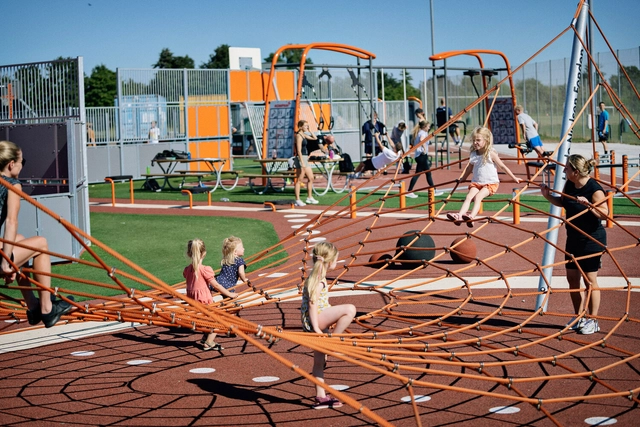
Play, as a human activity, is a multidimensional practice: it is biologically rooted, socially transmitted, and architecturally situated. Within this interrelation, while play offers dynamics and narratives that invite us to explore alternative ways of inhabiting the world, architectural projects provide the physical and sensory support that unlocks these possibilities, with play structures serving as the medium that connects the two. Consequently, a defining relationship emerges between play, the built environment, and its evolution over time.
https://www.archdaily.com/1080015/architecture-and-play-structures-how-are-play-spaces-evolving-in-urban-environmentsEnrique Tovar
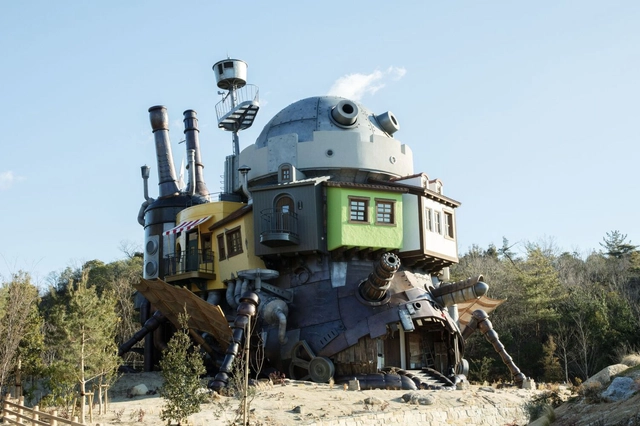
View of Howl's Moving Castle Replica inside the Valley of Witches area . Image via ghibli-park.jp, under policy of fair use
Studio Ghibli and its co-founder Hayao Miyazaki have become household names in the West, thanks to their impressive body of work, which includes over 10 feature films, 2 Oscars, and more than 100 awards worldwide. Films such as "Spirited Away" and "Howl's Moving Castle" showcase their mastery of world-building, story telling and compelling visuals which have earned them global acclaim. This has created a devoted fan base that previously only had the Studio Ghibli Museum in Tokyo to experience the films in real life. As the studio's popularity and movie portfolio grew, it became inevitable for them to expand into a larger space. That is why November 2022 marked the beginning of a new phase as the Ghibli Park opened its gates in Nagoya, Japan.
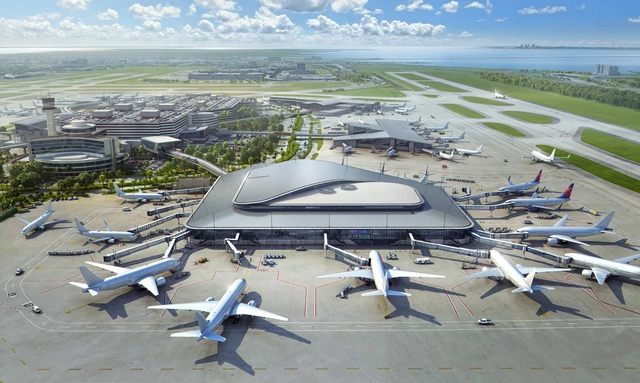
Tampa International Airport. Image Courtesy of Hensel Phelps and HNTB, in association with Gensler
From Bangkok to Billund, a new wave of architectural project announcements is reshaping how spaces for work, culture, mobility, and public life are conceived. Across Norway, Thailand, the United States,Denmark, Australia, and Thailand, these projects reflect an increasing emphasis on technological integration, sustainable construction, and flexible, future-ready environments. Whether designing production hubs for digital creators, adaptable media campuses, or civic landscapes layered with history and ecological intent, each scheme offers insight into how architecture is evolving to support emerging industries, cultural programming, and new forms of public engagement. This edition of Architecture Now brings together a selection of recently announced projects that highlight the intersection of design, technology, and innovation in a global context.
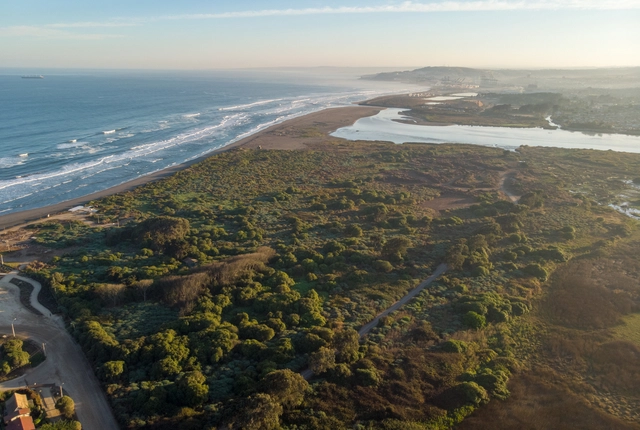
Santuario de la Naturaleza Humedal Río Maipo.. Image Courtesy of Fundación Cosmos
On Earth Day 2025, observed annually on April 22, we are once again reminded of the urgent environmental and sustainability challenges that face our planet—challenges that continue to evolve alongside global economic, political, and cultural shifts. The building and construction industry remains one of the most critical sectors in the effort to manage and reduce global carbon emissions. This year, these issues are being addressed through increasingly diverse lenses, calling for more holistic and integrated approaches. It's vital that we view sustainability not as a one-size-fits-all solution, but as a multi-scalar effort—one that spans from large-scale urban development and strategic planning, to the advancement of sustainable materials, and even to temporary, thought-provoking interventions like exhibitions and installations. In doing so, we reaffirm our commitment to reducing our collective carbon footprint, while shaping a built environment that promotes human well-being and planetary health.
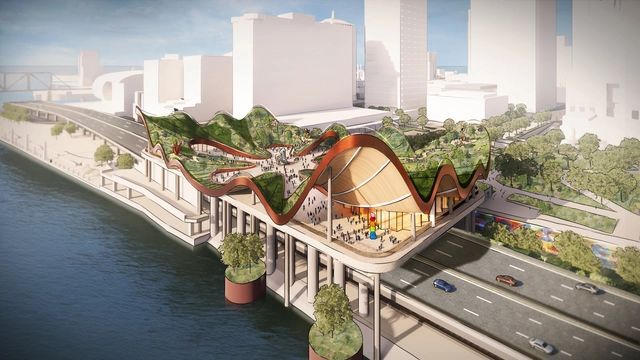
Heatherwick Studio has unveiled an ambitious vision to transform the Belvedere, a historic elevated riverfront space in downtown Louisville, Kentucky, into a reimagined public park in the United States. The project aims to breathe new life into the site, enhancing its connection to the Ohio River and creating a welcoming environment for both residents and visitors.
Kings Road Park, Fulham. Image Courtesy of Foster + Partners
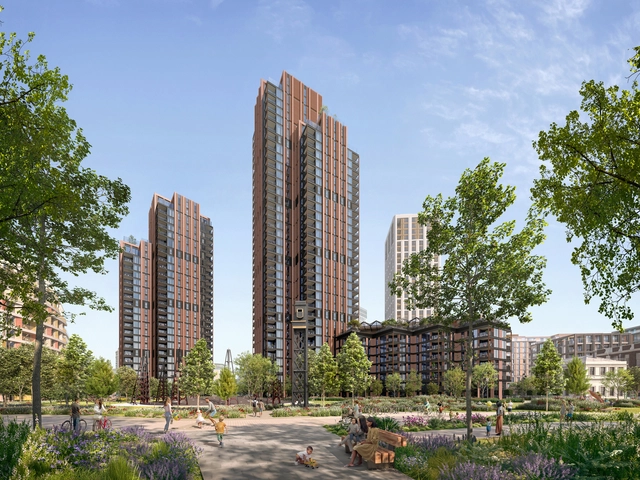
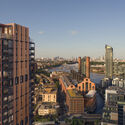
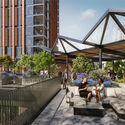
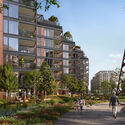
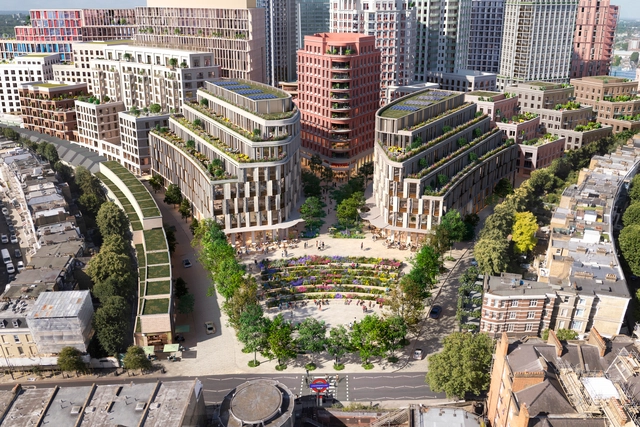
Phase four of the King's Road Park masterplan, designed by Foster + Partners for St William, has received detailed planning permission. The design, located in the London Borough of Hammersmith & Fulham, comprises two residential towers of 28 and 38 stories, a seven-story podium building, and 1.9 acres of new parkland and public open space, totaling 357 new homes. The residential buildings incorporate communal spaces, including a ground-level amenity and a rooftop garden sheltered by a louvered canopy. The towers' slender profiles are intended to complement the existing urban skyline, featuring terracotta paneling in a nod to local architectural styles.
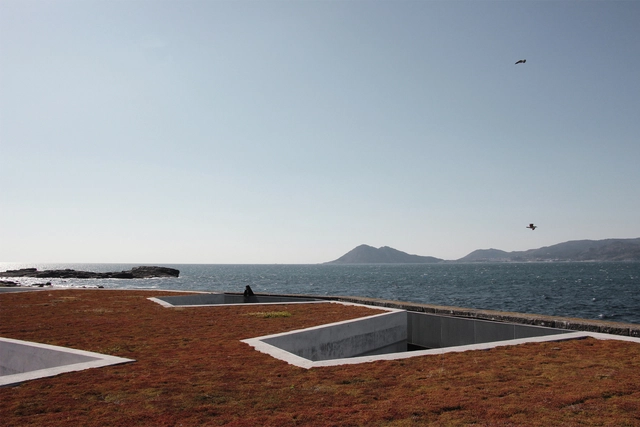
The 2024 European Prize for Urban Public Space has announced the overall winners for the 12th edition: For the General Category, the "Park at the Warsaw Uprising Mound" in Poland by studios topoScape and Archigrest received recognition its ability to honor the site's historical significance; while the Seafront Category prize was given to the "Beach Improvement and Redevelopment of the Harbour Edge" in Porto do Son, Spain, designed by CREUSeCARRASCO and RVR Arquitectos for its careful integration of natural and manmade elements. Selected from a list of 10 finalists, the projects were appreciated for their sensible response to local memory and an understanding of the interplay between various elements that interact with urban life.
In recent weeks, a series of significant architectural developments have been announced, showcasing the varied work of renowned firms from around the globe. These projects, revealed between late September and October 2024, emphasize the transformative potential of architectural design in rehabilitating historical structures, revitalizing urban areas, and proposing new facilities to meet the evolving needs of communities. Notable names such as Zaha Hadid Architects, Kohn Pedersen Fox (KPF), and Studio Egret West are among those leading ambitious projects, from the waterfront residences on Qetaifan Island in Qatar to the reimagining of London's Earls Court. This collection of recent announcements provides a glimpse into the ongoing evolution of urban landscapes and community-centric architecture.
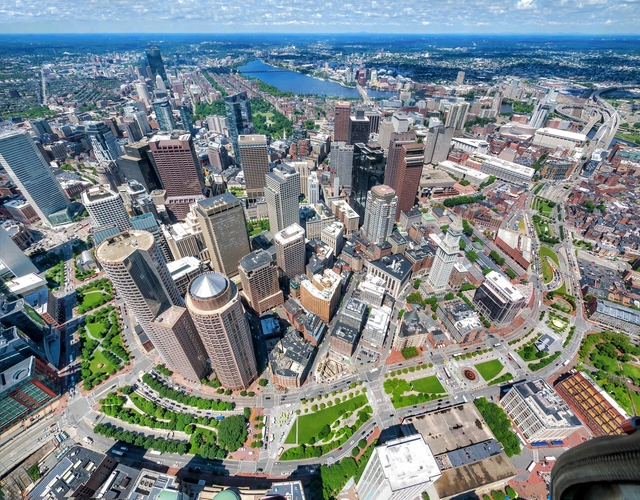
Greenways, as a typology of urban design, have become an essential element in the planning of modern cities. They emerge in response to the increasing fragmentation of urban landscapes by elements such as highways. They usually integrate natural and constructed spaces, providing much-needed connections across various parts of the city. At the same time, they promote pedestrian accessibility, recreation, and social interaction. The Rose Kennedy Greenway in downtown Boston, United States, exemplifies this human-centered approach to design. The project, which began construction in 1991, showcases the potential of greenways to reconnect urban environments and enhance community life. As a series of parks designed by various architecture firms, it aims to create physical links and meaningful spaces that foster social development and a sense of place.
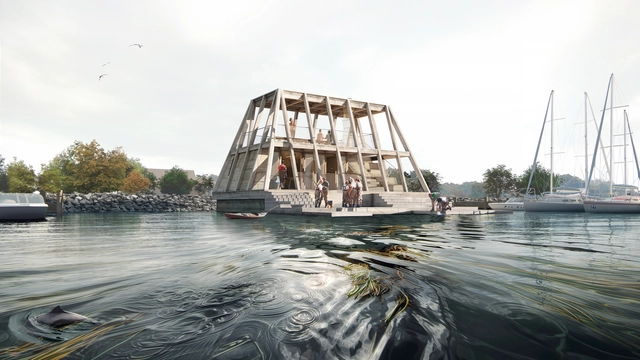
EFFEKT and MAST have just revealed SØMÆRKET, a new access point to NaturePark Lillebælt in Denmark. Serving as the gateway to one of Denmark’s most protected coastal landscapes, the Little Belt strait, the design aims to strengthen the connections between the cities of Middlefart, Holding, and Fredericia. Renowned for having the world’s highest concentration of harbor porpoises and a rich diversity of flora and fauna, the Little Belt Strait is a popular destination for divers across Europe.