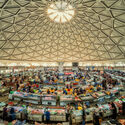
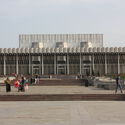
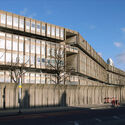
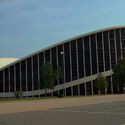
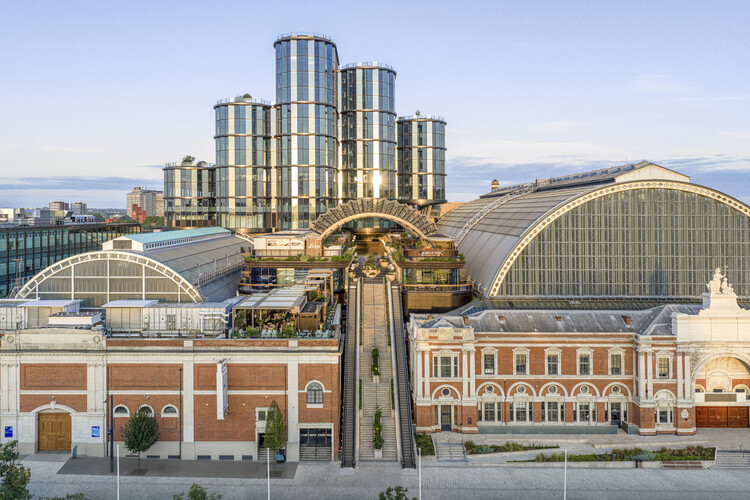
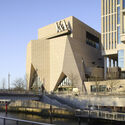
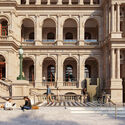
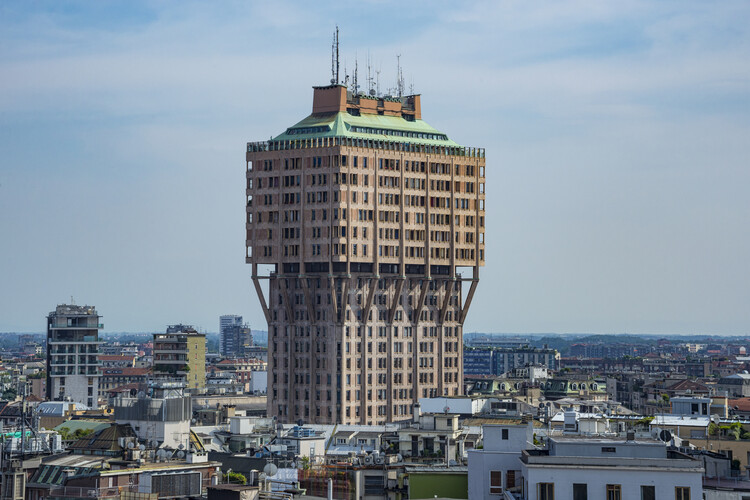
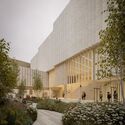
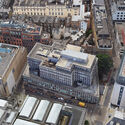
The Southbank Centre is a cultural complex in London built between 1963 and 1968 and widely regarded as a representative example of British Brutalism. Today, the site hosts a wide range of events, including visual arts, theatre, dance, classical and contemporary music, literature, poetry, and debate. The building was designed by a team from the Architects' Department of the London County Council, led by architect Norman Engleback. It became a controversial example of modern architecture following its opening in October 1967, when engineers voted Queen Elizabeth Hall "the supreme ugly" in a poll of new buildings, and the Daily Mail referred to it as "Britain's ugliest building." Fifty-nine years later, on February 10, 2026, the complex was granted Grade II listed status by the UK government's Department for Culture, Media and Sport (DCMS), following a 35-year campaign advocating for its protection as modern architectural heritage.
Cities around the world share a common goal: to become healthier and greener, supported by civic infrastructure that restores ecosystems and strengthens public life. The question is how to reach this. Global climate targets, local building codes, and municipal standards increasingly guide designers and planners toward better choices. Still, many cities struggle to translate these frameworks into everyday, street-level comfort and long-term ecological protection. What happens if the city is no longer treated as a traditional city, but as a national park?

National parks operate through systems of protection that treat land as a network of ecological relationships rather than a collection of isolated sites. They establish a shared baseline for what must be preserved, maintained, and made accessible over time. When this logic is applied to the urban environment, success can inspire pride and a sense of shared responsibility among designers, policymakers, and residents, fostering a collective commitment to health, habitat, and civic infrastructure.
Founded by Oliver Thomas, the ATN Summit is the first flagship conference of the Archi-Tech Network, marking five years since the platform began as a grassroots initiative to share real-world architectural knowledge. Taking place on March 18–19, 2026, in London, the ATN Summit brings together architects, technologists, and industry innovators to explore how emerging technologies are reshaping architectural practice. Designed as a high-production, ideas-driven event, the Summit reflects ATN's evolution from an informal online conversation into a global platform actively engaging with the future of the built environment.
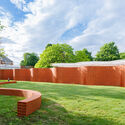
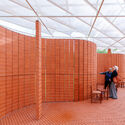
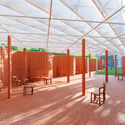
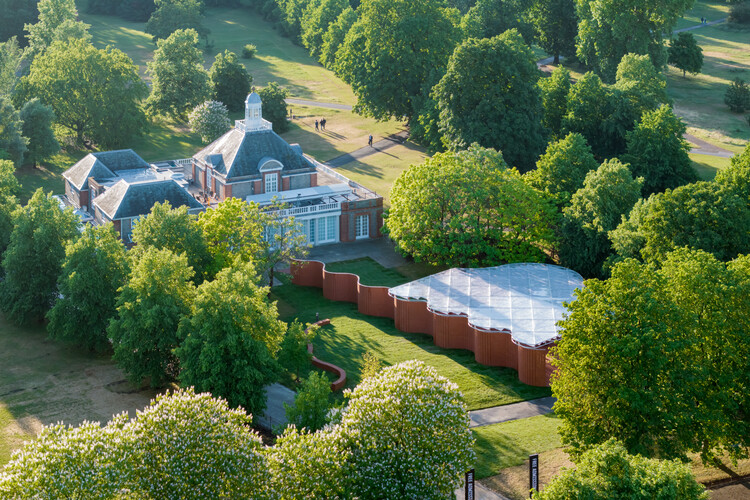
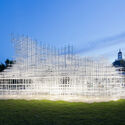
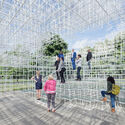
Serpentine has announced LANZA atelier as the designer of the Serpentine Pavilion 2026, marking the 25th edition of the annual commission. Founded by Isabel Abascal and Alessandro Arienzo, the Mexico City–based studio was selected to realise the Pavilion titled a serpentine, which will open to the public at Serpentine South on 6 June 2026. As part of the anniversary programme, Serpentine will collaborate with the Zaha Hadid Foundation, recognising Hadid's role as architect of the inaugural Pavilion in 2000 and reaffirming the Pavilion's legacy as a platform for architectural experimentation.
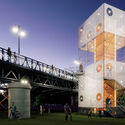
The annual Antepavilion commission is an initiative to develop, construct and display experimental structures offering emerging artists, makers and architects an opportunity to create new work within a complex urban environment.
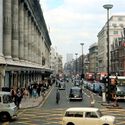
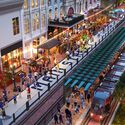
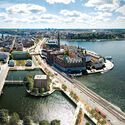
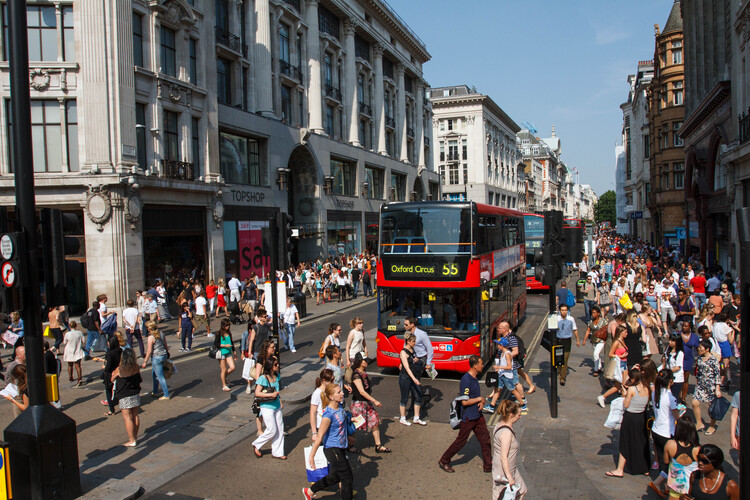
Across Europe and North America, pedestrianisation is increasingly being deployed as a context-specific urban strategy shaped by distinct economic, social, and spatial pressures. As cities continue to reassess the role of streets in the wake of economic shifts, climate pressures, and changing mobility patterns, pedestrianisation is emerging as a tool in current urban transformation efforts. Across London, New York, Houston, and Stockholm, ongoing pedestrian-first projects are testing different pathways toward more resilient and walkable cities, ranging from statutory planning and capital construction to research-driven visioning. London's Oxford Street is advancing through consultation and governance reform to address retail decline; New York's Paseo Park is moving from a temporary pandemic intervention into permanent infrastructure; Houston is accelerating the pedestrianisation of its downtown core in preparation for a global sporting event; and Stockholm's Superline is using design research to rethink the future of an inner-city motorway. These initiatives reveal how pedestrianisation is being actively negotiated, designed, and built today, adapting to local motivations while converging on a shared objective of streets that perform as resilient public spaces rather than traffic conduits.
This week's review focuses on concrete responses to shared urban challenges, including housing affordability, long-term resilience, and the role of cultural and material innovation in shaping cities. The selection spans regulatory measures affecting housing markets in European cities, high-density residential and mixed-income proposals in New York, and major renewal and planning efforts in London, Barcelona, Ulaanbaatar, and Drammen. It also highlights research-driven and built projects in Chicago, Buenos Aires, Las Vegas, and Riyadh that explore circular construction, adaptive reuse, and new models for cultural and public infrastructure. Together, these worldwide projects offer a snapshot of how architecture and urban planning are addressing immediate pressures while laying the groundwork for more resilient and inclusive urban futures across diverse geographic and cultural contexts.
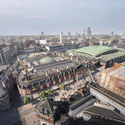
The City of London Corporation has formally approved the delivery plan for the renewal of the Barbican Centre, confirming a £191 million investment to support the first five-year phase of a long-term transformation programme. Approved in December 2025, the decision secures funding for major repairs, infrastructure upgrades, and public space improvements across the Grade II-listed complex. Subject to planning permission, major construction is scheduled to begin in 2027, with completion of this phase targeted for 2030, ahead of the Barbican's 50th anniversary. To facilitate the works, most programmes within the Centre will pause for approximately one year between June 2028 and June 2029, while preparatory upgrades, including essential works to the Barbican Theatre, are set to begin in early 2026.
LUMA Arles / Gehry Partners. Photography by Iwan Baan. Image Courtesy of Gehry Partners
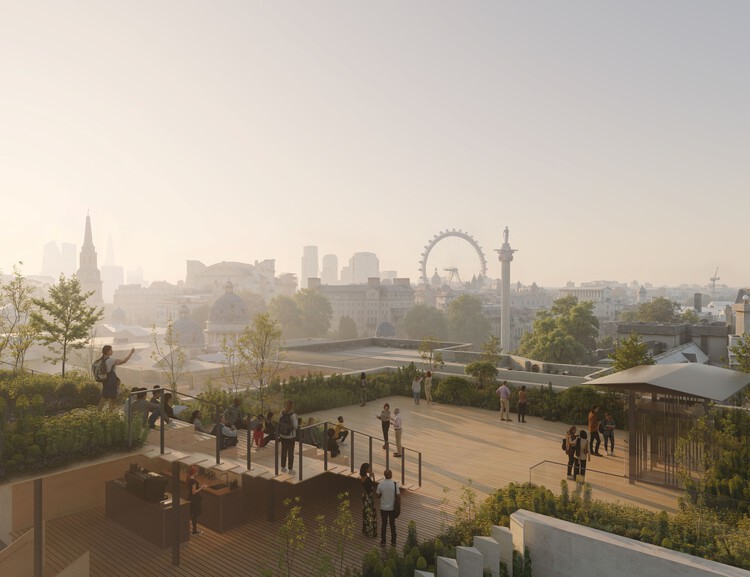
This week's news reflects architecture's simultaneous engagement with cultural reflection, professional legacy, and the material realities of building cities. The passing of Frank Gehry prompted a broader reassessment of late 20th- and early 21st-century architectural practice, while Shigeru Ban's selection as the recipient of the 2026 AIA Gold Medal brought renewed attention to socially driven design and the profession's public responsibilities. These milestones unfolded alongside wider conversations sparked by Human Rights Day, examining architecture's role in equity, housing access, and safety worldwide, and forward-looking discussions setting the architectural agenda for 2026 through major international events and cultural programs. At the scale of the built environment, these themes are echoed in three projects shaping future urban conditions: Powerhouse Company's transformation of a former limestone quarry into a mixed-use neighbourhood in Bærum, near Oslo; the groundbreaking of Riverside Wharf, a hospitality-led development contributing to the regeneration of Miami's River District; and Foster + Partners' approved retrofit of 1 St James's Square in London, focused on structural retention and long-term urban resilience.
We are pleased to announce an evening conversation hosted by the Pan-African Biennale (PAB), in collaboration with Black Females in Architecture (BFA), a collective that advocates for greater representation, support, and visibility for Black women working across architecture and the built environment.