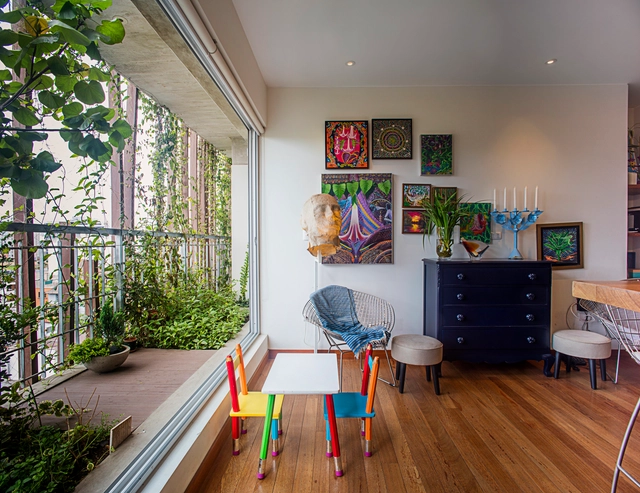
1. ArchDaily
  2. Ecological

Ecological: The Latest Architecture and News

“Before Architecture, There Is Land”: In Conversation With Lynn Chamoun, Elias Tamer, Shereen Doummar, and Edouard Souhaid, Curators of the Lebanese Pavilion

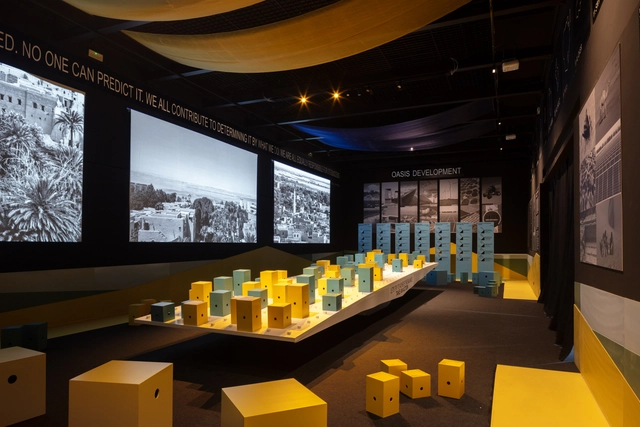
The Lebanese Pavilion at the Venice Architecture Biennale 2025 explores the land as a site of memory, intelligence, and resistance. Titled The Land Remembers, the exhibition is presented by the Collective for Architecture Lebanon, composed of Lynn Chamoun, Elias Tamer, Shereen Doummar, and Edouard Souhaid, and takes the form of a fictional public institution: the Ministry of Land Intelligens. The pavilion addresses the ongoing ecological crisis in Lebanon through an architectural lens, framing ecocide as both an environmental and social injustice. Positioned within this year's curatorial framework Intelligens: Natural. Artificial. Collective. the project calls for a reevaluation of how architecture engages with damaged landscapes. In this interview with ArchDaily editors during the Biennale, the curators explain how the project impels a rethinking of architecture's foundational commitment to the land.

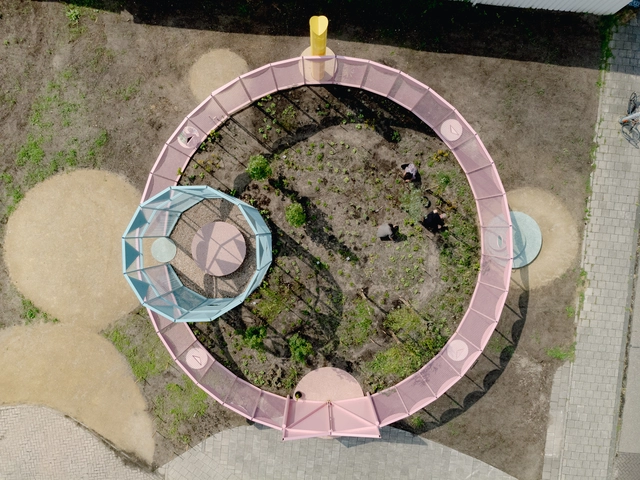
“Before Architecture, There Is Land”: In Conversation With Lynn Chamoun, Elias Tamer, Shereen Doummar, and Edouard Souhaid, Curators of the Lebanese Pavilion - Image 1 of 4“Before Architecture, There Is Land”: In Conversation With Lynn Chamoun, Elias Tamer, Shereen Doummar, and Edouard Souhaid, Curators of the Lebanese Pavilion - Image 2 of 4“Before Architecture, There Is Land”: In Conversation With Lynn Chamoun, Elias Tamer, Shereen Doummar, and Edouard Souhaid, Curators of the Lebanese Pavilion - Image 3 of 4“Before Architecture, There Is Land”: In Conversation With Lynn Chamoun, Elias Tamer, Shereen Doummar, and Edouard Souhaid, Curators of the Lebanese Pavilion - Image 4 of 4“Before Architecture, There Is Land”: In Conversation With Lynn Chamoun, Elias Tamer, Shereen Doummar, and Edouard Souhaid, Curators of the Lebanese Pavilion - More Images+ 2

Designing at the Edge: 8 Conceptual Projects Where Architecture Meets Nature from the ArchDaily Community

Subscriber Access | 

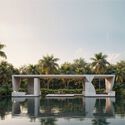
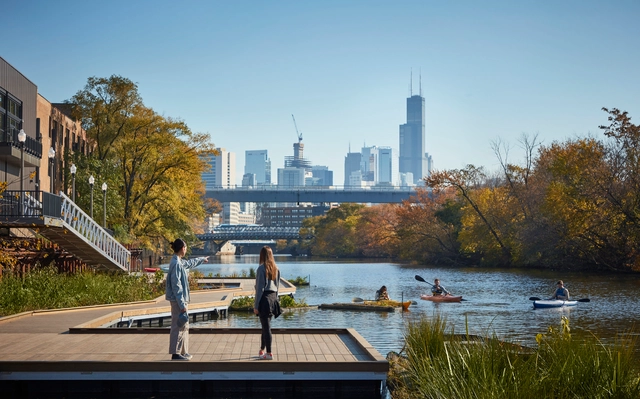
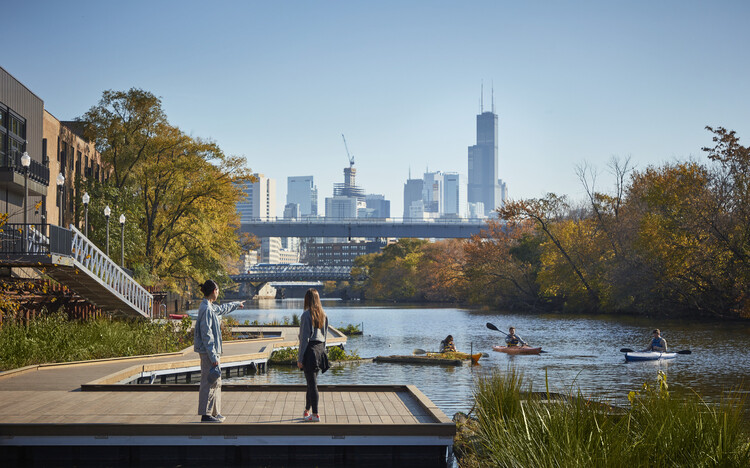
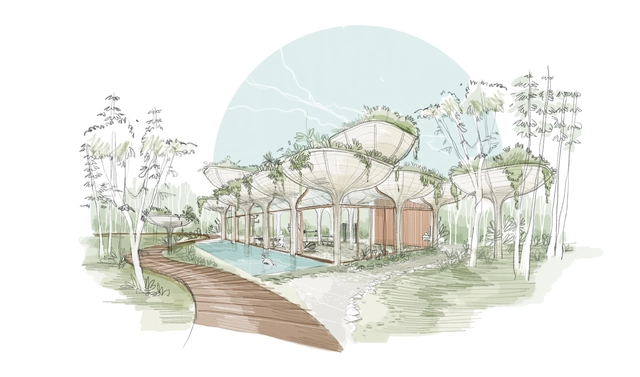
At a time when architectural practice is increasingly tied to climate and context, the boundary between the built and the natural has become a critical site of experimentation. This month's unbuilt selection gathers eight conceptual projects that work with the edges of landscape. In Ramia by João Teles Atelier, the architecture draws directly from the metaphor of a seed breaking through soil, using wood, concrete, and water to create a sensorial route through Tulum's ecology. Meanwhile, Mobius Pier by X Atelier loops gently over the river edge, becoming both infrastructure and observation point. Similarly, Il mare degli Umbri approaches the threshold differently, restoring the historic shoreline of Lake Trasimeno and reintroducing local wetland ecologies. Each project in this collection reflects a unique position: some treat the edge as a spatial experience, others as a regulatory line, and others still as a point of cultural or ecological return.

Canada Pavilion Presents Picoplanktonics, a Living Experiment in Regenerative Architecture at the 2025 Venice Biennale

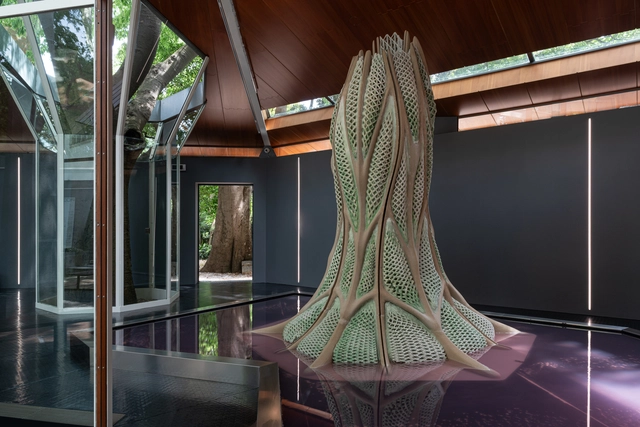
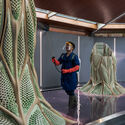
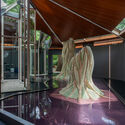
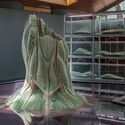
The Canada Council for the Arts presents Picoplanktonics at the Canada Pavilion as part of the 19th International Architecture Exhibition – La Biennale di Venezia, which will run until November 23, 2025. Developed by the Living Room Collective, the installation engages with ongoing global ecological challenges through a speculative, research-driven approach to design, featuring 3D-printed architectural structures embedded with living cyanobacteria capable of carbon sequestration. Developed through a four-year collaboration led by Andrea Shin Ling and a group of interdisciplinary contributors, the project investigates the potential of co-constructing built environments with living systems.

Canada Pavilion Presents Picoplanktonics, a Living Experiment in Regenerative Architecture at the 2025 Venice Biennale - Imagen 1 de 4Canada Pavilion Presents Picoplanktonics, a Living Experiment in Regenerative Architecture at the 2025 Venice Biennale - Imagen 2 de 4Canada Pavilion Presents Picoplanktonics, a Living Experiment in Regenerative Architecture at the 2025 Venice Biennale - Imagen 3 de 4Canada Pavilion Presents Picoplanktonics, a Living Experiment in Regenerative Architecture at the 2025 Venice Biennale - Imagen 4 de 4Canada Pavilion Presents Picoplanktonics, a Living Experiment in Regenerative Architecture at the 2025 Venice Biennale - More Images+ 9

Waterfronts, Heritage, and Innovation: Recent Highlights from BIG, Gehl, and More in Architecture Now

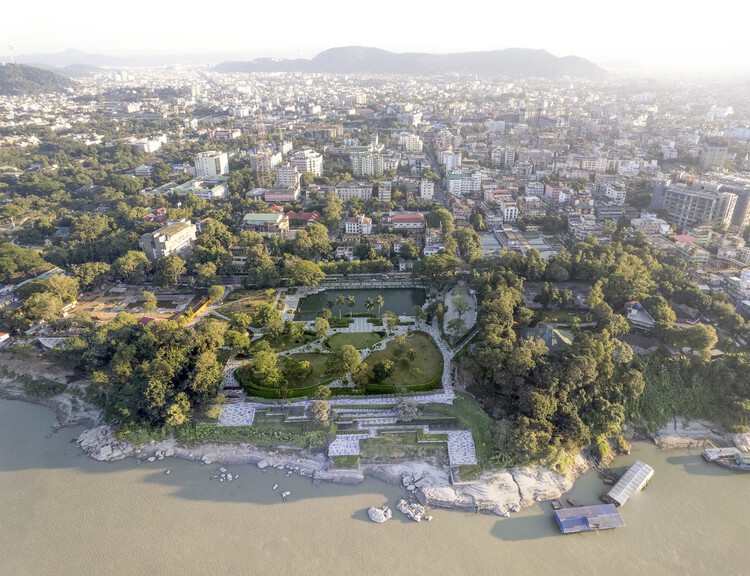
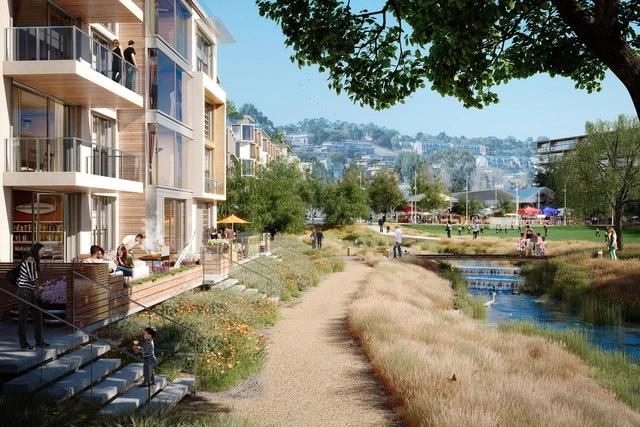
This month, architecture has addressed a wide array of themes, from preserving cultural heritage to designing for adaptability. Around the world, architects are responding to changing needs with solutions that aim to prioritize both functionality and the environment. Notable examples include Gehl, SOM, and Bionic's ambitious redevelopment of San Francisco's India Basin waterfront, which reimagines urban living in harmony with nature, and VOID Studios' collaboration on Kenya's Masai Mara Conservation Centre, a project deeply rooted in ecological and cultural sensitivity. Elsewhere, Nokken and BIG unveiled their "Softshell structure," offering a flexible option for hospitality and residential markets. Meanwhile, the transformation of The Raleigh in Miami Beach by Peter Marino aims to preserve the site's heritage while introducing new standards. These projects, among others, reflect the ever-evolving priorities of the field. Read on to discover the latest news shaping the architectural world.

Waterfronts, Heritage, and Innovation: Recent Highlights from BIG, Gehl, and More in Architecture Now - Image 1 of 4Waterfronts, Heritage, and Innovation: Recent Highlights from BIG, Gehl, and More in Architecture Now - Image 2 of 4Waterfronts, Heritage, and Innovation: Recent Highlights from BIG, Gehl, and More in Architecture Now - Image 3 of 4Waterfronts, Heritage, and Innovation: Recent Highlights from BIG, Gehl, and More in Architecture Now - Featured ImageWaterfronts, Heritage, and Innovation: Recent Highlights from BIG, Gehl, and More in Architecture Now - More Images+ 4

Generations of Change: Women Who Redefined Landscape Architecture

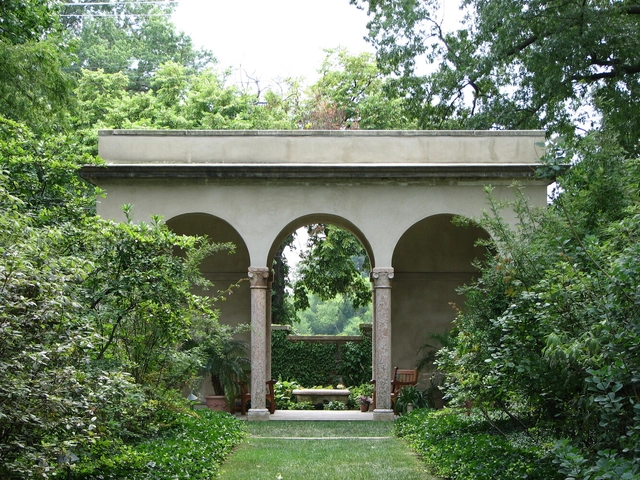
Women have played a pivotal role in the evolution of landscape architecture, overcoming the constraints of a male-dominated profession to introduce groundbreaking ideas and fresh perspectives. From early pioneers to contemporary leaders, their work has reshaped how we interact with public and private spaces, intertwining aesthetics, functionality, and sustainability in innovative ways.

In the late 19th and early 20th centuries, female landscape architects carved out their place in the profession, emphasizing harmony between built structures and natural landscapes. Their projects showcased a deep commitment to community and ecological balance, setting the stage for an inclusive and thoughtful approach to design that continues to inspire the field today.

Generations of Change: Women Who Redefined Landscape Architecture - Image 1 of 4Generations of Change: Women Who Redefined Landscape Architecture - Image 2 of 4Generations of Change: Women Who Redefined Landscape Architecture - Image 3 of 4Generations of Change: Women Who Redefined Landscape Architecture - Image 4 of 4Generations of Change: Women Who Redefined Landscape Architecture - More Images+ 31

"Architecture Is Not Just the Provision of Space:" Andrés Jaque on the Roles of Architecture in Louisiana Channel Interview

In the interview conducted by Louisiana Channel, architect Andrés Jaque discusses his foundational interest in architecture and his perspective on its role in shaping society. Jaque, founder of the Office for Political Innovation, emphasizes the creative potential of architecture to intervene in reality and reconnect all elements of the environment. He also goes into perspective on the political aspect of architecture, an interest from which the name of his office derives, as well as his perspectives on the true meaning of sustainability.

"Architecture Is Not Just the Provision of Space:" Andrés Jaque on the Roles of Architecture in Louisiana Channel Interview - Image 1 of 4"Architecture Is Not Just the Provision of Space:" Andrés Jaque on the Roles of Architecture in Louisiana Channel Interview - Image 2 of 4"Architecture Is Not Just the Provision of Space:" Andrés Jaque on the Roles of Architecture in Louisiana Channel Interview - Image 3 of 4"Architecture Is Not Just the Provision of Space:" Andrés Jaque on the Roles of Architecture in Louisiana Channel Interview - Image 4 of 4Architecture Is Not Just the Provision of Space: Andrés Jaque on the Roles of Architecture in Louisiana Channel Interview - More Images+ 3

MoMA's “Emerging Ecologies” Exhibition Explores the Ecolution of Environmental Architecture

The Museum of Modern Art New York has announced the opening of an exhibition focused on the first realized and unrealized projects that address ecological and environmental concerns. Featuring works by architects who practiced mainly in the United States from the 1930s through the 1990s, the exhibition titled “Emerging Ecologies: Architecture and the Rise of Environmentalism” is on view from September 17, 2023, through January 20, 2024. The over 150 works showcased reveal the rise of the environmental movement through the lens of architectural practice and thought.

MoMA's “Emerging Ecologies” Exhibition Explores the Ecolution of Environmental Architecture - Image 1 of 4MoMA's “Emerging Ecologies” Exhibition Explores the Ecolution of Environmental Architecture - Image 2 of 4MoMA's “Emerging Ecologies” Exhibition Explores the Ecolution of Environmental Architecture - Image 3 of 4MoMA's “Emerging Ecologies” Exhibition Explores the Ecolution of Environmental Architecture - Image 4 of 4MoMA's “Emerging Ecologies” Exhibition Explores the Ecolution of Environmental Architecture - More Images+ 12

The Bioclimatic Skyscraper: Kenneth Yeang's Eco-Design Strategies

Subscriber Access | 

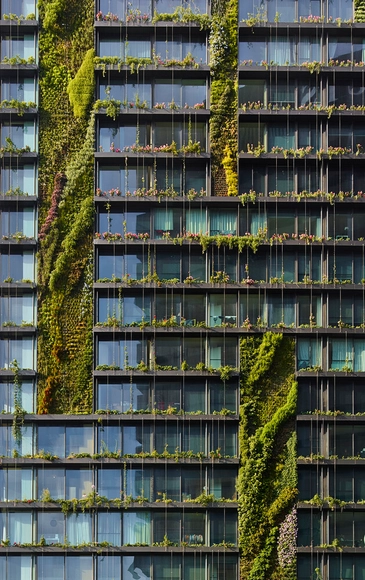
Rising over global cities, the modern skyscraper has long been a symbol of economic growth and environmental decline. For years, they have been reviled by environmentalists for being uncontrolled energy consumers. Malaysian architect Kenneth Yeang acknowledged the skyscraper as a necessity in modern cities and adopted a pragmatic approach to greening the otherwise unsustainable building typology. Yeang’s bioclimatic skyscrapers blend the economics of space with sustainability and improved living standards.

The Bioclimatic Skyscraper: Kenneth Yeang's Eco-Design Strategies  - Image 1 of 4The Bioclimatic Skyscraper: Kenneth Yeang's Eco-Design Strategies  - Image 2 of 4The Bioclimatic Skyscraper: Kenneth Yeang's Eco-Design Strategies  - Image 3 of 4The Bioclimatic Skyscraper: Kenneth Yeang's Eco-Design Strategies  - Image 4 of 4The Bioclimatic Skyscraper: Kenneth Yeang's Eco-Design Strategies  - More Images+ 2