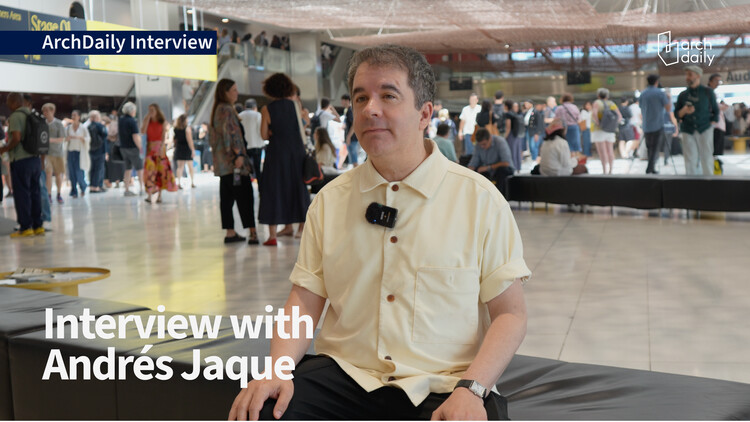
At the UIA World Congress of Architects 2026 in Barcelona, the theme Becoming. Architectures for a Planet in Transition framed architecture as a discipline operating within environmental, political, and social transformations rather than outside them. Among the speakers participating in this edition was architect Andrés Jaque, founder of the Office for Political Innovation and Dean of Columbia University's Graduate School of Architecture, Planning and Preservation (GSAPP). During the Congress, ArchDaily spoke with Jaque about architecture's capacity to generate alternatives, the role of experimentation in education, and why transition should be understood as a condition rather than a destination.
Andrés Jaque: The Latest Architecture and News
"Design Is Inseparable from Activism": In Conversation with Andrés Jaque at the UIA World Congress of Architects 2026
https://www.archdaily.com/1181438/design-is-inseparable-from-activism-in-conversation-with-andres-jaque-at-the-uia-world-congress-of-architects-2026Reyyan Dogan
UIA 2026 Barcelona Reveals Program Structured Around Six Thematic “Becomings”

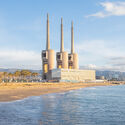
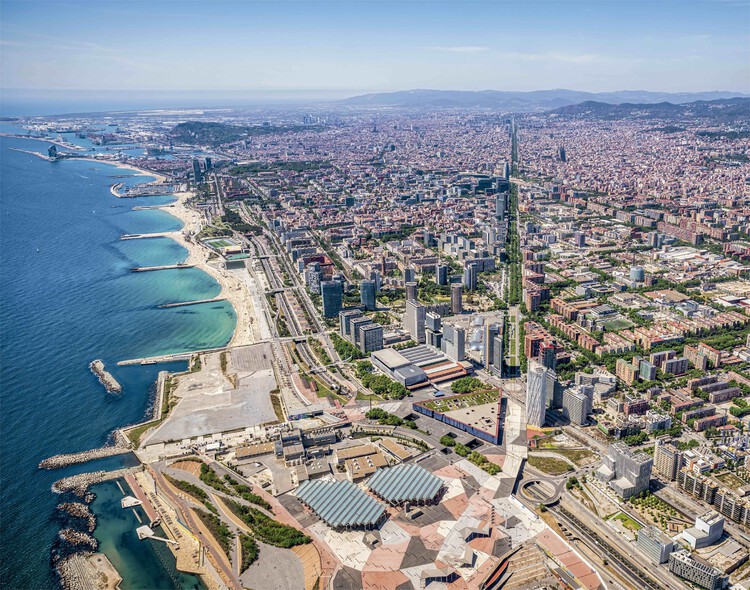
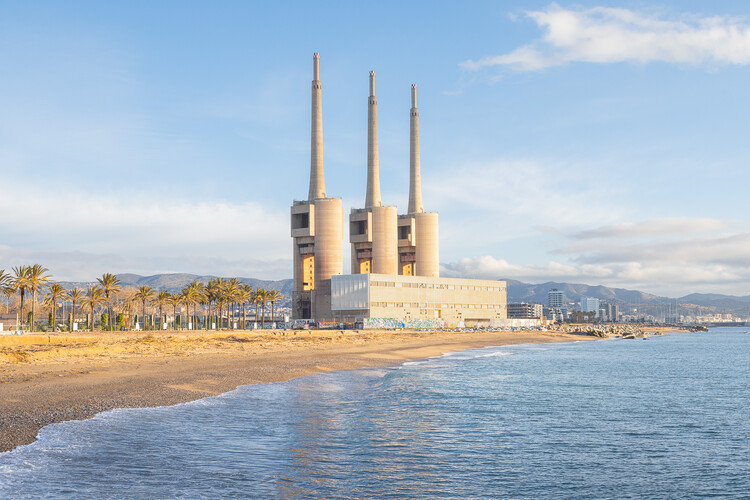
More than three decades after previously hosting the event, Barcelona is set to welcome the UIA World Congress of Architects 2026 Barcelona (UIA2026BCN), bringing the global architectural community back to the city between 28 June and 2 July 2026. Organized under the theme "Becoming. Architectures for a Planet in Transition," the Congress is expected to gather approximately 10,000 participants from over 130 countries, including practitioners, researchers, and students. Rather than being confined to a single venue, the event will unfold across multiple locations along the Mediterranean seafront, among them the Three Chimneys complex, positioning the city itself as an active platform for exchange, discussion, and public programming.
https://www.archdaily.com/1039827/uia-2026-barcelona-reveals-program-structured-around-six-thematic-becomingsReyyan Dogan
The UIA World Congress of Architects 2026 Barcelona Unveils Program and Speakers

The UIA World Congress of Architects is an international event for architectural dialogue organised by the International Union of Architects (UIA, by its French acronym), a non-governmental organisation that unites national associations of architects from over 100 countries, representing more than one million professionals. The first UIA Congress of Architects, which also marked the institution's founding, was held in Lausanne in 1948 during the post-war reconstruction period. Since then, UIA congresses have been held every three years in a different city within a member country, serving as the organisation's main recurring event. In 2026, the Congress will be held in Barcelona, and UNESCO has consequently designated the city as the World Capital of Architecture 2026. Each Congress focuses on a key topic relevant to the profession, articulated through a central theme. Recent themes include Copenhagen 2023: "Sustainable Futures. Leave no one behind." and Rio 2020–2021: "All the worlds. Just one World." The topic for 2026 is "Becoming. Architectures for a Planet in Transition," welcoming renowned figures in contemporary architectural thought and practice for a broad and critical overview of the possible futures of architecture.
https://www.archdaily.com/1037302/the-uia-world-congress-of-architects-2026-barcelona-unveils-program-and-speakersAntonia Piñeiro
Ammodo Architecture Awards 2025 Announces 26 Recipients for Socially and Ecologically Responsible Design
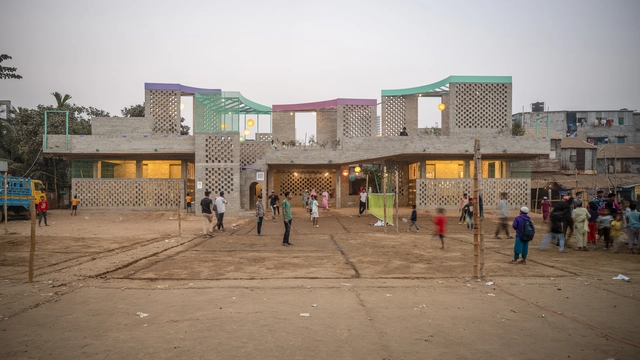
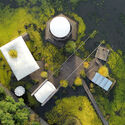
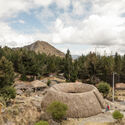
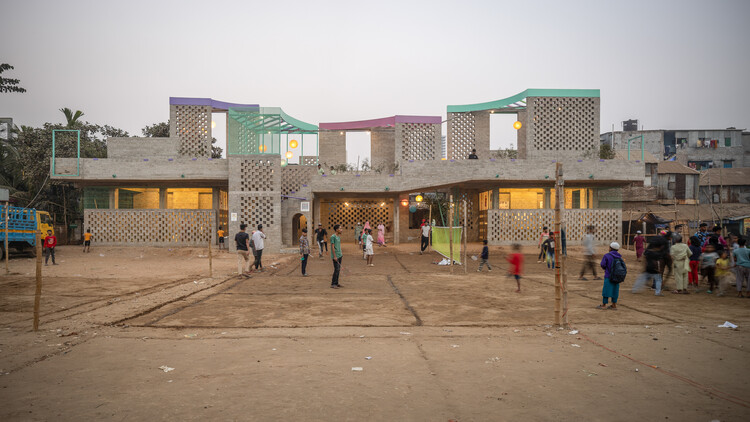
The second edition of the Ammodo Architecture Award has recognized 26 recipients for their contributions to socially and ecologically responsible design. Selected from 168 submissions spanning over 60 countries, the laureates represent a wide range of practices, from established offices to emerging collectives and community-led initiatives. Each recipient receives a grant ranging from €10,000 to €150,000 to support the continued development of their projects. Beyond recognition and financial support, the Ammodo Architecture initiative also functions as a knowledge platform, connecting awardees across regions and facilitating the exchange of ideas on key themes identified by the advisory committee.


https://www.archdaily.com/1035920/ammodo-architecture-awards-2025-announces-26-recipients-for-socially-and-ecologically-responsible-designReyyan Dogan
Beyond the Prize: Set in Venice, a New Discussion Forum Explores the Meaningful Impact of Architecture Awards
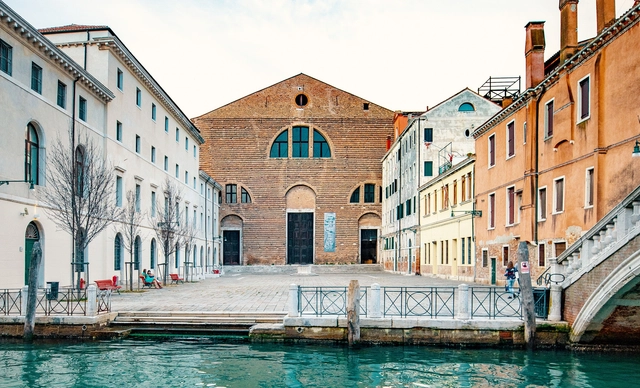
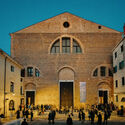
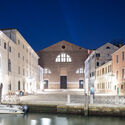
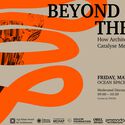
A moderated discussion hosted by the Aga Khan Award for Architecture, the Holcim Foundation Awards, the EUmies Awards, the Mies Crown Hall Americas Prize, the OBEL Award, and the Ammodo Architecture Award will take place in Venice during the opening week of the 19th Architecture Biennale. This consortium of six architecture awards, alongside international architects associated with the prizes, will gather on Friday, May 9, 2025, at TBA21–Academy's Ocean Space to discuss the overarching impact of architecture awards and their potential to promote meaningful change. Titled "Beyond the Prize," the event aims to critically reflect on these awards' purpose, trajectory, and potential in the face of contemporary social and environmental challenges.


https://www.archdaily.com/1028762/beyond-the-prize-set-in-venice-a-new-discussion-forum-explores-the-meaningful-impact-of-architecture-awardsAntonia Piñeiro
"Architecture Is Not Just the Provision of Space:" Andrés Jaque on the Roles of Architecture in Louisiana Channel Interview
In the interview conducted by Louisiana Channel, architect Andrés Jaque discusses his foundational interest in architecture and his perspective on its role in shaping society. Jaque, founder of the Office for Political Innovation, emphasizes the creative potential of architecture to intervene in reality and reconnect all elements of the environment. He also goes into perspective on the political aspect of architecture, an interest from which the name of his office derives, as well as his perspectives on the true meaning of sustainability.

https://www.archdaily.com/1020834/architecture-is-not-just-the-provision-of-space-andres-jaque-on-the-roles-of-architecture-in-louisiana-channel-interviewMaria-Cristina Florian
Madrid Architecture City Guide: 27 Brutalist and Contemporary Attractions to Explore in the Spanish Capital
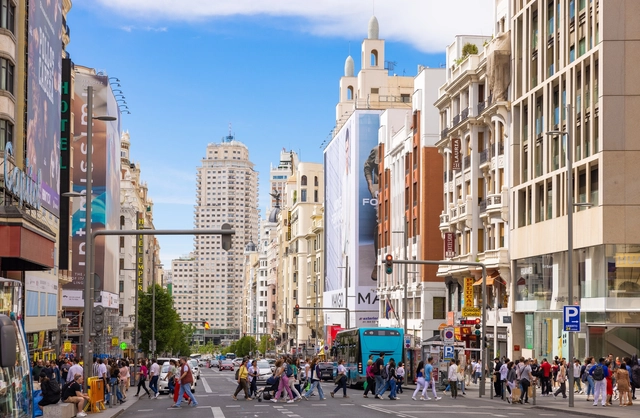
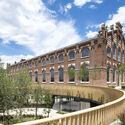
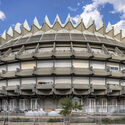
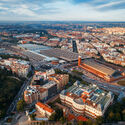
Madrid, the vibrant capital of Spain, offers a blend of tradition and modernity, reflected in its diverse architectural heritage. This rich past is etched into the old façades, expansive public spaces, and historic religious institutions that define much of Madrid’s character today. The city’s continuous architectural renewal, reflected in both respectful restorations and innovative new constructions, highlights Madrid’s commitment to preserving its heritage while embracing modernity.
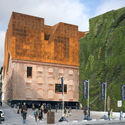
In the 20th century, Madrid embraced modernity, influenced by movements such as Rationalism, the International Style, and Brutalism. Today, Madrid is a showcase for contemporary design, where contemporary projects by renowned architects coexist with its historical legacy. Structures like the CaixaForum by Herzog & de Meuron and Jean Nouvel’s Reina Sofía Museum exemplify the city’s interest in architectural explorations

https://www.archdaily.com/157900/architecture-city-guide-madridMaria-Cristina Florian
Breaking the Standards: 10 Architects Who Are Daring in their Color Palettes
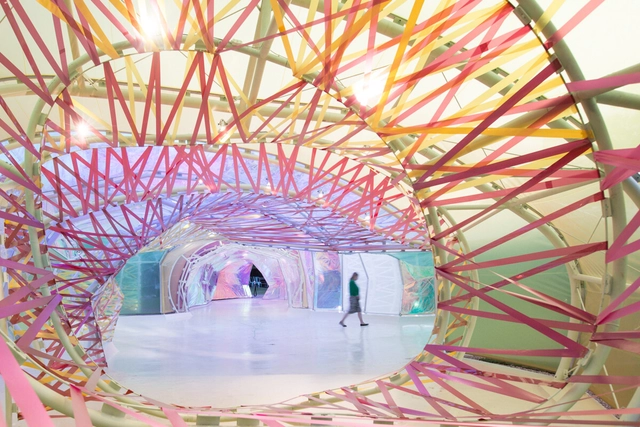
Colors are much more than just aesthetics. They can tamper with the sensations a space conveys, how we perceive the environment, and even comfort issues. With so many factors that they can influence, using them is not an easy task, and that is why many architects choose to stick with the classic white, grayscale, or even exposed materials to avoid any possible visual conflict. However, some architectural practices dare to use bold color palettes and create unique works that stand out precisely because of how colors help compose the project.


https://www.archdaily.com/1005481/breaking-the-standards-10-architects-who-are-daring-in-their-color-palettesArchDaily Team
Shininess Explored: Andrés Jaque / Office for Political Innovation's Installation at the 2023 Venice Architecture Biennale
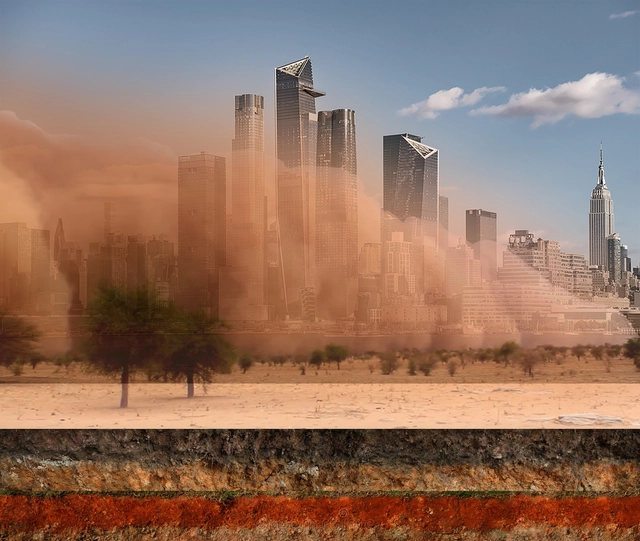
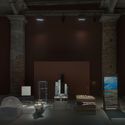
The Office for Political Innovation, led by Andrés Jaque, collaborated with a network of activists and community representatives from Xholobeni (South Africa), experts in seismographs and transduction from Poland, researchers, sound editors, and prop makers to bring a research-based installation at the Arsenale of the 18th Venice Architecture Biennale. Titled ‘XHOLOBENI YARDS. Titanium and the Planetary Making of SHININESS / DUSTINESS,’ the intervention addresses architecture’s problematic fascination with shininess.


https://www.archdaily.com/1001862/shininess-explored-andres-jaque-office-for-political-innovations-installation-at-the-2023-venice-architecture-biennaleMaria-Cristina Florian
Andrés Jaque's Rambla Climate-House and TO studio's Khitara Music Public Kiosk Win the Simon Architecture Prize 2022
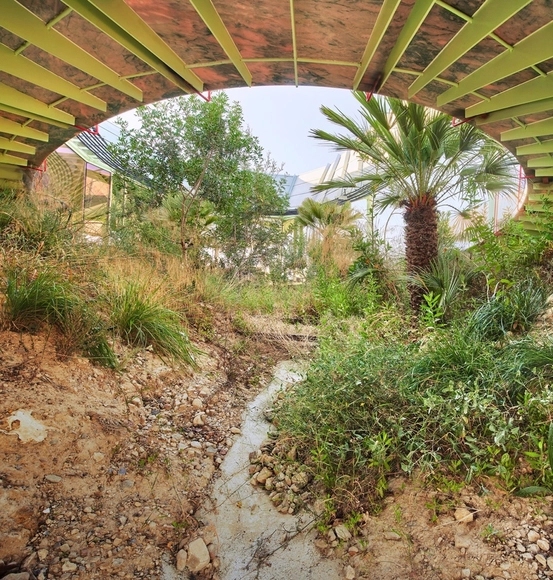
On February 15, 2023, the Living Places / Simon Architecture Prize 2023 award ceremony was held in Barcelona. An initiative by Simon, with the support of the Fundació Mies van der Rohe, the prize seeks to recognize excellence in architecture from the perspective of the inhabitant. In fact, "it distinguishes those works which strengthen the ability of adaptability of spaces to reach comfort and well-being to its residents".
https://www.archdaily.com/996576/andres-jaques-rambla-climate-house-and-to-studios-khitara-music-public-kiosk-win-the-simon-architecture-prize-2022Fabian Dejtiar
Andrés Jaque Named Dean of Columbia GSAPP
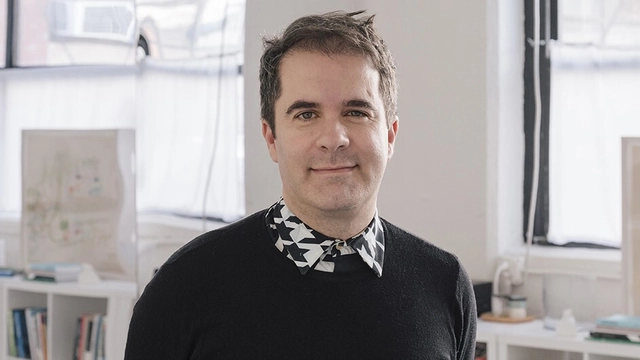
Andrés Jaque has been appointed as the new dean of the Columbia University Graduate School of Architecture, Planning and Preservation (GSAPP). Having taught at Columbia since 2013 and directed the School’s Master of Science program in Advanced Architectural Design since 2018, Jaque will assume his position on September 1, 2022.
https://www.archdaily.com/987540/andres-jaque-named-dean-of-columbia-gsappNicolás Valencia
"Bodies of Water": PSA Announces the Theme for the 13th Shanghai Biennale
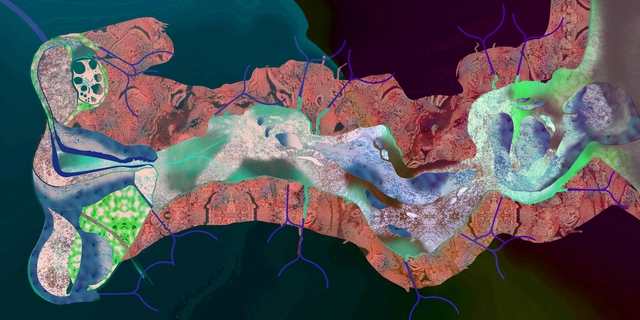
Power Station of Art (PSA) has announced the curatorial team and theme for the 13th Shanghai Biennale, proposed by its Chief Curator, the architect and writer Andrés Jaque (Office for Political Innovation).
https://www.archdaily.com/941137/psa-announces-theme-for-the-13th-shanghai-biennale韩爽
PHANTOM. Mies as Rendered Society by Andrés Jaque recently acquired by the Art Institute of Chicago
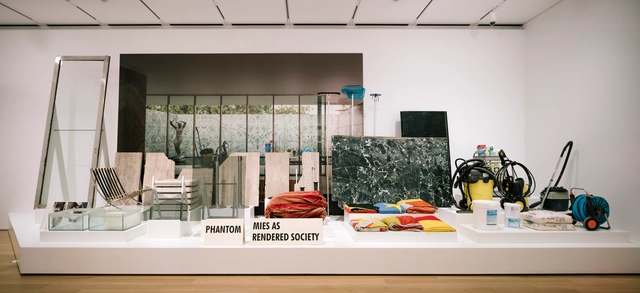
PHANTOM. Mies as Rendered Society is a provocative site-specific intervention developed by Andrés Jaque for the Ludwig Mies van der Rohe–designed Barcelona Pavilion in 2012 and recently reconceived and acquired by the Art Institute of Chicago.
This installation aims to unravel the myth of Mies van der Rohe as a solitary genius. Fundació Mies commissioned Andrés Jaque in 2012 to create a site-specific intervention in Mies’s most famous building, the Barcelona Pavilion. The original Pavilion of 1929 was reconstructed in 1986 with the fundamental addition of a basement. Jaque’s installation focused on this lower level, which was an overlooked yet significant part of the building, introducing new questions for contemporary scholarship about Mies.
https://www.archdaily.com/928135/phantom-mies-as-rendered-society-by-andres-jaque-recently-acquired-by-the-art-institute-of-chicagoAAA
Andrés Jaque Appointed as New Director of Advanced Architectural Design Program at Columbia GSAPP
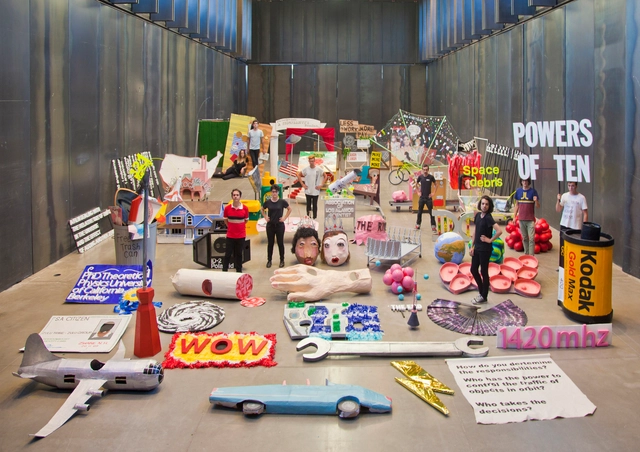
Dean Amale Andraos of the Columbia GSAPP has announced the appointment of Andrés Jaque as the new Director of the Master of Science in Advanced Architectural Design program (AAD). Jaque is the founder of the Madrid-based Office for Political Innovation and has been teaching advanced design studios at Columbia GSAPP since 2013.
On June, 1, Jaque will succeed Associate Professor Enrique Walker, who directed the program from 2008 to 2018. "I’m very thankful for the rigorous vision and dedication that Walker has brought to the program during his directorship," acknowledged Andraos. "Enrique established a strong legacy of bringing experimental approaches to research and design and built a program that is firmly grounded in forming positions through design," added.
https://www.archdaily.com/895267/andres-jaque-appointed-as-new-director-of-advanced-architectural-design-program-at-columbia-gsappNicolás Valencia
Andrés Jaque Presents a New Version of The Popular TV Show 'Sex and the City'
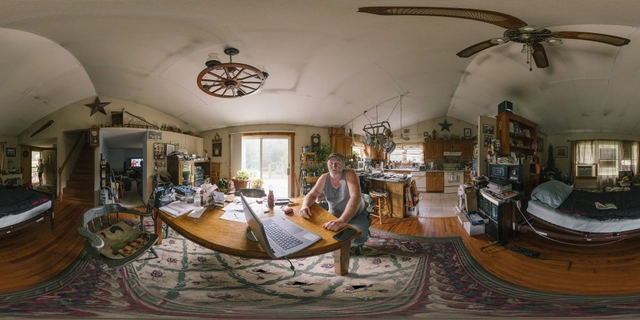
Storefront for Art and Architecture in 97 Kenmare St, New York, opened yesterday “Sex and the So-Called City,” an alternative version of Sex and the City (SATC) made by the architect Andrés Jaque / Office for Political Innovation with Miguel de Guzmán (Imagen Subliminal) on occasion of the show’s 20th anniversary.
https://www.archdaily.com/888092/andres-jaque-presents-a-new-version-of-the-popular-tv-show-sex-and-the-cityFernanda Amaro
Call for Papers: Bracket [On Sharing]
![Call for Papers: Bracket [On Sharing] - Featured Image](https://snoopy.archdaily.com/images/archdaily/media/images/5a67/49f0/f197/cc69/0100/03b7/slideshow/open-uri20180123-21405-bbfo4v.jpg?1516718559&format=webp&width=640&height=580)
Sharing is one of the humanity’s most basic traits; we intrinsically recognize the benefits of pooling resources within a community in order to take advantage of varied abilities and access in order to fulfill needs. Sharing is the key driver behind civilization’s move towards collective living – first in small settlements and eventually in megalopoleis. The impact of sharing goes beyond simply satisfying the necessities for survival and extends itself into the social and cultural dimensions of our communities. In constructing an urban commons, composed of collectively managed and shared resources, we shape our physical, social, and cultural environments to achieve some degree of shareabilty – whether of goods, services, or experiences.
https://www.archdaily.com/887608/call-for-papers-bracket-on-sharingRene Submissions
Andrés Jaque: "Architecture Is Always Political"
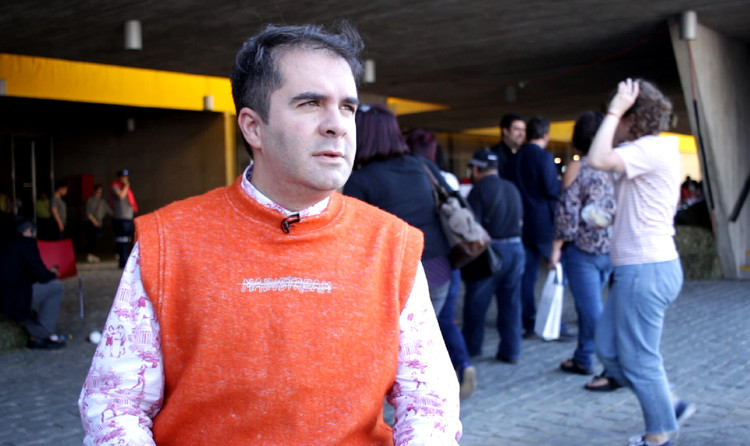
In the context of the XX Biennial of Architecture and Urbanism in Chile, we spoke with the Spanish architect Andrés Jaque, founder of the Office for Political Innovation. In a conversation named Lucha Libre Jaque argued that "all architects are politicians" by default and the real question is what forms of policy we are willing to defend.


https://www.archdaily.com/882524/andres-jaque-architecture-is-always-politicalNicolás Valencia
2016 Kiesler Architecture and Art Prize Awarded to Andrés Jaque
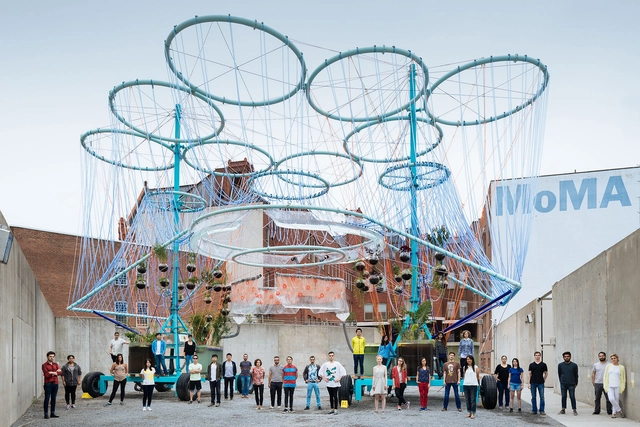
Spanish, New York-based architect Andrés Jaque (Office for Political Innovation) has been awarded the 10th Kiesler Architecture and Art Prize by the Mayor of Vienna, citing Jaque’s "capacity to go beyond assumptions about traditional practice and urban life." In 2015 Jaque was declared the MoMA PS1 YAP (Young Architects Programme) winner for COSMO – a complex, and beautiful, water purifying prototype that has been installed in Brooklyn. He and his office are also collaborating with Mark Wigley and Beatriz Colomina on the design for the upcoming Istanbul Design Biennial, Are We Human?
https://www.archdaily.com/789691/2016-kiesler-architecture-and-art-prize-awarded-to-andres-jaqueJames Taylor-Foster