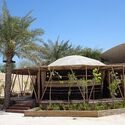
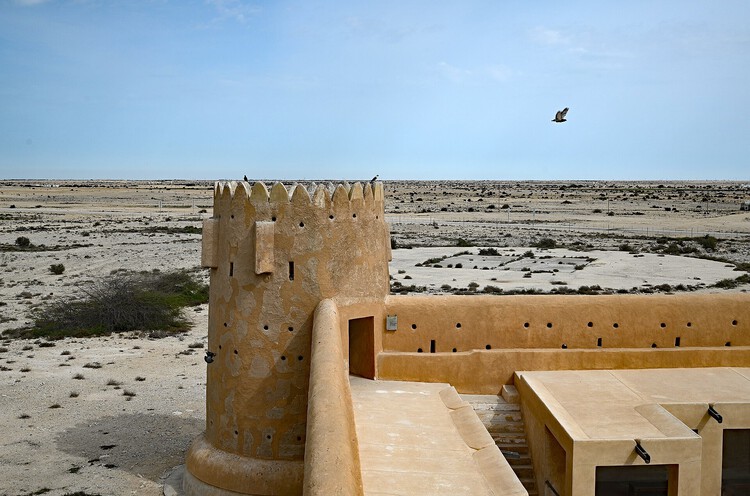
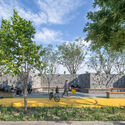
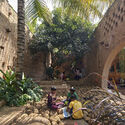
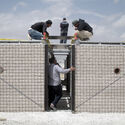
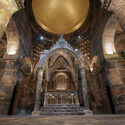
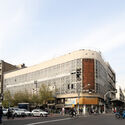
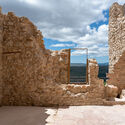
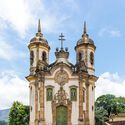
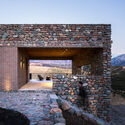
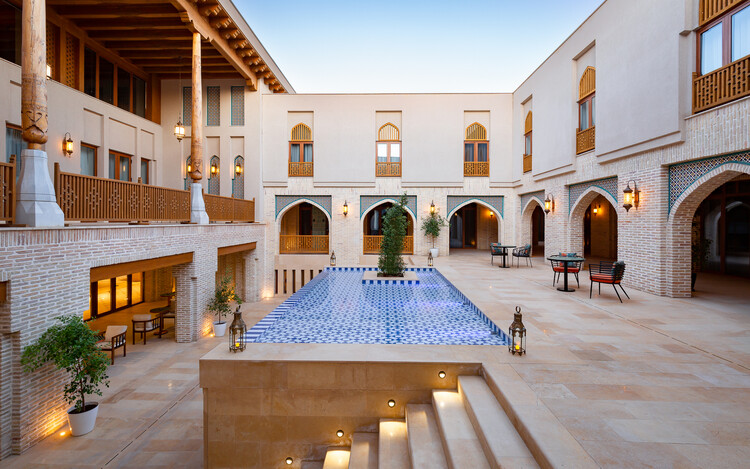
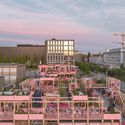
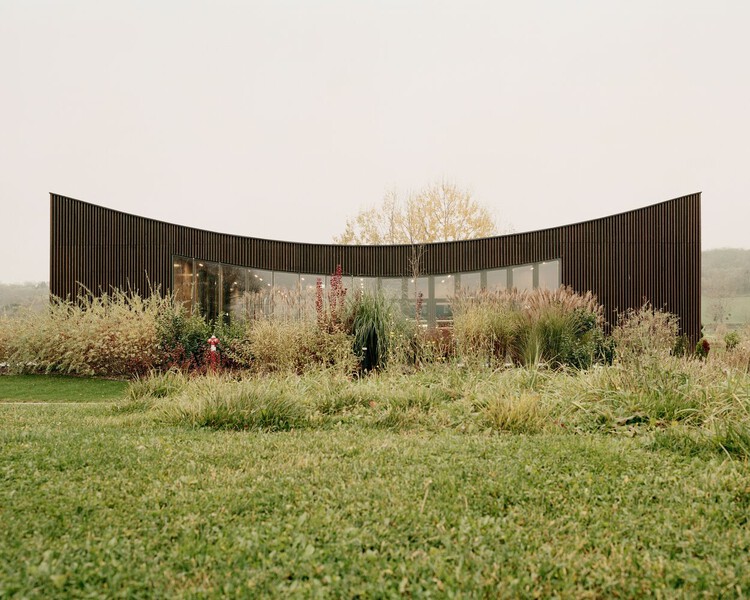
Home could extend between several places occupied at different points in the year. It extended across a larger geography of places that were left and returned to through the year. Many contemporary Gulf developments now attempt to bring contrasting climatic and spatial conditions into the same permanent urban system.
Every year on September 21, the United Nations marks the International Day of Peace, an observance that invites global reflection on the conditions necessary to cultivate non-violence, social stability, and human dignity. Under the 2026 theme, "Invest in Peace – For Everyone, Everywhere, Every Day," the international body emphasizes that peace is neither static nor self-sustaining. Rather than an abstract condition defined solely by diplomatic agreements, peace operates as an ongoing social process, shaped by economic equity, institutional integrity, and the quality of civic life across communities.
Nestled at the foot of the Alborz mountain range, Tehran grows beneath a ridge that protects and suffocates it at the same time. The same landscape that blocks the winds and traps pollution over the city also holds, along its slopes, centuries of disputes over this strategic territory. It is a capital built on unstable ground, both geologically and politically. Active seismic faults run beneath its avenues, while above them accumulate the traces of successive reconstructions, demolitions, and forced reinventions. Thus, the city continues to expand, a silent witness to a country that, for more than two centuries, has constantly negotiated between memory and erasure.
In broad terms, a structure is a testament to its time. An architectural project's proposal and material scale often exceed the lifespan of a single human being, becoming, in this way, part of a historical narrative. This cross-cutting characteristic is particularly evident in specific project typologies: memorial sites, cemeteries, museums, and even educational and community centers. Lately, this value has extended not only to buildings but also to construction techniques, ancestral forms and geometries, and to nature itself. This historical value and its symbolic connotation are represented in this selection of five buildings designed by ArchDaily readers, still unbuilt, in Kosovo, Canada, China, Egypt, and Bangladesh.
Generally, it is specialist professionals who hold the decision-making power—be they historians, museologists, architects, or geographers. But on what basis are these decisions made? Can the complexity of history fit into a checklist? Or, even more fundamentally, on which version of history are these decisions being based?
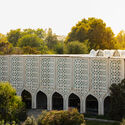
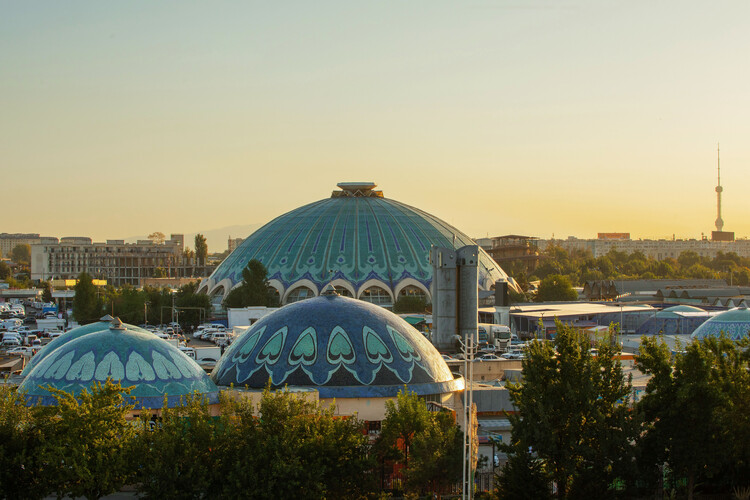
Amid the transformation of Uzbekistan's cities, ARC Architects develops an architecture that seeks to connect past and present. Founded in 2017 by Bobir Klichev, the studio emerged from Bukhara's architectural community and remains closely connected to the country's cultural and climatic particularities. With offices in Tashkent and Bukhara, ARC combines minimalism and ethnic references to develop a contemporary language rooted in its context.
Rather than reproducing a traditional image of Uzbek architecture, the studio seeks to understand how this heritage can be reinterpreted today, an exercise that necessarily engages with the overlapping historical layers across the country. For centuries, cities such as Samarkand and Bukhara were important commercial and cultural centers of Central Asia. Their architecture developed around inner courtyards and narrow streets, forming urban fabrics in which buildings and collective spaces are inseparable.
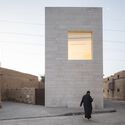
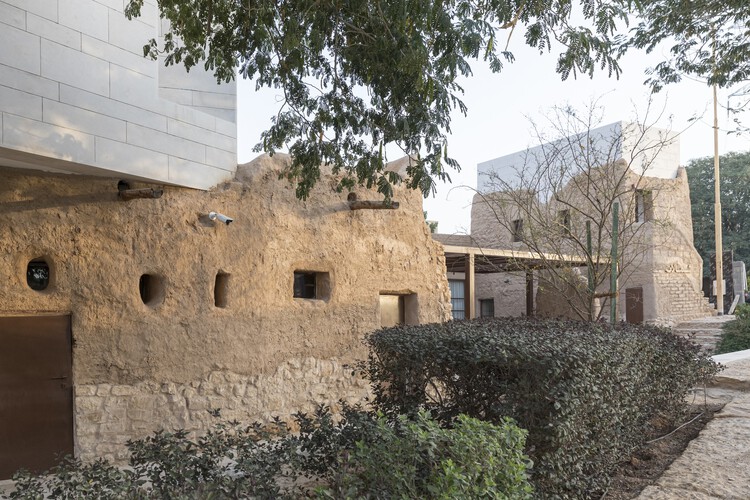
As Saudi Arabia's cities expand through increasingly ambitious cultural projects, Syn Architects has spent much of its practice looking at what predates that transformation. The practice's participation in the 2025 Venice Architecture Biennale grew out of years spent documenting Najdi architecture, disappearing urban fabric, local materials and inherited forms of knowledge. For Syn, heritage becomes useful when it can be documented, tested and brought back into use.
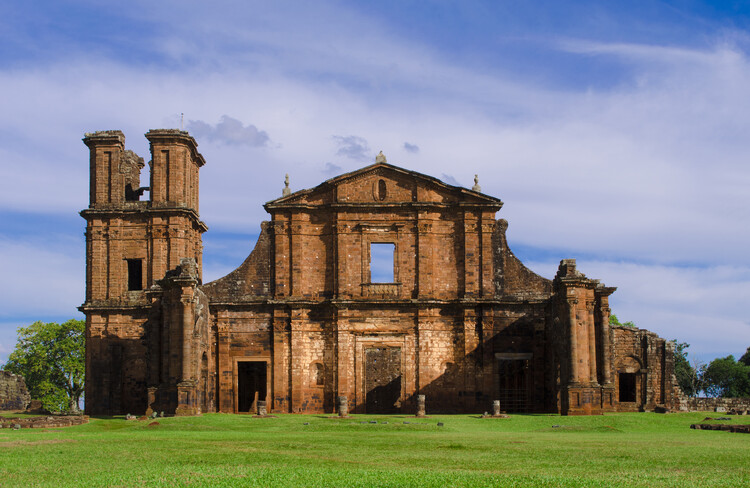
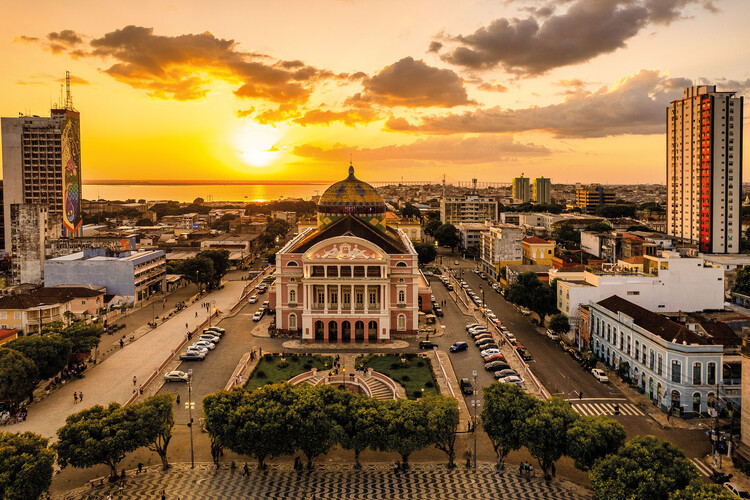
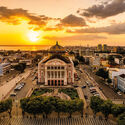
Architecture in Brazil this month highlights the country's diverse approaches to cultural production, heritage, and the transformation of its built environment. From the curatorial formation of the 15th São Paulo International Architecture Biennial to the recognition of Amazonia Theaters on the UNESCO World Heritage List, recent developments bring questions of representation, preservation, and cultural identity into focus. New projects in Rio de Janeiro, São Paulo, and Rondônia meanwhile explore adaptive reuse, relationships between architecture and landscape, and new approaches to materiality and sustainability. Alongside these developments, ongoing discussions surrounding Fordlândia and the archive of Lucio Costa revisit how Brazil's architectural heritage is preserved, interpreted, and understood today.
Hungary's architectural landscape spent the socialist decades being redrawn from above, its cooperative farms consolidated out of family plots and its standardized housing blocks distributed across the territory in a form that would have been identical anywhere else. The sociologist Virág Molnár, whose Building the State traces the political uses of architecture in postwar Hungary and East Germany, has made the case that this reshaping of the built environment was one of the political project's primary instruments and not a byproduct of it, a mobilization that carried through socialist modernization and into the transition that followed. The British critic Owen Hatherley, whose Landscapes of Communism explores the housing estates of Budapest alongside those of Warsaw and Kyiv, describes the far end of that same inheritance, where buildings have outlasted the ideology that commissioned them and remain occupied by people with little stake in defending the reasoning behind them.
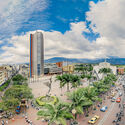
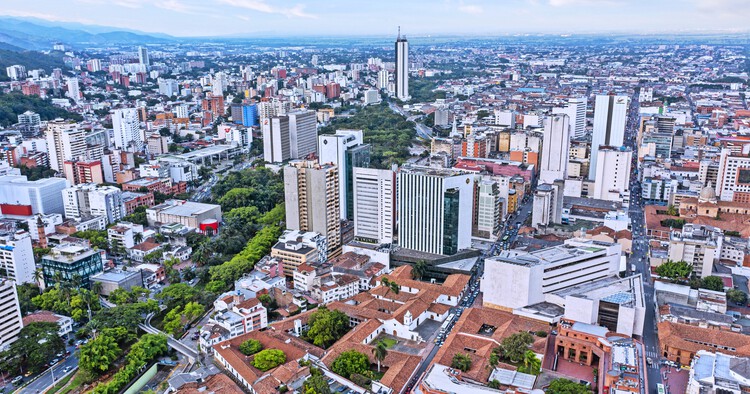
On Monday, 10 August 2026, a magnitude 7.4 earthquake struck Colombia's Pacific and Caribbean coasts. While the seismic event lightly affected the southern border of Panama and the northern border of Ecuador, Colombia has declared a national state of emergency. The earthquake has caused 111 deaths according to official reports, with the toll expected to rise as search and rescue efforts continue. According to the Servicio Geológico Colombiano (SGC), the epicentre was located 96 kilometres beneath the surface near San José del Palmar, a rural area in the northwest of the Chocó province. Infrastructure damage extends to densely populated cities including Cali, Pereira, Manizales, and Armenia, affecting an area with a population of about 3.5 million people. This seismic event follows four others that occurred less than two months ago in Japan, the United States, and Venezuela, adding to reconstruction efforts already underway worldwide.
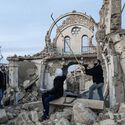
A war can erase a skyline overnight. Roofs collapse, streets become impassable, and landmarks that once oriented everyday life are reduced to rubble. The most profound loss often remains invisible. Buildings can be surveyed, photographed, scanned, and, eventually, rebuilt. The knowledge that produced them is far more fragile. It survives in the hands of stonemasons who understand how a limestone vault carries its load, carpenters who know how timber joints respond to seasonal movement, plasterers who mix lime by memory rather than measurement, and residents whose everyday rituals keep these buildings in use. When these people are displaced, killed, or forced to abandon their trades, reconstruction inherits a problem that no drawing or digital model can solve. Stone can always be quarried again. Recovering the knowledge to shape it takes much longer.
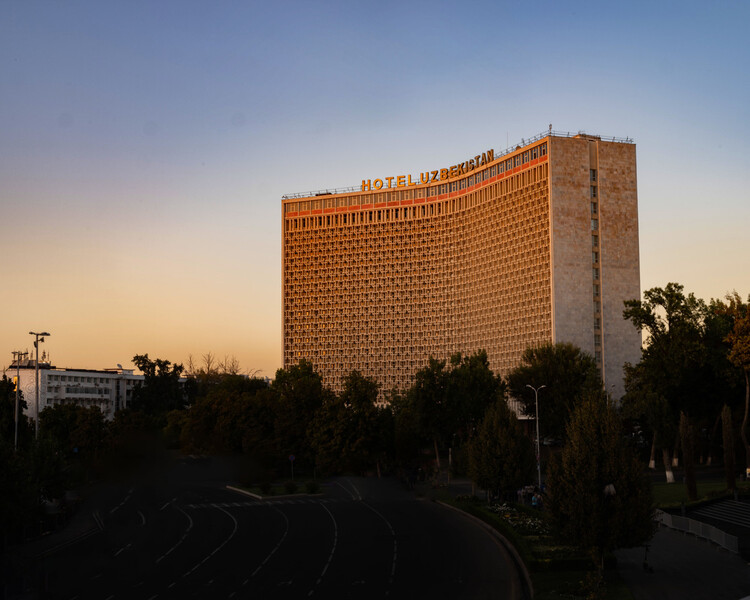
This decision, however, points to a challenge shared by almost every heritage system worldwide: how to legally protect architecture that has not yet reached the minimum age—formal or informal—to be considered "historic"?
The UNESCO World Heritage Committee has announced 25 new inscriptions to the World Heritage List during its 48th session, expanding the international register with sites that reflect a wide range of architectural, cultural, and natural heritage. The 2026 additions include 19 cultural properties, five natural sites, and one mixed property, alongside approvals for two significant boundary modifications and one revision to the criteria of an existing inscription. Spanning every inhabited continent, the newly recognized places range from archaeological landscapes and historic urban centers to modernist architecture and industrial heritage, underscoring the diversity of the built environment and the evolving scope of heritage conservation.
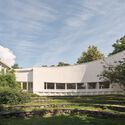
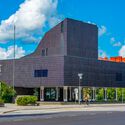
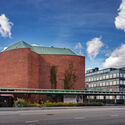
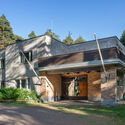
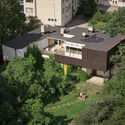
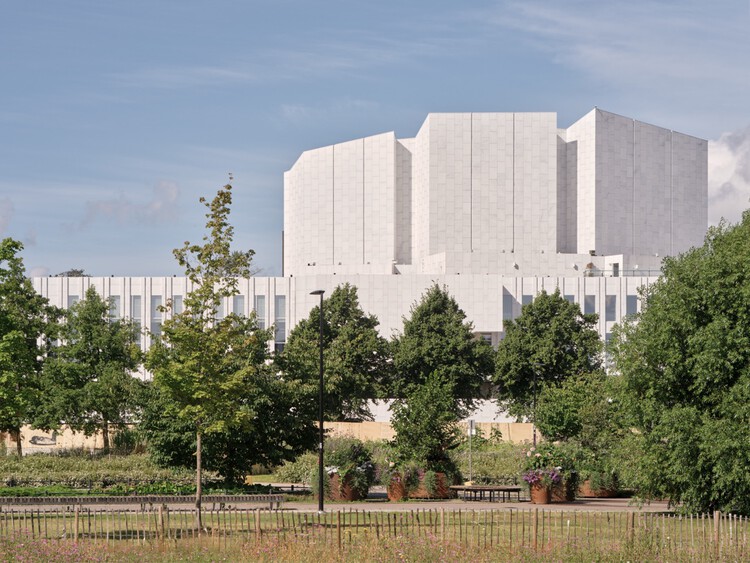
The UNESCO World Heritage Committee has inscribed Aalto Works, a collection of thirteen buildings and architectural ensembles across Finland designed by Aino Marsio-Aalto, Elissa Aalto, and Alvar Aalto, on the UNESCOWorld Heritage List. The designation recognizes the international significance of a body of work that helped redefine modern architecture through a human-centered approach, emphasizing the relationship between buildings, everyday life, nature, and social well-being. Spanning projects completed between the late 1920s and the 1980s, the series represents Finland's contribution to the Modern Movement while acknowledging the collaborative practice of the Aaltos and their studio.
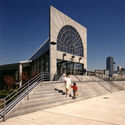
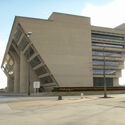
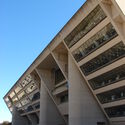
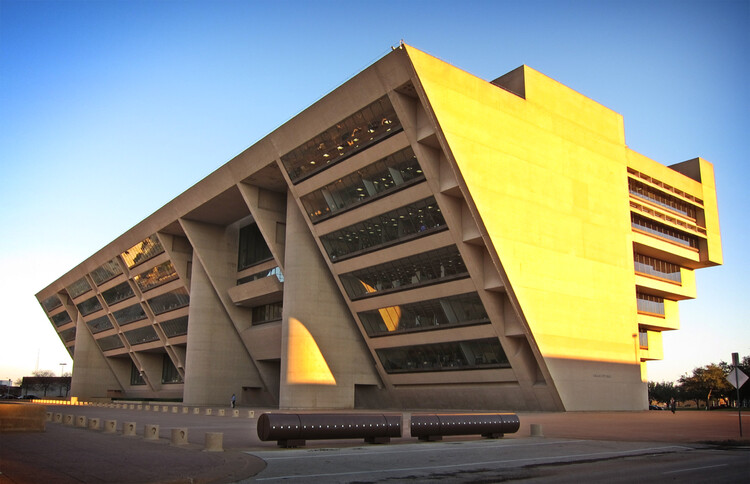
Since August 2025, debate has intensified in Dallas, United States, over the future of one of its modern landmarks: I.M. Pei & Partners' Dallas City Hall. As of today, the Dallas City Council will continue weighing whether to repair, sell, or demolish the 47-year-old building, following growing concerns over long-deferred maintenance and the need for major investment. In late October 2025, council members began public listening sessions and committee meetings to gather resident input. Preservationists and some council members urged a full study of repair options and historic landmarking, while others emphasized fiscal and operational concerns. Since then, the Dallas City Council has been looking for a new building to relocate to, without formally deciding on the demolition.
Supporters of preservation stress the building's civic and architectural significance, while those advocating for demolition point to high maintenance costs and the redevelopment potential of the centrally located site. A petition to "Save Dallas City Hall," calling on council members to halt demolition plans and commission a transparent renovation study, remains open for signatures. Meanwhile, the mayor has said he wants to review all the facts before taking a position on whether the city should relocate or invest in repairs. On the occasion of the 250th anniversary of the United States' Declaration of Independence, the World Monuments Fund included the building on the "Irreplaceable America" list, spotlighting urgent preservation needs. The case adds to the growing list of modernist icons worldwide facing uncertain futures, sparking broader cultural debates about civic heritage and public infrastructure.
Architecture this week looked as much to the past as to the future. Across museums, restored landmarks, and large-scale urban redevelopments, the featured stories explored how architecture is continually reinterpreted through new cultural, political, and urban lenses. From reconsidering the architectural legacy of post-independence West Africa to transforming former prisons into energy-neutral neighborhoods and restoring twentieth-century cultural landmarks, the projects demonstrate how existing buildings and histories remain active participants in contemporary discourse. Alongside these interventions, the announcement of the World Architecture Festival shortlist and renewed attention to global urban growth provide a broader picture of a profession negotiating heritage, environmental responsibility, and rapidly changing cities.
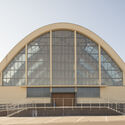
In June 2026, the refurbished Teatro Mauri reopened its doors on Cerro Bellavista in Valparaíso, formerly Chile's main port. The building forms part of Latin America's modernist legacy and stands adjacent to La Sebastiana, one of the renowned residences of the poet Pablo Neruda. It was designed by architect Alfredo Vargas Stoller, author of other icons of modern architecture in Valparaíso, such as the Edificio Cooperativa Vitalicia and the Conjunto de Viviendas Vargas in Viña del Mar. Teatro Mauri opened in 1951 as a venue for performances and cinema. Following a fire in the early 1990s, it fell into disrepair, serving only sporadically as a venue for local parties and events. In 2015, it was purchased by the Sociedad Chilena de Autores e Intérpretes (SCD), which commissioned its restoration from architects Laura Garrido and Gregorio Garretón.