1. ArchDaily
  2. Tradition

Tradition: The Latest Architecture and News

Rugs as Woven Memory: How Origin and Materiality Shape Interiors

 | In Collaboration

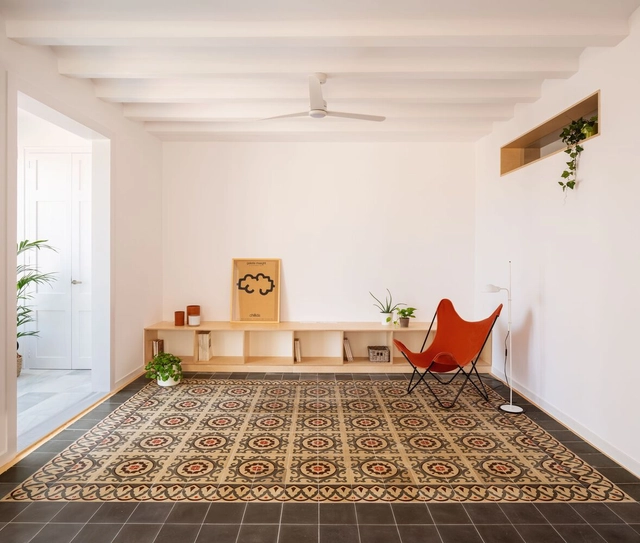
Materials can carry memory. They do more than finish a space; they can anchor it, shape atmosphere, and connect interiors to broader cultural and material narratives. Some architects and designers explore local techniques, natural resources, and craft traditions to balance cultural preservation with modern functionality, introducing context and depth. This is not necessarily a return to the past, but a reinterpretation of inherited knowledge to create architecture that resonates with contemporary needs.

The Intelligence of What Remains: On Archiving and Architectural Knowledge

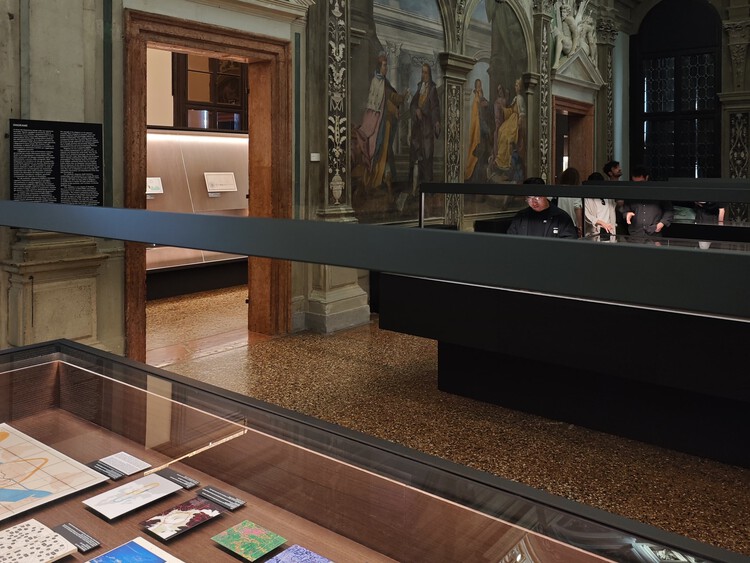
When we speak of intelligence at the 2025 Venice Biennale, the main exhibition broadly categorizes it into three domains: natural, artificial, and collective. While much attention has been drawn to robotic performances, future-forward material experiments—such as Boonserm Premthada's elephant dung bricks, or Canada's display of mesmerizing picoplankton, one often overlooked yet critical form of collective intelligence lies in the act of archiving.

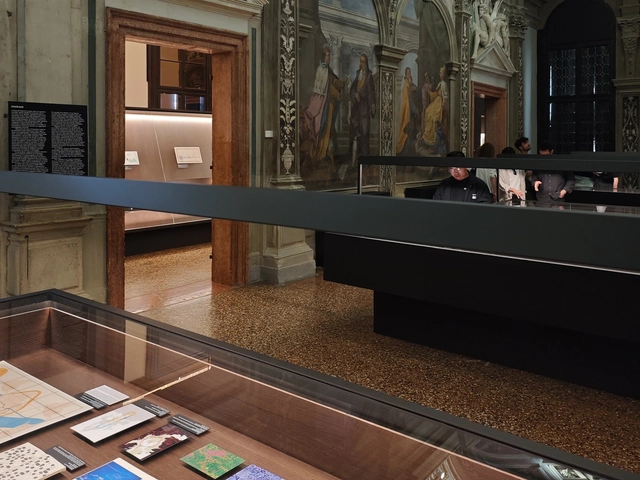
Several national pavilions showcase this collective intelligence through beautifully curated exhibitions—the Spanish Pavilion's witty play on scale, for instance, features meticulously crafted models that invite close reading and delight. These curated collections offer a snapshot of the present, and in some cases, gestures toward the future. But without critically engaging with the past, without documenting and making sense of our shared spatial and architectural knowledge, the potential of collective intelligence remains incomplete. Archiving is not simply an act of preservation; it is a generative tool for projecting new futures.

The Intelligence of What Remains: On Archiving and Architectural Knowledge - Imagem 1 de 4The Intelligence of What Remains: On Archiving and Architectural Knowledge - Imagem 2 de 4The Intelligence of What Remains: On Archiving and Architectural Knowledge - Imagem 3 de 4The Intelligence of What Remains: On Archiving and Architectural Knowledge - Imagem 4 de 4The Intelligence of What Remains: On Archiving and Architectural Knowledge - More Images+ 10

Rooted in Tradition, Nature, and Community: Wellness and Healing Spaces from the North to the South Africa

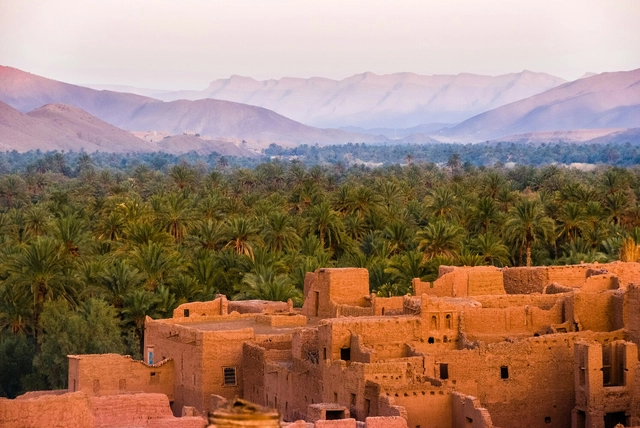
Wellness and healing spaces are shaped by cultural traditions, geographical contexts, and social structures. Across the world, certain practices have been deeply rooted for centuries, like Roman baths, Turkish hammams, and Japanese onsens, while others evolve by drawing inspiration from rituals or redefining their own concept and image of a healing environment. Europe, North America, and Oceania are characterized by a focus on personal journeys, self-care, and often luxurious wellness spaces. Asia shapes the prevailing global perception of wellness through meditation-based healing, inner reflection, and holistic retreats. In Africa, wellness is deeply rooted in ancestral traditions, integrated with nature, and centered around community and social interaction. The commonality worldwide lies in sensory engagement, relaxation, and holistic healing, often tied to nature. But what does wellness look like in Africa? What are the healing spaces that shape it, and what architectural languages define wellness from north to south?

Rooted in Tradition, Nature, and Community: Wellness and Healing Spaces from the North to the South Africa - Image 1 of 4Rooted in Tradition, Nature, and Community: Wellness and Healing Spaces from the North to the South Africa - Image 2 of 4Rooted in Tradition, Nature, and Community: Wellness and Healing Spaces from the North to the South Africa - Image 3 of 4Rooted in Tradition, Nature, and Community: Wellness and Healing Spaces from the North to the South Africa - Image 4 of 4Rooted in Tradition, Nature, and Community: Wellness and Healing Spaces from the North to the South Africa - More Images+ 2

Swissness Framed: Micromechanics and Minimalist Windows in Modern Architecture

 | Sponsored Content

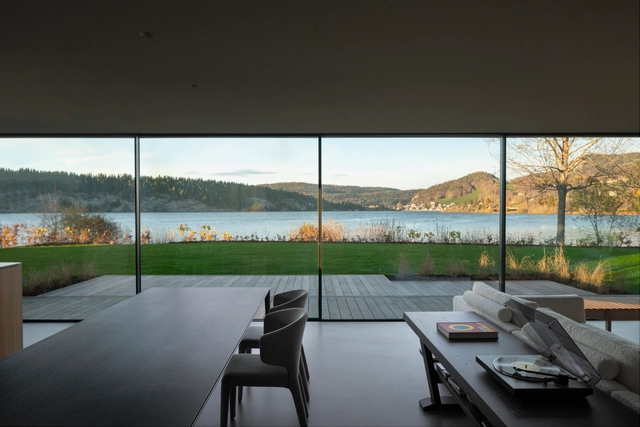
Each region possesses a distinct architectural identity, serving as a cultural "fingerprint" that makes it uniquely recognizable. Italian design, for instance, draws from the Roman legacy using stone and light hues. Turkey is distinguished by intricate glazed tilework that adorns walls and ceilings, whereas Mexico embraces vibrant colors and textures through local materials and artisanry. Many of these elements are rooted in heritage-based practices, yet over time, they have been reimagined and transformed through new processes, giving rise to contemporary architectural expressions. In Switzerland, the concept of "Swissness" frames this core identity—a fusion of watchmaking precision and functionality. Rooted in micromechanics, Swiss engineering, and craftsmanship converge in the design of modern minimalist windows, where clean lines and transparency redefine boundaries and shape the architectural language.

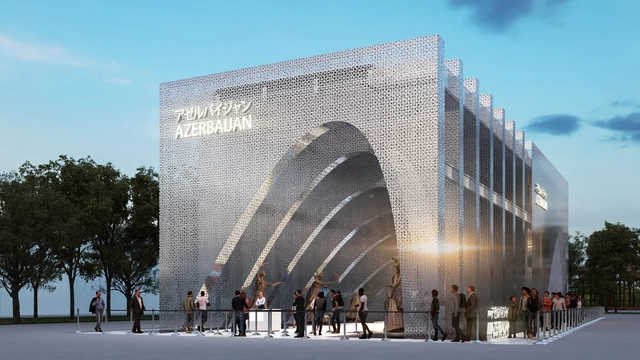
Azerbaijan Pavilion at Expo 2025 Osaka, Designed by Bellprat Partner, Leads Visitors on a Journey Through Traditions

The Republic of Azerbaijan has just revealed its design for it's pavilion at Expo 2025 in Osaka, Kansai. Shining a spotlight on the country's culture, history, and forward-thinking approaches, the pavilion aims to promote connection and sustainability. Designed by Bellprat Partner in collaboration with Eleven, the pavilion will offer visitors a journey through Azerbaijan's rich traditions while emphasizing its modern goals for sustainability and international cooperation.

The Time-Defying Nature of Living Architectural Traditions

This article was originally published on Common Edge.

Traditional architecture is perceived as being historical architecture, both by the general public and by design professionals. Put another way, “traditional” = “style.” There’s no awareness of the process of tradition that creates what’s later considered a style. Modernism takes this perception one step further and frames traditional architecture as “not of our time,” and therefore obsolete.

The Time-Defying Nature of Living Architectural Traditions - Image 1 of 4The Time-Defying Nature of Living Architectural Traditions - Image 2 of 4The Time-Defying Nature of Living Architectural Traditions - Image 3 of 4The Time-Defying Nature of Living Architectural Traditions - Image 4 of 4The Time-Defying Nature of Living Architectural Traditions - More Images+ 5

70°N arkitektur, Together with Snøhetta and Artist Joar Nango, Designs a National Theater for the Indigenous Sámi People in Norway

The Sámi National Theater Beaivváš and Sámi High School and Reindeer Husbandry School are two of the most important cultural institutions of Sápmi, a region in northern Norway, Sweden, and Finland traditionally inhabited by the Sámi people. To strengthen the position of the two institutions, a project was initiated in June 2021 to create a shared cultural and educational facility. A design proposal by 70°N arkitektur, in collaboration with Snøhetta and artist and architect Joar Nango, was chosen following a competition. The building, also known as Čoarvemátta, is currently under construction and is expected to be completed by 2024.