1. ArchDaily
  2. Cultural Heritage

Cultural Heritage: The Latest Architecture and News

Which Layer Remains? Restoration, Identity, and Contemporary Design in Spain

 | Sponsored Content

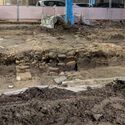
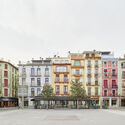
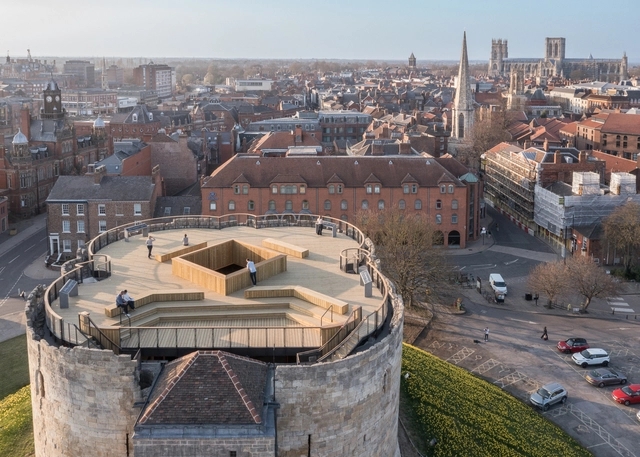
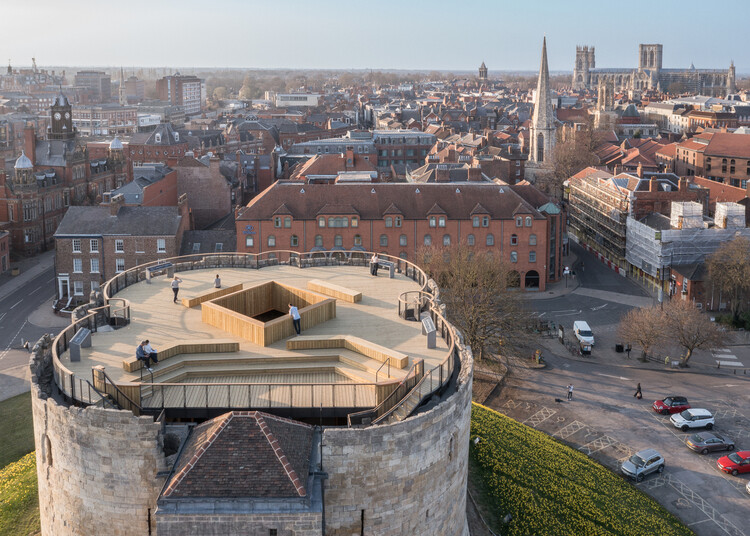
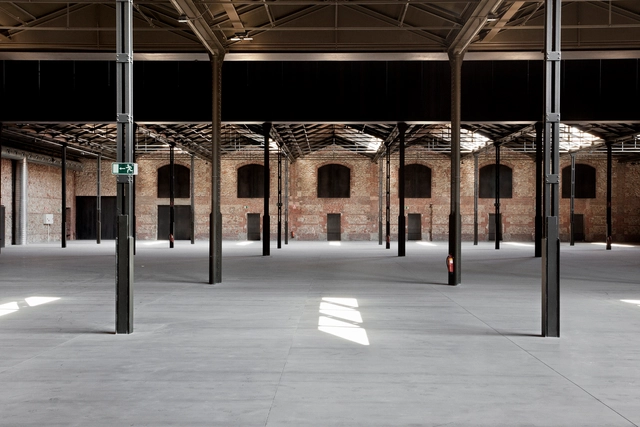
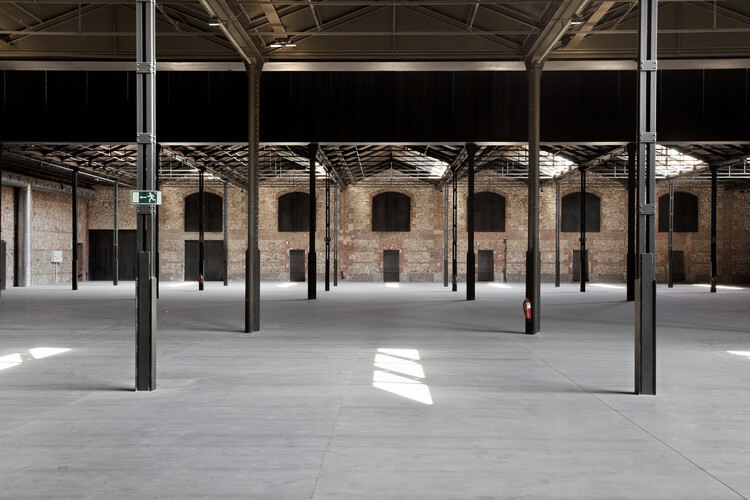
The theorist André Corboz, known for his contributions to the critical reading of territory, proposes that the cities should be understood as a palimpsest. That is, a surface continuously rewritten, where traces of previous layers remain visible even after successive interventions. For him, the city is not a static entity, but an organism in constant transformation, where historical, functional, and symbolic layers overlap. This is why working on restoration or rehabilitation projects for historical buildings is particularly complex, requiring careful thought about the approach to be taken: should extensions and renovations seek complete coherence with the original language, or assert themselves as architectural expressions of their own time?

Zaha Hadid Architects Wins Competition for New Arrivals Terminal at Vilnius Airport, Lithuania

Lithuanian Airports has announced Zaha Hadid Architects as the winner of the international competition to design the new arrivals terminal at Vilnius Airport. Conceived as an integral part of the airport's evolving infrastructure, the new terminal will complement the recently completed departure terminal, enabling Vilnius Airport to accommodate up to 10.6 million passengers annually. The project marks a significant step in the airport's long-term development strategy, addressing future growth in passenger demand while enhancing Lithuania's role as a key gateway in the Baltic region.

Zaha Hadid Architects Wins Competition for New Arrivals Terminal at Vilnius Airport, Lithuania - Imagen 1 de 4Zaha Hadid Architects Wins Competition for New Arrivals Terminal at Vilnius Airport, Lithuania - Imagen 2 de 4Zaha Hadid Architects Wins Competition for New Arrivals Terminal at Vilnius Airport, Lithuania - Imagen 3 de 4Zaha Hadid Architects Wins Competition for New Arrivals Terminal at Vilnius Airport, Lithuania - Imagen 4 de 4Zaha Hadid Architects Wins Competition for New Arrivals Terminal at Vilnius Airport, Lithuania - More Images+ 3

Seville Architecture City Guide: 21 Projects Tracing the Layers of an Andalusian City

Subscriber Access | 

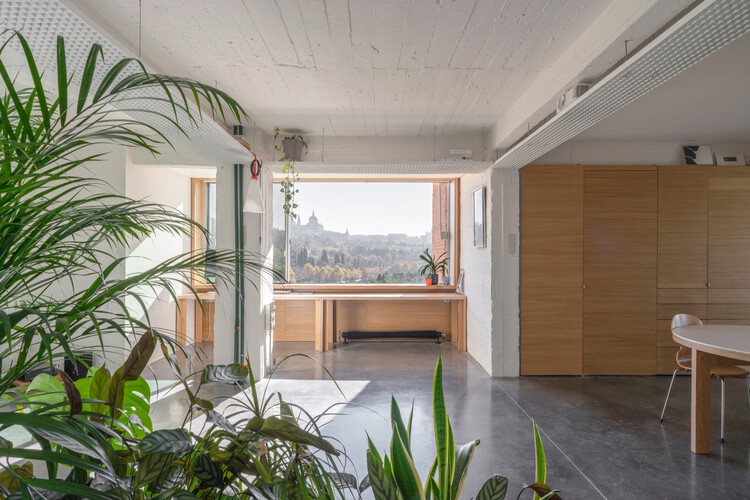
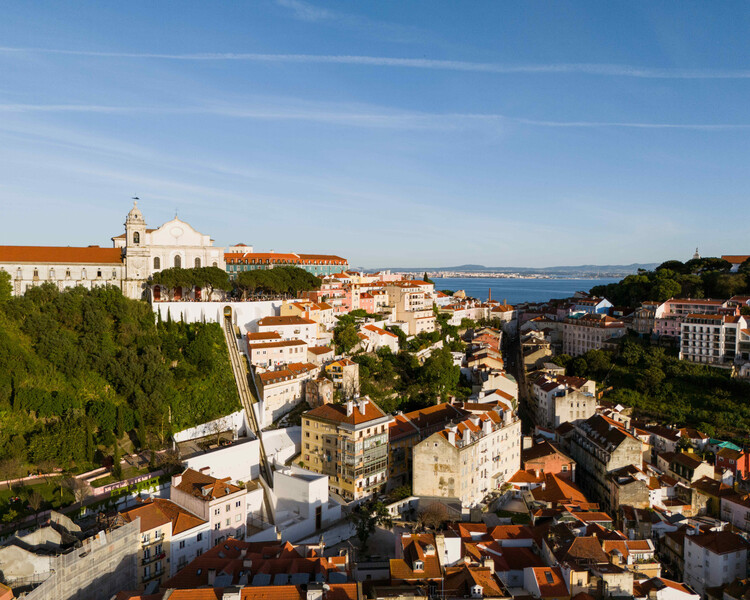
Located in southern Spain, Seville unfolds as a layered city shaped by centuries of cultural intersections. As the former capital of Al-Andalus and a central port during the Spanish Empire's expansion, its built environment reflects a deep historical complexity. From Roman foundations to Islamic geometries, from Renaissance palaces to contemporary interventions, Seville presents a unique spatial narrative in which architecture directly reflects its political, religious, and social transformations.

The city's architectural heritage is inseparable from its climate and geography. Narrow shaded streets, inner courtyards, and water as spatial elements reveal a deep knowledge of environmental adaptation that still informs how public and private spaces are articulated today. While monumental landmarks such as the Alcázar, the Giralda, or the Cathedral preserve and reinterpret historic legacies, modern projects have begun introducing new materials, programs, and spatial typologies, challenging conventional forms and proposing alternative ways to inhabit the city.

Seville Architecture City Guide: 21 Projects Tracing the Layers of an Andalusian City - Image 1 of 4Seville Architecture City Guide: 21 Projects Tracing the Layers of an Andalusian City - Image 2 of 4Seville Architecture City Guide: 21 Projects Tracing the Layers of an Andalusian City - Image 3 of 4Seville Architecture City Guide: 21 Projects Tracing the Layers of an Andalusian City - Image 4 of 4Seville Architecture City Guide: 21 Projects Tracing the Layers of an Andalusian City - More Images+ 19

Aga Khan Award for Architecture 2025 Announces 19 Shortlisted Projects from 15 Countries

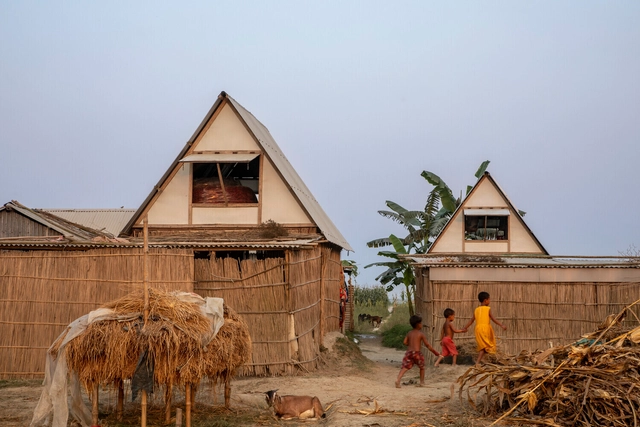
The Aga Khan Award for Architecture (AKAA) has announced the 19 shortlisted projects for its 2025 cycle. Selected from a pool of 369 nominations, these projects will compete for a share of the USD 1 million prize, one of the most significant awards in the field. The shortlist was determined by an independent Master Jury composed of nine members: Azra Akšamija, Noura Al Sayeh-Holtrop, Lucia Allais, David Basulto, Yvonne Farrell, Kabage Karanja, Yacouba Konaté, Hassan Radoine, and Mun Summ Wong. The Jury will meet later this summer to review on-site evaluations and select the final recipients of the 16th Award Cycle (2023–2025).

Aga Khan Award for Architecture 2025 Announces 19 Shortlisted Projects from 15 Countries - Imagen 1 de 4Aga Khan Award for Architecture 2025 Announces 19 Shortlisted Projects from 15 Countries - Imagen 2 de 4Aga Khan Award for Architecture 2025 Announces 19 Shortlisted Projects from 15 Countries - Imagen 3 de 4Aga Khan Award for Architecture 2025 Announces 19 Shortlisted Projects from 15 Countries - Imagen 4 de 4Aga Khan Award for Architecture 2025 Announces 19 Shortlisted Projects from 15 Countries - More Images+ 16

The Holy See Pavilion Presents a Living Practice of Restoration at the Venice Architecture Biennale 2025

At the 19th International Architecture Exhibition, La Biennale di Venezia, the Dicastery for Culture and Education presents "Opera Aperta", a project that positions architecture as a practice of collective care and responsibility. Curated by Marina Otero Verzier and Giovanna Zabotti, Opera Aperta is set within the Santa Maria Ausiliatrice Complex in Venice's Castello district. Designed by Tatiana Bilbao ESTUDIO and MAIO Architects, the project transforms the 500-square-meter site into a space for collaborative restoration and public engagement. Conceived as a work in progress rather than a finished installation, Opera Aperta functions as a platform for ongoing exchange, participation, and engagement rooted in the local context. This open and process-oriented approach was recognized during the opening events, where the Holy See Pavilion received the Golden Lion's Special Mention for National Participation.

The Holy See Pavilion Presents a Living Practice of Restoration at the Venice Architecture Biennale 2025 - Image 1 of 4The Holy See Pavilion Presents a Living Practice of Restoration at the Venice Architecture Biennale 2025 - Image 2 of 4The Holy See Pavilion Presents a Living Practice of Restoration at the Venice Architecture Biennale 2025 - Image 3 of 4The Holy See Pavilion Presents a Living Practice of Restoration at the Venice Architecture Biennale 2025 - Image 4 of 4The Holy See Pavilion Presents a Living Practice of Restoration at the Venice Architecture Biennale 2025 - More Images+ 6

Contextual Interventions and an Embrace of Heritage: Explore the Architecture of 24 Grados in Honduras

Subscriber Access | 

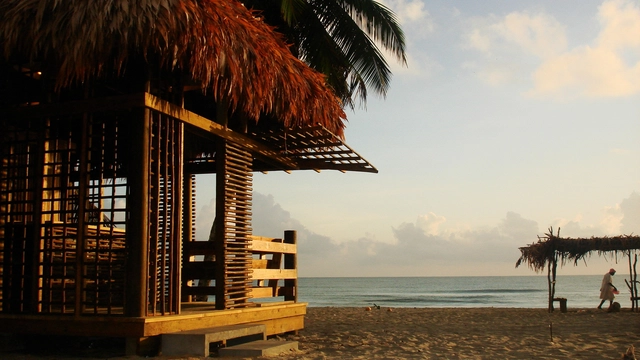
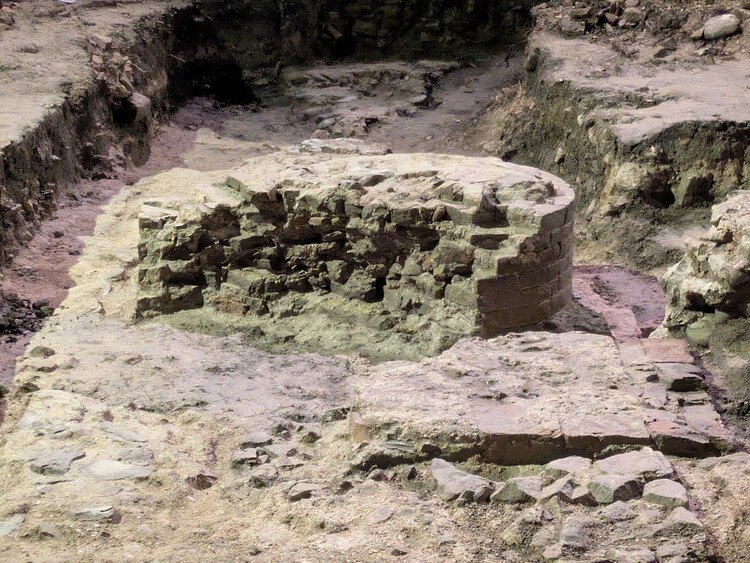
How can architecture restore relevance to forgotten places? What dialogues can emerge when buildings and landscapes are treated not as blank slates, but as layers of memory, identity, and potential? For the Honduran architecture firm 24 Grados, these questions shape an approach rooted in adaptation, reuse, and contextual design. Their projects range from the restoration of old Spanish plazas and cultural centers to interventions in natural parks and coastal villages in Honduras. Each one is grounded in the belief that design can reweave relationships between people, place, and heritage.
Contextual Interventions and an Embrace of Heritage: Explore the Architecture of 24 Grados in Honduras - Image 1 of 4Contextual Interventions and an Embrace of Heritage: Explore the Architecture of 24 Grados in Honduras - Image 2 of 4Contextual Interventions and an Embrace of Heritage: Explore the Architecture of 24 Grados in Honduras - Image 3 of 4Contextual Interventions and an Embrace of Heritage: Explore the Architecture of 24 Grados in Honduras - Image 4 of 4Contextual Interventions and an Embrace of Heritage: Explore the Architecture of 24 Grados in Honduras - More Images+ 18