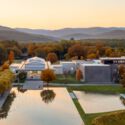
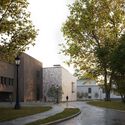
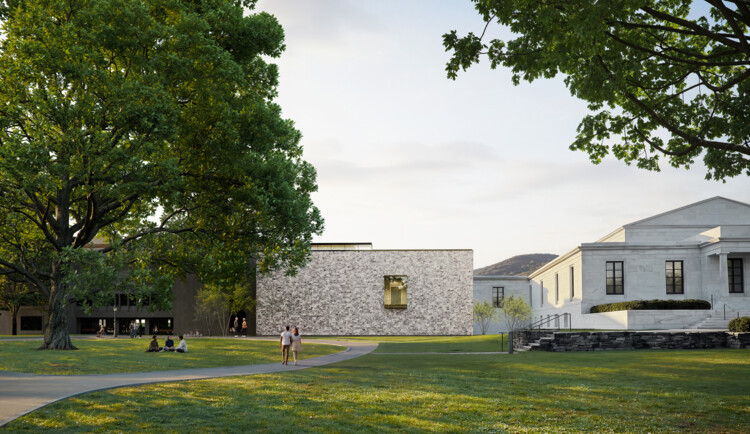
The Clark Art Institute, a prominent art institution located in the Berkshires of western Massachusetts, United States, has unveiled images of the design for the extension of its current facilities. The institution, opened in 1955, is both an art museum and a center for research, critical discussion, and higher education in the visual arts. The new wing, commissioned to Selldorf Architects in October 2024, will expand the current gallery and art storage space and connect the Museum Building and the Manton Research Center, previously renovated by the same firm. The new building will be complemented by a landscape design by Reed Hilderbrand, reinforcing the experience of the architecture, art, and surrounding Berkshire landscape.
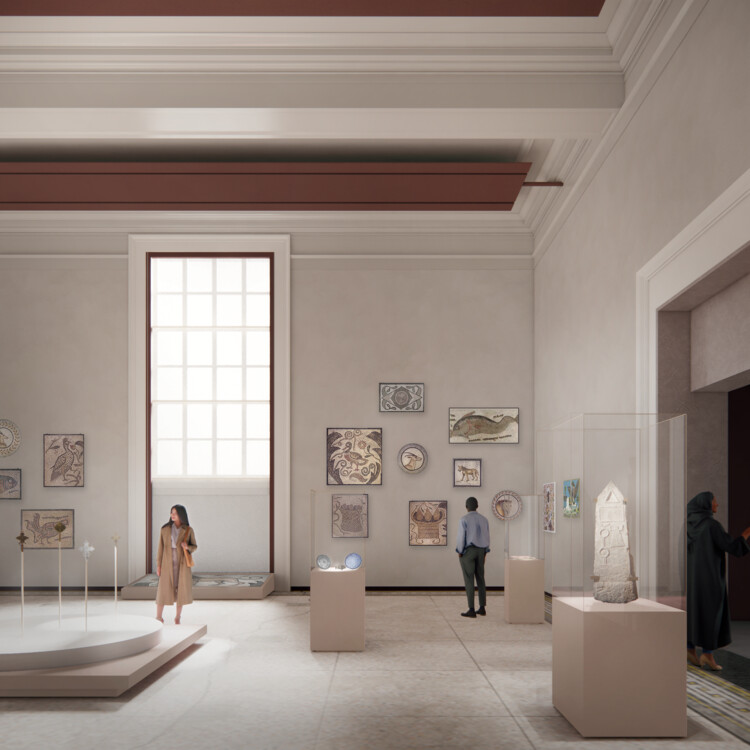
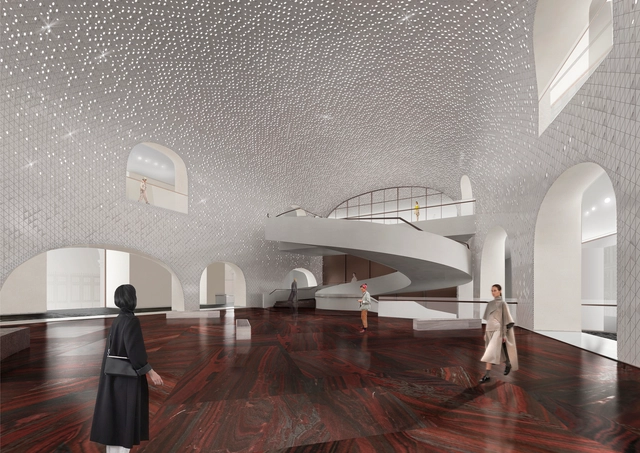
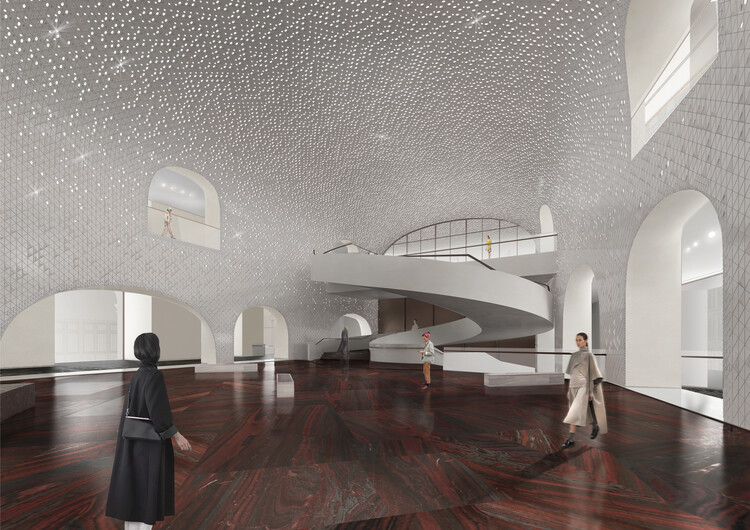
Brooklyn Museum's new Arts of Africa Galleries. Project render, 2026. Image Courtesy of Peterson Rich Office
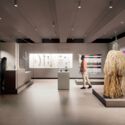
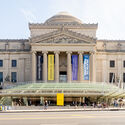
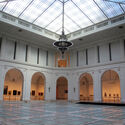
New York's Brooklyn Museum has announced the extension of its neoclassical building, a New York City–designated landmark, to include new galleries dedicated to its historic African art collection. The project to renovate and create permanent galleries was designed by the Brooklyn-based architectural firm Peterson Rich Office (PRO), with prior experience in contemporary exhibition spaces, in consultation with Beyer Blinder Belle Architects & Planners on the museum's historic preservation. The project transforms previously underutilized spaces that served as on-site storage, marking a new milestone in a series of renovations of an institution with over 200 years of history. For the first time, the museum's Egyptian art galleries will connect to the new African galleries, uniting North Africa with the rest of the continent to offer visitors a cohesive vision of Africa's rich artistic legacy.
When approaching the design of cultural spaces such as museums, performance venues, or places of research and study, architecture and design professionals often have to assemble pieces of a uniquely challenging puzzle in order to make the structure resonate with a variety of visitors and occupants. Hitting the right chord can be difficult, especially when trying to combine forms into a whole that pays respect to a building's intended use while being timeless in its universality.
One way of making sure a sense of culture is omnipresent: adaptive reuse. The practice of breathing life into historic structures has been on the rise in recent years and is particularly well-suited to creating spaces that address and embody contemporary issues while connecting their inhabitants to the past. But it's not just a sense of updated heritage that makes them stand out; adaptive reuse buildings can fight urban sprawl and unsustainable building practices simply by way of existing.
In densely populated cities, the demand for more living space has led to a growing trend in home extensions. With limited opportunities for new construction and a desire to preserve historical urban fabric, homeowners are increasingly looking for innovative ways to expand their homes. Home extensions offer a practical solution to modern needs, allowing residents to stay in familiar neighborhoods and maintain their ties to the community.
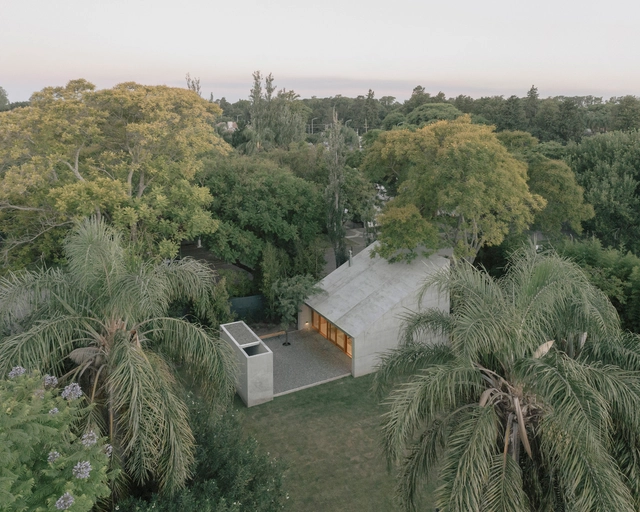
There are several approaches to these renovations. Home additions take various forms, ranging from isolated rooms with specific functions near the main house, to volumes directly attached to the original structure. These extensions can be built on the ground floor or take advantage of vertical space by constructing additional levels on the existing building.
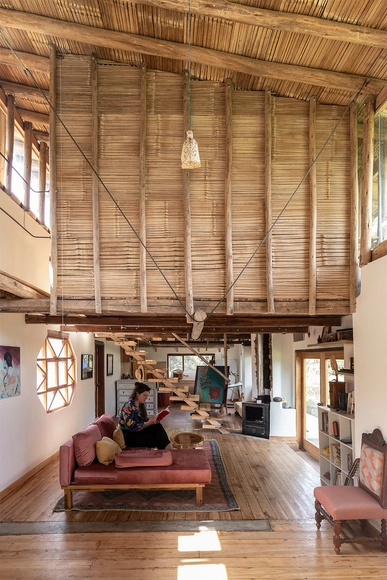
Refurbishment is an increasingly common and fundamental practice in contemporary architecture. More than a trend, it represents a crucial strategy for reducing resource consumption and minimizing waste generation, providing clear advantages over brand-new constructions. In the Latin American context, this philosophy stands out for its unique characteristics. It intricately weaves circularity and climate action with local materials, addressing economic challenges while harmonizing Indigenous, colonial, and contemporary influences.
Housing plays a crucial role in this context, where traditional materials and construction techniques define each project's distinctiveness and integrate it into the community's social fabric. Throughout Latin America, regional identities are deeply embedded in refurbishment efforts, ranging from restoring facades and repurposing wood to reimagining the use of demolition waste. The adaptation of spaces in these projects is influenced by their unique identities and geographic conditions, rooted in social and cultural expressions.
https://www.archdaily.com/1019030/housing-refurbishment-in-latin-america-10-projects-that-excel-in-the-use-of-materialsEnrique Tovar
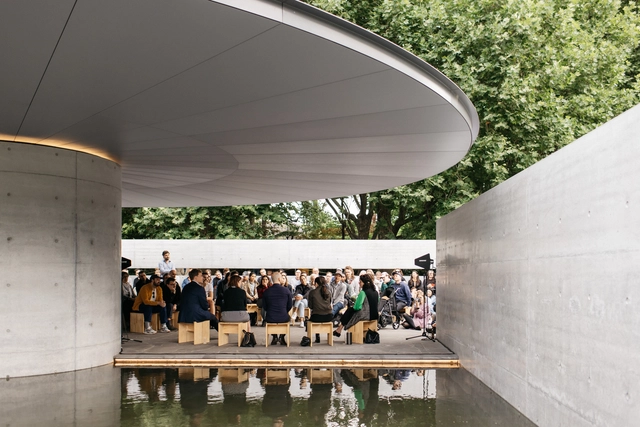
In Melbourne, Australia, the tenth edition of the MPavilion, designed by Pritzker Prize-winner Tadao Ando, has been extended until March 2025. Marking the architect’s sole-built project in Australia, the extension presents an opportunity for Melburnians and visitors to enjoy the space and its diverse offerings. The pavilion welcomes guests daily, serving as a serene oasis, a communal gathering space, and a landmark architectural destination throughout the year.
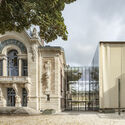
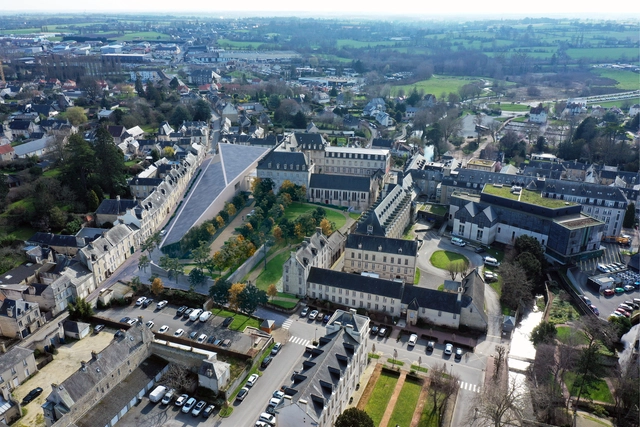
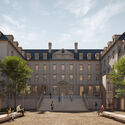
RSHP has unveiled the urban and architectural design for the new Bayeux Tapestry Museum. The intervention is created to house and display the Bayeux Tapestry, an embroidered cloth measuring 70 meters in length and depicting the events leading up to the Norman Conquest of England in 1066 and culminating in the Battle of Hastings. The almost 1000 years-old artifact is also included in UNESCO’s “Memory of the World” list. The project proposes a contemporary extension of the 17th-century seminary where the Musée de la Tapisserie de Bayeux is located.
Architecture is a continually evolving form of human expression influenced by cultural and contextual factors. While many of the problems we face today aren't directly linked to architecture, it has the ability to provide or facilitate solutions to these challenges. This has been evident throughout history, as societal issues have played a significant role in shaping our built environments. For instance, during the Victorian era, the infamous "Great Stink" led to the modernization of London's drainage system and urban layout. Similarly, the 2008 recession gave rise to the sharing economy and coworking spaces. Nowadays, the climate crisis is transforming the way we conceive architecture, seeking to reduce the carbon footprint of buildings and cities to achieve the Paris Agreement objectives. Given this backdrop, what challenges should we expect in the future?
https://www.archdaily.com/1000810/energetic-retrofitting-a-solution-for-environmental-obsolescence-in-architectureEnrique Tovar
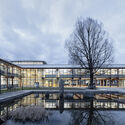
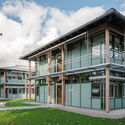
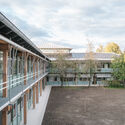
The DAM Preis for Architecture in Germany 2023 has been awarded to Auer Weber for the Extension of the Starnberg District Office. Honoring yearly outstanding buildings in Germany since 2007, the DAM Prize has been bestowed by Deutsches Architekturmuseum (DAM) for the seventh time, in close cooperation with JUNG as a cooperation partner. Fritz Auer and Dominik Fahr from Auer Weber as well as Stefan Frey from Starnberg District Office as the client's representatives received the award, during a ceremony held on January 27, 2023. This year's finalist projects included works by Allmann Sattler Wappner, ELEMENT·A Architekten and Hiendl Schineis Architektenpartnerschaft, Hütten & Paläste Architekten, and LRO Lederer Ragnarsdóttir Oei.
The Royal Institute of British Architects (RIBA) has announced the first two shortlisted projects for the 2021 House of the Year, an annual award that honors the best new architect-designed house or extension in the United Kingdom. The following two projects will be announced on November 24th, and the complete shortlist will be announced on December 8th, 2021, on UK's Channel 4.
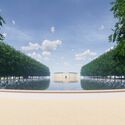
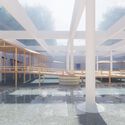
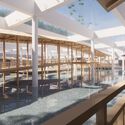
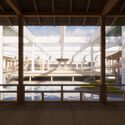
Hiroshi Sambuichi and The Cisterns in Copenhagen reveal plans for a fourth chamber to extend the exhibition space with another immersive artistic experience, further establishing the venue as a cultural destination. The design continues the succession of spaces within the former water reservoir with a new room featuring a transparent roof with light filtering through the water from a recreated water basin located above, on the Frederiksberg Castle grounds. The sharp contrast between the existing Cisterns and the proposal highlights a unique spatial experience, where the natural elements are quintessential.
The new Kremlin museum set within the UNESCO protected museum ensemble in Red Square nestles a contemporary structure within the vast courtyard of a 19th-century building. Designed by Moscow-based practices NOWADAYS office and Meganom, the project will house the vast Armory collection, of which only 30% is currently available to the public with the Kremlin walls. The refurbishment of the historic Middle Trading Rows building, together with the new extension, complement each other, creating a diverse and complex museum experience.
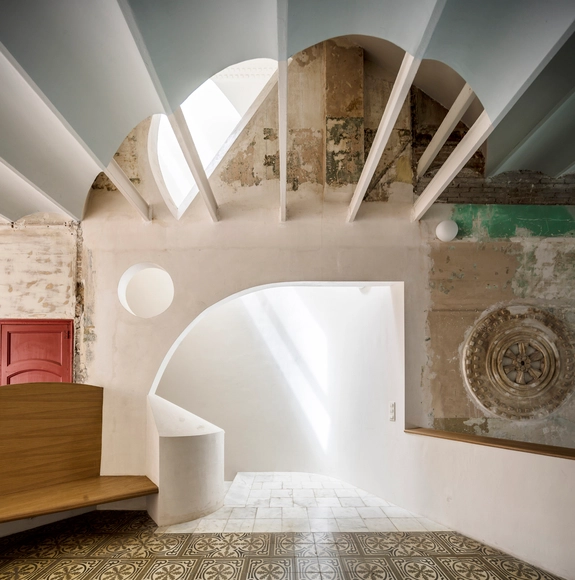
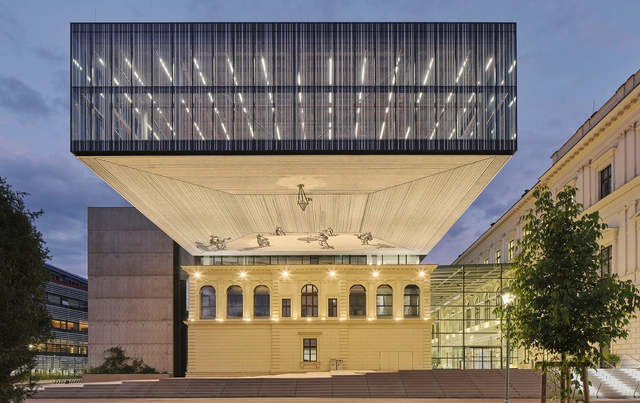
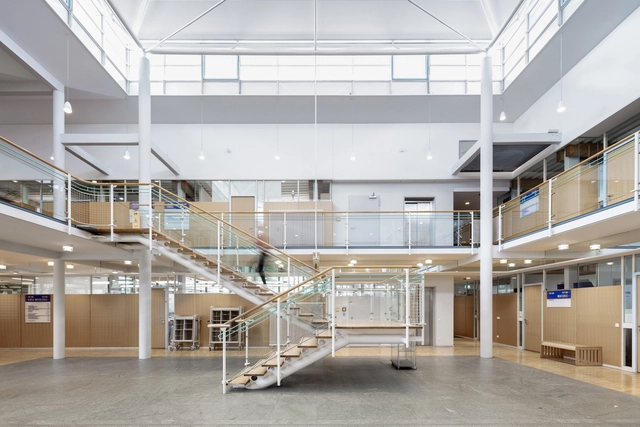
American-Brazilian photo-artist Paul Clemence has just released the first images of the completed renovation and expansion works of Martin Luther King’s Memorial Library, originally designed by Mies van der Rohe in Washington D.C. Hoping to create a modern library that focuses on people while celebrating the exchange of knowledge, ideas and culture, Dutch design practice Mecanoo was commissioned the modernization of the structure back in 2014.
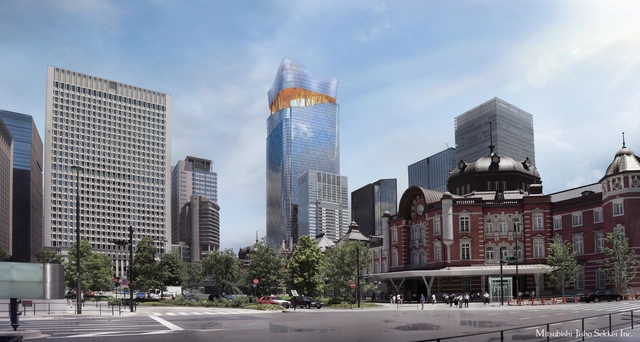
Sou Fujimoto Architects has unveiled its design for the top part of the tallest skyscraper in Japan“Torch Tower” in Tokyo, collaborating mainly with Mitsubishi Jisho Sekkei, Inc. Standing tall at 390m, the highrise building planned to be ready by 2028, takes on a large plaza at around 300m, generating a space for people.
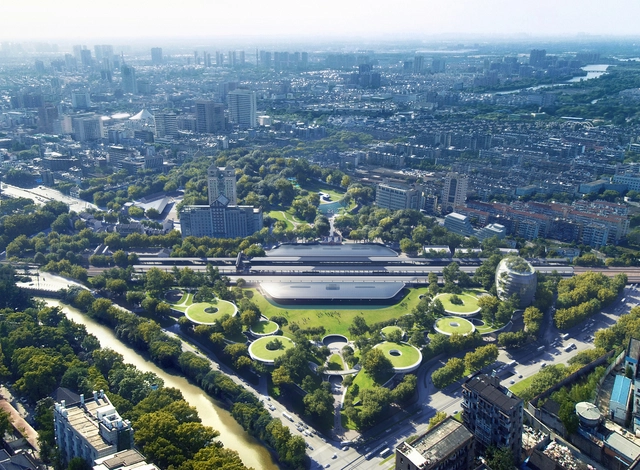
MAD Architects has just unveiled its design for the “Train Station in the Forest.” Under construction and scheduled for completion by July 1st, 2021, the project is located in the center of Jiaxing, in southeast China, in close proximity to Shanghai, Hangzhou, and Suzhou. Covering an area of 35.4 hectares, the intervention consists of rebuilding the historic station while creating a new infrastructural annex underground. It also includes the creation of plazas to the north and south and the rehabilitation of the adjacent People’s Park.
Architectural projects may not always have empty plots - with their countless possibilities - to work with. Adapting pre-existing buildings to new demands is a challenge that requires a different approach.
Refurbishments, extensions, and renovations can be used to meet the constantly evolving needs of the inhabitants, either the original residents or the newcomers.
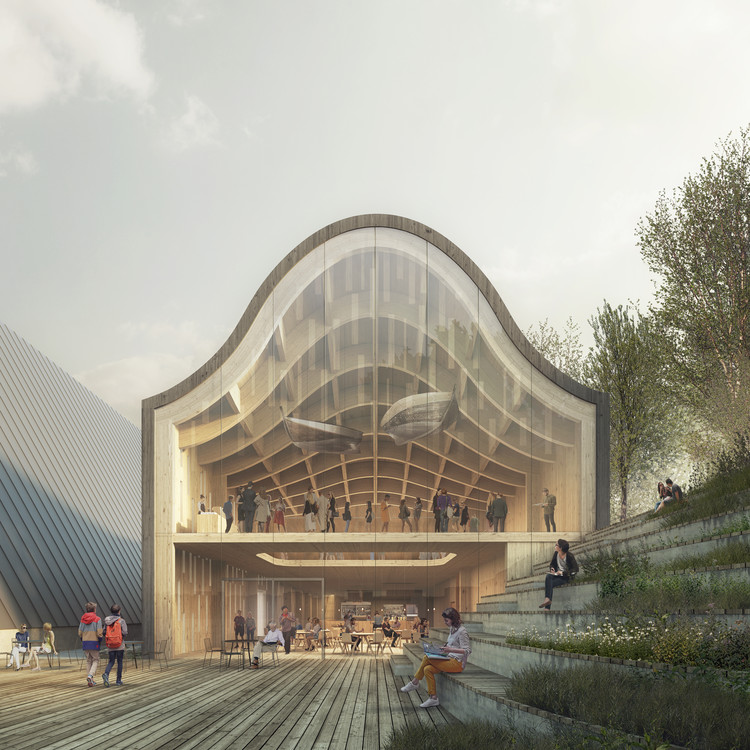
The FRAM Museum will take on a new extension dedicated to polar exploration and environmental education. Designed by Reiulf Ramstad Arkitekter, the winning proposal of the invited architectural competition,Framtid, or Future is centered on the idea that “architecture exemplifies how we care for our environment”.
















.jpg?1612774363&format=webp&width=640&height=580)
--.jpg?1612774451 "© Paul Clemence")
.jpg?1612774430 "© Paul Clemence")
.jpg?1612774307 "© Paul Clemence")
.jpg?1612774284 "© Paul Clemence")
.jpg?1612774363)