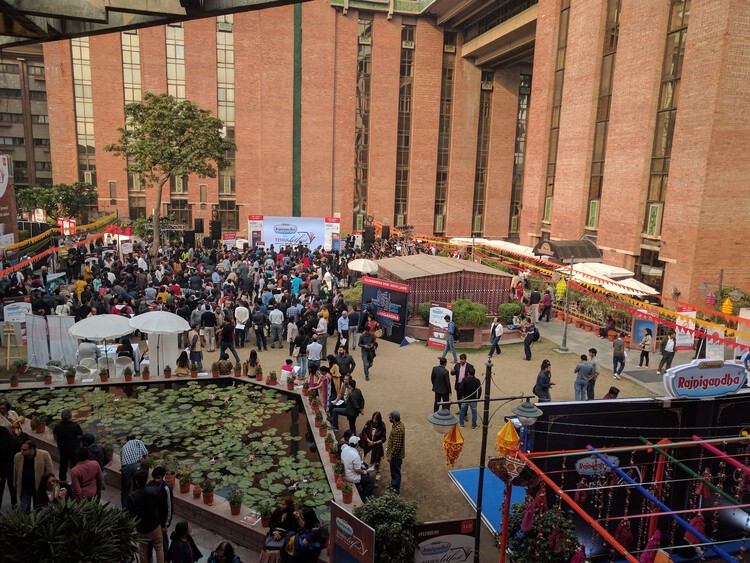
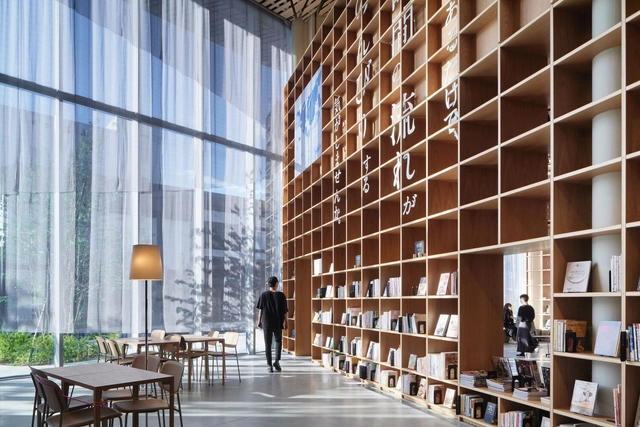
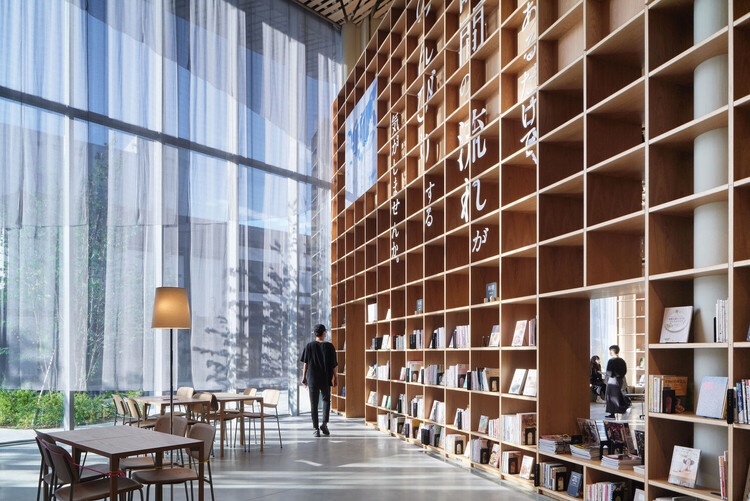
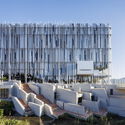
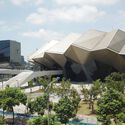
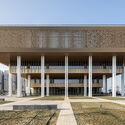
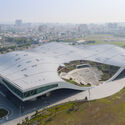
Times Litfest Delhi 2017, held at the India Habitat Centre, in New Delhi, November 26, 2017 by DiplomatTesterMan . Image Courtesy of Wikimedia (public domain)
Every democracy eventually confronts the same question: where can its citizens speak?
Public squares, marches and demonstrations have served as the most visible and impactful expressions of collective opinion. There persists a growing desire among citizens to be seen and heard in the public domain. Demonstrations, by their very nature, are moments of urgency, emerging when conversations have reached an impasse. While essential to democracy, they cannot be its only language.
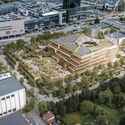
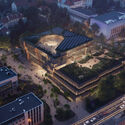
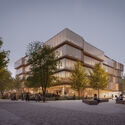
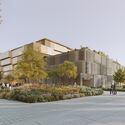
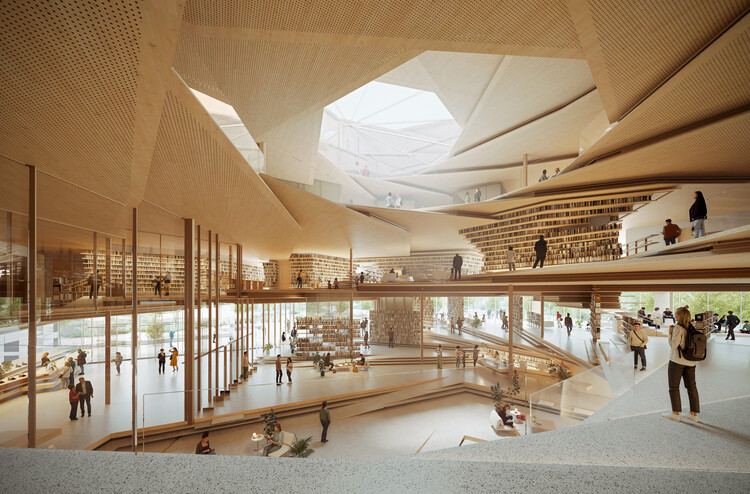
Kengo Kuma and Associates was recently awarded first prize in the competition to design a new library in Rzeszów, the capital of the Subcarpathian Voivodeship in southeastern Poland. The city, home to nearly 200,000 residents, lies on the Wisłok River and is known as a center for the aviation industry. Strategically positioned along the main Kraków-Lviv railway and road corridor, it also serves as an important transit point near the Ukrainian border. Located on Józef Piłsudski Avenue, the new library is conceived as a connector between the Marshal's Office of the Podkarpackie Voivodeship and the nearby Secondary School Complex, reinforcing the area's civic character. The program combines traditional library functions with cultural, educational, and artistic spaces. In addition to reading and collection areas, an expanded event zone includes a music hall, multifunctional hall, conference rooms, and administrative areas. A spiraling library volume forms the tallest element of the complex, while event spaces and roof terraces extend the program outward, linking the building's activities with the surrounding city.
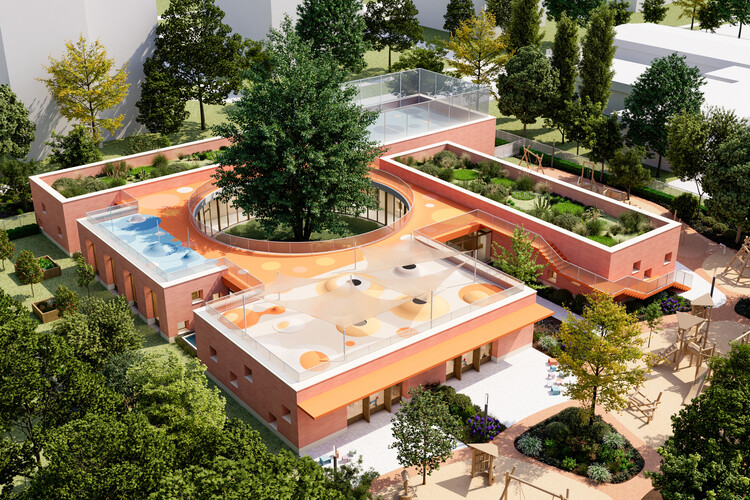
Educational architecture remains an exploratory ground for unbuilt exploration, offering insight into how learning environments can evolve alongside changing social, ecological, and pedagogical values. In this Unbuilt edition, submitted by the ArchDaily community, the selected projects bring together a range of proposals that examine schools, libraries, nurseries, and academic centers as spatial frameworks for care, knowledge, and collective growth. Rather than treating education as a fixed program housed within singular buildings, these projects approach learning spaces as adaptive environments shaped by landscape, climate, and human interaction.
Across varied geographies, from Mediterranean hillsides and Central European courtyards to tropical cities and distributed campus models, the proposals explore diverse architectural responses to contemporary education. They range from child-scaled kindergartens organized around trees and cloisters to libraries conceived as civic landscapes, biodiversity-centered academic buildings, and schools imagined as walkable urban systems.
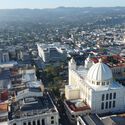
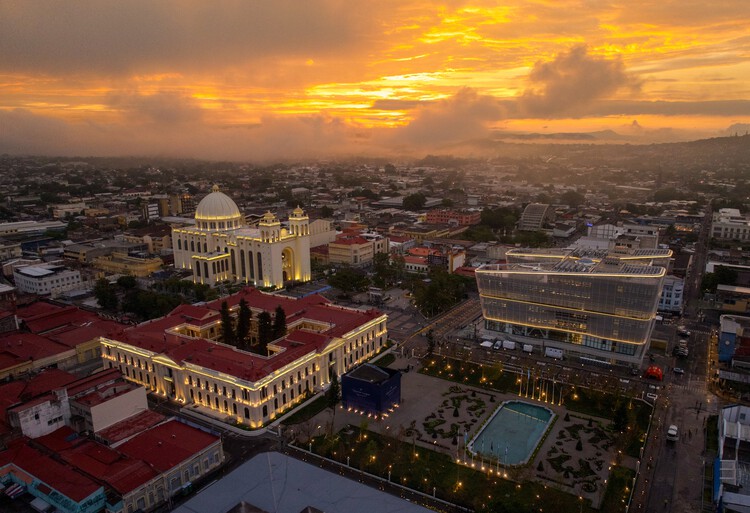
Historic center renewal has become a recurring strategy in Central American cities seeking to reassert the symbolic, economic, and functional relevance of their traditional cores. These processes often combine physical rehabilitation, institutional investment, and stricter control over public space. San Salvador offers a recent and instructive case, which allows for understanding of how interventions in inherited civic spaces balance infrastructure improvement with heritage conservation and social regulation. It also enables the assessment of how these choices resonate within broader debates on urban transformation in the region.
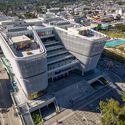
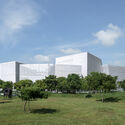
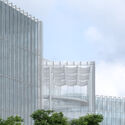
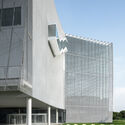
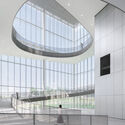
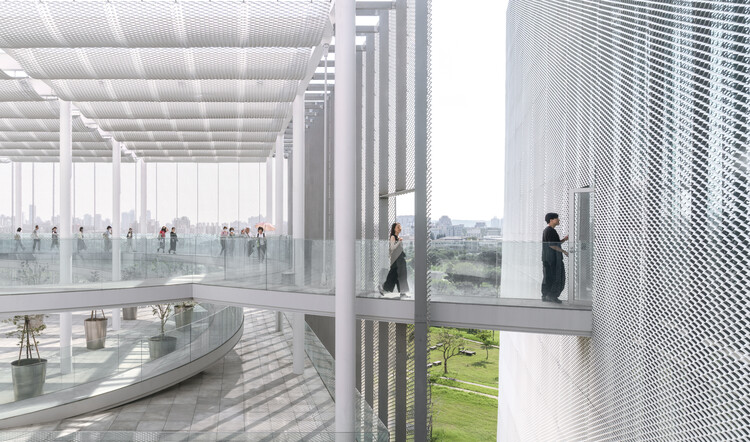
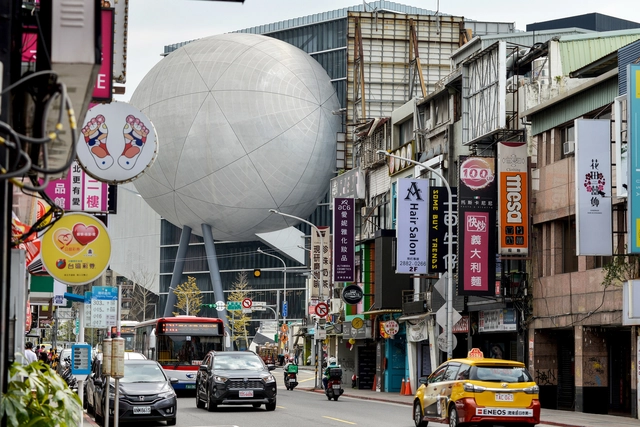
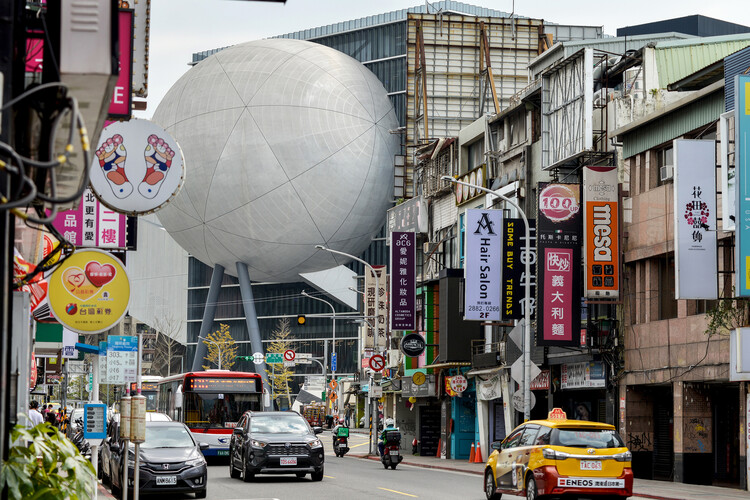
The Taichung Art Museum officially opened on December 13, 2025, with an inaugural exhibition titled A Call of All Beings: See You Tomorrow, Same Time, Same Place. The building, designed by SANAA, is part of the Taichung Green Museumbrary project, developed in collaboration with local firm Ricky Liu & Associates. Conceived as a major cultural initiative, the project combines a contemporary art museum, library resources, and public parkland. Through interactive education and outreach programmes, it aims to establish a new institutional model for Taichung, one that supports artistic exchange while positioning the city as an international cultural hub. On view through April 12, 2026, the opening exhibition explores the relationships between people and nature, the city and memory, interspecies connections, and the future, beginning with an examination of the complex's own context in central Taiwan.
For the past couple of years, the project curators at ArchDaily have been revisiting architectural works they believe deserve a deeper look. Through an Instagram post called "Project Review", the curators describe what they consider to be the work's main attribute(s). Delving into the project's stories and the elements that make them truly inspiring, they underline what might otherwise be overlooked initiatives and study them closely, with attention to locality and context. The result is an array of diverse works, often from rural or suburban areas that have a public function or historic significance.
While a couple of houses are listed, the majority of the reviews veer towards cultural centers, libraries, workspaces, or commercial settings. Another thing to note is the fact that many of these works ended up coming in from Asia, with a few key projects from rural China. The picks are quite diverse in materiality and design language; however, they all suggest innovative architectural solutions and captivating narratives.
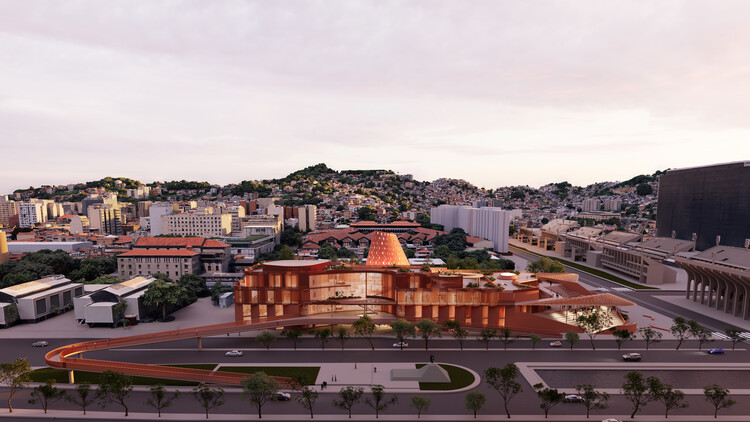
Biblioteca dos Saberes by Kéré Architecture. Northern view. Render. Image Courtesy of Kéré Architecture
Kéré Architecture has unveiled its proposal for the 40,000-square-meter Biblioteca dos Saberes (House of Wisdom) in Rio de Janeiro's Cidade Nova neighborhood. Designed by Francis Kéré, Mariona Maeso Deitg, and Juan Carlos Zapata, the cultural complex is commissioned by the Rio de Janeiro City Hall and planned for a site near Valongo Wharf and the Little Africa area. The design was presented to members of the community on November 20, the National Day of Zumbi and Black Consciousness in Brazil. Important features include a perforated façade for sun protection, roof gardens, landscaped terraces, shaded courtyards, open-air areas, a canopied amphitheater, and a pedestrian bridge connecting the building to the nearby monument to Zumbi dos Palmares.
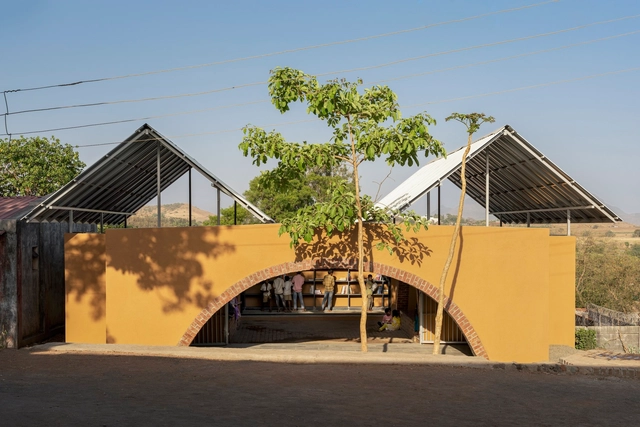
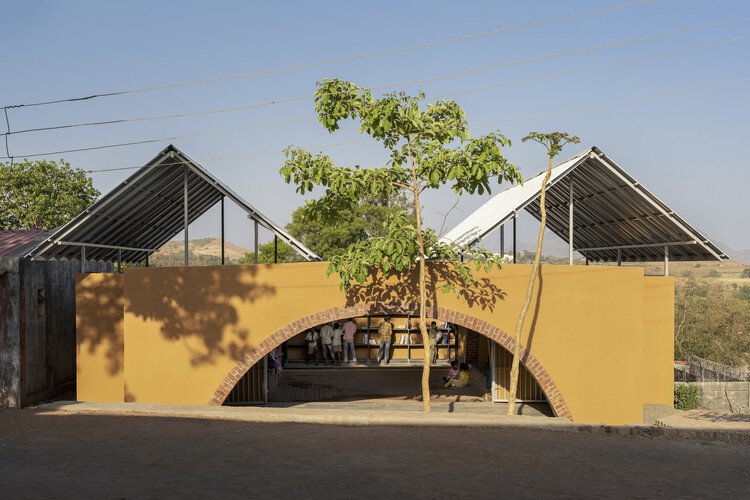
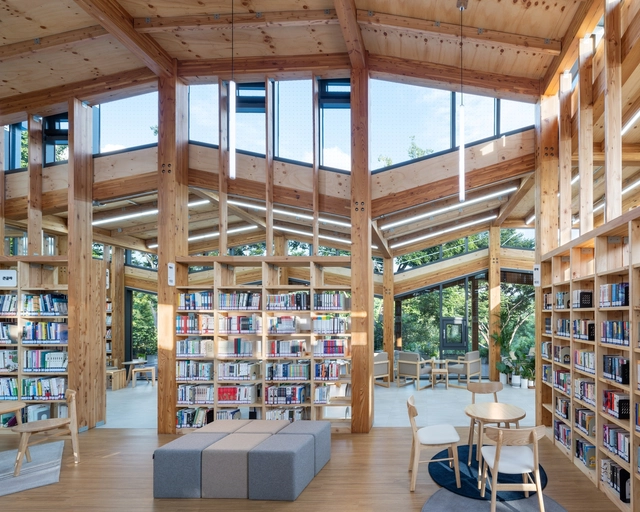
In many parts of the world, remoteness is not only defined by distance. It may describe a mountain settlement far from infrastructure or an urban and suburban neighborhood on the margins of visibility and opportunity. Across these diverse contexts, the library has been one of the most vital typologies—a space where architecture embodies the modes of accessibility, inclusivity, and community care.
In today's world, learning is no longer confined to classrooms or defined by formal education alone, it happens everywhere, in many forms. From music halls and sensory libraries to neurodiversity training centers and public schools reimagined, the spaces that support learning are becoming just as varied as the ways we learn. This selection of unbuilt educational projects submitted by the ArchDaily community reflects that shift, exploring how architecture can embrace difference, nurture curiosity, and create environments that support a broad spectrum of cognitive, emotional, and social needs.
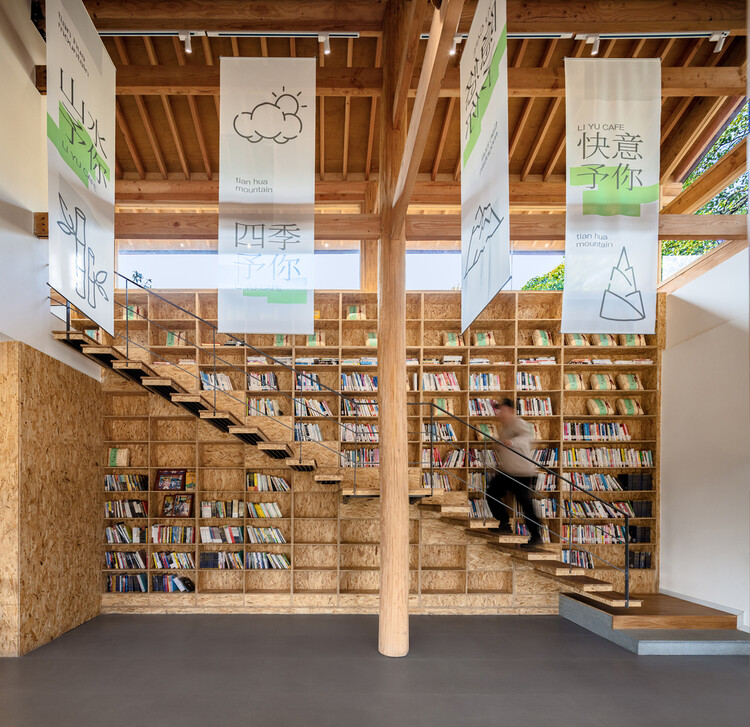
In traditional Chinese medicine, acupuncture works through strategically placed needles that trigger healing throughout the entire body. Urban planner Jaime Lerner's concept around targeted architectural interventions find success in China as well as neighboring countries in Asia, where localities are revitalized through simple interventions. Libraries, specifically, are bringing in social, cultural, and economic transformation to the continent.
For nearly 65 years, the DETAIL brand has stood for meticulous research and comprehensive architectural documentation. The magazine articles and specialist books demonstrate how outstanding architecture is planned, designed, and executed. They provide in-depth knowledge of building construction, building typologies, and technical aspects of architecture.
DETAIL has become especially renowned for its construction drawings, which are carefully researched by editors and redrawn by an in-house CAD team in a standardized style.
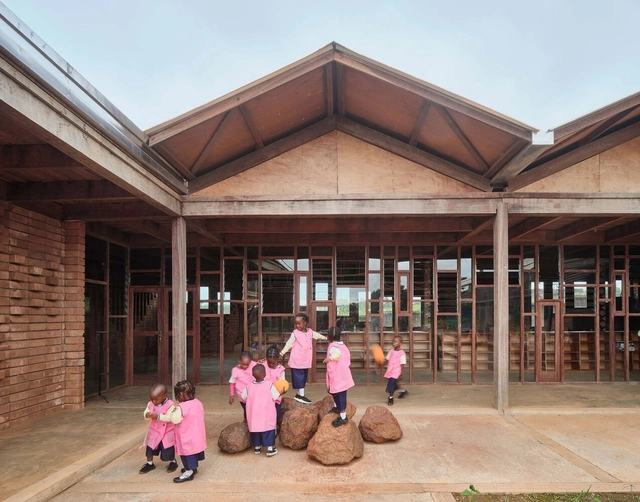
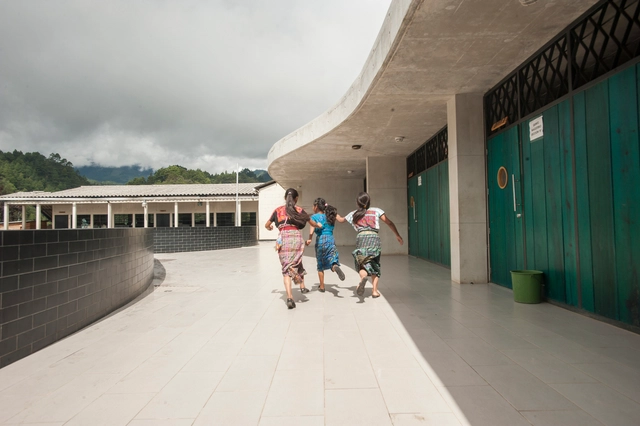
Children Running in the school at Nebaj, Guatemala . Image Courtesy of Solis Colomer Arquitectos
Founded in 2002, Solis Colomer Arquitectos has established a strong reputation over the past two decades, designing and constructing projects with both social and commercial impact across Latin America. With over 200 completed works, the firm specializes in institutional architecture with social impact and user-centered commercial architecture. Its mission is clear: to use architecture as a tool to dignify the human experience, especially for those in greatest need.
The contemporary bookstore is a paradoxical space. It is commercial, but rarely commercialized; public, but often privately owned; small in scale, but expansive in impact. As adjacent architectural typologies evolve under the pressures of digital consumption, economic precarity, and changing social habits, the bookstore has not dimensioned, but adapted to the twenty first century. It is not a site for private or institutional literary exchange, but a spatial hybrid that accommodates ritual, rest, performance, and socialization.
In most situations, architects navigate a complex web of construction codes, airspace regulations, and numerous other rules that dictate the form and execution of a project. However, cultural architecture often presents a unique opportunity for more daring and expressive designs. These projects frequently garner support from local governments, unlocking possibilities for formal explorations that might otherwise remain unrealized. In this regard, cultural architecture serves a dual purpose: enriching the community and establishing iconic landmarks that define the identity of their city or region. This ambition has certainly manifested in Taiwan. Situated in the heart of East Asia, this island nation boasts a remarkable array of formal explorations by both international and Taiwanese architects.
In the year 2000, the Royal Institute of British Architects (RIBA) awarded its prestigious Stirling Prize to Peckham Library, by architects Alsop and Stormer. Although it wasn't the first time for a library to win the prize, it was the first time a local library won it. It was an illustration of the times when public finances could conjure briefs with the intention to "create a building of architectural merit that will bring prestige to the borough." The library was commended for the public open space it created, its fun and colorful design, and its environmental credentials. It sits proudly in the heart of the community and it is interesting that its sign, projecting above the roof line, simply spells 'Library', an indication of the importance of this building's function to the area.
Courtesy of SCHOOL OF ARCHITECTURE AND URBAN PLANNING, NANJING UNIVERSITY
Reading a book is commonly seen as an individual activity, yet libraries have evolved to offer more than just book-lending services in the digital age. Public libraries have transformed into contemporary community centers, offering various social engagement opportunities while utilizing minimal urban space. Emphasizing the importance of building a sense of community, these institutions prioritize connecting individuals with common interests.
“The 2024 Prize jury emphasizes the significance of architecture that explores the potential to shift mindsets and policies, as well as the importance of fostering inclusivity”, explains the official announcement. The Awards Ceremony will take place at the Mies van der Rohe Pavilion in Barcelona, in the context of the EUmies Awards Day, on the 14th of May 2024, launching the Barcelona Architecture Weeks.