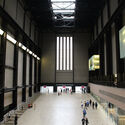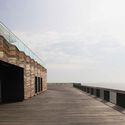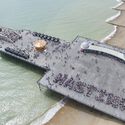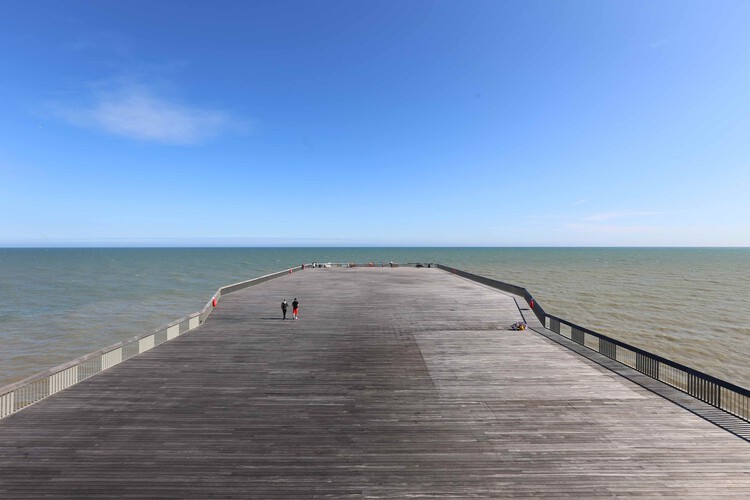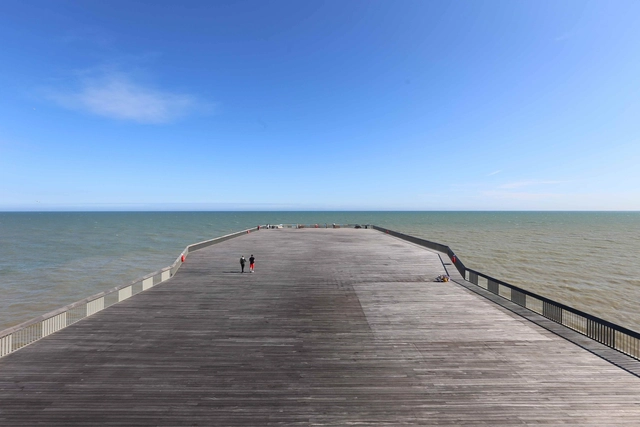
Whether for design competitions or architectural awards, buildings are often judged for what they offer–the programmed functions, the form, or the visual delight. In a minority of cases, it is the absence or the reduction of intervention that made a project successful. In 1971, a high-profile architectural competition in Paris was won by a proposal that only utilized half the available site, giving the rest as an urban space to the city. In London, a proposal to convert a disused power station with minimal additions, leaving large spaces untouched, won a design competition in 1994. The Stirling Prize, the UK's most prestigious architectural award, in 2017 was won by a proposal that was little more than an empty platform. These examples of cultural buildings from Northwestern Europe illustrate how the absence of intervention can provide more.
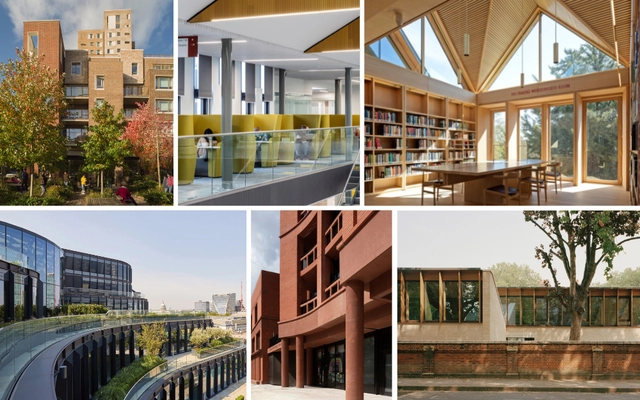
The Royal Institute of British Architects (RIBA) has announced the six projects selected for the shortlist of the 2023 RIBA Stirling Prize. The annual award is one of the United Kingdom's most prestigious recognitions in the field of architecture, judging projects on a range of criteria, including design vision, innovation, originality, and the capacity to engage and delight the occupants and visitors. Sustainability and accessibility are also crucial conditions for the selection. This edition’s shortlist includes projects by architects such as Apparata, Sergison Bates Architects, and Adam Khan Architects, featuring for the first time at the Stirling Awards Shortlist, as well as practices that have previously won, Witherford Watson Mann Architects and Feilden Clegg Bradley Studios.
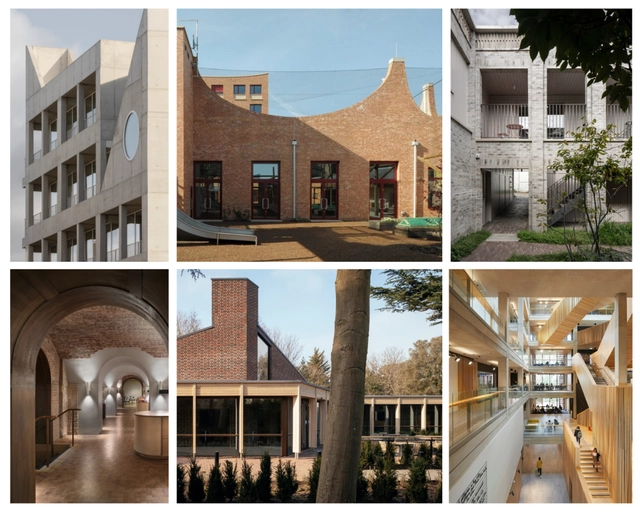
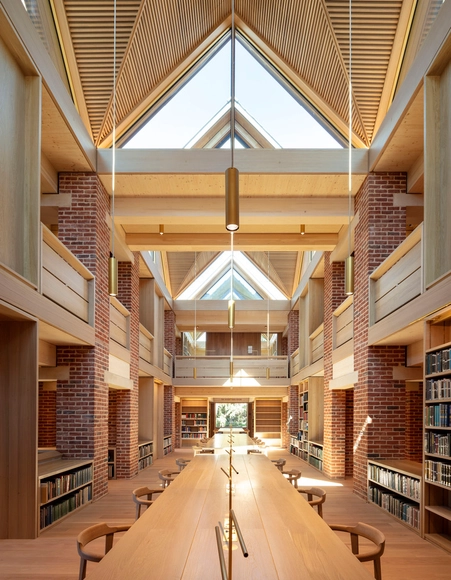
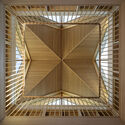
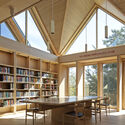
Designed by Níall McLaughlin Architects, the Magdalene College Library was just selected as the winner of the 26th edition of the RIBAStirling Prize. Selected from a pool of shortlisted projects, the outstanding new building replaces a library gifted to Magdalene by Samuel Pepys 300 years ago and provides the students of the University of Cambridge with a new space that includes an archive and an art gallery.
The Royal Institute of British Architects (RIBA) has announced the six buildings competing for the 2022 RIBAStirling Prize. Marking its 26th edition, the award honors the United Kingdom’s best new building, and is considered the country's highest accolade in architecture. The six projects range between educational, cultural, and residential buildings, all designed for sustained community benefits that "demonstrate the power of exceptional architecture to enhance lives". The winner of the 2022 Stirling Prize will be announced on October 13th, 2022 at RIBA's 66 Portland Place in London.
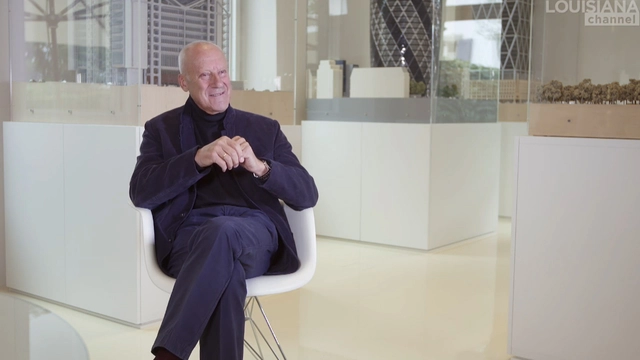
The Royal Institute of British Architects (RIBA) has announced that Pritzker Laureate Lord Norman Foster will chair the 2021 Stirling Prize jury. The jury will also include Simon Allford, RIBA President, architect Annalie Riches, 2019 RIBA Stirling Prize winner, and artist Dame Phyllida Barlow, advised by architect and sustainability expert Mina Hasman.
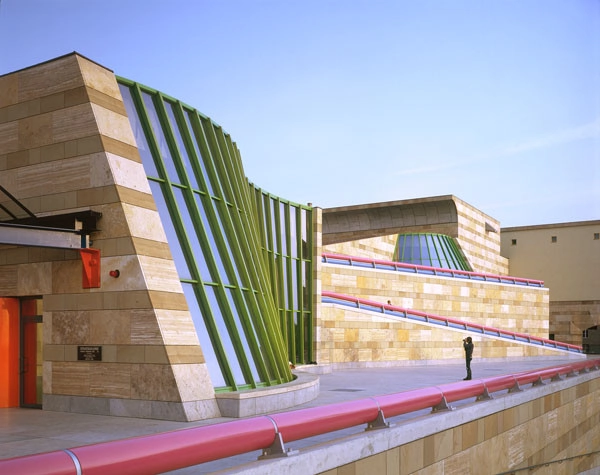
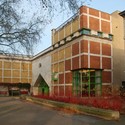
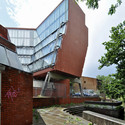
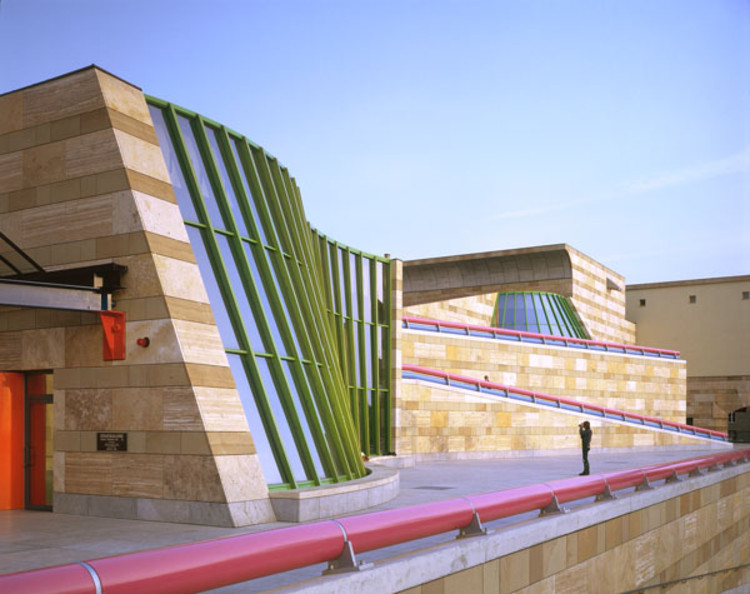
Staatsgalerie, Stuttgart, Germany (1977–1984), 1984. Alastair Hunter, photographer. Image Courtesy of Canadian Centre for Architecture
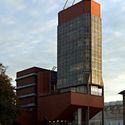
British architect and Pritzker LaureateSir James Stirling(22 April 1926 – 25 June 1992) grew up in Liverpool, one of the two industrial powerhouses of the British North West, and began his career subverting the compositional and theoretical ideas behind the Modern Movement. Citing a wide-range of influences—from Colin Rowe, a forefather of Contextualism, to Le Corbusier, and from architects of the Italian Renaissance to the Russian Constructivist movement—Stirling forged a unique set of architectural beliefs that manifest themselves in his works. Indeed his architecture, commonly described as "nonconformist," consistently caused annoyance in conventional circles.
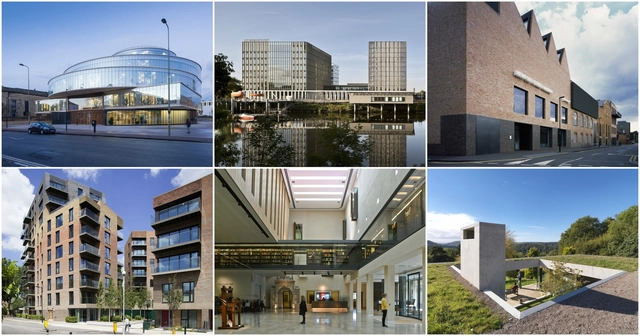
Below, we have rounded up the 30 most influential architects in London, complete with examples of the architectural works which have put them on the city and world map.
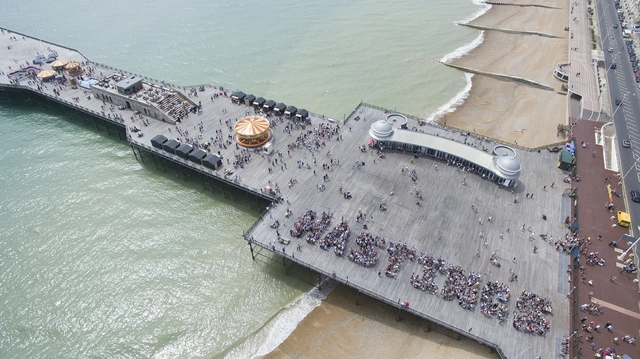
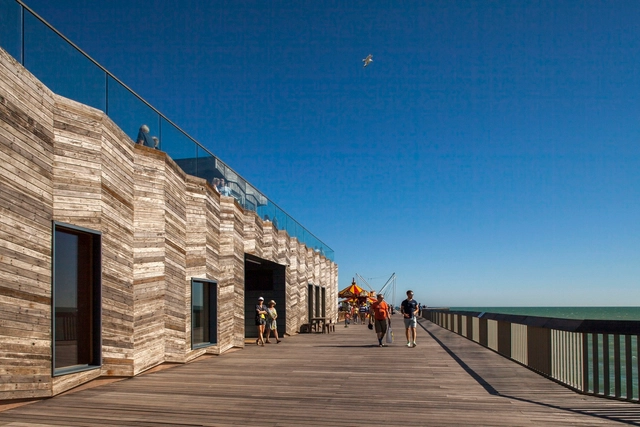
Just four months after winning the 2017 Stirling Prize, the UK’s top honor for architecture, dRMM’s Hastings Pier is now up for sale, as the charity that owned and operated the structure was declared insolvent for failing to reach self-funding status.
"Hastings Pier is a masterpiece in regeneration and inspiration. The architects and local community have transformed a neglected wreck into a stunning, flexible new pier to delight and inspire visitors and local people alike," said RIBA President and Stirling Prize jury chair Ben Derbyshire.
The 2017 winner of the UK’s most prestigious architecture award, the Stirling Prize, will be announced on October 31. Leading up to the main event, The Royal Institute of British Architects (RIBA) has released its list of the six shortlisted buildings, a collection that has left many critics scratching their heads. What the list left out seems to be as noteworthy as what was included, and while critics’ opinions on individual buildings differ, they seem mostly united in finding the overall list uninspiring and underwhelming. Read on to find out what they had to say.
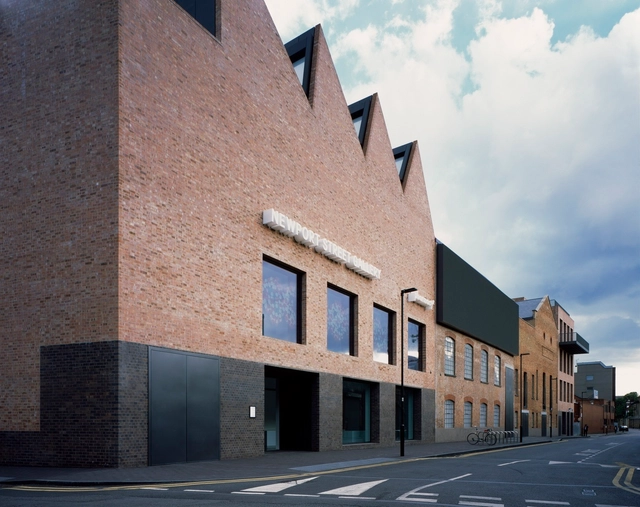
Designed as a free public gallery to house artist Damien Hirst’s private art collection, Caruso St John’s scheme sandwiches three restored Victorian-era industrial buildings between two new structures, one of which features a distinct saw-tooth roof.
"This highly accomplished and expertly detailed art gallery is a bold and confident contribution to the best of UK architecture. Caruso St John’s approach to conservation is irreverent yet sensitive and achieves a clever solution that expresses a poetic juxtaposition of old and new," said the jury in their citation.
As the winner of the 2016 RIBA Stirling Prize is set to be announced later today, Architects’ Journal has released a documentary looking at the award’s 21-year history and its impact on the buildings and architects that have been named to the prestigious list.
The Royal Institute of British Architects (RIBA) has announced six projects that will compete for the 2016 Stirling Prize, the award for the building that has made the greatest contribution to British architecture in the first year. Selected from the pool of regional winners around the country, the shortlisted buildings range from a small house in the south of England to a new college campus in Glasgow, Scotland. However, in a first for the Stirling Prize, the shortlist features two buildings coming from one client, Oxford University.
"Every one of the six buildings shortlisted today illustrates the huge benefit that well-designed buildings can bring to people’s lives," said RIBA President Jane Duncan. "With the dominance of university and further education buildings on the shortlist, it is clear that quality architecture’s main patrons this year are from the education sector. I commend these enlightened clients and supporters who have bestowed such remarkable education buildings."
The winner of the Stirling Prize will be announced on Thursday 6 October.
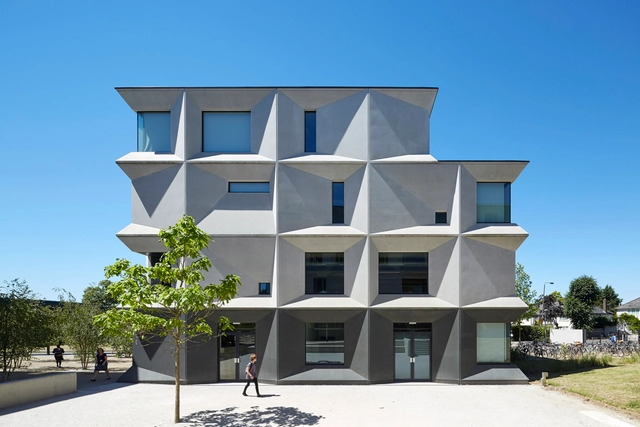
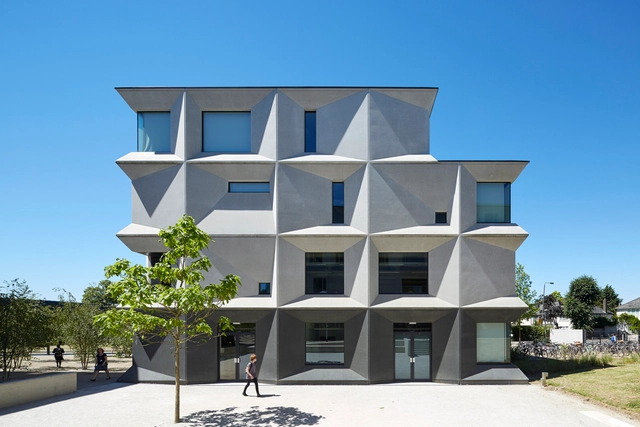
But despite the apparent surprise, was AHMM's Burntwood School a suitable winner of British architecture's highest award? Read on to find out what the critics thought.
The Royal Institute of British Architects (RIBA) have revealed the six projects that will compete for the 2015 Stirling Prize, the award for the building which has made the greatest contribution to British architecture over the past year. Following a rigourous system of regional awards (all of which you can see on ArchDaily), the shortlist has been picked from a handful of nationally award-winning projects.
Rogers Stirk Harbour + Partners, having previously won the prize in 2006 for the Barajas Airport in Madrid and in 2009 for the Maggie’s Centre at Charing Cross Hospital, has been nominated four times before. They are joined by Allford Hall Monaghan Morris (AHMM), Niall McLaughlin Architects, and Heneghan Peng Architects, who have each made the shortlist before. This is the first year that McInnes Usher McKnight Architects (MUMA) and Reiach and Hall Architects have been shortlisted. The winning project will be announced on the 15th October 2015 at a ceremony in London.
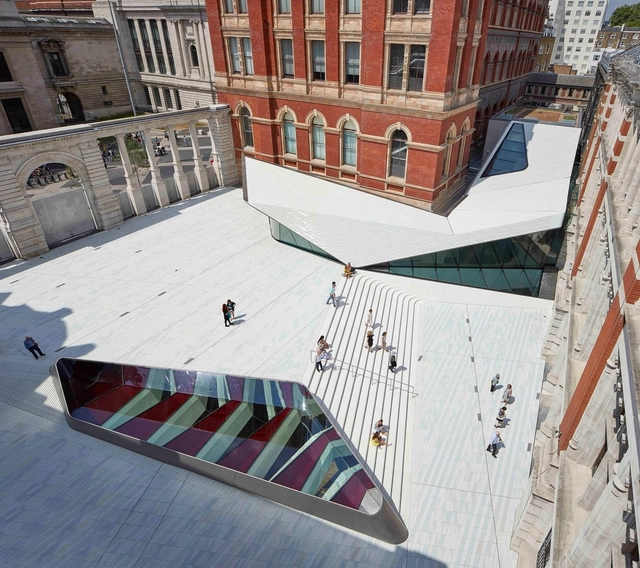
See this year's full shortlist and read extracts from the judges' citations after the break.
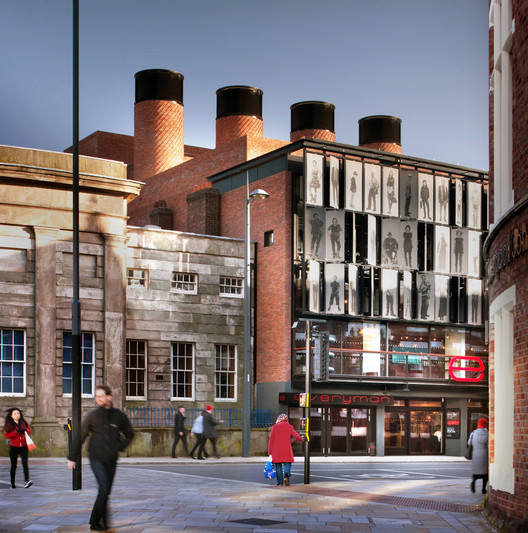
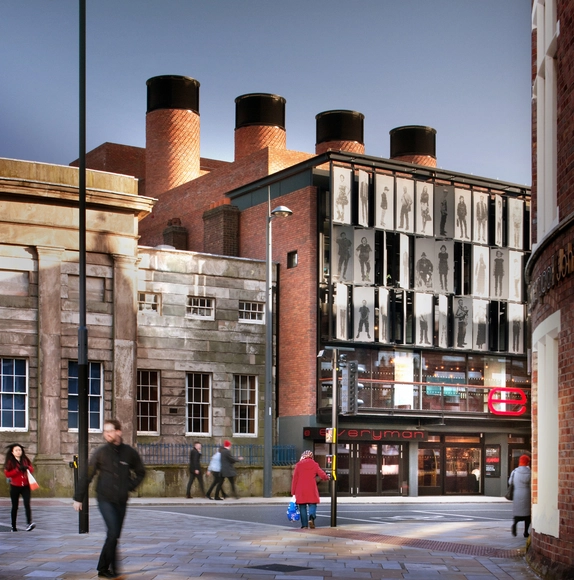
In what was seen by many as the strongest shortlist in years, the underdog Everyman has emerged victorious. But was it a worthy winner? Read on after the break to find out what the critics made of this unexpected result.