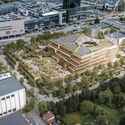
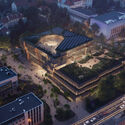
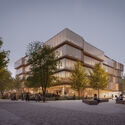
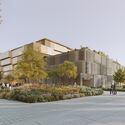
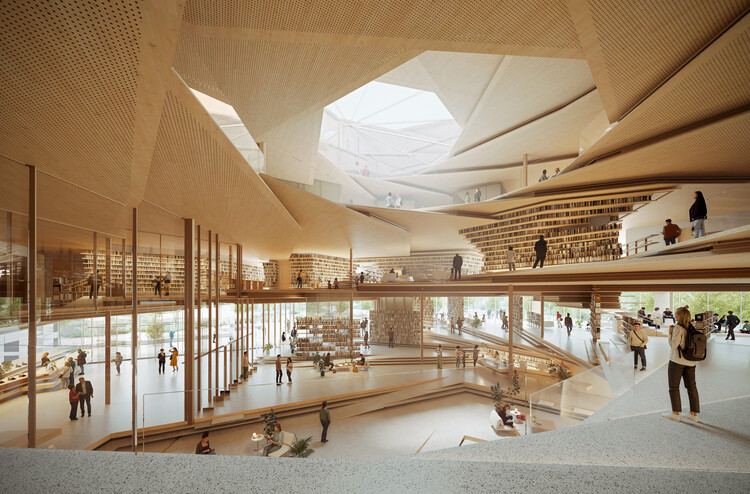
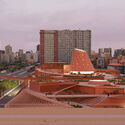
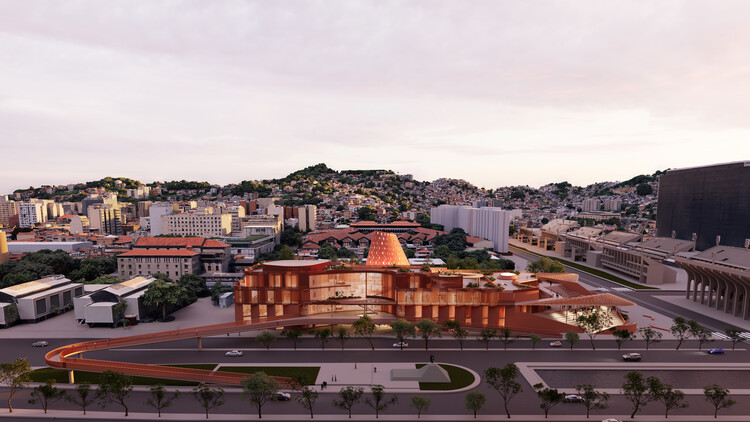
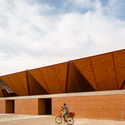
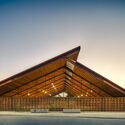
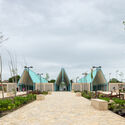
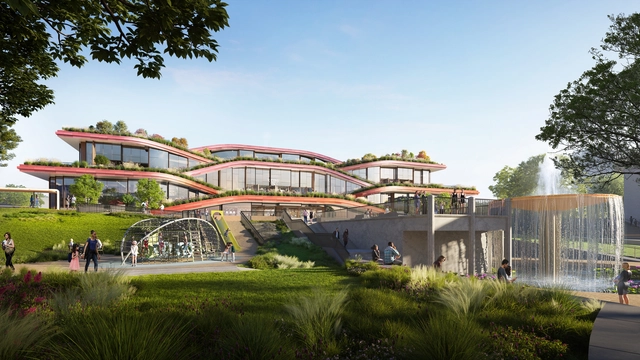
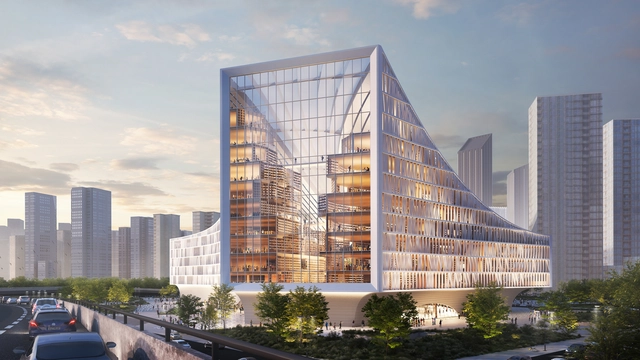
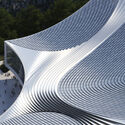
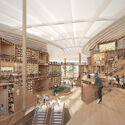
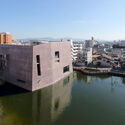
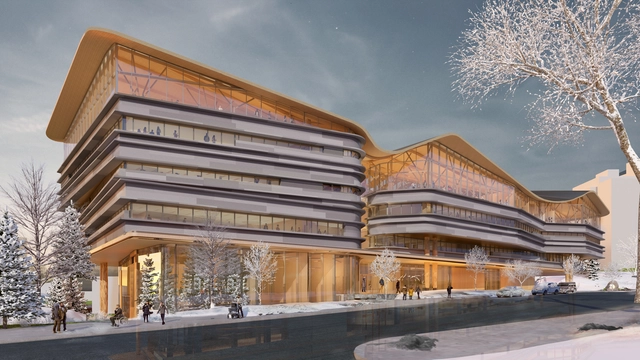
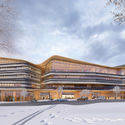
Biblioteca dos Saberes by Kéré Architecture. Northern view. Render. Image Courtesy of Kéré Architecture
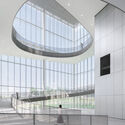
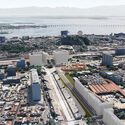
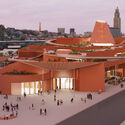
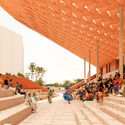
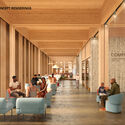
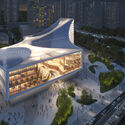
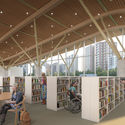
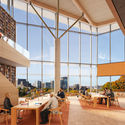
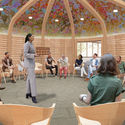
Kéré Architecture has unveiled its proposal for the 40,000-square-meter Biblioteca dos Saberes (House of Wisdom) in Rio de Janeiro's Cidade Nova neighborhood. Designed by Francis Kéré, Mariona Maeso Deitg, and Juan Carlos Zapata, the cultural complex is commissioned by the Rio de Janeiro City Hall and planned for a site near Valongo Wharf and the Little Africa area. The design was presented to members of the community on November 20, the National Day of Zumbi and Black Consciousness in Brazil. Important features include a perforated façade for sun protection, roof gardens, landscaped terraces, shaded courtyards, open-air areas, a canopied amphitheater, and a pedestrian bridge connecting the building to the nearby monument to Zumbi dos Palmares.
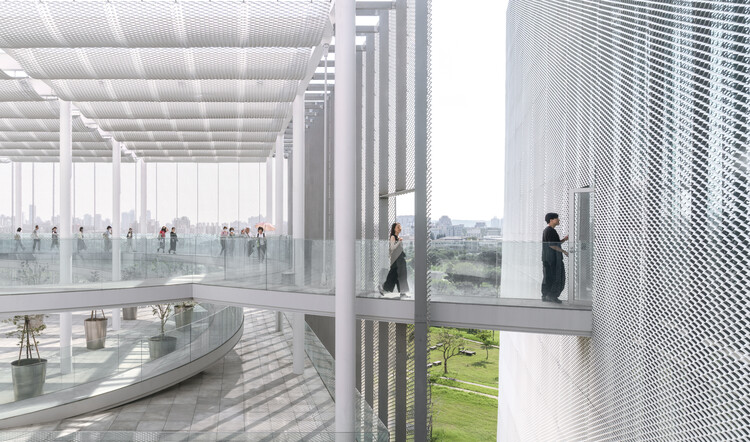
SANAA, led by architects Kazuyo Sejima and Ryue Nishizawa, has unveiled its design for the Taichung Art Museum in central Taiwan. The new institution is scheduled to open on December 13, 2025, as part of the Taichung Green Museumbrary project, developed in collaboration with local firm Ricky Liu & Associates. Conceived as a major cultural initiative, the project combines a contemporary art museum, library resources, and public parkland. It aims to create a new institutional model for Taichung, one that supports artistic exchange and public programming while positioning the city as an international cultural hub.
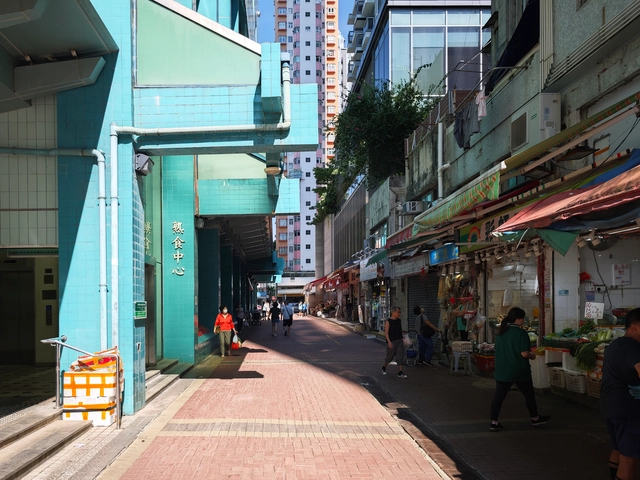
In Delirious New York, Rem Koolhaas vividly discusses the Downtown Athletic Club, a striking example of how an unassuming building exterior can conceal a vibrant mix of distinct, self-contained programs. Inside the uniform facade of this skyscraper, a private athletic club hosts an eclectic range of facilities—boxing gyms next to oyster bars and interior golf ranges below swimming pools—all segregated yet highly accessible. The Downtown Athletic Club epitomized the dynamism of New York's skyscrapers at the time, showcasing the thrill of capitalism through a selective, inward-focused world of leisure and privilege for the selected. This "machine of programs" operated independently of the external city as an isolated ecosystem within its walls. Yet, one might ask: could a similar model, designed for public use, create a more inclusive, lively community and neighborhood experience? This will activate the building within, instead of only serving the selected elites, and influence and transform the urban fabric and shapes around the building. In Hong Kong, a distant parallel can be drawn with the Municipal Services Buildings (MSBs)—publicly-funded structures that serve the community by integrating diverse functions within a singular vast building mass, much like the Downtown Athletic Club.
In the year 2000, the Royal Institute of British Architects (RIBA) awarded its prestigious Stirling Prize to Peckham Library, by architects Alsop and Stormer. Although it wasn't the first time for a library to win the prize, it was the first time a local library won it. It was an illustration of the times when public finances could conjure briefs with the intention to "create a building of architectural merit that will bring prestige to the borough." The library was commended for the public open space it created, its fun and colorful design, and its environmental credentials. It sits proudly in the heart of the community and it is interesting that its sign, projecting above the roof line, simply spells 'Library', an indication of the importance of this building's function to the area.
Courtesy of SCHOOL OF ARCHITECTURE AND URBAN PLANNING, NANJING UNIVERSITY
Reading a book is commonly seen as an individual activity, yet libraries have evolved to offer more than just book-lending services in the digital age. Public libraries have transformed into contemporary community centers, offering various social engagement opportunities while utilizing minimal urban space. Emphasizing the importance of building a sense of community, these institutions prioritize connecting individuals with common interests.
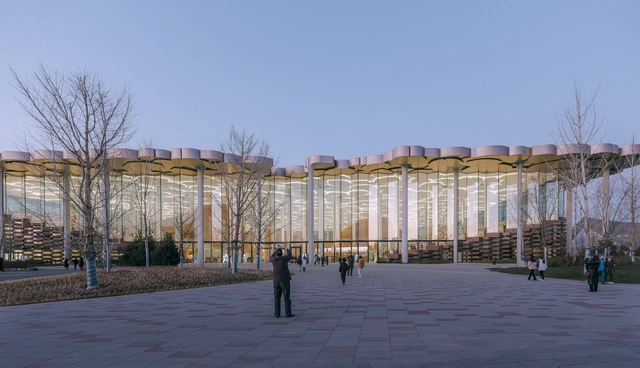
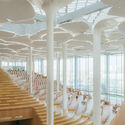
Snøhetta’s Beijing City Library has opened its doors to the public, introducing a unique space for learning and knowledge-sharing in Beijing’s cultural scene. As one of the most anticipated projects of 2024, the library features the world's largest climatized reading space, in addition to various facilities aimed at creating a vibrant cultural destination in the city. Snøhetta was awarded the Beijing City Library in 2018 through an international competition and the project was completed with local partner ECADI.
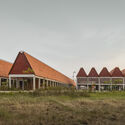
Heatherwick Studio has revealed their first public library design, planned for Howard County Libraries in Maryland, United States. The building will serve as a community center and was designed to reflect the changing and complex role of libraries within cities. The program expands beyond book lending services, providing spaces for cultural events, collective learning, workshops and lending of objects of use. Construction is expected to begin in 2024, and the library is scheduled to open to the public in 2027.
Hidden in plain sight, ceilings are often the final surface interior designers and architects think about, but the expansive plane of unobstructed plaster or concrete offers mar more creative freedom than we realize. Modern design rules demand that the ceiling is kept clean. Not with a telescopic mop attachment, but by stripping off the popcorn spray, wood-chip wallpaper, or plaster patterning that haunt my own memories of ceilings-past.
While many clients greet this contemporary need for clean lines with acquiescence, choosing smooth, skimmed plaster finishes with unobtrusive yet forgetful recessed spots, other bolder clients recognize the ceiling’s potential for the creative outlet it is.
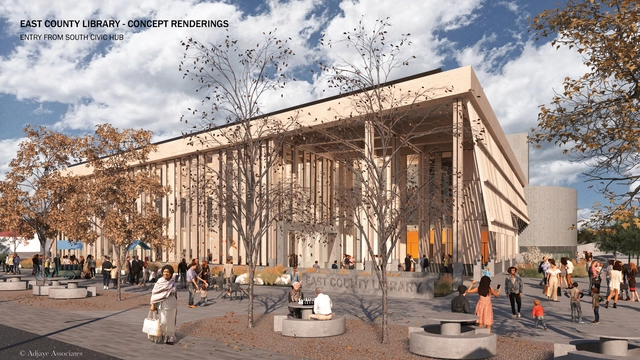
Adjaye Associates, in collaboration with Holst Architecture, the prime architect of record, have unveiled the first renderings for the new East County Library in Portland, Oregon, a new facility that will provide a diverse range of services and programming. The design of the 95,000-square-foot building is informed through extensive community engagement and feedback. Several local organizations aid these efforts by organizing public community events, focus groups, teen outreach, and surveys. As the project is currently in the schematic design phase, the images presented are early drafts, likely to change to reflect the input received.
MVRDV, in collaboration with UAD, has been selected as the winner of the competition to design a new library for Wuhan, poised to become one of the largest libraries in China. The large-scale project creates diverse study environments and offers reading and studio spaces while also connecting to its surroundings via three large openings that display the life inside the buildings to invite visitors to enter. Spanning over 140,000 square meters, the distinctive building adapts its volume to reflect its position at the confluence of two main rivers in Wuhan and become a recognizable landmark for the city.
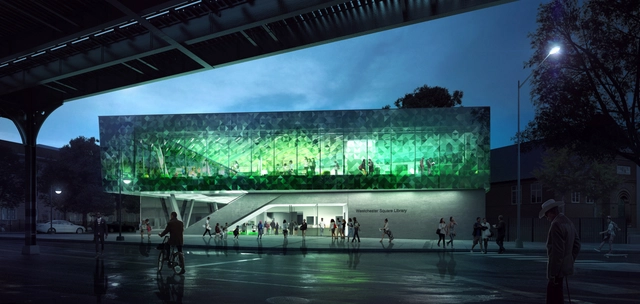
Snøhetta, the New York City Department of Design and Construction (DDC), and the New York Public Library (NYPL) unveiled designs for a new 12,000-square-foot branch library in the Westchester Square neighborhood of The Bronx, NYC. Inspired by the surrounding greenery, the energy-efficient building will be wrapped in pastoral print fritted glass, defining the new structure as an important economic and educational node within the neighborhood. Construction on the new Library is anticipated to start during mid-to-late 2023.
As gateways to knowledge and culture, libraries play a fundamental role in society. Foundational in creating opportunities for learning, as well as supporting literacy and education, the resources and services each library offers all work towards helping to shape new ideas that are central to building a creative and innovative society.
Diamond Schmitt Architects and KWC Architects have designed the Ottawa Public Library and Archives Canada Joint Facility. In partnership with municipal and federal institutions, the facility will create an “inspiring place for gathering, learning and discovery”.
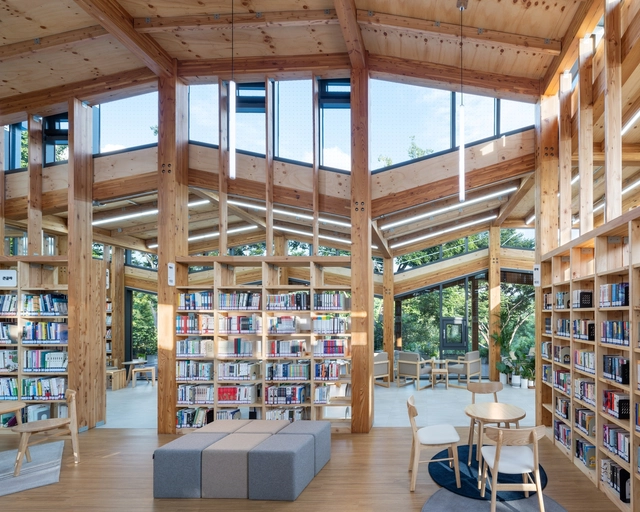
Buffalo and Erie County Public Library of Buffalo, New York, has recently opened a new exhibit at their Central Library titled Building Buffalo: Buildings From Books, Books From Buildings. The exhibit will feature a large selection of rare, illustrated architectural books from the Library’s collection dating from the fifteenth century to the mid-twentieth century. The bonus for those who are geographically distant from Buffalo is that, as part of the exhibit, the Library has also made dozens of historical architecture books available online, completely digitized and free to the public.