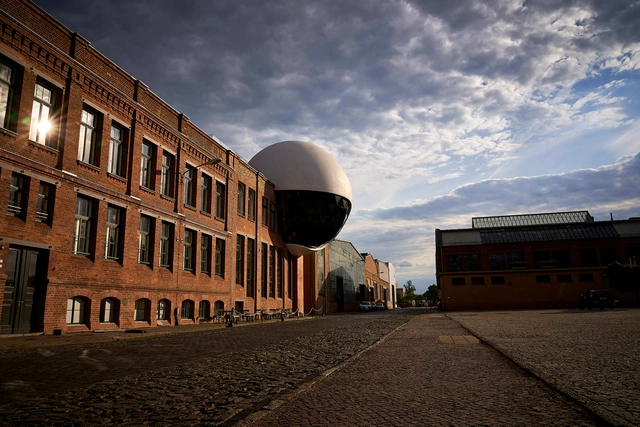
Oscar Niemeyer’s latest work generated a spherical extension for the Kirow plant’s canteen in Leipzig, Germany. The architect was first approached by the factory’s owner in 2011, and following Niemeyer’s death in 2012, his sketches were further developed by assistant Jair Valera, and executed by Harald Kern Architects.
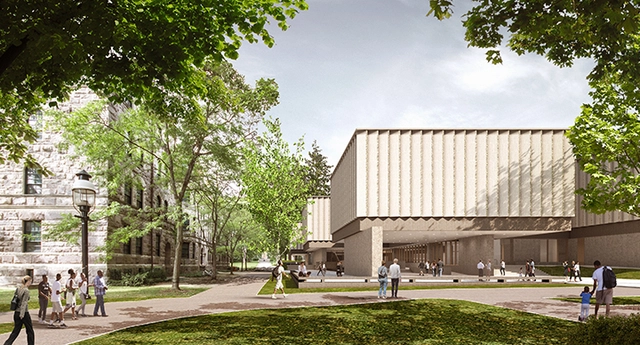
Sir David Adjaye has created an inclusive new vision for Princeton University Art Museum’s new building. Located at the heart of the campus, the project will replace and roughly double the square footage of the existing facility. Construction is scheduled to begin in 2021 with an anticipated opening in late 2024.
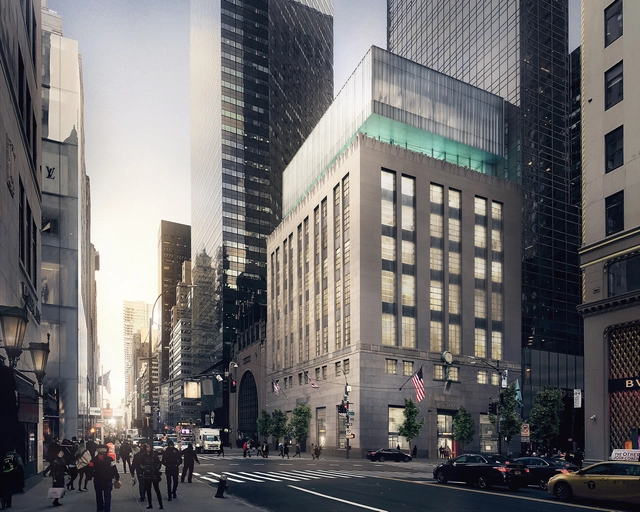
OMA / Shohei Shigematsu has revealed images of the new iconic Tiffany & Co. Fifth Avenue Flagship Store. In progress and scheduled for the spring of 2022, the intervention “reimagines the retail experience while preserving the historic identity of the original building”.
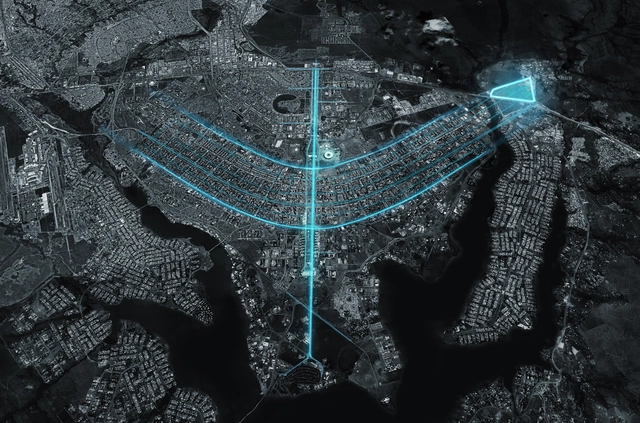
CRA - Carlo Ratti Associati has unveiled a major extension for Brazilia, reinterpreting “Lúcio Costa and Oscar Niemeyer’s modernist master plan for Biotic - a high-tech innovation district immersed in nature”. Developed in collaboration with Ernst&Young, the project that started in 2018 reimagines primarily the superblocks.
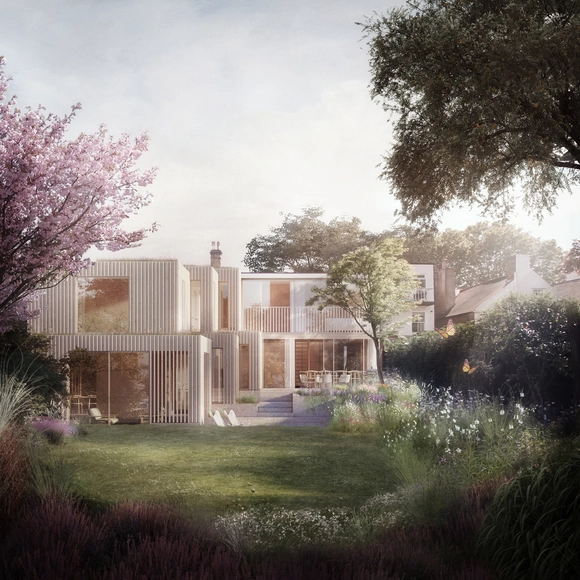
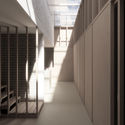
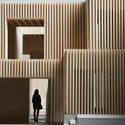
Morris + Company has just received planning approval to create a timber extension to Walter Segal’s Highgate residence in London. The transformation aims to revive the original architecture of the house, built by the architect himself in 1965 and introduces a contemporary intervention to the iconic village home.
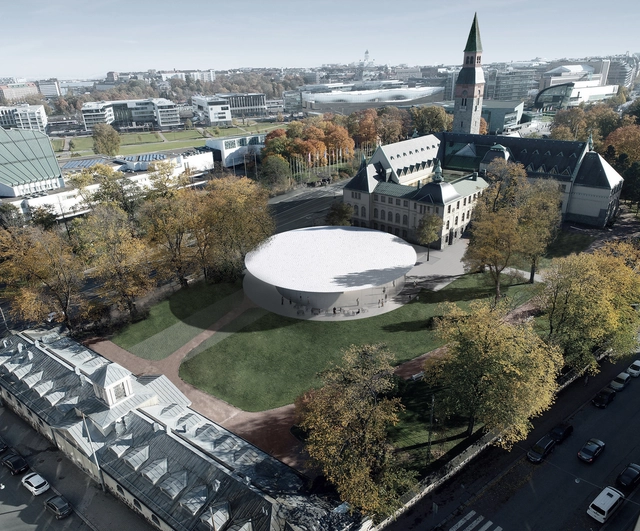
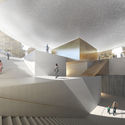
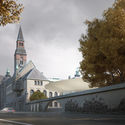
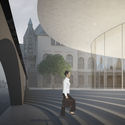
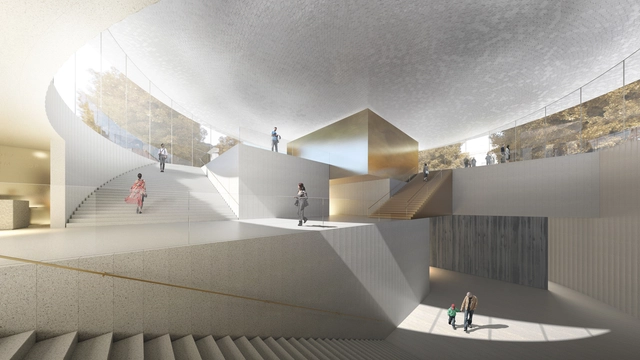
JKMM Architects, winners of the two-stage design competition to extend the National Museum of Finland has submitted the proposal entitled “Atlas” for outline planning permission. Schedule to be completed and to open to the public in 2025, the project is part of Finland’s on-going investment in culture during its post-pandemic recovery period.
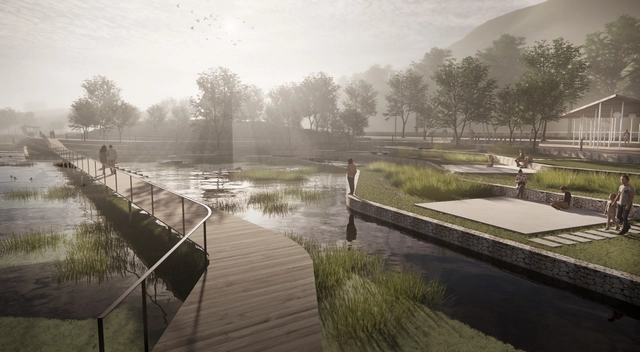
White Arkitekter has won a competition to design a new beach park and sea bath in Bergen, Norway. The waterfront proposal entitled “True Blue” generates “a new meeting place where residents will be challenged to experience the water’s qualities throughout the year”. Inspired by water, the most tangible element in Bergen, the winning project creates a sustainable park, upon the competition’s brief.
This week’s curated selection from our readers’ submissions focuses on some of the essential components of our present-day cities.
Featuring the best-unbuilt architecture, the article highlights adaptive reuse projects that transformed abandoned warehouses and factories, a street design in Luxembourg, a regenerative master plan in Seoul, and an emergency family accommodation to temporarily house those in need. Moreover, the roundup distinguishes a library in South Korea and an extension of a museum in Helsinki, because the cultural aspect is an integral part of our urban environment.
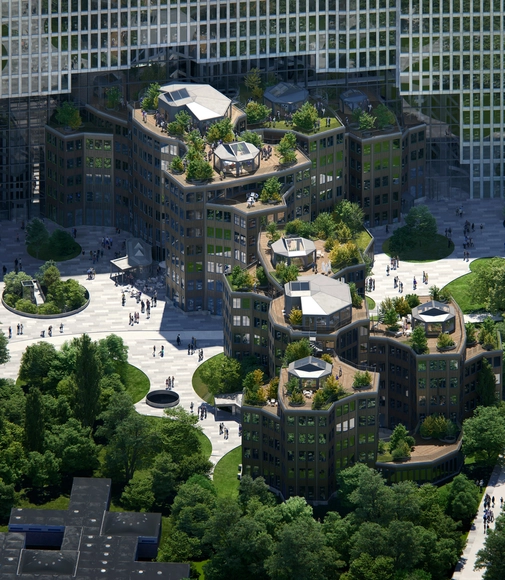
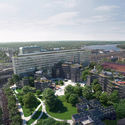
MVRDV has revealed a renovation scheme for the Tripolis office complex in Amsterdam, originally designed by Dutch architect Aldo van Eyck. Entitled Tripolis Park, the proposal that will accommodate the offices of Uber, will also enlarge part of the existing space, add an office block and a new park.
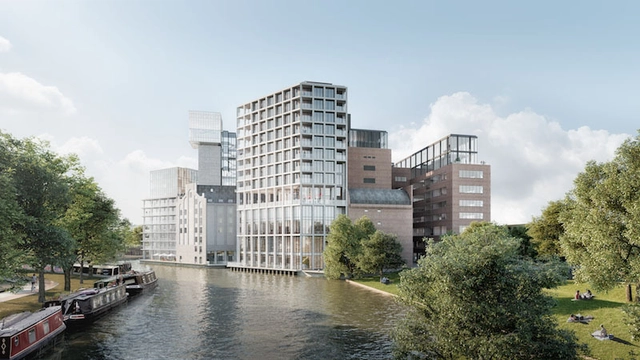
Part of a bigger vision and a master plan by Peter Zumthor, Studio Akkerhuis’ new 55.000 square meter project in Leiden’s 19th-century flour mill complex is under construction. With a landscape by Piet Oudolf and Lola, the development that recently won the "Future Project - Commercial Mixed Use” at WAF, will include shops, galleries, apartments, workspaces, a hotel, and a spa.
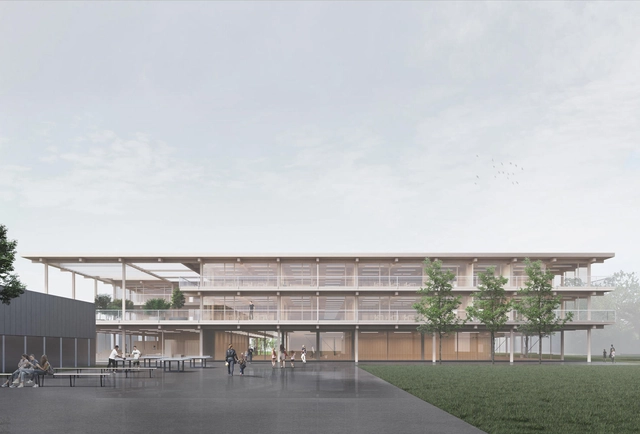
Topotek 1 was selected as the winner of the open architecture competition for the extension of School Champagne in Biel, Switzerland. The winning proposal suggests the integration of an additional building with the existing campus and new outdoor spaces.
JKMM’s “Atlas” proposal won the international design competition for the new extension of The National Museum of Finland. Organized by the Finnish Heritage Agency, the National Museum of Finland and Senate Properties, the competition entitled “New National” or “Uusi Kansallinen” in Finnish, gathered 185 entries from all around the world.
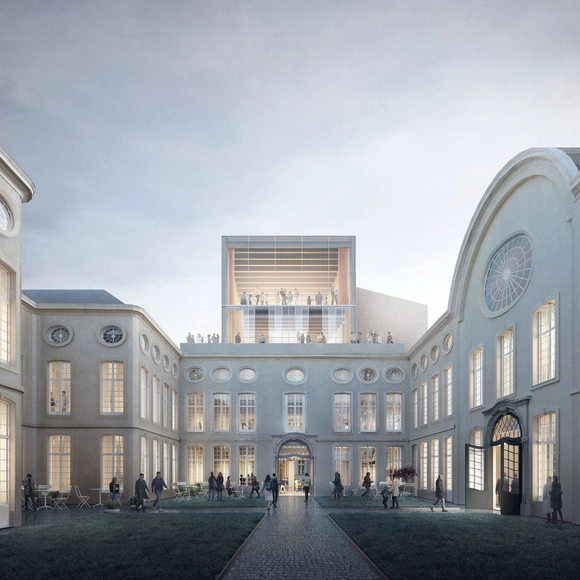
Courtesy of Carmody Groarke/ TRANS architectuur | stedenbouw
Carmody Groarke and TRANS architectuur | stedenbouw have won the Baumeister international competition to design an extension to the Design Museum Gent. Putting in place an innovative architecture, the project stands out from its historical context and encourages the city to explore new grounds.
The ROM Welcome Project aerial render. Image Courtesy of Hariri Pontarini Architects
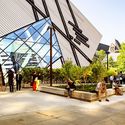
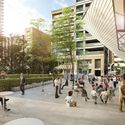
The ROM or The Royal OntarioMuseum, an art, world culture and natural history gallery in Canada, inaugurated its newest additions, the Helga and Mike Schmidt Performance Terrace and the Reed Family Plaza. Designed by Siamak Hariri of Hariri Pontarini Architects (HPA), the latest add-ons create a lively space on the street level.
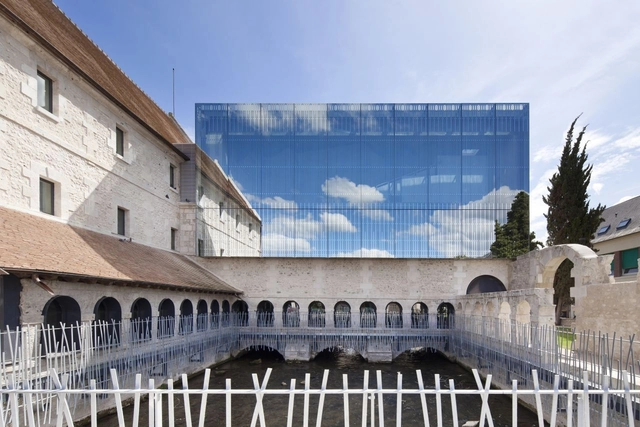
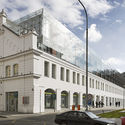
When an extension on an existing historical building is requested, often architects opt for glass, transparent and reflective interventions. Some decide to stay neutral and subtle when dealing with an older structure, while others choose a bold and outspoken design to manifest their contemporary character. With each project having its own conceptual motivation and reasoning, the outcomes are different and diverse.
Read on for some relevant examples, each responding to a different program.
This article was originally published on April 22, 2016. To read the stories behind other celebrated architecture projects, visit our AD Classics section.
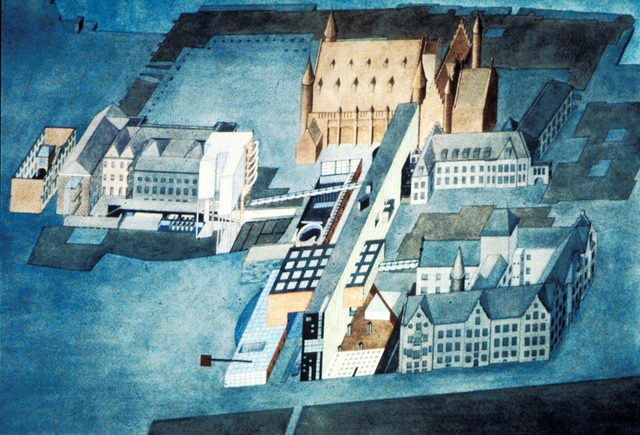
Designed shortly before Zaha Hadid left the Office of Metropolitan Architecture (OMA)—led by Rem Koolhaas—to found her practice, Zaha Hadid Architects, the proposed extension for the Dutch Parliament firmly rejects the notion that imitation is the sincerest form of flattery. Rather than mimic the style of the existing historic buildings, OMA elected to pay tribute to the complex’s accretive construction by inserting a collection of visibly postmodern, geometric elements. These new buildings, unapologetic products of the late 1970s, would have served as unmistakable indicators of the passage of time, creating a graphic reminder of the Parliament’s long history.
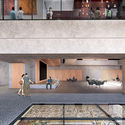
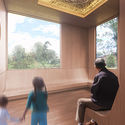
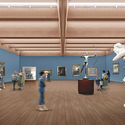
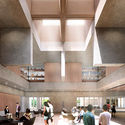
The extension is viewed as an urgent project to address overcrowding in the vital facility, with the demands of 20,000 annual patients resulting in hot, overcrowded communal spaces, and children sharing beds in wards. The Foundation described Manuel Herz as the “unanimous choice” with an approach showing “a mix of visual flair, practical understanding, and profound humanitarianism.”
https://www.archdaily.com/895766/manuel-herz-to-design-curvilinear-expansion-of-rural-senegal-hospitalNiall Patrick Walsh
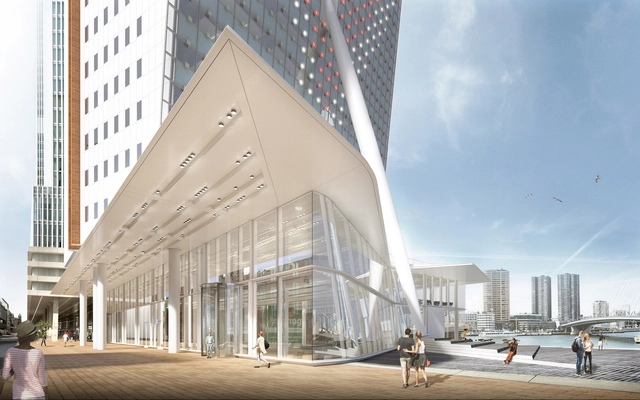
A year ago, Dutch telecom company KPN announced the move from its former headquarters in The Hague, to the famously leaning tower designed by Renzo Piano, at the foot of Rotterdam’s Erasmus Bridge. Completed in 2000, the tower is now set to undergo extensive renovation and expansion as part of the company’s relocation, to be headed by local firm V8 Architects with the intention of creating a new distinctive entry of the Wilhelminapier.
Piano himself was consulted in the design process, with the final proposal receiving his approval. "As a Rotterdam office, we are proud to have been asked to bring this characteristic building—and the first tower on the Wilhelminapier—to new life," said Michiel Raaphorst of V8." And we are honored our intervention is welcomed by Renzo Piano."
https://www.archdaily.com/874799/v8-architects-to-expand-renzo-pianos-tilted-kpn-tower-in-rotterdamOsman Bari



























.jpg?1528130931)
.jpg?1528130951 "Image by Play-Time © Manuel Herz Architects")
.jpg?1528130941 "Image by Play-Time © Manuel Herz Architects")
.jpg?1528130931 "Image by Play-Time © Manuel Herz Architects")
.jpg?1528130920 "Image by Play-Time © Manuel Herz Architects")
.jpg?1528130931)