Architecture this week reflects on how buildings and cities adapt to changing cultural, social, and environmental conditions. From the expansion of established institutions and the preservation of architectural archives to new approaches to housing and the use of domestic space, several stories consider how architecture negotiates between existing contexts and future needs. These questions extend beyond individual buildings, touching on the role of public space, infrastructure, energy, and collective memory in shaping the built environment. At the same time, new projects and cultural programs across different contexts demonstrate how architecture can respond to local histories, urban transformation, and resource constraints while establishing new relationships between buildings, landscapes, and the communities that use them.
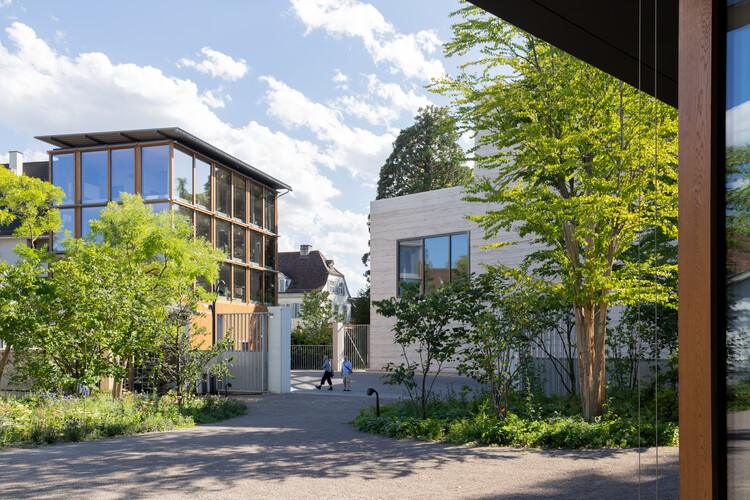
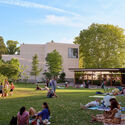
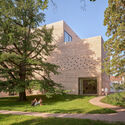
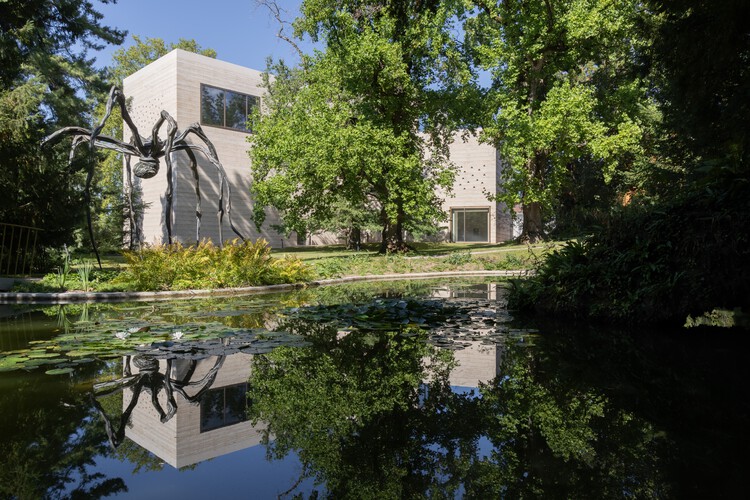
The Fondation Beyeler in Riehen, Switzerland, is expanding its museum ensemble with three new buildings by Swiss architect Peter Zumthor, an enlarged and restored park, and the adaptive reuse of several historic structures. The expansion extends the existing museum designed by Renzo Piano, adding exhibition, education, cultural, and public spaces while opening a previously private section of the surrounding landscape to visitors. The expanded ensemble will begin welcoming visitors on September 26, 2026, during a preview phase running through January 14, 2027, before fully opening on January 15. Zumthor's additions comprise the Wyss Museum, the Ammann Pavilion, and the Erlen Torhaus, positioned within the existing landscape and differentiated through their programmes, forms, and material treatments.
Symbols of technological development and urban density, tall buildings as we know them today emerged in the late 19th century, primarily in the United States, in response to rapid growth in urban commerce and the need to expand cities without consuming more land. The term skyscraper, for instance, was coined in the 1880s and originally referred to buildings of about 10 to 20 stories—an impressive height at the time.
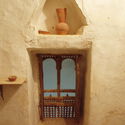
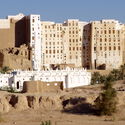
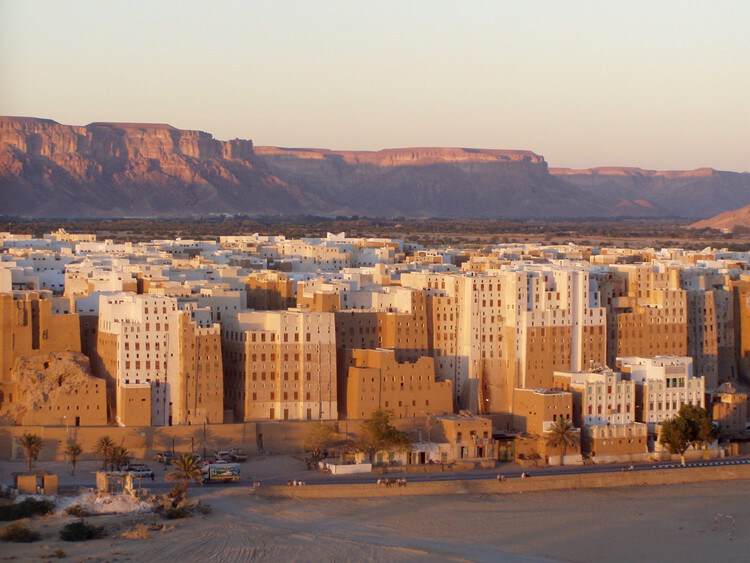
However, the idea of building vertically is far older than steel-and-glass skyscrapers suggest. Long before the Industrial Revolution, several societies were already experimenting with vertical urbanization as a solution to spatial constraints, territorial defense, or environmental adaptation.
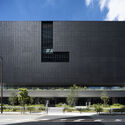
Suzhou Museum of Imperial Kiln Brick. Image Cortesía de Jiakun Architects
The Pritzker Prize is the most important award in the field of architecture, awarded to a living architect whose built work "has produced consistent and significant contributions to humanity through the art of architecture." The Prize rewards individuals, not offices, as happened in 2000 (when the jury selected Rem Koolhaas instead of his firm OMA) or in 2016 (with Alejandro Aravena selected instead of ELEMENTAL); however, the Prize can also be awarded to multiple individuals working together, as was the case in 2001 (Herzog & de Meuron), 2010 (Kazuyo Sejima and Ryue Nishizawa from SANAA), and 2017 (Rafael Aranda, Carme Pigem, and Ramon Vilalta from RCR Arquitectes).
This article is part of our new Opinion section, a format for argument-driven essays on critical questions shaping our field.
Traditionally, a museum visit is a calendared occasion with a clearly scripted sequence. Arrival is ceremonially marked—by grand stairs or thresholds, by ticketing and information desks, by an audio guide and a concise institutional preface about mission and history. That deliberate "special occasion" quality extends from how museums were long conceived: deliberately exceptional, tightly curated, and organized around a specific narrative arc. In this model, the museum assumes an authoritative voice—its knowledge deep, vetted, and to be respected rather than contested—while architecture and choreography reinforce a rather singular way of entering, learning, and remembering.
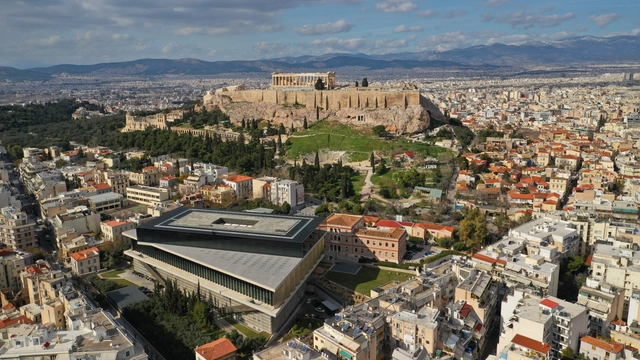
Athens stands as a city where the legacy of Antiquity is woven into its modern and vibrant urban landscape. World-renowned landmarks of Ancient Greece like the Acropolis and the Parthenon stand as enduring symbols of classical architecture and the city's storied past. These structures reflect the foundational principles of symmetry and balance that have influenced generations of architects and continue to attract scholars from around the world. Yet, Athens is also a thriving metropolis where contemporary architecture coexists with its historical counterparts. Recent developments, led by international firms and local architects, focus on sustainability and innovation while respecting Athens' rich cultural heritage. This duality—preserving the old while embracing the new—reflects Greece's broader urban aspirations, making Athens a focal point in global architectural discourse. The city's architectural evolution also extends to its contemporary architecture and interior design scene, which is gaining international recognition.
To celebrate this architectural evolution, this city guide features Athens's historical landmarks alongside ArchDaily's selection of projects focusing on contemporary architecture, and Designboom's curation of innovative interior designs. Together, they highlight Athens' role as a hub of design innovation.
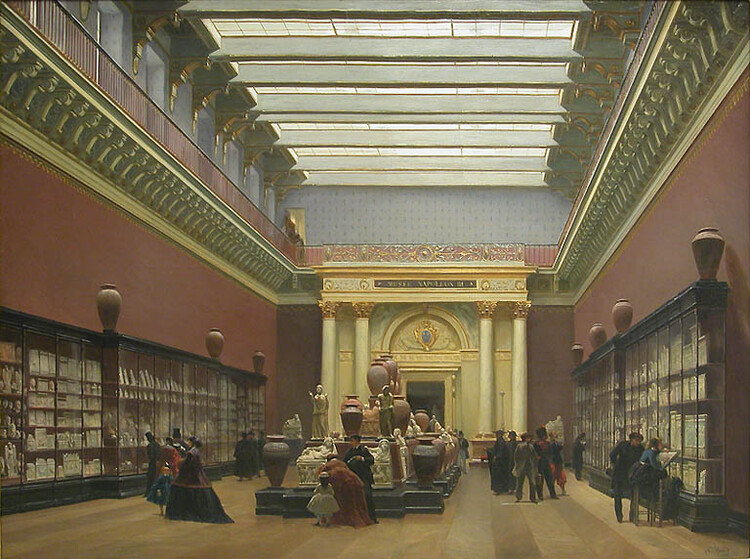
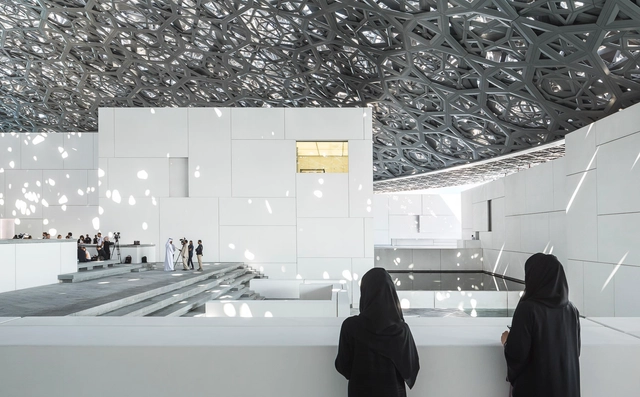
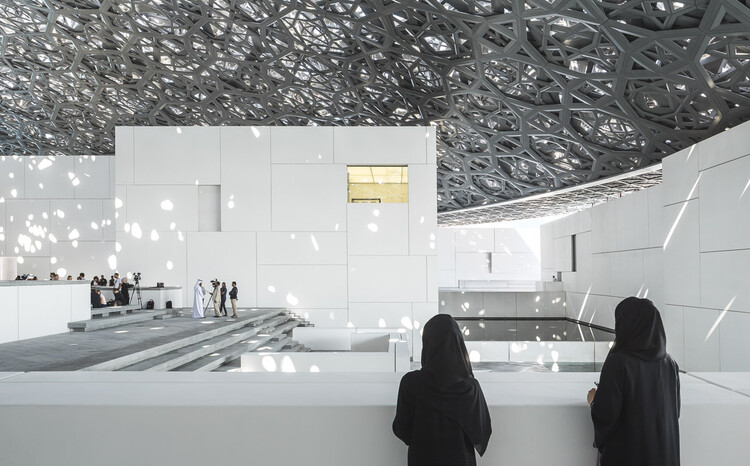
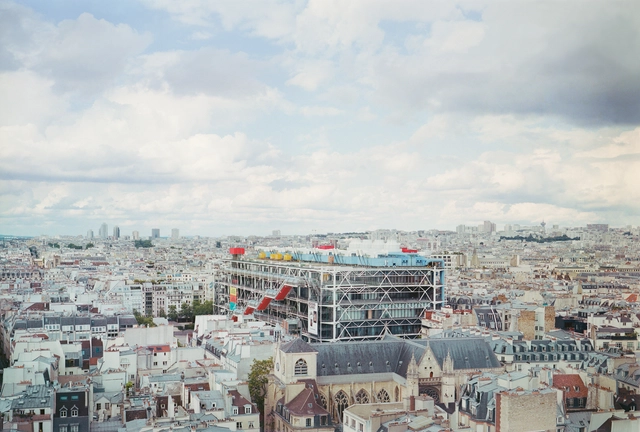
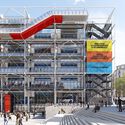
It is undeniable that, at first glance, the idea of a Louvre in Abu Dhabi or a Centre Pompidou in Brazil may seem somewhat disconcerting. The image of these museums, internationally renowned, appears in many ways inseparable from their original cultural contexts. And to some extent, it truly is. The Louvre, deeply rooted in the history of France as a former fortress and later royal residence, embodies a set of invaluable heritage values, further amplified by I. M. Pei’s iconic glass pyramid intervention in 1989. The Pompidou, meanwhile, is remembered as a historic turning point: by redefining the concept of public infrastructure through radically unconventional architecture, it marked the first time culture drew in mass audiences.
The cultural center is an architectural typology that has fascinated architects and urban planners for decades. Whether due to its multifaceted program, its often emblematic scale, or its potential to transform the urban context in which it is inserted, it is a building type that carries strong symbolic and conceptual value. The wide circulation of international references—many designed by renowned architects—reinforces the aura of prestige associated with this program, frequently seen as a privileged ground for formal and conceptual experimentation. Not by chance, cultural center designs are among the most recurring themes in competitions, exhibitions, and academic studios.
Yet behind this contemporary fascination lies a complex history in which the notion of space dedicated to culture has been redefined over time, gradually taking the form we recognize today. This ongoing evolution invites us to reflect not only on the historical path of these spaces but also on the possibilities that will shape their future.
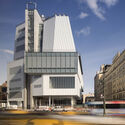
It's no exaggeration to say that Renzo Piano is one of the most unanimously respected architects in the world of architecture. With an oeuvre that blends respect for context, lightness and technology to create environmentally conscious and aesthetically pleasing structures, his approach combines advanced materials with traditional techniques. In projects of various scales, the Genoese architect maintains an essential thread: the implementation of passive architectural strategies, highlighting the importance of these methods for sustainability and energy efficiency. This is often made explicit in his sketches, as an initial concern, and clearly comes through in the finished works. Here are some examples of iconic projects developed by his office in recent decades.
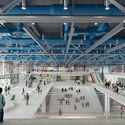
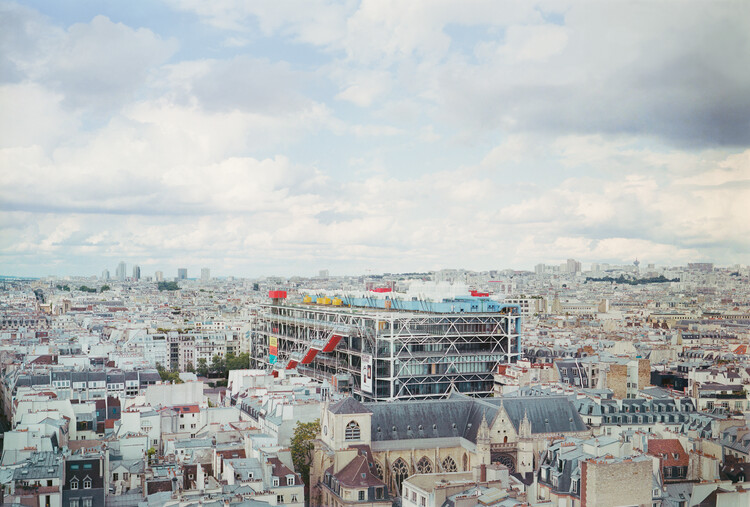
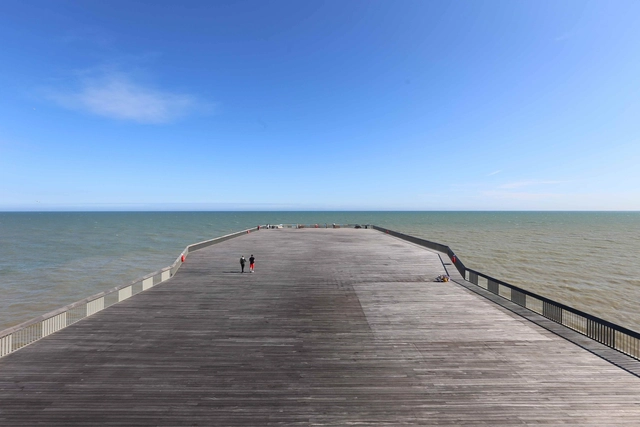
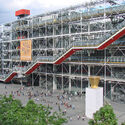
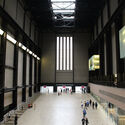
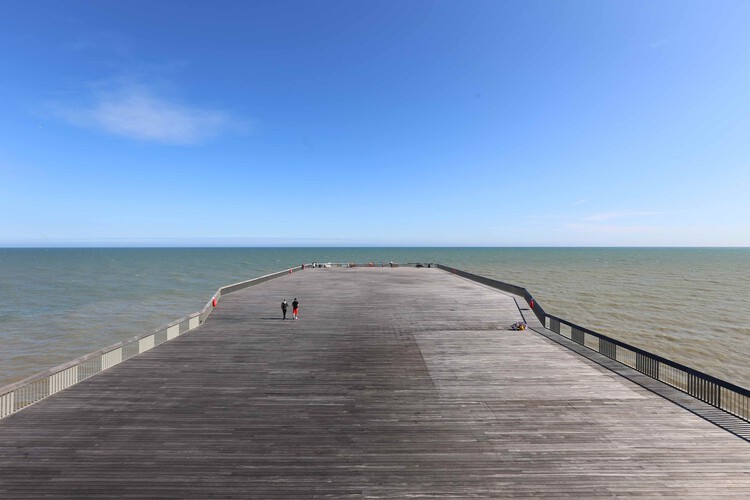
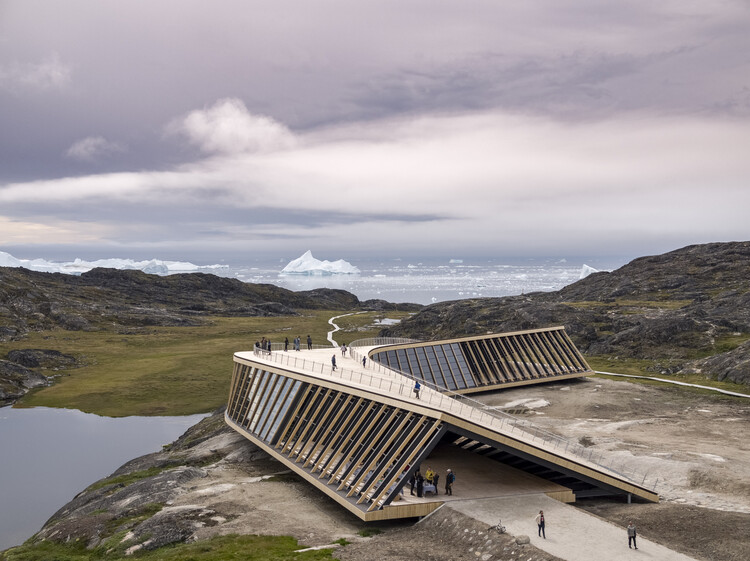
Whether for design competitions or architectural awards, buildings are often judged for what they offer–the programmed functions, the form, or the visual delight. In a minority of cases, it is the absence or the reduction of intervention that made a project successful. In 1971, a high-profile architectural competition in Paris was won by a proposal that only utilized half the available site, giving the rest as an urban space to the city. In London, a proposal to convert a disused power station with minimal additions, leaving large spaces untouched, won a design competition in 1994. The Stirling Prize, the UK's most prestigious architectural award, in 2017 was won by a proposal that was little more than an empty platform. These examples of cultural buildings from Northwestern Europe illustrate how the absence of intervention can provide more.
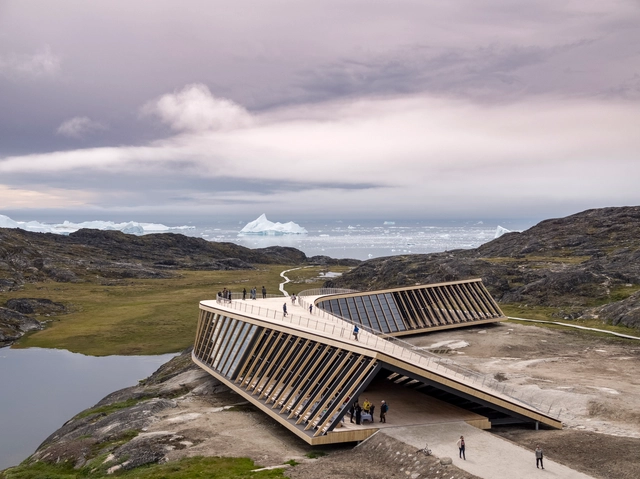
Destinations like ecological reserves, national parks, and historic sites rank among the most visited places worldwide. Motivated by different desires — from aesthetic appreciation to a longing for connection with nature — visitors are drawn to locations marked by historical importance, scenic beauty, or architectural significance. In this context, it becomes essential for the institutions responsible for preserving and managing these sites to adopt thoughtful mediation strategies — both in terms of communication and spatial design. One such strategy is the creation of visitor centers: architectural structures that not only receive guests but also educate and guide them. These buildings act as interfaces between the site and its audience, translating the ecological, historical, and cultural values of the place into architectural form.
Tokyo is never-ending. It is a city made up of many cities, where everything is superlative and encounters with overwhelming scale are constant. For those visiting for the first time, the cultural shock is striking. Everything is extremely clean despite the absence of public trash bins, there's a strong impression of zero violence, and society seems to follow strict disciplinary codes to the letter. There’s a sense that human relationships and individual feelings are set aside in favor of the collective, with all the benefits and drawbacks that this way of life may bring.
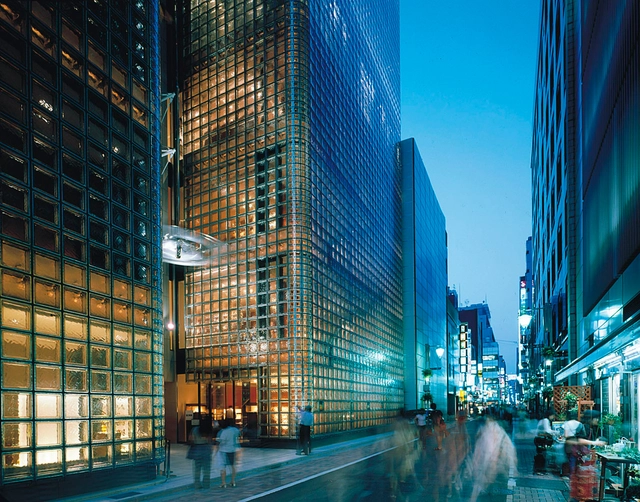
In Tokyo's bustling Ginza district, where tradition and modernity converge, the Maison Hermès emerges as a luminous architectural icon. Designed by Renzo Piano Building Workshop and completed in 2001, the 15-story structure serves as the Japanese headquarters of Hermès, the renowned French luxury brand celebrated for its craftsmanship and timeless elegance. Beyond its function as a commercial hub, the building encapsulates Hermès' ethos, transforming its urban site into a dialogue between light, materiality, and context.
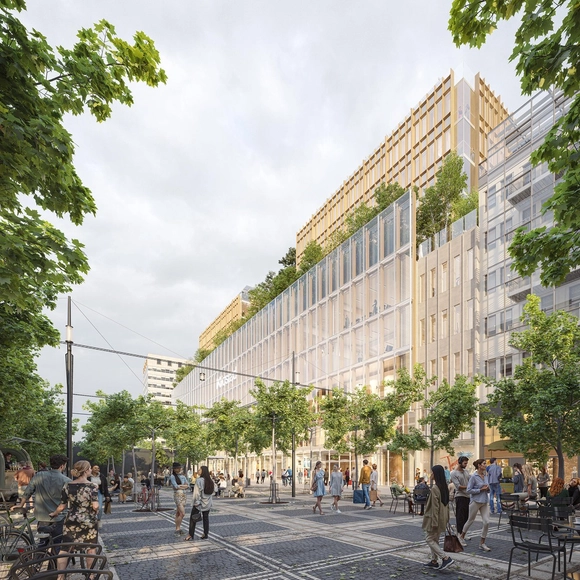
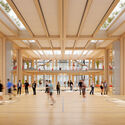
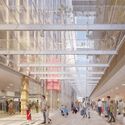
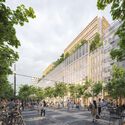
Renzo Piano Building Workshop (RPBW), in collaboration with Holger Meyer Architekten, has won the competition for the new Midstad project in Frankfurt. Led by Joost Moolhuijzen and Erik Volz, the design reimagines the future of European city centers as resourceful and multifunctional. The project involves a 35,000 m² rehabilitation of an existing department store on the Zeil in Frankfurt's city center, integrating a six-story mass timber extension and a mixed-use, community-driven program. The project involves reconstruction during ongoing operation, partial demolition, and the expansion of the existing department store.
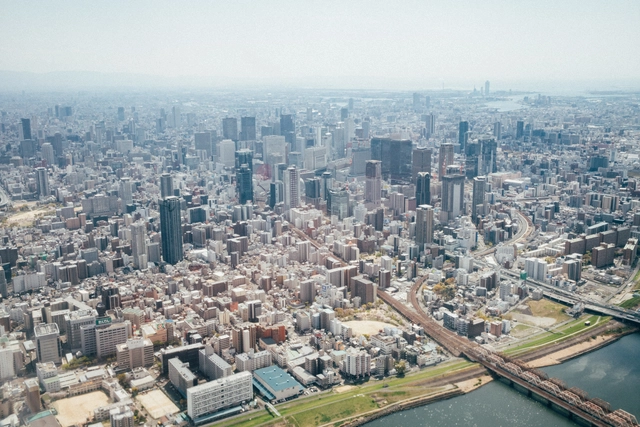
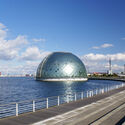
Osaka, Japan's third-largest city, is a vibrant blend of tradition and modernity, making it a compelling destination for architecture enthusiasts. Known historically as the "nation's kitchen" for its role as a mercantile hub, Osaka is also a city of cultural and architectural diversity. Its landmarks range from the historic Osaka Castle to striking contemporary developments, each reflecting Japan's evolving urban identity.
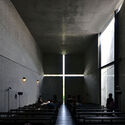
As the host city for the highly anticipated Expo 2025, Osaka is poised to showcase its architectural prowess on a global stage. The city's skyline features innovative works by renowned architects and urban planners, including cutting-edge cultural centers, transportation hubs, and waterfront redevelopments. With contributions from celebrated Japanese architects such as Tadao Ando, Kengo Kuma & Associates, and Takenaka Corporation, alongside international figures like Dominique Perrault, Renzo Piano Building Workshop, and Pelli Clarke & Partners, Osaka seamlessly blends modernity with tradition, creating a unique architectural identity that reflects its past while looking boldly to the future.
Modernism, a movement that sought to break away from traditional forms and embrace the future, laid the groundwork for many technological and digital advancements in contemporary architecture. As the Industrial Revolution brought about mass production, new materials, and technological innovation, architects like Le Corbusier, Walter Gropius, and Mies van der Rohe championed the ethos of "form follows function" and a rational approach to design. Their principles resonate in the digital age, where computational design and high-tech materials redefine form and construction.
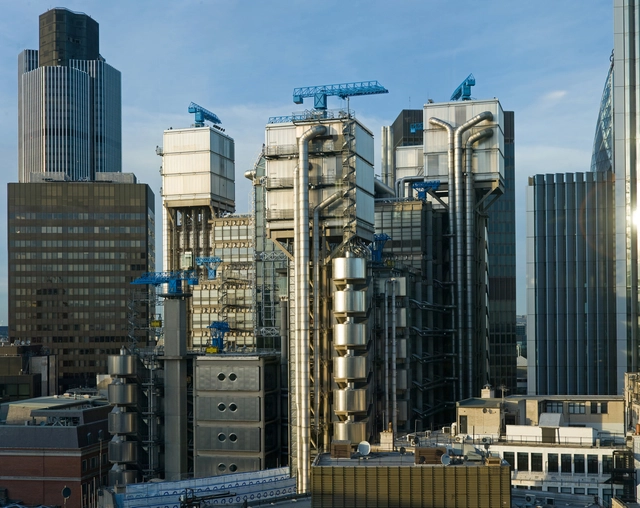
The 20th century's modernist ideals — efficiency, simplicity, and functionality — created a foundation for architects to experiment with structural clarity and material honesty. High-tech architecture, which emerged in the late 20th century, evolved from these principles, merging modernism's clean lines with advanced engineering and technology. This paved the way for parametricism and algorithm-driven design processes, revolutionizing architecture and enabling complex forms previously thought impossible.