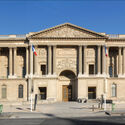
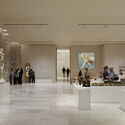
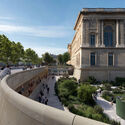
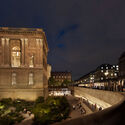
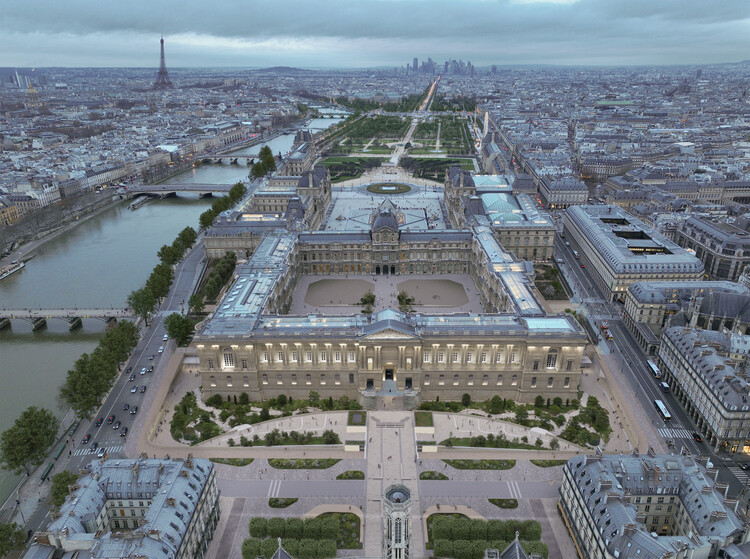
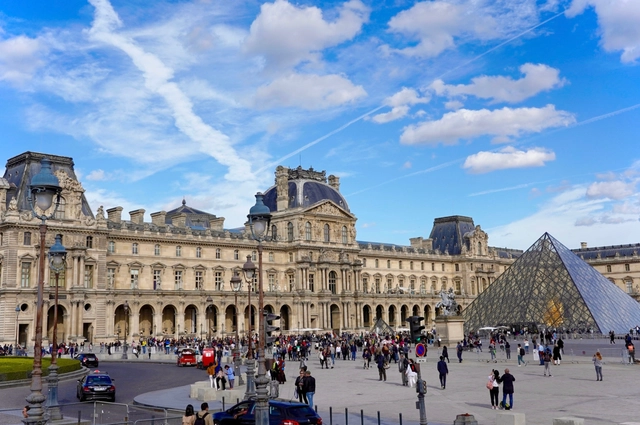
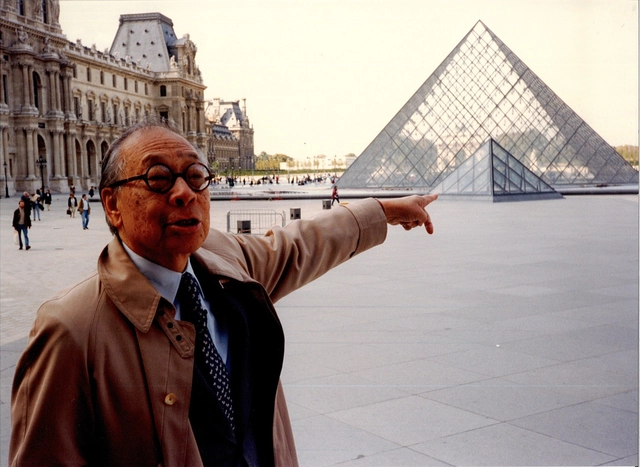
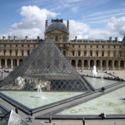
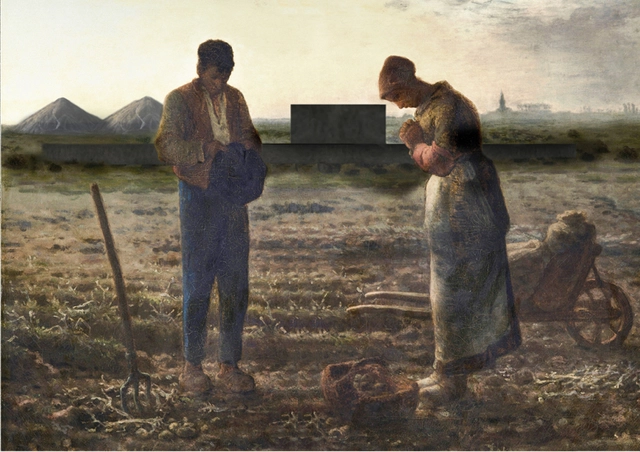
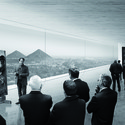
It is undeniable that, at first glance, the idea of a Louvre in Abu Dhabi or a Centre Pompidou in Brazil may seem somewhat disconcerting. The image of these museums, internationally renowned, appears in many ways inseparable from their original cultural contexts. And to some extent, it truly is. The Louvre, deeply rooted in the history of France as a former fortress and later royal residence, embodies a set of invaluable heritage values, further amplified by I. M. Pei’s iconic glass pyramid intervention in 1989. The Pompidou, meanwhile, is remembered as a historic turning point: by redefining the concept of public infrastructure through radically unconventional architecture, it marked the first time culture drew in mass audiences.
French President Emmanuel Macron has announced a significant renovation plan for the Louvre, following concerns from the museum's director about the building's deteriorating condition. The project includes the creation of a new grand entrance and broader refurbishments across the historic site.
The renovation comes after a letter from Louvre director Laurence des Cars to the French Cultural Ministry highlighted serious maintenance issues affecting both visitors and staff. According to the letter, first published in Le Parisien, conditions inside the museum have become increasingly difficult, with visitors lacking space to rest, insufficient food and restroom facilities, and outdated signage in need of a complete redesign. The letter also pointed to climate control issues, describing a greenhouse effect inside the 36-year-old glass Pyramid designed by I.M. Pei, as well as hazardous temperature fluctuations and leaks in other parts of the building.
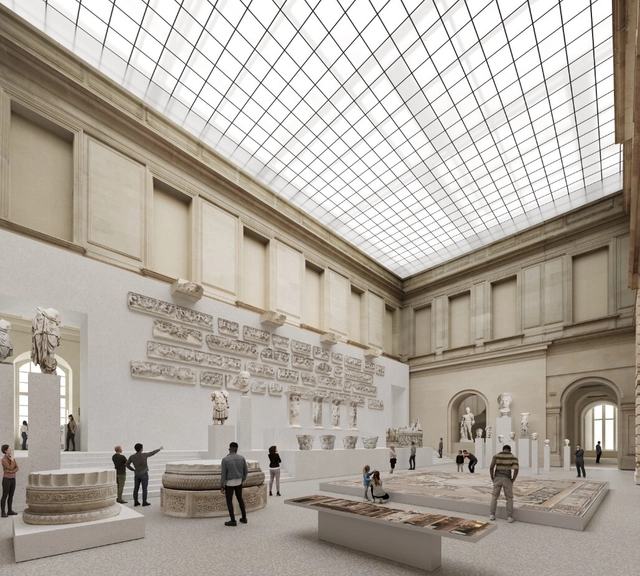
The Louvre Museum in Paris has announced the American-French consortium WHY Architecture -BGC as the winner of an international competition for the exhibition design of the museum's ninth department, dedicated to Byzantine and Eastern Christian Art. The 5,500-square-meter project aims to offer a more balanced and connected narrative of the Roman, Byzantine, and Islamic civilizations, fostering a greater understanding of the influences and relationships between artistic expressions of these historical regions. The spaces are expected to open to the public in 2027.
M+ Museum in Hong Kong has unveiled the first full-scale retrospective of the renowned Chinese-American architect leoh Ming Pei (1917-2019), widely known as I. M. Pei. Located in the West Kowloon Cultural District at Asia’s first global museum of contemporary visual culture, the exhibition will be open to the public from June 29, 2024 - January 5, 2025. “I. M. Pei: Life is Architecture” showcases Pei’s career, spanning seven decades across the globe.
As one of the wonders of the world, the Egyptian pyramids are steeped in rich history and shrouded in mystery. Using their unparalleled resources to create structures on a scale that had never been seen before, the ancients used the pyramid shape to construct structurally resilient and visually powerful icons, surviving the ravages of time. Presenting a new definition in terms of monumentality, these architectural marvels remain a timeless and influential form for design concepts today.
Although its origins are historical in nature, this iconic structure is resurfacing in many architectural projects around the world, modern pyramid architecture for a range of different functions and applications. From sustainable building, museums, malls and residential structures, the pyramid typology is visually enthralling and can be constructed in a range of different materials and environments.
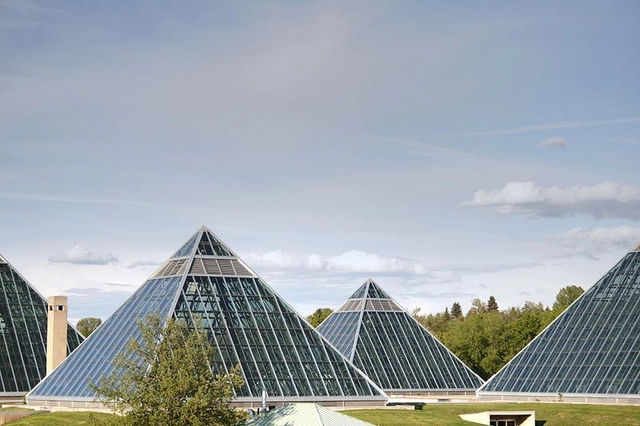
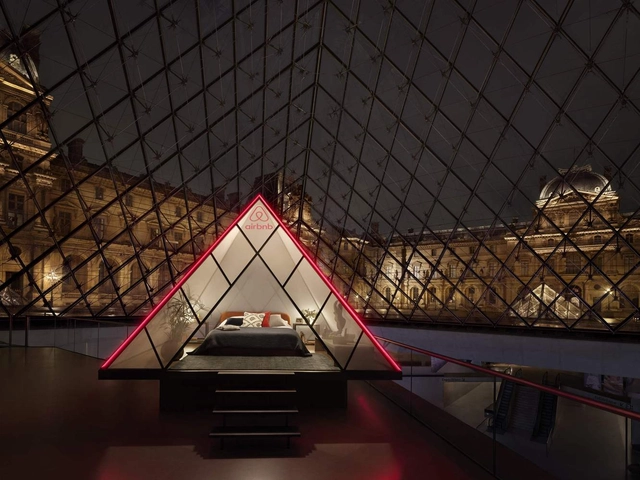
Airbnb has partnered with the Musée du Louvre to offer a unique experience for one lucky winner to sleep underneath the museum’s iconic Pyramid for one night. On April 30th, the winner will take up residence within I.M Pei’s famous 1989 addition to the Parisian complex, part of an elaborate “night at the museum” experience.
https://www.archdaily.com/914335/airbnb-is-treating-one-lucky-guest-to-a-night-in-the-louvre-including-drinks-with-the-mona-lisaNiall Patrick Walsh
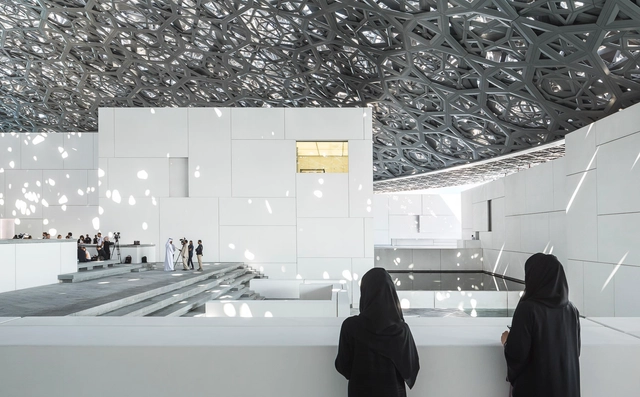
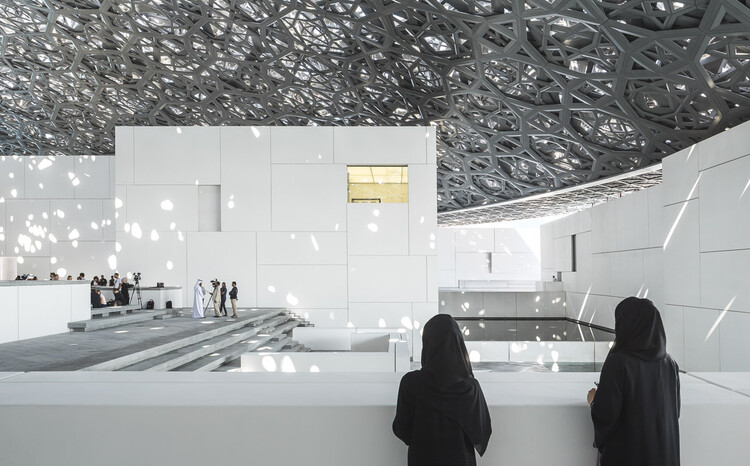
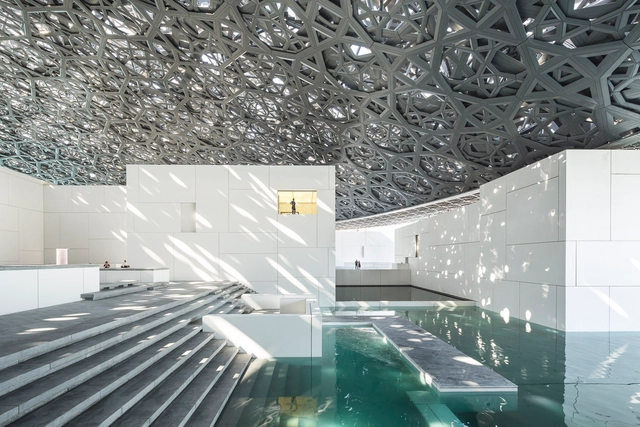
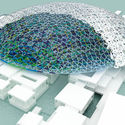
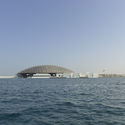
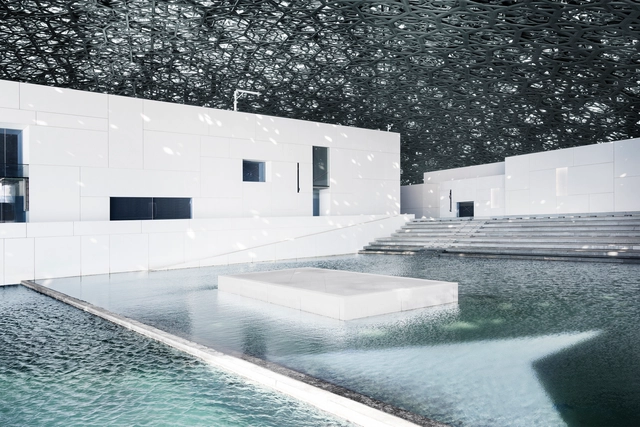
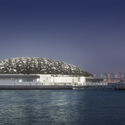
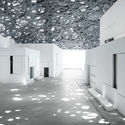
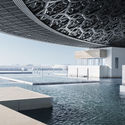
Walking into Abu Dhabi’s new Louvre Museum, one is immediately greeted by a flood of dappled light created by the stunning, multi-layered lattice covering the interweaving interior spaces of the building. The intricate geometric dome is both reminiscent of traditional Arabic architecture screens and crucial in achieving Architect’s Jean Nouvel’s vision for a “rain of light.” But what went into the design and construction of the building’s most striking element, and how does it function structurally? Ateliers Jean Nouvel worked for over one year in close collaboration with BuroHappold Engineering to develop a design which is both an architectural and structural masterpiece. We spoke with Andy Pottinger, Associate Director at BuroHappold, to understand the dome in more depth.
Renderings of the project. Image Courtesy of Rogers Stirk Harbour + Partners
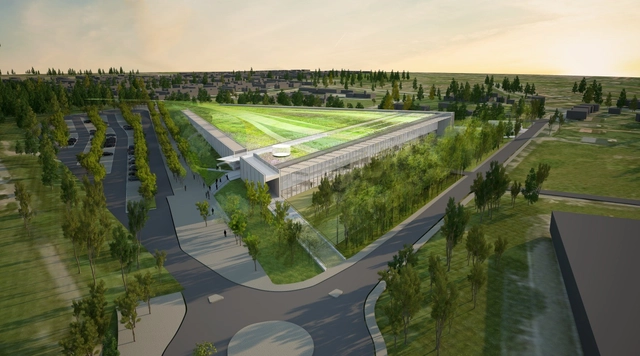
Rogers Stirk Harbour + Partners has broken ground on a new conservation and storage facility for the Louvre in Liévin, France. Capable of housing conservation and storage facilities for as many as 250,000 works, the building will is aiming to become of one of the world’s most advanced research and study facilities.
Earlier this month, Abu Dhabi’s much-awaited “universal museum,” the Louvre Abu Dhabi designed by Pritzker Prize-winner Jean Nouvel, was opened to the public. After several years of delays and problems including accusations of worker rights violations, revisions in economic strategies, and regional turmoil, the completion of the museum is a feat in itself. Critics, supporters, naysayers, artists, economists, and human rights agencies, have all closely followed its shaky progress, but now that it’s finally open, reviews of the building are steadily pouring in.
Read on to find out how critics have responded to Nouvel’s work so far.
With its massive, intricate roof and man-made pools and canals, Ateliers Jean Nouvel's astonishingly complex Louvre Abu Dhabi was a project 10-years in the making before finally debuting to the public earlier this month. But even if the project missed it's original completion date, it certainly wasn't for lack of trying – and that's proven in this new video timelapse from EarthCam.
The video captures the 8-year-long construction process from groundbreaking to completion, showing the museum as it came together from a variety of perspectives, including how the roof was assembled in mid-air before being gently lowered into place, and the enormous effort of earth moving to build the unique site.
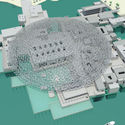
The much-anticipated LouvreAbu Dhabi, designed by Jean Nouvel, opens this week in the United Arab Emirates. The project has enormous significance as a transnational partnership between the French and Emirati governments, and is set to become a center for art and learning in the Gulf region. Located on Saadiyat Island and surrounded by the sea, the museum comprises twenty three permanent galleries and exhibition spaces, a Children's Museum, an auditorium, and a research center – all connected together by waterfront promenades and a vast, shimmering dome.
https://www.archdaily.com/883202/jean-nouvels-louvre-abu-dhabi-photographed-by-laurian-ghinitoiuAD Editorial Team
Following ten years of multinational collaboration between France and the Emirate of Abu Dhabi, Jean Nouvel's Louvre Abu Dhabi opens this week to the public. Located on Saadiyat Island and surrounded by the sea, twenty three permanent galleries and exhibition spaces, a Children's Museum, an auditorium, and a research center are connected by waterfront promenades which weave beneath the building's iconic dome.
The Ateliers Jean Nouvel-designed LouvreAbu Dhabi is ready to make its grand first appearance, as the museum announced it will open to the public on November 11th.
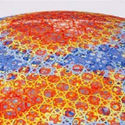
Opening celebrations will take advantage of the unique structure, with a series of concerts, performances and events planned for a variety of spaces beneath the building’s 180-meter geometric dome. Comprised of nearly 8,000 arabic motif stars, the steel pattern will filter sunlight into a dramatic ‘rain of light’ on the museum’s walls and floors that calls to mind shadows created by overlapping palm trees.
Humanity always cherishes great works of art that stand the test of time. This June, for example, marks the 50th anniversary of The Beatles’ psychedelic Sgt. Pepper's Lonely Hearts Club Band, and the 20th anniversary of Radiohead’s dystopian Ok Computer. These psychologically satisfying birthdays have generated serious appreciation and nostalgia. Similarly, we also love to praise the longevity of innovative architecture. The AIA bestows an annual “Twenty-five Year Award” to acknowledge projects that have "stood the test of time” and “exemplify design of enduring significance.” But one project a year seems stingy. Below are 15 modern classics which, though not always given the easiest start in life, we’ve come to adore:
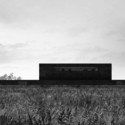
Winning joint first prize in the recent competition hosted by the Louvre museum, Alberto Campo Baeza and Raphaël Gabrion have proposed a dark, cubic volume for the combined conservation facility and gallery to be built in Liévin. Though the final commission for the project was awarded to the other first place winner, Rogers Stirk Harbour + Partners, the proposal by Campo Baeza and Gabrion offers an interesting take on the relationship between art and architecture.
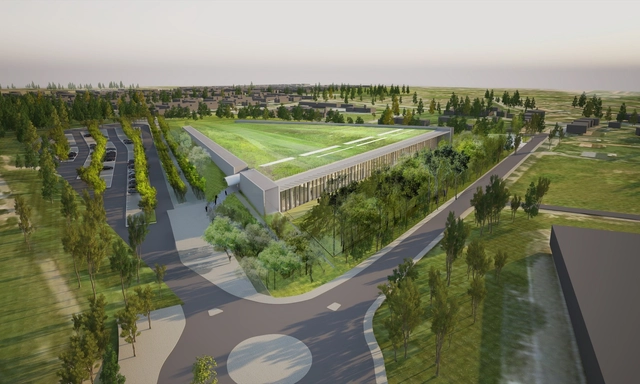
The Musée du Louvre and the Nord-Pas de Calais region has selected Rogers Stirk Harbour + Partners (RSHP) to build a new conservation and storage facility for the Louvre in Liévin, northern France (Nord-Pas-de-Calais). Built primarily for study and research, the 20,000-square-meter "landscape building" will feature a series of vaulted light-filled conservation studios and storage spaces topped with a lush green roof.
“The consortium of architects, headed by Rogers Stirk Harbour + Partners, has succeeded in taking the specific needs of properly preserving and accessing the Louvre’s collections, and turning them into a first-class architectural creation," said Jean-Luc Martinez, President-Director of the Musée du Louvre.
In an article for the New York Times Rachel Donadio examines Masterworks vs. the Masses. From the Louvre in Paris to London'sBritish Museum, Florence's Uffizi to the Vatican Museums, the increasing surge of visitors to these international cultural nodes "has turned many museums into crowded, sauna-like spaces." Balancing everyone's right to be "nourished" by cultural experiences with protecting and preserving the works of art in question is a very real problem. According to Donadio, "even when the art is secure, the experience can become irksome." With some museums seeing annual visitors of up to 6.7 million visitors (British Museum), addressing the issues faced by institutions that are a victim of their own success is becoming more and more pressing. Read the article in full here.