-
ArchDaily
-
Germany
Germany
https://www.archdaily.com/1186676/living-archive-office-parkscheerbarthNina Vuga
https://www.archdaily.com/1186599/wilnsdorf-primary-school-and-sports-hall-buero-bbNana Dokua
https://www.archdaily.com/1186056/the-town-house-sigurd-larsenCristina Popescu
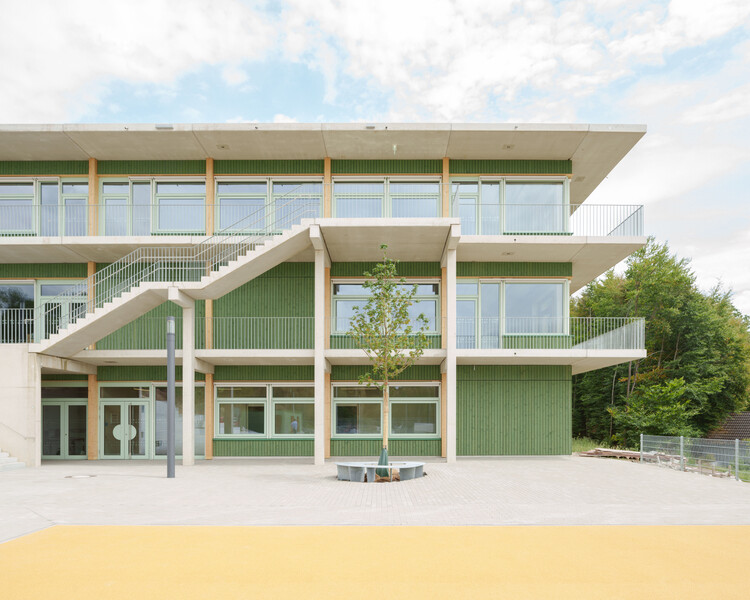
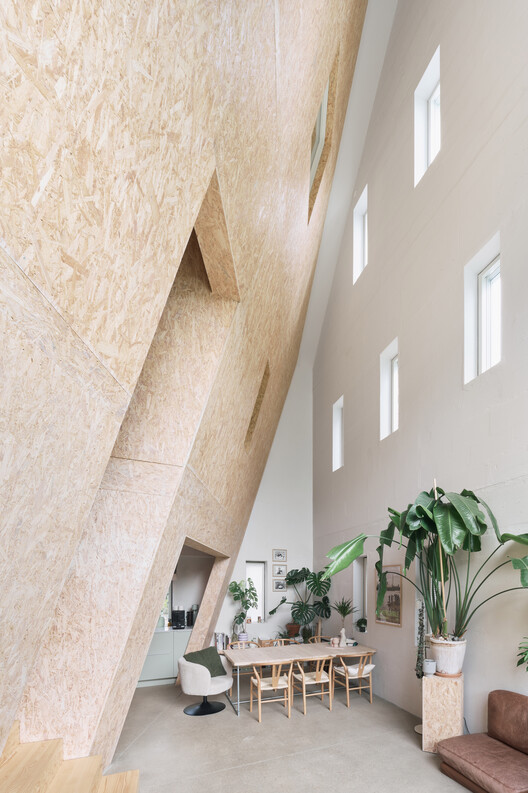
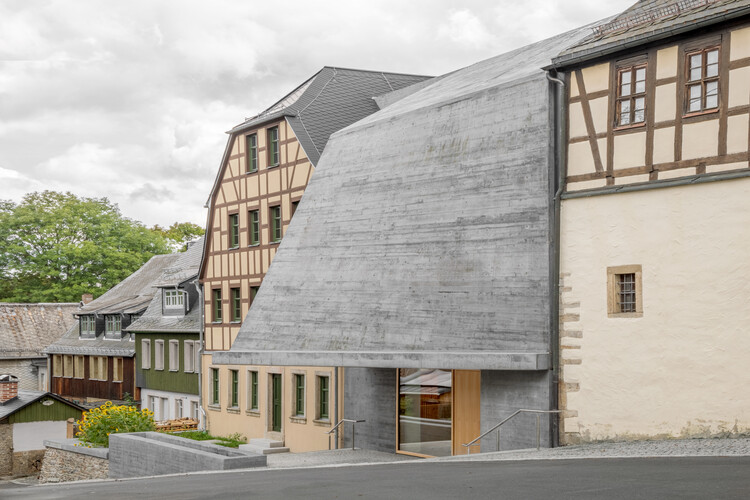
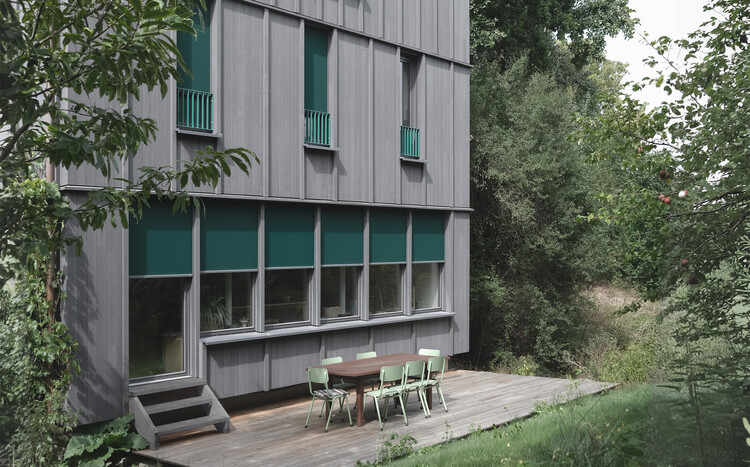
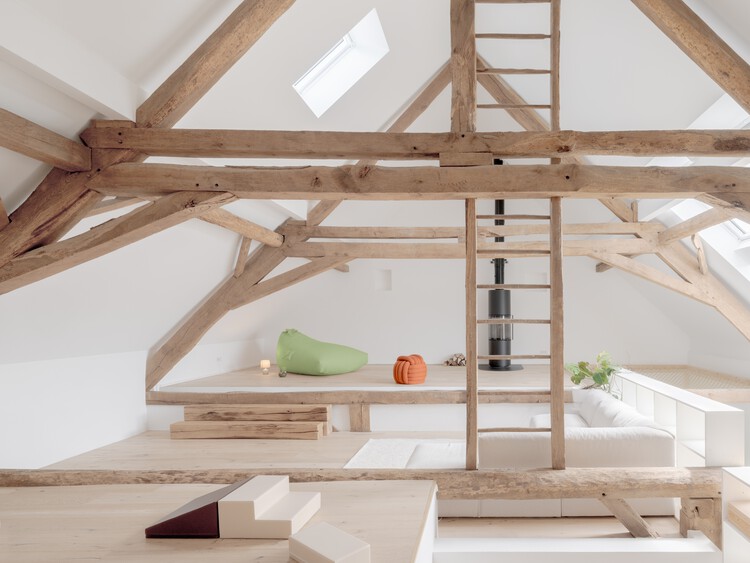
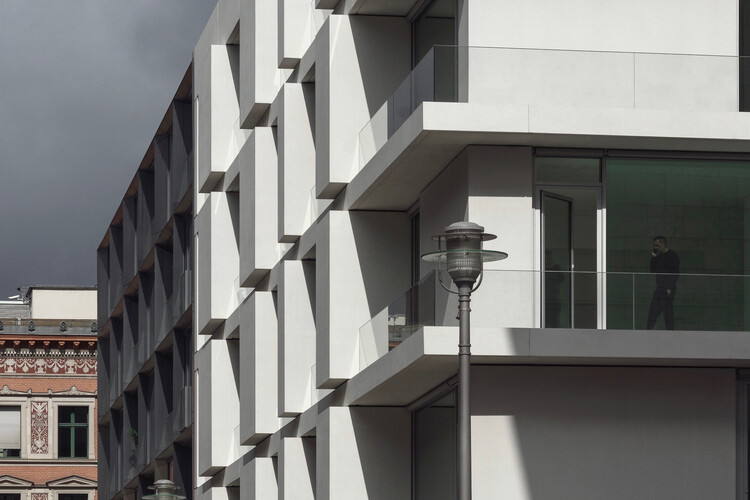
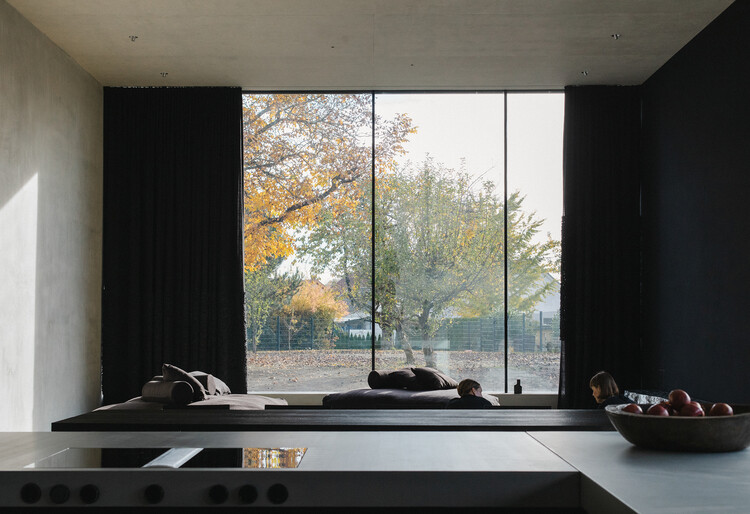
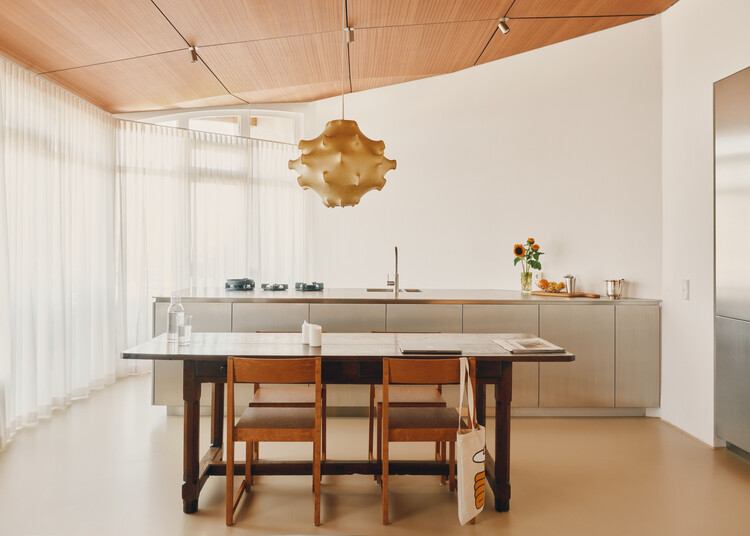
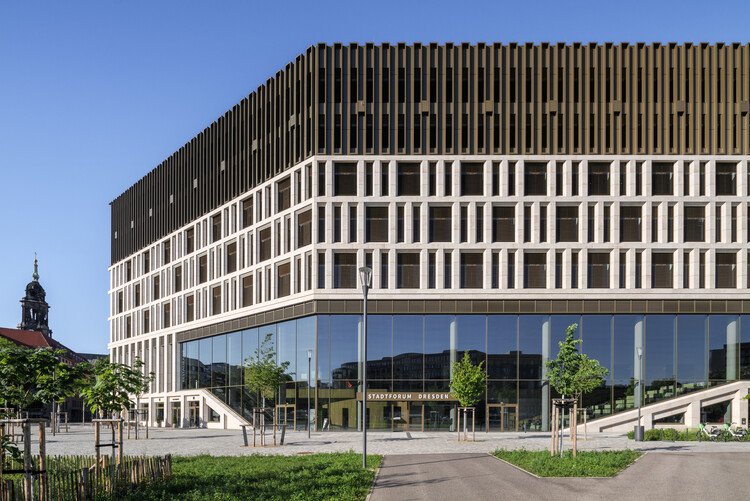
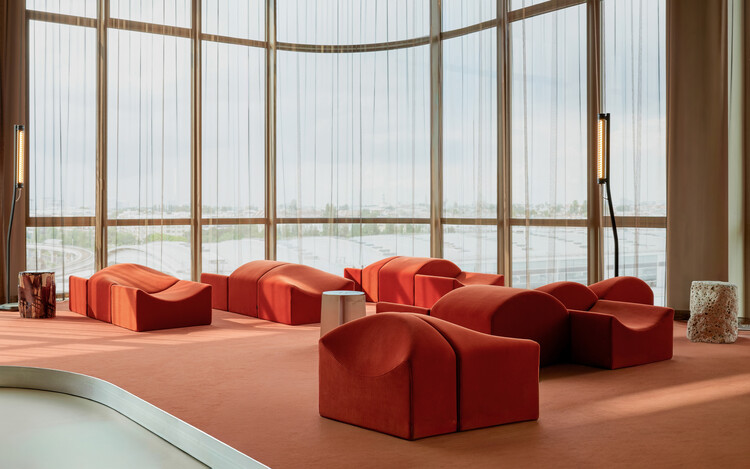
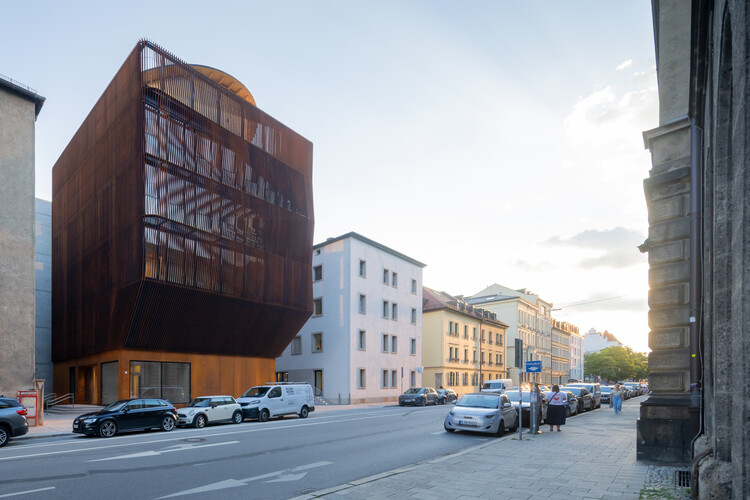
 © Gustav Willeit
 + 50
+ 50
-
- Area:
2013 m²
-
Year:
2025
-
Manufacturers: JUNG, Lamilux, FSB Franz Schneider Brakel, Akurit, Busch-Jaeger, +17ClimaDomo, DekoZell, Forbo, GEZE, GU Automatic, HEYSAN, Häfele, Lahnau Akustik GmbH, MOSAFIL, Meiser, Oertel, SP-Bau, Schörghuber, Schüco, Steinwerk Theuma, Stöbich, Vigour-17 -
https://www.archdaily.com/1185837/mother-of-pearl-experience-museum-adorf-vogtland-schulz-und-schulzPilar Caballero
https://www.archdaily.com/1185116/climate-experience-world-visitor-center-dbcoNina Vuga
https://www.archdaily.com/1185045/mar-conversion-of-a-single-family-house-into-two-residential-units-bruna-studioNina Vuga
https://www.archdaily.com/1184860/house-sudeifel-pur-plus-architektenNina Vuga
https://www.archdaily.com/1184859/house-z-atelier-zafariNina Vuga
https://www.archdaily.com/1183827/villa-mahler-philipp-architektenNina Vuga
https://www.archdaily.com/1182338/hain-vineyard-facilities-undjurekbruggen-plus-afeaCristina Popescu
https://www.archdaily.com/1181753/041bot-apartment-christopher-sitzlerCristina Popescu
https://www.archdaily.com/1181666/wpp-headquarters-mizal-eller-plus-eller-architekten-gmbhCristina Popescu
https://www.archdaily.com/1148871/engawa-sports-facility-fakt-office-for-architectureCristina Popescu
https://www.archdaily.com/1148794/stadtforum-in-dresden-tchoban-voss-architektenCristina Popescu
https://www.archdaily.com/1092349/design-hotels-hq-rhoNina Vuga
https://www.archdaily.com/1054059/munich-kinderoase-kindergarten-kere-architecture-plus-hk-architekten-hermann-kaufmann-plus-partner-ztNina Vuga
 Un-
Un-Un-
https://www.archdaily.com/1043003/call-for-papers-cotaa-3-2026Rene Submissions
https://www.archdaily.com/1042889/enkime-hq-rhoNina Vuga