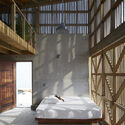
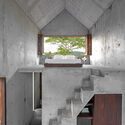
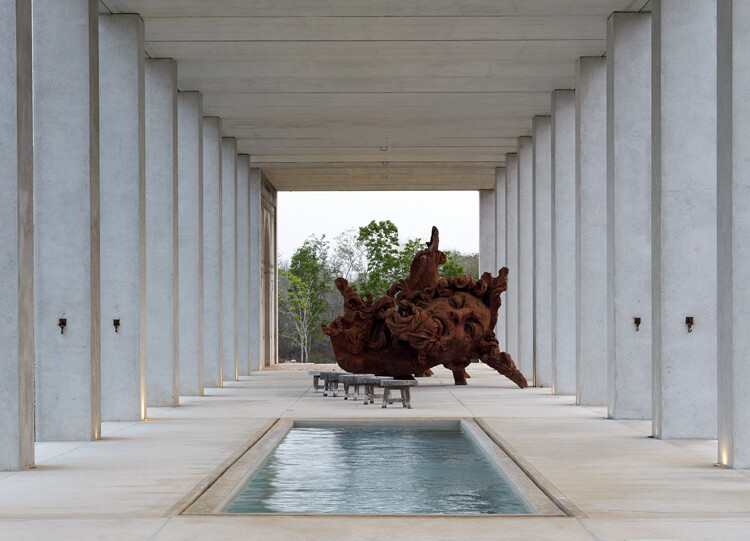
Blending vernacular techniques with contemporary experimentation, Mexico's architectural landscape is shaped by a continuous dialogue between tradition, materiality, and modernity. As the fifth most biodiverse country in the world, Mexican architecture seeks to respond to its vast range of natural environments, climates, and cultural traditions, all within a territory marked by striking contrasts. Reflecting a visible duality, it can embody both exclusivity and act as a catalyst for social transformation.
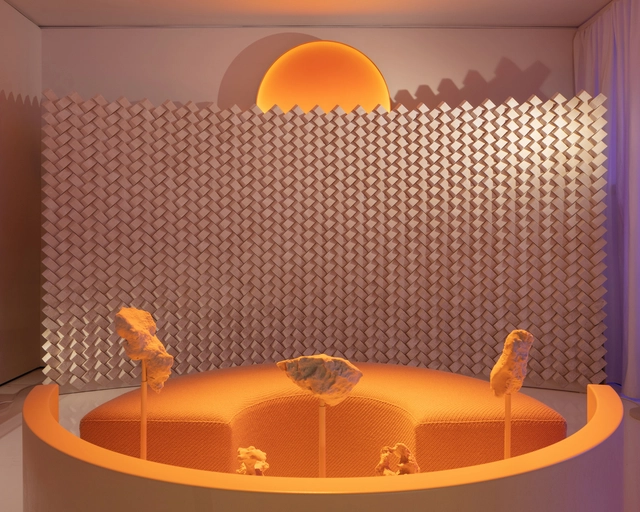
In response to today's environmental, political, economic, and social challenges, material experimentation in architecture invites us to recognize the importance of researching and analyzing the properties of construction elements, and to understand the role of spatial design and its immediate surroundings. While various textiles, plastics, and even waste from different sources are being recycled and given a new life, the debate around the use of salt as a building material encourages the development of more sustainable practices to reduce the industry’s impact on the environment, as well as to explore the renewed life of discarded minerals and mining waste for implementation in architecture.
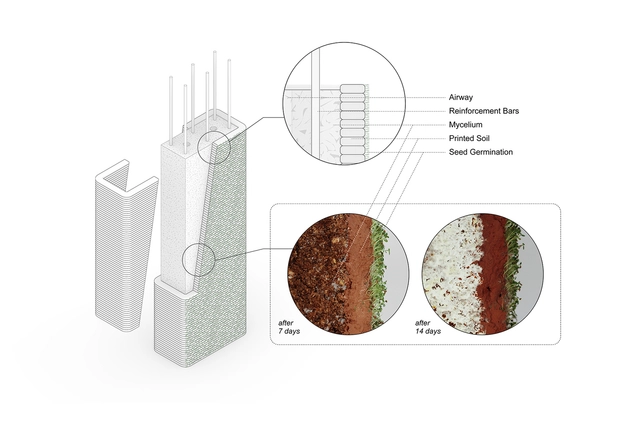
The schematic diagram to develop a wall section based on eco-resilient tectonics.
It is commonly accepted that the appearance of moss or vegetation on the surface of a building is a sign of neglect, deterioration, or poor maintenance. And this assumption is not entirely unfounded: small cracks in traditional materials can lead to water infiltration, thermal bridging, or even structural pathologies. But what if this organic presence were not a flaw, but the result of coevolution between architecture and the environment? This reversal of perspective was masterfully anticipated by Lina Bo Bardi in the Casa Cirell, in São Paulo, where mosses, orchids, and spontaneous vegetation were part of the architectural intent from the initial sketches. The use of raw stone cladding and exposed surfaces allowed the house to blend into the terrain. More recent projects have further deepened this relationship between built matter and plant life, such as Patrick Blanc's vertical gardens and Stefano Boeri's Bosco Verticale, which transform façades into vertical ecosystems, redefining the architectural envelope as a living infrastructure capable of filtering pollutants, absorbing heat, and fostering biodiversity.
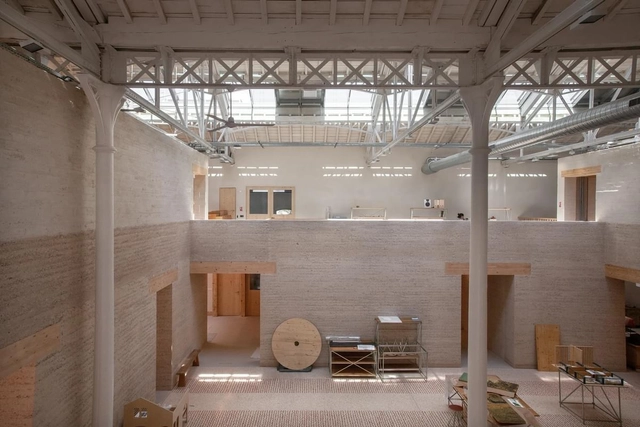
Søren Pihlmann is the curator of the Danish Pavilion at the 2025 Venice Architecture Biennale. The exhibition, commissioned by the Danish Architecture Center, is titled Build of Site, and focuses on exploring sustainable architectural practices through the lens of reuse and resourcefulness. Pihlmann's proposal transforms the existing Danish Pavilion, located within a historic building complex in the Biennale's Giardini, into an active exhibition space for material experimentation. The installation highlights techniques that incorporate recycled and bio-based elements. The Pavilion offers visitors the opportunity to observe ongoing experimental processes, witnessing how building resources are creatively reimagined for new uses. In this on-site interview, ArchDaily editors spoke with the curator about the ideas behind the project and the challenges its execution represents.
Maria Lisogorskaya and Kaye Song of Assemble: Atelier LUMA 2023 Lot 8 Le Magasin Electrique Photo @ Joseph Halligan. Image Courtesy of Bauhaus Earth
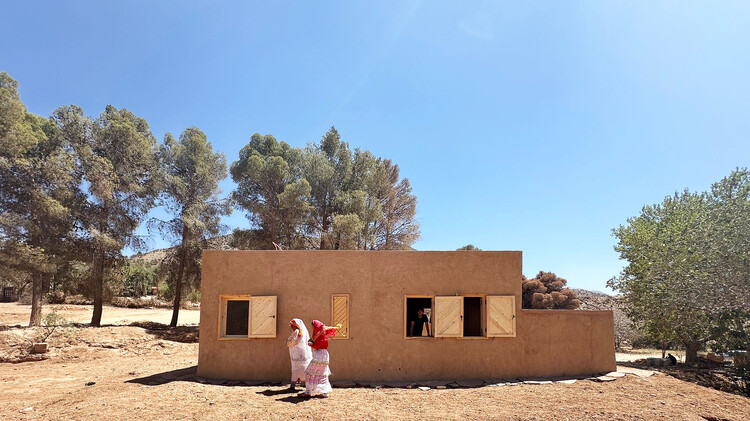
Maria Lisogorskaya and Kaye Song from the London-based collective Assemble, along with Lviv-based architects Anna Pomazanna and Mykhailo Shevchenko, have been announced as the 2025 Experimental Fellows at Bauhaus Earth. Selected from 120 submissions, their projects are set to explore earth as a material in contemporary architecture. The annual Bauhaus Earth Fellowship program was established in 2022 by architect Prof. Regine Leibinger. It aims to support diverse projects that explore new modes of practice across various geographies, that can contribute to ecological and social resilience. Fellows receive financial support, mentorship, and access to a network encouraging collaboration among architects, manufacturers, and local stakeholders.
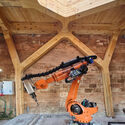
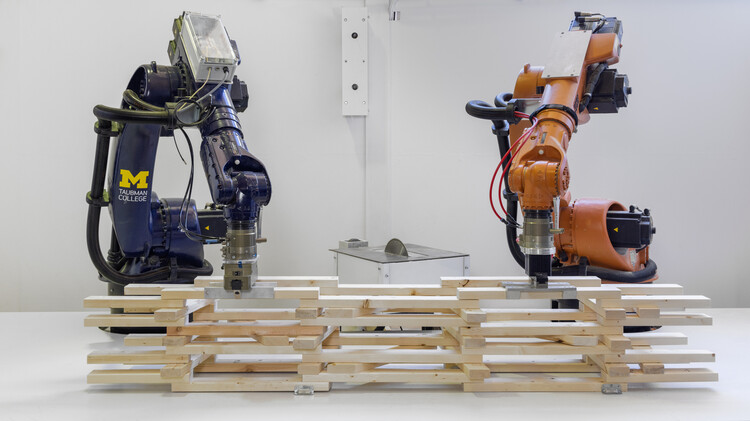
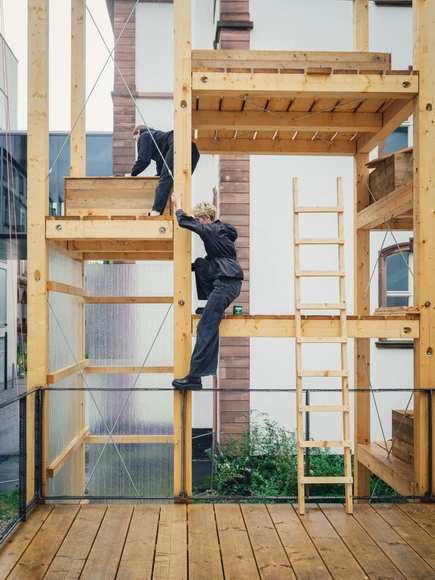
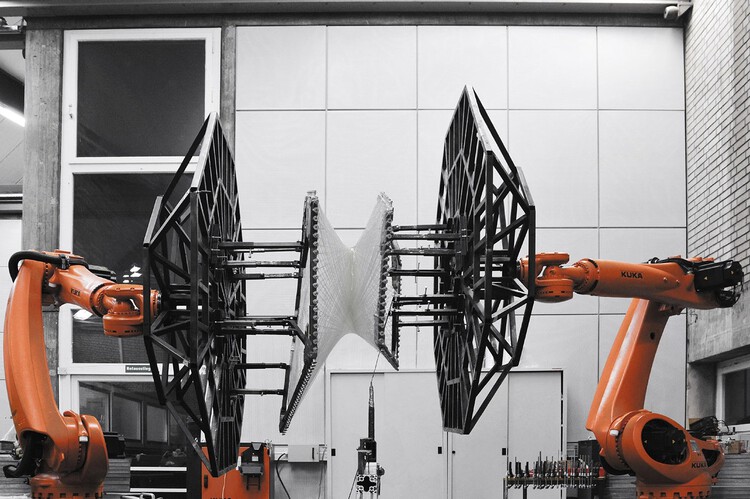
Prototyping is an essential element in sectors such as automotive design and technology, where iterative development enables testing, refining, and innovating. It involves creating initial models or early versions to validate concepts and fine-tune solutions before moving on to final production. This stage is crucial for identifying flaws, optimizing designs, and reducing risks, saving time and resources in the final implementation. In architecture, however, prototyping remains an underused tool. Despite the unique challenges inherent in architectural projects—whether programmatic, climatic, or related to site conditions—the benefits of prototyping can be profound. It offers architects the opportunity to experiment with new materials, validate construction methods, and test spatial configurations in a tangible, measurable way. As a result, it not only reduces uncertainties in the creative process but also drives bold and efficient solutions, fostering a more robust balance between aesthetics, functionality, and feasibility.