ArchDaily

BROWSE ALL FROM THIS PHOTOGRAPHER HERE

Open Call for Expert Contributors at ArchDaily

Subscriber Access | 
Audio available

ArchDaily is looking for an Expert Contributor to join our Sponsored Content team. In this role, you will create editorial content exploring architectural products, materials, projects, and ideas while maintaining the design-focused perspective and editorial standards that define ArchDaily.

This role requires a strong understanding of architecture and design, experience with branded or sponsored content, and the ability to communicate complex ideas in a clear, engaging, and professional manner. Sponsored content at ArchDaily is brand-funded writing created with partners that presents products, projects, and ideas in ArchDaily's editorial voice, with the aim of informing, inspiring, and engaging readers.

Global Call: Outstanding Student Build Projects

Subscriber Access | 

As the annual graduation season arrives worldwide, we recognize that among the various ways to learn architecture, nothing is more direct than a hands-on design-build project. It offers a firsthand look at how different materials form structures, how those structures respond to compression and tension, and how the process of construction shapes the final outcome. In recent years, architecture schools have increasingly embraced opportunities for students to build, producing work that ranges from small-scale temporary interventions and pavilions to permanent structures, each with its own unique character.

To demonstrate that exceptional architecture can emerge from an educational environment, ArchDaily has issued an open call for student work for four consecutive years, inviting submissions of student-built projects completed over the past year. ArchDaily’s four localized platforms—English, Chinese, Spanish, and Portuguese—are now accepting submissions for our fourth annual selection of the "Best Student Design-Build Projects," which will be featured and shared with our global audience.

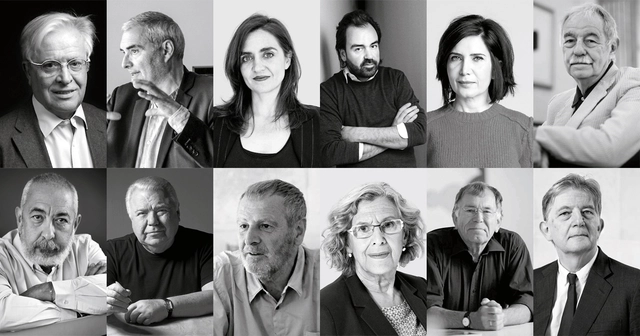
Francisco Mangado opens the V Congress of Architecture and Society: “the quality of the city is not a luxury, it is a right”

Yesterday, June 13, marked the opening of the 5th International Congress of Architecture and Society, an event presided over by King Felipe VI for the second consecutive edition. The President of the Government of Navarra, Uxue Barkos, and the Minister of Development, José Luis Ábalos, also participated in the official opening.

Architect Francisco Mangado was responsible for opening the event, which in its fifth edition will focus on cities and the challenges architecture faces in addressing urban demands. The architect from Navarra stated that “Architecture is not an isolated event of personal preferences; it is a profoundly cultural and social act, linked to the city as a reality that belongs to the common good,” adding that “the quality of architecture and the city is not a luxury, it is a right for all citizens.”

Francisco Mangado opens the V Congress of Architecture and Society: “the quality of the city is not a luxury, it is a right” - More Images+ 1

Transspecies Architecture: ArchDaily’s June Editorial Focus

Audio available

Western philosophical tradition has long placed culture in opposition to nature. This dual thinking has shaped the canon of the sciences and humanities, and architecture was not left aside. Under that logic, everything that is not human exists to be exploited by them and is named "natural resource". This extractivist mindset has shaped the development of many parts of the world in the last centuries, leaving deep—sometimes irreparable—marks on the planet. Nevertheless, other ways of living have always existed. From West-African religious practices based on animism to the herbal sciences of the masters of the Sacred Jurema in Brazil; from indigenous communities in India whose life rhythm mirrors the monsoons, to the Arctic's Inuits who can see dozens of shades of white: humans and nature bear no distinction, what exists is life.

Contemporary authors bring this discussion to the realms of philosophy and, more specifically, architecture. Donna Haraway, Antônio Bispo dos Santos, Achille Mbembe, and Beatriz Colomina are only a few whose work has helped expand the narrow Western perspective, shedding light on alternative ways of living together—with other humans and more-than-humans—on this planet.

Cobe Notes x ArchDaily IRL: On Thresholds in Architecture

Cobe and ArchDaily invite you to the launch of the guest-edited edition of Cobe Notes x ArchDaily, on June 10, 2026. Focused on the theme of Thresholds, the event will explore architecture as a condition of ongoing transition.

Hosted at the Cobe Bookcafé, the public launch will feature a live conversation with Christele Harrouk, Editor-in-Chief of ArchDaily, Mads Birgens, Head of Urbanism at Cobe, and Jacob Blak, Head of Sustainability, moderated by Kristoffer Lindhardt Weiss, CEO and Publisher of the Danish Architectural Press. 

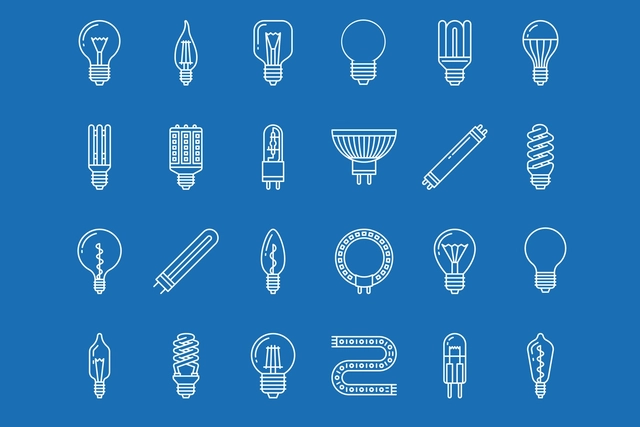
Understanding Light Sources: Types, Metrics, and Their Role in Architectural Design

Subscriber Access | 

Walking into an electrical store can be intimidating. At first glance, all the lights are on, and the thousands of chandeliers and lamps are blinding. When you walk toward the shelves, you see dozens of options, shapes, colors, prices, and uses. On each package, informational tables display numbers that can seem confusing at first. Lumens, color temperature, wattage—there are many unfamiliar terms. Before defaulting to the cheapest option, only to find that it creates an uncomfortable or poorly balanced atmosphere, understanding a few key concepts can make a significant difference.

Lighting design plays a fundamental role in shaping how spaces are perceived and used, influencing comfort, atmosphere, and even productivity. Poorly designed lighting, on the other hand, can compromise these qualities. Rather than approaching lighting as a purely technical decision, it can be understood as an integral part of architectural design. To help clarify these choices, the following overview introduces the most common types of light sources and key concepts associated with them.

Last chance to choose the finalists for the 2026 Building of the Year Award

Subscriber Access | 
Audio available

With just five days remaining until the finalists for the 2026 Obra del Año Award are announced, there is still time to vote for your favorite projects of the year. As the largest architecture award in the Spanish-speaking world decided by its community, the Obra del Año exists to recognize the most influential architectural projects published each year on ArchDaily en Español.

On April 8, the 15 finalists chosen by the ArchDaily community during this two-week nomination period will be revealed. By nominating projects, each reader becomes part of an impartial global jury, bringing visibility to the best architecture across Spanish-speaking countries.

Last days to choose the finalists for ArchDaily Brasil's 2026 Obra do Ano Award

Subscriber Access | 
Audio available

With only five days left until the finalists are announced, there is still time to choose your favorite projects for the 2026 Obra do Ano Award. As the largest architectural award in the Portuguese-speaking world decided by popular vote, the Obra do Ano is dedicated to recognizing the best architectural projects published every year on ArchDaily Brasil.

On April 8, the 15 finalists chosen by the ArchDaily community over these two weeks of nominations will be revealed. By nominating projects, each reader becomes part of an unbiased network of jurors, bringing visibility to the best of architecture in Portuguese-speaking countries.

The Illusion of Lightness: Designing Civic Voids for Public Life

Audio available

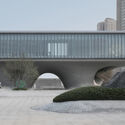
In our current cities, urban density and rising land values often force a choice between large-scale civic buildings and open public space. Traditionally, plazas have been treated as areas surrounding a building's footprint, but this strategy was modified when pilotis were introduced by the early 20th-century modernist movement. While the original intent was to create a sense of lightness that would allow circulation and light to flow beneath a structure, contemporary requirements for seismic loads, fire egress, and heavy occupancies render thin columns insufficient for the needs of current large-scale civic projects.

However, the pursuit of architectural lightness is not a strictly contemporary phenomenon. Following the modernist introduction of pilotis, several mid-century projects began experimenting with the illusion of suspension to achieve civic transparency. In 1953, the National Congress of Honduras in Tegucigalpa, designed by Mario Valenzuela, applied these principles to a legislative setting. The building consists of a solid assembly chamber elevated on a series of slender columns. Because the site sits on a terrace at the end of a sloping street, the resulting void does more than just provide circulation; it frames views of the city, creating the impression that the heavy legislative mass is lightly suspended above the urban fabric.

The Illusion of Lightness: Designing Civic Voids for Public Life - Imagen 1 de 4The Illusion of Lightness: Designing Civic Voids for Public Life - Imagen 2 de 4The Illusion of Lightness: Designing Civic Voids for Public Life - Imagen 3 de 4The Illusion of Lightness: Designing Civic Voids for Public Life - Imagen 4 de 4The Illusion of Lightness: Designing Civic Voids for Public Life - More Images+ 11

2026 Obra do Ano Award: Nominations Open

Audio available

Ten years ago, ArchDaily Brasil launched the inaugural edition of the Obra do Ano Award. Over the past decade, hundreds of architectural projects have been recognized as the best in the Portuguese-speaking world, thanks to the collective intelligence of ArchDaily Brasil's readers.

Today marks the start of the 2026 Obra do Ano Award, and once again we are counting on the ArchDaily Brasil community to select the best built projects in the Portuguese-speaking world. Over the next three weeks, you will be responsible for choosing the 15 finalists and 3 winners of this edition.

All projects published during 2025 from the following countries are eligible: Angola, Brazil, Cape Verde, East Timor, Equatorial Guinea, Guinea-Bissau, Macau, Mozambique, Portugal, and São Tomé and Príncipe. In this first phase, readers can nominate one project per day to advance to the finalist stage, which will be announced on April 8.

Obra del Año 2026: The Award for the Best Architecture in the Spanish-Speaking World Begins

Audio available

The architecture of Latin America and Spain is testament to the rich and diverse cultures, traditions, needs, and solutions that define these territories. With more than 700 projects built in Spanish-speaking countries published on ArchDaily en Español, the time has come to explore, debate, and choose your favorites for the Obra del Año 2026 award.

In its seventeenth edition, the Obra del Año reaffirms its place as the largest architecture award in the Spanish-speaking world, decided by its community. Starting today, March 24, readers will take on the responsibility of choosing the best architectural works of 2025.

Over the next three weeks, the collective intelligence of our community will explore hundreds of projects built in Spanish-speaking countries: Argentina, Bolivia, Chile, Colombia, Costa Rica, Cuba, Ecuador, El Salvador, Spain, Guatemala, Honduras, Mexico, Nicaragua, Panama, Paraguay, Peru, Puerto Rico, the Dominican Republic, Uruguay, and Venezuela.

Open Call for Projects Collaborator Program Participant at ArchDaily

Open Call for Projects Collaborator Program Participant at ArchDaily - Featured Image
© ArchDaily

ArchDaily is looking for a proactive and curious architect to be part of our Projects Collaborator Program. As a part-time program participant, you will be working with the team in charge of curating and coordinating all built project publications on ArchDaily.

Understanding U-Value: The Foundation of Energy-Efficient Envelopes

Subscriber Access | 
Understanding U-Value: The Foundation of Energy-Efficient Envelopes - Image 1 of 4
© ArchDaily

Much more than merely as a protective skin, the building envelope functions as a thermal regulator that influences operational energy demand, indoor comfort, and long-term efficiency. And before renewable systems or mechanical strategies are introduced, performance begins in section. The way walls, roofs, windows and floors are layered determines how much heat is lost in winter, gained in summer, and ultimately how much energy a building consumes. At the center of this evaluation lies a fundamental metric: the thermal transmittance, or U-value. Understanding how to calculate it is essential for assessing whether an envelope conserves energy or allows it to escape.

Conceptually, thermal transmittance relates heat flow to both surface area and temperature difference. It expresses how much energy crosses one square meter of envelope for each degree of thermal gradient between its two faces.

If we divide 1 m2 of our envelope by the temperature difference between its faces, we will obtain a value that corresponds to the thermal transmittance, also called U-Value. This value tells us a building's level of thermal insulation in relation to the percentage of energy that passes through it; if the resulting number is low we will have a well-isolated surface and, on the contrary, a high number alerts us of a thermally deficient surface.

Last Days to Nominate for the 2026 ArchDaily Building of the Year Awards

Audio available

There's only one week left to nominate your favorite projects for the 2026 Building of the Year Awards! This is your chance to recognize the best architecture from around the world in 15 categories, from housing to educational projects, offices, interiors and more.

The ArchDaily 2026 Building of the Year Awards is Now Open

Audio available

A new year has begun, and with it, a new edition of the ArchDaily Building of the Year Awards. For 17 years, we have handed over the reins to you, our readers, to choose the best architectural projects of the year, and you have consistently delivered. With a brand new set of over 3,000 projects from around the globe, it is now time to get lost in our projects library and start making your selection.

From a tiny library in rural Myanmar, awarded in the first ever edition of the Building of the Year in 2009, to an innovative waste-to-energy plant in 2025, the winners of the Awards have always been surprising, inspiring and, most importantly, a reflection of the current architectural landscape. Anyone can register for a free ArchDaily account and vote, and we invite you to delve into the catalog of projects published in 2025—all of which are eligible to participate under one or more of the 15 available categories—to choose your favorites.

“For Decades We Have Valued the New More than the Old”: In Dialogue with OBEL Award 2025 Winners HouseEurope!

Subscriber Access | 
Audio available

The potential of existing buildings to shape cities and communities in flux through reuse and adaptation is the key focus of HouseEurope! and their activism: addressing the pressing challenge across much of Europe, where it is often easier, cheaper, and faster to demolish buildings than to renovate. For decades, construction policies, industrial practices, and market systems have favored new development, often undervaluing the cultural, social, and environmental significance of existing structures. For their work advocating systemic change in architecture, HouseEurope! received the 2025 OBEL Award under the theme "Ready Made." In a conversation with ArchDaily, collective members of HouseEurope! Alina Kolar and Olaf Grawert discussed the organization's approach to architecture, policy, and collective action.

From Material Intelligence to Circularity: Lessons from Architecture in 2025

Which materials have taken center stage in the architectural discourse of 2025? Which projects have rediscovered new construction practices and methods through material innovation? While the future of building materials still appears uncertain, year after year, experimentation and research continue to reveal diverse practices, initiatives, and efforts dedicated to understanding their value and responsibility within the built environment. From agricultural waste that reduces carbon footprints to recycled plastics given new life, and living materials that engage with emerging technologies while reconnecting with nature, 2025 has highlighted and strengthened the role of architects as mediators between materials, disciplines, knowledge, and interests from diverse origins.

From Material Intelligence to Circularity: Lessons from Architecture in 2025 - More Images+ 17

The Best Interviews of 2025: Architecture’s Year of Reflection, Repair, and Optimism

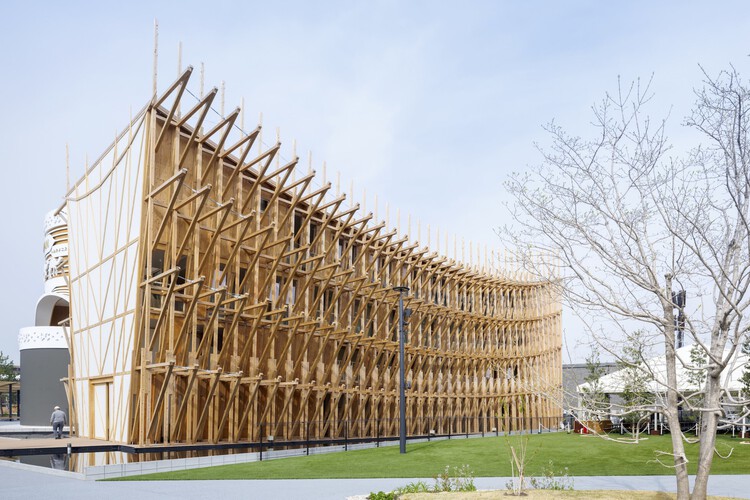
In 2025, the architectural field has been marked by a dense calendar of exhibitions, a measured slowdown in construction across multiple regions, and a period of reflection that scrutinizes the impact of intelligence (artificial and natural)—both on professional practice and workplace culture, as well as its use as a pedagogical tool. Over this calendar year, ArchDaily has published more than 30 interviews in a range of formats—Q&As, in-person conversations, video features, and more. These exchanges have engaged themes of sustainability and nature, housing and urban development, AI and intelligence, adaptive reuse and public life, and have closely followed major exhibition platforms including the Venice Biennale, Expo 2025 Osaka, Milan Design Week, Concéntrico, and others.
The Best Interviews of 2025: Architecture’s Year of Reflection, Repair, and Optimism - More Images+ 15