-
Architects: CLUSTER, THISS Studio
- Area: 84 m²
- Year: 2025
-
Manufacturers: ReBlox, TileGreen, VeryNile


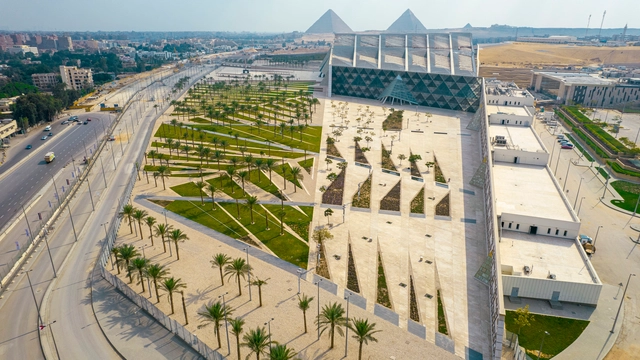
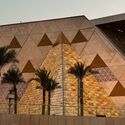
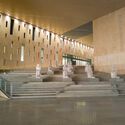
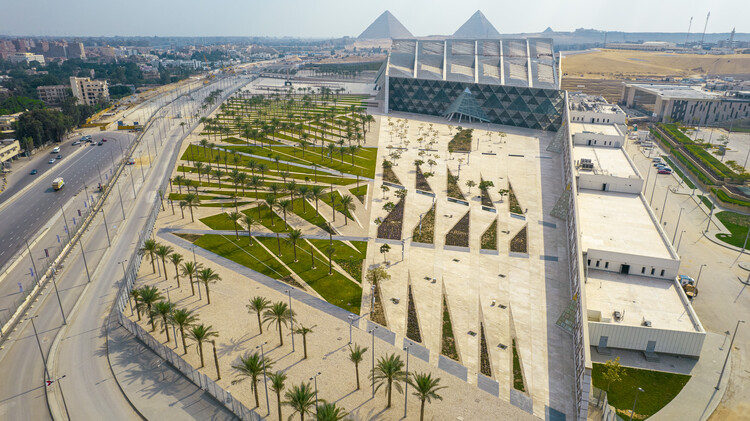
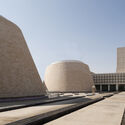
The Grand Egyptian Museum (GEM) in Cairo will open to the public on November 1, 2025, completing a project that has been in development for more than two decades. Designed by Heneghan Peng Architects, the museum is located on the Giza Plateau, approximately two kilometers from the Pyramids of Giza, and occupies a 500,000-square-meter site positioned between the edge of Cairo and the desert. Conceived as a new cultural and research center, the museum aims to present the legacy of ancient Egyptian civilization within a contemporary architectural framework.

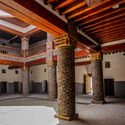
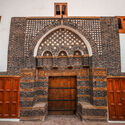
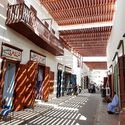
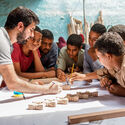
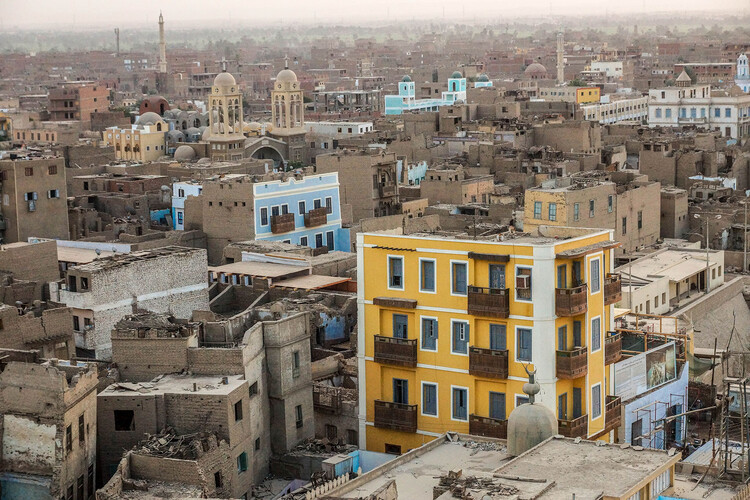
Among the seven winners of this year's 16th Aga Khan Award for Architecture was the Revitalisation of Historic Esna in southern Egypt. Led by the Cairo-based firm Takween, the project was far more than a simple restoration. It was a comprehensive renewal effort that combined deep community engagement with the preservation of both tangible and intangible heritage. By creating thousands of jobs and restoring the historic center, the initiative offered a powerful alternative to demolition. The Aga Khan Trust lauded it as a 'replicable model for sustainable development'.

From forest-inspired offices in Sweden to jungle-nest clubhouses in Tulum, mixed-use architecture continues to evolve as a tool for integrated living. As cities grow and our expectations of public, private, and commercial space shift, designers are increasingly rethinking how different functions including work, play, rest, learning, can coexist in a single architectural language. These projects suggest that buildings and projects no longer need to silo activities, but rather choreograph them to reflect the rhythms of everyday life.
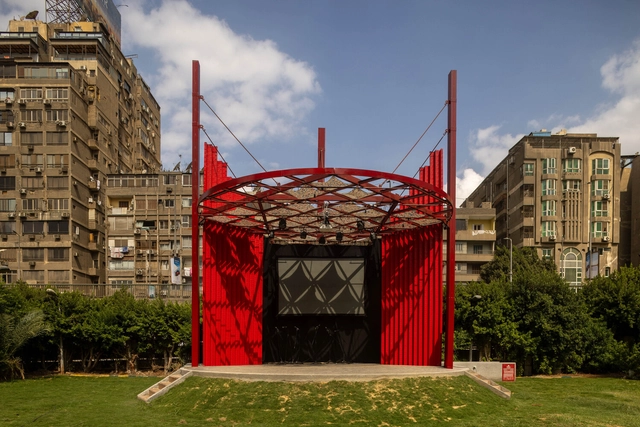
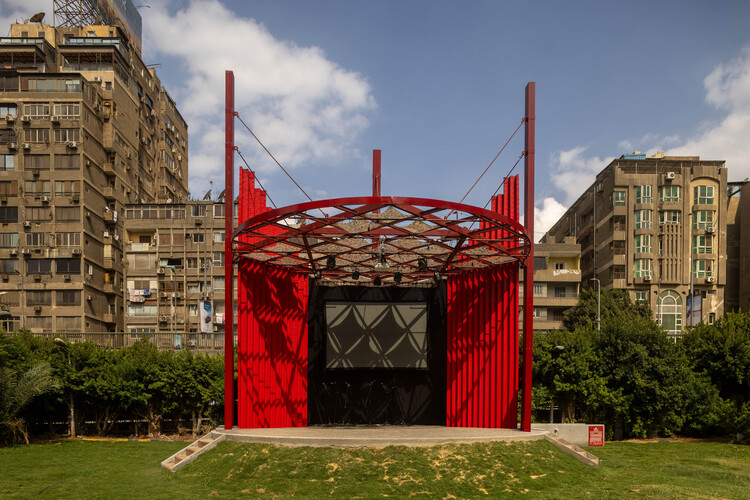
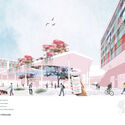
This collection, submitted by the ArchDaily community, presents a global spectrum of approaches to mixed-use design, from large-scale masterplans to conceptual theses. What ties them together is a commitment to spatial overlap, ecological sensitivity, and reimagined programs that prioritize user experience. Whether it's a student dormitory in Tehran, a public plaza in Cairo, or a community hub in Texas, each project embraces complexity to create spaces that are alive with interaction, transformation, and meaning.
Every year, World Population Day is observed on July 11th, aiming to increase people's awareness of various population issues, such as the importance of urbanization, gender equality, poverty, health, and human rights. In 2025, under the theme "Empowering Youth to Build the Families They Want," the United Nations draws attention to the largest generation of young people in history, many of whom are coming of age in rapidly urbanizing contexts. Urban centers remain key to understanding these demographic patterns, as cities continue to attract populations seeking opportunity, stability, and access to essential services. Today, more than half of the global population resides in urban areas, a share projected to increase to 66% by 2050.

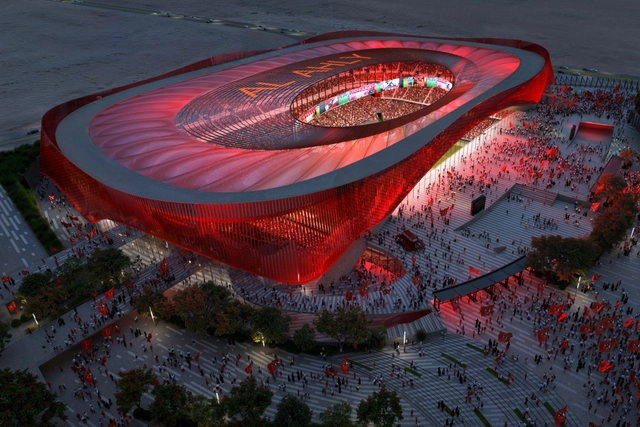
Gensler, in collaboration with El Qalaa El Hamraa and Buro Happold, has revealed plans for a new stadium dedicated to Al-Ahly Football Club, a team widely recognized for its prominence in African and Middle Eastern football. The project, more than three decades in the making, envisions a state-of-the-art venue designed not only for football matches but also as a national landmark capable of hosting large-scale events, setting a new standard for sports architecture in the region.

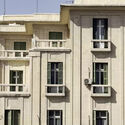
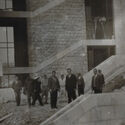
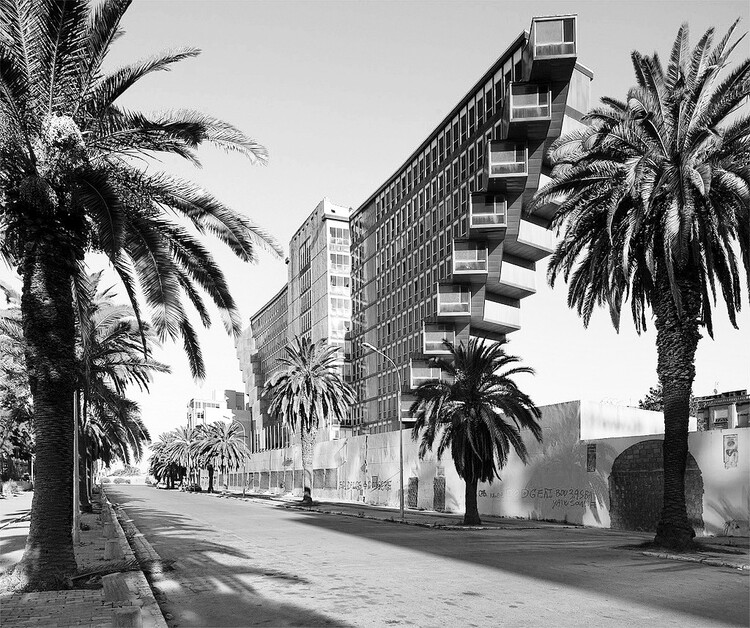
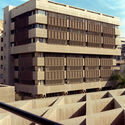
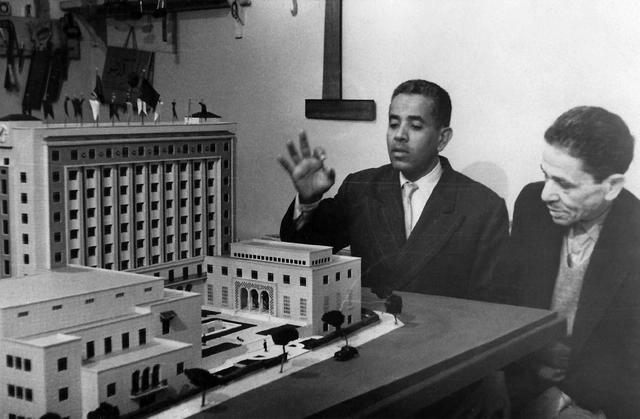
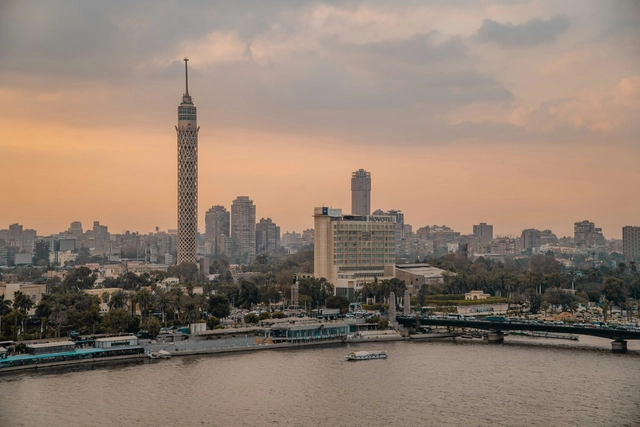
In the heart of Cairo, amid its historic landmarks and evolving urban fabric, a distinct modernist architectural movement took shape in the 1950s and 60s. It reflected the city's response to rapid political, economic, and social changes. When it arrived, modernism in Cairo was not just an imported style but a "pragmatic response to the needs of a growing city." Architects focused on functionality, efficiency, and adapting designs to the local climate and cultural context. Following the 1952 revolution, Egypt underwent significant transformations under President Gamal Abdel Nasser's leadership. In fact, the government sought to build a new national identity that reflected progress and the nation's self-sufficiency. Architecture played a crucial role in this effort, with a strong focus on modernization and development. The state invested in large-scale projects to accommodate the needs of a rapidly growing population and expanding industries. This period marked a shift from colonial-era influences toward a search for a distinct architectural identity that aligned with the political and social aspirations of the time.
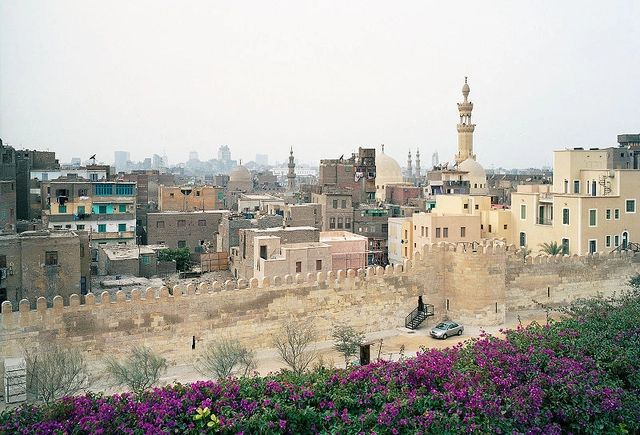
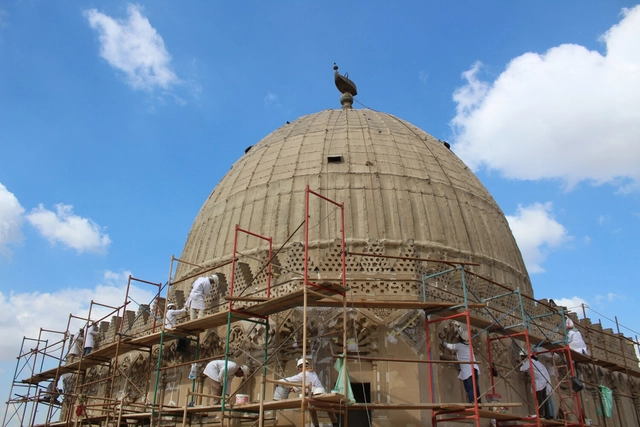
Cairo, often called the "City of a Thousand Minarets," boasts one of the richest cultural and architectural tapestries in the world. Its heritage reflects centuries of diverse influences from Pharaonic monuments to Islamic and Mamluk architecture. However, preserving this legacy is an ongoing challenge in the face of urban pressures, climate change, and socio-economic dynamics. Heritage conservation in Cairo is not just about safeguarding these structures; it's about integrating them into the lives of local communities, ensuring they remain dynamic and accessible spaces.

At the forefront of this mission is Dr. May al-Ibrashy, an architect and conservationist whose innovative and community-driven approach has redefined how heritage is preserved. As the founder of Megawra–Built Environment Collective, she has worked tirelessly in neighborhoods like Al-Khalifa, Al-Hattaba, and Sayyida Zeinab to restore historic monuments while creating vibrant public spaces. Her work bridges the gap between architectural preservation and urban regeneration, ensuring that these historic districts serve both as cultural landmarks and as living, functional spaces for their residents.

The UIA, in collaboration with UN-Habitat, has revealed the finalists for the first stage of the second edition of the UIA 2030 Award. Celebrating architecture that contributes to the 2030 Agenda for Sustainable Development and the New Urban Agenda, this biennial award honors built projects that demonstrate design quality and alignment with the UN Sustainable Development Goals (SDGs).
The regional finalists will now proceed to Stage 2, where they will submit a three-minute video demonstrating their projects in action and explaining in detail how they align with the relevant SDGs and meet the eligibility criteria. During stage 1, the finalists were evaluated regionally, representing the five UIA regions: Western Europe, Central and Eastern Europe and the Middle East, the Americas, Asia and Oceania, and Africa. Winners in each of the six will be awarded a medal. The awards ceremony will be taking place in Cairo, Egypt, at the twelfth session of the World Urban Forum from November 4-8, 2024.