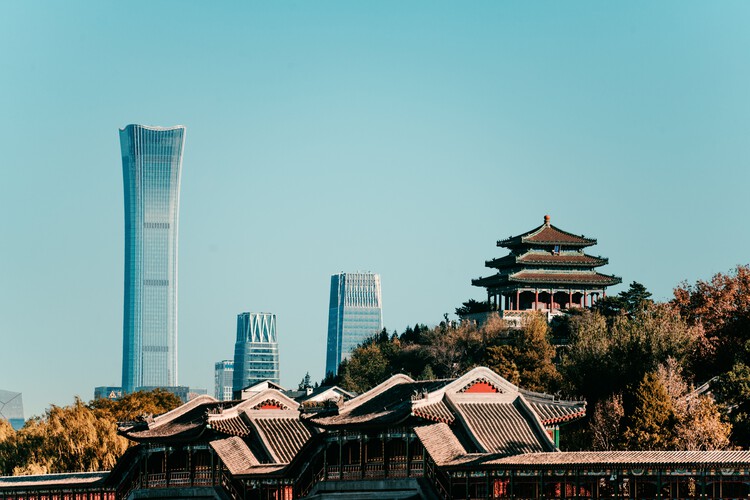
UNESCO-UIA World Capital of Architecture is a title created jointly by UNESCO and the International Union of Architects (UIA). On 5 August 2026, Beijing was named World Capital of Architecture for 2029, a title awarded every three years to a city that hosts a year of architecture-focused programming timed to coincide with the UIA World Congress of Architects. The designation was made upon the recommendation of the Joint Committee for the World Capital of Architecture, chaired by architect Dominique Perrault. It follows the recent conclusion of the UIA World Congress of Architects 2026 in Barcelona, current World Capital of Architecture, and builds on the experience of Rio de Janeiro and Copenhagen.
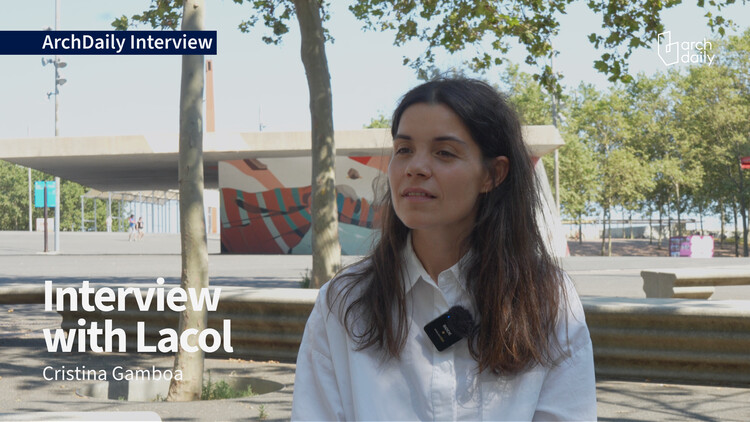
At the UIA World Congress of Architects 2026 in Barcelona, discussions surrounding the future of housing frequently extended beyond questions of design to include governance, ownership, and long-term stewardship. Among the speakers contributing to these conversations was Cristina Gamboa, co-founder of the Barcelona-based cooperative Lacol, whose practice combines architecture, housing advocacy, construction management, and environmental research through a cooperative model. During the Congress, ArchDaily spoke with Gamboa about how cooperative practice reshapes the architect's role, why participation extends beyond consultation, and how projects such as La Borda and La Morada continue to inform broader discussions on housing, care, and collective living.
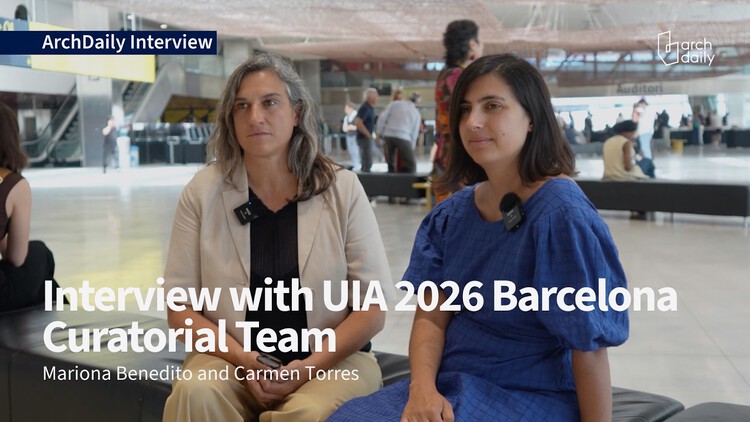
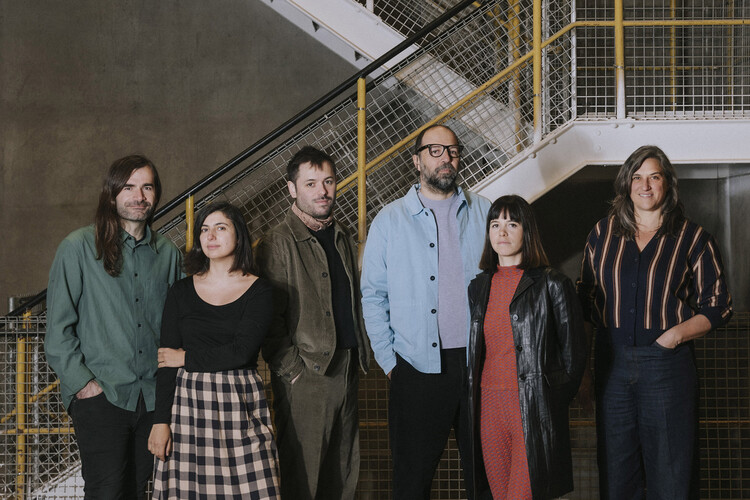
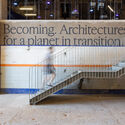
As Barcelona hosts the UIA World Congress of Architects for the second time in its history, thirty years after the 1996 edition, the city becomes a site for reflecting not only on architecture but also on the changing conditions under which it operates. Titled Becoming. Architectures for a Planet in Transition, and developed by the six-member curatorial team of Pau Bajet, Maria Giramé, Mariona Benedito, Tomeu Ramis, Pau Sarquella, and Carmen Torres, the 2026 Congress expands the discussion beyond the city toward planetary questions, addressing architecture through ecological, social, political, and material systems rather than as an isolated discipline. During the opening day of the Congress, ArchDaily spoke with Mariona Benedito and Carmen Torres, two members of the curatorial team, about how this edition revisits Barcelona's architectural legacy, why uncertainty has become central to architectural thinking, and what they hope participants will take away from the event.
Recent events highlighted the many ways architecture responds to changing environmental, social, and cultural conditions. Major earthquakes in Venezuela, Japan, and Northern California renewed attention to the role of planning, infrastructure, and building practices in shaping resilience to natural hazards. As these questions continue to inform the built environment, the opening of the 2026 UIA World Congress of Architects in Barcelona brought together practitioners and researchers to discuss climate, housing, public space, and the future of the profession. Recent project announcements, preservation initiatives, completed works, and new design tools further reflected the range of approaches shaping architectural practice today, from heritage conservation and adaptive reuse to environmental performance and long-term planning.
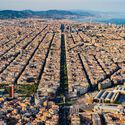
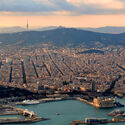
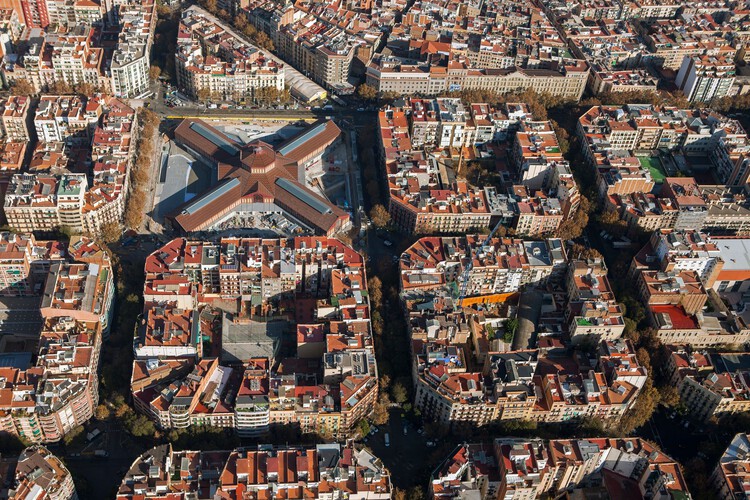
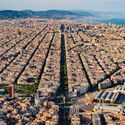
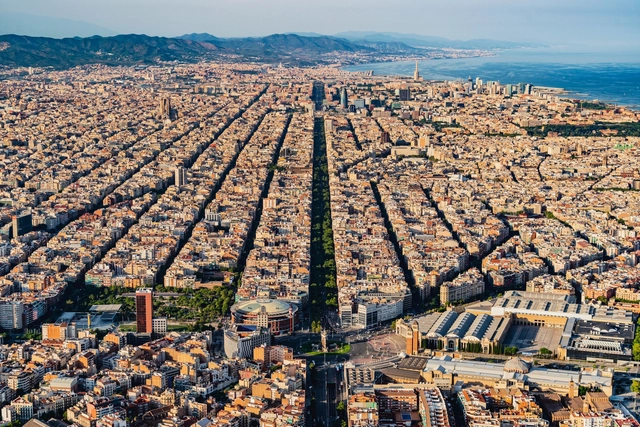
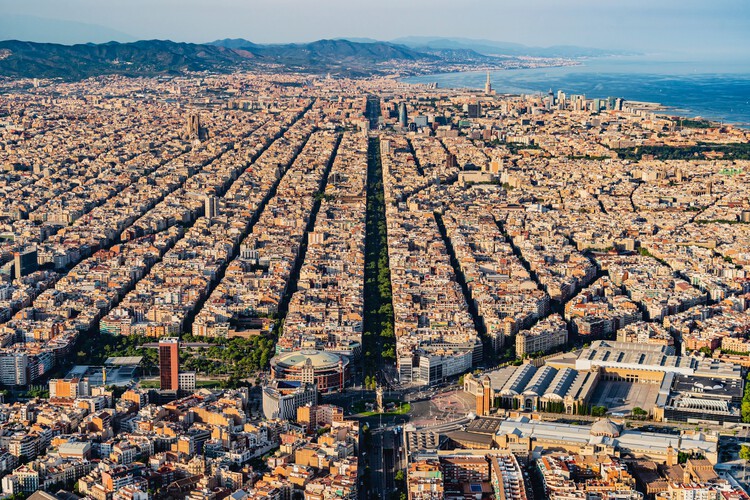
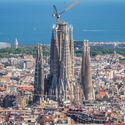
Barcelona is the first city in the history of the UIA World Congress of Architects to host the event twice. The 1996 edition, Present and Futures: Architecture in Cities, arrived at a charged moment, when the post-Olympic city was consolidating an urban model that would become one of the most studied and contested in contemporary urbanism, and when architecture was learning to think through the large metropolis as its primary site of inquiry. Thirty years later, the same city reopens the question under a different condition: one in which the built environment can no longer be understood as a self-contained object, but only through the wider ecological, material, and political systems that sustain it. The theme of the 2026 Congress — Becoming. Architectures for a Planet in Transition — does not abandon the urban concerns of 1996; it reopens them from a planetary scale.
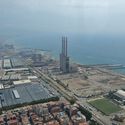
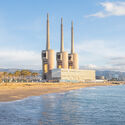
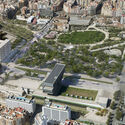
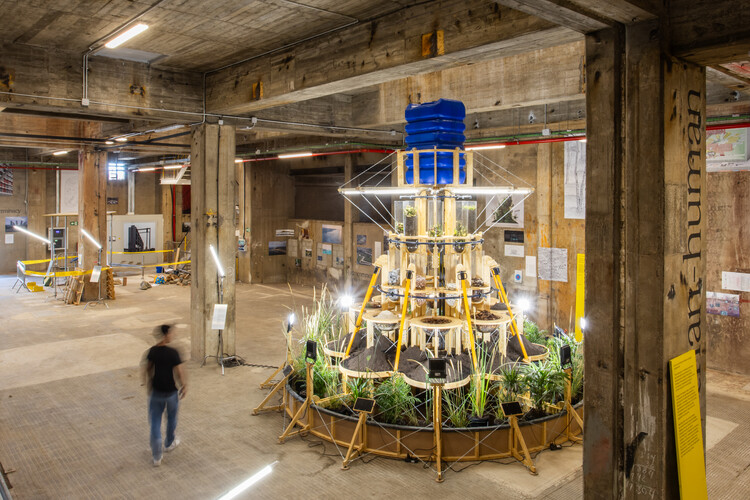
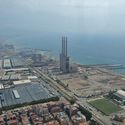
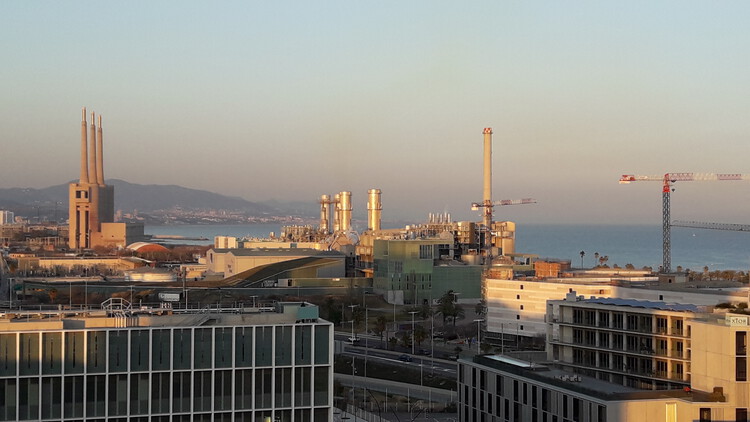
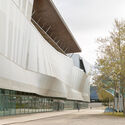
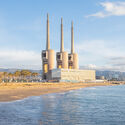
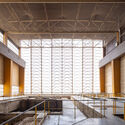
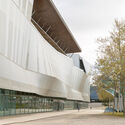
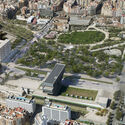
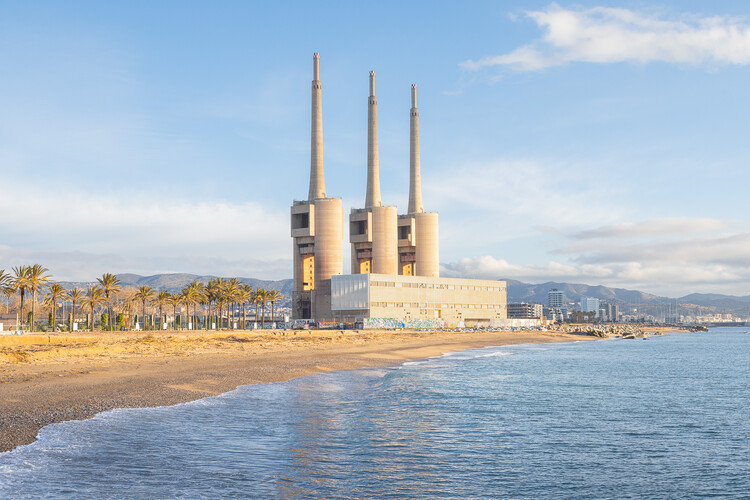
The curatorial team behind this edition, formed by Pau Bajet, Maria Giramé, Mariona Benedito, Tomeu Ramis, Pau Sarquella, and Carmen Torres, approaches architecture as a critical and transformative tool rooted in territory, working across practice, research, and teaching. Their program structures the Congress around six interconnected thematic lines (Becoming More-than-human, Becoming Circular, Becoming Embodied, Becoming Interdependent, Becoming Hyper-Conscious, and Becoming Attuned) and distributes it across three venues of very different characters — Les Tres Xemeneies del Besòs, the Disseny Hub at Glòries, and the CCIB — each chosen for what it represents as much as for what it can hold.
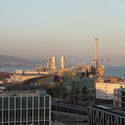
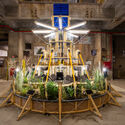
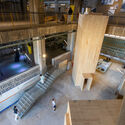
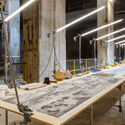
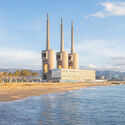
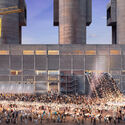
The UIA 2026, the 29th edition of the triennial international event for architectural dialogue organised by the International Union of Architects, has opened its doors on Sunday, June 28th, with an inaugural event held at Three Chimneys, a former power plant in Sant Adrià de Besòs. Each Congress focuses on a pressing topic relevant to the profession, articulated through a central theme. The topic for 2026 is "Becoming. Architectures for a Planet in Transition," calling for a broad and critical overview of the possible futures of architecture. The event runs through July 2, 2026, as a distributed event across multiple venues and urban contexts. With a multidisciplinary approach, Barcelona, the UNESCO World Capital of Architecture 2026, is set to become a global laboratory and hub for debating forthcoming ecological, social, material, and cultural transitions.
Three decades after it first hosted the event, Barcelona once again becomes the host of the global disciplinary debate. The UIA World Congress of Architects 2026 Barcelona aims to bring together 10,000 professionals, students, and institutional representatives from more than 130 countries. Discussions address topics such as the climate emergency, the housing crisis, the circularity and sustainability of materials, and the evolution of public space at large and small scales, as well as more specific topics such as the future role and responsibility of architectural awards or conferences dedicated to the DANA floods in Valencia. The daily program will be marked by two plenary sessions each day, at the start (09:00) and at the end (16:45).
Every three years, the International Union of Architects' (UIA) World Congress lands in a different city, under a different theme set years in advance. A quick mapping of these host cities reveals a deliberate pattern: throughout the decades, the UIA has purposefully chosen a wide range of venues across all continents, rendering each edition a snapshot of what mattered in that specific place, at that exact moment. The result of this geographic rotation has been a diverse kaleidoscope of conversations, analyzing the profession from countless angles and adapting it to changing times. But 2026 is different; this time the UIA is repeating a host city for the first time: Barcelona, under the theme "Becoming. Architectures for a planet in transition".
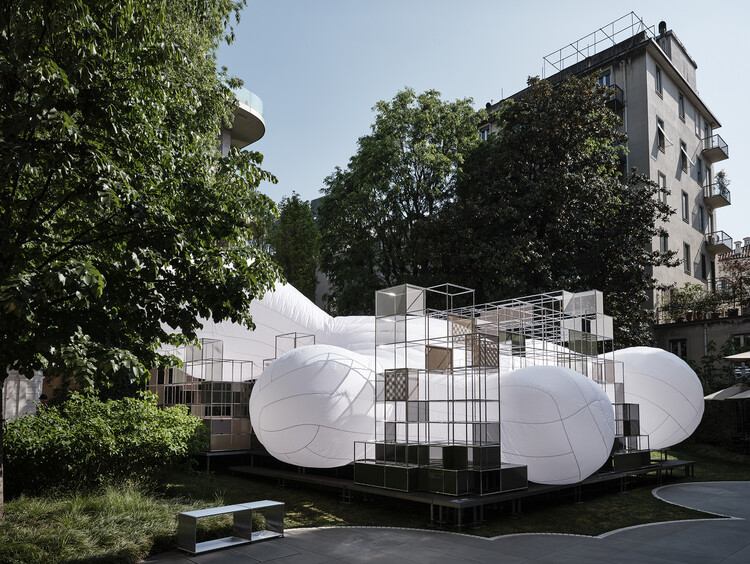
Renaissance of the Real by Annabelle Schneider and Snøhetta, Milan Design Week 2026. Image Courtesy of USM
Across cultural platforms, heritage sites, and institutional developments, this week's news reflects how the built environment is reshaped through processes of transformation, reinterpretation, and public engagement. From archaeological reactivations and adaptive reuse strategies to museum expansions and large-scale international gatherings, architecture operates across multiple temporalities, balancing preservation with contemporary use and spatial continuity with evolving cultural programs. Within this context, ArchDaily's selection of installations and exhibitions from Milan Design Week 2026 highlights how design weeks increasingly function as curatorial frameworks for experimentation, while global events and institutional projects continue to expand the formats through which architecture is produced, shared, and debated.
The UIA World Congress of Architects 2026 Barcelona has released its full program, outlining the structure, participants, and range of activities scheduled to take place from June 28 to July 2, 2026. Expanding on the previously introduced theme, Becoming. Architectures for a Planet in Transition, the Congress is conceived as a distributed event across multiple venues and urban contexts rather than a single-site conference. Organized by the International Union of Architects (UIA) in collaboration with the Higher Council of the Colleges of Architects of Spain (CSCAE) and the Architects' Association of Catalonia (COAC), the event is expected to gather approximately 10,000 participants and 250 speakers from more than 130 countries.
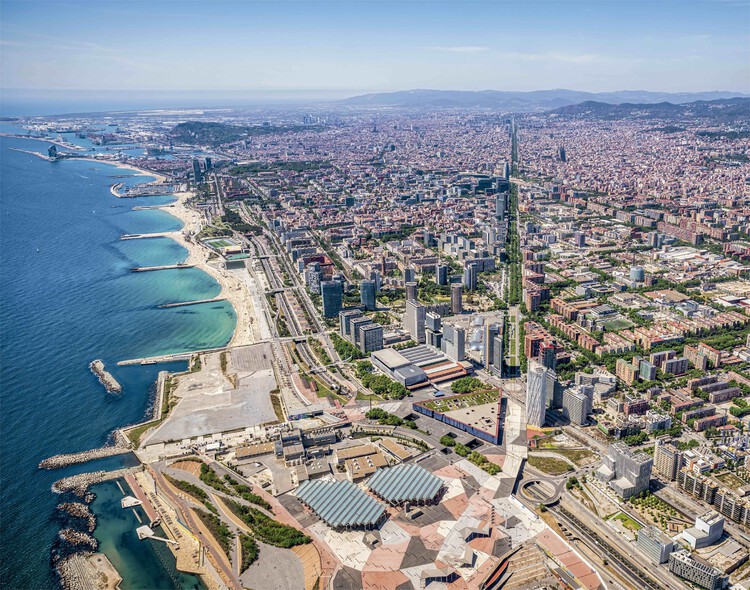
More than three decades after previously hosting the event, Barcelona is set to welcome the UIA World Congress of Architects 2026 Barcelona (UIA2026BCN), bringing the global architectural community back to the city between 28 June and 2 July 2026. Organized under the theme "Becoming. Architectures for a Planet in Transition," the Congress is expected to gather approximately 10,000 participants from over 130 countries, including practitioners, researchers, and students. Rather than being confined to a single venue, the event will unfold across multiple locations along the Mediterranean seafront, among them the Three Chimneys complex, positioning the city itself as an active platform for exchange, discussion, and public programming.
This week's review focuses on concrete responses to shared urban challenges, including housing affordability, long-term resilience, and the role of cultural and material innovation in shaping cities. The selection spans regulatory measures affecting housing markets in European cities, high-density residential and mixed-income proposals in New York, and major renewal and planning efforts in London, Barcelona, Ulaanbaatar, and Drammen. It also highlights research-driven and built projects in Chicago, Buenos Aires, Las Vegas, and Riyadh that explore circular construction, adaptive reuse, and new models for cultural and public infrastructure. Together, these worldwide projects offer a snapshot of how architecture and urban planning are addressing immediate pressures while laying the groundwork for more resilient and inclusive urban futures across diverse geographic and cultural contexts.
The UIA World Congress of Architects is an international event for architectural dialogue organised by the International Union of Architects (UIA, by its French acronym), a non-governmental organisation that unites national associations of architects from over 100 countries, representing more than one million professionals. The first UIA Congress of Architects, which also marked the institution's founding, was held in Lausanne in 1948 during the post-war reconstruction period. Since then, UIA congresses have been held every three years in a different city within a member country, serving as the organisation's main recurring event. In 2026, the Congress will be held in Barcelona, and UNESCO has consequently designated the city as the World Capital of Architecture 2026. Each Congress focuses on a key topic relevant to the profession, articulated through a central theme. Recent themes include Copenhagen 2023: "Sustainable Futures. Leave no one behind." and Rio 2020–2021: "All the worlds. Just one World." The topic for 2026 is "Becoming. Architectures for a Planet in Transition," welcoming renowned figures in contemporary architectural thought and practice for a broad and critical overview of the possible futures of architecture.
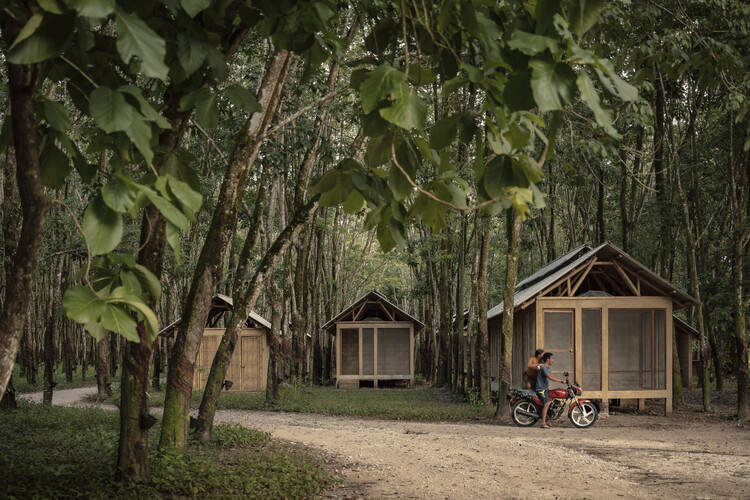
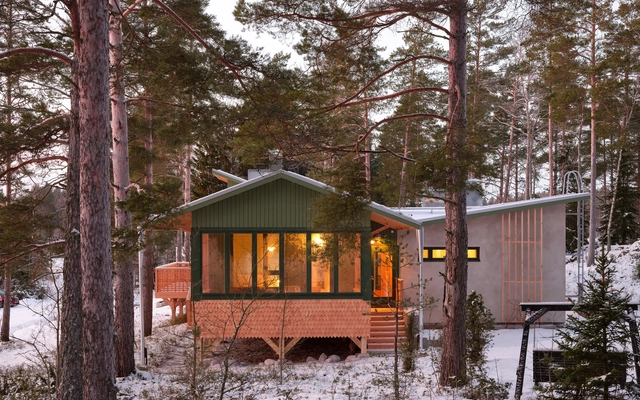
Huvila by Jenni Reuter Architects, Finland. Image Courtesy of UIA 2030 Awards
The UIA, in collaboration with UN-Habitat, has revealed the finalists for the first stage of the second edition of the UIA 2030 Award. Celebrating architecture that contributes to the 2030 Agenda for Sustainable Development and the New Urban Agenda, this biennial award honors built projects that demonstrate design quality and alignment with the UN Sustainable Development Goals (SDGs).
The regional finalists will now proceed to Stage 2, where they will submit a three-minute video demonstrating their projects in action and explaining in detail how they align with the relevant SDGs and meet the eligibility criteria. During stage 1, the finalists were evaluated regionally, representing the five UIA regions: Western Europe, Central and Eastern Europe and the Middle East, the Americas, Asia and Oceania, and Africa. Winners in each of the six will be awarded a medal. The awards ceremony will be taking place in Cairo, Egypt, at the twelfth session of the World Urban Forum from November 4-8, 2024.