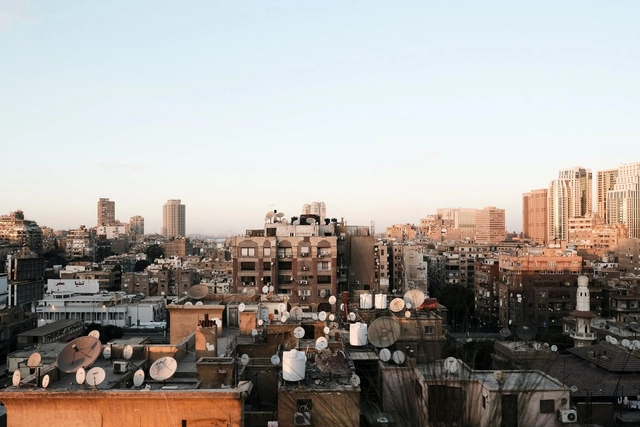
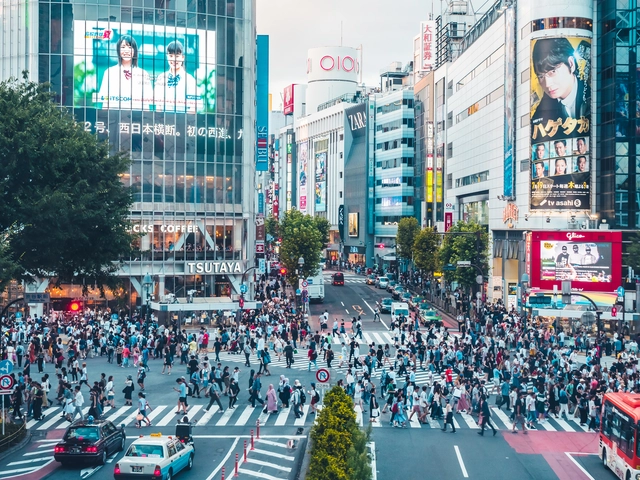
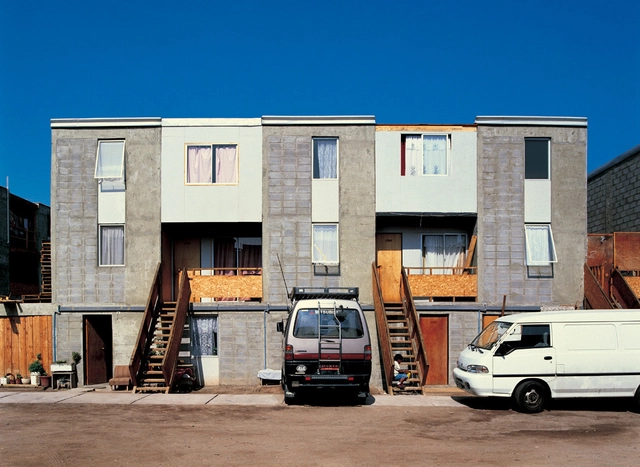
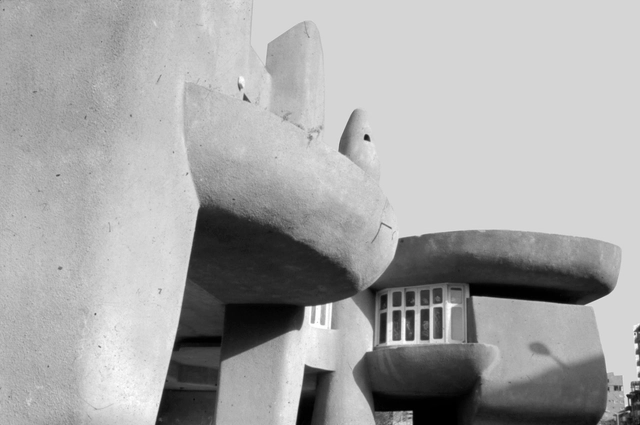
As of today, over 50% of the world’s population lives in urban areas, and by 2050, this urban population will almost double in size, and 7 of 10 people in the world will live in cities. As cities have continued to grow and expand throughout history, a new vocabulary has also emerged, often to better communicate the scale of urban living in a relatively contemporary context. One such example is the term megalopolis – typically defined as a network of large cities that have been interconnected with surrounding metropolitan areas by infrastructure or transportation. In effect, it’s a region perceived as an encompassing urban area, within which there is a constant flow of commerce and migration.
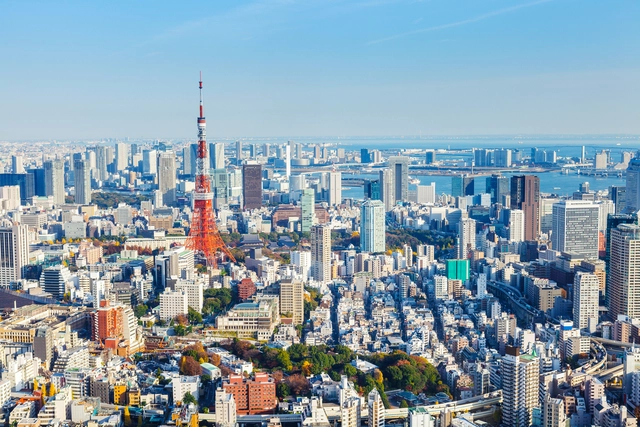
Half of the world’s population now lives in cities, according to UN-Habitat’s latest reports. While this number is set to increase to two-thirds by 2050, urban challenges are growing exponentially, making it more crucial than ever, to transform our cities. Annually, the world population review assesses the growth of cities and the number of residents living in metropolitan areas, to understand global evolution trends. In 2022, the list of the top 20 most populated countries remained similar to the 2021 edition, with a slight change in numbers and positions. Tokyo kept its status as the world’s largest city, with 37 million inhabitants, while Delhi and Shanghai, followed in second and third positions.
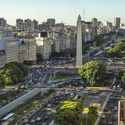
Comparing the results to the 2021 edition, the only decrease that can be seen in the top 20, involves both Japanese cities, Tokyo and Osaka. The rest of the list had, on average, a growth of 1.8% in the total of people residing in metropolitan areas. In fact, African cities Kinshasa in the Democratic Republic of Congo and Lagos in Nigeria gathered the highest rates, with respectively a 4.39% and a 3.54% increase in residents in 1 year. The largest city in the American continent is still Sao Paulo in Brazil, followed closely by Mexico City and Buenos Aires in Argentina, further down the table. In Europe, Istanbul is the most populous, with more than 14.5 million residents.
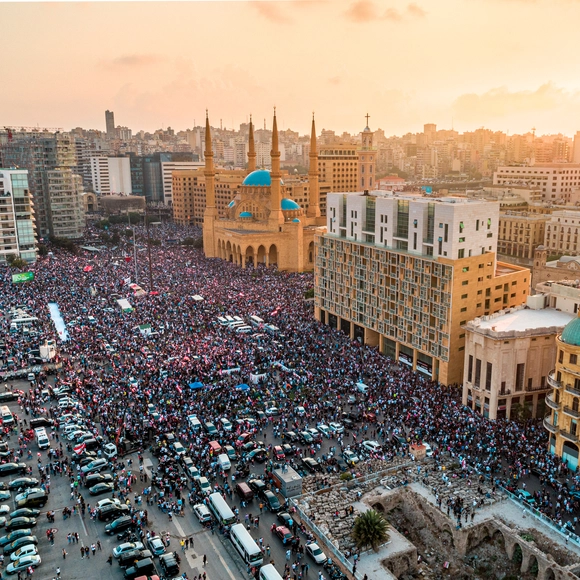
In New Mexico, irrigation channels that have been in continuous operation for three centuries replenish and nourish the wetlands of the American Southwest. These channels are known as Acequias – communally managed water systems built on democratic tradition. Members of the community own water rights, who then elect a three-person team to oversee the channels. In Cairo and Barcelona, Tahrir Square and Plaza de Catalunya have acted as important sites for voicing political dissatisfaction. The Tahrir Square protests of 2011, for instance, resulted in the eventual toppling of an almost 30-year-old government.
Villa Badran designed by Gamal Bakry . Image Courtesy of CENTER FOR ARCHITECTURE
On view at the Center for Architecture in New York City, the exhibition features 20 projects in Cairo and a warning about the threatened future of Egypt’s Modernist heritage.
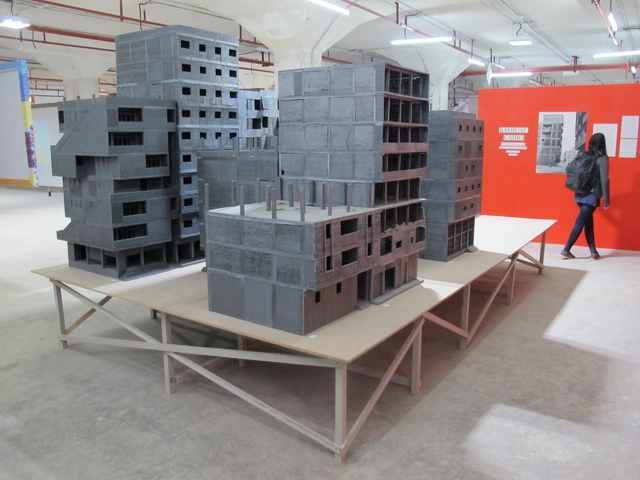
Cairo Modern, a new exhibition at the Center for Architecture in New York, features 20 demolished, extant, and proposed projects in Cairo dating from the 1930s to the 1970s and also shines a light on the wrecking ball-threatening Modern architecture here and elsewhere.
Contemporary Egyptian architecture draws from a rich history. As a cradle of civilization, the transcontinental country has influenced diverse building styles and design cultures. Home to some of the earliest urban developments and centralized governments, Egypt is defined by its geography and its multicultural background. Today, its modern architecture must contend with a legacy of building that spans millennia.
According to the United Nations’ latest report on populations in cities, by 2030, “urban areas are projected to house 60 percent of people globally and one in every three people will live in cities with at least half a million inhabitants”. Growing in both size and number, cities are hubs of government, commerce, and transportation, and in 2021, the world’s 20 largest cities are home to half a billion people. In fact, one in five people worldwide lives in a city with more than 1 million inhabitants.
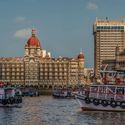
Below, we have rounded up the top 20 megacities in the world of 2021, according to the number of people that live in their metropolitan area. While Tokyo is the largest city on a global level, with a total of more than 37 million residents, the majority of the most populous cities in the world are in the two most populated countries, China and India. Among these, we have 5 metropolises in China, Shanghai, Beijing, Chongqing, Tianjin, and Guangzhou, and 3 in India, Delhi, Mumbai, and Kolkata. The largest city in the American continent is Sao Paulo in Brazil with 22 million people, followed by Mexico City and Buenos Aires in Argentina. Istanbul takes the 13th position with one part of the city lying in Europe and the other part in Asia.
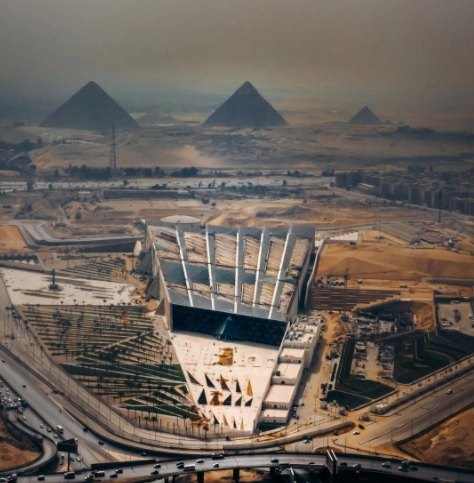
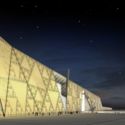
Designed by Irish architecture firm Heneghan Peng, the long-awaited Grand Egyptian Museum devoted entirely to Egyptology is set to open this summer, sitting on the edge of the Giza Plateau, 2 km away from the Pyramids. Considered as the largest museum in the world dedicated to one civilization, the cultural complex will accommodate about 100,000 ancient artifacts, and will include 24,000m² of permanent exhibition space, a children’s museum, conference facilities, educational areas, a conservation center, and extensive gardens inside and around the museum's plan.
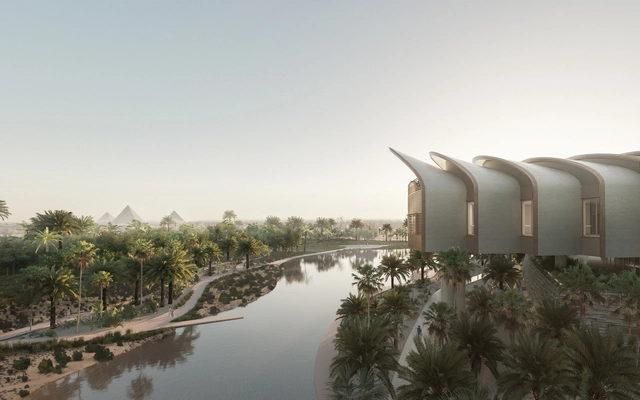
Magdi Yacoub Global Heart Centre Cairo. Image Courtesy of Foster + Partners
Foster + Partners has begun construction on the new Magdi Yacoub Global Heart Centre in Cairo, Egypt. With views of the Pyramids of Giza, the hospital site borders the Zewail City of Science and Technology as part of an integrated health and medical research zone. The design was made to respond to the needs of patients, their families and the staff that care for them while decreasing recovery times.
"Public space" is a legal terminology that tackles the notion of land ownership, suggesting that this type of parcel does not belong to anyone in particular, but to the state itself. Open, free, accessible to all, and financed by public money, these spaces are not only the results of planning, but the consequences of the public practices they hold. Actually, people define how public space is used and what it means.
Protests - powerful political tools for change - from the March on Washington in 1963, the Arab Spring in the early 2000s to recent Black Lives Matter Movements, are altering the world. In times like these, while people still need to "take their issues to the streets" to be heard and seen, public spaces have resurfaced as a topic of discussion.
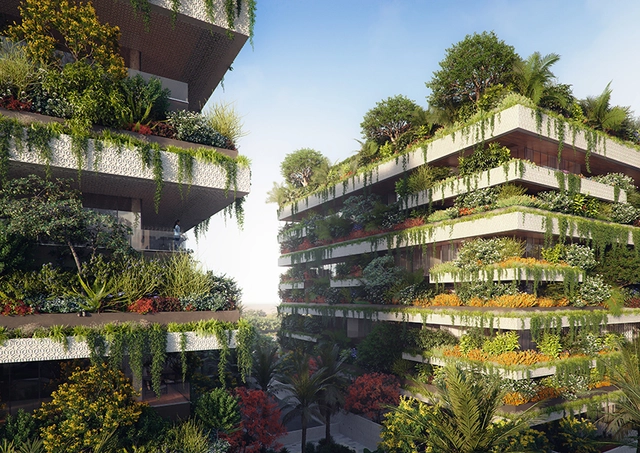
Stefano Boeri Architetti has unveiled its vision for the first vertical forests in Africa, in the Egyptian capital, Cairo. The 3 cubes or the 3 experimental edifices consisting of one hotel and two residential structures, will be part of the new administrative town plan, under construction in the southeast of the city.
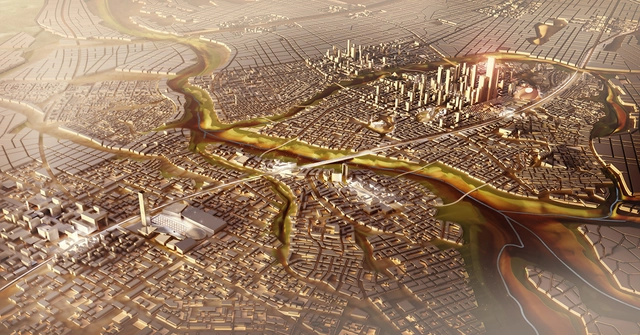
Dubai Based architects Islam El Mashtooly and Mouaz Abouzaid along with Steven Velegrinis, Drew Gilbert & Abdelrahman Magdy have unveiled “LifeLines,” their vision for the future of Cairo. Centered on the idea of connecting people with water, a series of lines and paths are laid over the city to serve as a catalyst for development.
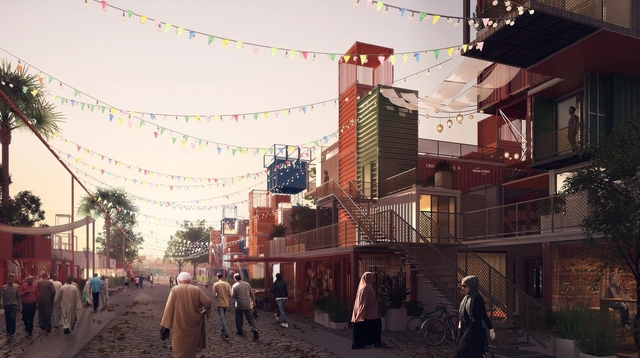
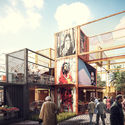
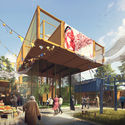
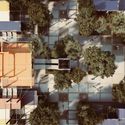
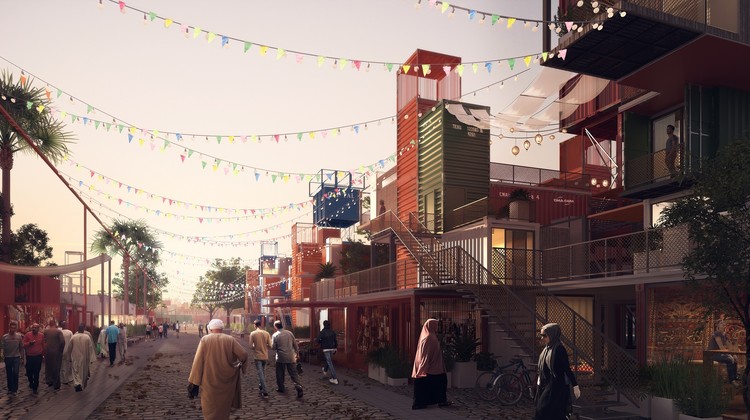
UAE based architects Mouaz Abouzaid, Bassel Omara and Ahmed Hammad have designed a shipping container housing project for Cairo, Egypt. Dubbed ‘Sheltainer’, the project aims to address a need for low-income, student and refugee housing. The design focuses on Egyptian life around a single house unit with all the necessary needs for a small family. Sheltainer aims to offer a flexible solution with new open spaces, activities and homes.
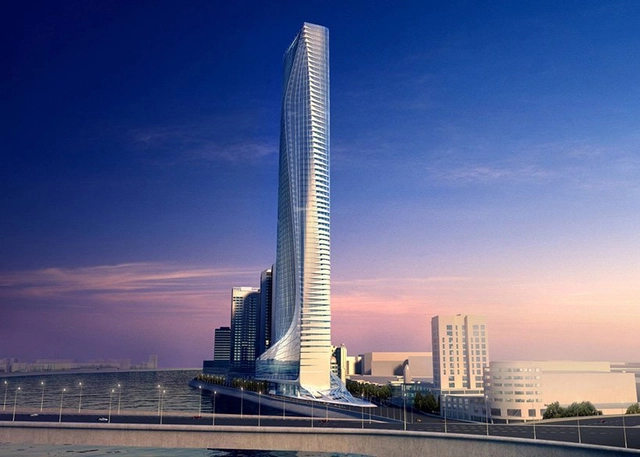
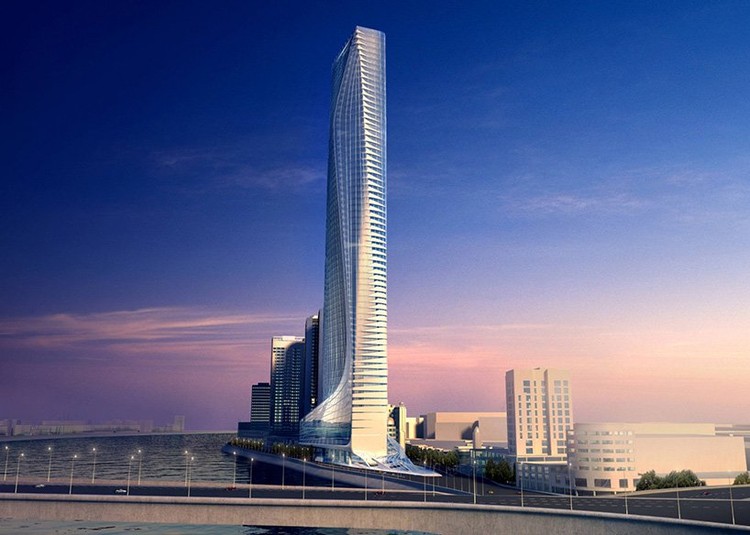
Nile Tower. Image Courtesy of Zaha Hadid Architects
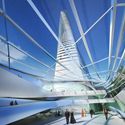
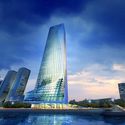
After more than a decade, Egypt has returned to its plan to construct Africa's tallest building. Sited on the Nile River in central Cairo, the skyscraper was designed by the late Zaha Hadid in 2007. President Abdel Fattah el-Sisi and the government are working with the project developers, Living in Interiors, to create the twisting "Nile Tower" with a design that will rise 70 stories. Overlooking views of Cairo, the Nile and the pyramids, the project hopes to symbolize Egypt's growth and the development of the country.
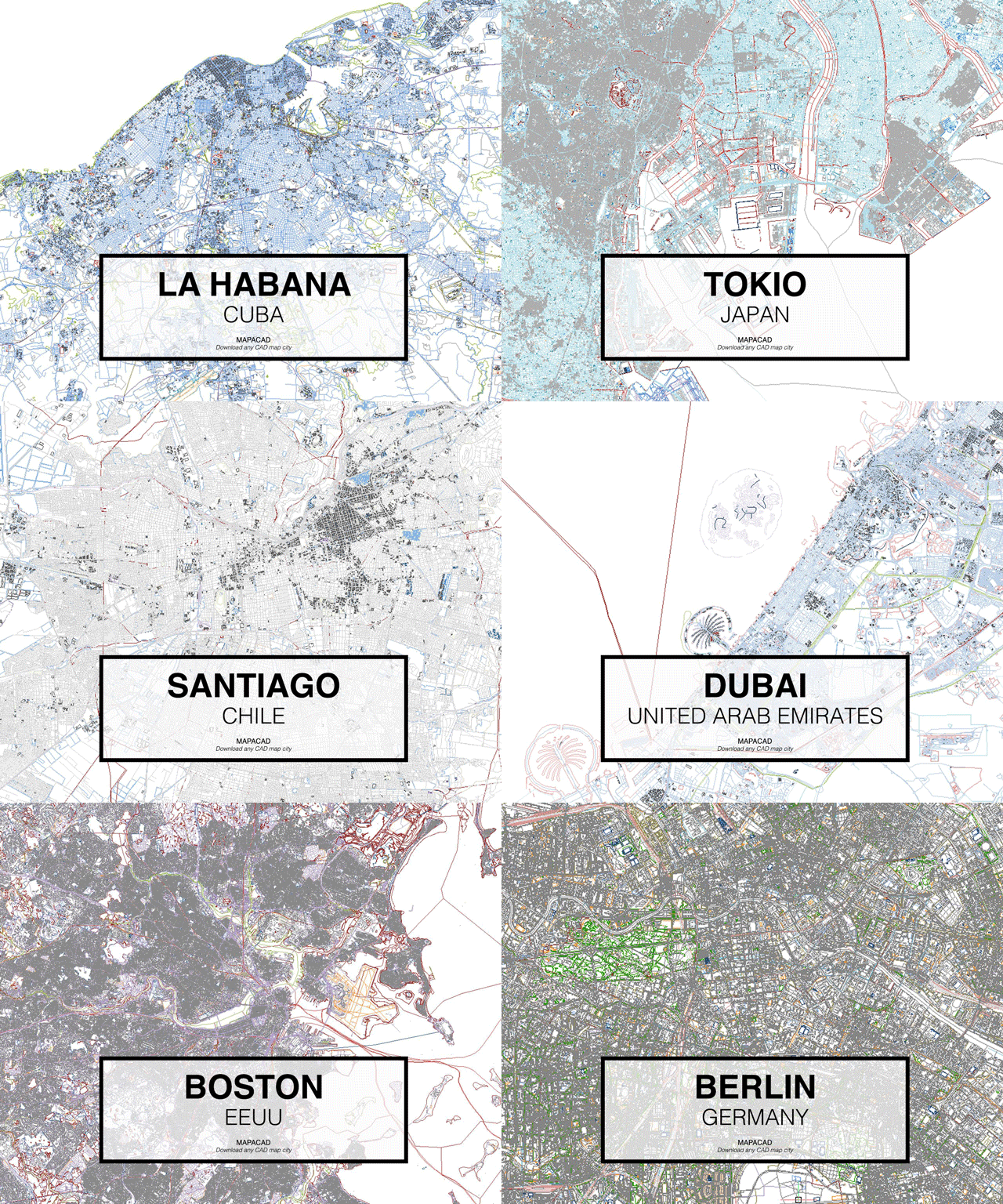
Mapacad is a website that offers downloads of .dwgs of dozens of cities. With 200 metropolises in their database, the founders have shared a set of their most-downloaded cities.
The files contain closed polyline layers for buildings, streets, highways, city limits, and geographical data--all ready for use in CAD programs like Autocad, Rhino, BricsCad and SketchUp.
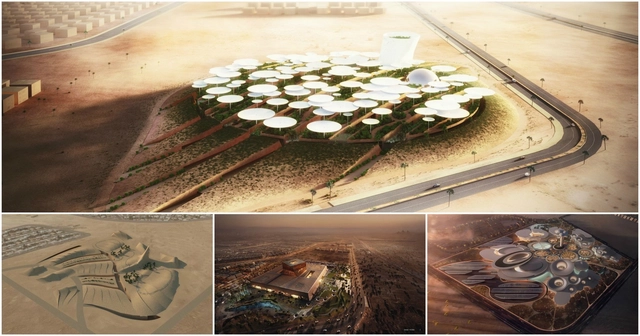
Weston Williamson + Partners has won an international competition for a 125,000 square meter “Science City” along the western edge of Cairo, Egypt, beating out entries from Ngiom Partnership and Zaha Hadid Architects. The project will be built from the ground up in the desert surrounding the city, and will serve as a 21st century science museum and new national institute for scientific innovation. The competition called for an integrated master plan and conceptual design that express “a particular vision of the quest for knowledge and the pursuit of science.”
The jury selected the winning design for its overall comprehensiveness and identity, as well as its ability to be intelligently constructed in phases.
“This project was the one that best responded to the challenges of the brief. The design is subtle but rich. It involves various levels of planning,” said the jury in a statement. “It displays a blending of aspects of several of the “types” that were so visible: the circle, the striation, the berm (or dune), the legible apparatus of sustainable performance, the complex of courtyards, the oasis, etc. But the overall impact is one of a unified composition of great elegance and finesse.”
Continue reading for more on Weston Williamson’s design and to see images from all of the winning entries.
The 2015 Shenzhen Biennale of Architecture and Urbanism exhibits, makes, and discusses architecture that reflects the reuse and rethinking of existing buildings, the re-imagination of our cities, and the remaking of our daily lives by design. It is be a biennale of fragments, not abstract plans; of collage, not grids; of tactical urbanism, not top-down strategies.
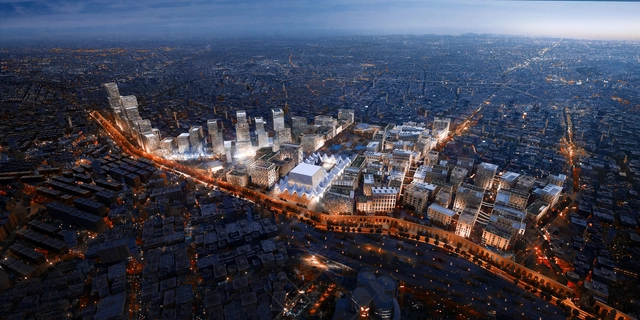
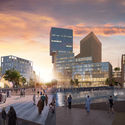
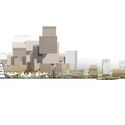
Threatening to end Cairo’s 1,046 year dominance as the country’s capital, earlier this month the government of Egypt announced their intentions to create a new, yet-to-be-named capital city just east of New Cairo. The promise of the more than 270 square mile ‘new New Cairo’ has attracted headlines from around the world with its sheer scale; a $45 billion development of housing, shopping and landmarks designed to attract tourism from day one, including a theme park larger than Disneyland. And of course, the plans include the promise of homes - for at least 5 million residents in fact, with the vast number of schools, hospitals and religious and community buildings that a modern city requires - making the new capital of Egypt the largest planned city in history.
The idea of building a new capital city has appealed to governments across history; a way to wipe the slate clean, stimulate the economy and lay out your vision of the world in stone, concrete and parkland. Even old Cairo was founded as a purpose built capital, although admittedly urban planning has changed a little since then. It continues to change today; see the full list of different ways to build a totally new city after the break.