1. ArchDaily
  2. Nile River

Nile River: The Latest Architecture and News

Unearthing the Ground: Architecture and the Politics of Water

Audio available

When the Ostrogoths besieged Rome in 537 AD, their first military act was to cut the aqueducts. Eleven gravity-fed channels supplied the city with up to a million cubic meters of water per day, more than enough to sustain a population of over a million, fill the public baths, and scour the sewers. Without the aqueducts, Rome became a fortified enclosure around a contaminated river, proving that water was essential to the city's existence.

Unlike land, which can be fenced off, or oil, which can be stored, water is a resource that nobody can fully own, yet everyone depends on. It moves through aquifers, across borders, and down rivers. The Romans were cognizant of this fact; as the aqueducts constituted public infrastructure, the water flowing into fountains was accessible to all. Frontinus, the administrator who oversaw Rome's water system in the first century AD, documented every allocation, every illegal connection, and every abuse of the system with the rigor of someone who understood that water management was a civic act. Architecture, in this sense, has always had the capacity to make water a common good, and equally, by the same means, a privilege.
Unearthing the Ground: Architecture and the Politics of Water - Image 1 of 4Unearthing the Ground: Architecture and the Politics of Water - Image 2 of 4Unearthing the Ground: Architecture and the Politics of Water - Image 3 of 4Unearthing the Ground: Architecture and the Politics of Water - Image 4 of 4Unearthing the Ground: Architecture and the Politics of Water - More Images+ 11

Dammed Between Energy and Water Scarcity: The Grand Ethiopian Renaissance Dam and the Nile

Audio available

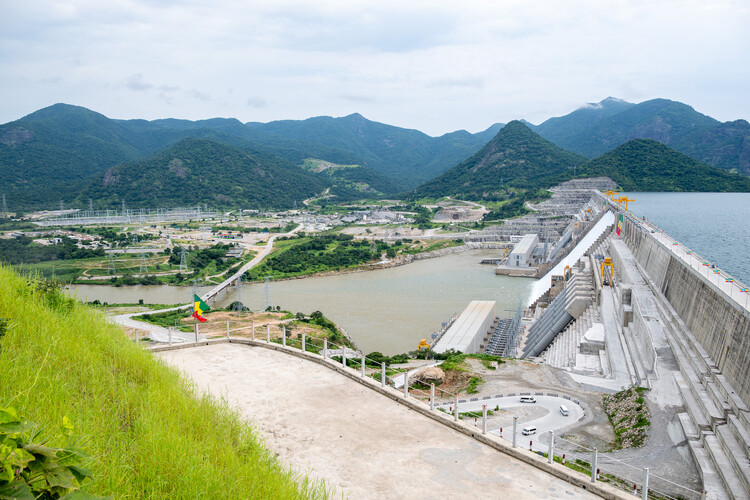
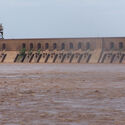
Every large dam divides as much as it connects, and the Grand Ethiopian Renaissance Dam is no exception. A monumental feat of architecture and engineering, the mega-dam has brought everyone together, for better or worse, to interrogate who gets to declare sovereignty over the riches of the river, be it water or momentum, and to challenge colonial-era Nile treaties.

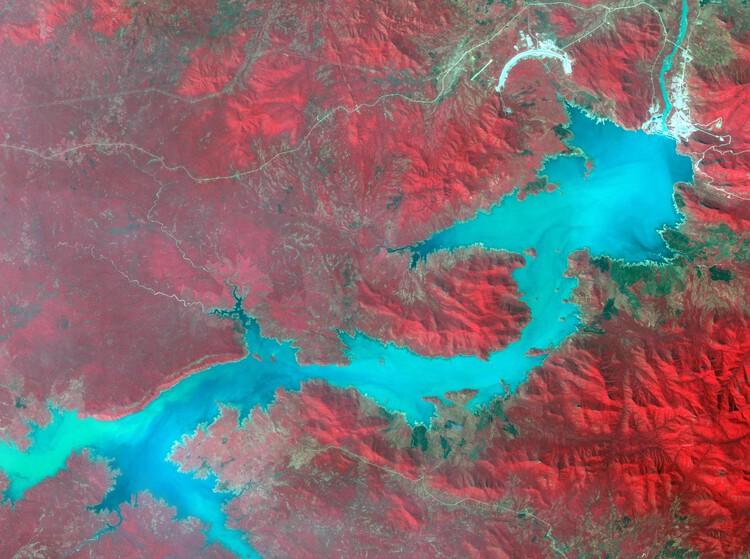
Inaugurated in September 2025, the Grand Ethiopian Renaissance Dam, or GERD, is a grand concrete structure on the Blue Nile, Abay, in western Ethiopia within the Benishangul-Gumuz region, just 30 kilometers upstream along the river and east of the border with Sudan. It is built as a major source of hydroelectric power, generating an estimated 51.5% of total national output in 2025/26, and symbolizes Ethiopia's national sovereignty, rise to exponential economic development, and technological self-determination. So, why has it become the center of a protracted dispute over regional water security and international law between Ethiopia, Sudan, and Egypt?

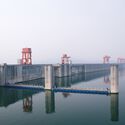
Dammed Between Energy and Water Scarcity: The Grand Ethiopian Renaissance Dam and the Nile - Imagen 1 de 4Dammed Between Energy and Water Scarcity: The Grand Ethiopian Renaissance Dam and the Nile - Imagen 2 de 4Dammed Between Energy and Water Scarcity: The Grand Ethiopian Renaissance Dam and the Nile - Imagen 3 de 4Dammed Between Energy and Water Scarcity: The Grand Ethiopian Renaissance Dam and the Nile - Imagen 4 de 4Dammed Between Energy and Water Scarcity: The Grand Ethiopian Renaissance Dam and the Nile - More Images+ 10

Ecologies of Repair: Reconciling Our Relationship with Water

Audio available

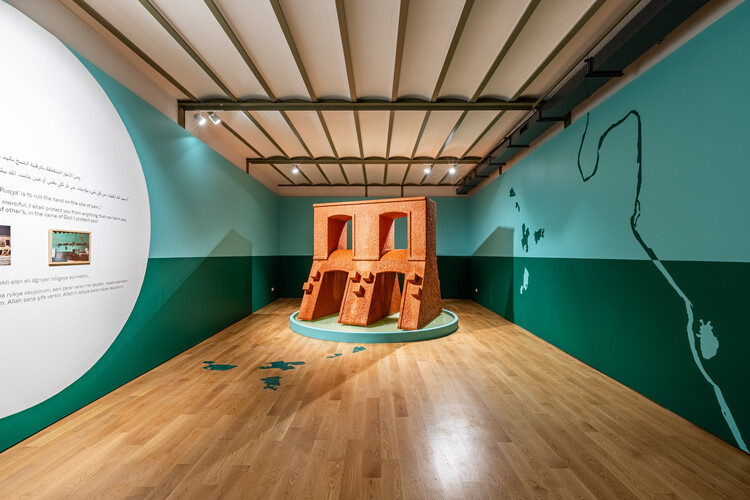
Ola Hassanain is a Sudanese architect and artist operating in the Netherlands, and will be exhibiting at the Pan-African Architecture Biennale in Nairobi, Kenya, later in 2026. All three locations tell stories of the built environment's relationship with water. These illustrate the continuous battles between the amorphous forces of nature that are the rivers and seas, and human attempts to shape and control them. In most cases, they are attempts at extraction. Catastrophes happen as a result of the overreach of these attempts or of their mismanagement, or both.

Ecologies of Repair: Reconciling Our Relationship with Water - Image 1 of 4Ecologies of Repair: Reconciling Our Relationship with Water - Image 2 of 4Ecologies of Repair: Reconciling Our Relationship with Water - Image 3 of 4Ecologies of Repair: Reconciling Our Relationship with Water - Image 4 of 4Ecologies of Repair: Reconciling Our Relationship with Water - More Images+ 10

The Nubian Vault: Reviving Ancient Techniques for Modern Solutions

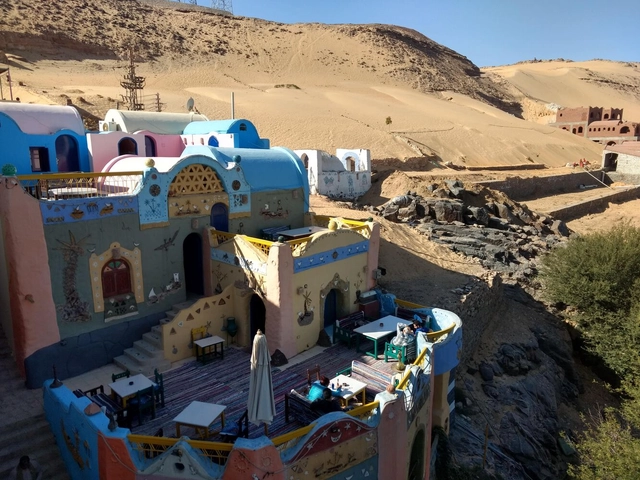
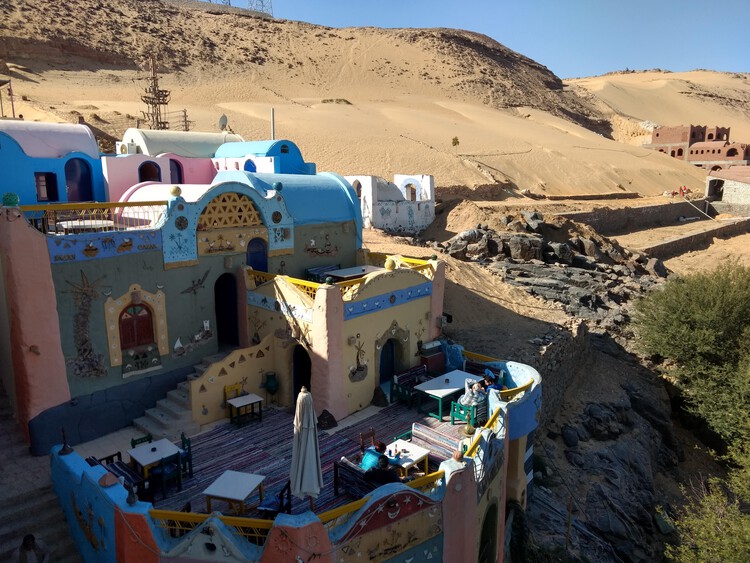
The colorful houses of Aswan in the south of modern-day Egypt attract tourists who venture that far up the River Nile. Accessed by small river boats, islands like Suheil West are the homes of Nubian communities, some of whom had had to relocate after the building of the Aswan High Dam in the 1960s. Behind the picturesque views of plastered walls covered in murals and motifs, perched on rocky hills overlooking the Nile, is a construction technique used locally for centuries. It uses locally sourced materials, conserves nature, and regulates internal temperatures against the heat in the day and the cold at night.


The Nubian Vault: Reviving Ancient Techniques for Modern Solutions - Imagem 1 de 4The Nubian Vault: Reviving Ancient Techniques for Modern Solutions - Imagem 2 de 4The Nubian Vault: Reviving Ancient Techniques for Modern Solutions - Imagem 3 de 4The Nubian Vault: Reviving Ancient Techniques for Modern Solutions - Imagem 4 de 4The Nubian Vault: Reviving Ancient Techniques for Modern Solutions - More Images+ 8

Motifs and Ornamentations: Inspirations Behind the Colors of African Traditional Architecture

African societies' cultures are intrinsically linked to color. From fabrics to clothing, products, sculptures, and architecture, various societies explore rich and vibrant colors that are vivid, expressive, and joyful. Through different shades, hues, contrasts, motifs, and ornamentations, colors are embraced as an unspoken language, a palette for storytelling, and a sense of cultural identity. Although the use of color in African societies may seem decorative on the surface, it is extremely symbolic, with a deep sense of history behind it. Traditional African architecture is a prime example. Ethnic societies have endowed their homes with color through ornaments and motifs, expressed it with religious and cultural patterns, employed it on facades to tell familial stories, and created labyrinths of communal architecture that not only celebrate color but explore its ethnic meaning.

Motifs and Ornamentations: Inspirations Behind the Colors of African Traditional Architecture - Image 1 of 4Motifs and Ornamentations: Inspirations Behind the Colors of African Traditional Architecture - Image 2 of 4Motifs and Ornamentations: Inspirations Behind the Colors of African Traditional Architecture - Image 3 of 4Motifs and Ornamentations: Inspirations Behind the Colors of African Traditional Architecture - Image 4 of 4Motifs and Ornamentations: Inspirations Behind the Colors of African Traditional Architecture - More Images+ 13

Flowing Through Time: The Nile River Shaping Cairo's Architecture and Urban Landscape

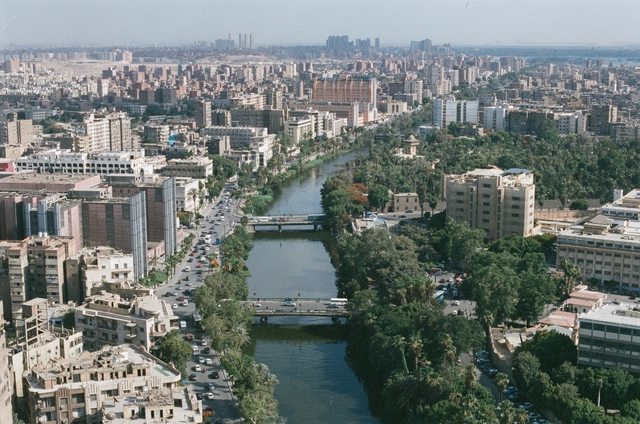
In the center of Cairo, The Nile River, one of the world's most iconic waterways, has shaped the course of civilization for thousands of years. Serving as a vibrant lifeline, connecting neighborhoods, and providing a bustling hub for transportation, the Nile River is an essential natural resource for arid Cairo. Throughout the country’s history, it has often been regarded as the source of life in fertility in its annual flooding, bringing richness to the surrounding lands. Interestingly, this year's edition of La Biennale di Venezia, the Pavilion of Egypt "NiLab" focused on exploring this layered water source and unfolding its effects on the built environment.

Flowing Through Time: The Nile River Shaping Cairo's Architecture and Urban Landscape  - 1 的图像 4Flowing Through Time: The Nile River Shaping Cairo's Architecture and Urban Landscape  - 2 的图像 4Flowing Through Time: The Nile River Shaping Cairo's Architecture and Urban Landscape  - 3 的图像 4Flowing Through Time: The Nile River Shaping Cairo's Architecture and Urban Landscape  - 4 的图像 4Flowing Through Time: The Nile River Shaping Cairo's Architecture and Urban Landscape  - More Images+ 9

Nile as Laboratory: The Pavilion of Egypt Explores Architecture and Territory at the 2023 Venice Architecture Biennale

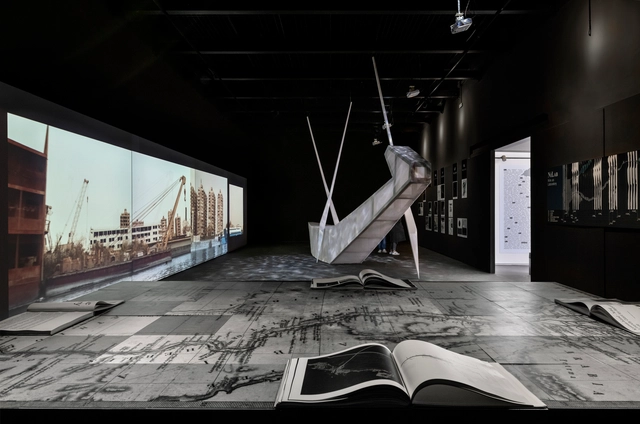
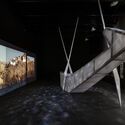
Along the longest river in the world, the Nile River, various landscapes and natural environments have been negatively impacted by interventions that do not consider the context or respect local cultures. In response, NiLab the Egyptian Pavilion at the 18th International Architecture Exhibition of La Biennale di Venezia, aims to revisit these places and highlight the value of architectural design in promoting more sustainable and culturally aware development along the river. The exhibition titled "NiLab: Nile as Laboratory", recognizes the Nile's exceptional geographical size, historical significance, and impact on natural and human landscapes, making it an ideal backdrop for reflection on contemporary issues.

Nile as Laboratory: The Pavilion of Egypt Explores Architecture and Territory at the 2023 Venice Architecture Biennale - Imagen 1 de 4Nile as Laboratory: The Pavilion of Egypt Explores Architecture and Territory at the 2023 Venice Architecture Biennale - Imagen 2 de 4Nile as Laboratory: The Pavilion of Egypt Explores Architecture and Territory at the 2023 Venice Architecture Biennale - Imagen 3 de 4Nile as Laboratory: The Pavilion of Egypt Explores Architecture and Territory at the 2023 Venice Architecture Biennale - Imagen 4 de 4Nile as Laboratory: The Pavilion of Egypt Explores Architecture and Territory at the 2023 Venice Architecture Biennale - More Images+ 6

Design in the Age of Digitalization: 6 Digital Pavilions at the 2021 London Design Biennale

Responding to artistic director and curator Es Devlin's theme ‘Resonance’, designers from different countries, territories, and cities showcased how they envision new perspectives and solutions to global issues, exploring topics such as sustainability and the environment, globalization, migration, and the future of humanity. The diversity of the contributing curators was not only present in the solutions they presented, but in how they displayed them as well. While some opted for the tactile experience of exploring natural elements, others relied on one of the most prominent themes of the 21st century: digitalization and the virtual world.

Design in the Age of Digitalization: 6 Digital Pavilions at the 2021 London Design Biennale - Imagen 1 de 4Design in the Age of Digitalization: 6 Digital Pavilions at the 2021 London Design Biennale - Imagen 2 de 4Design in the Age of Digitalization: 6 Digital Pavilions at the 2021 London Design Biennale - Imagen 3 de 4Design in the Age of Digitalization: 6 Digital Pavilions at the 2021 London Design Biennale - Imagen 4 de 4Design in the Age of Digitalization: 6 Digital Pavilions at the 2021 London Design Biennale - More Images+ 8

Africa's Tallest Skyscraper by Zaha Hadid Will Finally Rise in Egypt

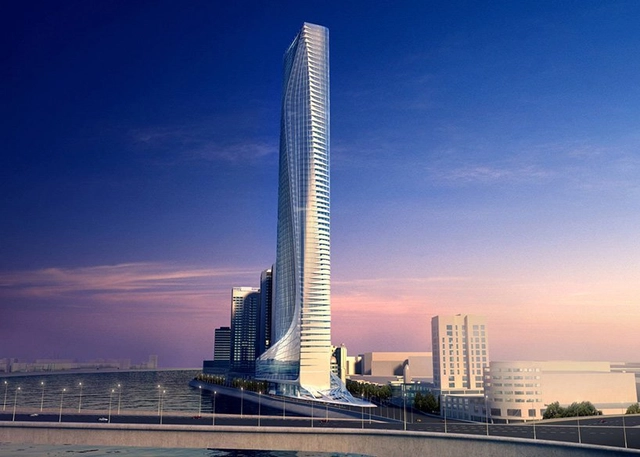
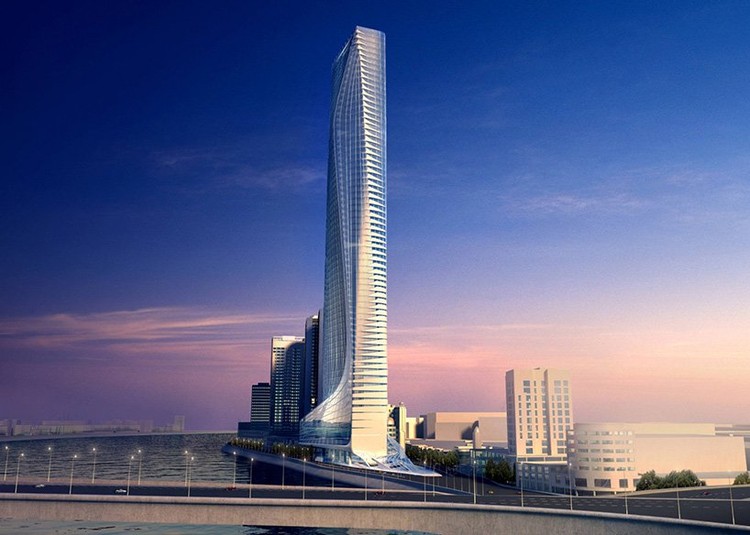
After more than a decade, Egypt has returned to its plan to construct Africa's tallest building. Sited on the Nile River in central Cairo, the skyscraper was designed by the late Zaha Hadid in 2007. President Abdel Fattah el-Sisi and the government are working with the project developers, Living in Interiors, to create the twisting "Nile Tower" with a design that will rise 70 stories. Overlooking views of Cairo, the Nile and the pyramids, the project hopes to symbolize Egypt's growth and the development of the country.

Africa's Tallest Skyscraper by Zaha Hadid Will Finally Rise in Egypt - Image 1 of 4Africa's Tallest Skyscraper by Zaha Hadid Will Finally Rise in Egypt - Image 2 of 4Africa's Tallest Skyscraper by Zaha Hadid Will Finally Rise in Egypt - Image 3 of 4Africa's Tallest Skyscraper by Zaha Hadid Will Finally Rise in Egypt - Image 4 of 4Africa's Tallest Skyscraper by Zaha Hadid Will Finally Rise in Egypt - More Images