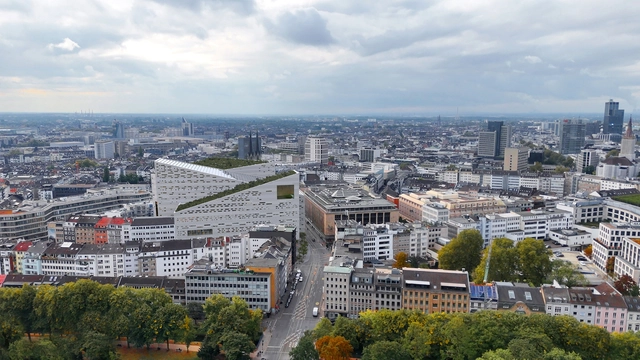
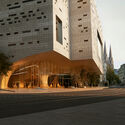
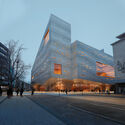
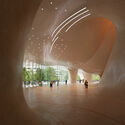
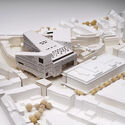
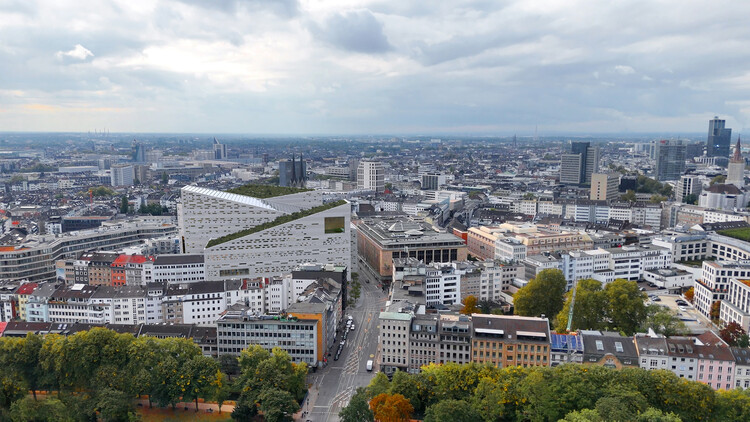
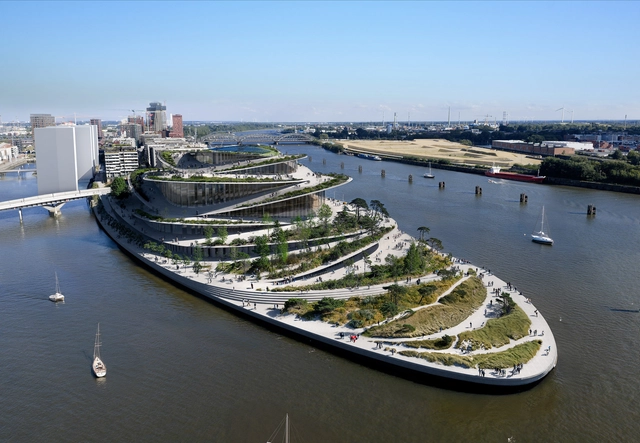
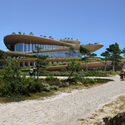
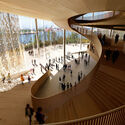
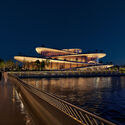
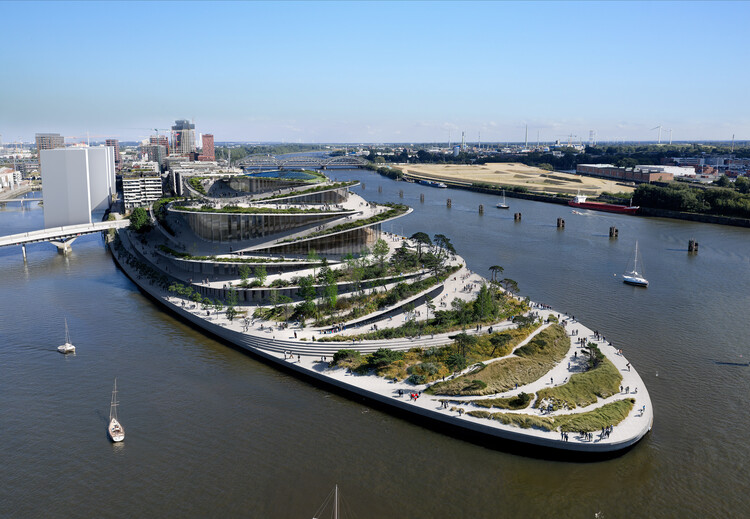
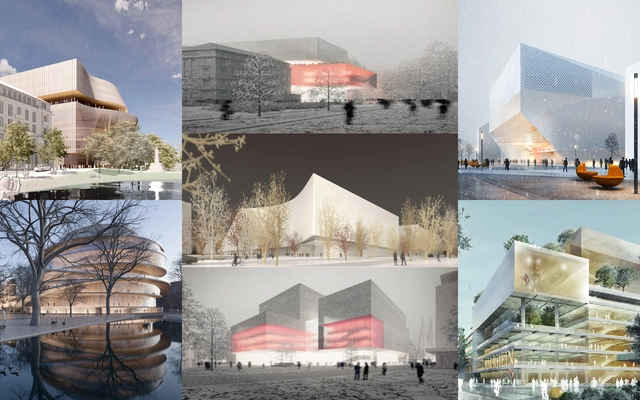
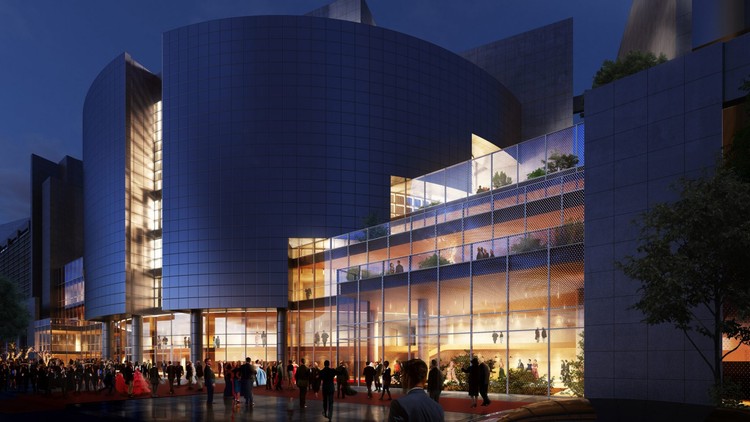
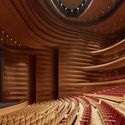
BIG – Bjarke Ingels Group has been selected as the winner of the international competition to design the new Hamburg State Opera, a major cultural project planned for the Baakenhöft peninsula in HafenCity, Hamburg, Germany. The building will consolidate the city's opera and ballet companies under one roof, introducing new performance spaces, production facilities, and public amenities along the Elbe. The project replaces the mid-20th-century opera house on Dammtorstraße, responding to the city's call for a venue that reflects contemporary standards in acoustics, stagecraft, and audience experience.
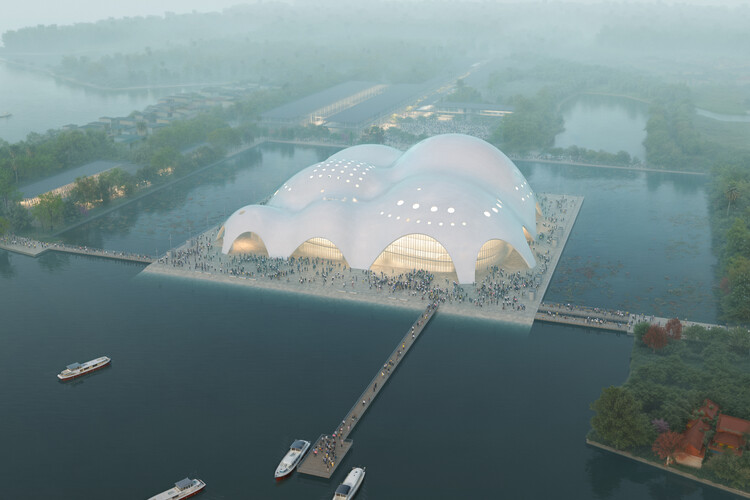
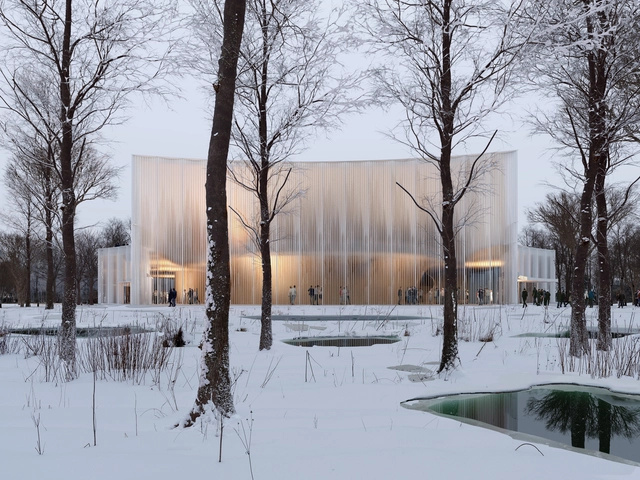
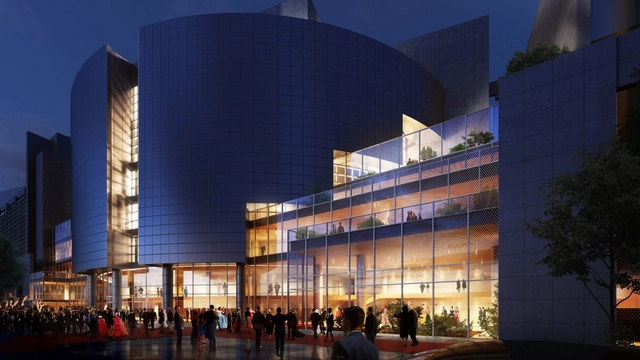
Isola Della Musica Opera and Convention hall by Renzo Piano Building Workshop. Render. Image Courtesy of RPBW
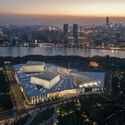
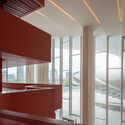
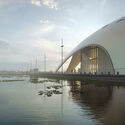
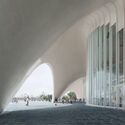
Renzo Piano Building Workshop (RPBW), in collaboration with Sydney and Hanoi-based PTW Architects, has begun construction of the Isola della Musica, a new opera house and convention center in Hanoi, Vietnam. Commissioned by Sun Group, the project was first conceived in 2017 and forms part of a broader masterplan that reshapes the existing boundary between West Lake and Đầm Trị Lake. Inspired by the region's history of pearl cultivation, the building features a series of curved concrete shells whose forms and surfaces evoke the texture and luminosity of mother-of-pearl.
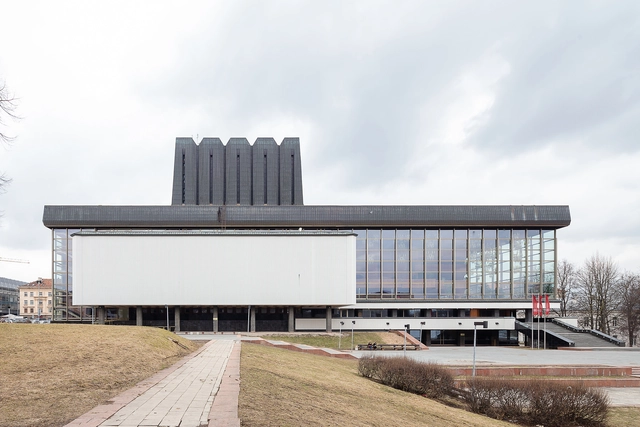
Standing out among the array of cultural programs, the opera and theater typology is often understood as encompassing the luxurious and elitist spirit of a bourgeois society focused on entertainment. Across the Soviet Union, this represented the opposite of the principles to be promoted. However, despite the opposition of the political class, the program remained widely popular. As the historical structures, symbols of the previous regime could no longer be promoted, the search began for a new image of the Opera House, one aligned with Socialist ideals and the concept of "art belonging to the masses."
This is the case of Soviet Lithuania, which, in the 1940s, began the process of developing a new Opera and Ballet Theater in Vilnius to replace the theatre in Pohulianka. The process resulted in an unusual commission, as young architect Elena Nijolė Bučiūtė won the 1960s competition for architectural design, turning the initial socialist realist proposals into a welcoming and expressive design, blending elements of early and late modernism. This also represents a surprising accomplishment for a young architect who was a woman and not a member of the Communist Party. Open House Vilnius featured the project in its program for several editions.
Concert halls, music, and performance venues stand as iconic symbols of cultural vitality within urban landscapes. Through these structures, which often become landmarks of the city, the residents are invited to take part and experience artistic expression, fostering a sense of community and connection. For architects, this program poses the intricate challenge of balancing form and function, creating spaces that enhance the acoustic experience, allow for the flow of audience and performers, and create visual spectacles in their own right.
Featuring both emerging and internationally recognized offices, this week’s curated selection showcases music and performance venues, from mixed arts and cultural centers to opera and ballet halls. Including proposals for international competitions such as David Chipperfield Architects or SHL and PAX architects’ designs for the Polish Royal Opera in Warsaw or Hariri Pontarini Architects’ design for an integrated center for the arts in Canada, the selection explores the program of music venues across scales and programs.
Often referred to as the “City of Music,” Vienna stands as a living testament to architectural evolution across centuries. Bring together an array of styles, ranging from the grandeur of Baroque palaces to the innovative Art Nouveau designs and the Vienna Secession movement, visitors are drawn to the city for its architectural marvels. Vienna's eventful past is reflected in its architectural landscape, which has withstood wars, imperial expansions, and the changes of numerous artistic trends while managing to maintain its unique identity as a symbol of resilience and reinvention.
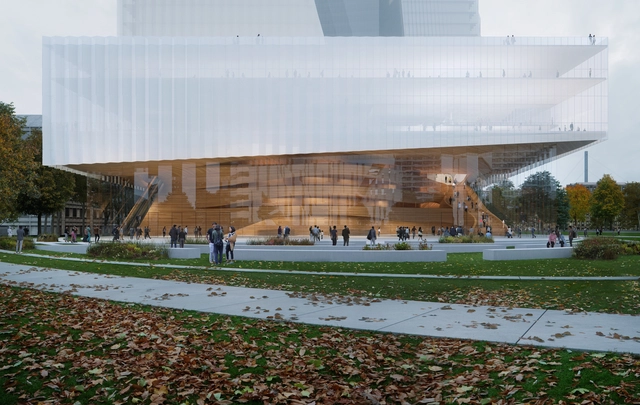
From Adolf Loos, whose radical ideas challenged the trends of his time, to Otto Wagner, a pioneer of Viennese Modernism, Vienna's architectural legacy continued to evolve. Fast-forwarding to contemporary times, Vienna's skyline bears the mark of internationally renowned architects like Zaha Hadid, whose fluid and futuristic designs push the boundaries of architecture. Hadid's work, including the Library and Learning Center at the University of Economics and Business, offers a dynamic contrast to the city's historic landscape. Moreover, firms like CRAB Studio, founded by Sir Peter Cook and Gavin Robotham, bring experimentalism to Vienna's architecture, infusing contemporary concepts into the urban fabric. These architects and firms contribute to Vienna's architectural richness, adding new chapters to its storied history while honoring its innovation and artistic legacy.
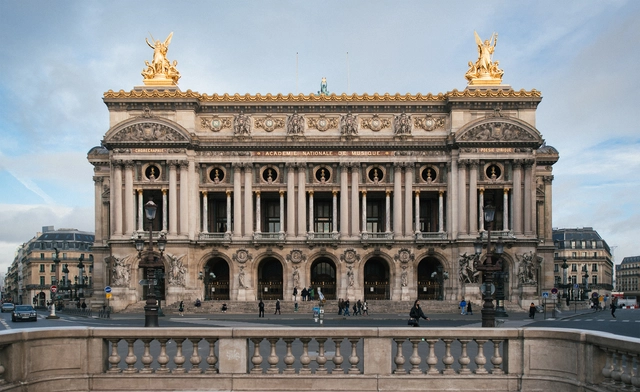
Paris Opera by Charles Garnier. Photo by Francesco Zivoli, via Unsplash
Architectural styles have fallen out of favor throughout history. Generally, the peak of one movement means the decline of another. Over time, the situation may reverse, as in the case of postmodernism, which has divided opinions since its emergence, but experienced a revival in the first decades of the 2000s (or maybe not). Temporal distance contributes to the revision of certain styles' relevance and evaluation of their qualities - or problems.
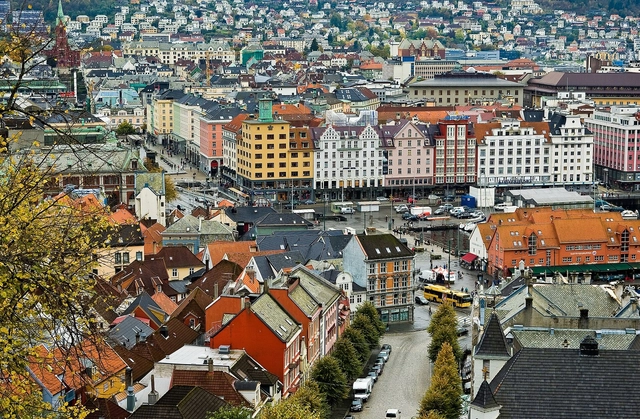
Five finalists have been shortlisted in the competition to design the new Griegkvartalet Theater in Bergen, Norway. The project is set to be a cultural powerhouse in Western Norway, hosting multidisciplinary forms of art, including opera, musical theater, ballet, dance, concerts, and conferences. The competition emphasizes integration with the surroundings, urban space, energy efficiency, and feasibility.
The shortlisted teams include Henning Larsen Architects, Snøhetta, Zaha Hadid Architects, MAD arkitekter and Kengo Kuma, and the Nordic Office of Architecture includes Arkkitehtitoimisto ALA in the architecture subjects. Each studio was selected from 32 participants worldwide and will be filtered into three winners in the coming stages in the fall of 2023. Ultimately, by March 2024, one winner will be selected and receive the official service contract to begin construction.
The finalists for the Opera of the Future competition have been announced. This urban planning competition, commissioned by the state capital of Düseldorf, was created to select a location for the new cultural institution. After an extensive examination of potential site locations, the two options for the competition proposals were: Heinrich-Heiene-Allee, where the current opera house is, and Am Wehrhahn.
Throughout the brief, firms were encouraged to figure out how this future project could become a lively and public space open to the entire city, offering a wide range of services. As a result, submissions were received for both prospective buildings, and the finalists for each location were announced.
Snøhetta revealed its design for Duett Düsseldorf, a new opera house set to become the German city’s new cultural destination. Stemming from the horizontal volume containing the new music venue are two sloping towers containing a hotel, restaurants, office spaces and residential units, creating a multi-layered development serving the arts and culture scene of Düsseldorf. Neighbouring the historic Hofgarten park and the Rhein river, the project’s ground-level blurs the boundaries between indoor and outdoor, with a glass façade revealing a cultural wood wall within the foyer, welcoming users to the opera house.
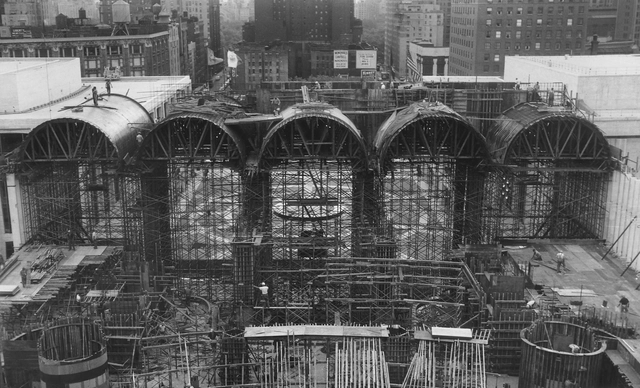
The new Met under construction in May 1964 (Photo: Metropolitan Opera Archives)
The Metropolitan Opera offers a free stream each night on the Met website for a period of 23 hours, from 7:30 p.m. EDT until 6:30 p.m. EDT the following day.
Beginning on Saturday, May 9 at 7:30 p.m. EDT, the Met will present a free stream of "The Opera House" by award-winning filmmaker Susan Froemke.
The 2017 documentary is about the fascinating creation of the new Metropolitan Opera House at Lincoln Center, which opened in 1966. Through rarely seen archival footage and recent interviews, discover the untold stories of the artists, architects, and politicians who shaped the cultural life of New
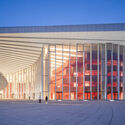
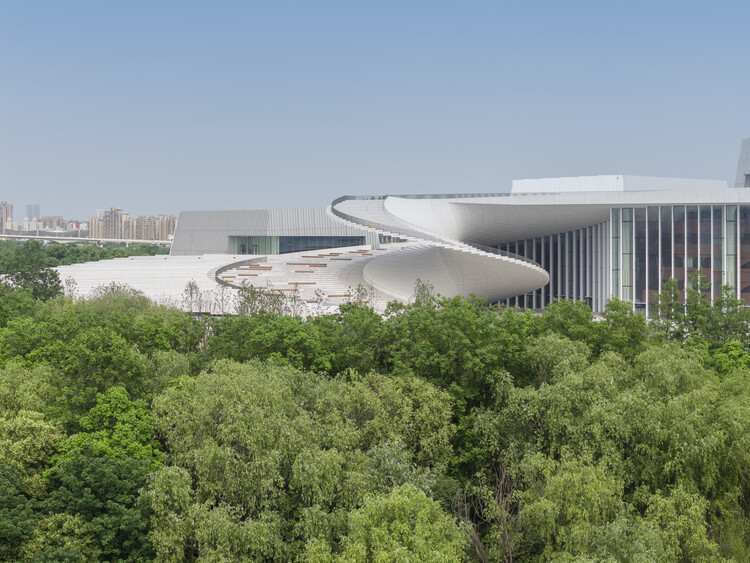
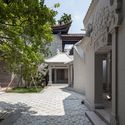
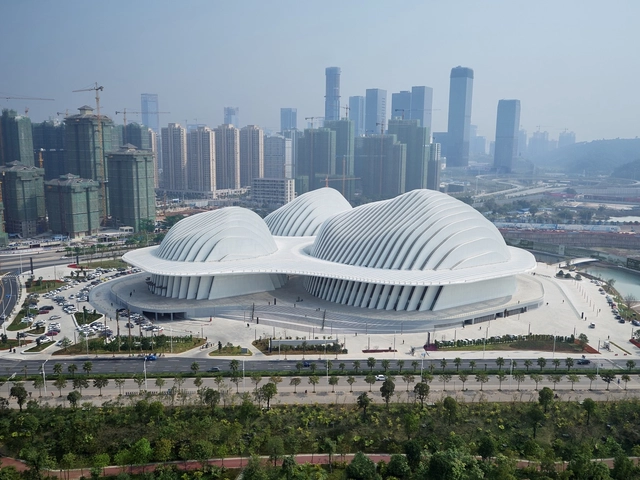
https://www.archdaily.com/898889/the-museum-of-cantonese-opera-art-architectural-design-and-research-institute-of-scut-plus-architectural-designand-research-institute-of-guangdong-province舒岳康 - SHU Yuekang
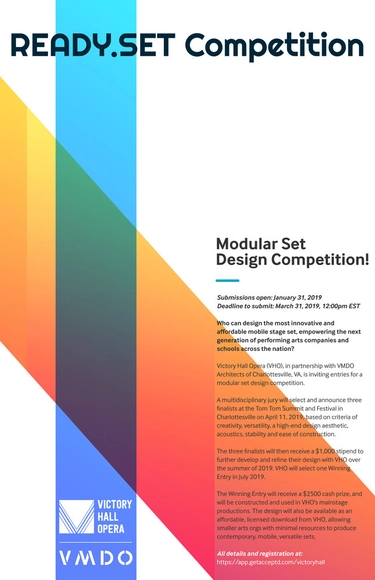
Victory Hall Opera [VHO]—in partnership with VMDO Architects of Charlottesville, Virginia—is inviting entries for a modular set design competition. VHO challenges all assumptions about the presentation and interpretation of opera, and is seeking a set design that will rethink what a set can be.
Opéra Bastille Expansion. Image Courtesy of Henning Larsen
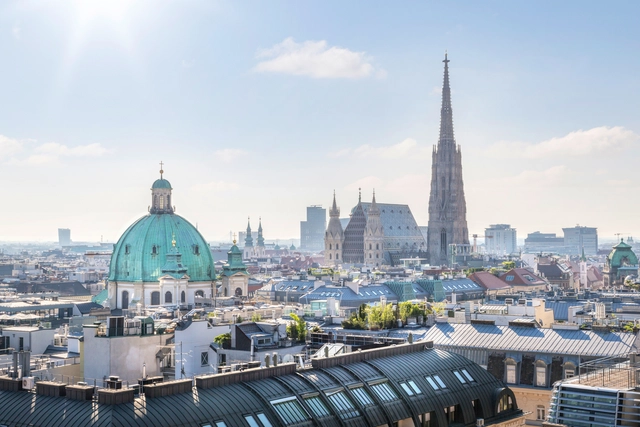
Henning Larsen has been selected to expand and transform the French Opéra Bastille, the largest opera house in Paris. Designed with collaborators Reichen et Robert & Associés, dUCKS Scéno, Peutz & Associés Acoustic Consultants and CET Ingénierie, the proposal includes a redesigned and extended public foyer that will open to street-level activity, as well as expanded infrastructure and workshop facilities, and the addition of a new 800-seat auditorium for use as rehearsal and performance space.