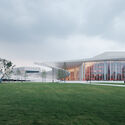
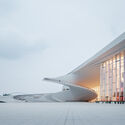
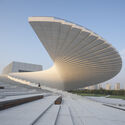
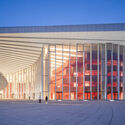
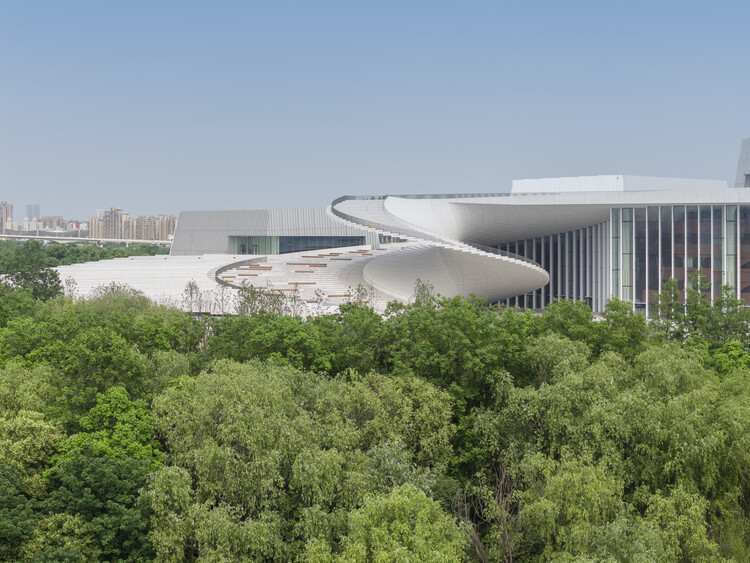
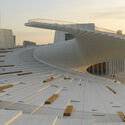
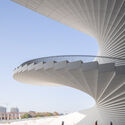
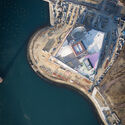
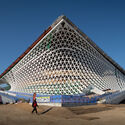
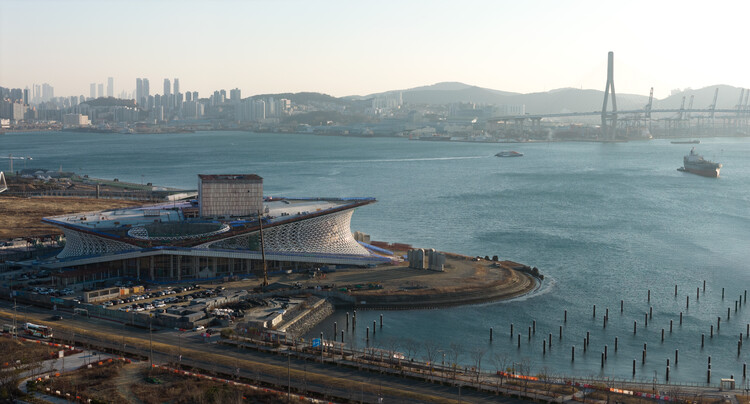
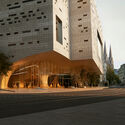
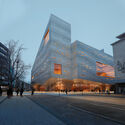
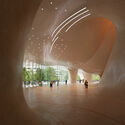
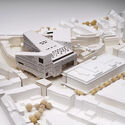
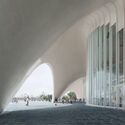
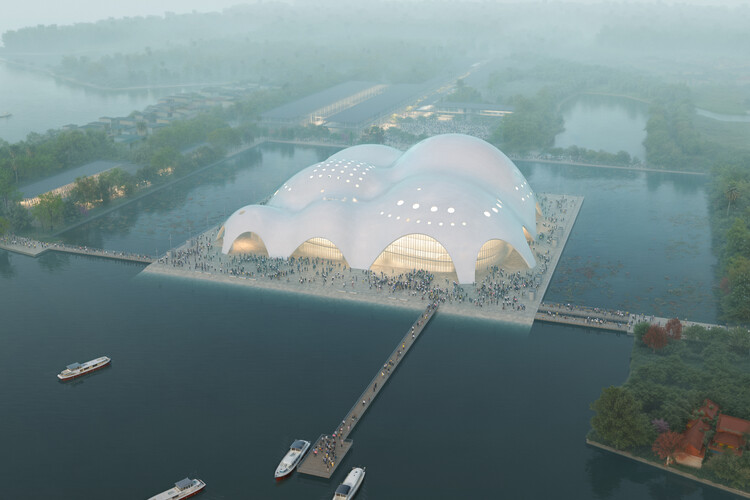
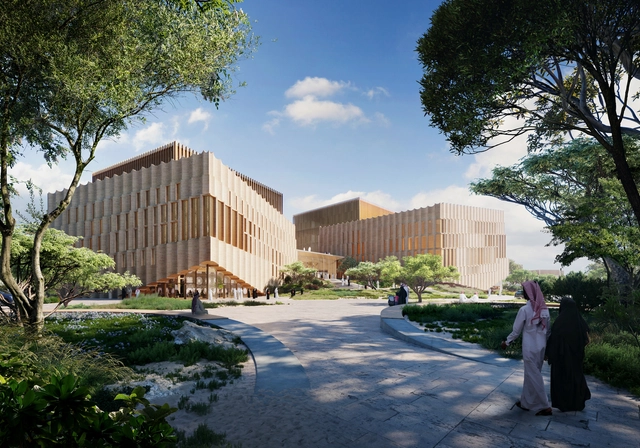
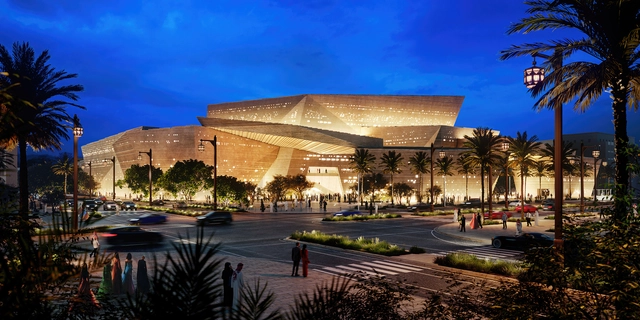
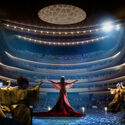
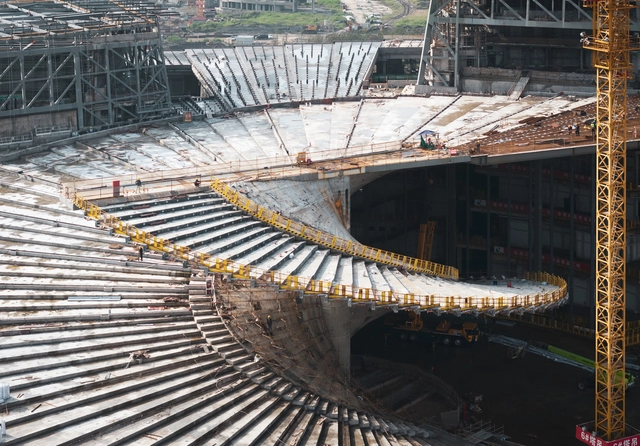
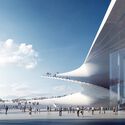
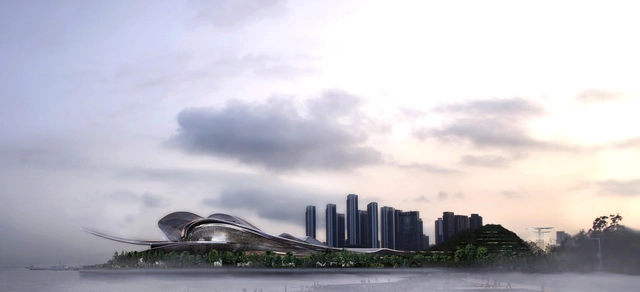
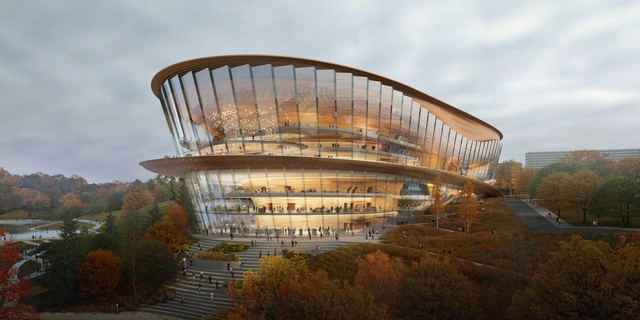
Isola Della Musica Opera and Convention hall by Renzo Piano Building Workshop. Render. Image Courtesy of RPBW
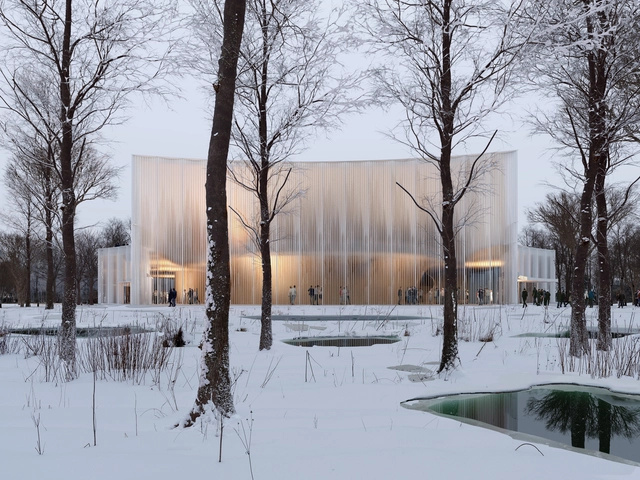
Renzo Piano Building Workshop (RPBW), in collaboration with Sydney and Hanoi-based PTW Architects, has begun construction of the Isola della Musica, a new opera house and convention center in Hanoi, Vietnam. Commissioned by Sun Group, the project was first conceived in 2017 and forms part of a broader masterplan that reshapes the existing boundary between West Lake and Đầm Trị Lake. Inspired by the region's history of pearl cultivation, the building features a series of curved concrete shells whose forms and surfaces evoke the texture and luminosity of mother-of-pearl.
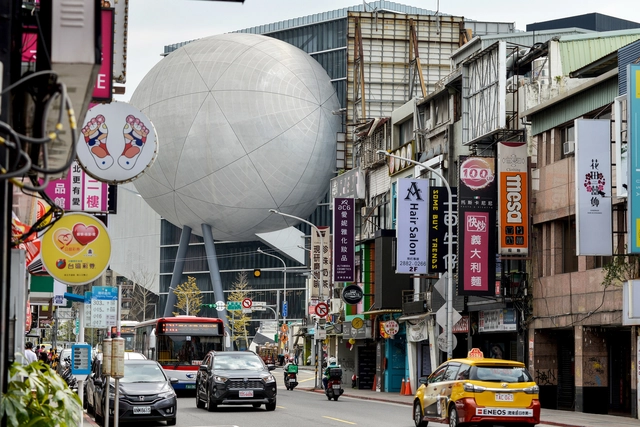
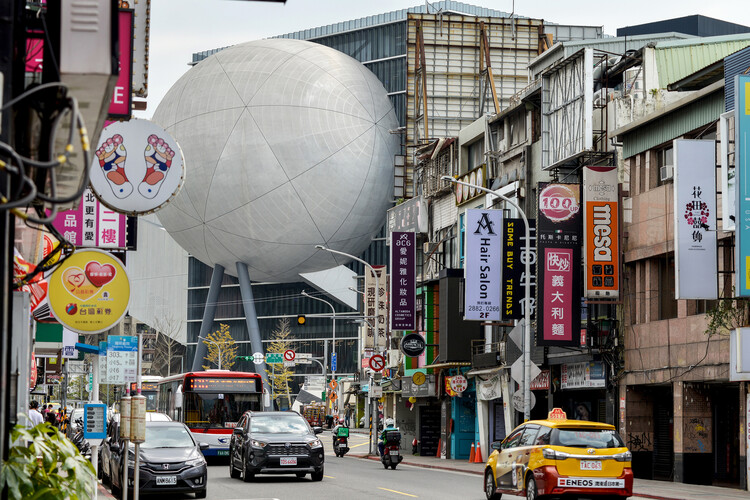
In most situations, architects navigate a complex web of construction codes, airspace regulations, and numerous other rules that dictate the form and execution of a project. However, cultural architecture often presents a unique opportunity for more daring and expressive designs. These projects frequently garner support from local governments, unlocking possibilities for formal explorations that might otherwise remain unrealized. In this regard, cultural architecture serves a dual purpose: enriching the community and establishing iconic landmarks that define the identity of their city or region. This ambition has certainly manifested in Taiwan. Situated in the heart of East Asia, this island nation boasts a remarkable array of formal explorations by both international and Taiwanese architects.
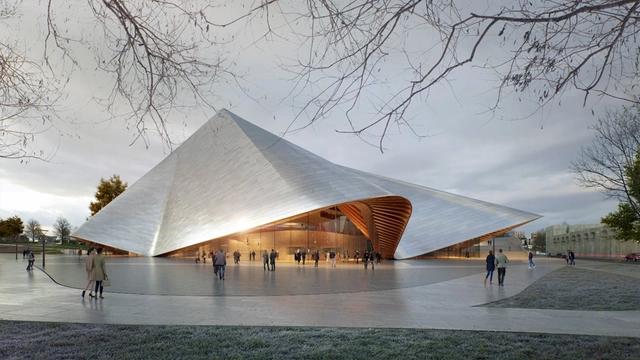
Bjarke Ingels Group (BIG), in collaboration with ALB-Architect, has unveiled the design for the Opera & Ballet Theatre of Kosovo, a new cultural venue set to reshape Prishtina's performing arts landscape. As the first operahouse in the Republic of Kosovo, the theatre will serve as a home for the country's Philharmonic, Ballet, and Opera, marking a significant step in the development of Kosovo's artistic institutions. The project includes multiple performance halls and a public plaza, reinforcing its role as a cultural hub within the capital.
Standing out among the array of cultural programs, the opera and theater typology is often understood as encompassing the luxurious and elitist spirit of a bourgeois society focused on entertainment. Across the Soviet Union, this represented the opposite of the principles to be promoted. However, despite the opposition of the political class, the program remained widely popular. As the historical structures, symbols of the previous regime could no longer be promoted, the search began for a new image of the Opera House, one aligned with Socialist ideals and the concept of "art belonging to the masses."
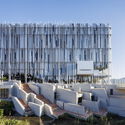
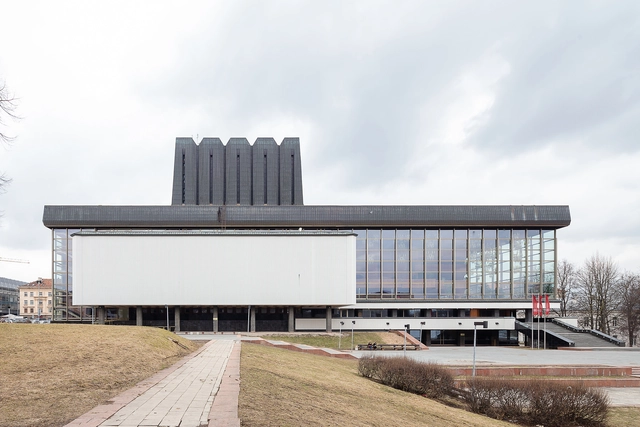
This is the case of Soviet Lithuania, which, in the 1940s, began the process of developing a new Opera and Ballet Theater in Vilnius to replace the theatre in Pohulianka. The process resulted in an unusual commission, as young architect Elena Nijolė Bučiūtė won the 1960s competition for architectural design, turning the initial socialist realist proposals into a welcoming and expressive design, blending elements of early and late modernism. This also represents a surprising accomplishment for a young architect who was a woman and not a member of the Communist Party. Open House Vilnius featured the project in its program for several editions.
Concert halls, music, and performance venues stand as iconic symbols of cultural vitality within urban landscapes. Through these structures, which often become landmarks of the city, the residents are invited to take part and experience artistic expression, fostering a sense of community and connection. For architects, this program poses the intricate challenge of balancing form and function, creating spaces that enhance the acoustic experience, allow for the flow of audience and performers, and create visual spectacles in their own right.
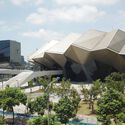
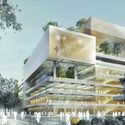
Featuring both emerging and internationally recognized offices, this week’s curated selection showcases music and performance venues, from mixed arts and cultural centers to opera and ballet halls. Including proposals for international competitions such as David Chipperfield Architects or SHL and PAX architects’ designs for the Polish Royal Opera in Warsaw or Hariri Pontarini Architects’ design for an integrated center for the arts in Canada, the selection explores the program of music venues across scales and programs.
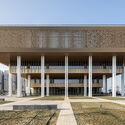
Henning Larsen Architect has just revealed the designs for The JeddahOpera House, a new local landmark in Saudi Arabia. Drawing inspiration from the historical Al-Balad neighborhood, the Opera House celebrates culture and regional geography. Situated along the Red Sea waterfront, the opera house aims to connect residents and visitors to the sea through a culture spine under a natural canopy. Extending from the city, through the opera house, to the water, this “spine” forms an integral part of the Jeddah Central masterplan for the new Opera Quarter.
Snøhetta has revealed the design of a new opera house to be added to the historic area of Diriyah in Saudi Arabia. The proposal strives to blend the local cultural heritage and Najdi building traditions with the contemporary requirements of an international music and performing arts venue. Scheduled to open in 2028, the Royal Diriyah Opera House anchors a wider master plan to redevelop the Diriyah area on the outskirts of Riyadh, aiming to transform it into a cultural destination.
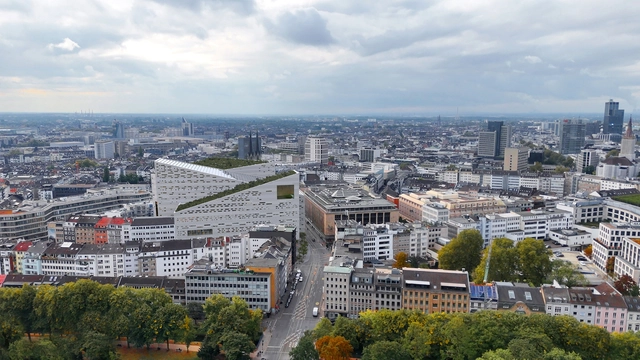
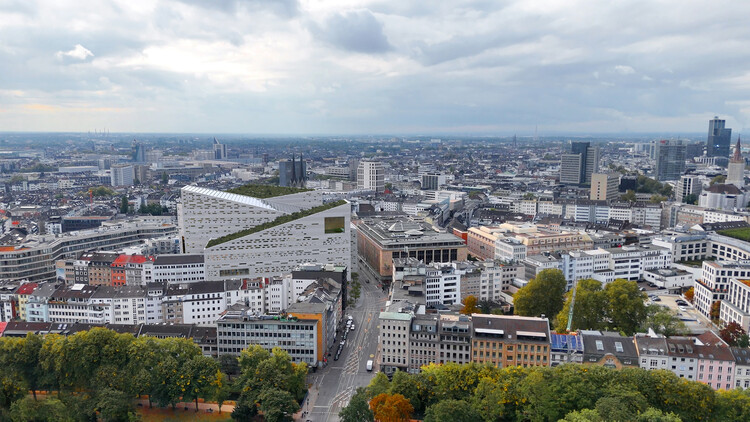
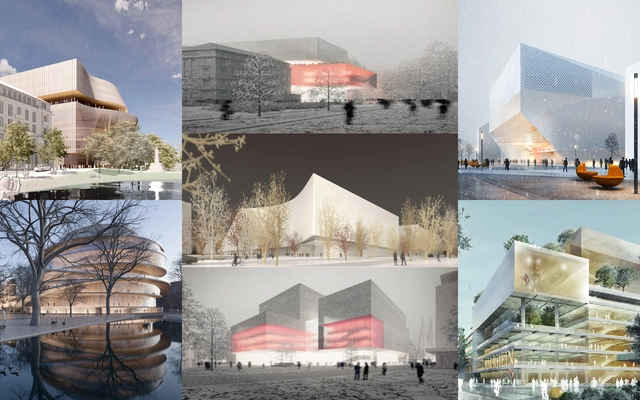
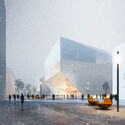
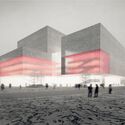
The finalists for the Opera of the Future competition have been announced. This urban planning competition, commissioned by the state capital of Düseldorf, was created to select a location for the new cultural institution. After an extensive examination of potential site locations, the two options for the competition proposals were: Heinrich-Heiene-Allee, where the current opera house is, and Am Wehrhahn.
Throughout the brief, firms were encouraged to figure out how this future project could become a lively and public space open to the entire city, offering a wide range of services. As a result, submissions were received for both prospective buildings, and the finalists for each location were announced.
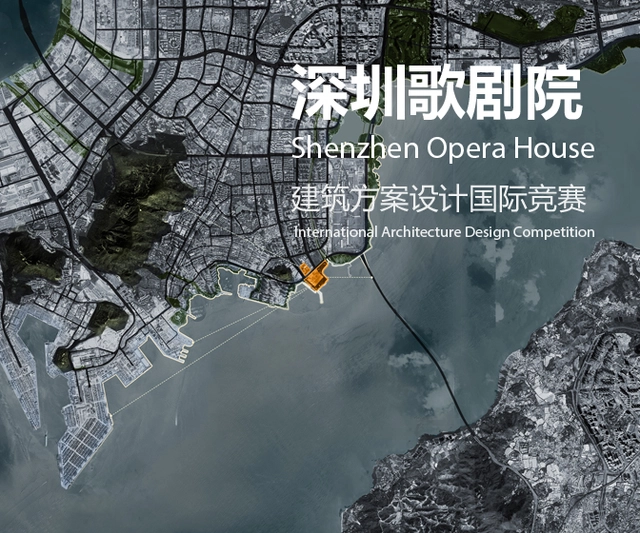
Courtesy of International Architectural Design Competition for Shenzhen Opera House
The International Architectural Design Competition for ShenzhenOpera House has announced the selection of the proposal Light of the Sea submitted by Jean Nouvel as the first-prize winner of the contest. “A masterpiece where music meets the sea”, the design doesn’t adopt the conventional enclosed form of opera houses, but it integrates the building into the coastline, showcasing a visionary public cultural landmark.
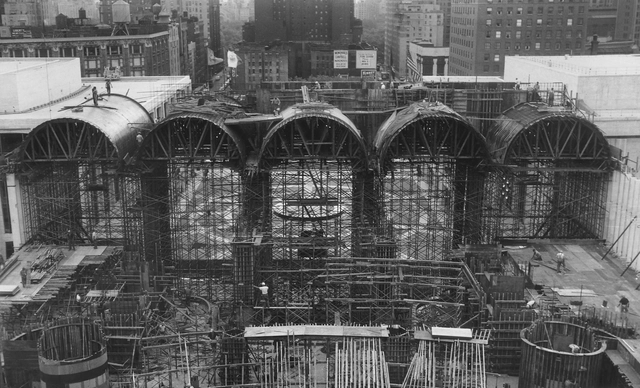
The new Met under construction in May 1964 (Photo: Metropolitan Opera Archives)
The Metropolitan Opera offers a free stream each night on the Met website for a period of 23 hours, from 7:30 p.m. EDT until 6:30 p.m. EDT the following day.
Beginning on Saturday, May 9 at 7:30 p.m. EDT, the Met will present a free stream of "The Opera House" by award-winning filmmaker Susan Froemke.
The 2017 documentary is about the fascinating creation of the new Metropolitan Opera House at Lincoln Center, which opened in 1966. Through rarely seen archival footage and recent interviews, discover the untold stories of the artists, architects, and politicians who shaped the cultural life of New
In response to China’s State Council’s notice on extending the Lunar New Year holiday to February 2 and Guangdong Province’s notice on returning to work after February 9, we decide to adjust the Timetable of International Architecture Design Competition of ShenzhenOpera House accordingly. The deadline for submitting the Application Documents (including registration documents and early concept proposal in the form of hardcopy and softcopy (U disk)) in open call phase has been adjusted from before 15:00 on February 18, 2020 to before 15:00 on March 10, 2020. For details of the adjusted competition timetable, please refer to the attachment.
https://www.archdaily.com/933138/extension-announcement-of-international-architecture-design-competition-of-shenzhen-opera-house韩双羽 - HAN Shuangyu
The City Council of Perm, the planning commission, and members of the public gave their approval for a wHY-designed theater at the center of a major cultural revitalization initiative, led by the city’s mayor. The project will be a collaboration between wHY’s New York office and Buildings Workshop, and wHY’s Landscape Workshop, in order to generate a landmark for the emerging arts district.
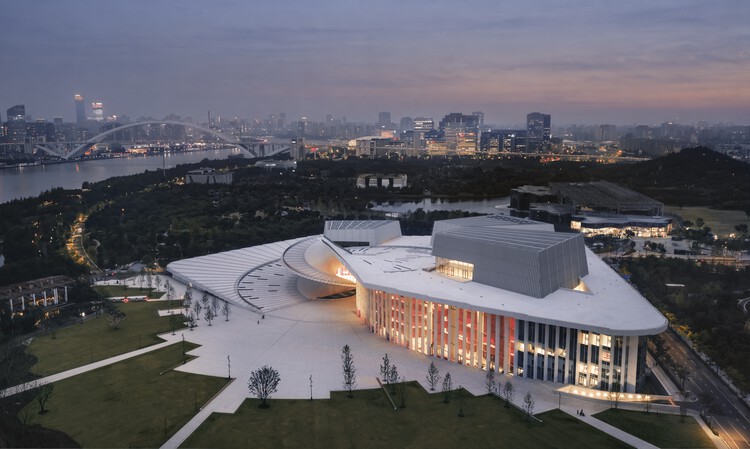
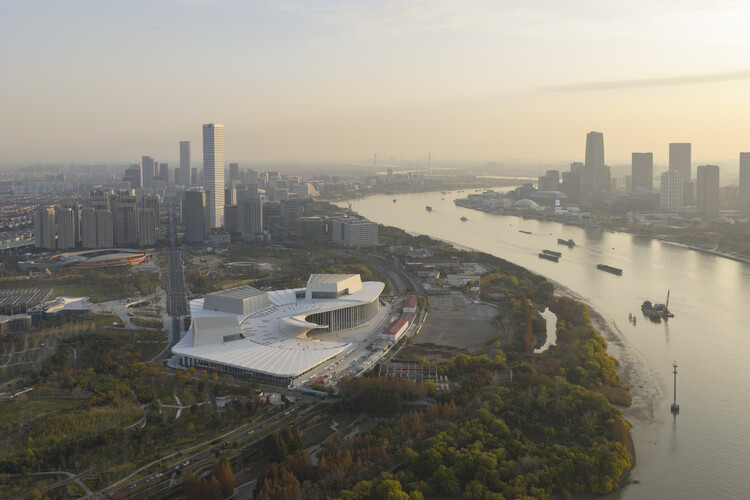
Snøhetta has been commissioned for the design of the Shanghai Grand Opera House in Shanghai, China, following an international design competition. Aiming to attract a broad audience for traditional, classical, and experimental performances, Snøhetta has developed the architectural, landscape, interior, and graphic design for the sweeping complex in collaboration with Shanghai-based architects ECADI.
RKW Architektur + has released images of their Neue Deutsche Oper am Rhein, a new cultural venue for Dusseldorf, Germany. The striking opera house, situated on the River Rhine, represents a “new Dusseldorf” due to its prominent location along a popular inner-city embankment route.
The light-flooded opera house, emphasizing transparency in order to develop an open affinity with the surrounding city, represents a node along the embankment promenade, “becoming not only a walkway and amusement route but also a pilgrims’ path of culture.”
https://www.archdaily.com/912148/rkw-architektur-plus-designs-light-flooded-opera-house-on-the-rhine-river-in-dusseldorfNiall Patrick Walsh