
Riyadh: The Latest Architecture and News
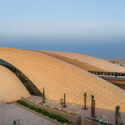
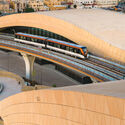
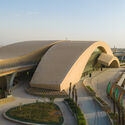
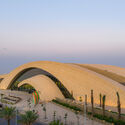
Arriyadh Western Metro Station / Omrania
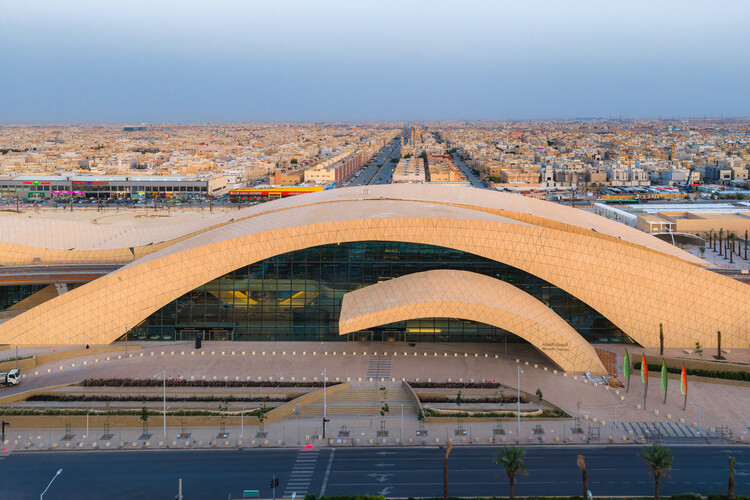
https://www.archdaily.com/1042163/arriyadh-western-metro-station-omraniaMiwa Negoro
Oil, Glass, and Identity: Gulf Modernism Between Global Image and Local Climate

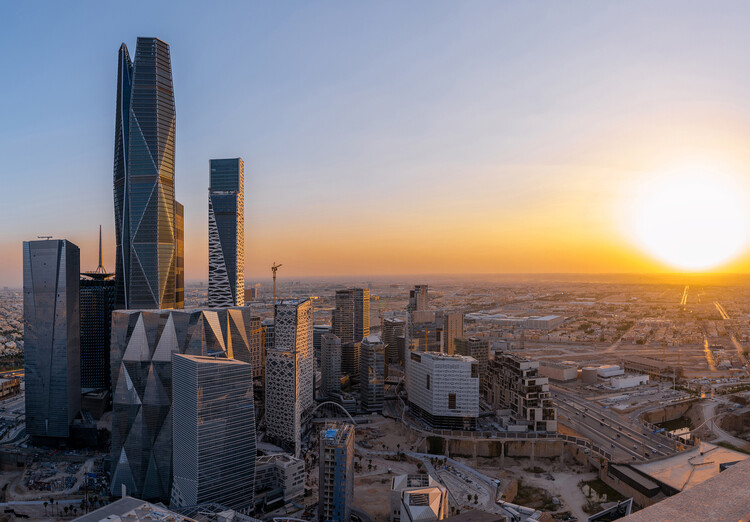
Step from the heat of Dubai into the lobby of a glass tower, and the desert seems to disappear. Outside, temperatures climb past 45 degrees Celsius; inside, the air is cold, sealed, and perfectly controlled. For decades, this contrast became the defining image of Gulf modernity. Architecture became less a negotiation with climate, and more a demonstration that climate could be overcome. Towers of reflective glass rose from the desert as symbols of arrival, projecting financial power, technological confidence, and global ambition. Beneath this urban image sat an infrastructure built on oil, cheap energy, and the continuous mechanical suppression of heat.
https://www.archdaily.com/1041515/oil-glass-and-identity-gulf-modernism-between-global-image-and-local-climateAnanya Nayak
Rethinking the High-Rise: 5 Unbuilt Towers from the ArchDaily Community

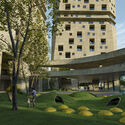
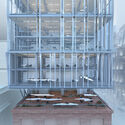
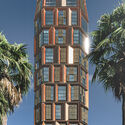
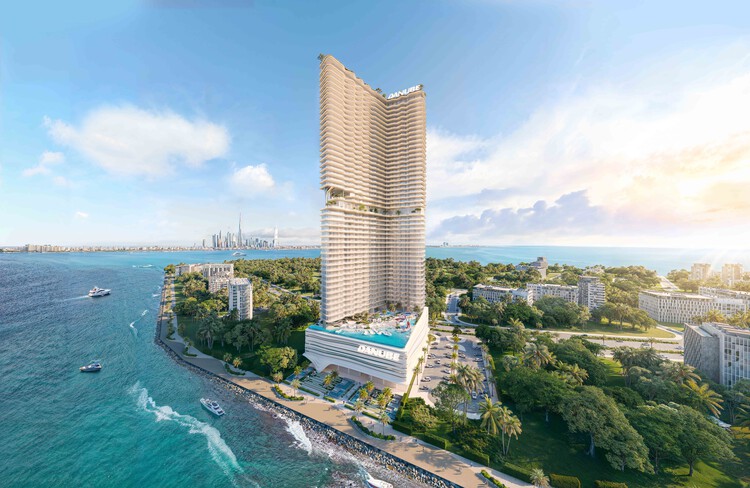
High-rise architecture continues to serve as a primary tool for accommodating density in rapidly evolving urban environments. Traditionally defined by efficiency and repetition, the tower is increasingly being reexamined as a more complex spatial and organizational system. Across different geographies, architects are testing how vertical structures can move beyond singular functions to incorporate layered programs, environmental strategies, and new forms of occupation.
The following selection brings together unbuilt projects submitted by the ArchDaily community, highlighting a range of approaches to the contemporary tower. From mixed-use developments and residential high-rises to speculative ecological proposals, these works reflect an ongoing shift in how vertical architecture is conceived. These towers engage with broader questions of privacy, coexistence, adaptability, and urban integration.
https://www.archdaily.com/1040793/rethinking-the-high-rise-5-unbuilt-towers-from-the-archdaily-communityNour Fakharany
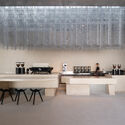
Origin Cafe and Roasters Jax / S.DA

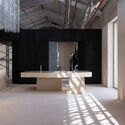
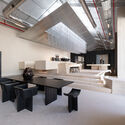
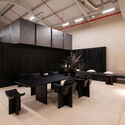
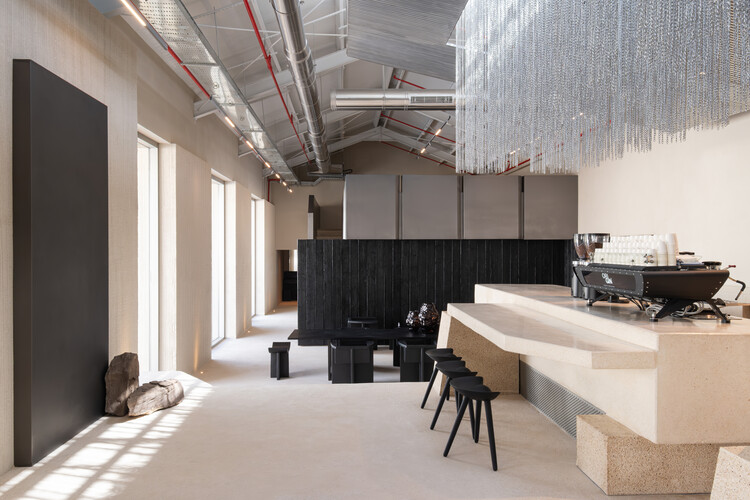
https://www.archdaily.com/1041071/origin-cafe-and-roasters-jaxMiwa Negoro
X Architects Design Grand Mosque for Saudi Arabia’s Diriyah Gate Development

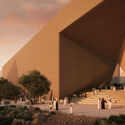
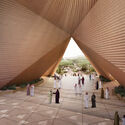
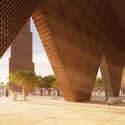
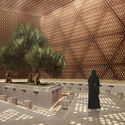
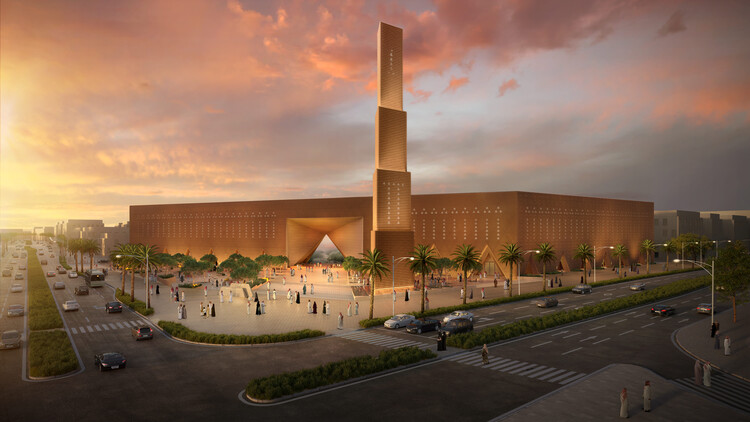
Set within the historic district of Diriyah, widely recognized as the birthplace of the first Saudi state, the Grand Mosque by X Architects forms part of the ongoing transformation of the area into a major cultural destination in Riyadh. Envisioned within the Diriyah Gate II development, the project is positioned at the intersection of heritage preservation and large-scale urban redevelopment, contributing to a broader master plan that includes museums, civic institutions, residential neighborhoods, and public spaces. Within this context, the mosque is conceived not only as a place of worship but also as an urban anchor embedded in the evolving fabric of the district.
https://www.archdaily.com/1039953/x-architects-design-grand-mosque-for-saudi-arabias-diriyah-gate-developmentReyyan Dogan
Qasr AlHokm Metro Station / Snøhetta

-
Architects: Snøhetta
- Area: 20000 m²
- Year: 2025
-
Professionals: AKT, dpa lighting consultants
https://www.archdaily.com/1039120/qasr-alhokm-metro-station-snohettaPilar Caballero
London’s Brutalist Heritage and Australia’s New City: This Week’s Review

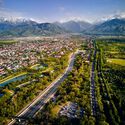
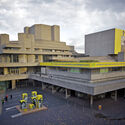
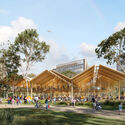
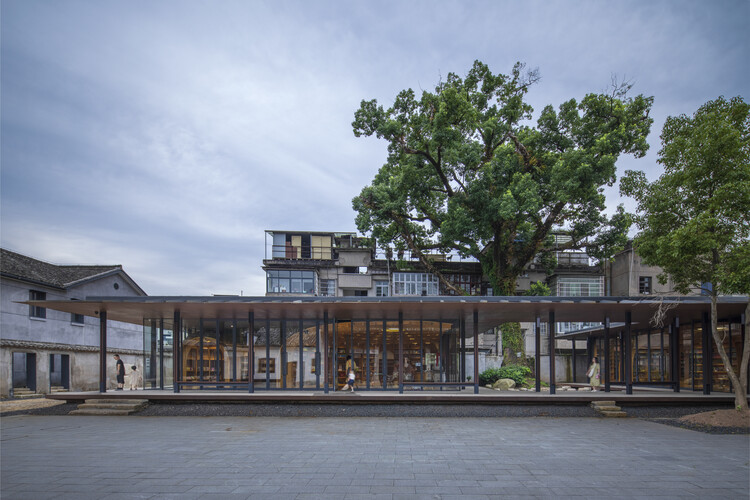
This week's news brings together developments in professional recognition, cultural programming, and large-scale urban strategy, reflecting the multiple scales at which architecture shapes contemporary discourse. As the field anticipates the next Pritzker Architecture Prize announcement, conversations around authorship, civic responsibility, and long-term impact unfold alongside the American Institute of Architects' 2026 Honorary Fellowship appointments, situating individual achievement within broader institutional frameworks. At the same time, updates from Riyadh to London foreground the role of architecture in both enabling new cultural platforms and safeguarding post-war heritage. Complementing these narratives, the reassignment of the 2029 Asian Winter Games and progress on expansive public landscapes highlight how cities are aligning infrastructure delivery, environmental resilience, and territorial planning with long-term economic and social agendas.
https://www.archdaily.com/1038897/londons-brutalist-heritage-and-australias-new-city-this-weeks-reviewReyyan Dogan
King Salman Park Advances Toward 2026 Opening on Former Riyadh Airbase

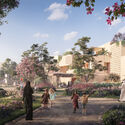
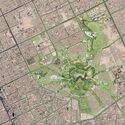
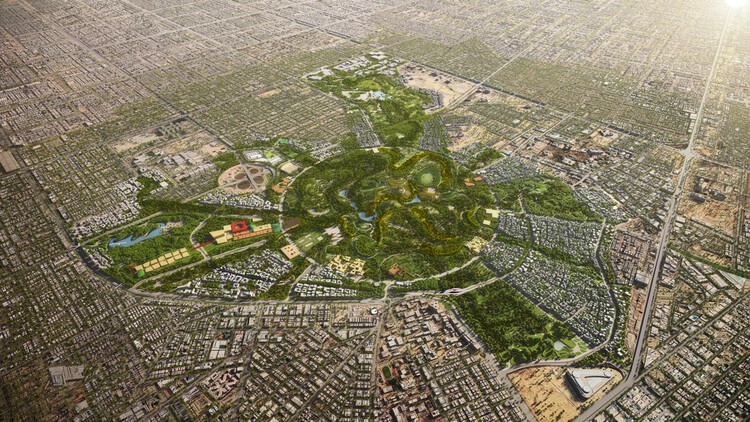
Construction continues on King Salman Park in Riyadh, a 16.9-square-kilometre public landscape taking shape on the grounds of the city's former airport. Led by Omrania as lead design consultant, in collaboration with Henning Larsen for master planning and urban design, the project reimagines the centrally located site as a large-scale green and cultural district. Conceived as a new civic core for the capital, the park combines ecological restoration, public programming, and mixed-use development. Initial phases are expected to open in late 2026, with substantial completion targeted for 2027, following a phased construction schedule currently underway.
https://www.archdaily.com/1038859/king-salman-park-advances-toward-2026-opening-on-former-riyadh-airbaseReyyan Dogan
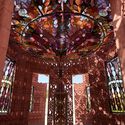
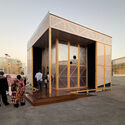
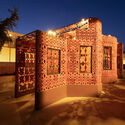
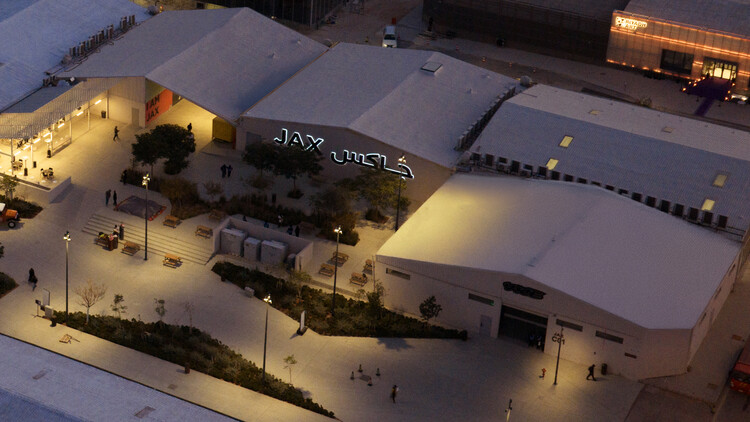
Diriyah Contemporary Art Biennale 2026 Opens at JAX District in Saudi Arabia

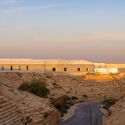
The third edition of the Diriyah Contemporary Art Biennale opened on January 30, 2026, and will remain on view through May 2, 2026, in Riyadh, Saudi Arabia. Organized by the Diriyah Biennale Foundation, the Biennale takes place at JAX District, a former industrial area in Diriyah near the UNESCO World Heritage Site of At-Turaif. Titled "في الحِلّ والترحال" / In Interludes and Transitions, the exhibition is led by Co-Artistic Directors Nora Razian and Sabih Ahmed, while Milan-based architect Sammy Zarka contributed as the Associate Architect and Exhibition Designer. The exhibition scenography is designed by Formafantasma, and the event brings together more than 65 artists from over 37 countries, including more than 25 newly commissioned works.
https://www.archdaily.com/1038758/diriyah-contemporary-art-biennale-2026-opens-at-jax-district-in-saudi-arabiaReyyan Dogan
Operations & Maintenance Building at the King Salman Park / Omrania

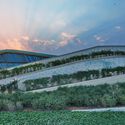
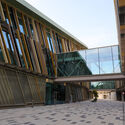
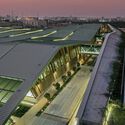
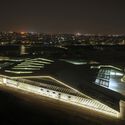
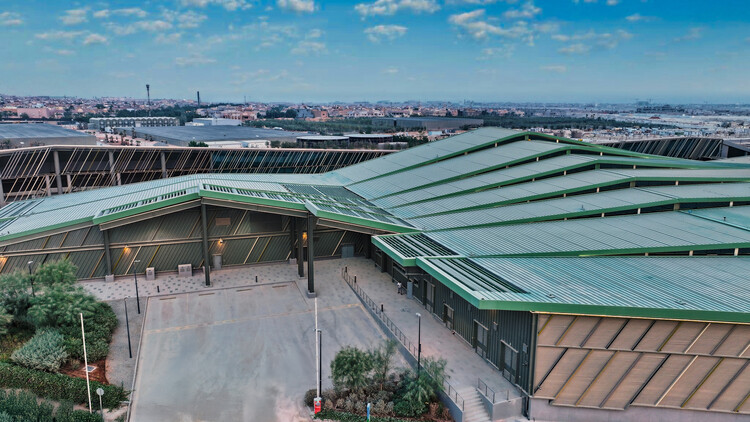
https://www.archdaily.com/1038291/operations-and-maintenance-building-at-the-king-salman-park-omraniaMiwa Negoro
Riyadh Architecture City Guide: 16 Projects from Heritage to Urban Expansion

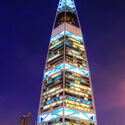
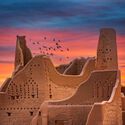
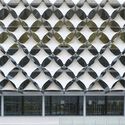
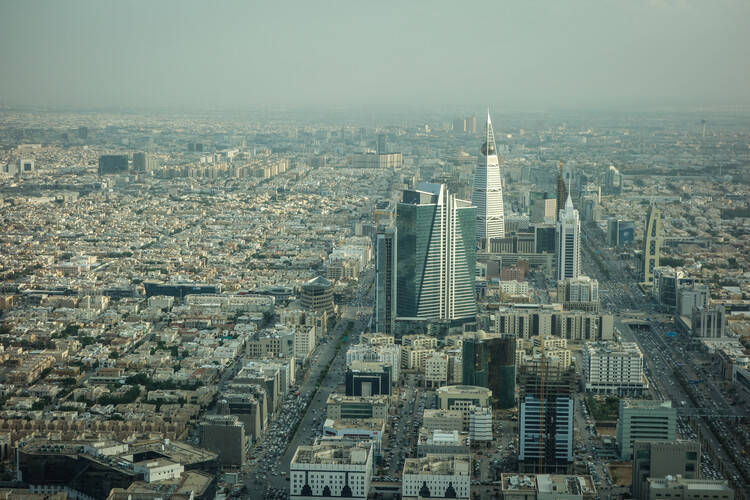
Once a Najdi settlement defined by mudbrick walls and courtyard houses, Riyadh has undergone one of the most radical urban transformations of the 20th and 21st centuries. The discovery of oil reserves, the consolidation of political power, and the rapid expansion of infrastructure reshaped the city from a regional capital into a sprawling metropolis almost within a single generation. As a result, Riyadh's urban fabric is marked by discontinuities, fragments of vernacular architecture coexist with mid-century institutional modernism, and a rapidly evolving contemporary skyline.
In recent decades, this layered condition has been further intensified by large-scale development strategies and cultural investment programs that position architecture as a tool for redefining national identity. International practices have played a decisive role in shaping key institutions, infrastructures, and landmarks, while local studios increasingly contribute projects that reinterpret climate, materiality, and social space within a contemporary framework.
https://www.archdaily.com/1037836/riyadh-architecture-city-guide-16-projects-from-heritage-to-urban-expansionDiogo Borges Ferreira
From Housing Policy in Europe to Large-Scale Master Planning in Mongolia: This Week’s Review
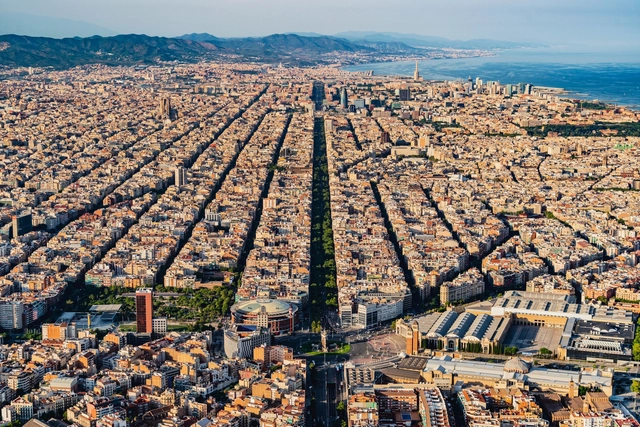
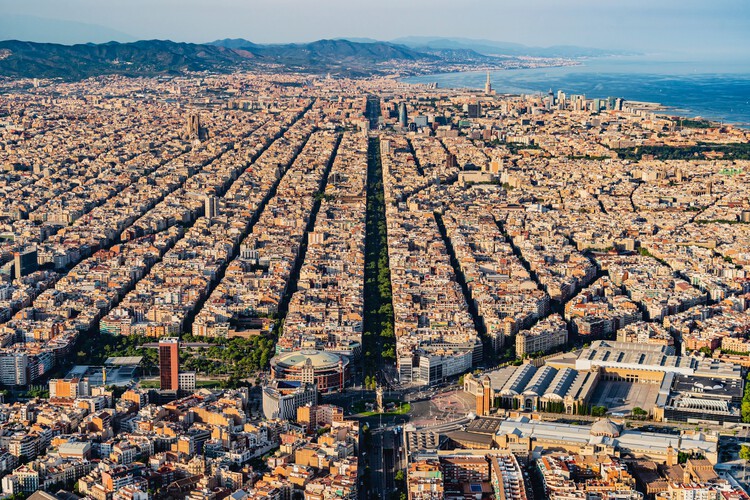
This week's review focuses on concrete responses to shared urban challenges, including housing affordability, long-term resilience, and the role of cultural and material innovation in shaping cities. The selection spans regulatory measures affecting housing markets in European cities, high-density residential and mixed-income proposals in New York, and major renewal and planning efforts in London, Barcelona, Ulaanbaatar, and Drammen. It also highlights research-driven and built projects in Chicago, Buenos Aires, Las Vegas, and Riyadh that explore circular construction, adaptive reuse, and new models for cultural and public infrastructure. Together, these worldwide projects offer a snapshot of how architecture and urban planning are addressing immediate pressures while laying the groundwork for more resilient and inclusive urban futures across diverse geographic and cultural contexts.
https://www.archdaily.com/1037399/from-housing-policy-in-europe-to-large-scale-master-planning-in-mongolia-this-weeks-reviewAntonia Piñeiro
OODA Unveils House of Nassr Sports Complex, Its First Realized Project in Saudi Arabia
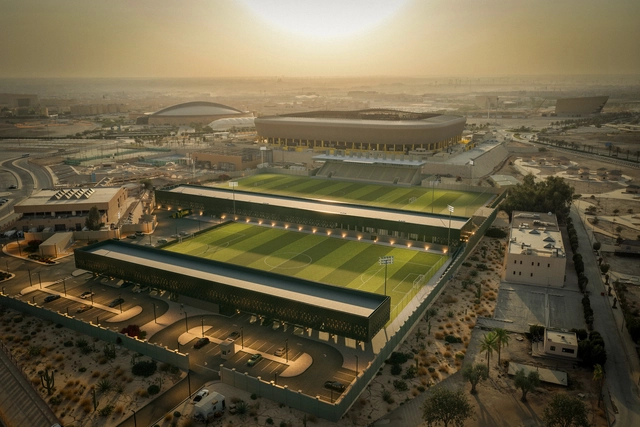
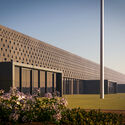
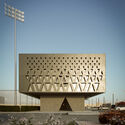
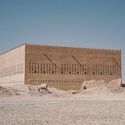
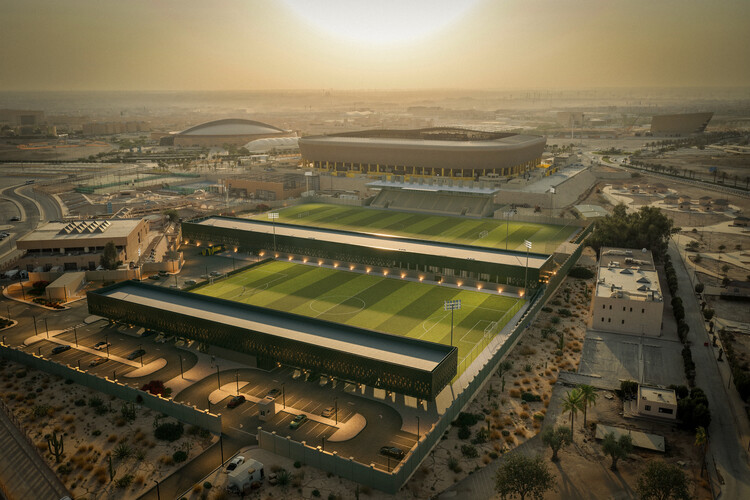
OODA announces the House of Nassr, a new integrated sports complex designed for Al Nassr FC in Riyadh, Saudi Arabia. Planned as a comprehensive facility supporting both athletic performance and club operations, the project brings together a high-performance training centre, administrative and media spaces, athlete support facilities, and social areas, with a hotel scheduled for a second phase of development. The complex occupies an area of approximately 4,000 square meters. While the overall project remains ongoing, the first phase has been completed in 2025, marking OODA's first realized project in Saudi Arabia.
https://www.archdaily.com/1037353/ooda-unveils-house-of-nassr-sports-complex-its-first-realized-project-in-saudi-arabiaReyyan Dogan
In the Blink of an Eye: 60 Light Installations Illuminate a Citywide Gallery for Noor Riyadh 2025
| Sponsored Content

Noor Riyadh 2025 brought large-scale light installations to public sites across the Saudi Arabian capital, temporarily transforming transit hubs, historic districts, and significant landmarks into illuminated urban environments. From November 20 to December 6, 2025, Riyadh became a citywide gallery of light, motion, and shifting perception. The festival's fifth edition featured 60 artworks by 59 artists from 24 countries, including more than 35 new commissions, responding to the theme "In the Blink of an Eye." Through light as both medium and concept, the installations reinterpreted the capital's rapidly evolving architectural landscape and reflected how perception shifts in spaces shaped by heritage and ambitious urban development.
https://www.archdaily.com/1036858/in-the-blink-of-an-eye-60-light-installations-illuminate-a-citywide-gallery-for-noor-riyadh-2025Kiana Buchberger
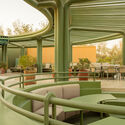
Attache / BRICKLAB



https://www.archdaily.com/1036372/attache-bricklabMiwa Negoro
From Japan to Saudi Arabia: 8 Unbuilt Hospitality Projects Redefining the Future of Hotels and Resorts
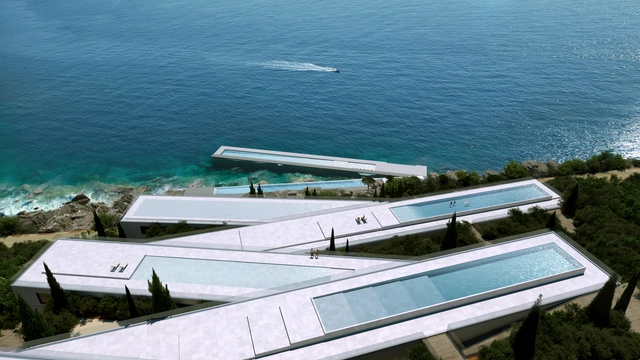
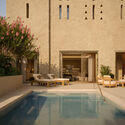
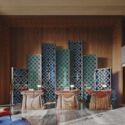
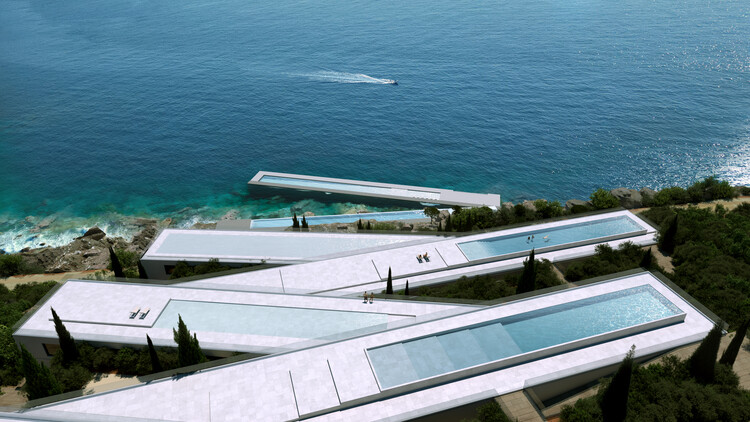
In contemporary architecture, hotel design is no longer defined solely by luxury and accommodation. Instead, it is becoming a platform to explore questions of identity, ecology, and cultural meaning. Beyond providing rooms and amenities, hotels today aim to create immersive experiences that connect travelers to local traditions, landscapes, and communities. In this curated selection of unbuilt hospitality projects, submitted by the ArchDaily community, speculative and competition-winning proposals offer a glimpse into the future of hospitality, where sustainability and storytelling are as central as comfort and style.
https://www.archdaily.com/1033568/from-japan-to-saudi-arabia-8-unbuilt-hospitality-projects-redefining-the-future-of-hotels-and-resortsNour Fakharany
Expo 2030 Riyadh Unveils First Details of Its Masterplan
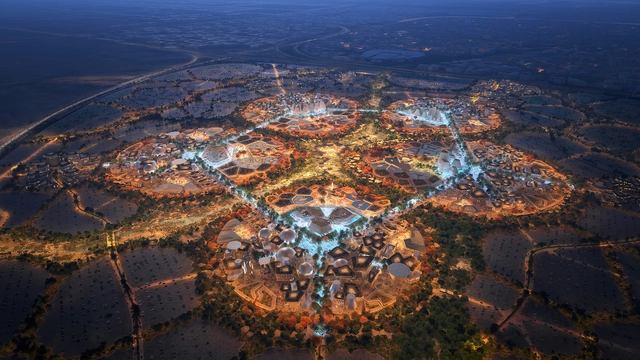
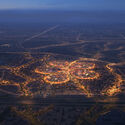
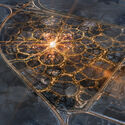
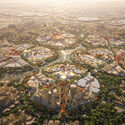
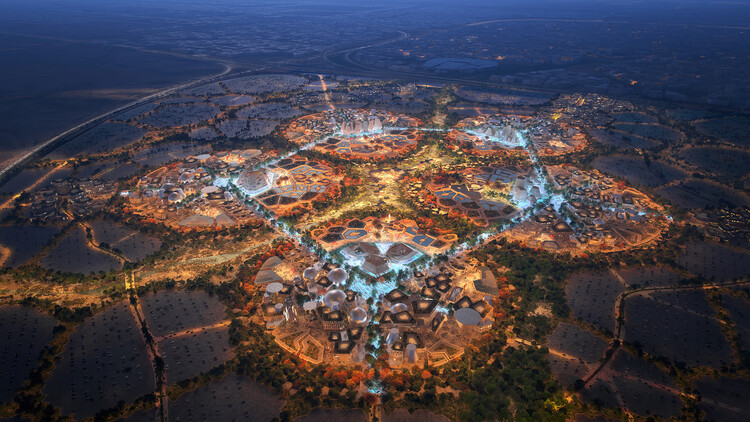
The Bureau International des Expositions (BIE) General Assembly in Paris has officially approved the Registration Dossier for Expo 2030 Riyadh, formally confirming Saudi Arabia as the host of the upcoming World Expo. With this milestone, the next phase of preparations will begin, including the official invitation of participating countries through diplomatic channels. Coinciding with the approval, the initial masterplan for the Expo site designed by LAVA, the Laboratory for Visionary Architecture, has been unveiled. Scheduled to take place from October 1, 2030, to March 31, 2031, the event will be held on a site in Riyadh, designed to accommodate more than 40 million visits and host over 195 participating nations.
https://www.archdaily.com/1031300/expo-2030-riyadh-unveils-first-details-of-its-masterplanReyyan Dogan
Bofill Taller de Arquitectura Reveals Construction Images of the Royal Arts Complex in Riyadh
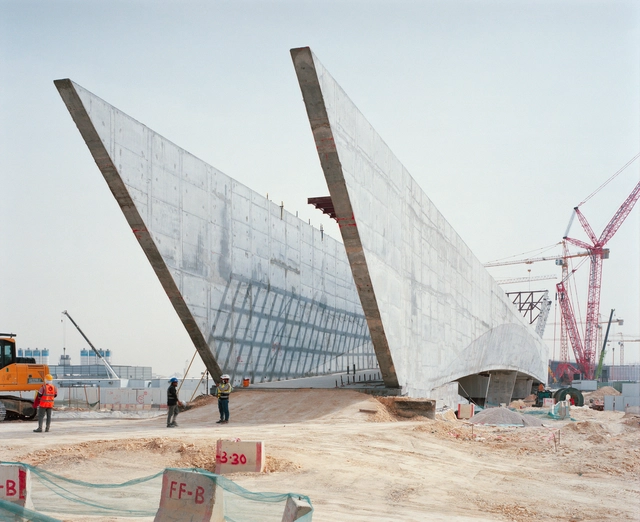
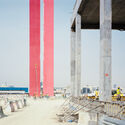
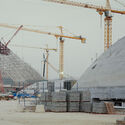
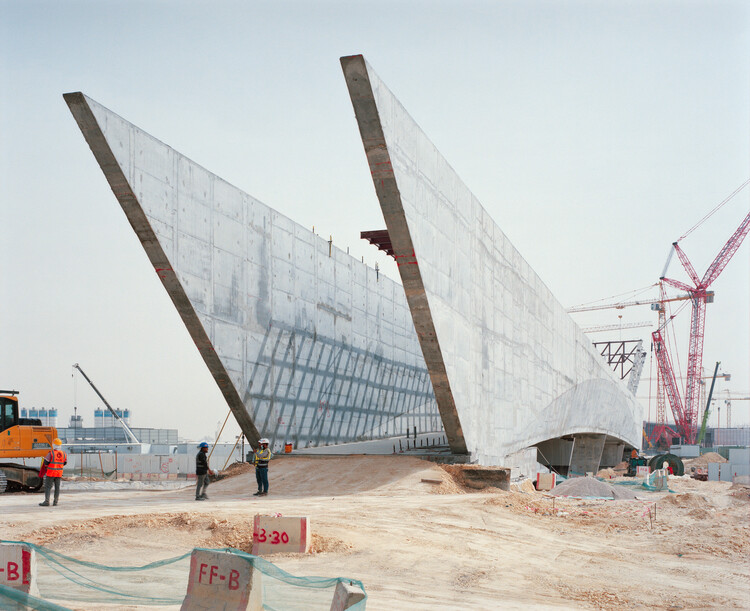
Barcelona-based architecture studio Bofill Taller de Arquitectura was commissioned to design the Royal Arts Complex (RAC) by the Royal Commission for Riyadh City in 2019. Currently under construction, the 320,000-square-meter building complex comprises thirteen structures, each contributing to the promotion of artistic expression. The project is located within King Salman Park, a 13.3-square-kilometer park being developed on the site of Riyadh's former airport. The broader development includes mixed-use projects to transform the area into a major recreational district. The overall masterplan also features a stadium by Populous, planned for the FIFA 2034 World Cup.
https://www.archdaily.com/1029856/bofill-taller-de-arquitectura-reveals-construction-images-of-the-royal-arts-complex-in-riyadhAntonia Piñeiro