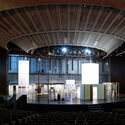
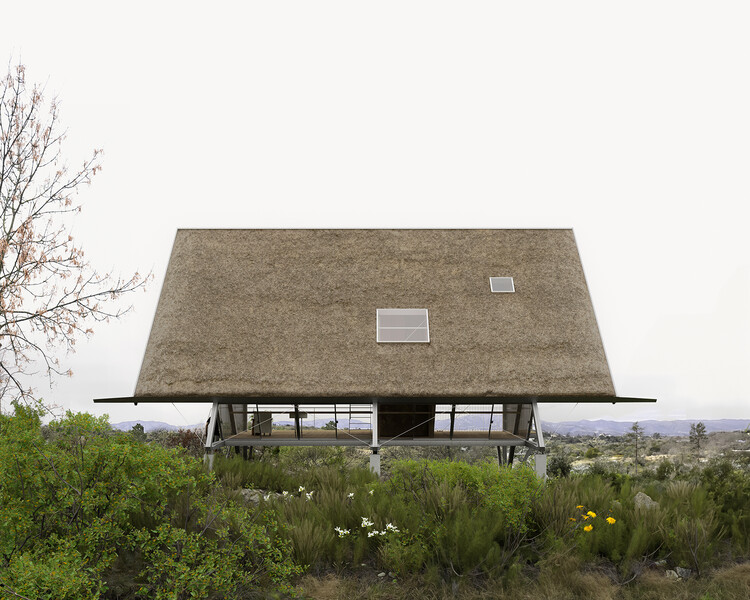
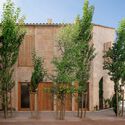
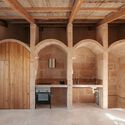
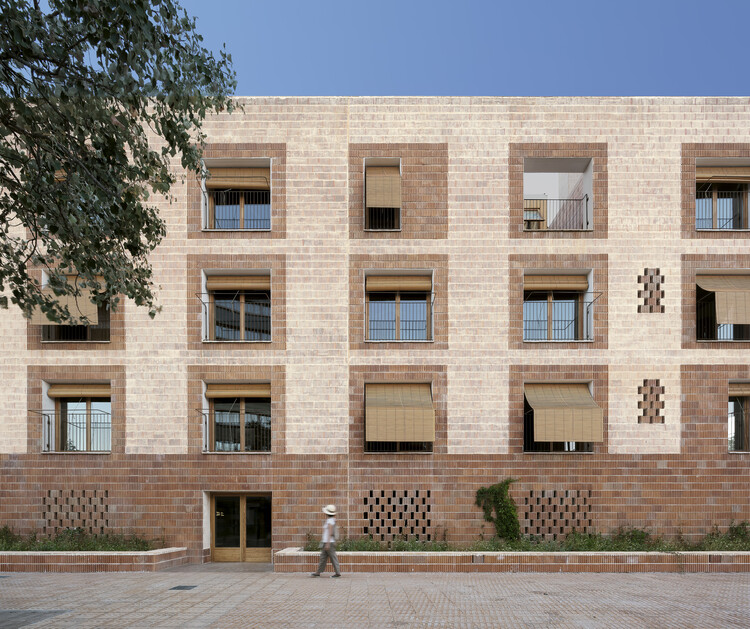
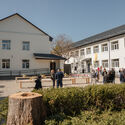
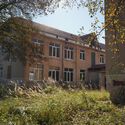
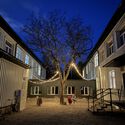
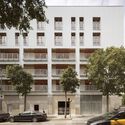
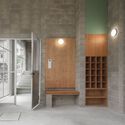
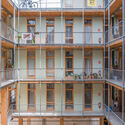
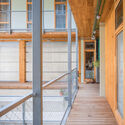
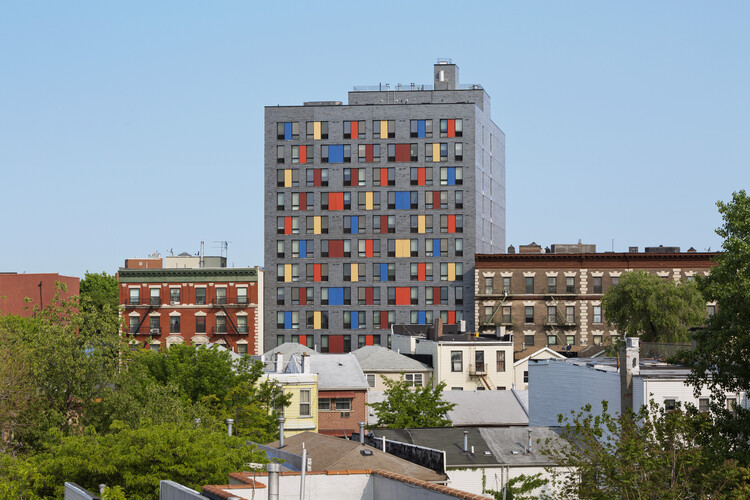
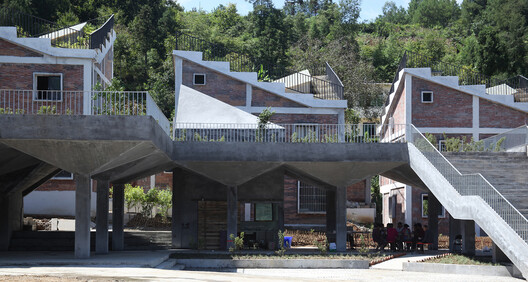
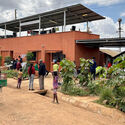
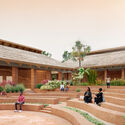
Ben-Avid by Atelier Aveta. Featured in the Biennial's Central exhibition. Image Courtesy of Bienal Internacional de Arquitectura de Buenos Aires
Architecture this week turns toward the question of what the built environment can make possible, and what it asks in return. Discussions around democracy and public space consider how architecture can support participation, equity, and collective life, while new housing and cultural projects explore how buildings can respond to changing social needs through adaptability, shared space, and the reuse of existing structures. These concerns extend into the exhibition space, where the Tallinn Architecture Biennale examines the less visible costs of construction and the Buenos Aires Architecture Biennial looks at the many ways architecture shapes inhabitation. Across these different contexts, architecture emerges as a way of negotiating access, resources, community, and the long-term value of the built environment.
On the International Day of Democracy, this year the United Nations revisits a traditional idea within the concept: broad citizen participation in government decision-making. On this occasion, the international body invites reflection on how participation and the inclusion of diverse voices in government decision-making can help build a more equitable society. From a spatial perspective, reflection on democracy can move beyond this vertical framing and instead understand it through encounter. What does it mean for a space to be democratic? How can architecture contribute to achieving the principles historically associated with democracy? In the current context of crisis in political organization systems worldwide, this day serves as a platform to question individualization and authoritarianism through the socio-spatial tools available to us.
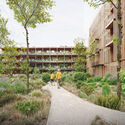
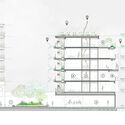
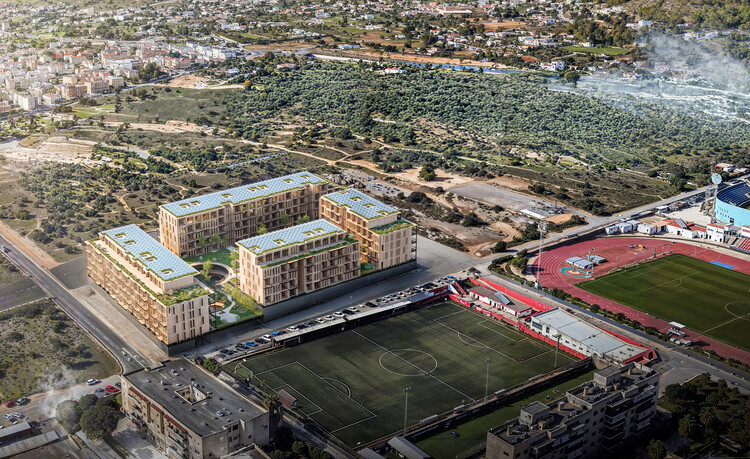
Stefano Boeri Architetti has won the competition launched by Spain's Entidad Estatal de Vivienda, Casa 47, for a new affordable housing development in Ibiza. Named "Sa Casa," the project proposes approximately 190 below-market-rate rental apartments distributed across four residential volumes. The scheme combines a prefabricated timber construction system with adaptable housing layouts and shared open spaces, with the design organized around the relationship between the residential buildings, landscape, and public areas.
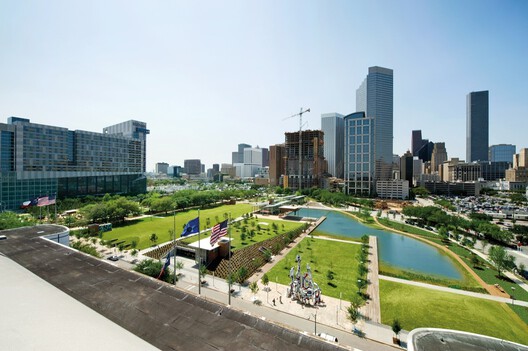
Every housing crisis eventually becomes a land question, and every land question eventually becomes a values question. The United States' West Coast has arrived at that point. As cities from Los Angeles to Seattle search for parcels to build the affordable housing they have promised for years, they keep landing on the same answer: the park or the greenbelt. What looks like a zoning decision is a referendum on which form of wellbeing a city is willing to sacrifice for another.
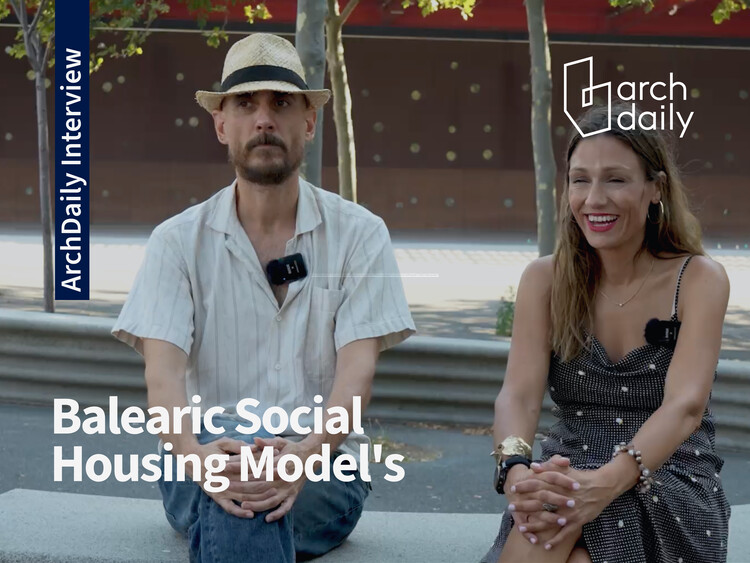
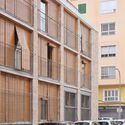
On 1 September 2026, the Balearic Social Housing Model was announced as the recipient of the 2026 OBEL Award. The focus of this award's cycle was "Systems' Hack," calling on architecture to critically engage with the systems that underpin contemporary society and to examine how these interconnected networks might be reconfigured in response to accelerating global challenges. The Balearic Social Housing Model, created by economist and independent consultant Cris Ballester and architect and civil servant Carles Oliver, is a six-point approach to public housing developed between 2019 and 2023, providing additional value and comfort to traditional affordable housing by bringing procurement, architecture, materials, energy, tenure, public capacity and learning together as responses to current social, environmental and economic challenges. In this interview with ArchDaily, the model's creators discuss its origins, ambitions, and material challenges in making social housing a desirable place to live.
Amid growing economic, political, and climatic instability, the 2026 OBEL Award highlights the need for architectural approaches that rethink both existing and emerging infrastructures. The title for this edition is "Systems' Hack," where "systems" are understood as interrelated mechanisms governed by shared rules and "hacking" is framed as a strategic intervention that seeks to alter how these mechanisms operate. Within this framework, the OBEL Foundation has announced the Balearic Social Housing Model as the winner of this year's award, while also announcing a new cycle in 2027 under the same topic. The Balearic Social Housing Model is recognized for "transforming the role of social housing administration in the Balearic Islands between 2019 and 2023," proposing new approaches in response to an acute housing shortage and a critically limited public rental housing stock in Spain.
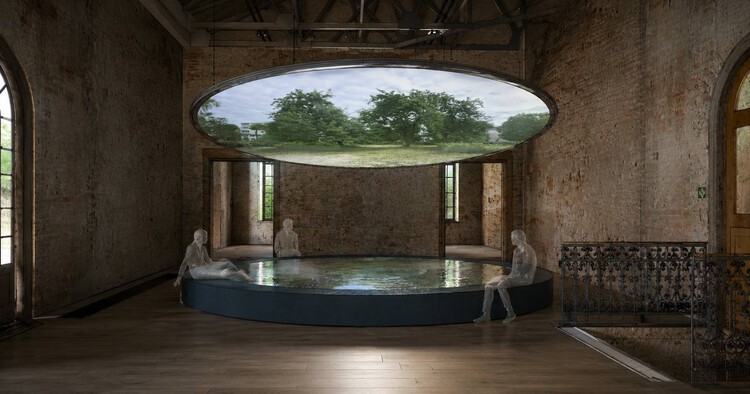
The Ukrainian pavilion at the 20th International Architecture Exhibition – La Biennale di Venezia is being designed by the team from CO-HATY, a local volunteer initiative restoring abandoned buildings in the country to transform them into stable homes for internally displaced people. The team is formed by METALAB and relocated members of the Ukrainian Urban Curators agency, who have been developing CO-HATY since 2022. Titled "Pool of Questions," the project poses a question the organization argues is rarely voiced in the context of survival: not simply where displaced people should live, but when they can begin to live. For Venice, the imagined installation extends the restoration and adaptive reuse work into a discourse on affordable housing, dignity and rest during an ongoing war.
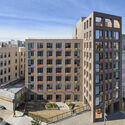
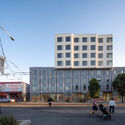
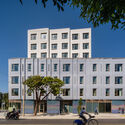
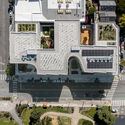
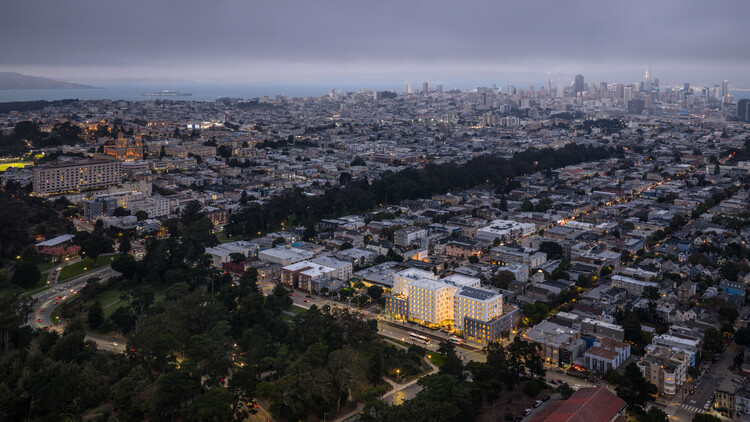
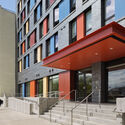
OMA, led by Partner Jason Long, together with San Francisco-based Y.A. Studio, has completed 730 Stanyan, a mixed-use affordable housing development in San Francisco's Haight-Ashbury neighborhood. Developed by the Tenderloin Neighborhood Development Corporation (TNDC) and Chinatown Community Development Center (CCDC), the project provides 160 permanently affordable homes for low-income families, formerly unhoused families, and Transitional Age Youth (TAY). Located at the intersection of Haight and Stanyan Streets, adjacent to the entrance of Golden Gate Park, the development marks OMA's first completed 100% affordable housing project in the United States.
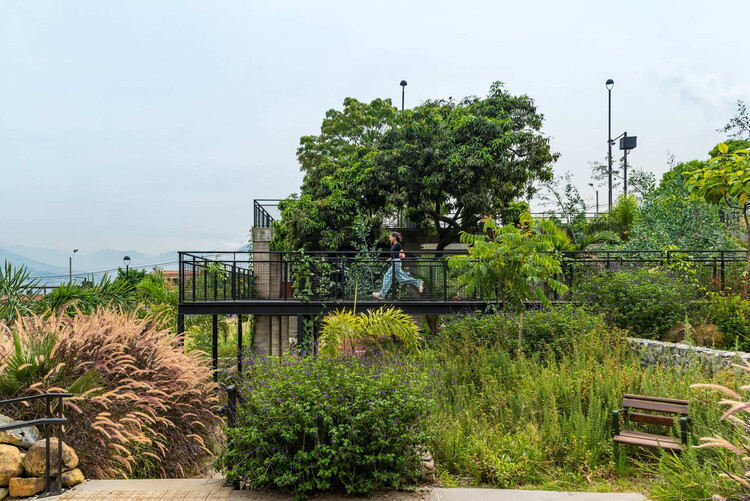
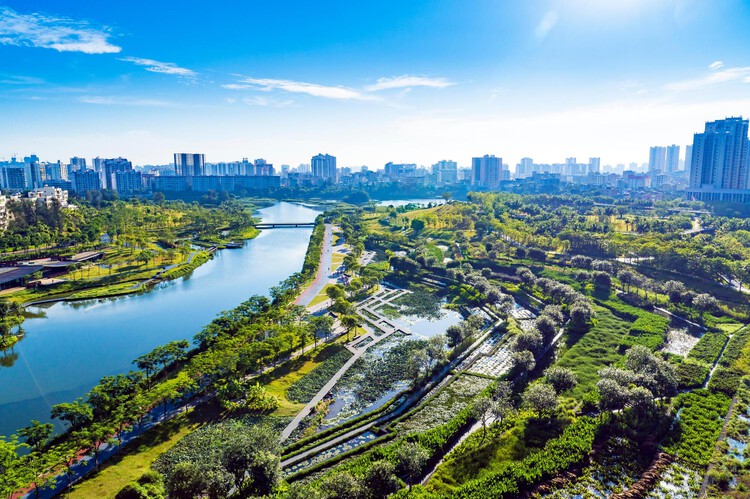
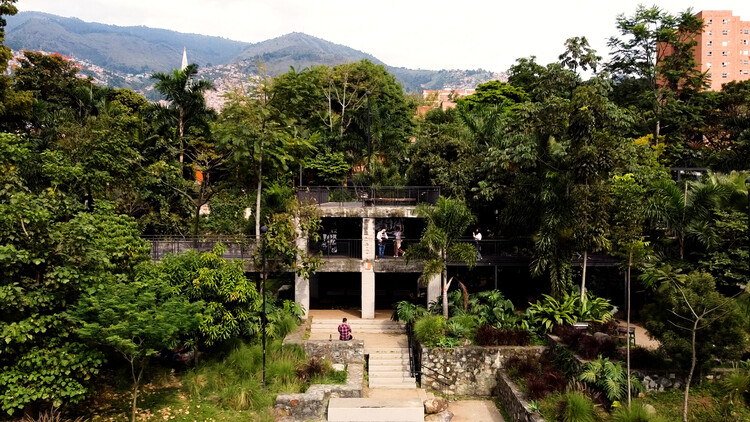
Parque Prado, Colombia, by Connatural Arquitectura en el Paisaje. Image Courtesy of International Union of Architects (UIA)
International Youth Day, observed annually on August 12, is marked in 2026 under the theme "Different Contexts, Common Aspirations," highlighting the shared aspirations of young people across diverse social, economic, and geographic realities. Despite differences in where and how they live, young people around the world continue to seek dignity, opportunity, meaningful participation, decent work, quality education, and a sustainable future. The day provides an opportunity to recognize their contributions while drawing attention to the conditions and opportunities that shape their lives.
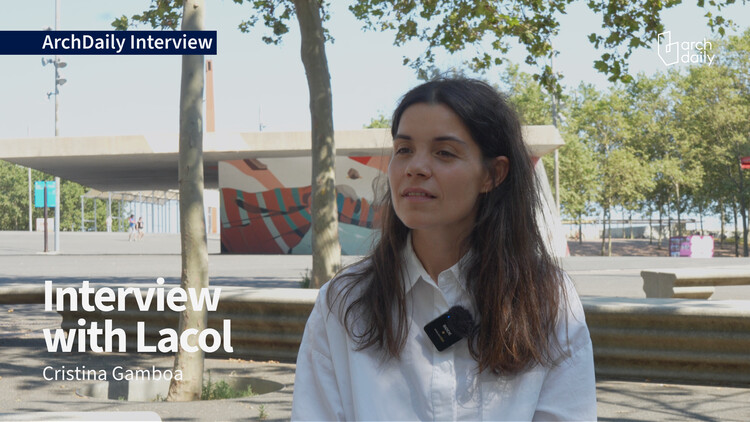
At the UIA World Congress of Architects 2026 in Barcelona, discussions surrounding the future of housing frequently extended beyond questions of design to include governance, ownership, and long-term stewardship. Among the speakers contributing to these conversations was Cristina Gamboa, co-founder of the Barcelona-based cooperative Lacol, whose practice combines architecture, housing advocacy, construction management, and environmental research through a cooperative model. During the Congress, ArchDaily spoke with Gamboa about how cooperative practice reshapes the architect's role, why participation extends beyond consultation, and how projects such as La Borda and La Morada continue to inform broader discussions on housing, care, and collective living.
The 21st Century ROAD to Housing Act, a bipartisan United States Senate housing bill, automatically became law on 11 July 2026. Officially the "Renewing Opportunity in the American Dream (ROAD) to Housing Act," the bill has been called the most significant housing measure in the country since the National Affordable Housing Act in 1990, and "the most comprehensive housing legislation in decades." In a context of global housing crisis, the text revises federal housing programs and expands available financing options, provides grants for communities, targets regulatory requirements for construction, and addresses the concentration of ownership. This law contributes to worldwide initiatives for adequate housing, such as limits on short-term rentals, taxing unoccupied residential units, and the transformation and adaptive reuse of existing structures, with the dual objective of increasing the number of residential units and making existing ones available.
On June 24, 2026, a severe seismic event consisting of two major earthquakes with magnitudes of 7.2 and 7.5 struck north-central Venezuela just 39 seconds apart. The widespread destruction was concentrated along the country's northern coast, heavily impacting the capital city of Caracas and the neighboring state of La Guaira, where fragile urban infrastructure and vulnerable housing stock led to the collapse or severe damage of thousands of residential structures. This disaster mirrors previous devastating events observed during other major seismic events, including the 2008 Wenchuan earthquake and 2011 landslides in Sichuan, the 2014 Ludian earthquake in Yunnan, and the 2017 earthquake across central Mexico. When high-magnitude natural disasters damage entire communities, architects have the opportunity to help by proposing post-disaster architecture with strategic recovery models. Rather than relying on generic, standardized emergency shelters, conscious architectural design can deliver low-cost, rapidly deployable residential infrastructure that preserves human dignity through culturally contextual and dignified spaces.
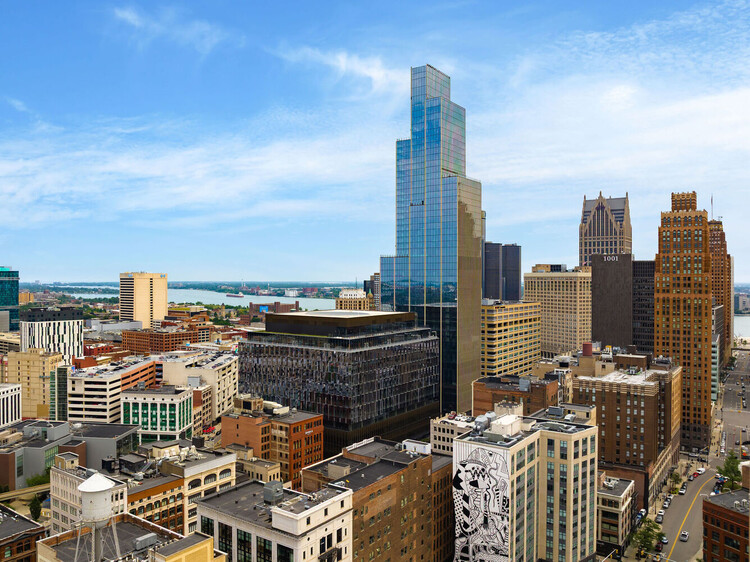
Hudson's Detroit mixed-used development. Aerial view.. Image Courtesy of Bedrock
Urban planning is often confused with adjacent disciplines: urban design, environmental policy, civic strategy, local politics, or data analytics. Moreover, the overlap in training and responsibilities between planning and urban practices makes the field difficult to define clearly. In practice, it is often easier to recognize the consequences of bad planning than to articulate the outcomes of good planning. When planning is working well for residents, it should disappear altogether. It should remove friction from daily life so that people would not think to credit a discipline at all. At its core, urban planning is the relationship people have with their environments, and when that relationship is functioning, the mechanics of housing, transportation, affordability, access, and inclusion should feel ordinary and expected.
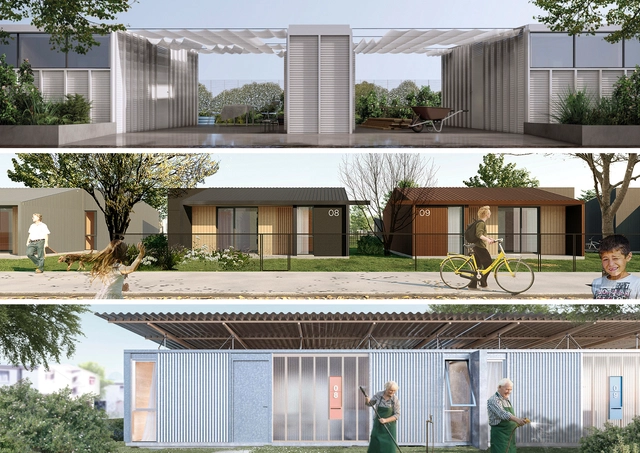
Organized by the Ministry of Housing and Territorial Planning of Uruguay (MVOT) and MEVIR, with the support of the Inter-American Development Bank (BID), the International Architecture Competition "Wood: Innovating Social Interest Architecture" involved submitting proposals for new types of wooden housing extensions. These could be either paired or standalone single-level structures, to be built by MEVIR in a demonstration set of 20 social interest houses within the town of Tranqueras, Rivera Department, Uruguay.
The New York City local government is one of the largest of its kind, with hundreds of city agencies and elected offices. The Mayor, city agencies, the city council, the comptroller, the public advocate, the borough presidents, and community boards organize to provide services and improve the quality of life in the biggest city in the United States and a primary tourist destination. Like other metropolises in the world, urban developers and authorities in New York are facing common challenges: the atmospheric effects and permanent consequences of the climate crisis, the saturation of transport systems, the lack of housing units, and barriers to accessing adequate housing. During June, the New York City mayor's office announcements addressed traffic and mobility, sports events, immigration, and extreme heat. In recent months, a series of policies have been announced to address a larger problem: ensuring access to housing for a greater number of people through government action.
Parque Prado, Colombia, by Connatural Arquitectura en el Paisaje, Category 5 Winner of the UIA 2030 Award. Image Courtesy of International Union of Architects (UIA)
This week's stories reveal a growing focus on reconnecting design with physical reality, whether through construction, landscape, public space, or collective participation. From the curatorial direction of the upcoming Venice Architecture Biennale 2027 to internationally recognized projects addressing flood resilience, affordable housing, and ecological restoration, many of the week's discussions challenged architecture's increasing detachment from material, environmental, and social conditions. At the same time, major cultural interventions, temporary structures, and public forums explored how institutions and civic spaces can become more accessible, adaptable, and engaged with everyday urban life.