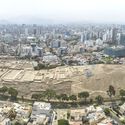
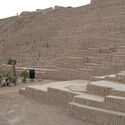
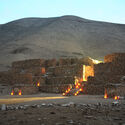
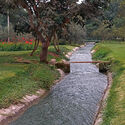
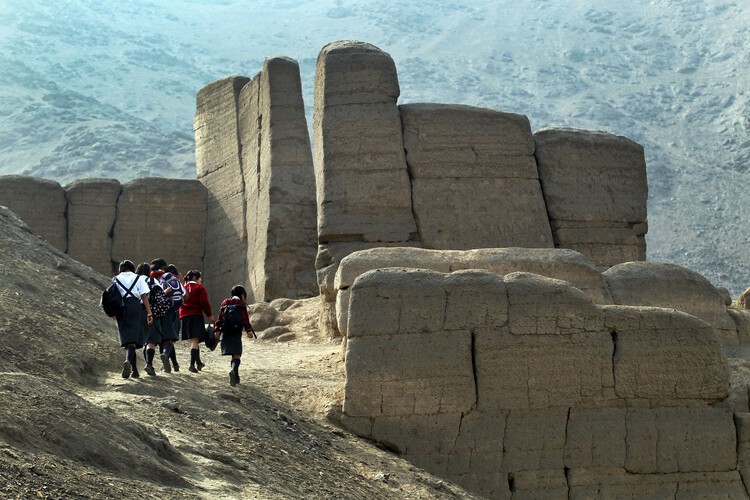
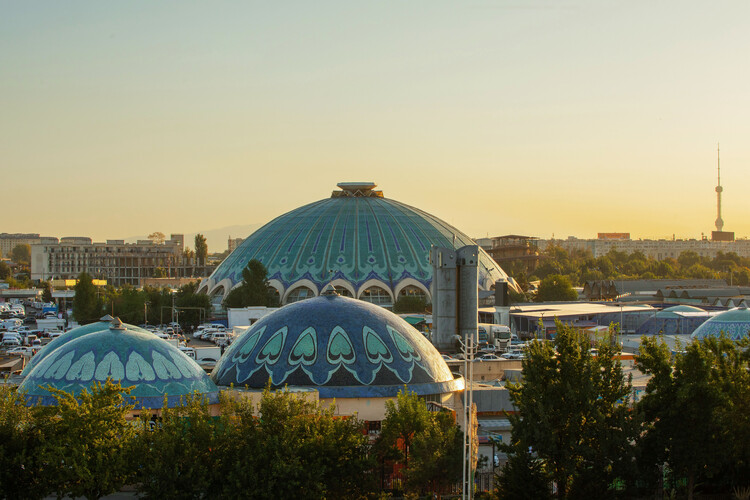
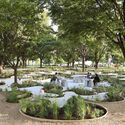
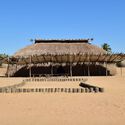
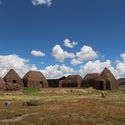
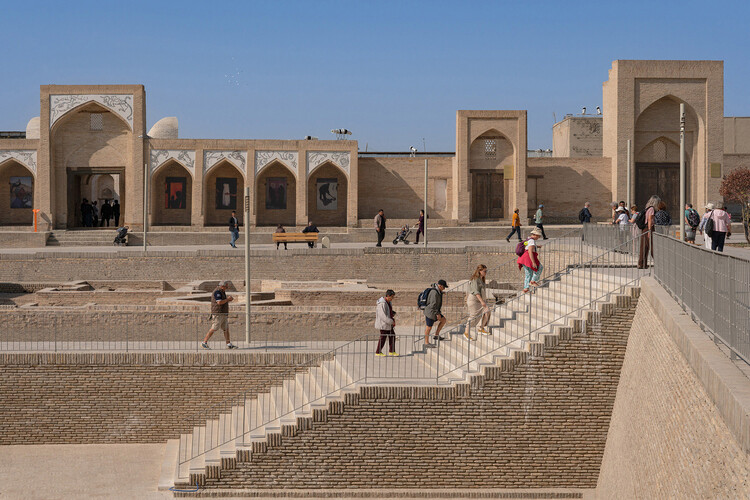
A campaign led by Red Lima Milenaria is seeking UNESCO recognition for pre-colonial sites in the Peruvian capital. Today, more than 600 archaeological sites remain in Lima, a metropolis of 11 million people. The citizens' campaign seeks to improve conservation conditions and public awareness of the sites that resisted European colonization by promoting the nomination of a selection of structures for inscription on UNESCO's World Heritage List. The public campaign was recently launched to gather citizen support and establish partnerships with organizations working in heritage and related fields, in order to prepare the framework for a formal nomination to be submitted by the Peruvian state. The initiative coincides with reconstruction movements in the continent responding to socioeconomic inequality and structural historical injustices, raising questions about the very definition of heritage.
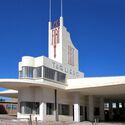
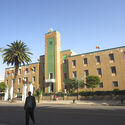
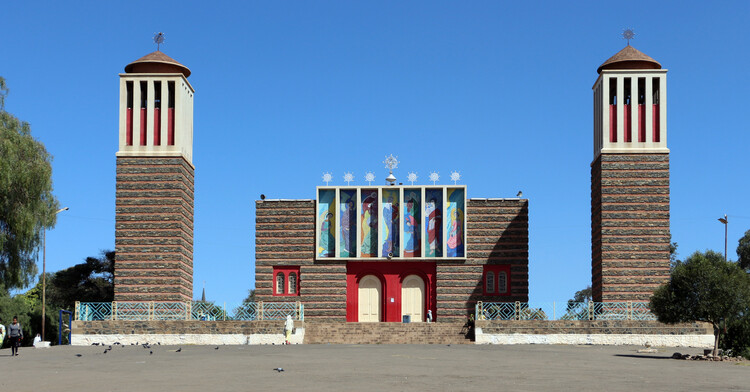
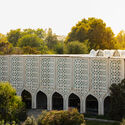
Asmara, the capital of Eritrea, sits at over 2,300 meters above sea level on a plateau at the edge of the Great Rift Valley escarpment. Although situated in a country not known for large visitor numbers, the city has gained fame for its unique architecture. In July 2017, it became a UNESCO World Heritage Site, inscribed as "Asmara: A Modernist African City," the first modernist urban site anywhere to be listed in its entirety, and Africa's first explicitly modernist World Heritage Site. Its heritage value came about as a result of a complex convergence of two aspects of Eritrea's history: an intense period of colonial construction as Italy pursued its imperial ambitions in Africa, and a long period of relative isolation that insulated the city from redevelopment.
Generally, it is specialist professionals who hold the decision-making power—be they historians, museologists, architects, or geographers. But on what basis are these decisions made? Can the complexity of history fit into a checklist? Or, even more fundamentally, on which version of history are these decisions being based?
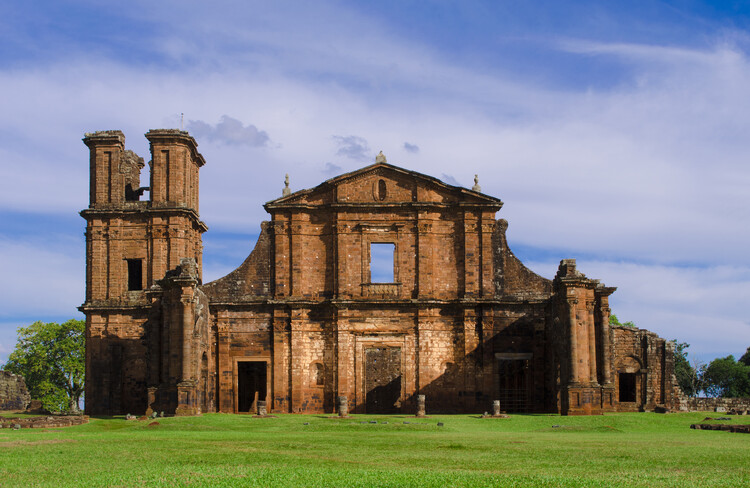
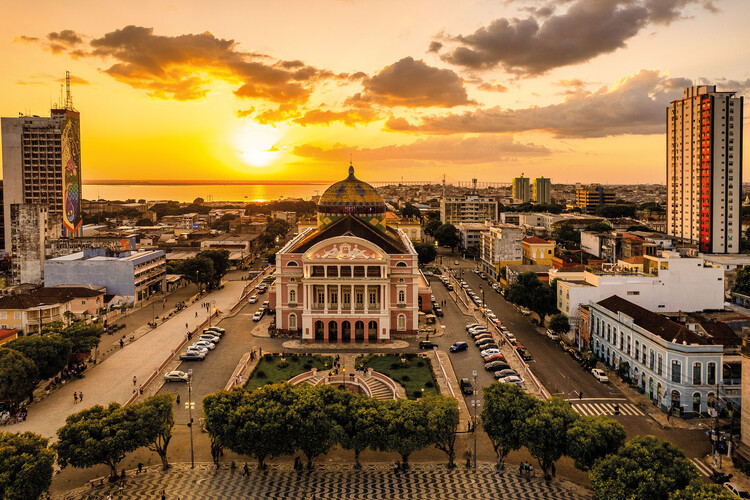
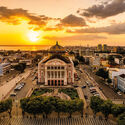
Architecture in Brazil this month highlights the country's diverse approaches to cultural production, heritage, and the transformation of its built environment. From the curatorial formation of the 15th São Paulo International Architecture Biennial to the recognition of Amazonia Theaters on the UNESCO World Heritage List, recent developments bring questions of representation, preservation, and cultural identity into focus. New projects in Rio de Janeiro, São Paulo, and Rondônia meanwhile explore adaptive reuse, relationships between architecture and landscape, and new approaches to materiality and sustainability. Alongside these developments, ongoing discussions surrounding Fordlândia and the archive of Lucio Costa revisit how Brazil's architectural heritage is preserved, interpreted, and understood today.
This week was marked by recognition and major announcements for the cultural industry. Amid international reports of both deliberate and natural destruction, UNESCO added 25 new sites of Outstanding Universal Value to its World Heritage List, protecting a diverse range of places that includes funerary landscapes and landmark works of modern architecture. Beyond heritage, contemporary architectural practice also received renewed recognition through Alejandro Aravena and Smiljan Radić, while new developments were announced for cultural projects across the United Arab Emirates, Ecuador, China, India, and the United States. Recent updates include the restoration of a landmark cinema in Los Angeles, a new museum dedicated to innovation and entrepreneurship in Bengaluru, and the topping out of a 39-story hybrid timber tower in Sydney.
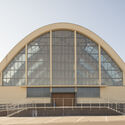
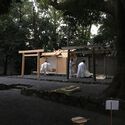
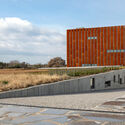
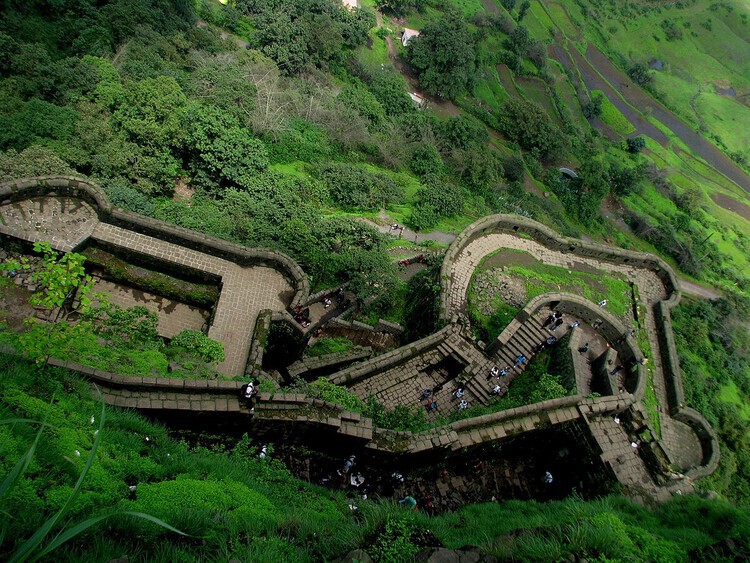
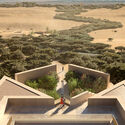
The UNESCO World Heritage Committee has announced 25 new inscriptions to the World Heritage List during its 48th session, expanding the international register with sites that reflect a wide range of architectural, cultural, and natural heritage. The 2026 additions include 19 cultural properties, five natural sites, and one mixed property, alongside approvals for two significant boundary modifications and one revision to the criteria of an existing inscription. Spanning every inhabited continent, the newly recognized places range from archaeological landscapes and historic urban centers to modernist architecture and industrial heritage, underscoring the diversity of the built environment and the evolving scope of heritage conservation.
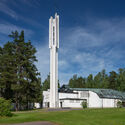
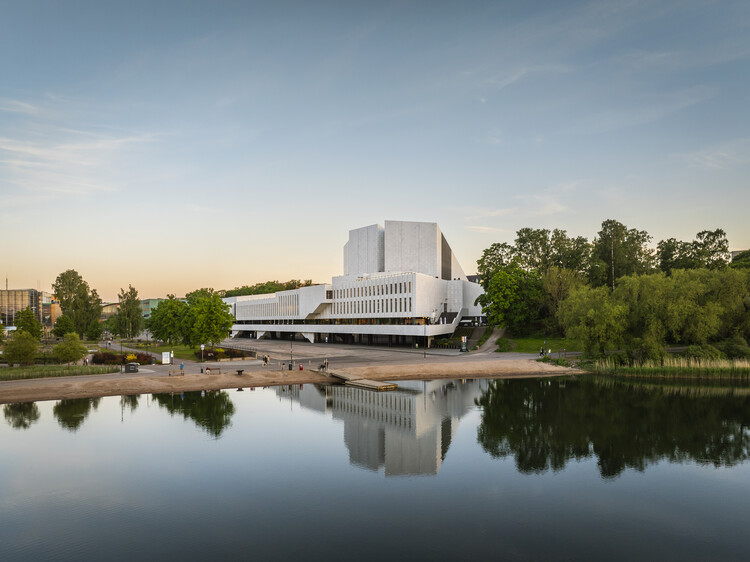
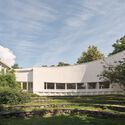
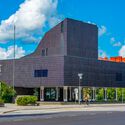
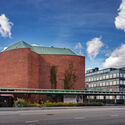
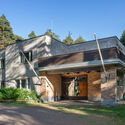
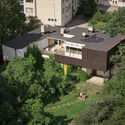
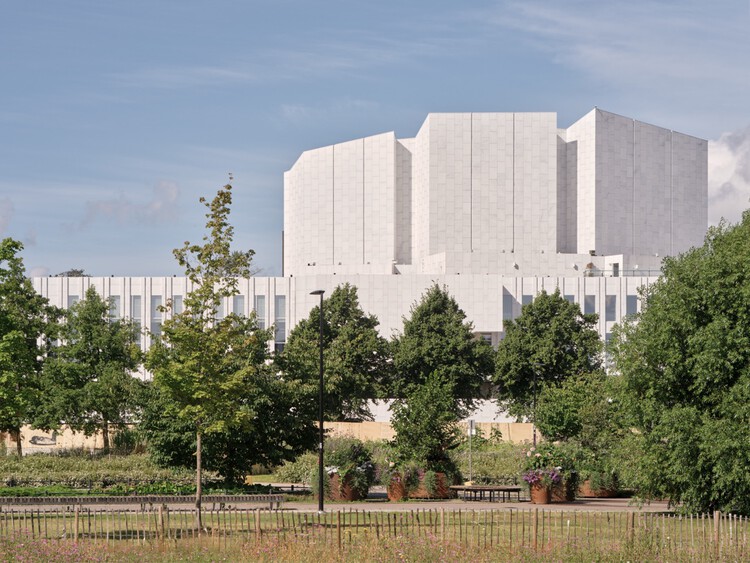
The UNESCO World Heritage Committee has inscribed Aalto Works, a collection of thirteen buildings and architectural ensembles across Finland designed by Aino Marsio-Aalto, Elissa Aalto, and Alvar Aalto, on the UNESCOWorld Heritage List. The designation recognizes the international significance of a body of work that helped redefine modern architecture through a human-centered approach, emphasizing the relationship between buildings, everyday life, nature, and social well-being. Spanning projects completed between the late 1920s and the 1980s, the series represents Finland's contribution to the Modern Movement while acknowledging the collaborative practice of the Aaltos and their studio.
Videos
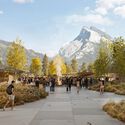
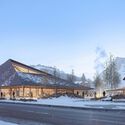
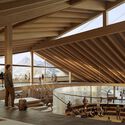
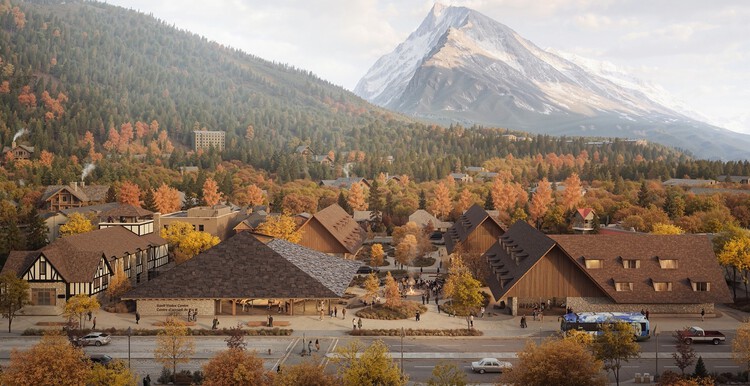
Winning design for a reimagined visitor centre and community space in Banff National Park. Paul Raff Studio and Kengo Kuma & Associates, 2026. Image Courtesy of Parks Canada
On May 13, 2026, Parks Canada, the federal agency responsible for protecting and managing Canada's natural and cultural heritage, announced the winning design for a reimagined visitor centre and community space in Banff National Park. The competition was organized in partnership with the Royal Architectural Institute of Canada (RAIC) as part of the 200-Block Banff Avenue Redevelopment Project. The proposal by Paul Raff Studio and Kengo Kuma & Associates was selected from a shortlist of five pre-qualified teams that also included EVOQ + Ryder, KPMB Architects, Revery Architecture, and Stantec Architecture. An independent jury assembled by the RAIC selected the design for its approach to landscape, sustainability principles, and its balance between conservation, heritage, Indigenous perspectives, and visitor experience, among other considerations.
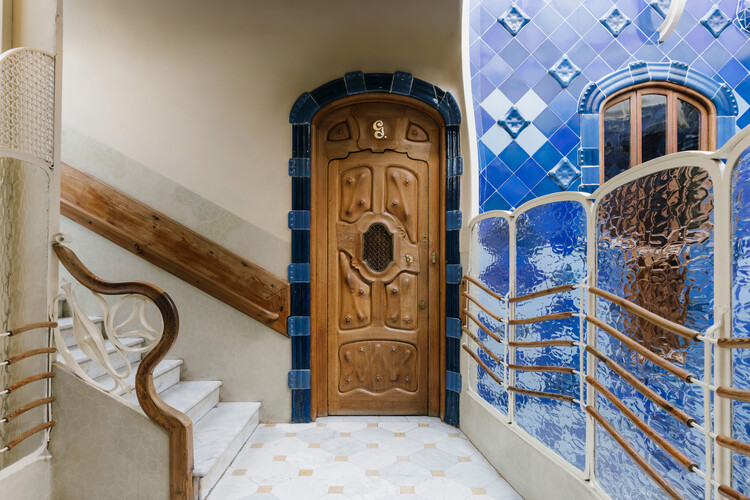
Casa Batlló in Barcelona has unveiled the restored Third Floor of the building, opening the last original residence preserved from Antoni Gaudí's 1904-1906 transformation of the property to the public for the first time. Led by restoration architect Xavier Villanueva and developed over three years through an archaeological-style conservation process, the intervention recovers a largely intact domestic environment that had remained inhabited by descendants of the Batlló family for more than a century. Adapted into a series of private rooms for gatherings, cultural events, and experiences, the restored apartment combines heritage preservation with a contemporary interior design intervention by Paola Navone – OTTO Studio, establishing a new program for one of Barcelona's most recognized architectural landmarks.
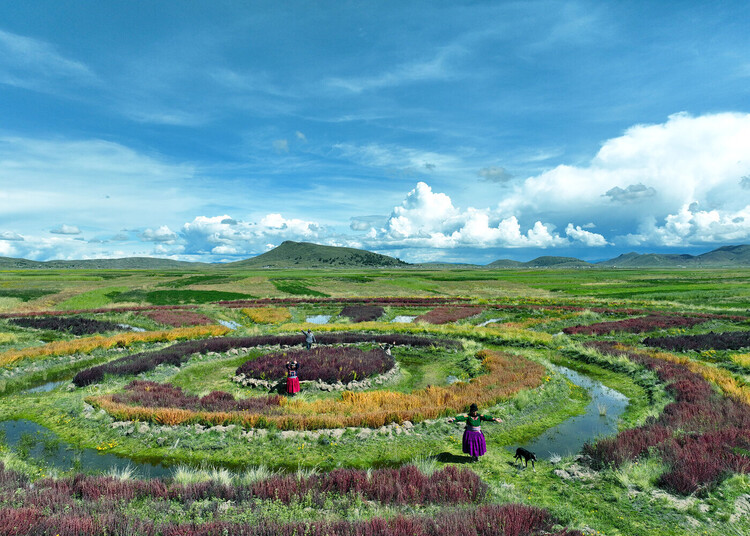
Waru Waru agricultural field. Image via World Monuments Fund
The United Nations' International Mother Earth Day, observed annually on April 22, aims to "promote harmony with nature and the Earth." In light of the urgency posed by climate change, it seeks to raise awareness of the challenges of preserving all forms of life supported by the planet. It is a call to the global community to safeguard biodiversity while striving to balance economic, social, and ecological systems. Crimes against biodiversity include large-scale practices such as deforestation, land-use change, intensified agriculture, livestock production, and illegal wildlife trade, all considered by the UN to be accelerating factors in the destruction of the planet.
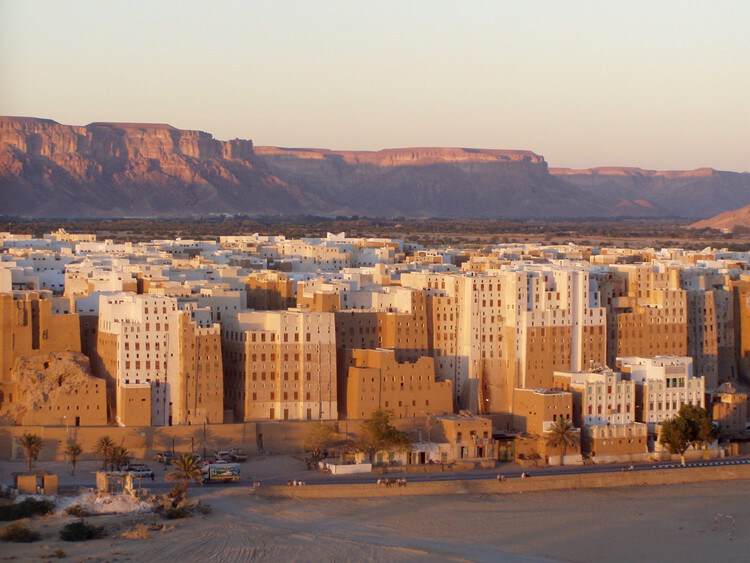
Symbols of technological development and urban density, tall buildings as we know them today emerged in the late 19th century, primarily in the United States, in response to rapid growth in urban commerce and the need to expand cities without consuming more land. The term skyscraper, for instance, was coined in the 1880s and originally referred to buildings of about 10 to 20 stories—an impressive height at the time.
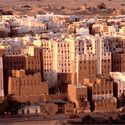
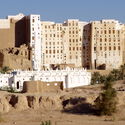
However, the idea of building vertically is far older than steel-and-glass skyscrapers suggest. Long before the Industrial Revolution, several societies were already experimenting with vertical urbanization as a solution to spatial constraints, territorial defense, or environmental adaptation.
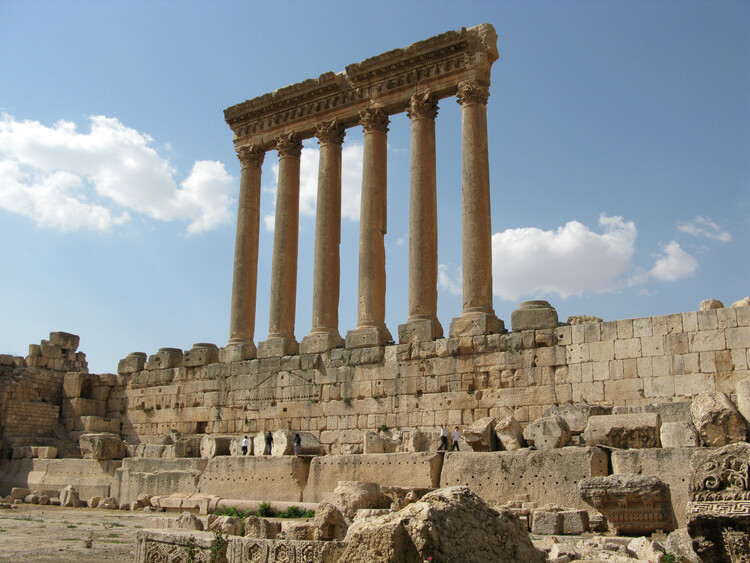
On February 28th, 2026, the news of the loss of human lives, the operational pattern of military strikes, damage to infrastructure, communication disruptions, and international responses following US-Israeli military attacks on Iranconfirmed to the world that there was a new focus of war in Southwest Asian territory. This military conflict has also had a human and infrastructural impact on Lebanon, Syria, Iraq, and Jordan, with active combat zones in their territories, and the Gulf States, where damage particularly affected US military bases and energy infrastructure. This adds a new site of armed conflict in the area, following over two years of systematic destruction of life, habitat, and essential facilities in the Gaza Strip, reaching a near total of 81% destroyed structures by the end of 2025. These territories are currently involved in the deliberate destruction of their normality, including essential, everyday, and cultural infrastructure of global value. Although information is currently scattered and partial, it is possible to assess some of the damage to cultural heritage caused by this new outbreak of armed conflict.
Heritage sites constitute complex spatial archives in which architecture, history, and collective memory converge. They encompass a wide spectrum of contexts—from archaeological remains, ancient and historic townscapes, UNESCO-listed landscapes, to early modern civic structures and industrial infrastructures. Yet these environments confront challenges: climate change, urban transformation, disaster, shifting social needs, and the gradual erosion of material fabric. Revitalization and restoration projects respond to these conditions by positioning architectural and spatial practice as an active mediator between preservation and the contemporary topologies.
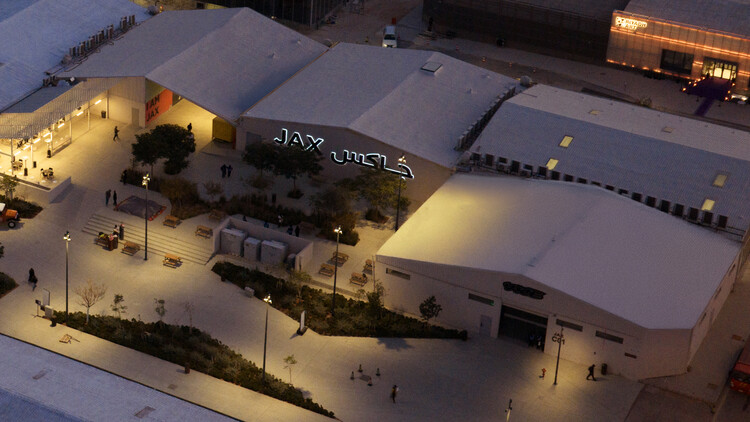
The third edition of the DiriyahContemporary ArtBiennale opened on January 30, 2026, and will remain on view through May 2, 2026, in Riyadh, Saudi Arabia. Organized by the Diriyah Biennale Foundation, the Biennale takes place at JAX District, a former industrial area in Diriyah near the UNESCO World Heritage Site of At-Turaif. Titled "في الحِلّ والترحال" / In Interludes and Transitions, the exhibition is led by Co-Artistic Directors Nora Razian and Sabih Ahmed, while Milan-based architect Sammy Zarka contributed as the Associate Architect and Exhibition Designer. The exhibition scenography is designed by Formafantasma, and the event brings together more than 65 artists from over 37 countries, including more than 25 newly commissioned works.
A building still being adjusted, repaired, and debated is declared World Heritage. Another, equally influential, must survive five centuries before anyone considers protecting it. This is not an anomaly in the heritage system; it is the system. Across the world, architecture does not age at the same pace because time itself is not neutral. It is cultural, political, and deeply uneven. What we call "heritage" is not simply old architecture; it is architecture that has reached the right moment in a particular place.