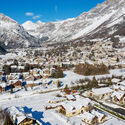
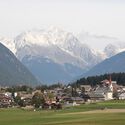
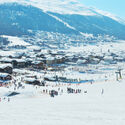
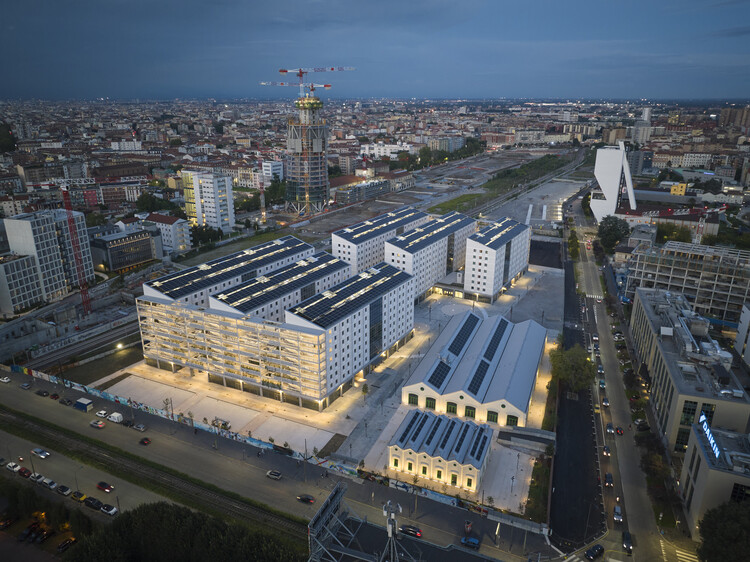
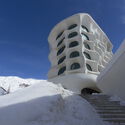
As preparations advance for the Milano Cortina 2026Olympic Winter Games, set to take place from February 6 to 22, 2026, this edition introduces one of the most geographically wide-ranging configurations ever implemented for the Winter Olympics. Extending across two cities, two regions, and two autonomous provinces, the competitions will be staged over more than 22,000 square kilometres of Northern Italy. Metropolitan venues in Milan are paired with longstanding Alpine centres in Cortina d'Ampezzo, Livigno, Bormio, Anterselva, and Val di Fiemme, creating a framework that bridges urban and mountain contexts. More than 90 per cent of the venues are existing or temporary facilities, reflecting a strategy centred on adaptive reuse, selective upgrades, and long-term integration into regional sport and cultural infrastructures. Nearly 2,900 athletes will compete in 116 events, including the debut of ski mountaineering and several new mixed-gender formats that signal evolving approaches to winter sports programming.
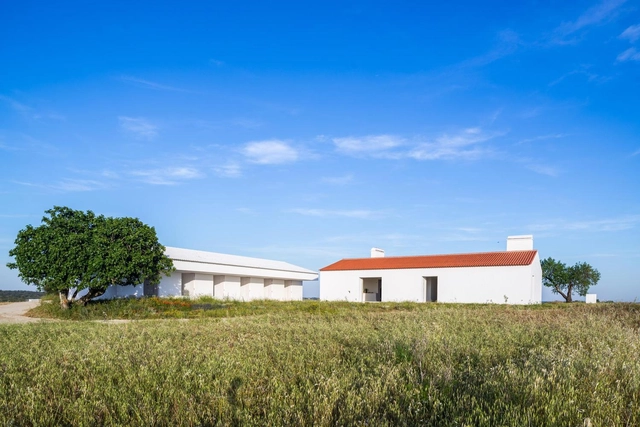
Tourism in Portugal began to develop in the late 1950s, initially centered on key destinations such as the Algarve coast, Lisbon, and the religious hub of Fátima. This focus made tourism largely a coastal activity. However, rapid growth and overburdened infrastructure in these areas led to saturation and a crisis in the sector. To address this, efforts were made to promote alternative destinations, appealing to a new wave of tourists looking for more sustainable, authentic, and locally immersive experiences.
Does architecture alone define how we inhabit a space? It's becoming increasingly clear that it does not. The objects within a space—particularly furniture and other design pieces—not only serve functional purposes but actively shape the spatial and human experience. As schools, homes, and offices evolve to accommodate new ways of working, living, and socializing, furniture accompanies these transitions, prompting conversations that extend beyond functionality and engage the corporeal dimension implied in its use.
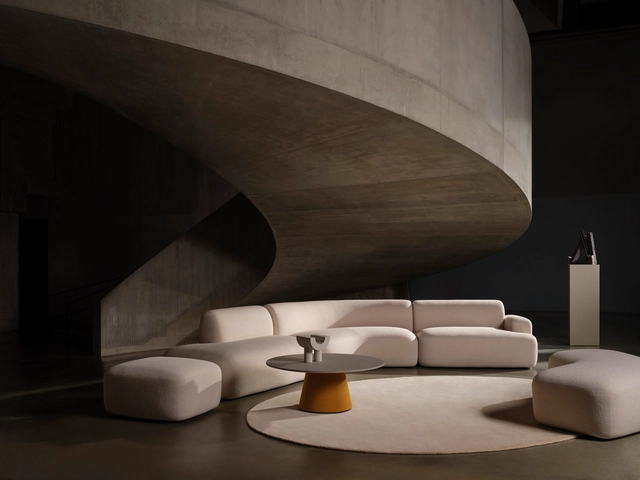
Several decades ago, British architects Alison and Peter Smithson were already exploring the relationship between the body, everyday experience, and space at an architectural scale. Since then, contemporary concepts of flexibility and comfort have expanded this framework to include other scales, such as furniture. These transformations have fostered the consolidation of modular seating systems whose flexibility and adaptability respond to diverse ways of living and relating to space. Emerging from this context are forward-thinking proposals, such as Beau's comprehensive range of seating and table units—an expansive modular seating system designed for multiple possibilities, with a significant emphasis on comfort and sensory appeal.
https://www.archdaily.com/1031877/an-expansive-modular-sofa-system-reimagining-comfort-beyond-sitting-onEnrique Tovar
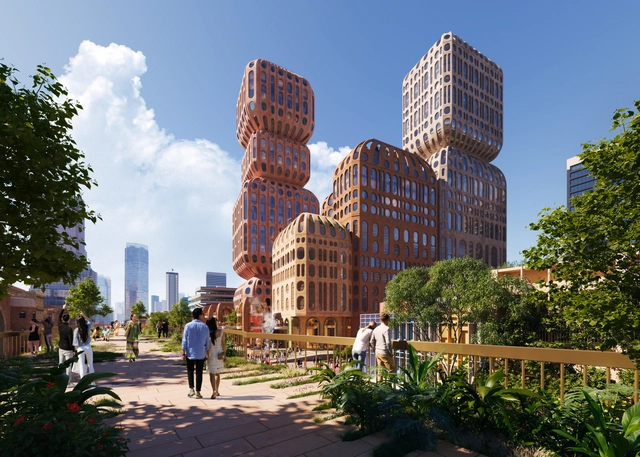
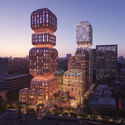
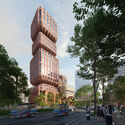
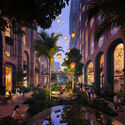
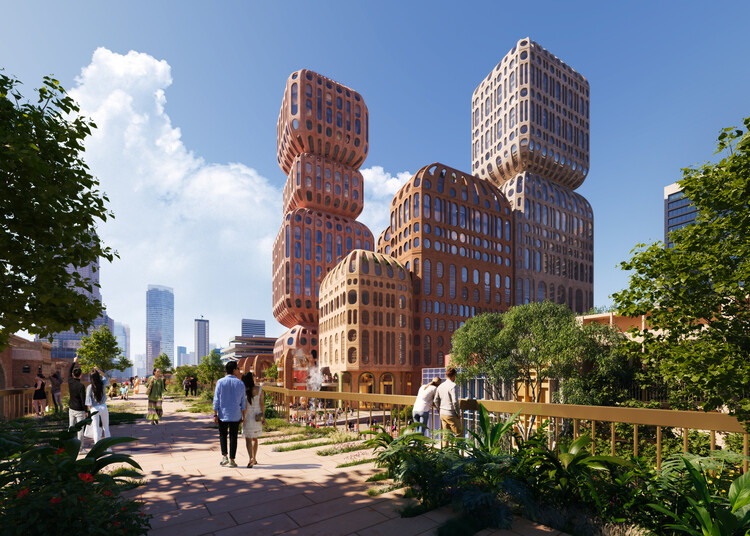
Heatherwick Studio has unveiled the first design images of Hatai, a new public space and two hotels in the heart of Bangkok's Silom district. The complex marks the studio's first project in Thailand and is located on the historic site of the original Narai Hotel, within a bustling business area. The project envisions 5,200 square metres of new public space, including elevated walkways and a publicly accessible ground level with retail and services. The building design draws inspiration from the craftsmanship of traditional Thai lanterns, featuring a series of stacked, rounded forms.
Architecture evolves, particularly in how it reflects the relationships between people, their behavior, and the environment. Even subtle variations in these dynamics can influence how we think and live in our communities. According to the World Bank, 56% of the population currently lives in urban environments, and it is estimated that by 2050 this number will reach 70%. This projection echoes the speed and magnitude of urban growth, posing challenges for architects and design firms, from the viability of buildings to the sustainability of the built environment, encompassing residential architecture and other typologies that influence daily life.
https://www.archdaily.com/1027788/case-studies-in-community-centered-living-innovative-residential-designEnrique Tovar
In early Mongolia, herders dismantle their yurt - a portable round tent made of felt or animal skin - in pursuit of new lands where they can raise their livestock. Not much further away is a digital nomad in Bali, preparing their next move into a co-living space in Ho Chi Minh City. Though separated by vast distances and cultural divides, these individuals are united by a timeless human desire - a quest mobility and adaptable living spaces. In light of geopolitical changes and emerging lifestyles, the demand for flexible residential architecture intensifies. In this era of increased mobility, is it enough for people alone to move, or will the buildings of tomorrow need to follow suit?
As we move past Thanksgiving and step into December, the festive season is fast approaching. This time of year brings celebrations, holidays, and travel plans into full swing. Particularly in the Northern Hemisphere, there is a strong association between end-of-year festivities and cold, snowy weather.
Among the many traditions that celebrate the season, one of the most logistically and architecturally challenging is arranging for the giant Christmas tree for Rockefeller Center in New York City. This spectacle of moving a 70+ foot, 10+ ton tree into one of the busiest city centers in the world continues to capture the holiday spirit annually.
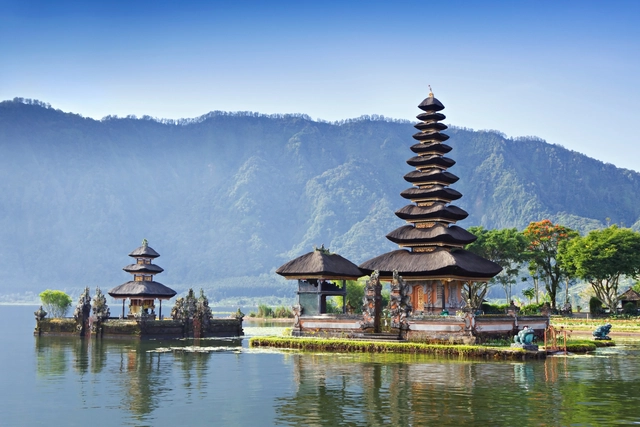
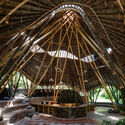
Bali might most commonly be associated with its beaches and leisure sector. Rightfully so, since the Indonesian province received more than 2.9 tourists this year alone. Along with the temporary visitors, Bali also houses some longer-term inhabitants and digital nomads, which contributed to its fast population increase. This has naturally affected its urban density and its need for additional accommodation and services, offering opportunities for some creative architecture and materials exploration.
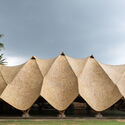
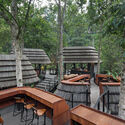
This often appears through the many bamboo-built projects, with the island being the stage for some of the oldest and most intricate bamboo vernacular construction. This knowledge can be transmitted to willing architects and professionals from all around the globe who seek to understand how this versatile material can be applied in their own countries. Many renowned global and local practices, such as IBUKU, and Bamboo U, have championed this ecologically aware architecture through their projects, which are always focused on nature preservation and the revival/ optimization of traditional building techniques.
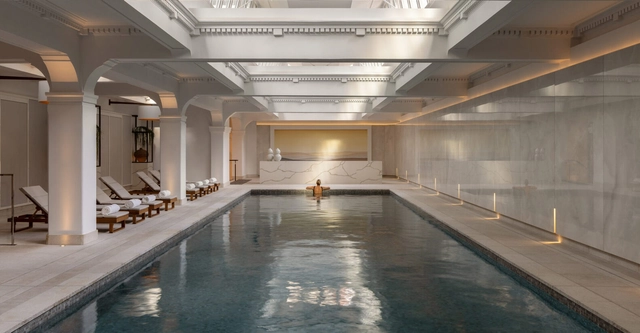
The evolution of new technologies, innovative applications, and a shift towards sustainable solutions are central to contemporary hotel architecture. These developments aim to raise awareness about environmental care while enhancing indoor comfort and well-being. From expansive resorts and tourist complexes to cabins and remote retreats, the design of common areas incorporates essential furniture for effective activities, proper climate control equipments, and wall and floor finishes that align with specific needs.
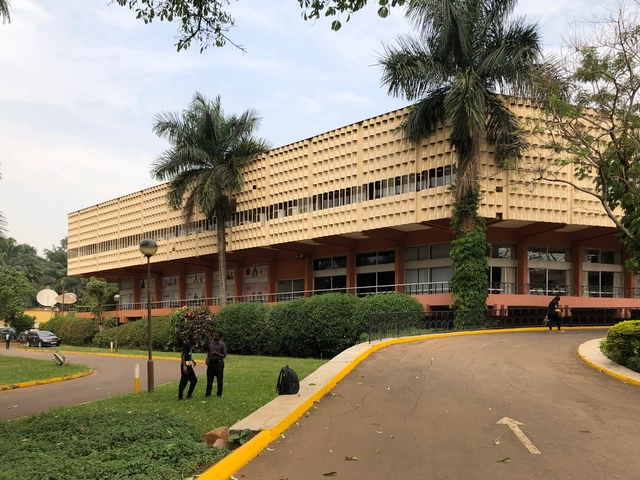
The middle of the Twentieth Century saw the independence of most countries on the African continent. Those euphoric times brought forward-looking sentiments and a wish to break with the past. As an architectural movement, Modernism was ideal for the day, and newly independent countries had extensive building programs to assert themselves as fully functioning nations.
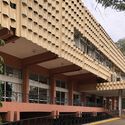
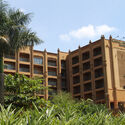
Hotels are one type of building that illustrates the complex architectural and political history of the times. Some were built specifically to host international delegations, others to boost tourism, while some were built as strong leaders' wishes. Although a marginal building type, several hotels across Africa stand as physical records of important parts of their respective country's history. Following an exploration of the histories of West Africa's Modernist Hotels, this second article turns to East Africa to uncover the ways in which this understated typology relates to larger histories of independence and national identity.
In a recent interview with ArchDaily, Sigurd Larsen, renowned for his innovative architecture practice, reflects on his journey and the evolution of his office. A significant player in shaping contemporary European architecture, Larsen shares insights into his career development, the current profile of his practice, and his approach to various types of projects.
Currently, Larsen's office is known for its diverse range of projects, including residential homes,hotels, and public spaces across Europe. "Our focus is on combining conceptual creativity with practical considerations," Larsen explained. Projects such as landscape hotels and public schools in Germany exemplify this approach, showcasing a blend of innovation and context-sensitive design.
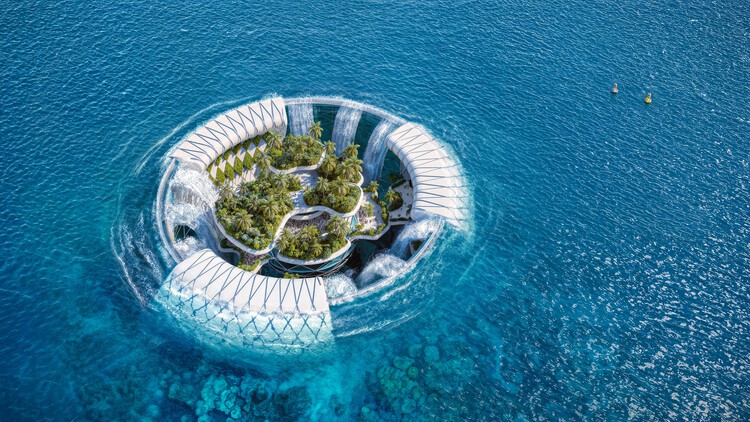
Water, fluid and dynamic in its nature, has long been an inspiration for architects and designers. From ancient civilizations to modern metropolises, the presence of water has shaped architectural schemes and urban landscapes. This elemental force provides aesthetic and sensory inspiration to the buildings that are built around it. Additionally, it poses challenges and different opportunities for problem-solving, particularly as rising sea levels demand a revaluation of coastal developments.
Whether it’s a restaurant overlooking the waters of the Aegean Sea or a hotel nestled along the coastline of Montenegro, architects worldwide embrace the proximity to natural bodies of water. These unbuilt projects, curated from submissions by the ArchDaily community, exemplify diverse architectural schemes that aim to harmonize with water surroundings. From the regenerative principles in the Chabahar Beach Cafe in Iran to a transformative master plan on a floating boat, each project uniquely aims to blend contextual elements with the human experience, resulting in different designs.
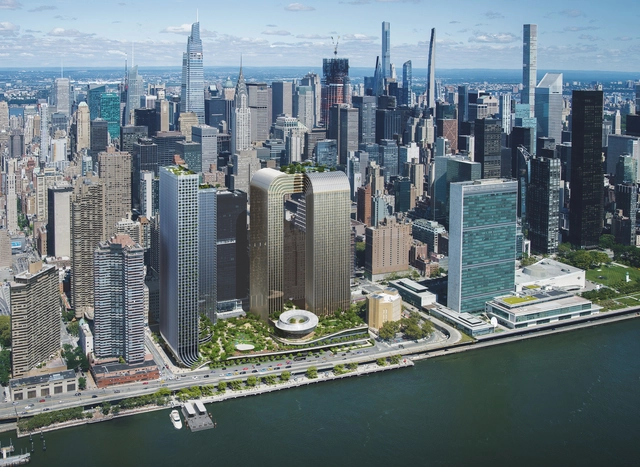
Located along Manhattan’s East River waterfront, the Freedom Plaza sets out to create a new civic and cultural hub, introducing a new open and green space in the crowded area, with plans to add an in-park Museum of Freedom and Democracy. Additionally, the scheme designed by BIG-Bjarke Ingels Group includes affordable housing units, two hotels, retail, and restaurants. Developed by Soloviev Group and Mohegan, the Freedom Plaza development reimagines one of the largest undeveloped plots in Manhattan, measuring 6.7 acres located south of the United Nations headquarters in the Midtown East neighborhood.
On a site that also hosts the Olympic Sports Centre, the 2023 Asian Games complex, UNStudio has unveiled the design of the new Hiwell Amber Centre, a complex of four high-rise towers planned to add a mix of offices, apartments, hotels, art spaces and retail to the city center of Hangzhou, China. Responding to the area’s rapid economic and cultural growth, the new development aims to provide a wide range of services to residents and visitors alike. To open up towards the city, the smooth glass curtain wall of the towers peels apart to reveal a tapestry-like facade that envelops the main plazas and civic spaces, creating an ‘urban living room.’
Kagi Maldives Spa Island / Yuji Yamazaki Architecture. Image Cortesía de Kagi Maldives Spa Island
The Maldives is a sovereign island country located in the Indian Ocean, organized into 26 atolls. It comprises 1,200 islands of which 203 are inhabited; it is located 450 km from India and is considered a micro-state since its extension is only 298 square kilometers. Its capital and most populated city is Malé, with a population of 103,693 inhabitants. It has a tropical and humid climate and is the least populated country in Asia. The archipelago is composed of about 1,190 coral islands grouped in a double chain of 26 atolls, following a north-south direction, occupying an area of about 90,000km, making it one of the most dispersed countries in the world.
No matter how long, how far, or how restful a trip away is, one of the most relaxing moments of any vacation is when you get home. When every muscle in the body relaxes as you collapse into your own chair, greeted by the comforting features of a home you didn’t previously realize you missed.
After the rise of Airbnb and other likeminded travel accommodation sites and services, providing real homes –or at least characterful spaces dressed up as them– to travelers searching for more familial home comforts, hoteliers, designers, and architects are taking note, and implementing features that turn the hotel room into a home away from home.
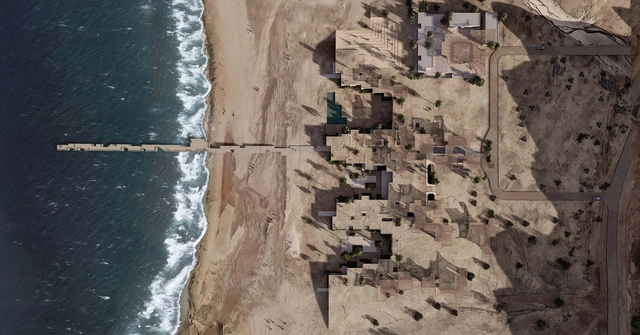
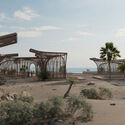
The Developer Red Sea Global has partnered with the wellness brand Clinique La Prairie to develop a high-end health resort in Amaala, located on the northwest coastline of Saudi Arabia. The resort will host 13 villas and 52 houses and suites. It will also feature a diagnostics lab, a museum, a beach club, workshops, training rooms, private dining spaces, and a cooking school, activities that ensure that the visitors embark on a journey of rejuvenation and self-discovery.