-
Architects: GLA, LYCS Architecture
- Area: 75859 m²
- Year: 2026


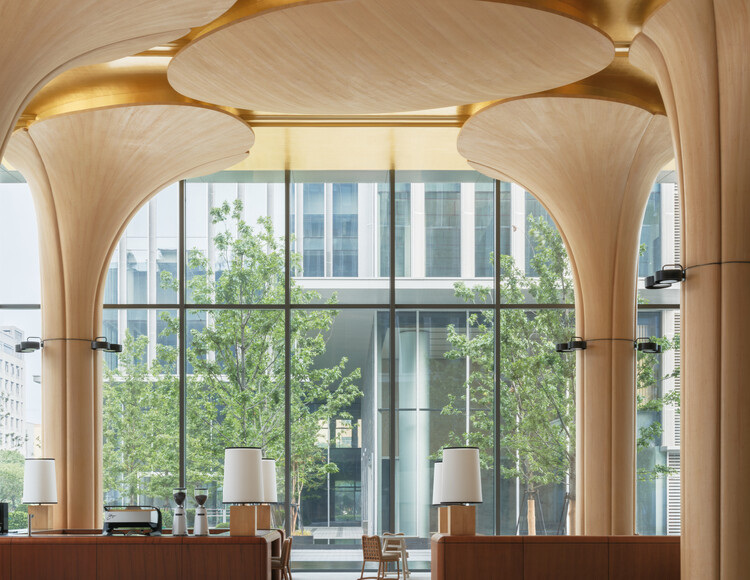
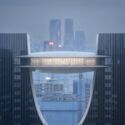
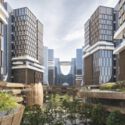
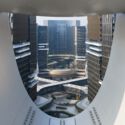
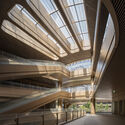
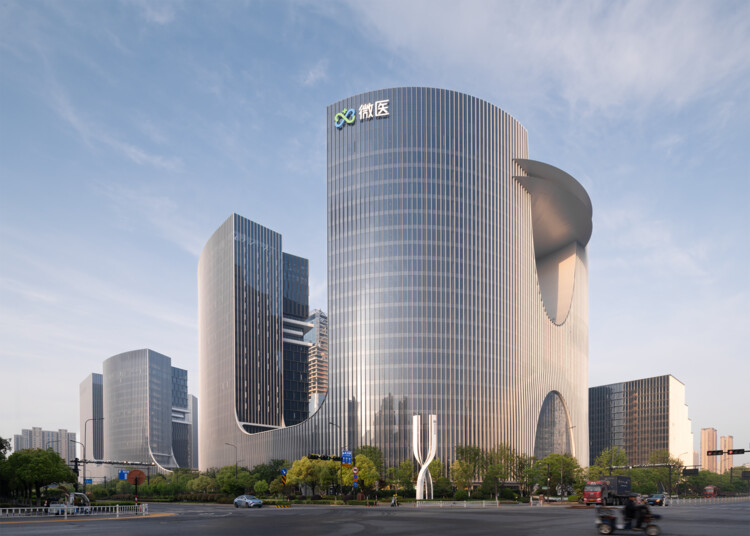
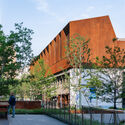
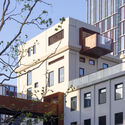
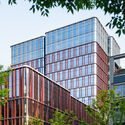
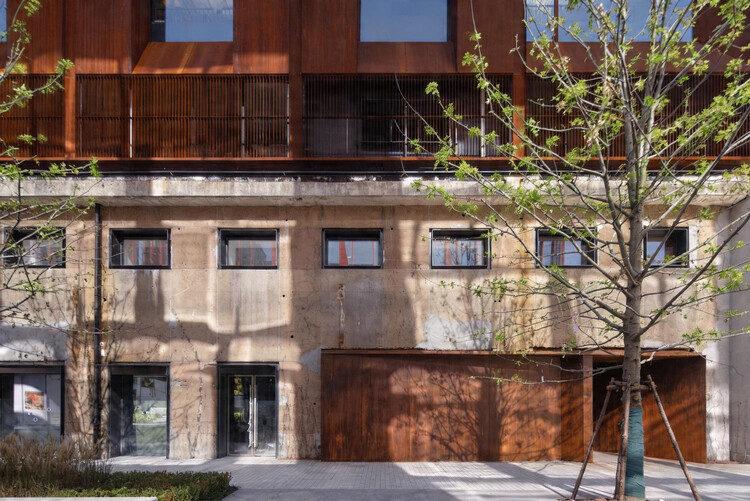
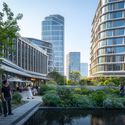
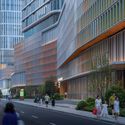
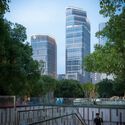
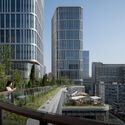
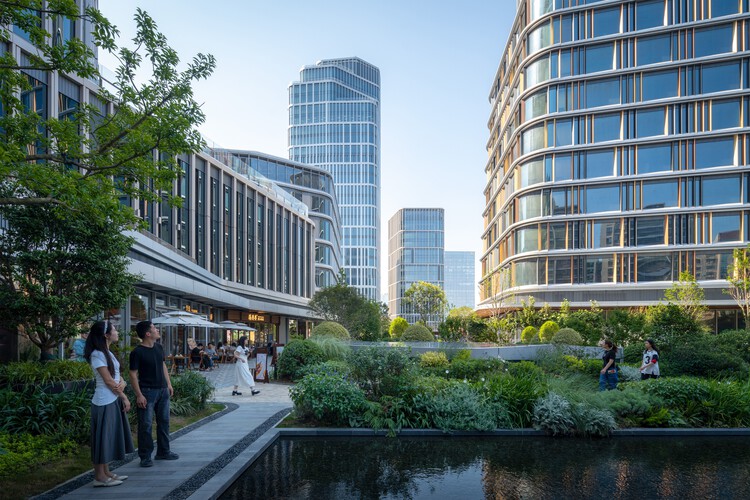
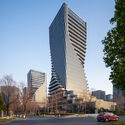
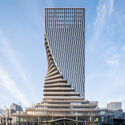
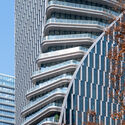
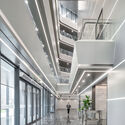
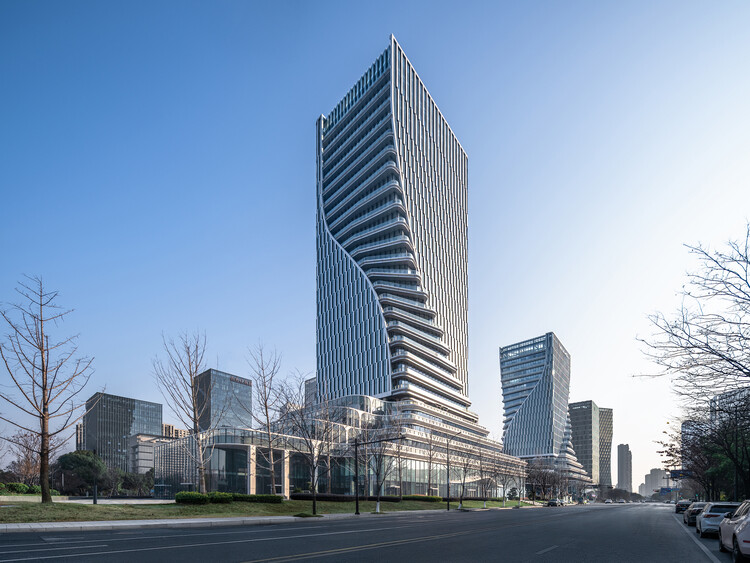
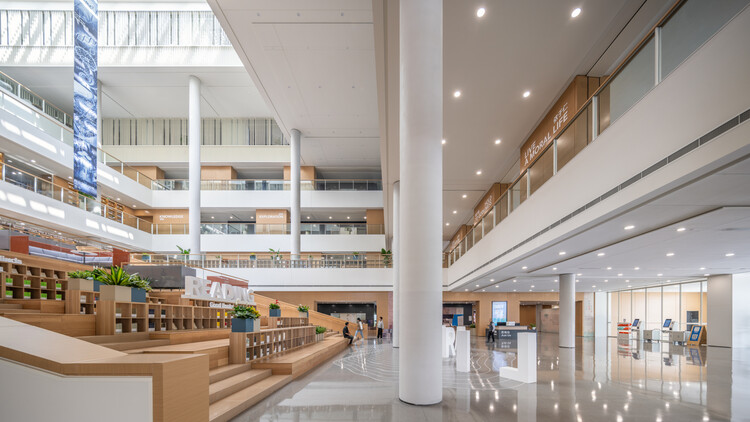
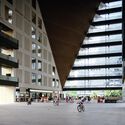
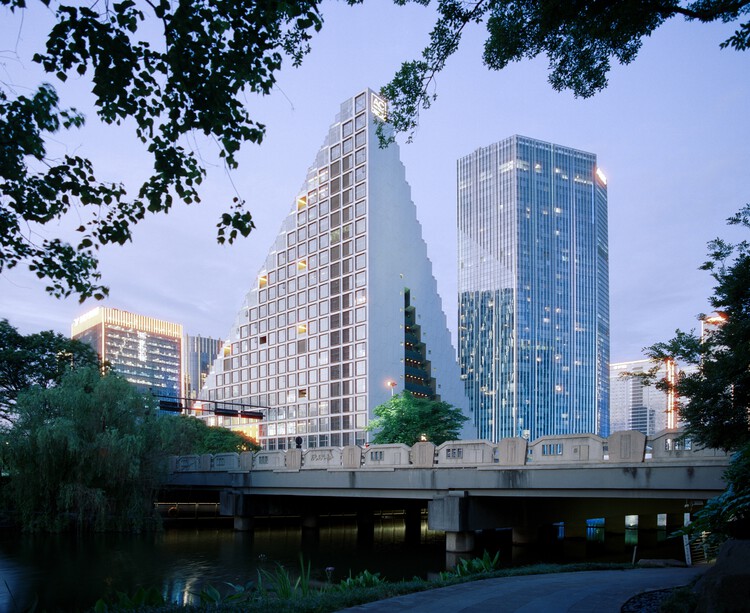
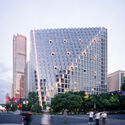
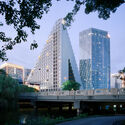
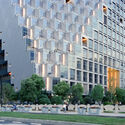
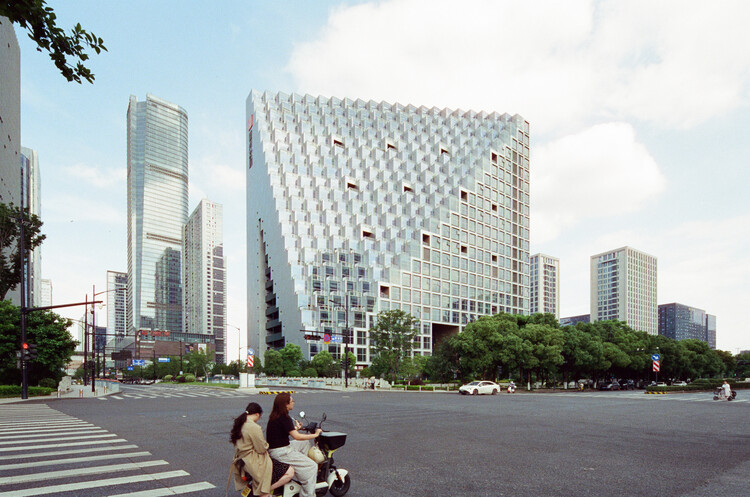
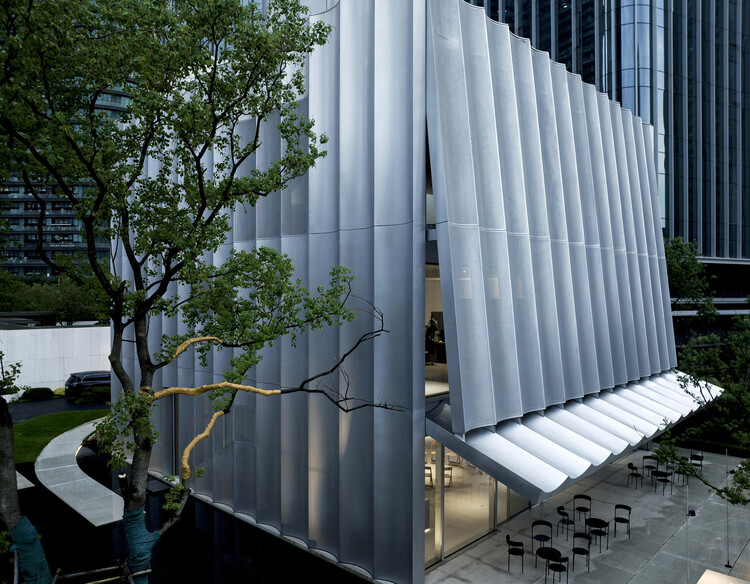
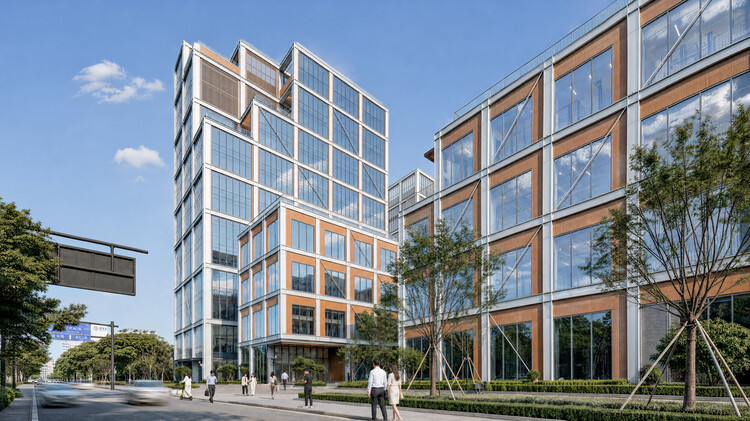
OMA has completed the Hangzhou Prism, a large-scale mixed-use development in Hangzhou's Future Tech City district, China, following a design and development process that began in 2016. Commissioned by Xinhu Real Estate Group and led by OMA Partner Chris van Duijn, with Michael Hadjistyllis serving as project architect, the project combines residential units, a hotel, offices, commercial spaces, and public amenities within a single building volume. Marking OMA's first completed project in Hangzhou, the development occupies a central site within one of the city's emerging innovation and business districts.


This week's news landscape brought together diverse approaches to built and cultural heritage, ranging from the design of a Museum of Jesus' Baptism at a UNESCO World Heritage Site in Jordan to major transformations of modern industrial sites and the development of major cultural districts. The World Monuments Fund's support for 21 locally led heritage projects foregrounds conservation strategies that reinforce the role of architecture in safeguarding both material and intangible heritage. Across this week's highlighted projects, adaptive reuse, landscape integration, and the reconfiguration of civic space emerge as recurrent strategies for extending the life and relevance of existing built environments. The projects also reflect broader contemporary concerns, including material research in timber construction, zero-waste urban installations, large-scale residential efficiency, and infrastructure upgrades linked to global events like the Olympic Games. Framing these developments within a wider territorial perspective, discussions on relocating capital cities worldwide offer an example of how geopolitical discourses continue to shape architecture, revealing the evolving relationship between the built environment and structures of power over time.


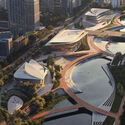
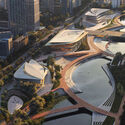
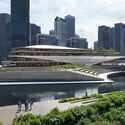
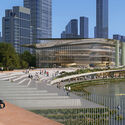
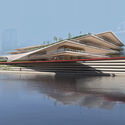
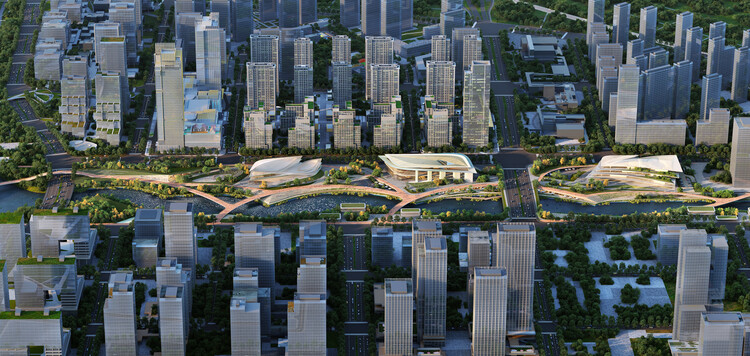
Zaha Hadid Architects has released images of its design for the redevelopment of the waterfront along the Zhedong Canal in Hangzhou's Xiaoshan District, China. The Qiantang Bay Central Water Axis project envisions a sequence of landscaped parklands, terraces, and gardens along the canal basin, proposing the transformation of former industrial areas into a green corridor extending toward the city center. The proposal adds to other recent design initiatives in the area, including Snøhetta's Qiantang Bay Art Museum, planned at the confluence of the Qiantang River and the Central Water Axis, as well as Zaha Hadid Architects' Grand Canal Gateway Bridge, a pedestrian bridge intended to connect the firm's 800,000-square-meter Seamless City masterplan on the east and west banks of the Grand Canal.