

-
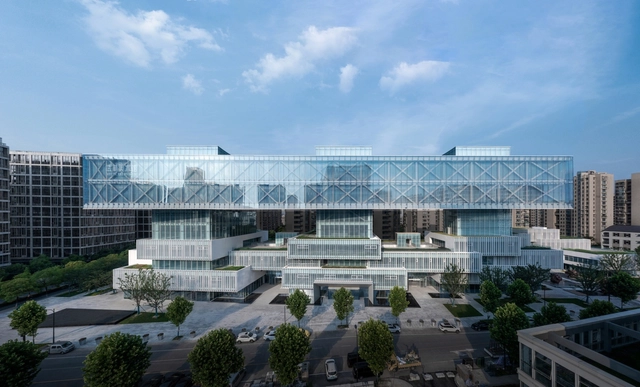
Architects: Atelier FCJZ
- Area: 18000 m²
- Year: 2023
-
Professionals: TJAD-Architectural Lighting Studio


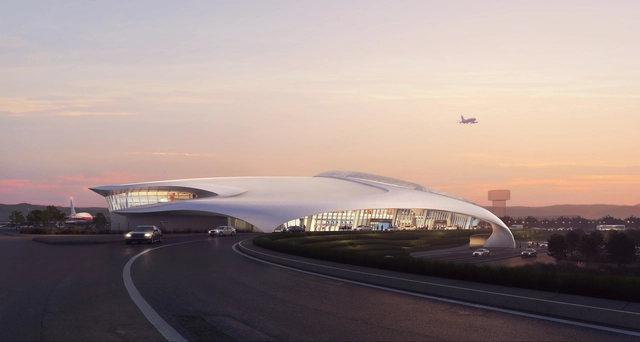
MAD Architects has just unveiled the design for Lishui Airport in China. Dubbed the "forest city,” Lishui is known for its green landscapes and valleys in the Southwest Zhejiang Province. Situated amidst hilly terrain, approximately 15 kilometers southwest of the city, the airport is envisioned as a domestic, regional transportation hub seeking to harmonize with the natural surroundings.
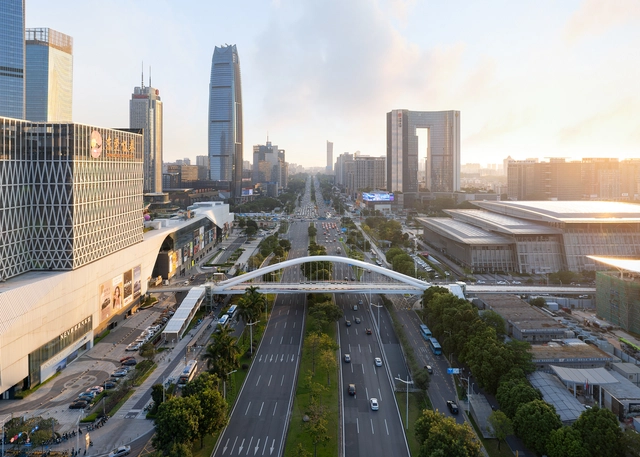
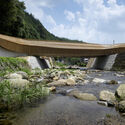
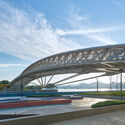
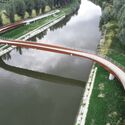
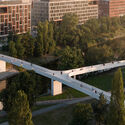
In a city, celebrating the act of walking has become a form of non-traditional planning. In the age of cars, challenging the dominance of vehicular transportation by championing the pedestrian experience is not very common. For this reason, pedestrian bridges worldwide stand as symbols of connectivity and architectural ingenuity. These soaring structures embody the urban experience for its core user: the pedestrian. Although the structures began as practical solutions to traffic management, they have evolved into iconic landmarks and pivotal components of city planning.
The significance of these projects represents a shift towards human-centric design in urban landscapes. The Kusugibashi Bridge in Japan, rebuilt by Kengo Kuma & Associates symbolizes resilience, while the Hangzhou Riverfront Public Space’s Silk Bridge showcases urban connectivity through revitalizing the waterfront. The Donnguan Central Area Slow-Traffic Bridge addresses connectivity and greenery, and SBE NV’s Vlasburg Bridge dedicates itself to enhanced water routes for the community. Collectively, these bridges drive urban revitalization into the future, emphasizing sustainability and integrating with community needs.
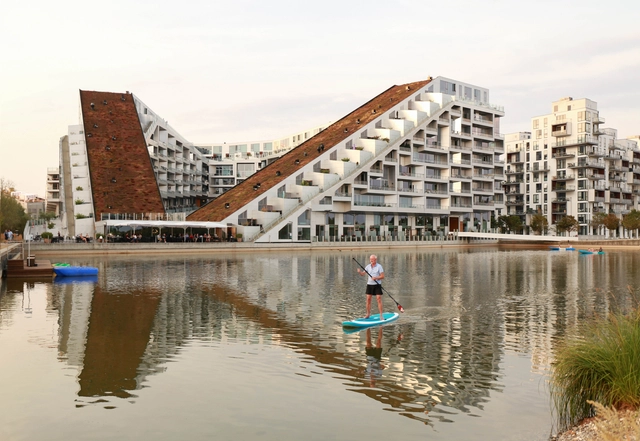
In the rapidly evolving landscape of the 21st century, cities have emerged as models of innovation in terms of sustainable development goals. Cities creatively address pressing urban challenges, including density, transportation, housing, and resilience. They hold the potential to pioneer a comprehensive climate agenda, serving as laboratories for sustainable initiatives, cross-sectoral innovations and community-oriented strategies. Cities act as catalysts for revolutions, implementing impactful solutions that can be applied worldwide.
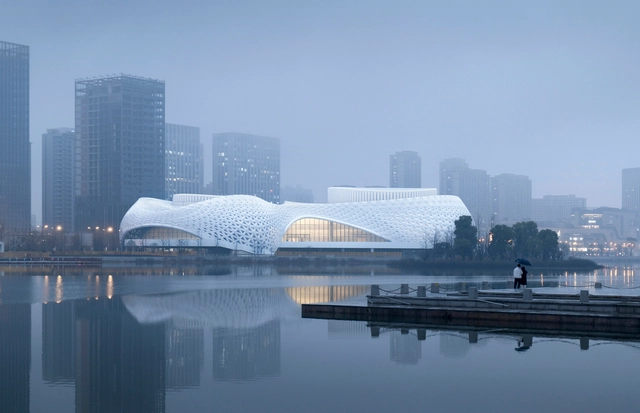
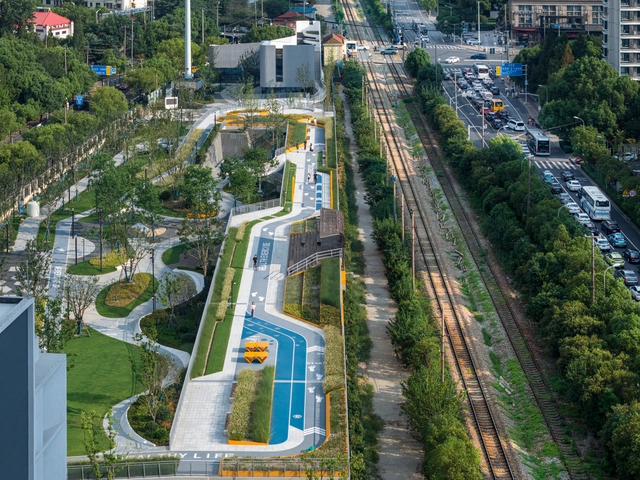
In the dynamic landscape of contemporary urban development, public architecture is an essential force in reshaping cities. In fact, this element of urban regeneration can revitalize economies and reactivate surrounding commercial schemes. In this transformative era, cities across China have evolved into financial hubs, attracting world-renowned firms and architects who are redefining these skylines. In turn, these metropolises become embodiments of future innovation and lifestyle.
China's cities have become centers of modernity as a result of its explosive prominence in the world economy. These cities have become magnets for architectural marvels that go beyond simple functionality, from Shanghai's ceaseless reinvention to Beijing's cultural renaissance and Shenzhen's undeniable emergence as a global center in technology, research, manufacturing, business, economics, finance, tourism, and transportation, complete with the Port of Shenzhen, the world's fourth busiest container port. Overall, these cities are a crucial gateway in understanding the developing dynamics in metropolitan environments.
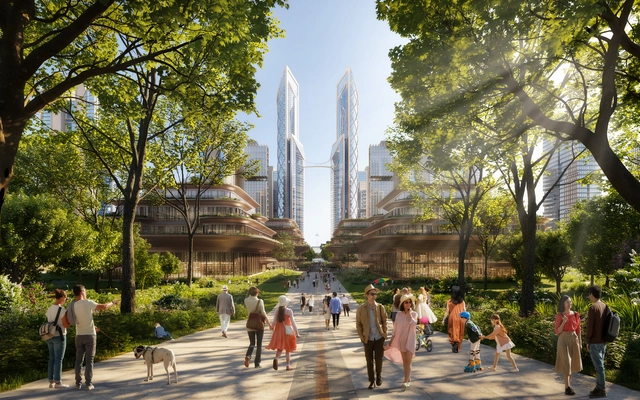
Foster + Partners has been selected as the winner of an international competition to design a new center for Hangzhou, the capital of China's Zhejiang province. The master plan envisions a green and interconnected mixed-use quarter situated in the heart of the Yuhang District. In its essence, the project aims to foster a strong connection between nature and people’s daily lives, creating a sustainable urban quarter.
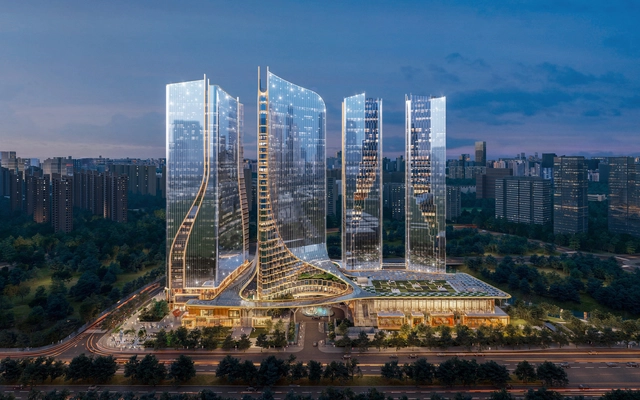
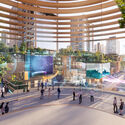
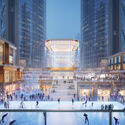
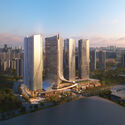
On a site that also hosts the Olympic Sports Centre, the 2023 Asian Games complex, UNStudio has unveiled the design of the new Hiwell Amber Centre, a complex of four high-rise towers planned to add a mix of offices, apartments, hotels, art spaces and retail to the city center of Hangzhou, China. Responding to the area’s rapid economic and cultural growth, the new development aims to provide a wide range of services to residents and visitors alike. To open up towards the city, the smooth glass curtain wall of the towers peels apart to reveal a tapestry-like facade that envelops the main plazas and civic spaces, creating an ‘urban living room.’