1. ArchDaily
  2. Urban revitalization

Urban revitalization: The Latest Architecture and News

Material Memory: What We Lose When We Demolish Buildings

 | In Collaboration

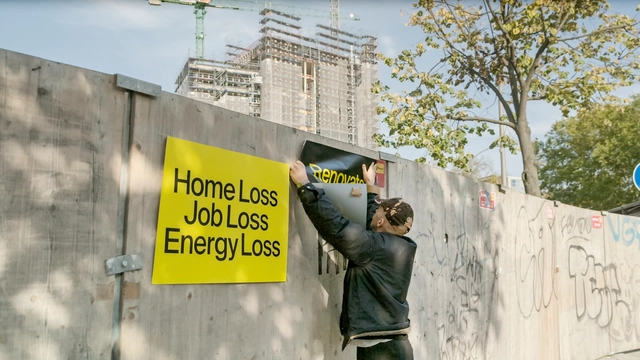
Concrete, steel, wood, glass. Every year, millions of tons of construction materials are discarded, piled up in landfills, and silenced beneath the weight of the next building. Entire structures disappear to make way for others, restarting a voracious cycle of resource extraction, material production, and replacement. Along with the debris that accumulates, something deeper is also lost: time, human labor, stories, and the collective memory embedded in matter. At a time when climate goals demand reducing emissions and extending the lifespan of what already exists, demolition is increasingly recognized as a form of urban amnesia, one that erases not only cultural continuity but also the embodied energy of buildings. And even though it is often said that the most sustainable building is the one that already exists, that principle rarely survives when other interests come into play.
Libraries as Urban Acupuncture: Small Interventions, Big Impact in Asia

Subscriber Access | 

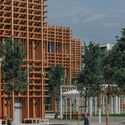
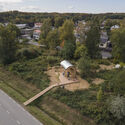
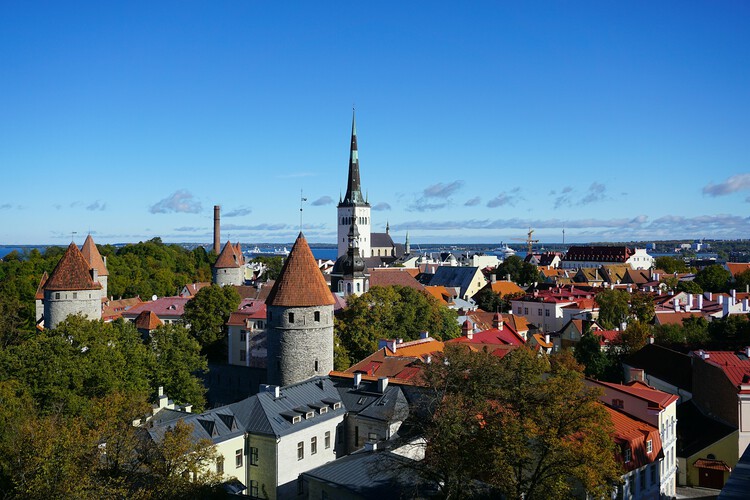
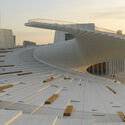
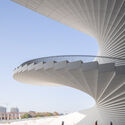
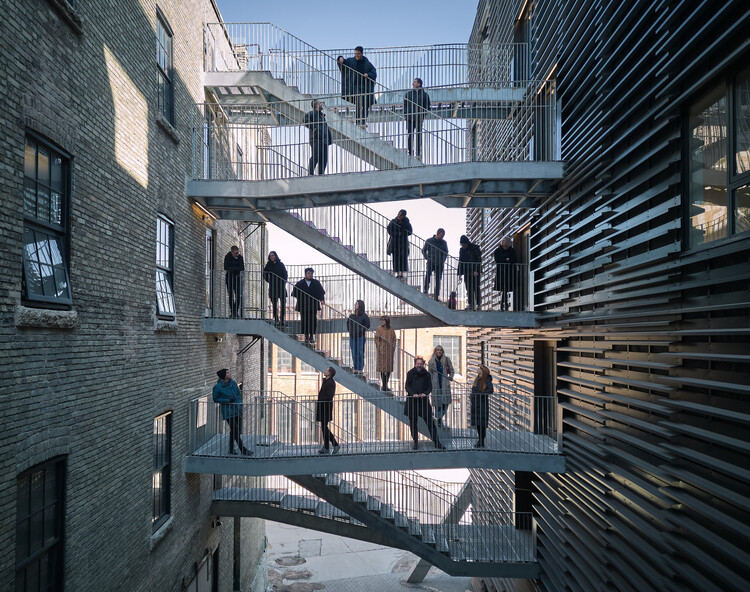
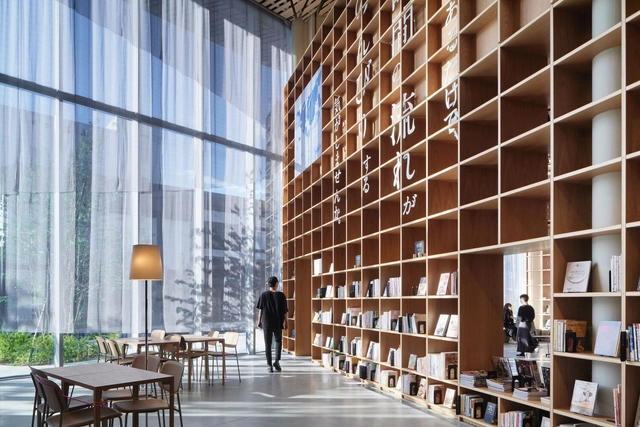
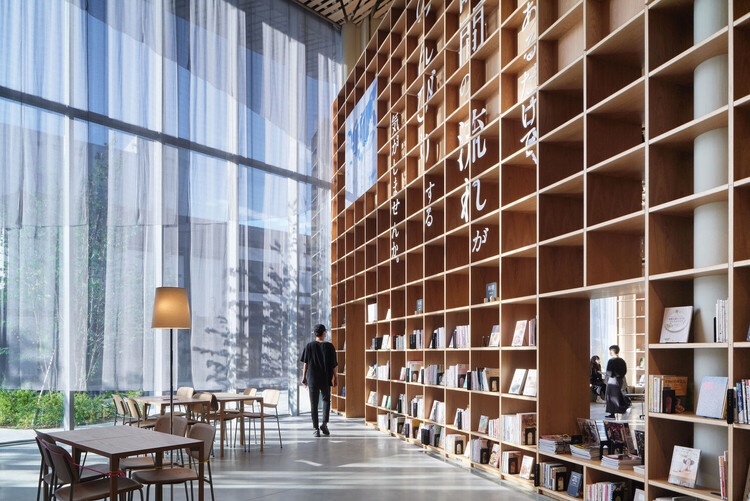
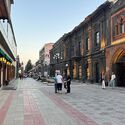
In traditional Chinese medicine, acupuncture works through strategically placed needles that trigger healing throughout the entire body. Urban planner Jaime Lerner's concept around targeted architectural interventions find success in China as well as neighboring countries in Asia, where localities are revitalized through simple interventions. Libraries, specifically, are bringing in social, cultural, and economic transformation to the continent.

Libraries as Urban Acupuncture: Small Interventions, Big Impact in Asia - Image 1 of 4Libraries as Urban Acupuncture: Small Interventions, Big Impact in Asia - Image 2 of 4Libraries as Urban Acupuncture: Small Interventions, Big Impact in Asia - Image 3 of 4Libraries as Urban Acupuncture: Small Interventions, Big Impact in Asia - Image 4 of 4Libraries as Urban Acupuncture: Small Interventions, Big Impact in Asia - More Images

BIG Wins Competition to Transform Three Urban Plazas into an Interconnected 'City Stage' in Copenhagen, Denmark

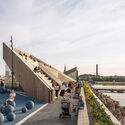
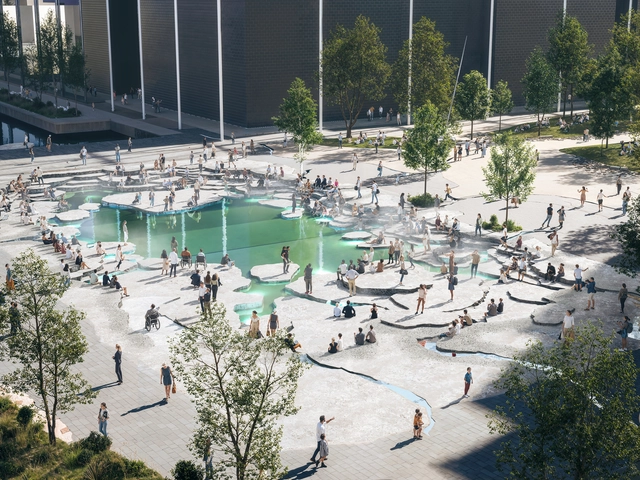
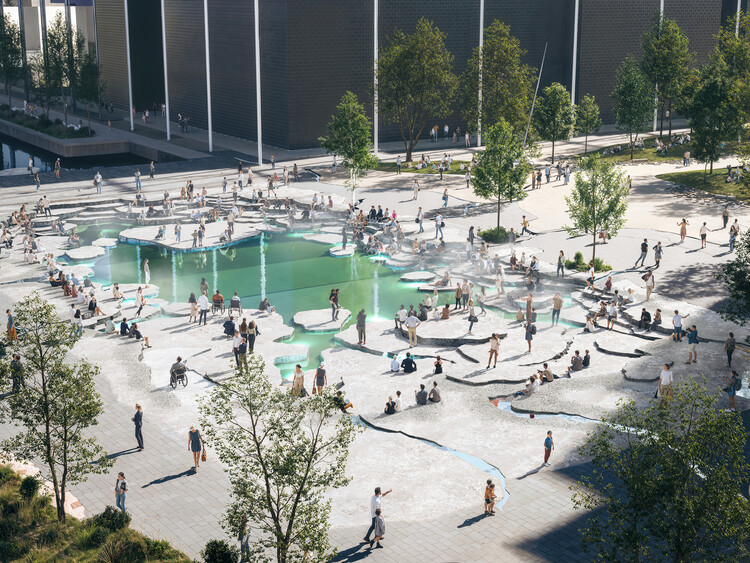
BIG, artist Doug Aitken Workshop, NIRAS, Volcano, and RWDI have won a competition to redesign three public spaces surrounding major music venues in Ørestad, Copenhagen. The initiative, titled Byens Scene ("The City's Stage"), aims to revitalize the areas around DR Koncerthuset, Bella Arena, and Royal Arena, transforming them into an interconnected landscape for everyday use and public performances.

BIG Wins Competition to Transform Three Urban Plazas into an Interconnected 'City Stage' in Copenhagen, Denmark - Imagen 1 de 4BIG Wins Competition to Transform Three Urban Plazas into an Interconnected 'City Stage' in Copenhagen, Denmark - Imagen 2 de 4BIG Wins Competition to Transform Three Urban Plazas into an Interconnected 'City Stage' in Copenhagen, Denmark - Imagen 3 de 4BIG Wins Competition to Transform Three Urban Plazas into an Interconnected 'City Stage' in Copenhagen, Denmark - Imagen 4 de 4BIG Wins Competition to Transform Three Urban Plazas into an Interconnected 'City Stage' in Copenhagen, Denmark - More Images+ 19

Grand Palais in Paris Reopens Following the Restoration by Chatillon Architectes

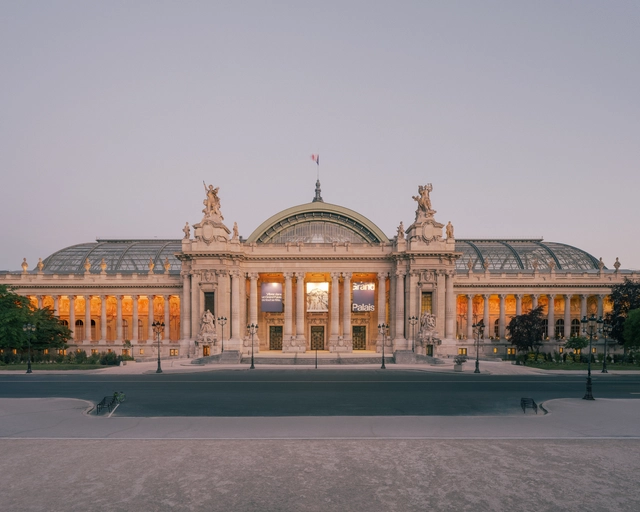
The Grand Palais in Paris has reopened to the public after the most comprehensive renovation in its 120-year history, led by Paris-based Chatillon Architectes. Originally built for the 1900 Universal Exhibition, the Grand Palais has long stood as a symbol of French cultural excellence, technical ingenuity, and architectural ambition. Following the reveal of the restored Nave for the 2024 Paris Olympics, the entire 77,000-square-meter building has now been renewed to enhance spatial clarity, restore original volumes, and transform the visitor experience. The project introduces expanded public access, new exhibition spaces, restaurants, and improved circulation, while remaining rooted in the building's architectural legacy.

Grand Palais in Paris Reopens Following the Restoration by Chatillon Architectes - Image 1 of 4Grand Palais in Paris Reopens Following the Restoration by Chatillon Architectes - Image 2 of 4Grand Palais in Paris Reopens Following the Restoration by Chatillon Architectes - Image 3 of 4Grand Palais in Paris Reopens Following the Restoration by Chatillon Architectes - Image 4 of 4Grand Palais in Paris Reopens Following the Restoration by Chatillon Architectes - More Images+ 13

National Athletics Centre – Transforming Budapest's Rust Belt into a Vibrant Community Space

 | Sponsored Content

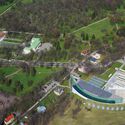
The National Athletics Centre in Budapest marks a significant milestone in urban regeneration and architectural innovation. Located on a former industrial site along the Danube, this transformative project revitalizes a neglected brownfield into a vibrant hub for sports, recreation, and community engagement. Designed by Marcel FERENCZ, architect at NAPUR Architect Ltd., with landscape design created by S-TÉR and several hundred pieces of furniture from VPI Concrete, the Centre is a cornerstone for connecting North Csepel to the city and fostering urban development.