1. ArchDaily
  2. Workspace

Workspace: The Latest Architecture and News

Introducing hushGuide: The Complete Handbook for Designing High-Performance Offices with Acoustic Booths

 | Sponsored Content

One challenge connects every office: noise. HushGuide is a new resource from Hushoffice that takes on this ubiquitous design problem headfirst with clarity and detail. It offers a roadmap for fine-tuning any workplace into a quieter, healthier, more productive space using acoustic pods and complementary furnishings, thoughtfully planned. From step-by-step advice to technical guidelines and visual layout strategies, the guide bridges vision with implementation, promising to help architects, designers, and facility managers bring acoustic balance to their own office ecosystems.

Architecture Now: Designing Future-Ready Spaces for Work, Culture, and Public Life

Subscriber Access | 

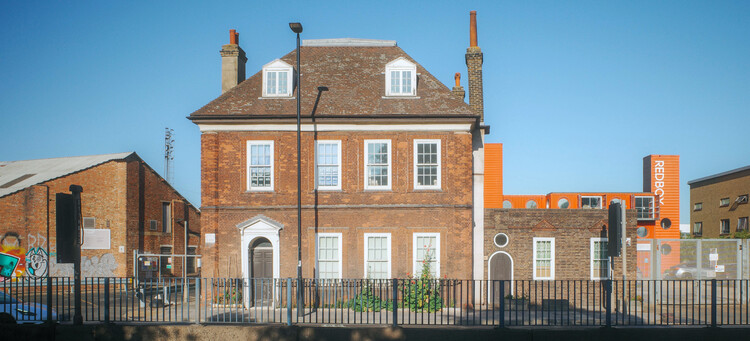
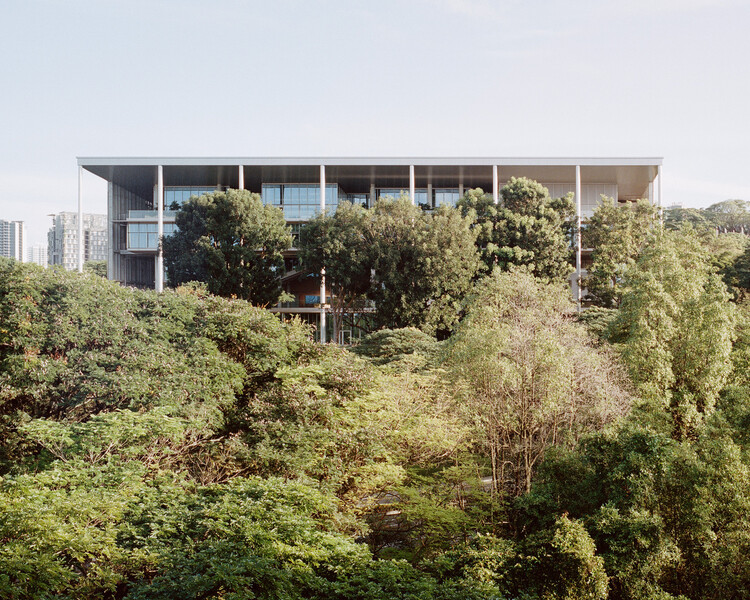
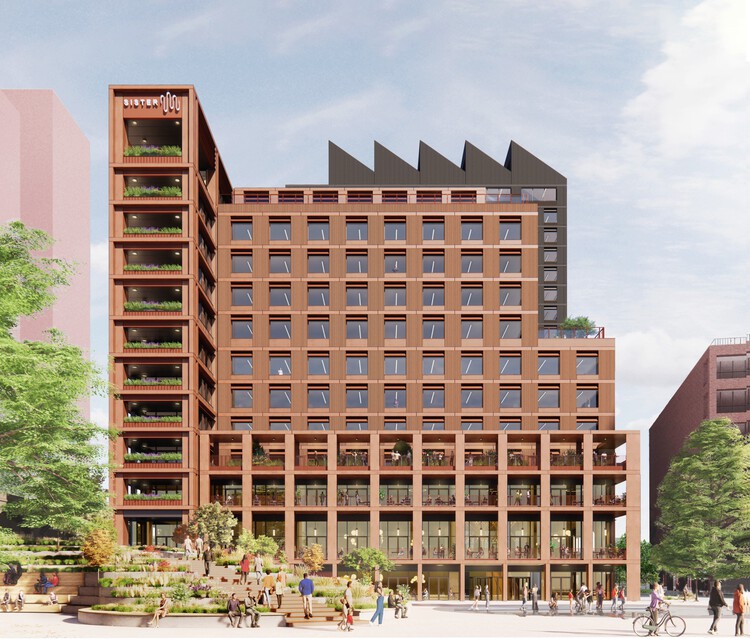
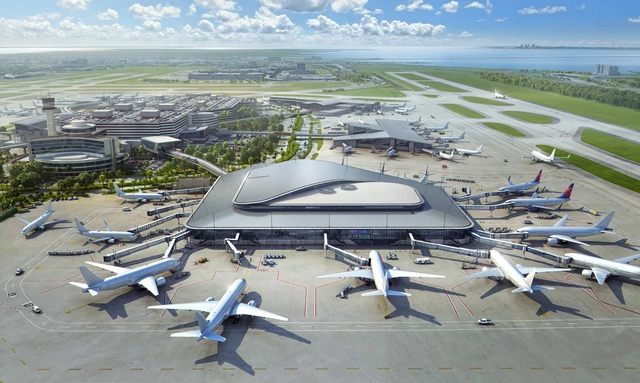
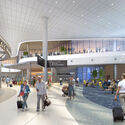
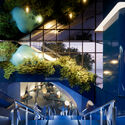
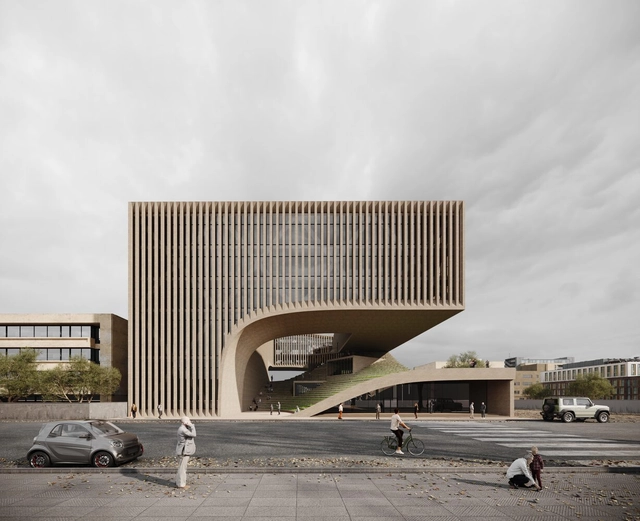
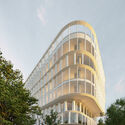
From Bangkok to Billund, a new wave of architectural project announcements is reshaping how spaces for work, culture, mobility, and public life are conceived. Across Norway, Thailand, the United States, Denmark, Australia, and Thailand, these projects reflect an increasing emphasis on technological integration, sustainable construction, and flexible, future-ready environments. Whether designing production hubs for digital creators, adaptable media campuses, or civic landscapes layered with history and ecological intent, each scheme offers insight into how architecture is evolving to support emerging industries, cultural programming, and new forms of public engagement. This edition of Architecture Now brings together a selection of recently announced projects that highlight the intersection of design, technology, and innovation in a global context.

Architecture Now: Designing Future-Ready Spaces for Work, Culture, and Public Life - Image 1 of 4Architecture Now: Designing Future-Ready Spaces for Work, Culture, and Public Life - Image 2 of 4Architecture Now: Designing Future-Ready Spaces for Work, Culture, and Public Life - Image 3 of 4Architecture Now: Designing Future-Ready Spaces for Work, Culture, and Public Life - Image 4 of 4Architecture Now: Designing Future-Ready Spaces for Work, Culture, and Public Life - More Images+ 10

The Role of Aesthetics in Modern Office Design: Insights from the XYZ Collection

 | Sponsored Content

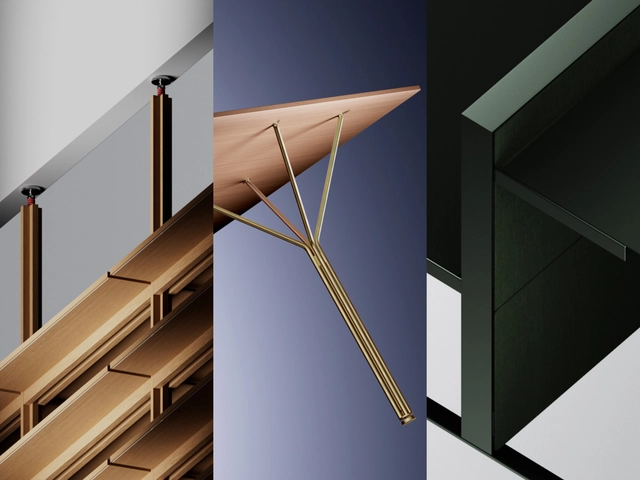
In today's rapidly changing professional landscape, the office is no longer a static environment. As companies continue to embrace hybrid working models and flexible teams, the need for adaptable, people-centric workspaces has never been greater. In collaboration with Foster + Partners Industrial Design, UniFor has responded to this shift with the XYZ collection, a suite of modular, versatile furniture designed to meet the dynamic needs of contemporary workplaces.

The collection features three key products: the X Shelving System, the Y Table, and the Z Desk—each designed to support a range of working styles while maintaining a harmonious visual language.

A Chair's Anatomy: The Ergonomics of Anti-Gravity Office Seating

 | Sponsored Content

Sitting for extended periods is an everyday reality in many workspaces, which can lead to a dangerously sedentary working day. This makes office chair design a crucial element for both productivity and overall well-being. Ergonomic design takes into account the human body's needs, including posture, comfort, support, and health. A good ergonomic chair is adjustable, allowing for better control and customized settings that support the spine and promote a natural position for the body's joints. An even better ergonomic chair employs technology to accommodate all seating nuances—including occasional slouching, neck rest, and continuous hip movements, among others—, helping to maintain good body posture at all times.

Micro-Office Spaces for the Modern Small Business

Subscriber Access | 

The traditional office space of the 20th century, with its huge filing cabinets, industrial-strength printers, and high-capacity meeting rooms, is no longer the only way to do business. As technologies such as cloud computing, video conferencing, and AI make our working lives simpler, all we really need is a flat surface and a wifi password.

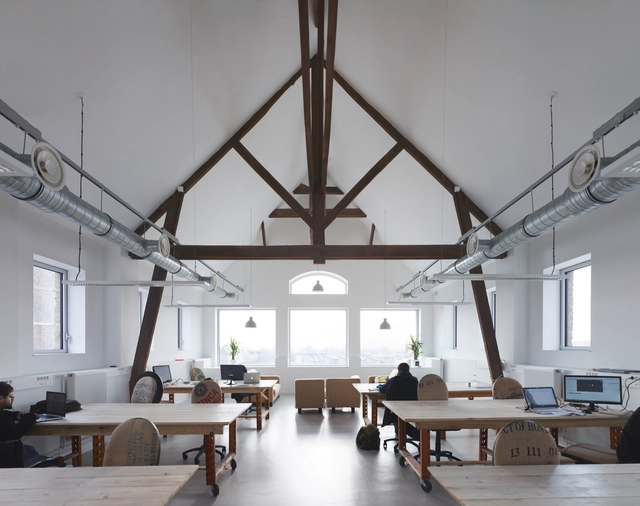
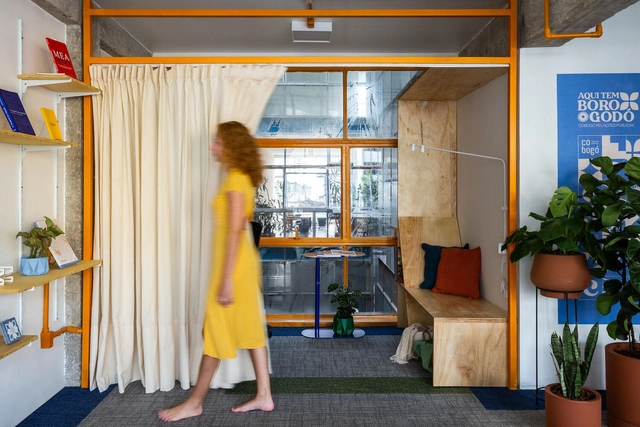
In a commercial climate where even the largest companies pay as much notice to their social media accounts as their share price, it’s never been easier for small businesses to compete, but finding suitable office space for single-digit employers can be hard. These four small-scale workplaces show how, by keeping things small, they can do more with a lot less.

Designing Meeting Rooms for the Contemporary Office: Partitions, Seating, Tables and Lighting

 | Sponsored Content

“Two brains are better than one,” goes the old saying. And with good reason. As the social beings that we are, humans thrive through interpersonal interactions and the dynamic exchange of ideas. It is these collective thoughts that tend to flourish, evolve and reach their full potential, fueled by a diversity of perspectives and experiences. That is precisely why teamwork stands as one of the most valued pillars of any working environment, and also explains why office workers spend an average of 37% of their time every week sitting in meetings. It’s no surprise then that modern office settings embrace meeting rooms as designated spaces for collaborative ideation and decision-making. But not in the way many might imagine. Gone are the days of bland conference rooms with nothing but a large table, uncomfortable chairs and white walls, giving way to new, more innovative models that respond to a shifting paradigm.

Henning Larsen Designs Largest Timber Logistics Center in Lelystad, Netherlands

Henning Larsen has revealed the designs for Europe’s largest timber logistics center. Located in Lelystad, on the Dutch island of Flevopolder, the center is a testament to the future of timber structures. Serving as Bestseller’s new 155,000 sqm Logistics Center, the design is committed to reduced emissions, fair working conditions, and following circular design principles in order to minimize waste.

Henning Larsen Designs Largest Timber Logistics Center in Lelystad, Netherlands - Image 1 of 4Henning Larsen Designs Largest Timber Logistics Center in Lelystad, Netherlands - Image 2 of 4Henning Larsen Designs Largest Timber Logistics Center in Lelystad, Netherlands - Image 3 of 4Henning Larsen Designs Largest Timber Logistics Center in Lelystad, Netherlands - Image 4 of 4Henning Larsen Designs Largest Timber Logistics Center in Lelystad, Netherlands - More Images+ 5

4 Ways to Bring Biophilia Into the Urban Workspace

Subscriber Access | 

Biophilic office design is not just a passing trend. It rather represents a seismic shift in how we design and build our office spaces and work environments, with every employer from multi-national giants of the industry to two-person bedroom startups getting on board. But this weighed-down bandwagon of empathetic, wellness-focused workspace still has plenty of room on the back.

Spanish Women Architects Who are Redefining Workspaces

Subscriber Access | 

From assigned cubicles to open plan coworks, workspaces have been transforming their design strategies following society’s changing lifestyles. While traditional layouts encouraged more independent work (avoiding social distractions), adjusting to new technologies and ways of thinking has enhanced productivity while respecting communication, wellness consciousness and the benefits of feeling comfortable at work.

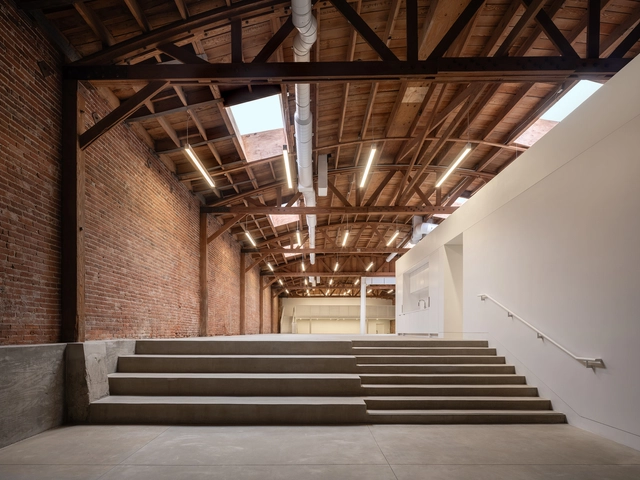
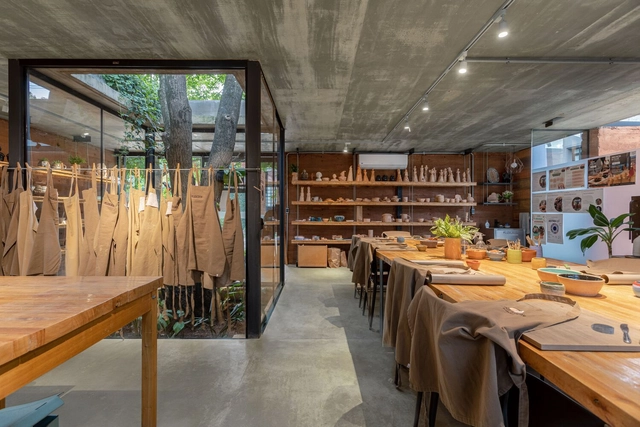
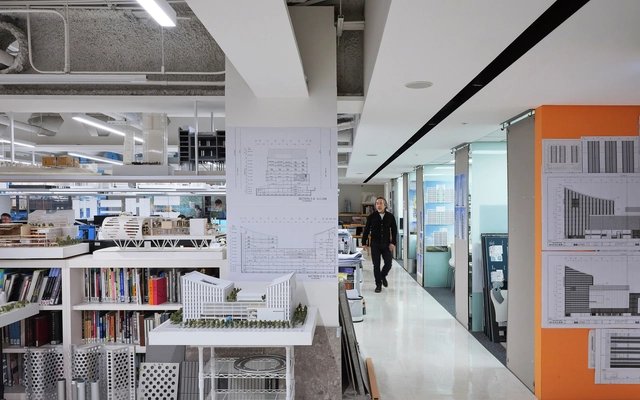
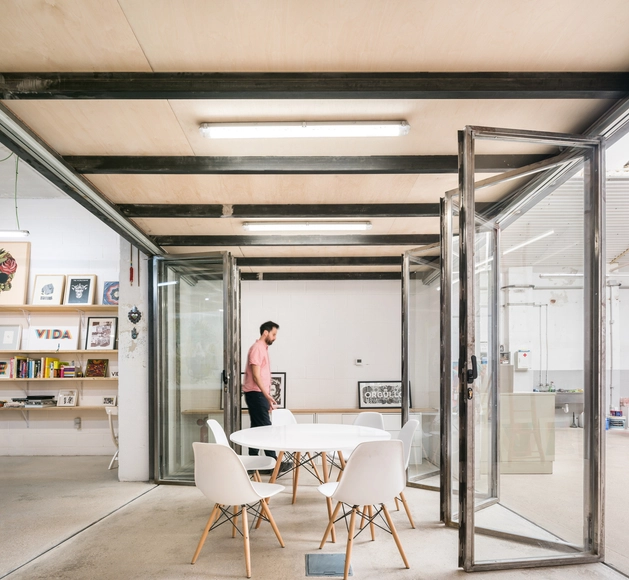
Architects have followed these changing trends, proposing diverse workspace typologies, adapting to multiple working styles, and organizing them to create optimal productive spaces. Among them, Spanish women-led architecture offices from different backgrounds and styles stand out for introducing layouts that redefine what is commonly known as a workspace. Below we present a selection of innovative refurbishment projects, all of which showcase flexible and dynamic workspace design. 

Sustainable Office Furniture: Promoting Circular Design in the Workplace

 | Sponsored Content

Interior architects and designers have often claimed that a well-designed office space will translate into greater productivity, creativity and worker satisfaction –yet the impact is greater than most tend to imagine. Recent studies suggest that good design positively impacts company culture, fosters a sense of community and creates a healthy, happy and motivating environment. In fact, it directly influences the recruitment and retention of talent: “workplace design significantly increases the attractiveness of employers to potential candidates.” Proper lighting, a flexible layout and biophilic features are all important factors to consider during the planning stage. But to fully address user comfort and well-being, these must be combined with excellent furniture design. After all, integrating high-quality ergonomic pieces is a simple way to boost mood and enhance functionality and aesthetics when creating or redecorating the workspace.

Interior Design Elements That Enhance Comfort and Productivity in the Workplace

Subscriber Access | 

Having a physical location as a workspace has many inherent benefits, such as bringing employees together in a collaborative environment and giving companies the opportunity to create culture and identity. But when hybrid and remote work began to rise in the early stages of the pandemic, many wondered it this meant the end of the physical office. However, now that two years have passed, the pattern has been clear: instead of being completely replaced by remote methods, many companies have adapted to new employee needs and conditions by opting for team-based, comfortable and flexible spaces that foster creativity, collaboration, and productivity.

From Rigid to Flexible Spaces: Redefining the Boundaries of Modern Office Interiors

Subscriber Access | 

As we continue to navigate the ongoing pandemic, the future of offices and workspaces has been widely debated. However, some immediate effects are clear: the rigid, primarily in-office model has been quickly replaced by hybrid work, with adaptability and comfort becoming the top priorities. Therefore, even as long-term consequences might be unclear, businesses will certainly have to strive for the right balance between traditional and remote methods in order to promote efficiency and employee well-being. From a design and architecture perspective, demand will focus on flexible working environments that foster creativity, productivity, and comfort – as well as addressing the associated technological, economic, and sustainability challenges.