The North Gate of Taipei, also known as Beimen, stands not only as a reminder of the city's complex history but also as a witness to the changing urban landscape around it and its shifting attitudes towards the urban spaces bordering heritage buildings. Initially a Chinese imperial frontier, spared from demolition during the Japanese colonial dominion, crowded by overpasses and highways in the postwar modernization efforts, it has recently regained its prominent status through the development of the plaza that now frames it. The gate's resilience through shifting urban priorities and architectural policies tells a story of heritage preservation not only through the built form, but also through the open spaces framing it.
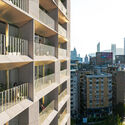
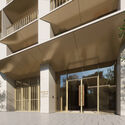
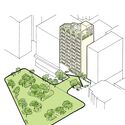
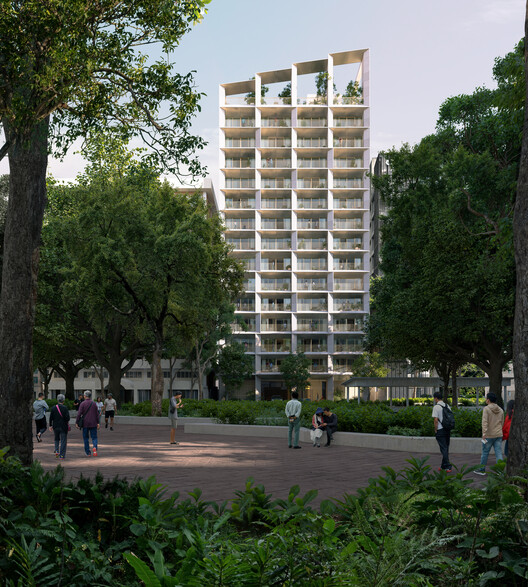
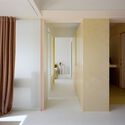
Henning Larsen, in collaboration with KHL Architects & Planners, Arup, and Flaviano Capriotti Architetti, has proposed the design for a 14-story residential building in Taipei for Continental Development Corporation. The project, titled Northern Lights, has a gross floor area of 3,464 square meters and is scheduled for completion in 2029. Situated adjacent to Daan Park, the development includes 46 residences and is positioned within a dense urban environment while maintaining proximity to one of the city's primary green spaces, which is described as a key contextual reference in the design.
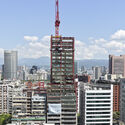
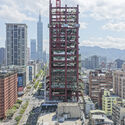
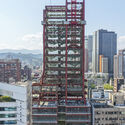
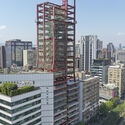
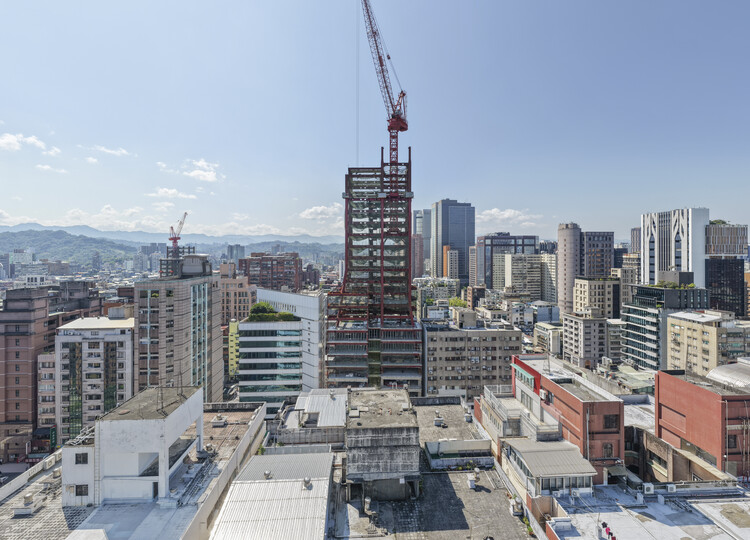
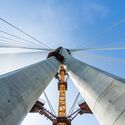
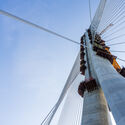
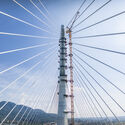
OMA's Metropolitan Village, also known as Taipei Xinyi–Wenchang Residence, is a new high-rise residential tower located in Taipei's Xinyi Central Business District. The project, led by David Gianotten and Chiaju Lin, with HCCH & Associates Architects Planners & Engineers as local collaborator, provides 11,961 m² of residential floor area on a 736 m² site. The 95 m, 23-storey building follows the concept of a "vertical village," reflecting the increasingly fluid boundary between living and working identified by the architects in post-pandemic Taipei. Commissioned by Continental Development Corporation, the project broke ground in 2024 and is scheduled for completion in 2027. Recent images show construction progress, with the highest structural element now being installed.
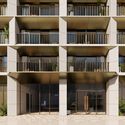
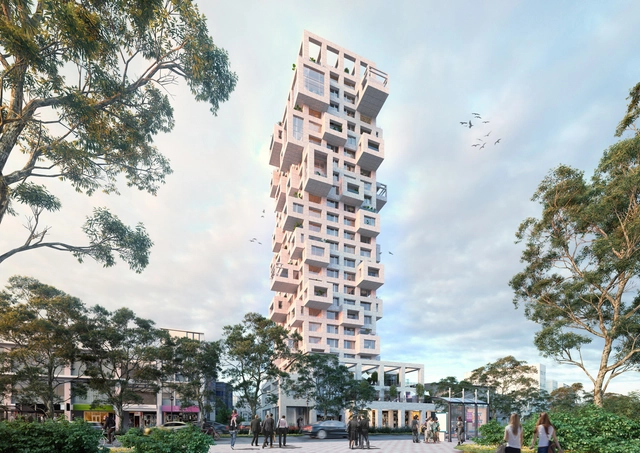
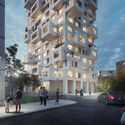
"Out of the Box" tower exterior render. Image Courtesy of MVRDV
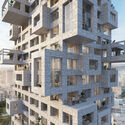
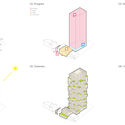
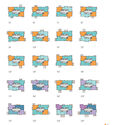
MVRDV has released images of "Out of the Box", a 12,025 sqm residential tower in Tianmu, one of Taipei's northernmost neighborhoods. Designed for Win Sing Development Company, the project began in 2019 and was developed using a system of standardized elements digitally distributed based on criteria such as habitability, efficiency, and access to community services. These elements are expressed in the tower's irregular, gridded façade, which features a layered marble cladding.
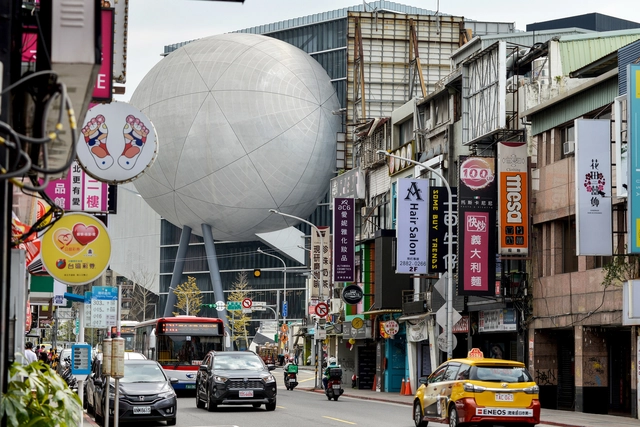
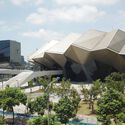
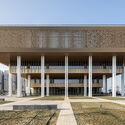
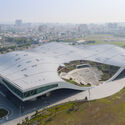
In most situations, architects navigate a complex web of construction codes, airspace regulations, and numerous other rules that dictate the form and execution of a project. However, cultural architecture often presents a unique opportunity for more daring and expressive designs. These projects frequently garner support from local governments, unlocking possibilities for formal explorations that might otherwise remain unrealized. In this regard, cultural architecture serves a dual purpose: enriching the community and establishing iconic landmarks that define the identity of their city or region. This ambition has certainly manifested in Taiwan. Situated in the heart of East Asia, this island nation boasts a remarkable array of formal explorations by both international and Taiwanese architects.
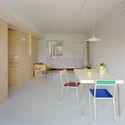
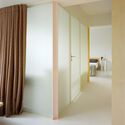
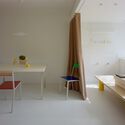
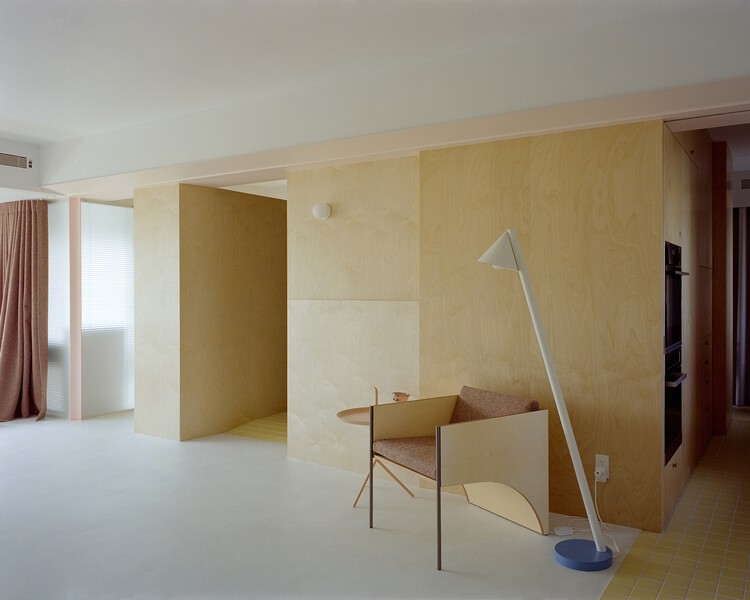
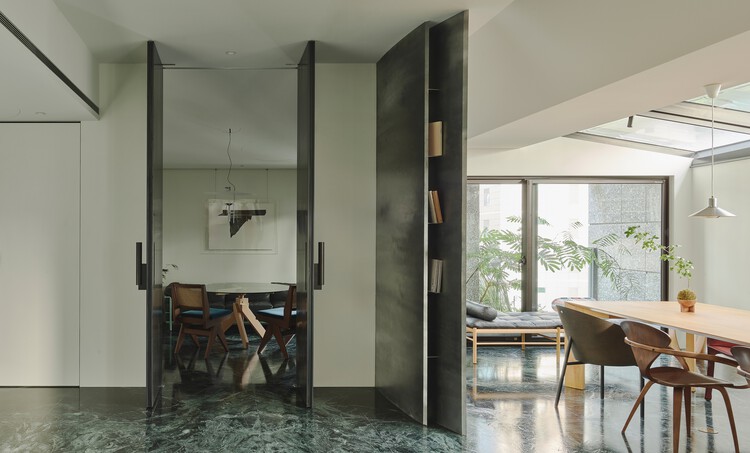
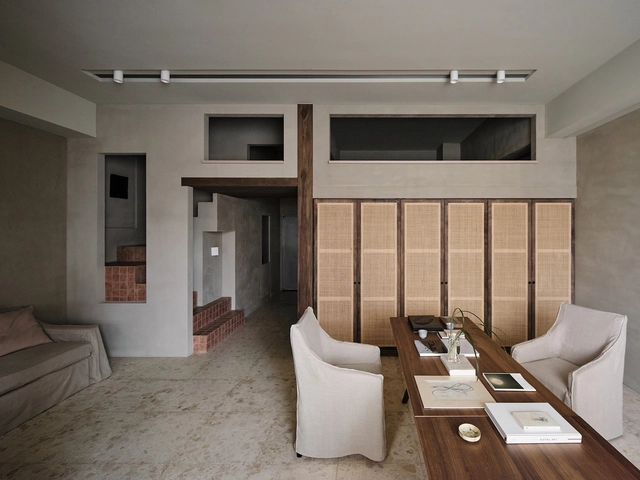
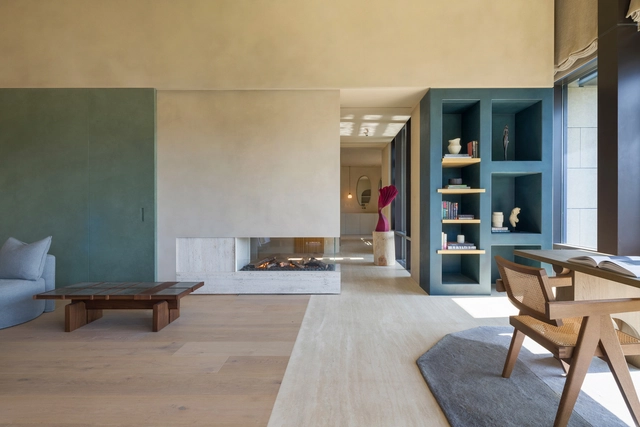
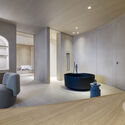
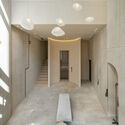
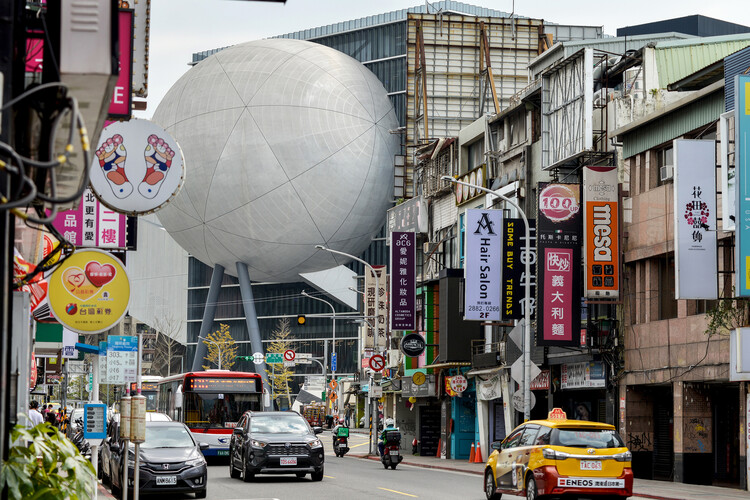
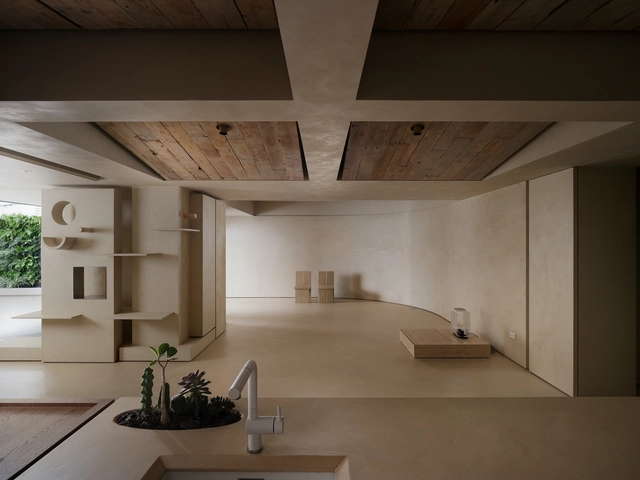
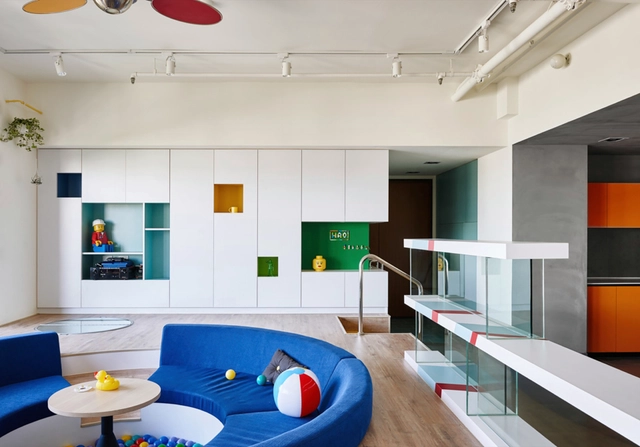
Despite its small size, the island of Taiwan is densely populated, with more than 80% of its people living in urban areas. Available space is often limited, particularly in major cities like Taipei, Taichung, and Kaohsiung. Therefore, designers face the ongoing challenge of creating interiors that feel spacious, functional, and visually appealing despite their sometimes compact footprints. Rather than seeing these limitations as constraints, architects embrace them as opportunities to experiment with smart layouts and multi-functional furniture that enhances livability.