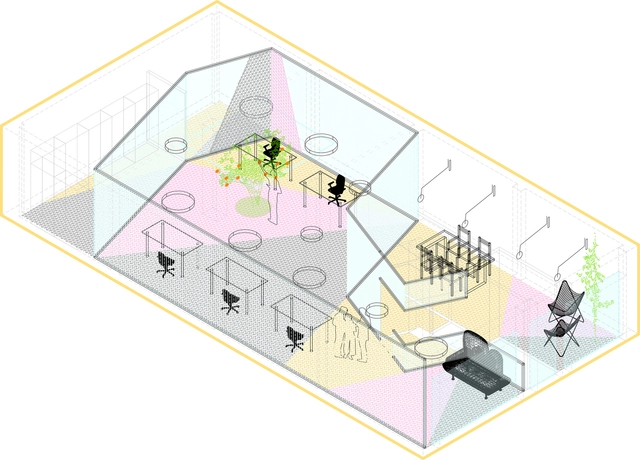
LANO FRUITS Office / Laura Ortín. Image Courtesy of Laura Ortín
From assigned cubicles to open plan coworks, workspaces have been transforming their design strategies following society’s changing lifestyles. While traditional layouts encouraged more independent work (avoiding social distractions), adjusting to new technologies and ways of thinking has enhanced productivity while respecting communication, wellness consciousness and the benefits of feeling comfortable at work.
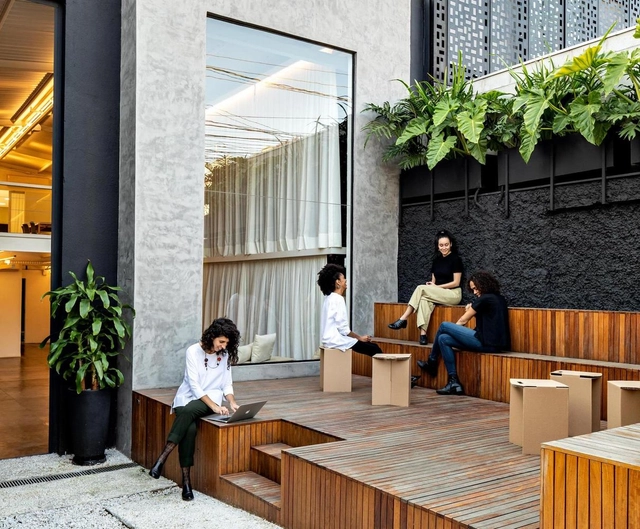
Architects have followed these changing trends, proposing diverse workspace typologies, adapting to multiple working styles, and organizing them to create optimal productive spaces. Among them, Spanish women-led architecture offices from different backgrounds and styles stand out for introducing layouts that redefine what is commonly known as a workspace. Below we present a selection of innovative refurbishment projects, all of which showcase flexible and dynamic workspace design.
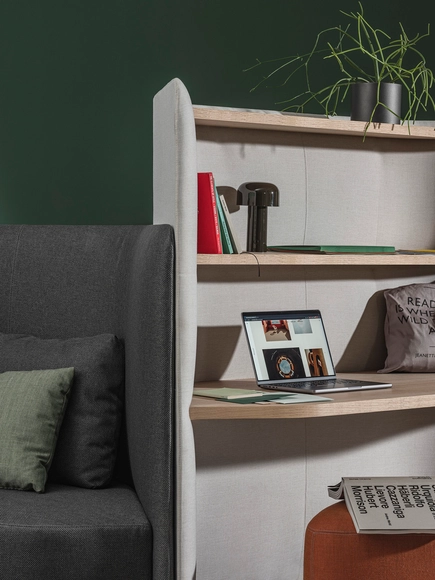
In Out Office / Alfredo Häberli. Image Courtesy of Andreu World
Interior architects and designers have often claimed that a well-designed office space will translate into greater productivity, creativity and worker satisfaction –yet the impact is greater than most tend to imagine. Recent studies suggest that good design positively impacts company culture, fosters a sense of community and creates a healthy, happy and motivating environment. In fact, it directly influences the recruitment and retention of talent: “workplace design significantly increases the attractiveness of employers to potential candidates.” Proper lighting, a flexible layout and biophilic features are all important factors to consider during the planning stage. But to fully address user comfort and well-being, these must be combined with excellent furniture design. After all, integrating high-quality ergonomic pieces is a simple way to boost mood and enhance functionality and aesthetics when creating or redecorating the workspace.
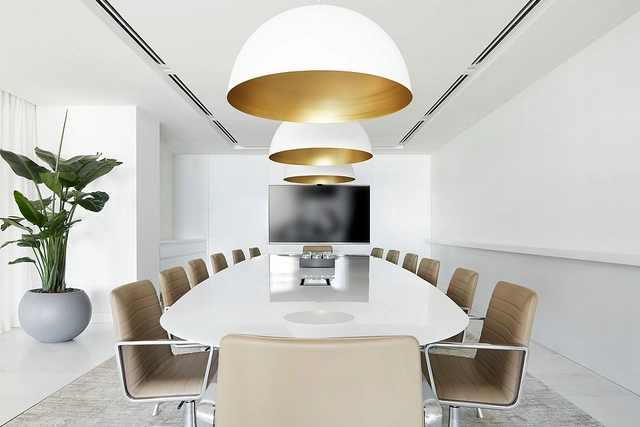
Interior Furniture in Coromandel Offices | Andreu World. Image Courtesy of Andreu World
Having a physical location as a workspace has many inherent benefits, such as bringing employees together in a collaborative environment and giving companies the opportunity to create culture and identity. But when hybrid and remote work began to rise in the early stages of the pandemic, many wondered it this meant the end of the physical office. However, now that two years have passed, the pattern has been clear: instead of being completely replaced by remote methods, many companies have adapted to new employee needs and conditions by opting for team-based, comfortable and flexible spaces that foster creativity, collaboration, and productivity.
As we continue to navigate the ongoing pandemic, the future of offices and workspaces has been widely debated. However, some immediate effects are clear: the rigid, primarily in-office model has been quickly replaced by hybrid work, with adaptability and comfort becoming the top priorities. Therefore, even as long-term consequences might be unclear, businesses will certainly have to strive for the right balance between traditional and remote methods in order to promote efficiency and employee well-being. From a design and architecture perspective, demand will focus on flexible working environments that foster creativity, productivity, and comfort – as well as addressing the associated technological, economic, and sustainability challenges.
The Coronavirus pandemic demanded new needs and significant changes in our lives: in relationships, at work, in consumption habits, in increasing inequality. Indeed, the theme of workspaces came up in a historical moment when people saw their own freedoms limited for the first time in the postmodern era.
Most people were forced to work from home, and since the beginning of quarantine, reflection on the future of workspaces has become inevitable. Some interesting data show that the Coronavirus only boosted a practice that had been consolidating for years in some countries. According to the Global Workplace Analytics e FlexJobs, between 2005 and 2015, the number of professionals in the United States who do at least 50% of their work from home or elsewhere outside their offices grew by 115%, and today that number reaches 4.7 million, 3.4% of the strength of the job.
After winning an international competition at the end of 2019, UNStudio has designed the new office of international software development company JetBrains in Saint Petersburg, promoting interaction and sustainability through its architecture, and focusing on the project's three keywords: Connective, Comfortable, and Versatile. UNStudio further developed the design in 2020 and construction is expected to start later this year.
More than a year into this worldwide experiment of working from home, we have not yet landed on the perfect formula for the workforce being once again in the workspace. Furthermore, not only has the Working From Home (WFH) situation lasted longer than anticipated, it has embedded itself into the way we will work forevermore. As vaccines are rolled out, leaders of all types of organizations must now seriously consider how to handle the return of their employees to the physical office space.
Construction has begun on “Welcome, feeling at work”, a biophilic office of the future in Milan, Italy. Designed by Kengo Kuma & Associates and commissioned by Europa Risorse, this venture seeks to create a workspace centered on employee health and wellbeing, integrated within its local environment. Imagined to be one of the most sustainable office development to date, the project is scheduled for 2024.
As we are entering 2021 after a year of anxiety and uncertainties, what are your expectation for our future? The UN75 survey reports that most people around the world hold greater optimism for the future: “Globally, many more respondents believe people will be better off in 2045 than today (49%) compared to those who believe people will be worse off (32%).”
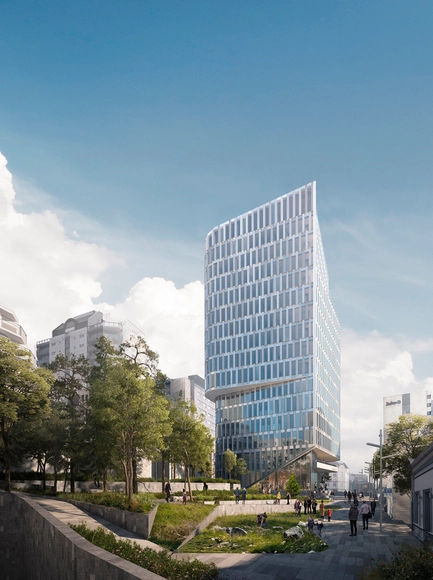
The sustainable mixed-use K8 tower, designed by Schmidt Hammer Lassen moves forward with final approval from the StavangerCity Council in Norway. The proposal aims to encourage future urban developments in the city and generates a new benchmark for sustainable and creative work environments.
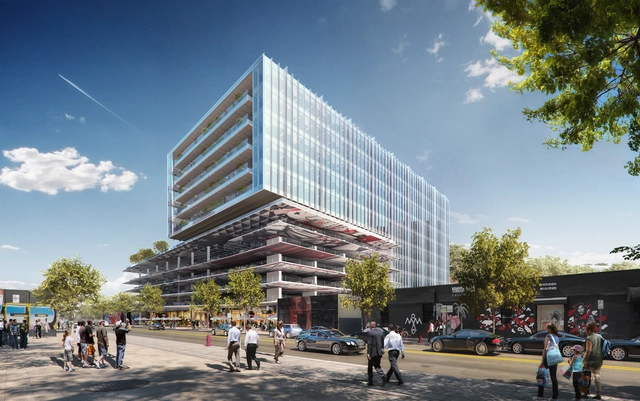
Gensler has unveiled 545wyn, “the first Class-A office tower in Miami in over a decade”. In collaboration with office developer Sterling Bay and local development partner Joe Furst of Place Projects, the project introduces a new generation of office space, aiming to attract a new type of innovative, forward-focused tenants. In fact, Gensler Miami will be the building’s first tenant of the 10-story tower.
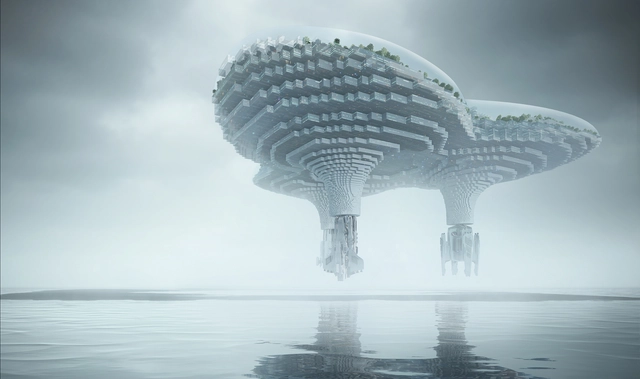
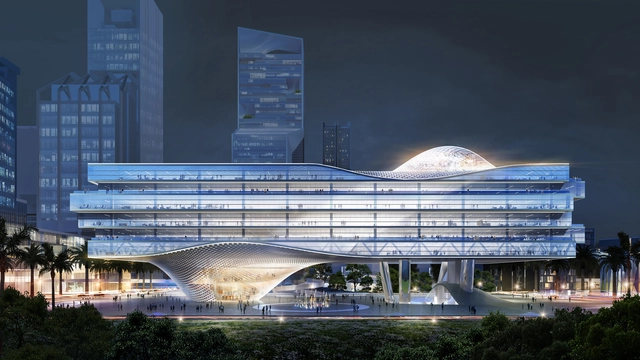
Büro Ole Scheeren unveiled images of the Shenzhen Wave, a transformational headquarters for ZTE, and new symbol of China’s next digital revolution. Envisioned as the future of workspace, the project “reimagines the urban cityscape as an interactive and integrated spatial ecosystem hovering above ground level”.
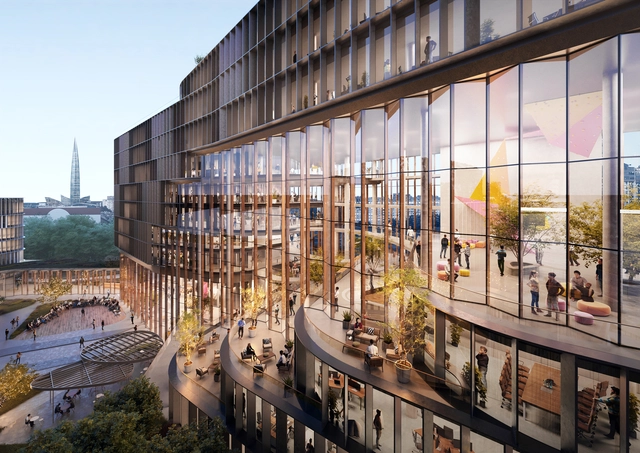
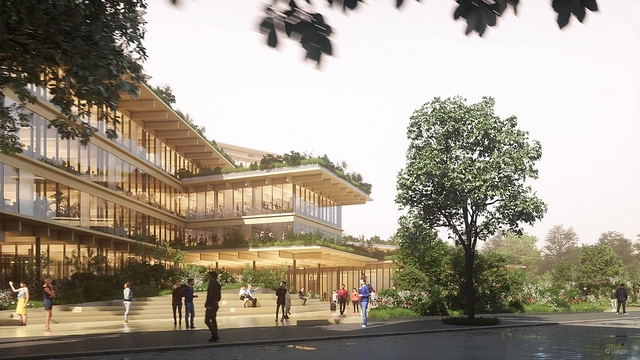
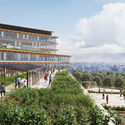
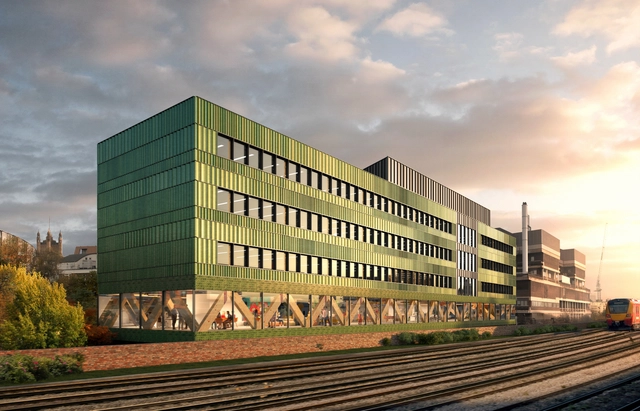
A new six-story net-zero carbon office development in Vauxhall, London, UK has been granted planning commission by the city council to move further. Designed by FCBStudios, the timber workspace named Paradise, will transform an abandoned site on old Paradise street, and replace the existing disused roastery.
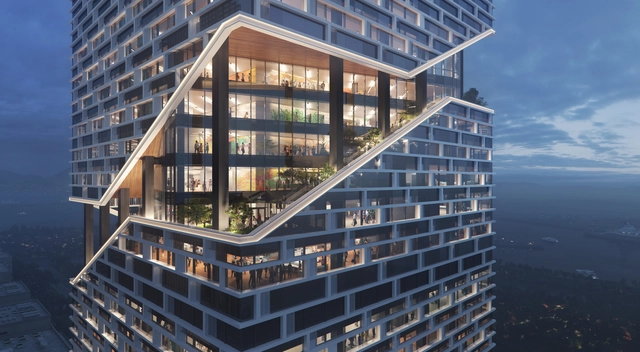
NBBJ has been selected to design the new Vivo headquarters, introducing the next generation of work environments that integrates nature, health, and equal access to amenities. Located in Shenzhen’s Bao’an district, the 32-story spiraling tower highlights an innovative design that embraces the urban-coastal site and reflects the company’s values. Construction began in May 2020 and is scheduled for completion by fall 2025.
Focusing on competition entries, this week’s curated selection of the best-unbuilt architecture from our readers' submissions, highlights projects from across the globe, presented part of international contests. Some are winners, some are not but all of the featured schemes have an intriguing conceptual approach, and a different story to tell.
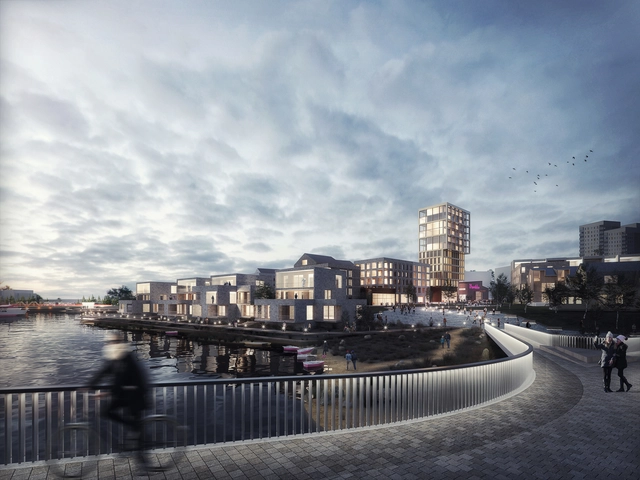
Tackling diverse programming, the entries include an urban public housing proposal in South Korea, the Dianju Village Library in China and a new Future-Oriented Neighborhood in Finland combining urban and sustainable living. Moreover, the article showcases rare and unconventional functions like a hospital for psychiatry & neurological diseases in Turkey and an intervention on a famed Oscar Niemeyer site.
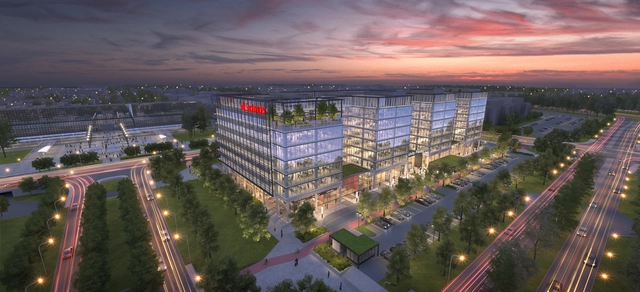
Expected to open in autumn 2022, construction works began on Santander’s landmark new workplace in Milton Keynes. The campus entitled Unity Place, designed by LOM architecture and design, is a hub for digital banking innovation, bringing together, in one space, the 6,000 employees of Santander.
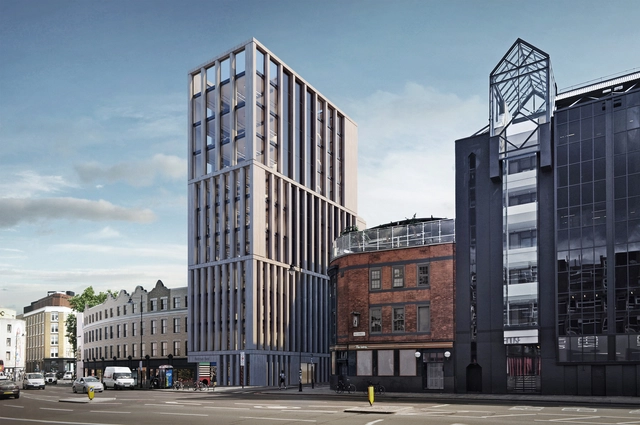
Douglas and King Architectsmaster plan to reinvigorate Shoreditch takes on a complex dual challenge. Broadly, there is the challenge at the core of any masterplanning project: creating a set of elements that flow together seamlessly with one another and their overall context. But more specifically, the project grapples with a tight triangular site and an already-lively urban context.
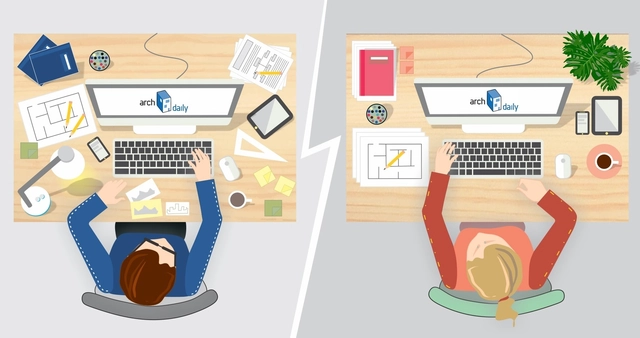
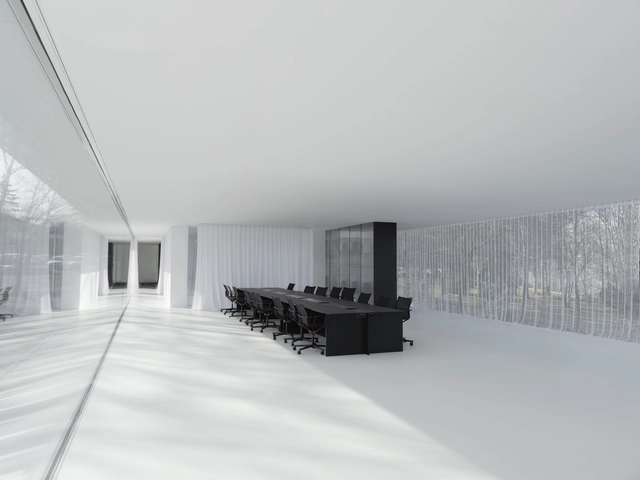
While architects are known for promoting sleek, clutter-free spaces, we have to ask: is this the best way to inspire creativity?Personal preference certainly plays a large part in how you respond to a stark table-tops with nary a stray pencil--maybe this is your nirvana. Or perhaps it’s theoretically preferable but once you have to sit down and work, you find yourself uninspired.
Author Tim Harford researched and compiled a number of examples for his book Messy in which “creativity, responsiveness, [and] resilience” were “integral to the disorder, confusion and disarray.” Do you agree? Or perhaps more importantly, what are you surrounded by when you’re in the zone and at your creative peak?
https://www.archdaily.com/887133/neat-and-tidy-or-messy-and-cluttered-which-inspires-more-creativityAD Editorial Team






.jpg?1617024156&format=webp&width=640&height=580)








.jpg?1596100203 "Courtesy of FCBStudios")
.jpg?1596100176 "Courtesy of FCBStudios")

.jpg?1596100270 "Courtesy of FCBStudios")